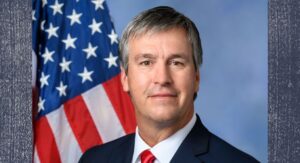
Bradley Byrne: National defense bill includes critical reforms
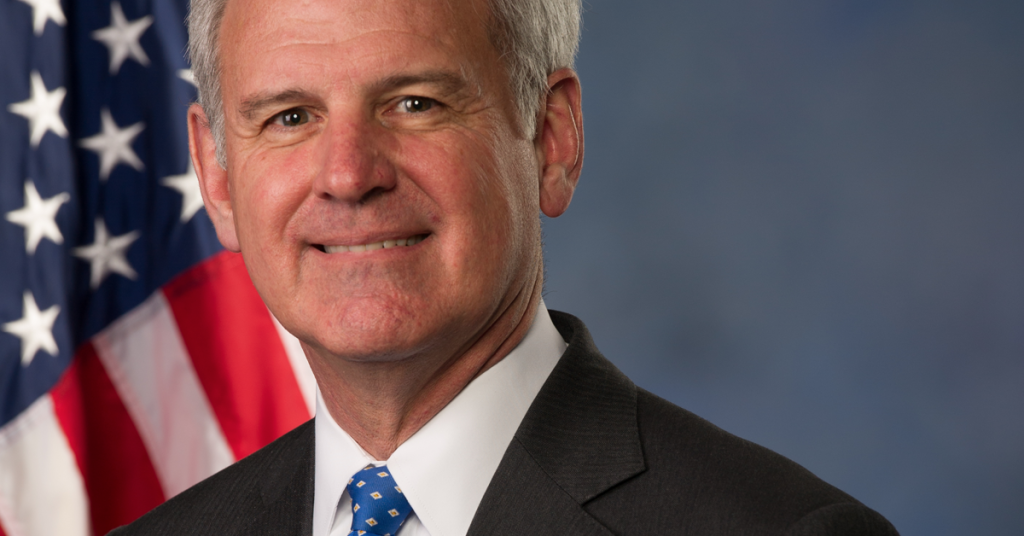
There is no function of Congress more important than “providing for the common defense” of our nation. When our Founding Fathers wrote the Constitution, they made sure to give the Congress substantial influence over the military. Each year, Congress exerts some of that authority in a bill known as the National Defense Authorization Act (NDAA). This bill lays out the policy and priorities for the Pentagon while also authorizing construction of military equipment and vessels. The NDAA does not actually provide funding, as that is done in a separate defense funding bill. The NDAA has long been a bill that earns support from both sides of the aisle. Even in today’s era of hyper-partisanship, the NDAA has remained a shining example of bipartisanship. While there will almost always be some differences in opinion, we generally all agree on the importance of supporting our nation’s military. As a member of the House Armed Services Committee, I have the opportunity to play a key role in the drafting and passage of the NDAA. Just last week, the Committee held an almost nineteen hour markup on the latest version of the NDAA. I wanted to highlight some of the important provisions in this year’s bill. First, the bill authorizes the construction of three more Littoral Combat Ships (LCS), which are built in part by Austal USA in Mobile. Our military commanders have made clear that the LCS is an important component of the naval fleet, and it fills a critical void in the Navy’s capabilities. I will continue to support this program and the over 4,000 men and women who work at the shipyard. Next, the NDAA makes some much-needed reforms to the Department’s acquisition process in order to make it less burdensome while still maintaining accountability. The Pentagon currently spends too much time filling out paperwork and going through a bureaucratic process while preparing to acquire new equipment. The NDAA makes reforms that will help streamline that process. Like any government agency, the Department of Defense should constantly be searching for ways to become more efficient and effective. That’s why the NDAA cuts some of the fat at the Pentagon and ensures money is actually going to our service members. The bill eliminates over 460 mandated reports and calls for a reduction in the Pentagon’s headquarter personnel. It is more important now than ever before that we are recruiting and retaining the best and the brightest to serve in our military. In that regard, the NDAA calls for a 2.3% pay raise for active duty military. The NDAA also lays the foundation for reforming the military compensation system – by providing additional options to individuals who serve the nation for a period of less than 20 years – while rejecting the President’s efforts to raise healthcare costs for military personnel. The NDAA also includes provisions related to the ongoing conflicts around the globe. The bill reinforces the mission of the United States against the Islamic State of Iraq and the Levant (ISIL) while also calling on the United States to provide defensive lethal aid to Ukraine in their fight against Russian-backed separatists. Just as important, the bill would prohibit President Obama from closing Guantanamo Bay in Cuba. These are just a few of the important reforms included in this year’s bill. Ultimately, the Committee passed the NDAA at around 5:00 a.m. last Wednesday morning by a bipartisan vote of 60 to 2. The full House is expected to take the bill up the week of May 11. It is my sincere hope that we never lose focus on ensuring our sailors, soldiers, airmen, and Marines have the resources they need to defend our country. A capable military is a fundamental requirement for a vibrant democracy, and I will do everything I can to ensure our military remains strong. Bradley Byrne is a Member of the United States Congress representing Alabama’s 1st Congressional District. Photo Credit: AP file photo
In S.C., Jeb Bush and other GOP hopefuls run against Obama, terrorism
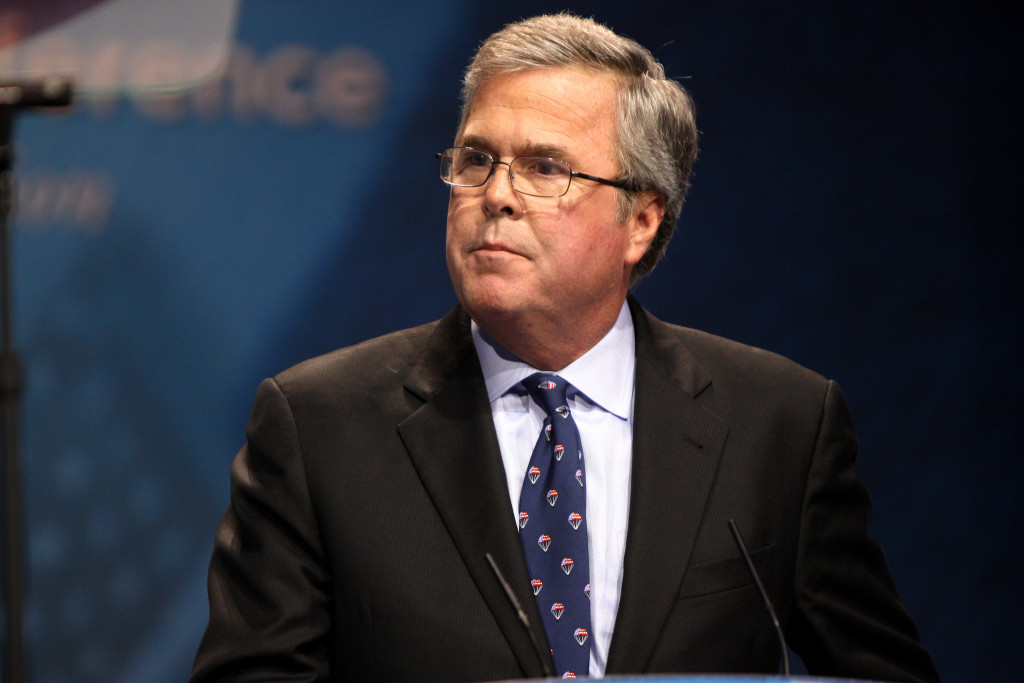
Republican presidential hopefuls eventually will have to start running against each other. But, for now, many are content to run against President Barack Obama, Iran and Middle East extremists. At the South Carolina Republican convention, Jeb Bush, the former Florida governor, called the president’s international stewardship “an unmitigated disaster. Former Pennsylvania Sen. Rick Santorum called Obama “weak.” Rick Perry, Texas’ former governor, blasted “vacillation” by the administration. Sen. Lindsey Graham of South Carolina called the president “feckless” on the world stage. And Graham and Sen. Ted Cruz of Texas echoed each other as they accused Obama of “leading from behind.” All five pledged loyalty to Israel and expressed varying levels of disdain for Iran. The rhetoric — similar to what other potential GOP nominees are saying in early voting states — plays well at GOP venues where Obama is a reviled figure: the audience whooped, hollers and occasionally shouted “Amen” in response to the candidates. The approach also allows potential Republican nominees an easy transition into attacking former Secretary of State Hillary Rodham Clinton, the favorite for the Democratic nomination. “Hillary Clinton is not going to be the person to lead us to a more stable future,” Bush said. “She has her fingerprints on all these foreign policy disasters.” The question, eight months before voters in Iowa, New Hampshire and South Carolina start the nomination process, is whether any candidate can use promises of an aggressive foreign policy to distinguish themselves in a crowded field. They certainly tried, as they spoke over two days to hundreds of activists who will help shape the primary outcome here. Several couched their pitches in religion, particularly in their condemnation of the Islamic State group. “The great issue of our time is a battle between western values of freedom and this totalitarian world view of Islamic fanatics,” Perry said. Graham, at a breakfast he hosted for delegates, said, “They want to purify their religion and they want to destroy ours.” Santorum went further, noting the public killings broadcast by Islamic State militants. “This is not a modern Islam,” he said. “It’s a 7th century Islam. So I have a suggestion: Let’s bomb them back to the 7th century.” Bush didn’t explicitly mention religion but played up his support for Israel, which many conservative American Christians view as the modern inheritors of the Old Testament covenant between the Judeo-Christian God and the ancient Israelites. “The basic policy should be our friends know we have their back over the long haul, and our enemies need to fear us again,” Bush said. Graham, the home-state senator who has surprised many local supporters by considering a presidential bid, argued that the distinguishing component of the GOP’s foreign policy discussions will be experience and past leadership. He noted that he was an outspoken proponent of the troop surge in Iraq under President George W. Bush and that he criticized troop reductions in the region under Obama, saying the president was “fulfilling a political promise that never made sense.” “I’ve been to Afghanistan 23 times since 9/11,” Graham said, adding that he would “listen to the commanders on the ground” rather than “pollsters.” Already having clashed with Kentucky Sen. Rand Paul, who takes a more skeptical view of American involvement abroad, Graham said he will continue pushing an aggressive, specific foreign and military policy debate within the party. He stopped short, however, of saying that the governors and former governors in the race are too inexperienced in world affairs. Florida Sen. Marco Rubio, who has already launched his formal campaign, had created a stir in recent days when he told the Des Moines (Iowa) Register that governors can “read about foreign policy” but aren’t as actively engaged in it as senators. Republished with permission of the Associated Press.
Poarch Creek Indians: We have a ‘better approach’ to Alabama gambling

Alabama’s only federally recognized tribe is urging state officeholders to explore a compact with the tribe as state legislators talk about gambling as a revenue source. Robert McGhee, the tribe’s governmental relations for the Poarch Band of Creek Indians, said the tribe feels it has a “better approach” than a proposal to put casinos at four state dog tracks. McGhee said casinos at the dog tracks would change the landscape of Alabama for not a significant amount of money. The Poarch Creeks operate casinos with electronic bingo games, which resemble slot machines, in Atmore, Wetumpka and Montgomery. McGhee said the tribe would like the exclusive right to run casinos in the state. The tribe has also expressed interest in getting a north Alabama site. Republished with permission of The Associated Press.