
Hillary Clinton agrees to testify on Benghazi, emails this month
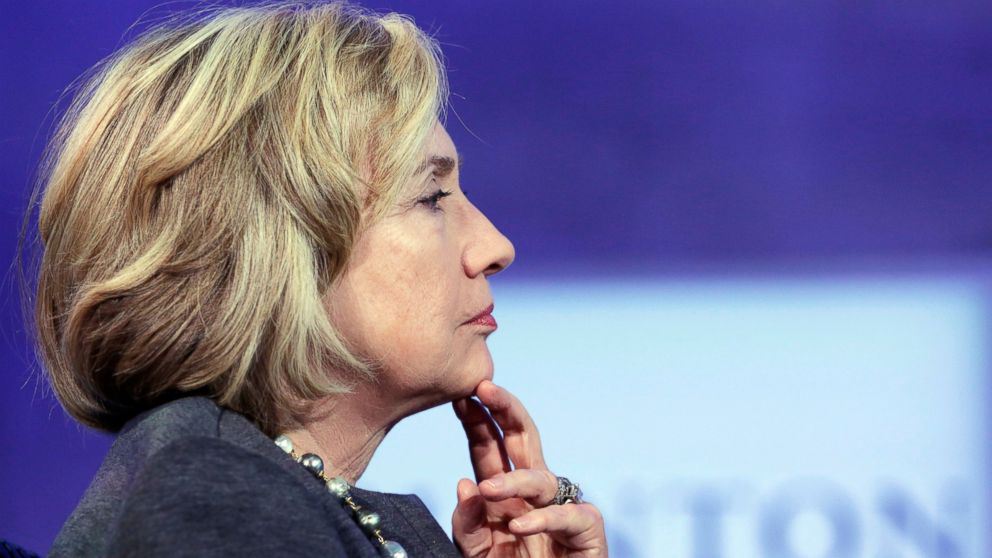
Hillary Rodham Clinton is willing to testify once on Capitol Hill this month about the attacks in Benghazi, Libya, and her email practices during her tenure as secretary of state, her attorney told lawmakers in a letter Monday. Lawyer David Kendall said the Democratic presidential candidate will appear for only one session the week of May 18 or later, not twice as requested by Rep. Trey Gowdy, a South Carolina Republican and chairman of the special panel investigating the September 2012 attacks that killed four Americans, including Ambassador Chris Stevens, at the U.S. outpost in Libya. Gowdy had requested one hearing to focus on Clinton’s use of private emails, and a separate session on Benghazi. Kendall said Clinton would answer all lawmakers’ questions during one session and it would not be necessary for her to appear twice. “Respectfully, there is no basis, logic or precedent for such an unusual request,” Kendall wrote. “The secretary is fully prepared to stay for the duration of the committee’s questions on the day she appears.” Rep. Elijah Cummings of Maryland, the top Democrat on the panel, released Kendall’s letter along with a statement saying the lawyer’s offer should more than satisfy the GOP’s demands. “Chairman Gowdy should take ‘yes’ for an answer and finally schedule the hearing,” Cummings wrote. “Dragging out this process further into the presidential election season sacrifices any chance that the American people will see it as serious or legitimate.” Spokesman Jamal Ware said Gowdy will consider her response and issue a statement later “regarding the path forward” for Clinton’s testimony. Clinton previously testified on Capitol Hill over the attacks in January 2013, when she was still secretary of state. She told lawmakers then that she takes responsibility for missteps by the State Department in the months leading up to the assault. But Clinton insisted that requests for more security at the diplomatic mission in Benghazi didn’t reach her desk, and reminded lawmakers that they have a responsibility to fund security-related budget requests. Republicans say they have more questions, especially in light of recent revelations that she used a private email account while secretary of state and decided which emails to retain and turn over to the government. Gowdy’s letter last month seeking two appearances included more than 100 questions he and other lawmakers may pose to Clinton about her email use, including why she considered using a private server and what was done to vet the companies or individuals who set up the server. Republished with permission of The Associated Press.
Poll finds Medicaid recipients still choosing ER visits over primary or urgent care
Medicaid patients are still visiting emergency rooms rather than primary care or urgent care physicians, according to a poll released Monday by the American College of Emergency Physicians. More than half of 2,098 doctors surveyed (56 percent) said that the number of Medicaid patients visiting emergency rooms has increased during the past year. The ACEP poll also reported a sharp increase in the volume of emergency room patients since the Affordable Care Act insurance coverage mandate took effect. About 75 percent of doctors surveyed saw an overall increase in the volume of ER patients; 28 percent reported a significant rise in the number of emergency patients. The study writers said in a prepared statement that the statistics were evidence that efforts by policymakers and health insurance providers to drive Medicaid patients out of emergency departments and into primary care are not working. Those findings arrive at a crucial time in the debate over Medicaid expansion in Alabama. Democratic legislators continue to urge Gov. Robert Bentley to expand Medicaid. Senate Democrats pledged to shut down the rest of the Legislative Session with filibusters on every bill in protest to a resolution passed by Republican leaders opposing Medicaid expansion. Sen. Tripp Pittman, who sponsored the Senate resolution, told Yellowhammer News that he and other leaders harbored deep concerns about raising the number of people receiving public assistance. “This resolution expresses my resolve to be fiscally responsible and protect taxpayer funds,” Pittman said. “Medicaid reform legislation has already been put in place, and we need to measure the outcome of those reforms before rashly expanding Medicaid. Right now, we simply can’t afford to expand Medicaid.”
Conservative group calls on governor to reject federal Ex-Im Bank
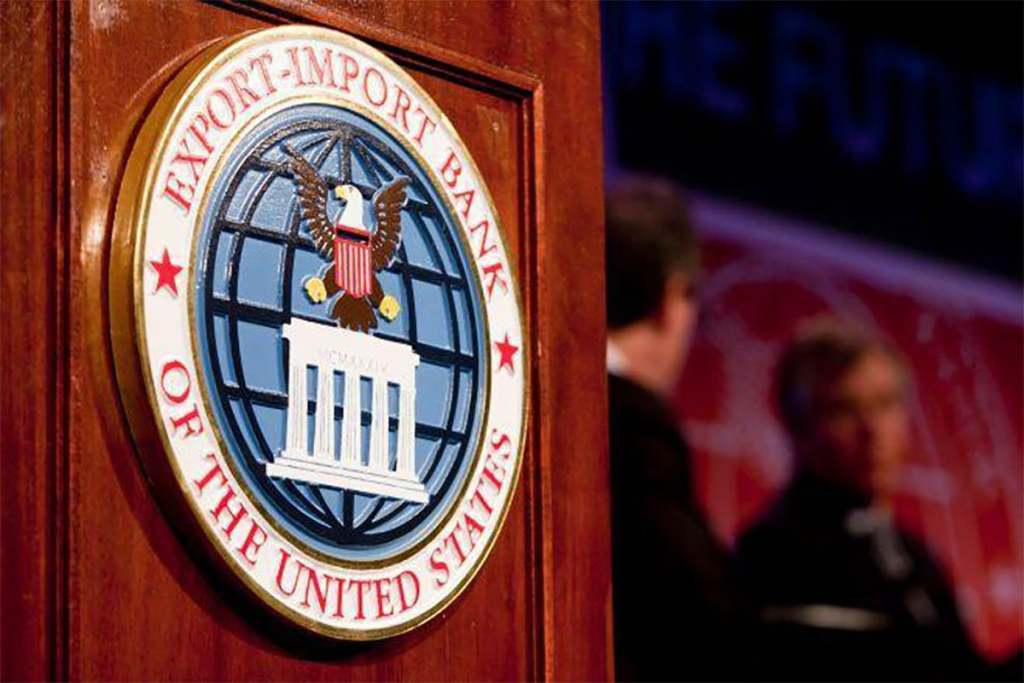
In a letter circulated by Rainy Day Patriots, executive director Zan Green and state co-chair Ann Eubank chided Gov. Robert Bentley for his support for the 71-year old Export-Import bank, a trade credit agency created by Congress to facilitate international commerce. The group called the institution “a fund for corporate welfare,” and echoed sentiments from President Barack Obama who has opposed the extension of the bank’s charter. The group also praised Alabama U.S. Rep. Gary Palmer for opposing the bank as well, saying it is a relic of the past that no longer serves a legitimate public purpose, and instead has become a piggy bank for governmental financial adventures. “The bank largely benefits large corporations that shell out millions for multitudes of lobbyists to descend upon the lawmakers and bureaucrats in DC to secure funding for their exports — something that most small business owners cannot afford to do,” Green and Eubanks wrote. “For example, the bank loaned nearly half a billion dollars to First Solar — to sell solar panels to itself. It is past time for the bank to expire.” The group also criticized the other members of Alabama’s congressional delegation, linking to an item on the website for the conservative Heritage Foundation’s Action for America organization that lists 83 House members who have publicly voiced their opposition to the bank’s continued existence. The Rainy Day Patriots likened their efforts to that of the state Senate, which roundly rejected Bentley’s support for expanding Medicaid in the state to draw down federal healthcare dollars, a deeply unpopular position among state Republicans. “Our Alabama congressmen should reject Governor Bentley’s advice on the Ex-Im Bank, just as our State Senate resoundingly rejected Governor Bentley’s desire to expand Medicaid. Congressman Palmer deserves our gratitude, and it’s time for the rest of Alabama’s congressmen to join him,” the letter concluded.
State-run liquor stores an unnecessary hangover from times long past
It’s not often you go to a government website and find recipes for mixed drinks. However, go to the Alabama Alcoholic Beverage Control Board webpage the home screen you’ll find a link to drink recipes. The state will tell you how to make a “Purple Rain” (which includes rum, vodka, gin, tequila, and triple sec if you were curious), “Irish Eyes” or even a chocolate margarita. If that’s not enough, if you visit the state pricing sheet you’ll get nearly 20 pages more of drinks. Why the push for strong beverages and spirits by our government? They’re in the alcohol business. Alabama is one of 17 states nationally that’s still a control state, but not to worry, they do so for your own good. From its website: “Following the era of Prohibition, each state individually decided how alcoholic beverages would be managed within its borders. The people of Alabama did not want alcoholic beverages marketed like soup and soft drinks. Recognizing the lethal potential of alcohol, Alabama citizens demanded its rigorous control. The ABC Board was legislatively created to fulfill this mandate.” Spotlighted on the homepage of the ABC board and paraphrased in their pricing sheet is an op-ed from ABC Administrator Mac Gipson that makes the case to continue the state program. He also argues against Senate Bill 115 , saying it would, “ultimately (lead) to higher prices, as well as increased consumption with all its associated social ills.” Aren’t you glad the state is here to save you from the “lethal potential of alcohol?” Could there be other interests beyond that residents of this great state need it to run liquor stores to keep them from becoming a heathen free-market system? Well, there’s all those jobs Gipson cites that would be lost. Only problem is that SB 115 by Sen. Arthur Orr addresses that. According to the committee report on the bill: “This bill also requires the Board to fill any nonessential positions with displaced ABC employees of retail operations. The bill also requires displaced employees receive (1) a five percent bidding preference when submitting an individual bid or submitting a bid on behalf of a corporation, partnership, association, or other business organization, of which the displaced employee owns at least a 50 percent interest and (2) five additional points on a state examination for appointment to the classified service for a period of two years. In addition, displaced employees shall be given a 20 percent discount on retail license and permit fees for the first two years after issuance. The bill also allows a licensee to receive a 20 percent discount on license and permit fees for employing a displaced employee full-time, for 12 consecutive months or longer. The discount would be given for each complete year the displaced employee is employed full-time, for up to five years.” Looking for other reasons to continue this not-so conservative, not-so free-market program, there’s always that big government rarely likes to end a program and return services to the market where they belong. Then there’s this a strong lobby against change: Monday morning, AL.Com’s Cameron Smith published Meet the money behind the effort to keep Alabama in the liquor retail business. In it he links to a letter Bob Leavell, former Alcoholic Beverage Control Board (ABC) administrator under Governors Folsom and James, sent to the landlords of the states liquor stores. Leavell pleads with them to contribute to a fund for lobbyists to fight Senate Bill 115, which would open up the market. In it he says, “If you thought this Bill was not going anywhere; that it would die or get killed like it always has, you need to think again!” Let’s hope he’s right! The fact is the prohibition days are long behind us and so should be the days of state-run liquor stores. Photo Credit: AP Photo/Doug McSchooler
Jim Zeigler files suit in Baldwin County school tax campaign case
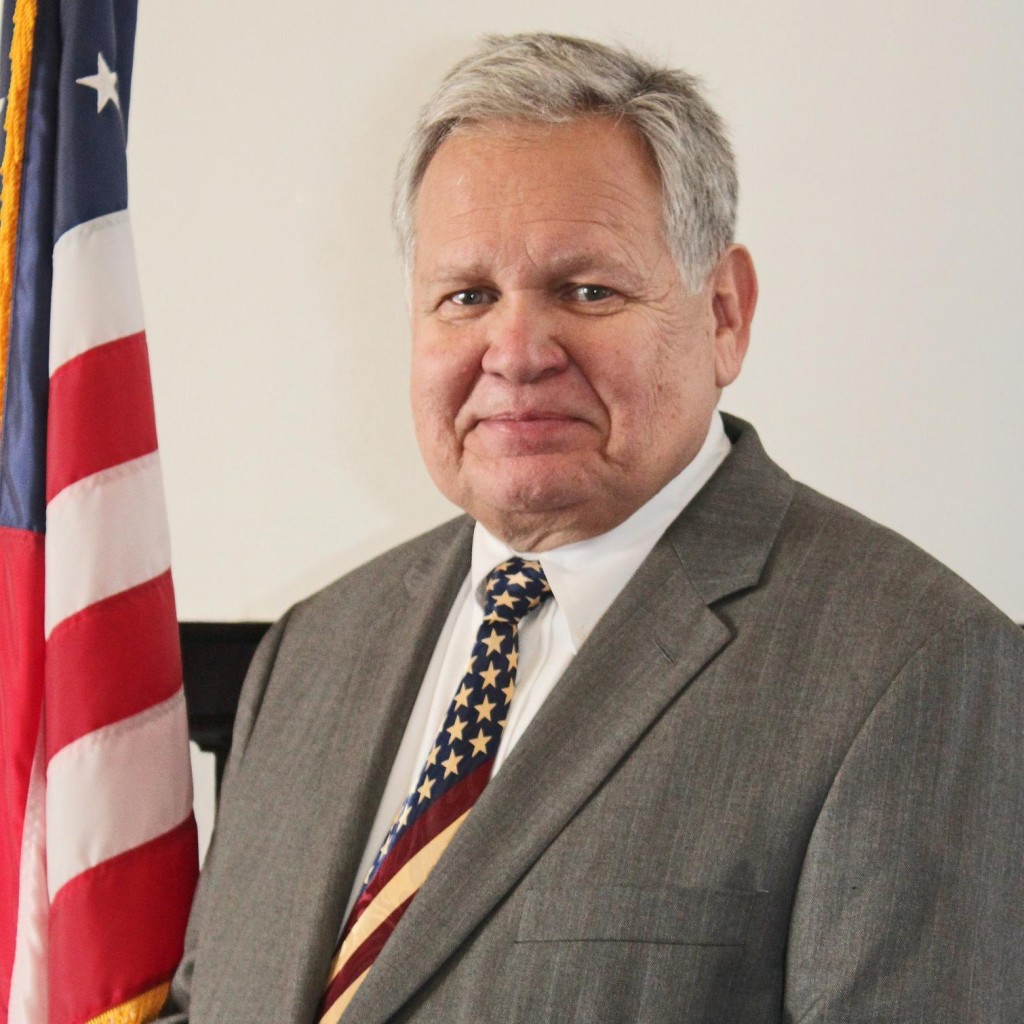
State auditor Jim Zeigler said late Monday morning that he has filed suit to prevent taxpayer dollars from paying for public campaigns to increase local tax receipts. The move is a legal remedy to a legal opinion offered by Attorney General Luther Strange, who permitted local officials with the Baldwin County School Board to leverage public money in order to fund their “Build Baldwin Now” campaign, which sought to increase three local tax rates to build new schools, which the group said was inadequate, and on boarding new teachers. Zeigler said in Loxley Monday morning at the Windscape Hotel that the campaign, reported on widely by state media, represented a violation of a state prohibition against the “improper use of state property, time, etc., for political activities,” under the Code of Alabama 17-17-5(a). “No person in the employment of the State of Alabama, a county, a city, a local school board, or any other governmental agency, whether classified or unclassified, shall use any state, county, city, local school board, or other governmental agency funds, property, or time, for any political activities,” the section mentioned in Zeigler’s complaint reads. The auditor’s case will go before the Circuit Court of Montgomery and seeks “declaratory and injunctive relief” on behalf of Alabama taxpayers, meaning that Zeigler and the other plaintiffs — including Charles L. McMinn and David Peterson — want a judgment that says using public coffers to induce taxpayers into giving more is wrong and that orders any public official doing so to cease and desist. The full text of the complaint can be found here. Zeigler insists his lawsuit serves a purely utilitarian public purpose and is not meant to capitalize on the still-raw feelings many carried away from the March 31 election, which saw a shocking defeat for the school system and a big win for anti-tax groups. “We’re not trying to flame up opinions in Baldwin County where 68 percent of ‘no’ votes were pretty strong,” Zeigler told AL.com last week, responding to such criticism. Alabama Today previously reported that Zeigler would file the lawsuit this week on Friday, but after his announcement the auditor’s office apparently decided to expedite the process.
DHS, DOL refuse to investigate lawmaker claims of abuse in visa program for specialty workers
A second federal agency has refused to look into claims that companies are using a popular visa program to displace American workers with cheap labor, ALToday.com has learned. In early April, a bipartisan group of senators led by U.S. Sen. Jeff Sessions and Senate Minority Whip Dick Durbin had urged the departments of Justice, Labor, and Homeland Security to investigate alleged abuses of the H-1B visa program. On April 23, a DOL official responded stating that the agency “lacks a basis to initiate an investigation.” The Department of Homeland Security issued a response late last week saying that the agency would not be pursuing an investigation of the H-1B program. The H-1B program allows employers to hire immigrant workers with highly specialized knowledge or education. Information from the Department of Labor website says that the program is intended to help companies that can’t find American workers with needed skills. The senators claimed to have gotten reports that at least one large company, Southern California Edison, was using the program to replace and undercut wages for American workers. “The U.S. is graduating twice as many STEM students each year as find jobs in those fields, yet the H-1B program continues to provide IT companies with a large annual supply of lower-wage guest workers to hire in place of more qualified Americans,” Senators Session and Durbin said in a joint news release. “There is no ‘shortage’ of talented Americans, only a shortage of officials willing to protect them.” According to reports by the Los Angeles Times, Southern California Edison officials deny that they are seeking to displace U.S. workers, and have vowed to “cooperate with any investigation” initiated by the senators. The DHS response to the senators’ letter came from U.S. Citizenship and Immigration Services Director Leon Rodriguez. Rodriguez wrote, “… it would be premature for USCIS to speculate as to whether Southern California Edison’s participation in the H-1B program has violated any laws. If facts come to our attention that indicate violations have occurred, USCIS will take appropriate action to maintain the integrity of our programs.” In a prepared statement, the senators said they were “disappointed” with the DHS response. “We did not ask for speculation; we asked for an investigation, and an explanation of any legal obstacles to conducting such an investigation.” Meanwhile, applications for the temporary visa program reached their congressionally mandated limit for the third year in a row, CNBC reported. According to that same story, USCIS began accepting 2016 applications in early April and met the 65,000 cap in just one week.
2016 presidential election predictions we can already make
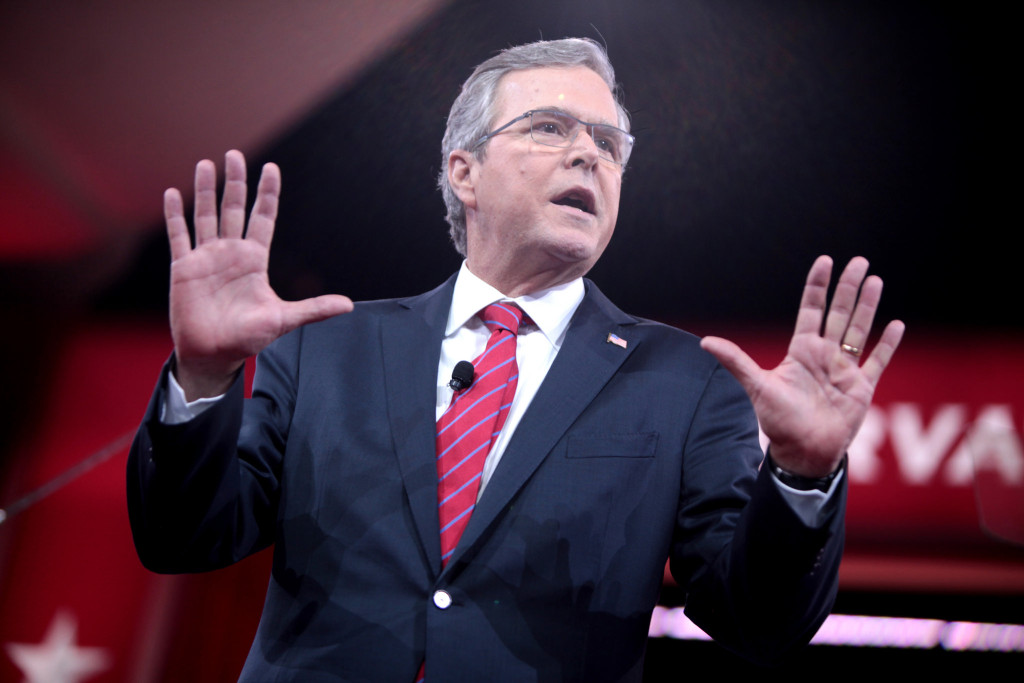
In the past few decades, swing states, once major wild cards in presidential politics are becoming scarcer. When Florida decided the 2000 election with 537 votes, 12 states helped elect the president by less than five percentage points. In 2012, the number of swing states dropped to four. For today’s Electoral College, 40 of 50 states have voted for the same party in all four elections since 2000, writes Larry Sabato, Kyle Kondik and Geoffrey Skelley in today’s POLITICO. Of the 10 exceptions, three were flukes: New Mexico’s vote was “razor-thin” in going for Al Gore in 2000 Al Gore, as well as 2004 when George W. Bush won the state. Indiana and North Carolina were trending Democratic, narrowly electing Barack Obama in 2008, mostly because of a strong field game and advertising by Obama’s campaign. Hoosiers tend to be Republican, as do the Tar Heels, by a slight margin. Sabato estimates seven real swing states: Colorado, Florida, Nevada, Ohio, and Virginia – each backing Bush and Obama twice. Iowa and New Hampshire went Democratic in three of the past four presidential contests. It should them come as little surprise that the particular seven states start as the clear toss-ups on the first Electoral Map for 2016. Sabato writes: It’s effectively the same map we featured for much of the 2012 cycle, and it unmistakably suggests the Democratic nominee should start the election as at least a marginal Electoral College favorite over his or (probably) her Republican rival. However, at the starting gate it is wiser to argue that the next election is basically a 50-50 proposition. How can that be when Democrats are so much closer to the magic number of 270 than Republicans? At heart, it’s because the past is often not a good guide to the future. With regularity in modern history, the Electoral College’s alleged lock for one party has been picked by the other party, usually at eight-year intervals. A few states that appear to be solidly in one party’s column can switch in any given year because of short-term (Indiana) or long-term (Virginia) forces. Other states that merely lean to one party require less of a push to change allegiances. North Carolina tilts to the GOP and Wisconsin to the Democrats, but it doesn’t require much imagination to foresee the winning party flipping one or the other. To win in 2016, all Democrats have to do is hold off GOP gains and limit any blue-to-red transformations. If those state that Sabato sees as lean, likely, and safe Democratic, the nominee needs just 23 of the 85 toss-up electoral ballots. In addition, in the case a lean Democratic state such as Wisconsin falls to the Republicans, those lost votes can be easily made up with a handful of toss-ups. For Republicans, Sabato says winning poses a considerably greater challenge. First, he or she must hold all the usual R states, plus patching together another 64 electoral votes, or 79 votes if North Carolina goes Democrat. To do so, a GOP candidate would have to sweep of a handful of swing states – an unlikely scenario, unless a few election cycle essentials turn against Democrats — Obama’s job approval, the economy, war and the like. At this point in the election cycle, we can already make two predictions: Republicans will not win if they lose either Florida or Ohio. Although the two states are somewhat slightly more Republican than the U.S. as a whole, if the GOP wants any chance if success, they will pick a nominee appealing to both Sunshine and Buckeye State voters. Second, a Democratic path to the White House might be possible without Virginia, but anything more than a percent or two (either way) will be a definite failure. Virginia was slightly more Democratic than the nation in 2012, Sabato notes, for the first time since FDR, and there are rising population trends more favorable to Democrats. “If you plan to go where the action will be,” he concludes, “you can already safely book those autumn 2016 travel packages to Columbus, Denver, Des Moines, Las Vegas, Manchester, Richmond and Tampa.”
Quick look: 5 hot topics state and national from budget to Baltimore
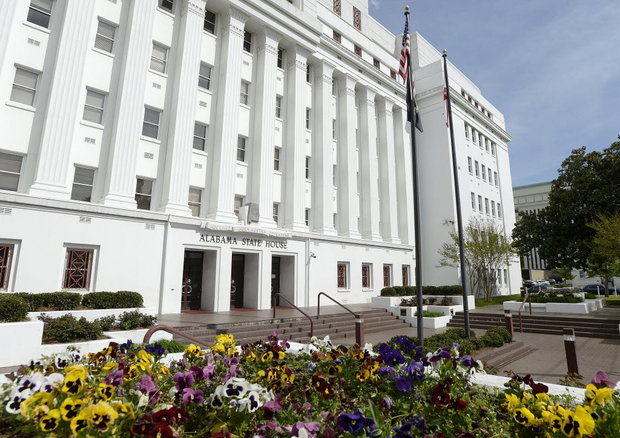
Short thoughts on current hot topics: State: Statehouse: This week is sure to be … colorful. From tax increases on the calendar to the gaming prospects being kicked around there’s a lot to debate, I’m sure everyone has a strong opinion about what we should or shouldn’t do to get through this Session and budget crisis but let’s hope we can fare better than our neighbors in Florida and get through it without a total meltdown . I don’t envy lawmakers who will be hearing from all sides that the solutions being offered are all bad and unworkable. Our elected officials aren’t sent to Montgomery to designate a state bee or cake or other such trivial matters (yes, I saw the Queen Bee designation is back on the calendar this week), they’re sent there to make tough decisions like the ones we’re seeing now. Here’s hoping they weigh their options and take the one that makes the most sense for the long-term health of the state and its budget. Poarch Creek vs. Free-Market: The Poarch Band of Creek Indians offered to give the state $250 million toward the deficit to not expand gaming to anyone but them. Rarely am I left speechless at a political proposal, but this one just strikes me as so unconventional I can’t write about it without using terms like anti-free market or bribe, or without pointing out the cliched, but appropriate, objection to the government picking winners and losers. The offer was countered by a proposal for four new casinos lacks the same long-term revenue projections or the job creation and is frankly just as far from free-market as one can get. Can anyone not personally benefiting actually believe this is a good idea? We’ll soon see. Uber and other ridesharing: I could get another cup of coffee and pontificate all day on all the reasons we need a state bill in support of ride sharing, because we do. Instead, I urge you to read our guest op-ed by radio host Will Lochamy on the subject. Need an incentive to click through? There’s a photo of a sleeping member you won’t want to miss included in the post. National: On the shooting in Texas: There was an attack in Texas last night that was much more than it seems it wasn’t just an attack at an art show it was an attack on the First Amendment. Every mainstream media report that emphasized the theme of the event in Texas as anti-Muslem attack got it wrong. The violence shown in Texas was anti-free speech and in our country free speech, however controversial, is protected. The best part of the U.S. Constitution is that it guarantees certain freedoms and secures essential rights regardless of public opinion. So long as using your rights doesn’t deprive others of theirs, I can hate and despise your words and/or actions but I will defend your ability to exercise them. You can expect this event to stir up a lot of discussion but let’s hope the underlying issue doesn’t get lost in the debate. On Baltimore: The lines of people standing in front of law enforcement, protecting them was as powerful as any image I witnessed during the recent riots as were the many photos of those cleaning up or simply peacefully protesting. It gave me hope for Baltimore which is now starting to see quiet as curfews have been lifted and the worst appears to be over in terms of the riots and violence. It doesn’t take much to see that we are at a crossroads in our nation, continue to handle racial tensions crisis-by-crisis or confront the underlying animosity and distrust that continues to spill in the streets of our most vulnerable communities between the protests and tragedy. That is the only way we stop and prevent it. We must seize the time now when the streets are not burning to identify where they could be next and calm the fear, address the imbalance of justice and prevent violent protests. Community leaders regardless of race, religion, political affiliation or the other labels that separate us need reach across the lines that divide to peacefully lead conversations. I’ve heard a lot of talk about these conversations lately but they need to happen not only on the editorial pages and on network television but in local churches and community centers in the places that matter. Photo Credit: Jim Watson, AFP Getty Images
Lawmakers aim to change payday lending loan laws
Lawmakers are expected to take up controversial regulation of the payday lending industry next week. A House panel is expected to vote on a proposal to impose three-month repayment guidelines on all payday loans. Sponsored by Rep. Danny Garrett, House Bill 531 also states that lenders can charge a maximum of 17.5 percent of the loan amount. An Auburn University study found that in Alabama, lenders had been charging as much as $17.50 for every $100 borrowed, an annualized interest of about 450 percent. Sen. Garrett’s bill is one of several recent efforts to impose statewide limits on the payday lending industry. Last week, the Alabama Supreme Court ruled that the state Banking Department can establish a payday loan database to enforce an existing $500 limit on how much people can borrow at one time from the short-term lenders. In addition, Sen. Arthur Orr has introduced a bill that would limit finance charges to no more than 45 percent, give borrowers at least six months to repay their loans, and force lenders to disclose a total annual percentage rate. Tighter lending regulation comes at a time when Alabama households have been identified among the most financially unstable in the country. A new money map from the financial website Debt.com ranked states using available data on financial habits, performance on financial literacy quizzes, and state laws on offering financial education in high school. Those three factors paint a grim picture for the average Alabama household: The average Alabama household spends about 10 percent of its income to cover debt payments. In top-ranked state Utah, only 8 percent of family income goes toward debt. While about 66 percent of American households have a fund for emergencies, only 38 percent in Alabama have emergency savings. About 42 percent of Alabama households have at least one credit account in collections; the national average is 7 to 12 percent.
GOP field grows: Carly Fiorina, Ben Carson to launch presidential bids
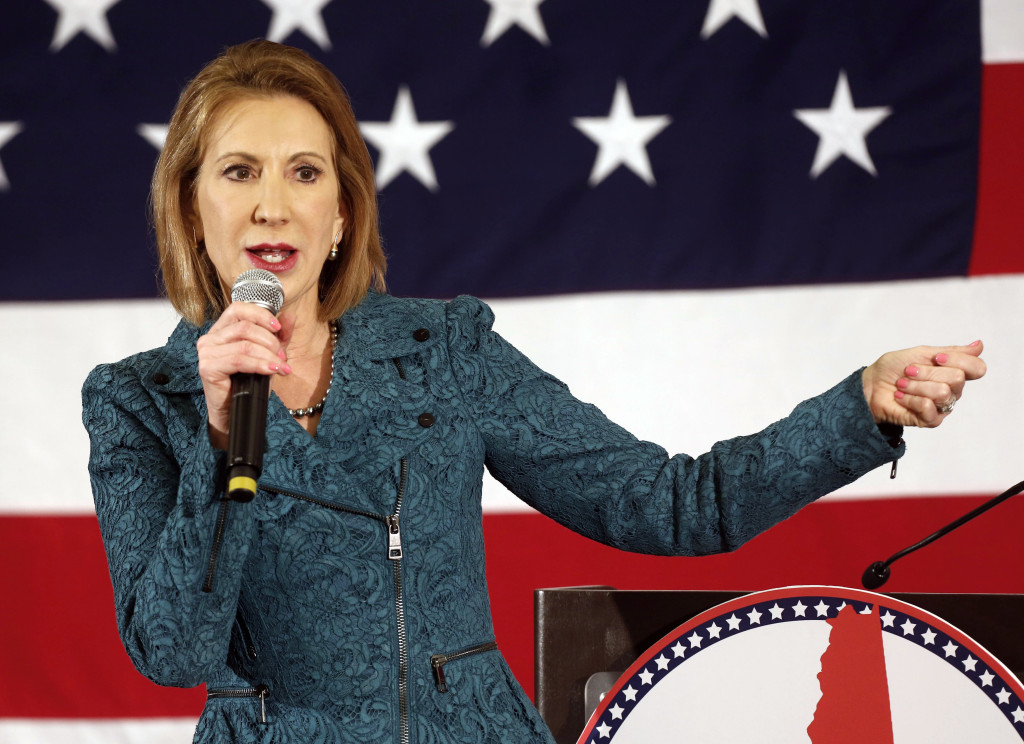
Former technology executive Carly Fiorina and retired neurosurgeon Ben Carson are set to launch their runs for president on Monday, each with the potential to help the Republican Party win over a more diverse group of supporters in 2016. Fiorina is likely to be the only prominent woman to seek the GOP nomination, with Carson the only likely African-American. They are both also political outsiders in a field likely to be dominated by governors, former governors and senators. The two are not considered political allies and the timing of their announcements, planned weeks ago, is coincidental. Carson also got ahead of himself on Sunday, confirming his plans to run in an interview that aired on an Ohio television station. “I’m willing to be part of the equation and therefore, I’m announcing my candidacy for president of the United States of America,” he told WKRC-TV in Cincinnati. Carson, 63, is scheduled to make his formal announcement Monday in a speech from his native Detroit shortly after having breakfast at a local museum of African-American history. Fiorina, 60, will enter the race Monday morning in a video posted online. Both candidates begin the race as underdogs in a campaign expected to feature several seasoned politicians, among them former Florida Gov. Jeb Bush, Wisconsin Gov. Scott Walker, along with Florida Sen. Marco Rubio and Texas Sen. Ted Cruz. Yet while they have claimed much of the early attention and favor from donors, the GOP race is a wide-open contest that could ultimately feature as many as two dozen major candidates. The Republican field is already more diverse than it was four years ago. Fiorina and Carson will compete against Republican counterparts Rubio and Cruz, each vying to become the first Hispanic president. And most of the candidates are in their 40s and 50s. Still, the Republican National Committee has acknowledged a pressing need to broaden the party’s appeal beyond its traditional base of older, white men. President Barack Obama won re-election in 2012 with the strong support of women and ethnic minorities, who are becoming a larger portion of the American electorate. Raised in Detroit by a single mother, Carson practiced medicine and served as the head of pediatric neurosurgery for close to three decades at Baltimore’s Johns Hopkins Children’s Center. He gained national renown in conservative politics after condemning Obama’s health care law at the 2013 national prayer breakfast. He has established a strong base of vocal support among Tea Party-backers, some of whom launched an effort to push Carson into the race before he set up an exploratory committee earlier this year. Yet he has stumbled at times in the glare of national politics. He has suggested the Affordable Care Act is the worst thing since slavery, compared present-day America to Nazi Germany, and called problems at the nation’s Veterans Affairs hospitals “a gift from God” because they revealed holes in country’s effort to care for former members of the military. Fiorina, meanwhile, has a resume more likely to draw support among the Republican establishment. The former chief executive of Hewlett-Packard Co., she became a prominent figure in Republican politics in 2010, when she ran for Senate in California and lost to incumbent Sen. Barbara Boxer by 10 points. In the past several months, she has emerged as a fierce critic of Hillary Rodham Clinton, the front-runner for the Democratic nomination, whose potential to become the nation’s first female president is a centerpiece of her political brand. Both Carson and Fiorina immediately launch national tours in early voting states. Carson is scheduled to spend the first three days of his presidential campaign in Iowa, before heading to South Carolina at the end of the week and New Hampshire and Nevada the next. Fiorina’s first post-announcement public event is scheduled for Tuesday in New York City, although she will campaign in Iowa, New Hampshire and South Carolina by week’s end. Republished with permission of The Associated Press. Photo Credit: Jim Cole, AP
Will Lochamy: My Uber App won’t work. Can I get a Lyft, Alabama?
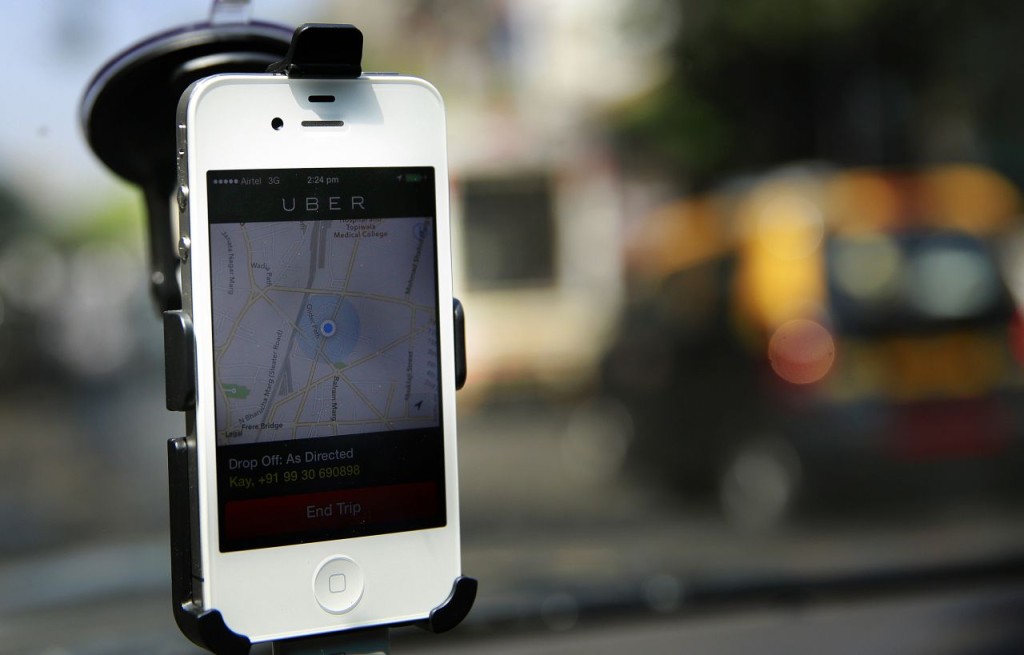
We have a transportation problem, right? I think we can all agree on that. Good news … there is a solution. In fact, Rep. Jack Williams has proposed House Bill 509 to solve it. I went to Montgomery to support it. Here are some thoughts; The Birmingham (metro) area is blossoming in ways that were unimaginable just a few years ago. It makes me proud. From what I’ve read, it makes you proud too. We should be proud. Regions Field, award-winning restaurants and breweries, The Civil Rights Museum, Railroad Park, Yellowhammer Creative, Birmingham Mountain Radio, and our newly found sense of community are just some of the very legitimate reasons for us all to be proud. We are not the only ones taking notice. National articles are popping up all the time that name us, formerly known as “Bombingham,” as one of the “best” in many different categories. There’s no denying that we are now a proud, progressive, educated, and scene-influencing town. So why do we continue to be the “last” in so many things? I might have found out when I went to our Statehouse this week. At one time (somewhat recently), I was the GM of the largest pub in Birmingham. It was my responsibility, along with every single employee, to make sure customers were not over served or ever behind the wheel intoxicated. It’s all spelled out in the Dram Shop Act (feel free to read about it here: Dram Shop Act). This was and always will be a nearly impossible task. Believe me, we tried hard. We took all of the obvious precautions, but in the end, it came down to making sure people didn’t drive. We placed Yellow Cab’s number all over the walls and called the number for them, time after time. Too many times, they wouldn’t wait or the cab just simply wouldn’t show. If we were lucky, we could persuade them to wait and take them home in our personal vehicles. It was a major inconvenience, but far better than the alternative. Now out of that industry, my new job has me traveling. While working in San Francisco a couple of years ago, a fellow employee advised me to download the Uber app. Out of the gate, I was blown away. This was Uber Black I was using. It’s the fancy Uber service that you often hear about as being top notch. It is. An SUV, town car, or limo generally shows up depending on your group size and/or preference. As I began working in Charlotte, I started using Uber X. This is the “boogie man under the bed” service they offer. The one where drivers use their own vehicle. That last sentence leads to misconceptions. A lot of them. People take this to mean any average Joe can open an app, jump in their car, and find people who need rides. This is far from the truth. Uber is the boss, the driver is the employee. They use their own vehicle, while insured by Uber and only after passing a background check. Every Uber ride I’ve been on has been prompt and courteous, the driver has had a clean vehicle, and I’ve felt safe each time. If any of these things fall short, I can give the driver a negative rating on the app. If I happen to be a jerk (which I’m not), the driver can give me a negative rating. Too many negative ratings for them, they’re no longer a driver. Too many for me, they won’t pick me up. I like that. I like accountability. So why don’t we have Uber? The public screams for it. Every other state in the South has it. There are more than a million Uber rides per day, but we can’t get one in our great state? M.A.D.D. has come out in support and the stats clearly show that DUI deaths drop in states that have ride sharing, but it’s not for us? Why in the world would we oppose what consumers rave about? The opposition (Yellow Cab and head of the Birmingham Transportation and Communications Committee, Kim Rafferty) cries fowl on multiple points. Let’s quickly break down a couple. Point 1. Safety. The word “rape” was thrown around more times than I can count while the state house debated HB 509. “Uber drivers are raping women,” was the narrative. The honorable state Rep. Louise Alexander (District 56) repeated that she “didn’t want to be raped by a Google driver.” Rebuttal 1. This argument is bunk. (So is the fact that someone that doesn’t know the difference in “Uber” and “Google” is running our state.) The stories of Uber Drivers being arrested for assault or rape are unacceptable. There is no excuse for this. At the same time, we need to look at the numbers. In 2014, as Uber was just blossoming, there were more than 140 million Uber rides. The reports of arrests are just a handful. With a quick Google search, you can find page after page of Yellow Cab drivers arrested for rape, assault, and even murder. This isn’t Yellow Cab’s or Uber’s fault. It’s a societal issue. You can just as easily find staggering numbers of arrests for teachers, Sunday school teachers, and government employees. This argument is flawed and can’t be held against Uber. Rebuttal 1b. This argument is really bunk. Think of the lives lost to drunken driving. Think of the lives that could be saved be people having multiple, reliable options for rides. This is the biggest point of this debate. Period. Point 2. This should be decided by municipalities. The one municipality in question is Birmingham. Its transportation regulations are proposed by Kim Rafferty. The issue here is that LW Associates LLC is the consulting firm for Kim Rafferty. The owner of LW Associates, Lou Willie IV, is the son of Lou Willie III who represents several cab companies. Look away folks … there’s nothing to see here.* Rebuttal 2. This is too big for
Problems facing poor inch into 2016 presidential race
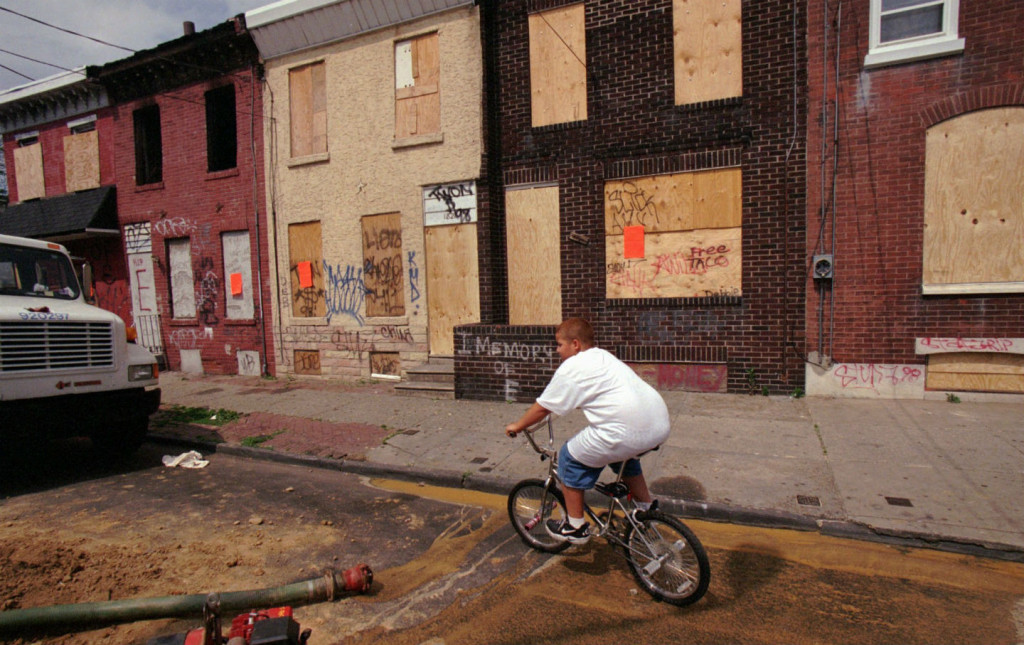
In a presidential campaign where candidates are jockeying to be champions of the middle class and asking wealthy people for money, the problems facing the poor are inching into the debate. Tensions in places such as Baltimore and Ferguson, Mo., have prompted candidates to explore the complicated relationship between poor communities and the police, and the deep-seated issues that have trapped many of the 45 million people who live in poverty in the United States. But addressing the long-running economic, education and security troubles in underprivileged neighborhoods is a challenge with few easily agreed-upon solutions. A frustrated President Barack Obama challenged the nation to do “some soul-searching” after riots in Baltimore followed the death of 25-year-old Freddie Gray in police custody. There have been other deadly altercations between police and black men or boys in Ferguson, New York’s Staten Island, Cleveland and North Charleston, S.C. “I’m under no illusion that out of this Congress we’re going to get massive investments in urban communities,” Obama said. “But if we really want to solve the problem, if our society really wanted to solve the problem, we could.” To some of the Republicans running to replace Obama, his call for spending more money in poor areas underscores the problem with many current anti-poverty programs. The GOP largely opposes new domestic spending and party officials often say federally run programs are bloated and inefficient. “At what point do you have to conclude that the top-down government poverty programs have failed?” said Jeb Bush, the former Florida governor and expected presidential candidate. “I think we need to be engaged in this debate as conservatives and say that there’s a bottom-up approach.” Republicans have struggled in recent years to overcome the perception that the party has little interest in the plight of the poor. Mitt Romney, the GOP presidential nominee in 2012, was criticized for saying he was “not concerned about the very poor” and that it was not his job to worry about the 47 percent of Americans who he said “believe that government has a responsibility to care for them.” More than 60 percent of voters who made less than $30,000 per year backed Obama over Romney in that campaign, according to exit polls. Blacks and Hispanics, who overwhelmingly backed Obama in the past two presidential elections, are most likely to be poor. According to the census, about 27 percent of blacks and 25 percent of Hispanics were poor in 2012, compared with 12.7 percent of whites. Bush has been among the most vocal Republicans discussing the need to lift the poor out of poverty and reduce income inequality, though he has yet to flesh out many of his policy proposals. He has been most specific about the need for greater educational choices and opportunities. Bush frequently cites his work in Florida, where he expanded charter schools, backed voucher programs and promoted high testing standards. Kentucky Republican Sen. Rand Paul has long called for overhauling criminal sentencing procedures that he says disproportionately imprison low-income black men. He has promoted “economic freedom zones” where taxes would be lowered in areas with high long-term unemployment in order to stimulate growth and development. Paul, who has made a point of reaching out to black communities, has drawn criticism for comments he made during the Baltimore unrest. In a radio interview, Paul said he had been on a train that went through the city and was “glad the train didn’t stop.” Sen. Marco Rubio of Florida also has talked frequently about the poor. His anti-poverty proposals include consolidating many federal programs to help the poor into a “flex fund” that states would then manage. Democrats, too, are trying to incorporate plans for tackling poverty into economic campaign messages that otherwise center on the middle class. After the Baltimore turmoil, Hillary Rodham Clinton made a plea for criminal justice changes that could aid urban communities. Among her ideas: equipping every police department with body cameras for officers. She said the unrest was a “symptom, not a cause” of what ails poor communities and she called for a broader discussion of the issues. Former Maryland Gov. Martin O’Malley, who is expected to challenge Clinton for the Democratic nomination, has been at the center of the discussions about Baltimore’s issues. He was mayor from 1999 to 2007 and enacted tough-on-crime policies. While O’Malley is not backing away from those practices, he is trying to put criminal justice issues in a larger context. He wrote in an op-ed that the problem in Baltimore and elsewhere is as much about policing and race as it has about “declining wages and the lack of opportunity in our country today.” In some places that have dealt with recent unrest, residents say they welcome the campaign discussions on poverty and policing, but hope the issues will not fade away when the next big campaign focus arises. “Hopefully these protests are something they’ll wrap themselves around, and we can make sure these issues get addressed,” said Thavy Bullis, a Baltimore college student. Republished with permission of The Associated Press. Photo Credit: Wiki Commons
