
State Senate seeks to rename Edmund Pettus Bridge

Alabama senators are seeking to rename Selma’s Edmund Pettus Bridge, a historic site in the voting rights movement that bears the name of a Ku Klux Klan officer. Senators on Wednesday approved a resolution to rename it the Journey to Freedom Bridge. The bridge became a symbol of the fight for voting rights after marchers were beaten by state troopers on the bridge on March 7, 1965. The bridge that spans the Alabama River is Selma’s most notable landmark. It is named for Pettus, a two-term U.S senator, a Confederate general and a KKK grand dragon. The KKK connection had faded from local memory until this year, when approaching the 50th anniversary of the “Bloody Sunday” beatings, a Selma student group launched an online petition to rename the landmark bridge. “There was a thought that every time you lift the name, you also lift the name of the KKK grand dragon,” said Selma Sen. Hank Sanders, who sponsored the resolution. “That bridge became a symbol of the struggle for freedom,” Sanders said. Sanders said several new potential names were kicked around, including “the Bloody Sunday Bridge.” He said “Journey to Freedom” is appropriate because “it says we are still on the journey.” However, Lee Sentell, director of the Alabama Tourism Department, said he worried changing the bridge’s name could threaten its status as a national historic landmark. “I believe its status would be in jeopardy because it would be altering the appearance of the structure from its historical period,” he said. The Alabama House of Representatives has not voted on the idea with just two more meeting days in the legislative session. Sanders said lawmakers named the bridge for Pettus in the 1940s. He said he thinks they can legally change the name by resolution. An Alabama Department of Transportation spokesman said it’s reviewing the resolution. Republished with permission of The Associated Press.
Bradley Byrne offers House amendment to rein in federal ATF bureau
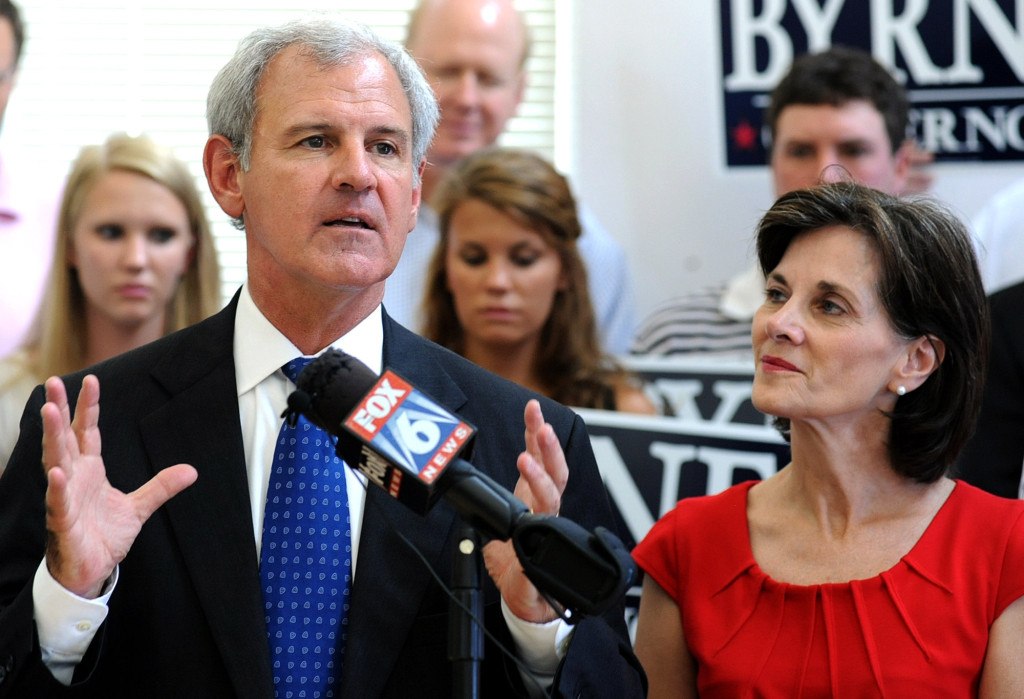
U.S. Rep Bradley Byrne offered an amendment on Tuesday to the federal Commerce, Justice, Science and Related Agencies Appropriations Act that would cut funding to the Alcohol, Tobacco, Firearms and Explosives bureau (ATF), which Byrne says has grown out of control in recent years. The budget amendment — which would have cut the bureau’s budget by 20 percent, or about $250 million — was not adopted, but Byrne stood by his proposal and the underlying point it was intended to make. “Let me make one thing clear: I know that the ATF has an important mission to play in keeping our nation safe and regulating everything from firearms to alcohol,” said Byrne in a prepared statement, before outlining his objections to the agency’s well-publicized problems over recent years, including a rogue Mexican gunwalking operation dubbed “Fast and Furious” by critics. “That said, in the last few years we have seen an outrageous growth in operations and regulations coming out of the ATF,” the second-term congressman from Alabama’s 1st District wrote. “How could we forget the Fast and Furious gun trafficking scheme that was allowed to go so far off track that 2,000 guns were allowed to flow to Mexican drug-trafficking groups. Worst of all, a federal law enforcement officer was killed with a gun from the operation. “I am all for safety and responsible gun ownership, and the ATF does have a role to play in that, but this amendment would simply require ATF to return to its core functions and responsibilities. It would cause ATF to look at itself in the mirror, find areas where they can cut back, and refocus on their true priorities. “Ultimately, this amendment is about protecting our Second Amendment rights while also pushing for real reforms to federal spending, and I urge my colleagues to support this amendment.” See Byrne’s full remarks on his amendment below.
