
Hillary Clinton: 2016 rivals leave her “in state of disbelief”
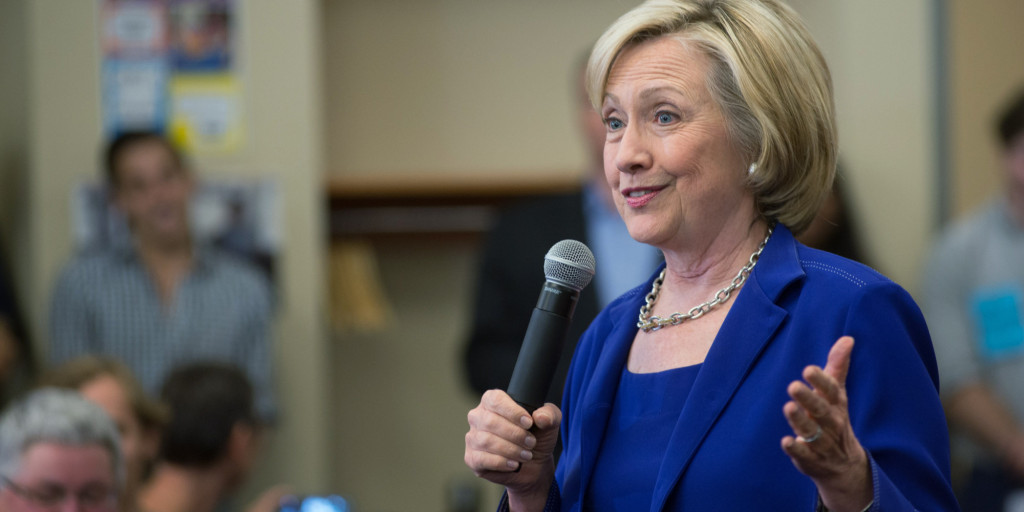
Hillary Rodham Clinton says she’s often in a “state of disbelief” from what she hears from some of her 2016 presidential rivals. Speaking in Los Angeles on Thursday, where she met with home health-care workers, Clinton said she often doesn’t understand statements from other candidates that oppose policies that would improve conditions and pay for those workers. She said: “I don’t know what world they live in.” Clinton said she finds herself asking: “They said what?” The front-runner for the Democratic nomination never mentioned any rival candidates by name, although her remarks came on the night of the first Republican presidential debate. She said: “It’s truly amazing to me. I’m constantly in a state of disbelief.” Republished with permission of The Associated Press.
FACT CHECK: A look at GOP candidate’s statements in 1st presidential debate
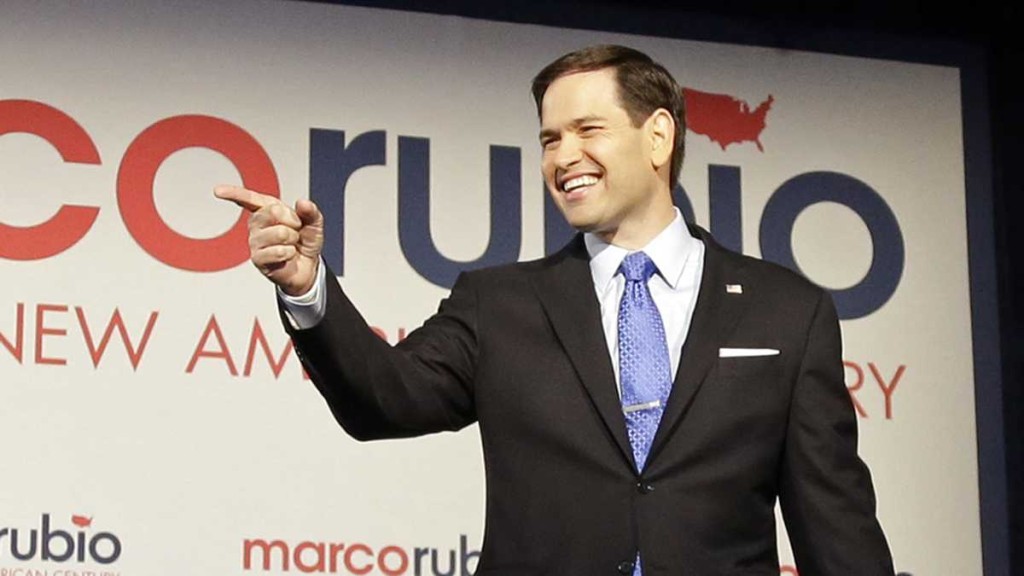
Republicans seeking their party’s 2016 presidential nomination have the challenging task of trying to stand out among the 17 candidates in the race, and Thursday’s televised debate was the first opportunity for the party to start whittling down its choices. So it’s no surprise that the candidates had a vested interest in puffing up their own records as governors, senators and public figures. Some of the claims in the Cleveland debate and how they compare with the facts: DONALD TRUMP: “If it weren’t for me, you wouldn’t even be talking about illegal immigration.” THE FACTS: Republicans have been talking about immigration for years, including former President George W. Bush and the Republican field in the 2008 and 2012 presidential elections. Trump also promoted his concept of a wall along the U.S.-Mexico border. Under Bush’s administration, hundreds of miles of fencing was built along the border. At the time, the administration ran into a variety of challenges to the fence, including private property owners who fought to keep the government from forcing them to sell property along the border. Bush also faced a variety of environmental challenges and was forced to build the fence off the border in some locations. Republican debate about immigration has only intensified in the wake of President Barack Obama’s sweeping executive action shielding from deportation millions of immigrants in the U.S. illegally. ___ CHRIS CHRISTIE: “We brought the budget into balance with no tax increases.” THE FACTS: Not exactly. As New Jersey’s governor, Christie in his first term cut the earned income tax credit, which largely benefits low-income workers, from 25 percent of the federal credit to 20 percent. He surprised Democrats this summer by proposing to bring it up to 30 percent. Democrats quickly approved the change. Christie also repeatedly delayed implementing the Homestead credit program, which grants property tax relief, angering elderly and low-income homeowners, even as he capped property tax increases overall. He also extended the sales tax on online purchases to out-of-state retailers and pushed for higher taxes on e-cigarettes, but failed. To be sure, Christie has vetoed a number of proposed tax increases, but his record is not free of raising taxes or their close cousin, fees. ___ JEB BUSH: “During my eight years in office, 1.3 million jobs were created, and we left the state better off.” FACT CHECK: Yes, but by December 2009, 900,000 of those 1.3 million jobs had been eliminated. During Bush’s tenure as Florida’s governor, the state benefited from a huge housing bubble that then burst just as he left the governor’s mansion. Florida was one of several “sun and sand” states where home prices soared during last decade’s housing mania even more than they did nationwide. Home prices jumped 160 percent in Florida from 1999 through 2006, more than double the national increase of 74 percent, according to real estate data provider Zillow. That growth fueled a 50 percent jump in construction jobs, and the boost to home values made many Floridians feel wealthier, leading them to spend more. Home prices started to fall in 2006, Bush’s last year in the governor’s mansion. ___ MARCO RUBIO: “The largest retailer in the country, in the world today, doesn’t even own a single store.” THE FACTS: Rubio said he was referring to Amazon, the online retailer. He was using the example to argue that the economy under Obama has undergone a radical transformation that the next president needs to address. It’s true that Amazon is the largest online retailer, but it’s not the largest retailer in the U.S. or worldwide, according to the National Retail Federation. That distinction rests with Wal-Mart. Republished with permission of the Associated Press.
Key takeaways from the GOP’s second-stage White House debate
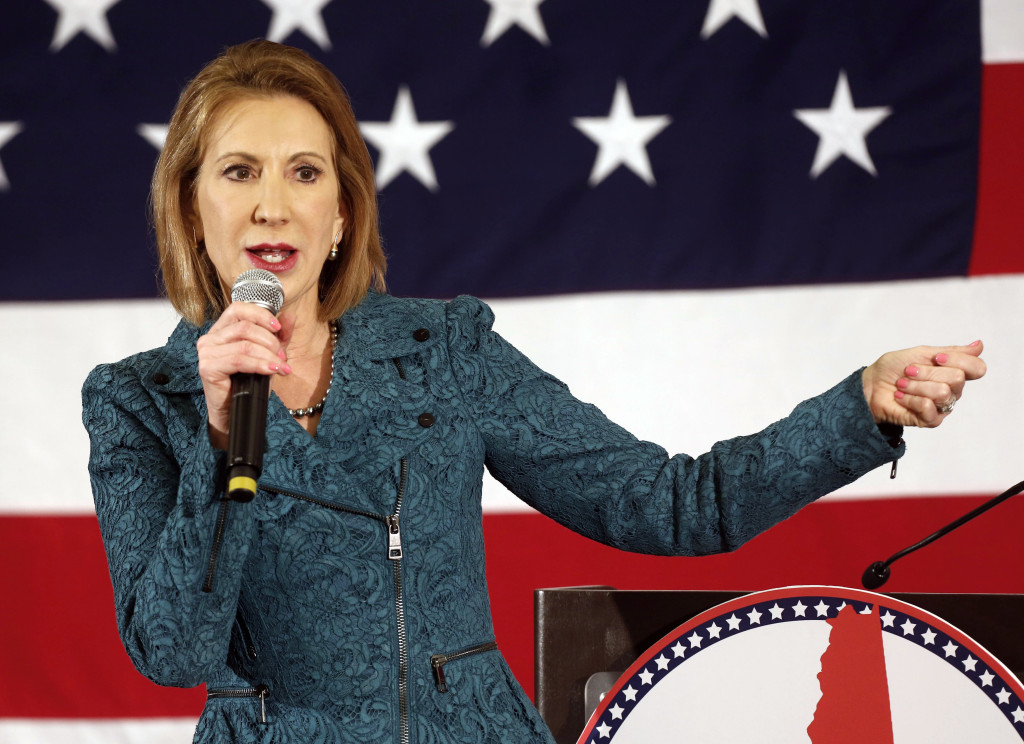
Before the first Republican debate of the 2016 campaign for president, there was the undercard: a match-up of seven GOP candidates who didn’t have the poll numbers to make the main event. It was a chance for the four current and former governors, a sitting senator from a crucial early-voting state, a former senator and the GOP’s only female White House candidate to try for the sort of hit-it-out-of-the-park performance that could vault them back into the top-tier of candidates. Here are five takeaways from Thursday’s pre-debate debate. ___ PLAYING NICE Instead of going after one another, the candidates in the pre-debate event focused on who wasn’t there: Donald Trump, Jeb Bush and, of course, Hillary Rodham Clinton. Trump, the billionaire real estate developer and former star of reality TV, took shots early from former Texas Gov. Rick Perry and former Hewlett-Packard CEO Carly Fiorina. They both questioned his conservative credentials, pointing to his past support for universal health care and abortion rights. “He is the party’s frontrunner right now, and good for him,” Fiorina said, adding later: “Since he has changed his mind on amnesty, on health care and on abortion, I would just ask, what are the principles by which he will govern?” Louisiana Gov. Bobby Jindal went after Bush by name, rejecting the idea that — as the former Florida governor has suggested — Republicans need to be willing to lose in the primary to win the general election. “Let me translate that for you,” Jindal said. “That’s the establishment telling us to hide our conservative principles to get the left and the media to like us. That never works.” As for Clinton, the former secretary of state and Democratic frontrunner? Said South Carolina Sen. Lindsey Graham: “To the people who are dying for a better America, you better change course, and she doesn’t represent the change that we need.” ___ NO OOPS MOMENTS FOR PERRY Perry entered the forum with more to prove than anyone. He just missed making the main event, denying him the chance to show a primetime audience how far he has come since his disappointing 2012 campaign. That first run for the White House more or less ended for Perry when he couldn’t remember during a primary debate the name of the third federal agency he wanted to eliminate, saying only: “oops.” Perry got the first question on Thursday night and didn’t make any gaffes during the hour-long forum. He appeared confident and well-rehearsed, especially on the issue of immigration, and repeatedly talked about his record as governor of Texas — the nation’s biggest red state. “This is going to be a show-me, don’t-tell-me election,” Perry said, adding: “And I think that the record of the governor of the last 14 years of the 12th largest economy in the world is just the medicine America is looking for.” ___ FIORINA MAKES HER MARK Fiorina, the former chief at Hewlett-Packard, didn’t have the poll numbers to make the main event, but they could rise after her performance Thursday. Fiorina painted herself as an outsider prepared to take on the status quo and delivered some of the night’s most pointed barbs against Trump, Bush and Clinton. “Hillary Clinton lies about Benghazi. She lies about emails,” she declared in her closing statement, adding that, “We need a nominee who is going to throw every punch, not pull punches.” Along with potentially convincing a fair number of viewers that she’s the candidate to do it, she also won over one of her on-stage rivals. “I will tell you one thing,” Perry said of the recently concluded talks with Iran over the Islamic nation’s nuclear program, “I would a whole lot rather had Carly Fiorina over there doing our negotiation than John Kerry.” ___ GRAHAM: WHY SO SAD? Graham is known for his deep foreign policy knowledge, but also his biting sense of humor and happy-go-lucky approach to his work in the Senate and time on the campaign trail. That Graham was missing on Thursday. Instead, South Carolina’s senior senator was consistently low-key — lacking the energy of Perry’s performance and Fiorina’s commanding stage presence. In one particularly downbeat moment, he responded to a question about how he would inspire the nation with a story of family loss. “When I was 21, my mom died. When I was 22, my dad died. We owned a liquor store, restaurant, bar and we lived in the back,” Graham said. He added, “Today, I’m 60. I’m not married. I don’t have any kids.” It’s a story Graham tells often, usually with warmth that endears him to his audience. But without a large crowd at Quicken Loans Arena to play to, it didn’t have that kind of effect on this night. ___ REACHING FOR RELEVANCE For several of the contenders, who are barely registering in early national polls, the debate was a chance to stake a claim for relevance in the crowded GOP field. Former Pennsylvania Sen. Rick Santorum, who won the Iowa caucuses in 2012, tried to do it by calling for strict new limits on legal immigration. As part of his “pro-worker immigration plan,” he called for reducing the level of legal immigration by 25 percent, claiming that “almost all” the legal immigrants who have entered the country over the last 20 years “are unskilled workers, flattening wages, creating horrible lack of opportunities for unskilled workers.” None of the others on stage, including New York Gov. George Pataki and former Virginia Gov. Jim Gilmore, had the sort of stand-out moment viewers — and voters — are likely to remember. Republished with permission of the Associated Press.
Ted Cruz announces Alabama Leadership Team
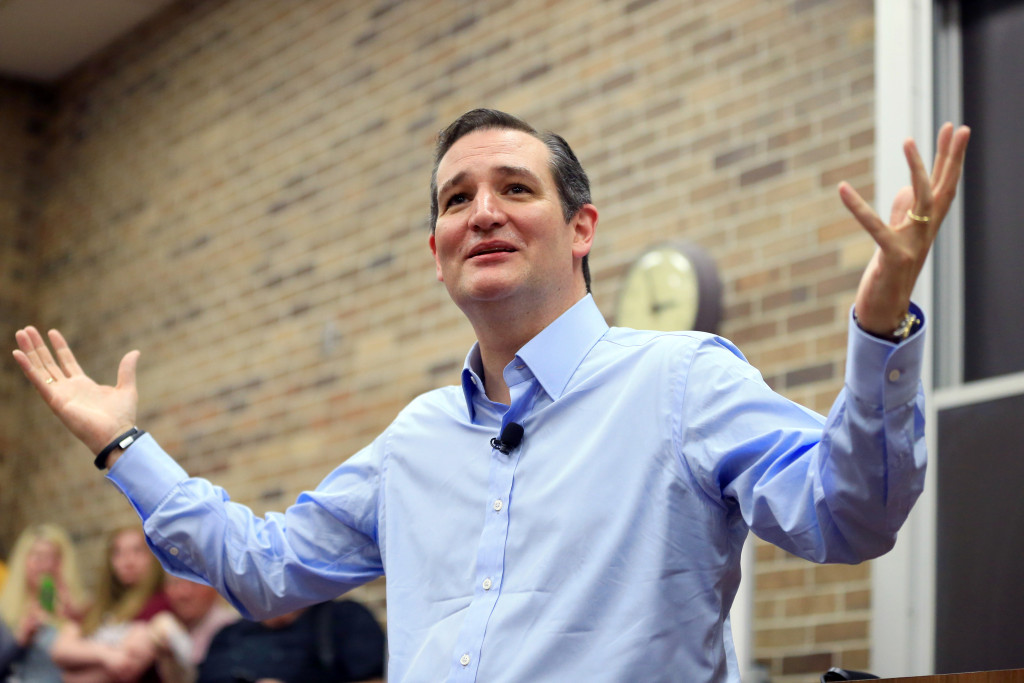
U.S. Sen. Ted Cruz, today announced that Ann Eubank, Becky Gerritson and Chad Mathis will lead his Alabama Leadership Team Thursday announcing that 20 tea party and conservative grassroots leaders. Cruz will be in Alabama on Sunday, as part of his “Cruz Country” bus tour. He has stops in Birmingham, Pelham, and Huntsville. “I am incredibly excited and optimistic to announce this group of courageous conservatives to lead and create a grassroots coalition in Alabama. Alabama is vital in our fight to make this country great again. I am honored to have their support as well as their help spreading our message in Alabama and across the nation,” said Sen. Cruz. In a statement released by the campaign his co-chairs had this to say about his experience and why they endorsed him. “Ted Cruz has proven that he will stand for ‘we the people’ against those who are in favor of bigger government and the erosion of our rights,” said Alabama Co-Chair Ann Eubank. “He is unafraid and we need more like him.” “America needs a leader who is bold as a lion and will seek justice and always speak the truth, one who respects the rule of law and our US constitution. We need a leader who will confidently rebuke our enemies both foreign and domestic. One who appreciates and supports our military. We need a leader of integrity who seeks wise council and who will maintain unity and order. One who believes in America’s greatness and will do his utmost to preserve and further it… that man is Ted Cruz,” said Co-Chair Becky Gerritson. “Ted Cruz is the courageous conservative we need to lead this country. He has stood and fought for every issue that is important to Americans. Trying to stop the train wreck that is Obamacare, defending our liberties, and fighting back against the Washington Cartel. I am proud to support him and be a part of this team,” said Co-Chair Chad Mathis. The Cruz for President Alabama Leadership Team includes: State Co-Chair Ann Eubank Eubank is the State Co-Chair of the Rainy Day Patriots Tea Party, one of the first Tea Party organizations in the nation. She also leads the Alabama Legislative Watchdogs, and has spent time in Montgomery reporting on the Legislature’s actions and how it affects tax paying voters. As a member of the Stop Common Core Alabama Taskforce, Ann has spent the past four years researching Common Core and its financial aspects. She has been married for 47 years to Jim Eubank and has two daughters, one grandson, and one granddaughter. State Co-Chair Becky Gerritson Becky is the Co-Founder and President of the Wetumpka TEA Party(WTP). She has been a leader in bringing numerous Alabama TEA Parties and other liberty groups together to combat abuses of state and federal government. She is the National Grassroots Coordinator for Grassroots for Victory USA. In that role she is helping to unite conservative grassroots groups all across the country via their “Let’s Put ‘US’ Back in USA” national tour. The tour is crisscrossing the United States from August 2015-November 2016. She is an active member of the Stop Common Core Task Force in Alabama and also works to promote parental rights in America. In June 2013, she garnered national attention after delivering her impassioned congressional testimony about IRS abuses of the WTP. She is a frequent guest on FOX News and FOX Business and multiple conservative talk radio programs across the country. She travels the nation and speaks to audiences encouraging them to stand up for our freedom of speech and religious liberty. State Co-Chair Chad Mathis Mathis is Chairman of The Alabama Federation for Children, Mathis is a Former Congressional Candidate in the 6th district. Mathis attended medical school at Indiana University and specialized in orthopedic sports medicine. He has worked as a physician for multiple professional sports teams. Mathis is a founder of Alabama Bone and Joint Clinic and a managing partner. Mathis is the founding board chairman of the Alabama Coalition for Charter Schools. He also volunteered on Ted Cruz’s successful 2012 Senate campaign. Brian Andrews- Huntsville, AL, conservative activist Lisa Andrews- Huntsville, AL, conservative activist Christy Bowman- Tuscumbia, AL- Tea Party Patriots of North Alabama- Member Ed Bowman- Tuscumbia, AL- North Alabama Tea Party- Vice President Lou Campomemosi, Ph.D- Fairhope, AL- Marine & Gulf War veteran Zan Green- Alabama Rainy Day Patriots- Founder Victor Hallman- Clanton, AL- Alabama Legislative Watchdogs- Member Jodi McDade- Equality, AL- Coosa County Republican Party- Chairman Brandon Merced- Rockford, AL- Columnist for Coosa County News/ Student at Auburn University, Graduate of Central High School Coosa County Mike Parson- Hurley, AL- Retired U.S. Air Force colonel and former aerospace instructor, Save Alabama’s values and Education Stephen Phillips- Florence, AL- Tea Party Patriots of North Alabama- President Deborah Rangel- Trussville, AL- Trussville Republican Women’s Club- Secretary Dawn Ray- Birmingham, AL- Shelby County Republican Women’s Club- Vice President Sidney Raystyles- Florence, AL- Tea Party Patriots of North Alabama- Member Mark Scott- Oxford, AL- Chilton County Tea Party- Chairman Normandie Shirley- Chelsea, AL- Shelby County Republican Women- President Foy Smith- Rockford, AL, conservative activist
FCC provides funding for expanded broadband in Alabama

An Arkansas-based company is getting more than $500,000 annually in federal funds to expand high-speed internet service in rural Alabama. The Federal Communications Commission says Windstream Communications Inc. will offer broadband service and support to nearly 3,800 customers in rural parts of the state. The company will receive $511,000 in what’s described as annual, continuing support. Additional service is expected in nine counties in central Alabama. Officials say the money comes from a program that provides support to extend service into areas that wouldn’t otherwise have high-speed Internet. Nationwide, Windstream has accepted nearly $175 million in federal funds to expand high-speed service. Republished with permission of The Associated Press.
Alabama Senate committee votes to ban sales of fetal body parts

Today, legislation that would make the sale of fetal body parts for profit a Class B felony passed out of a Senate committee by a 12-1 vote. Sen. Bill Hightower (R-Mobile) is the proposal’s sponsor. Alabama law does not currently forbid the practice of selling baby body parts for profit. Senator Hightower spoke on the need and importance of the bill saying, “The nation is shocked by videos depicting Planned Parenthood employees callously discussing the dismemberment of babies and the sale of baby body parts for profit. This is like a story out of Nazi Germany,” remarked Hightower. “The federal authorities may allow this type of thing, but Alabama won’t – and upon final passage, Alabama will have a law that reflects Alabama’s values.” Currently, state law forbids the sale for profit of human body parts but not specifically the sale of body parts of babies who have been aborted. Senator Hightower’s legislation explicitly forbids the sale of fetal body parts. Rep. Jack Williams sponsored the House version of the bill, House Bill 38, which has over 50 cosponsors. In an earlier interview with Alabama Today Williams said the bill addresses an issue more vital than the usual “pro-choice” vs. “pro-life” fault lines that often bifurcate the public debate on reproductive rights. “I think folks on either side of the abortion debate were just shocked at the revelations that came out in the recent Planned Parenthood videos,” said Williams. “It was just troubling to me – I’m pro-life, but I don’t know that I’ve ever handled this kind of legislation… This speaks to who were are as a nation, and I felt Alabama ought to be one of the state working to stop this kind of activity.” “The gruesome nature of the Planned Parenthood videos has already compelled some of the most liberal states in the nation to prohibit these horrific transactions or withdraw funding from any organization that conducts them,” said Katherine Robertson, vice president of the Alabama Policy Institute. “We applaud Sen. Hightower and Rep. Jack Williams for bringing this legislation and are confident it will gain the support of policymakers from both sides of the aisle.”
U.S. Department of Education approves state tweaks to No Child Left Behind

The federal Department of Education on Thursday approved petitions by seven states – including Alabama – for increased state-level flexibility in implementing the Elementary and Secondary Education Act, better known as the “No Child Left Behind” law approved by Congress in 2001 under then-President George W. Bush. The department said their decision reflected both the success of the federal law overall – which in part has been aided by innovations from states and local districts – as well as a growing desire for autonomy in many states. “The last six years have seen dramatic progress for America’s school children. The high school dropout rate is down, and graduation rates are higher than they have ever been,” said U.S. Secretary of Education Arne Duncan in a news release. “As a result of our partnerships with state and district leaders to couple flexibility with reform, we are seeing remarkable strides and bold actions to improve student outcomes. States, districts, principals and teachers are showing incredible creativity in using different means to achieve the same goal — getting every student in America college- and career-ready,” added Duncan, a former CEO of Chicago Public Schools district. Alabama’s specific increases in flexibility were as follows: Alabama created a Principal Leadership Network to ensure that principals in its lowest-performing, or priority, schools have the support to be effective leaders in these schools, as measured by the state’s principal evaluation and support system. Through this program, regional cohorts of principals gather regularly to discuss strategies for school improvement, participate in professional development, and visit to model classrooms and schools throughout the state. The state has identified exemplar schools and classrooms that have shown progress in closing achievement gaps for students with disabilities. School leaders and teachers from across the State can visit these classrooms to observe strong practices. The education department used the occasion – which critics may cite as a setback for the federal government, which devolves some power back to the states – to boast about the improvements the Obama administration has brought to the now 15-year-old legislation. Since this flexibility was first granted in 2012, read the announcement, the Department has partnered with state and district leaders to provide relief from some provisions of NCLB in exchange for taking bold actions to improve student outcomes and ensure equity for all students. Under NCLB, schools were given “many ways to fail but very few opportunities to succeed,” foisting one-size-fits-all solutions upon a vast menagerie of states with very different student populations. Today’s announcement added three years of increased flexibility to Alabama’s addendums to the law. The other states that successfully petitioned for more legal wiggle room were Arizona, Arkansas, Connecticut, Mississippi, New Hampshire and Wisconsin.
Daniel Sutter: The convention center bubble
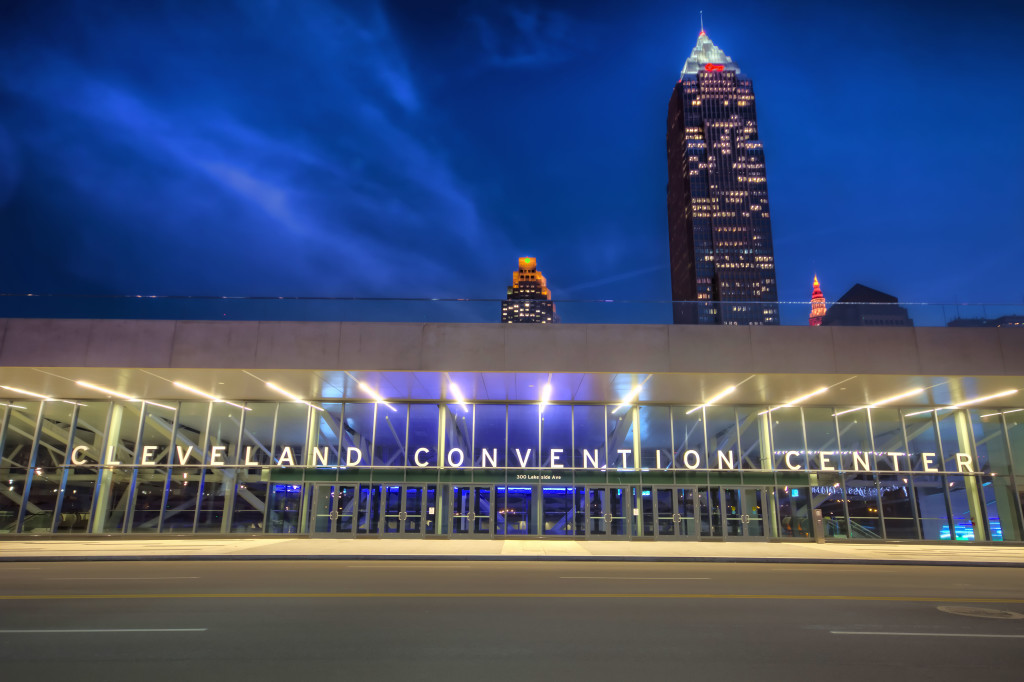
Government can importantly help create the conditions under which enterprise and entrepreneurship flourish. The required tasks include protecting property and contract rights, regulating sensibly, and efficiently providing valued public services. Whether active investment of tax dollars in selected enterprises helps grow the economy remains a matter of debate. Recently I wrote about public investment in professional sports stadiums, where billions have been spent, primarily benefiting players and team owners. America has also experienced a government-driven boom for convention and exhibit halls, as detailed in Convention Center Follies by Heywood Sanders, a professor of public administration at the University of Texas at San Antonio. First, let’s consider the magnitude of the boom. Exhibit hall space across the nation nearly doubled between 1989 and 2011, to more than 70 million square feet. City and state governments spent $13 billion on centers between 2002 and 2011, a period of stagnation in the convention business. The convention center boom has occurred in cities both large and small, and in both the Sunbelt and Rustbelt. Alabama’s four largest cities all have centers, along with Dothan, Gadsden and Ozark. Professor Sanders documents how the rationale for public funding has changed over time. The first public auditoriums in the 1920s provided places for large public gatherings that might not make money. Such auditoriums served a reasonable public purpose. The rationale is now growing the local economy. Convention centers can provide what local economic developers crave, dollars from outside of the community. Out-of-town convention attendees spend on event registration, hotel rooms, restaurants, and so on. Their spending benefits hotels and restaurants, and then sets off a multiplier effect when these businesses and their employees spend the money. Prestigious consulting firms provide precise forecasts of hundreds of millions of dollars of spending and thousands of jobs that convention centers will create. Only reality has consistently fallen short of promises, as Professor Sanders documents. For instance, expansion of the Civic Plaza and construction of a 1,000 room convention center hotel was forecast to bring Phoenix 375,000 visitors a year. Two years after completion, convention attendance was less than half of the forecast, and the hotel could not make its bond payments. As Sanders writes, “Almost every convention center in the U.S. operates at a loss, not even counting the annual debt cost.” Visitor taxes imposed on hotels and rental cars typically fund construction of convention center projects. I recently wrote about how such taxes can be exported and are portrayed as a costless way to make outsiders fund convention centers (and sports stadiums). But as Professor Sanders emphasizes, the tax dollars could be used to improve schools, repair roads, or pay for other public services. Voters across the country have frequently turned down convention center proposals. San Diego voters rejected three proposals, voters in Cleveland and Columbus, Ohio, each did so twice, and proposals went down in Atlanta, Pittsburgh, and Raleigh. But convention center politics has evolved to eliminate voters from the approval process. End runs have been accomplished by turning to states for funding and creating special purpose authorities to impose visitor taxes and issue bonds. Why have we seen such poor investment by governments? Professor Sanders identifies the owners of the properties (hotels, restaurants and shops) frequented by attendees are located as the driving force. This illustrates how the benefits of many state and local government economic development projects are highly localized. Government is supposed to protect property from physical invasion, not protect or raise the market value of any person’s property. Consequently, convention centers exemplify crony capitalism, or the use of government to provide benefits to favored business interests. State and local governments have spent billions of tax dollars building millions of square feet of underutilized exhibit space. Convention centers, after sports stadium subsidies, represent a second strike against government economic development. Daniel Sutter is the Charles G. Koch Professor of Economics with the Manuel H. Johnson Center for Political Economy at Troy University and host of Econversations on TrojanVision. Respond to him at dsutter@troy.edu and like the Johnson Center on Facebook.
Presidential TV ad roundup: Debate day edition – August 6

Earlier this week, Fox News set the line-up for the first Republican presidential debate of the election season. In just a few hours, real estate mogul Donald Trump; former Florida Gov. Jeb Bush; Wisconsin Gov. Scott Walker; former Arkansas Gov. Mike Huckabee; retired neurosurgeon Ben Carson; Texas Sen. Ted Cruz; Florida Sen. Marco Rubio; Kentucky Sen. Rand Paul; New Jersey Gov. Chris Christie; and Ohio Gov. John Kasich will square-off center stage in Cleveland, OH as they make their cases for the Republican nomination. Leading up to the debate, several candidates on both side of the aisle have taken to the airwaves with their messages in hopes of reaching voters before tonight’s primetime showdown. Here’s what the candidates are saying this week: Jeb Bush Title: The power of Christianity Published: August 4, 2015 Tone: Uplifting and committed Chris Christie Title: Secretary Clinton, Answer The Question Published: August 4, 2015 Tone: Feisty Bobby Jindal Title: Evolved again Published: August 5, 2015 Tone: N/A Rand Paul Title: #StandWithRand: The First Debate Published: August 5, 2015 Tone: Determined Hillary Clinton Title: Hillary Clinton: Support and Stand with Planned Parenthood Published: August 3, 2015 Tone: Heavy and frustrated Be sure to check back, as we will continue to add videos as they come in leading up to the debate.
Steven Kurlander: Donald Trump “phenomenon” defines new age of American ShockReality politics
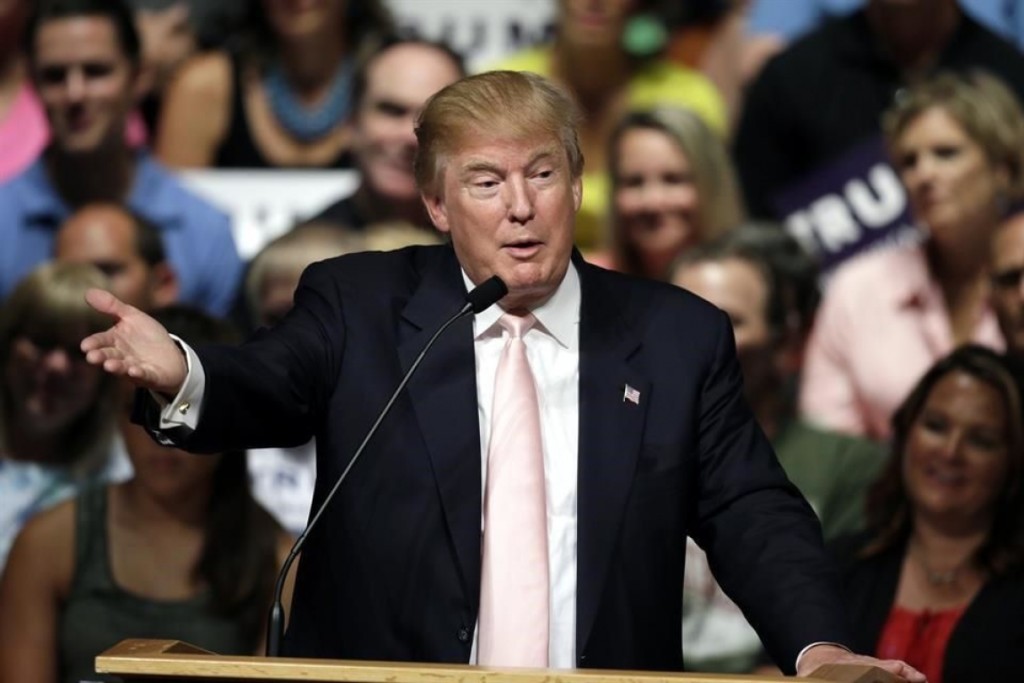
Whether you love him or hate him (I don’t think there’s an in-between), you have to admit Donald Trump has established his personal brand and fortune throughout the years by being extremely brash, creative, and smart: all with a very flippant attitude. Whether you like him or not, you have to admit that first in real estate, then reality TV, and now in politics, Trump has led the way in redefining the conventional and in turn achieving power, success, notoriety, power, and wealth. Now with Trump’s run for the White House, he is redefining American politics in terms of translating his brash, contentious style into what may be an unbeatable methodology of capturing the hearts and minds of disgruntled American voters. Trump has never been afraid to say what’s on the tip of his tongue. In the past, this propensity to attack, detract, and offend has lessened his intellectual credibility by defining his vision as Kardashian reality star style banter. But now his push-the-limit style converted into political rhetoric in a serious run for the White House, is playing well to many voters. He can berate Mexicans and Chinese, call John McCain a fake hero, be accused of raping his ex-wife and consorting with the mob, and even be described as uncharitable in his giving. Right now, he’s more than Ronald Reagan teflon, he’s kryptonite. Whether they are Republican, Democrat or a growing number of independent voters, American voters are tired most living paycheck to paycheck with no hope of digging out of debt. They are frustrated with a lackluster economy, ineffective governance in both Washington and state capitals, and continuous undeclared war. Most importantly, no matter where they stand in the political spectrum, the electorate is fed up with traditional mainstream politics, and even fringe Tea Party and leftist politics, too. In his ShockReality manner, Trump is spouting off truisms that Americans are feeling, but won’t enunciate on their own. If you believe the polls, Trump’s ShockReality messaging is playing well with the Republican base,. with him leaping ahead in a crowded pack of GOP hopefuls. No matter what he says, Americans now used to years of watching reality TV, want more from him, even demand more, with really no severe consequences to his popularity in a fast 24-7 news cycle that keeps moving on to the next sound bite. Some, though, say it’s one thing to practice ShockReality politics, it’s another to get down to the basics of backing up acerbic banter with hard policy. A major criticism, which shows signs of being out of touch with the true state of American politics, says he needs to come up with solutions and not just lash out about systemic problems in 2015 America. In recognizing his success so far in his messaging, David A. Fahrenthold in The Washington Post wrote: “But, so far, he’s missing something basic: a policy platform. A formal list of Trump’s ideas for America.” Here’s the game changer that Trump recognizes and no one else wants to admit: Americans don’t need or demand a policy platform for a presidential candidate to earn their vote. They just want some serious change, no matter how it comes. They want instead, a president, or any politician, who is sympathetic to their many frustrations and fearless enough to say what they feel, what they want, and want they need. It’s simple: They want a great America again. And Trump’s ShockReality political style works better than the Tea Party rhetoric precisely because it is not chained down in inflexible ideology. Instead, it stimulates a hope that President Obama correctly identified and ran on in 2008, but failed, like George W. Bush before him to deliver during his term in office. Donald Trump, and even now Joe Biden too with his own style of shooting off his mouth, is about to change American presidential politics for good. Calling Trump’s ShockReality messaging a phenomenon, and discounting his 2016 run, in our age of disdain is not only a mistake, but a lack of vision of the future of American politics. Steven Kurlander blogs at Kurly’s Kommentary (stevenkurlander.com) and writes for Context Florida and The Huffington Post and can be found on Twitter @Kurlykomments. He lives in Monticello, N.Y.
