
Alabama Grocers celebrates 25 years, names annual award recipients
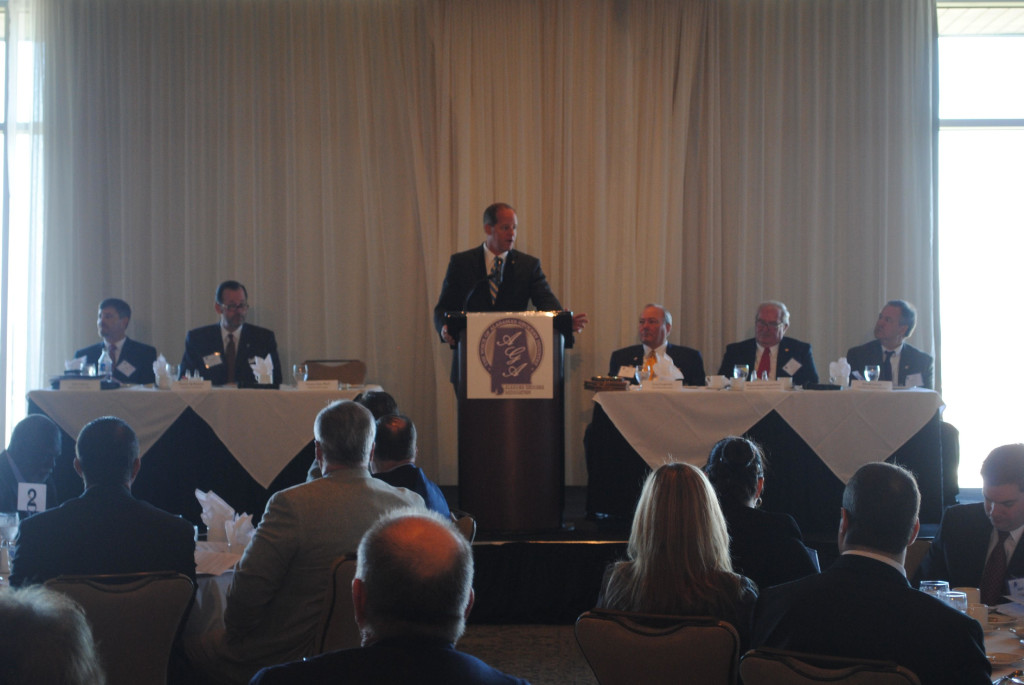
The Alabama Grocers Association held a celebration Wednesday in Birmingham to honor the year’s top Vendor, Retailer and Wholesaler of the Year Award Winners, as well as mark their 25th year advocating for the priorities of the state’s grocery retailers, manufacturers, brokers and wholesalers. State Rep. Lynn Greer and state Sen. Cam Ward were on hand for the annual fete held at The Club in downtown Birmingham, as was Deputy Director of the state’s Legislative Fiscal Office Mr. Kirk Fulford. The three participated in a legislative panel where they discussed the 2016 budget situation and some of the AGA’s policy priorities. The group, known as “the voice” of Alabama grocers, also gave awards to top-voted members in categories that represent the three legs of the grocery industry. The group named its Vendor of the Year Bob Crawford, President of United-Johnson Brothers of Alabama. Retailer of the Year was Mr. Chris Litz, Regional Director, West Region, Publix Super Markets. And David Bullard, President and CEO of Piggly Wiggly Alabama Distributing Company, took home the Wholesaler of the Year Award. The AGA claims some 135 retail members operating nearly 1,000 stores nationwide, as well as over 225 manufacturers, brokers, wholesalers and other members. According to the group, grocery stores generate over $3.6 billion in annual sales, employ 25,000 Alabamians jobs earning over $750 million in annual wages, andl pay in excess of $300 million in state and local taxes per year.
Birmingham mayor William Bell endorses Hillary Clinton in 2016
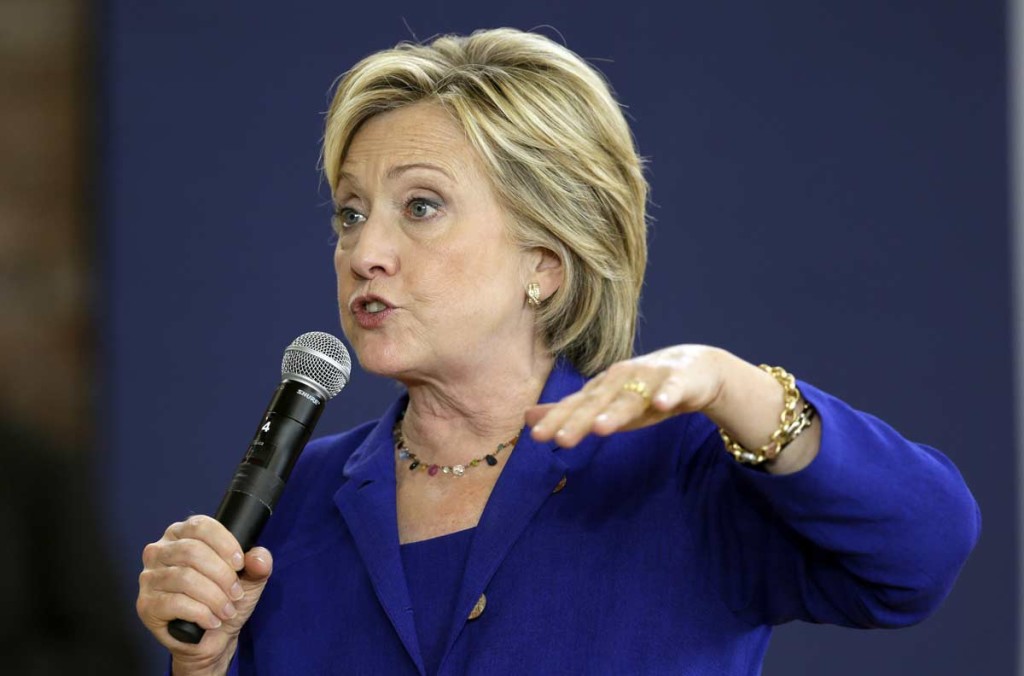
Birmingham Mayor William Bell was among 50 African-American city leaders to endorse the Democratic presidential bid of Hillary Rodham Clinton ahead of next year’s elections. Tuskegee Mayor Johnny Ford and James Perkins Jr., the former mayor of Selma, also endorsed Clinton. Both are Democrats, as is Mayor Bell. The endorsements come following Clinton’s visit to Birmingham on Saturday, to speak at the Alabama Democratic Conference‘s semi-annual convention in Hoover. “Hillary Clinton is the most experienced and most respected presidential candidate bar none,” former mayor Perkins said. “In 2016, America has the chance to elect a candidate in Hillary Clinton who has been putting people over special interests throughout her entire career and I’m proud to throw my support behind her.” “I am honored to have earned the endorsement of more than 50 African-American mayors across the country,” Clinton said, returning the favor in a statement. “Mayors are on the front lines of many of our country’s toughest battles. They’re fighting to create jobs, rebuild our infrastructure, stop gun violence, and eliminate the inequities that tear communities apart. “From the biggest cities to the smallest towns, what happens at the local level often leads to national change. Mayors make that happen. As president, I’ll always be a friend to America’s mayors.” Bell, a longtime Birmingham pol first elected to the City Council in 1979, also endorsed President Barack Obama during his re-election campaign in 2012 and lined up beside him on policy initiatives throughout his administration. Bell also appeared with the Rev. Jesse Jackson when the latter came to Alabama to denounce the announcement from Gov. Robert Bentley and the Legislature that cuts to that state budget would lead to the closure of several auxiliary DMV locations around rural parts of the state.
Bookended by tragedy, Joe Biden’s storied career nears the end
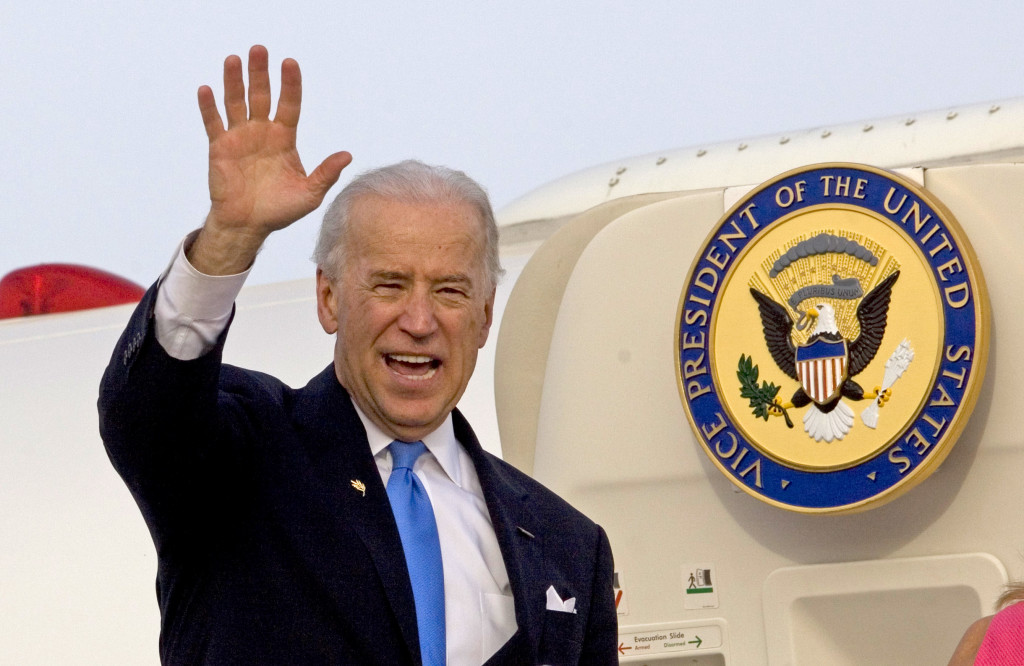
Joe Biden‘s storied political career will come to an end much the way it started nearly half a century ago: shaped by crushing personal tragedy that shook his deep-seated confidence in his own ability to lead. In deciding not to run for president, Biden turned away from months of intensive preparations and countless hours that had put him on the verge of a third presidential campaign, with almost everything ready to go except the candidate himself. “Unfortunately, I believe we’re out of time — the time necessary to mount a winning campaign,” Biden said, flanked by his wife and President Barack Obama in an extraordinary appearance in the Rose Garden. Biden’s world ground to a halt in May when his son died of brain cancer. For the vice president, 46-year-old Beau Biden‘s death ended any possibility that the popular former Delaware attorney general would carry on his father’s legacy, perhaps with a presidential campaign of his own. Even months later, when Biden began anew to seriously consider running, he steadfastly refused to be rushed, and said the decision hinged on whether he and his family had the emotional mettle to campaign while still roiled by grief. In fact, Biden had predicted his denouement in September, when he said he might not be ready to make a decision before the realities of the campaign calendar would make the decision for him. “If that’s it, that’s it,” he said. Biden, who will turn 73 next month, will probably never again appear on a ballot. So his decision to forego another run for the White House sets him on a glide path toward the end of his long turn on the national political stage, which began in 1972 and will culminate when the Obama administration ends in early 2017. Although Biden hasn’t said exactly what he’ll do after leaving the White House, he has told friends he has no plans to retire in a traditional sense. He’s previously discussed starting a foundation, launching an institute at the University of Delaware or becoming a special envoy if called upon by future administrations, said several friends and aides, who requested anonymity to disclose private conversations. And under a picturesque blue sky in the Rose Garden, Biden hinted at another venture in his future: a “moonshot” to cure cancer, sparing other families the profound loss that his has endured. “I’m going to spend the next 15 months in this office pushing as hard as I can to accomplish this,” Biden said, calling his son Beau “our inspiration.” Yet in a bittersweet reminder that the job he’s always wanted is the one he’ll never attain, he added, “If I could be anything, I would have wanted to be the president that ended cancer, because it’s possible.” For Biden, the decision to bow out means his political career will have been bookended by heartbreak and adversity that robbed him of the people he loved most. The scrappy lawyer from Scranton, Pennsylvania, was 27 years old when he was elected to county council harboring much greater aspirations. Yet a month after Biden was elected to the Senate at age 29, his wife and baby daughter died when their car collided with a tractor-trailer. Biden considered relinquishing his seat, but instead was sworn in at the hospital where his sons, Beau and Hunter, were recovering. Over six terms in the Senate, he rose in the ranks to chair the Senate’s judiciary and foreign relations committees, developing broad expertise in global affairs and presiding over contentious Supreme Court confirmation hearings for Clarence Thomas and Robert Bork. He was perhaps most proud of his work authoring the Violence Against Women Act, which Biden still brings up regularly. With a penchant for speaking his mind, Biden developed a reputation for a plainspoken, unpredictable approach to politics. Although it frequently got him in trouble, some Democrats suggested his freewheeling style was uniquely suited for this year’s presidential campaign. Biden ran for president twice before; neither venture was successful. His most recent attempt, in 2008, ended after he garnered less than 1 percent in the Iowa caucuses. His first run in 1987 ended even quicker, following allegations he plagiarized some speeches from a British politician. A few months later, he had a pair of surgeries for brain aneurysms, and said doctors had told him the campaign might have killed him. Through it all, the sprawling Biden clan of siblings, kids and grandkids was at the center of his orbit, and his daily trips back home to Delaware on an Amtrak train became a thing of lore in Washington, where most lawmakers live nearly full time when Congress is in session. Not Biden. “Our whole family — and this sounds corny — but we found purpose in public life,” Biden said. Republished with permission of the Associated Press.
AP poll: Republicans want principles, not compromise
As GOP lawmakers in the House decide whether to unite around Wisconsin Rep. Paul Ryan as the next speaker, an Associated Press-GfK poll finds Republicans nationally prefer congressional leadership that will stand on conservative principles, not compromise — even if it leads to a government shutdown. Neither party’s supporters are particularly happy with their leaders in Congress, the poll suggests. Some things to know about public opinion on Congress and its leadership from the AP-GfK poll: ___ PRINCIPLES OVER COMPROMISE Among Republicans in the poll, 62 percent say they would prefer a new speaker who will stick with conservative principles even if doing so leads to a government shutdown. Just 37 percent prefer someone who will compromise with President Barack Obama and Democrats to pass a budget. That’s a struggle the next speaker will need to handle soon. The continuing resolution that funded the government and avoided a shutdown last month expires in December. More generally, 56 percent of Republicans say they prefer leaders from their party in Congress to stick to their principles even if it makes passing legislation difficult, while just 43 percent want leaders who will compromise with the other side. There’s a deep divide within the Republican Party on the issue of principles versus compromise. Seven in 10 conservative Republicans prefer a speaker who will stick with conservative principles even if it causes a shutdown, while less than half of moderate or liberal Republicans say the same. More than 6 in 10 conservative Republicans, but just 4 in 10 moderate to liberal ones, say they generally prefer congressional leaders to stick to their principles even if it makes it difficult to pass legislation. ___ DEMS, INDIES PREFER COMPROMISE Among all those questioned, more say they would prefer that leaders from their party in Congress compromise to pass legislation rather than stick with their principles, 60 percent to 37 percent. Also, 63 percent say they want the next speaker to be someone who will compromise to pass a budget. Democrats want their own party’s leaders to compromise with the other side rather than stick to their principles at the expense of passing legislation, 76 percent to 23 percent. A majority of independents also prefer party leaders to compromise. ___ NOT FEELING LEADERSHIP LOVE People don’t feel particularly happy with current congressional leadership of either party. Majorities say both Republican and Democratic leaders in Congress don’t represent them well. Even Democrats sizing up Democratic leaders and Republicans judging GOP leaders don’t have great feelings about how well they’re represented. Just 37 percent of Democrats say Democratic leaders in Congress represent their views extremely or very well, while 47 percent say they’re represented only moderately well and 15 percent say they’re not represented well. Among Republicans, even fewer — just 22 percent — think Republican leaders in Congress represent them very well, 45 percent moderately well, and 33 percent not well. Liberal Democrats are more likely than moderate to conservative ones to feel very well represented by Democratic leaders in Congress, 50 percent to 30 percent. There’s no such difference between conservative Republicans and moderate to liberal ones, who are about equal in their opinions that congressional Republican leaders do a mediocre job of representing them. Independents feel poorly represented by congressional leadership regardless of party. Six in 10 say leaders of each party in Congress represent them not very well or not well at all. ___ CONGRESS DEEPLY UNPOPULAR Whoever takes the helm as speaker will preside over a deeply unpopular institution. Just 16 percent of respondents approve of the job Congress is doing more generally, while 83 percent disapprove. Twenty percent of Democrats and 13 percent of Republicans approve of the job Congress is doing. ___ The AP-GfK Poll of 1,027 adults was conducted online Oct. 15 to Oct. 19, using a sample drawn from GfK’s probability-based KnowledgePanel, which is designed to be representative of the U.S. population. The margin of sampling error for all respondents is plus or minus 3.3 percentage points. Respondents were first selected randomly using telephone or mail survey methods, and later interviewed online. People selected for KnowledgePanel who didn’t otherwise have access to the Internet were provided access at no cost to them. Republished with permission of the Associated Press.
State lists 10 most in-demand jobs in Alabama

Looking for a job in Alabama? You may want to consider applying for a highly in-demand position to increase your odds of getting hired. The Alabama Department of Labor (ADOL) Wednesday released a list of the 10 most sought-after jobs in the Yellowhammer state, using data from Help Wanted Online – which compiles all online job postings in the state, including those posted on the state’s free online jobs database, www.joblink.alabama.gov, and other sources; such as traditional job boards, corporate boards, and social media sites. The analysis shows the top 10 occupations with the most online ads posted, and their average hourly wages are: Heavy and Tractor- Trailer Truck Driver: $20.05/hr Registered Nurse: $27.71 Retail Salespersons: $12.50 First-Line Supervisors of Retail Sales Workers: $19.79 Customer Service Representatives: $14.68 First-Line Supervisors of Office and Admin. Support: $24.58 Maintenance and Repair Workers, General: $18.15 First-Line Supervisors of Production and Operating Workers: $27.38 Computer User Support Specialists: $22.40 Industrial Engineers: $41.19 “Six of this month’s top 10 advertised careers have hourly salaries of more than $20 an hour,” said Fitzgerald Washington, Commissioner of the Alabama Department of Labor. “This shows that there are good jobs out there, and employers are hiring in Alabama.” Just last week the governor’s announced the seasonally adjusted jobless rate in Alabama for September was 6 percent, down from the August rate of 6.2 percent. Beyond looking for the most in-demand position, it helps to be looking in the right geographic spot as well. So what’s the best city for Alabama job-hunters? That honor goes to Birmingham (11,542 ads) according to the ADOL data of where online job demand was highest. Huntsville (5,605 ads), Mobile (4,479 ads), Montgomery (3,653 ads) and Tuscaloosa (2,000 ads) follow.
Hillary Clinton questions plans for health insurers to merge
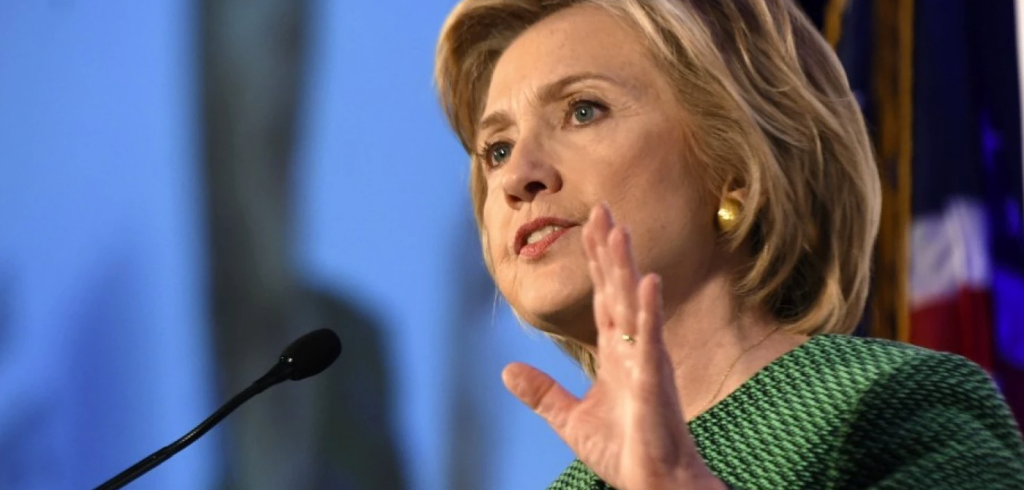
Hillary Rodham Clinton warned Wednesday that two major health insurers preparing multibillion dollar acquisitions could tip “the balance of power” too far away from consumers. The Democratic presidential candidate said in a statement she had “serious concerns” with the proposed acquisition of Cigna by Blue Cross-Blue Shield insurer Anthem, and plans by Aetna to acquire Medicare Advantage coverage provider Humana. Clinton said the planned merger between Anthem and Cigna could raise market concentration in New Hampshire – home of the nation’s first presidential primary – to “excessive levels.” She said both deals would concentrate competition in other U.S. markets. Anthem plans to buy Cigna for $48 billion, while Aetna wants to acquire Humana for about $35 billion in a wave of consolidation within the health insurance industry. Before the deals can close, the Justice Department must decide whether the mergers would make the companies so dominant that they could create a competitive imbalance. That review is expected to last several months. Clinton said she is skeptical that consumers would benefit because “too often the companies end up pocketing profits rather than passing savings to consumers.” Clinton said if elected she would strengthen the antitrust enforcement arms of the Justice Department and the Federal Trade Commission and appoint “aggressive regulators” to address concentration in the health care industry and other sectors. Republished with permission of The Associated Press.
Paul Ryan seeks unity from House GOP to run for speaker
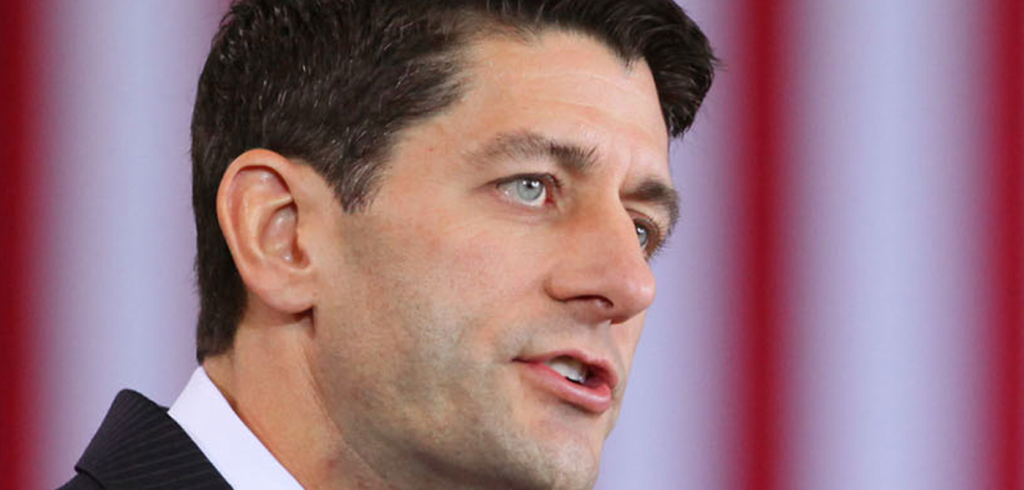
Wisconsin Rep. Paul Ryan says he’s got to have unity from divided House Republicans before he will serve as their speaker, a tall order as the split between GOP pragmatists and hardliners all but paralyzes Congress and roils the presidential race. Ryan’s message to his colleagues: Embrace him as their consensus candidate by week’s end or he won’t seek the job, plunging the House into deeper chaos with deadlines on an unprecedented government default and the budget fast approaching. It’s a big “if” for a House GOP that’s careened from one crisis to another in recent years, with a compromise-averse band of conservative hardliners forcing a partial government shutdown two years ago, ultimately driving current Speaker John Boehner to announce he’ll resign and then scaring off his No. 2. Boehner is moving quickly to try to resolve the issue, telling Republicans Wednesday morning that the GOP will meet next Wednesday to vote on a candidate to replace him. The full House would then choose its new speaker on Thursday. That’s if all goes according to plan. Meanwhile, Ryan, the GOP’s 2012 vice presidential nominee, has been dragged into seeking a job he never wanted. As he announced late Tuesday that he would seek the speakership, Ryan made clear he would do so only with conditions. He wants the endorsement of the major caucuses of the House, including the hardline Freedom Caucus. That’s the group whose threats against Boehner pushed him to announce he would resign by month’s end and forced Majority Leader Kevin McCarthy to abruptly drop his campaign to replace him. Members of the Freedom Caucus quickly expressed reservation about some of Ryan’s conditions for pursuing the job, including his insistence on cutting back on the responsibilities to spend time with his wife and three school-age children. “No other speaker candidate came in and said here’s the list of my demands, either meet those or I’m not going to do this,” said Rep. Tim Huelskamp of Kansas. “Speaker’s a big job. And it’s not a 9-to-5 job. So there are a lot of questions to be answered.” “There is a plethora of candidates for speaker of the House out there who have the time necessary to do the job,” said Rep. Mo Brooks of Alabama. Boehner said he was fairly confident the various factions would coalesce around Ryan. “I think Paul is going to get the support that he’s looking for,” the speaker told reporters. “He laid out a very clear vision of how he would run the speakership. I thought the members responded very well to it.” Coming days will tell if Ryan can indeed win the support he needs, or become the latest victim of the GOP divide. Outsider candidates, especially Donald Trump, have shaken the GOP presidential campaign to the consternation of mainstream party leaders who fear the fighting could lead to a third straight Democratic White House administration. “I came to the conclusion that this is a very dire moment, not just for Congress, not just for the Republican Party, but for our country. And I think our country is in desperate need of leadership,” Ryan said. “What I told members is if you can agree to these requests and if I can truly be a unifying figure, then I will gladly serve, and if I am not unifying, that is fine as well – I will be happy to stay where I am.” Ryan had avoided getting drawn into the speaker’s contest, saying he would prefer to stay on as chairman of the tax-writing Ways and Means Committee, which he’s described as his dream job. But with chaos ahead and the prospect of even more of it if he passed on the job, Ryan reconsidered under pressure from party leaders. Congress is hurtling toward an early November deadline to raise the federal borrowing limit or invite a first-ever default, and a deadline to pass spending legislation or risk a government shutdown will follow in early December. The 45-year-old Ryan gave his colleagues until Friday to express their support. Members of the Freedom Caucus said they would meet with Ryan later Wednesday, but for now were sticking with their endorsement of another candidate, Rep. Daniel Webster of Florida, a former speaker of the House in Florida who’s focused on “pushing down” on what he calls the “pyramid of power” in the House. Webster and the other potential candidates, a dozen or so in all, lack Ryan’s stature and broad support and it’s not clear if any of them could gather the needed backing to become speaker. “If Paul Ryan can’t get 218, no one can,” said Rep. Carlos Curbelo, a Florida Republican, citing the number of votes needed for a majority on the House floor. Ryan laid out a number of conditions under which he would serve, aimed at defusing an atmosphere of constant chaos and crisis that has hung over the House as Tea Party-backed lawmakers pushed for confrontation with the White House and demanded changes that the strictures of divided government never could deliver. He said he encourages changes to rules and procedures – something eagerly sought by members of the Freedom Caucus who claim they’ve been shut out of legislating in the House. But he said any such changes must be made as a team, with input from all. Ryan also sought a change in the process for a “motion to vacate the chair” – the procedure conservatives were threatening against Boehner, which would have resulted in a floor vote on his speakership and ultimately drove him to resign. “He said he’s willing to take arrows in his chest, but not in his back,” said Rep. Peter King of New York. But several conservatives said they were particularly troubled by Ryan’s demand to change the motion to vacate, with some calling it a non-starter. Republished with permission of The Associated Press.
Joe Biden says he will not run for president in 2016
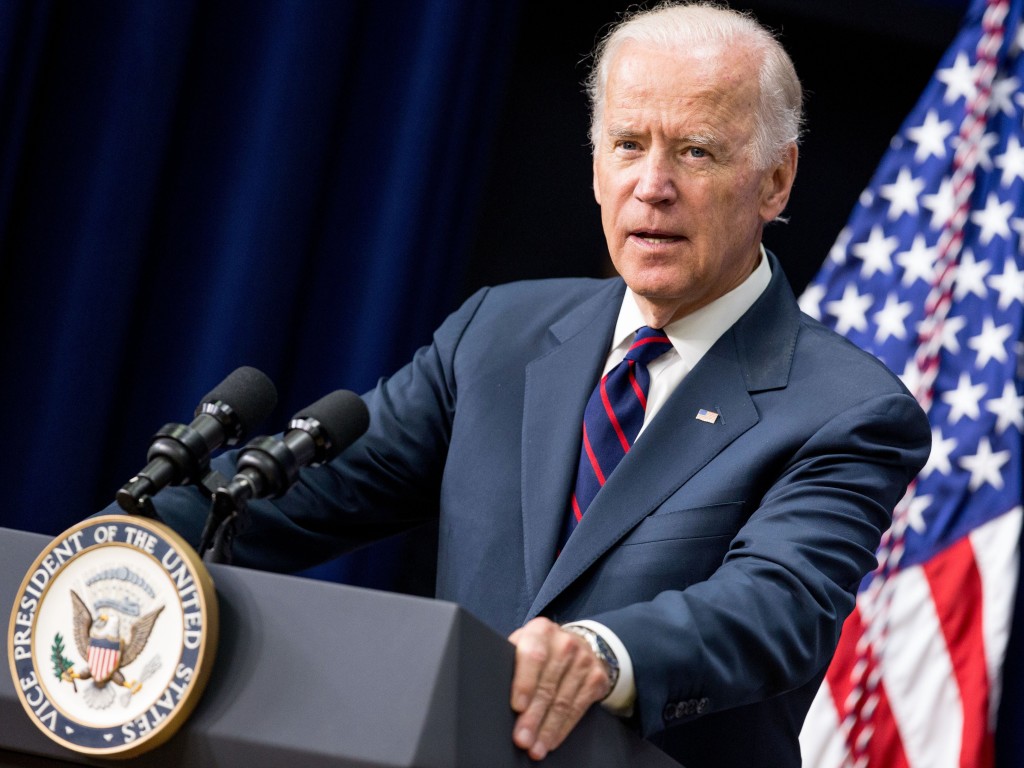
Vice President Joe Biden will not run for president in 2016, he said Wednesday, ending a months-long flirtation with a third White House campaign and setting him on a glide path toward the end of his decades-long political career. Biden’s decision finalizes the Democratic field of White House candidates and likely bolsters Hillary Rodham Clinton‘s standing as the front-runner by sparing her a challenge from the popular vice president. Biden announced his decision in the Rose Garden, flanked by President Barack Obama. Encouraged by Democrats seeking an alternative to Clinton, Biden had spent the past several months deeply engaged in discussions with his family and political advisers about entering the primary. Yet as the deliberations dragged on, Democrats began publicly questioning whether it was too late for him to run, a notion that hardened after Clinton’s strong performance in last week’s Democratic debate. In the end, Biden decided the timing was too late. He also was still grieving over the death of his son, former Delaware Attorney Beau Biden, who died of brain cancer in May. Wednesday’s announcement was a letdown for Biden supporters who had pleaded with him to run, and in increasingly loud tones as his deliberations dragged on through the summer and into the fall. For months, the 72-year-old Democrat made front pages and appeared on cable news screens as pundits mused about his prospects and Clinton’s perceived vulnerability. A super political action committee, Draft Biden, formed with the explicit goal of getting him into the race. At the White House, aides and longtime Biden loyalists had prepared for his potential bid, putting together a campaign-in-waiting ready to move fast should he decide to jump into the race. Last week one of those aides, former Sen. Ted Kaufman, wrote an email to former Biden staffers laying out the potential rationale for a Biden run and promising a decision soon. Biden and his team had lined up potential staff and enlisted donors willing to help; Biden spoke personally to many supporters. As speculation about his plans reached a fever pitch, Biden kept up an intense schedule of public appearances, seemingly testing his own stamina for an exhausting presidential campaign. But as speculation swirled, Biden broadcast his reluctance to run amid doubts that he and his family were emotionally ready in the wake of Beau Biden’s death. In a September appearance on “The Late Show,” Biden told comedian Stephen Colbert he was still experiencing moments of uncontrollable grief that he deemed unacceptable for a presidential aspirant. “Sometimes it just overwhelms you,” he said, foreshadowing his ultimate decision. Biden would have faced substantial logistically challenges in deciding to mount a campaign this late in the primary process. Both Clinton and Vermont independent Sen. Bernie Sanders have been in the race since April, giving them a powerful head start in fundraising, volunteers, endorsements and voter outreach. Democratic operatives and donors already committed to Clinton would likely have had to defect to Biden in order for him to have viable shot at the nomination. Having decided against a final presidential campaign, Biden now approaches the end of his long career in politics. A month after being elected to the Senate in 1972 at age 29, Biden’s wife and baby daughter died when their car collided with a tractor-trailer. Biden considered relinquishing his seat, but instead was sworn in at the hospital where his sons, Beau and Hunter, were recovering. Over six terms in the Senate, he rose in the ranks to become chairman of the Senate Judiciary and Foreign Relations committees, developing broad expertise in global affairs and reputation for a plainspoken, unpredictable approach to politics. Biden twice ran for president. His most recent attempt in 2008 ended after he garnered less than 1 percent in the Iowa caucuses. His first run in 1987 ended even quicker, following allegations he plagiarized in some speeches from a British politician. He has not yet detailed his post-White House plans, but has told friends he has no plans to “retire” in a traditional sense. Although unlikely to again seek elected office, friends and aides say Biden has previously discussed starting a foundation, launching an institute at the University of Delaware or taking on a role as a special envoy and elder statesman if called upon by future presidents. Republished with permission of The Associated Press.
