
Email insights: Defined benefit plans explained

The Alabama Policy Institute (API) sent out an email Thursday endeavoring to explain the complicated world of public pensions with a helpful infographic. Considering the fact that Alabama’s public pensions are underfunded by at least $15.2 billion – meaning every household in Alabama would need to contribute $8,274 to fully fund the system – this should be of particular interest to all working Alabamians. Read the full text of API’s email, which accompanied the infographic below: Public pensions systems across the country are struggling with lower than expected investment returns. Just this morning, AL.com reported that investments supporting Alabama’s Teachers’ Retirement System earned a 1.04% rate of return. As currently structured, the expected annual cost of the system’s defined benefit pension plans assumes an 8% rate of return. State retirees are guaranteed their predetermined benefit, regardless of investment returns. When the returns fall short, Alabama taxpayers are the safety net. Many state pension systems are facing the same challenges as we are in Alabama. The common denominator is the structure of the defined benefit plan. Defined benefit plans are inherently risky for the employer because it is the employer who makes up the difference when investment returns don’t meet projections. Other variables–like employee growth, life expectancy, and hiring trends–also add to the difficulty of estimating the amount needed to cover future pension liabilities. Because of the risks associated with defined benefit plans, the private sector has largely moved away from this benefit structure. Out of 85 public pension plans that the Alabama Policy Institute analyzed, 27 of them now offer an alternative to the traditional defined benefit plan. These alternatives are typically in the form of either a defined contribution plan, similar to a 401(k), or a risk-managed defined benefit plan (also known as a cash balance plan) in which a specific benefit is promised, but plan funding is more predictable for the employer.
Donald Trump’s knack for controversy drowning out his rivals
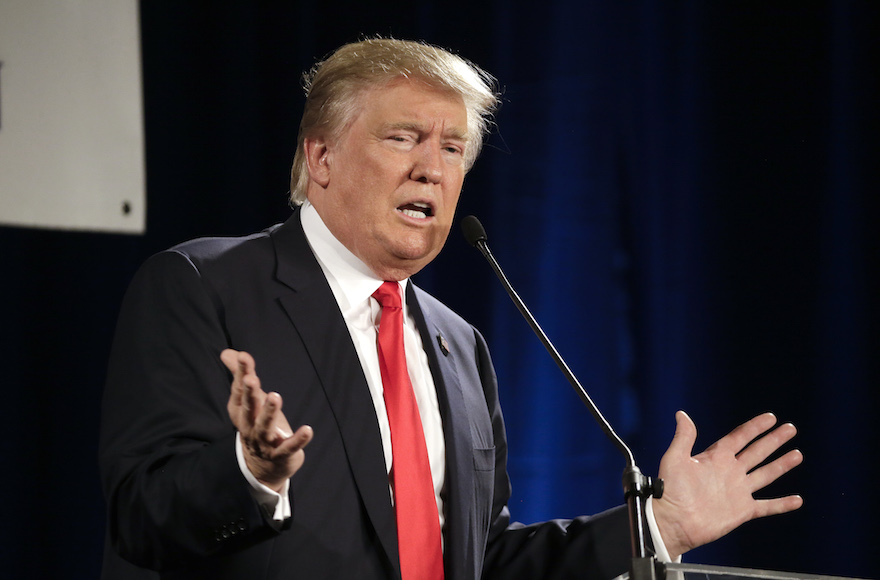
Even campaigning half as much as his rivals, Donald Trump is drowning them out in an echo chamber of insults and charged pronouncements that have taken over the presidential campaign. Frustrated GOP candidates trekking across Iowa, New Hampshire and South Carolina are struggling to be heard. All the while, some Republican officials worry the intense Trump focus is letting Democratic front-runner Hillary Clinton escape serious scrutiny as she works to strengthen her case to general election voters in the 2016 contest. “He’s playing you like a fine Stradivarius violin,” former Florida Gov. Jeb Bush told reporters who mobbed him after a campaign stop in New Hampshire this week – to get his reaction to Trump’s remarks. “This is what he does. He’s an expert at this. He’s phenomenal at garnering attention.” Perhaps no one is more frustrated than Bush, the former Florida governor once thought the likely nominee but now fighting for relevance as Trump leads most Republican polls. Bush spoke at length during his campaign stops about his strategy to stop the Islamic State, which he said President Barack Obama and Clinton, as secretary of state, had foolishly dismissed. Yet the first question he faced from voters at a Tuesday night stop in southern New Hampshire had nothing to do with his policies. “I’m going to say two words, probably the last two words you want to hear right now,” said Tim Chrysostom, one of 125 in attendance. “Donald Trump.” “What about him?” Bush replied curtly. With Trump’s call to ban Muslims from entering the United States, just the latest example of his provocative statements, the billionaire businessman has found a way to dominate the conversation even when he’s not in the room. On Wednesday, Bush touted a plan to return more power to states. Ohio Gov. John Kasich addressed national security in New York. And retired neurosurgeon Ben Carson outlined his plan to reshape the U.S. health care system. Each made hardly a ripple in the race. Trump’s newest comments on Muslims, however, got attention. “I’m doing good for the Muslims,” he declared in an interview to be aired Wednesday night on CNN. “Many Muslim friends of mine are in agreement with me.” Tens of millions of dollars in campaign spending aren’t helping Trump’s adversaries break through. Trump spent $5.6 million through the end of September. The rest of the GOP field spent more than $76 million over the same period. Bush and his supporters alone have invested about $32 million in television and radio commercials. Trump? About $300,000. Even Trump’s critics, like New Hampshire Republican national committeeman Steve Duprey, admires the real estate mogul’s ability to dominate the conversation with such a modest investment of time and money. “No one can deny he’s running a brilliant campaign,” Duprey said. Trump has all but abandoned traditional retail campaigning in which candidates court smaller groups of voters in key states. Instead he’s focusing on massive rallies and most often on national media interviews – frequently conducted on the phone from Manhattan’s Trump Tower. Extraordinary statements have become ordinary for Trump. At the same South Carolina rally where he read his no-Muslims statement aloud, he also suggested “closing that Internet up in some way,” saying it had become a breeding ground for radicalization. Some rivals have tried to emulate Trump’s fiery rhetoric. Texas Sen. Ted Cruz explained his preferred approach to the Islamic State militants by promising to rain violence on their strongholds. “We will carpet bomb them into oblivion,” he said at a Tea Party rally in Cedar Rapids, Iowa, on Sunday. “I don’t know if sand can glow in the dark, but we’re going to find out.” At a rally Tuesday night in Atlanta, Carson suggested that U.S. citizens should train for terrorist attacks much as schoolchildren once conducted air-raid drills during the Cold War. “We need to start teaching people what to do once again in those situations,” he said. Such tactics concern some Republican donors and operatives. “You’re not going to get earned media unless you’re outrageous, but it is foolish to try to out-Trump Trump,” said John Jordan, a California donor backing Florida Sen. Marco Rubio. At the same time, Republicans are missing a key opportunity to weaken vulnerable Democrats, GOP operatives say. The Trump call to block Muslims from the U.S. abutted – and then overtook – criticism that Obama’s White House address about fighting the Islamic State was weak. Questions about Clinton’s use of a private email server while secretary of state have faded. “Donald Trump is a massive walking, talking in-kind donation to former Secretary Rodham Clinton,” said Liz Mair, a GOP strategist who is trying to raise money to curb a Trump rise. “Media focus on him, and the type of focus more specifically blocks other candidates who could better compete against her from getting any attention whatsoever.” In New Hampshire, Sheryl and Mark Poor say they are tired of Trump. The Manchester couple hasn’t settled on a 2016 candidate, and attended a Bush rally this week to learn more about him. That was hard to do with all the questions about Trump, Sheryl Poor said. “I’d like to see Donald Trump go,” she said. “He doesn’t have the finesse, and he’s going to upset the world.” Republished with permission of the Associated Press.
Leading Iowa evangelical endorses Ted Cruz for president
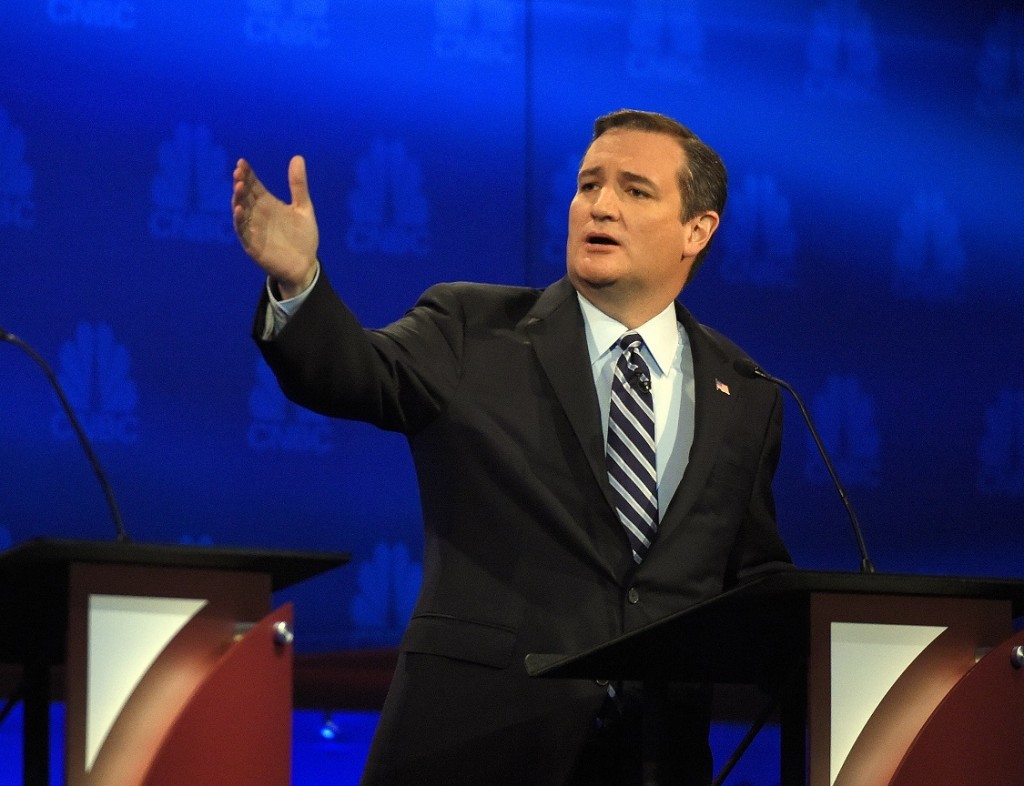
A prominent Iowa evangelical leader has endorsed Ted Cruz for president, a coup for the Texas senator, who has heavily courted churches and pastors in an effort to win the state’s leadoff Republican caucuses. Bob Vander Plaats announced his endorsement Thursday in Des Moines, calling Cruz a “serious leader for serious times.” Vander Plaats stressed that his was a personal endorsement, not one on behalf of the Family Leader, the influential Christian conservative group he leads. The group’s board has decided not to back a 2016 candidate formally, though several others affiliated with the organization joined Vander Plaats in endorsing Cruz. Vander Plaats said Cruz had built a strong Iowa organization and said he would work to help unite conservatives behind his candidacy. “When we make an endorsement, our goal is to make that endorsement stick,” he said. “We will do whatever it takes to help him be successful to go up against Hillary Clinton.” His presumption is that Clinton would win the Democratic nomination. Christian conservative voters traditionally wield significant influence in the Iowa caucuses because they tend to be organized and motivated to participate. Vander Plaats had been courted by many Republican candidates for that reason. The Feb. 1 caucuses offer a candidate momentum, though they have not always been a strong predictor of the eventual nominee. Vander Plaats supported former Pennsylvania Sen. Rick Santorum in 2012 and former Arkansas Gov. Mike Huckabee in 2008. Both won the caucuses, but neither won the nomination. Recent polls suggest Iowa support has grown for Cruz, who has built a deep organization with endorsements from state and local officials and support in all 99 counties. He’s also seeking backing from at least one pastor in every county and has been endorsed by Rep. Steve King, a vigorous voice against illegal immigration who represents western Iowa, and conservative radio host Steve Deace. While Cruz has been on the rise in Iowa, Donald Trump remains a top contender and retired neurosurgeon Ben Carson and Florida Sen. Marco Rubio have significant backing. Rubio, who has been running an increasingly aggressive campaign against Cruz, was in Iowa on Thursday. While Cruz has spent more time in Iowa and has more evangelical support, Rubio has recently stepped up his visits to the state and recently held several meetings with pastors. Republished with permission of The Associated Press.
U.S. Reps. Terri Sewell, Ed Royce push to remove barriers to homeownership
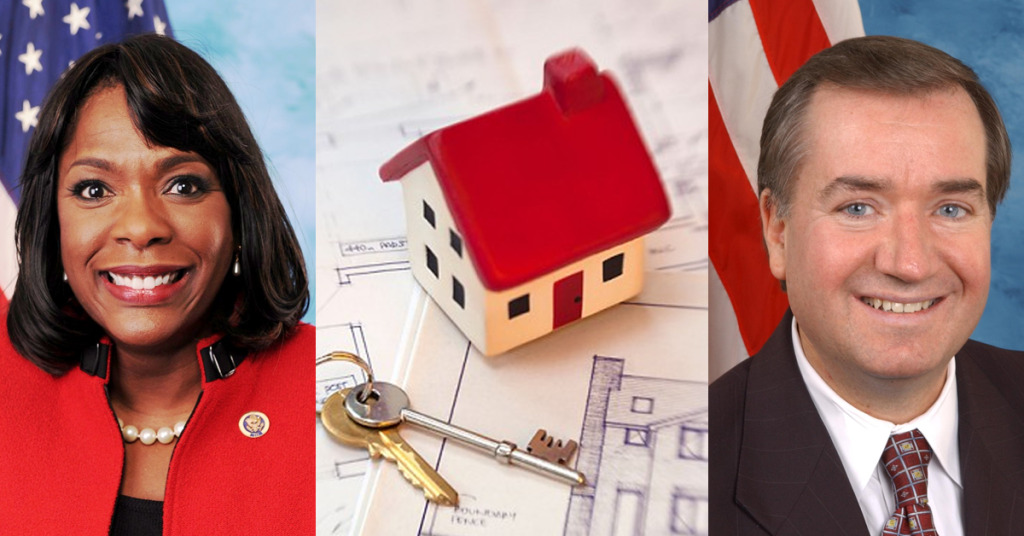
Alabama U.S. Rep. Terri Sewell (AL-07) reached across the aisle Thursday to California U.S. Rep. Ed Royce (CA-40) in efforts to remove barriers to homeownership. The two – both members of the House Financial Services Committee – introduced, H.R. 4211, the Credit Score Competition Act of 2015, which allows the Government-Sponsored Enterprises (GSE) Fannie Mae and Freddie Mac to consider alternate credit scoring models when making mortgage lending decisions. “Fannie Mae and Freddie Mac are the largest mortgage purchasers in the nation, but they rely on credit score models that don’t necessarily take into account something as simple as whether borrowers have paid their rent on time,” Sewell said. “Home ownership is an integral part of the American Dream that shouldn’t be out of the reach for low-income, rural, and minority borrowers who lack access to traditional forms of credit. This legislation takes an important step towards addressing this issue and helps make homeownership a reality for more Americans across the country.” Fannie Mae and Freddie Mac currently evaluate their ability to purchase a mortgage based exclusively on a consumer’s FICO credit score. FICO scores are based on models and data from 1995 to 2000 that unnecessarily excludes millions of qualified borrowers. “The Credit Score Competition Act of 2015 allows Fannie Mae and Freddie Mac to consider modern and updated credit scoring models that give more creditworthy buyers access to affordable, home mortgages,” Sewell said. “It is my hope that this critically important legislation will help make homeownership a reality for many of the hard-working men and women living in Alabama’s 7th Congressional District.” The legislation will act to establish and preserve a competitive credit scoring marketplace by eliminating the Fannie and Freddie FICO monopoly and will foster innovation in the field and more affordable credit score products for consumers. “Breaking up the credit score monopoly at Fannie and Freddie will assist them in managing their credit risk and avoiding the need for another taxpayer bailout,” Royce said. “The GSEs’ use of a single credit score stifles innovation and affordability in the credit scoring field and bars millions of qualified homebuyers from purchasing a home.”
State prosecutors gaining ground in Speaker Mike Hubbard’s ethics case
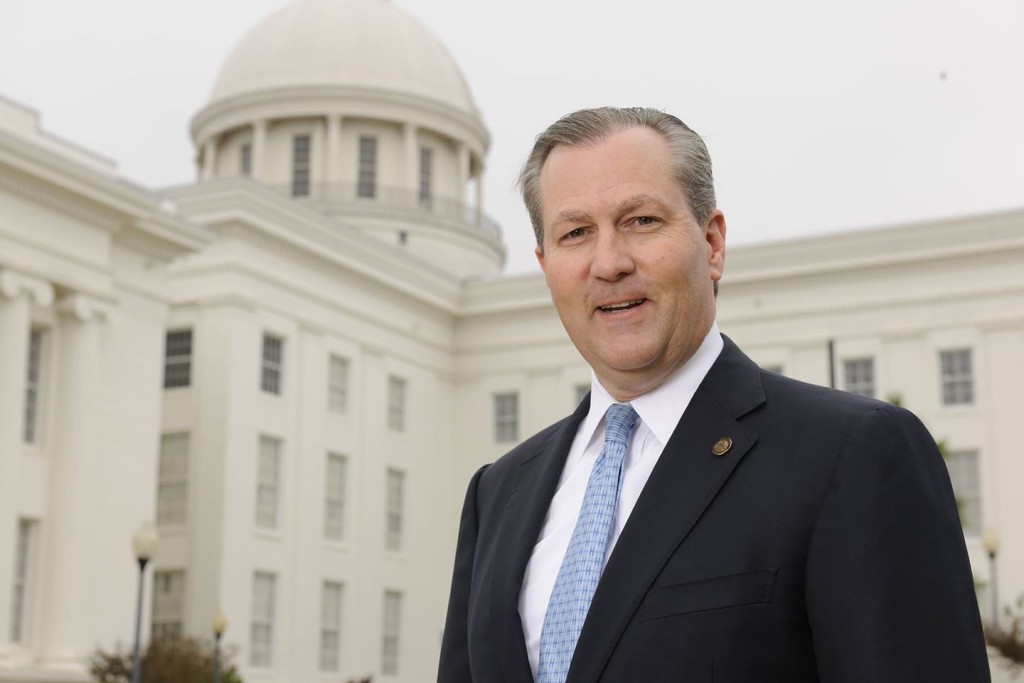
A judge presiding over the suit over alleged violations of state ethics laws by House Speaker Mike Hubbard shook things up with a pair of judicial orders on Wednesday. Lee County Circuit Court Judge Jacob A. Walker III ruled Wednesday that after nearly two years of delays pursued by Hubbard’s defense counsel, all briefs to be considered in the case must be submitted by Jan. 12. The move shortens the timeline for Hubbard, whose trial is set to start in March, to maneuver to bolster his defense. The judge also threw out subpoenas Hubbard’s lawyers sought for Assistant Attorney General William Lisenby as well as Sandy McLure, a special assistant and scheduler for Attorney General Luther Strange. Hubbard recently filed for a motion to dismiss the case, alleging prosecutorial misconduct by Strange and state prosecutors, saying the prosecution is selectively targeting the Republican lawmaker for political reasons. That motion was jettisoned by the court. Judge Walker’s ruling will likely help take the sting out of those charges as Hubbard mounts his defense. “I am aware that the defendant Michael Hubbard contends that I maintained a notebook, journal or diary about Deputy Attorney General Hart’s alleged violations of professional responsibilities or ethics. I keep notes on many things. I have no notes that reflect violations of rules of professional responsibility or ethics on the part of Matt Hart,” Lisenby stated in an affidavit. “If I had evidence that Deputy Attorney General Hart violated rules of professional responsibility or ethics, I would report the violation to a court or to the Alabama Bar. I have made no such report,” Lisenby said. The judge apparently deemed the affidavit sufficient to quash the requested subpoena for Lisenby. Likewise, an affidavit from McClure stating she had no significant involvement in the effort to investigate and prosecute Hubbard was received favorably by Walker, so she will not be forced to testify either. The rulings comprise a blow to Hubbard, who professes his innocence on charges he illicitly profited from his chairmanship of the Alabama Republican Party among other ethics charges, though he has focused his defense thus far on impugning the motives of the prosecution.
U.S. Senate candidate Jonathan McConnell releases first statewide radio ad
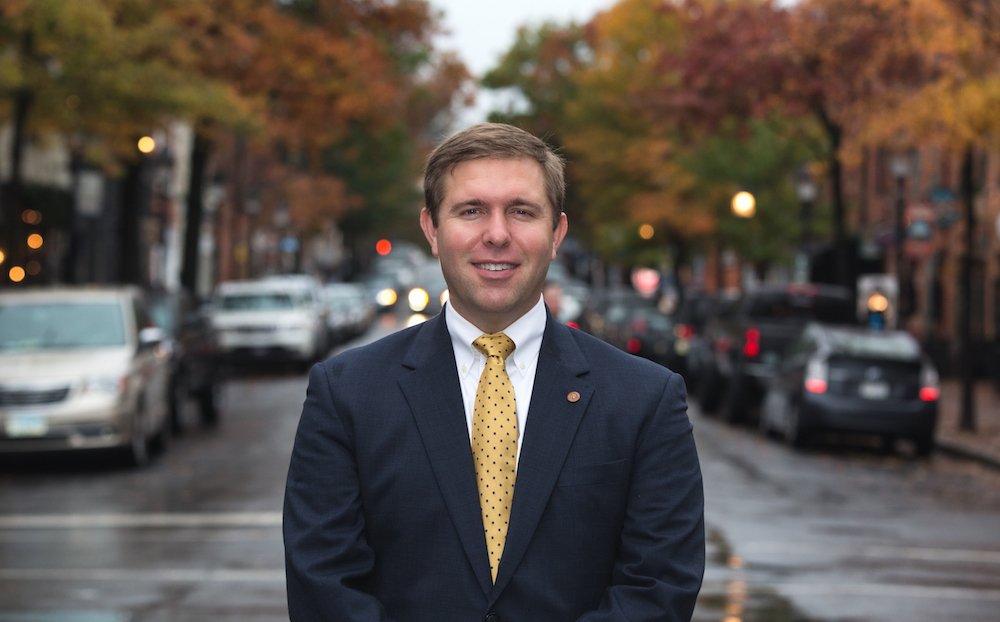
Republican candidate and conservative businessman Jonathan McConnell released his first statewide radio ad Thursday as he makes a run to represent Alabama in the U.S. Senate. In the 1-minute, six-second ad is being emailed and shared with supporters and donors across the state. In it, the former Captain in the United States Marine Corps vows to “keep [America] safe from ISIS terrorists” and will “say no to unchecked Syrian immigrants on American soil.” McConnell is challenging incumbent Richard Shelby (R-AL) for the GOP nomination in next November’s general election for the Senate seat, claiming Shelby has “abused [his] power for profit, and Alabama has paid the price.” Listen to the McConnell ad below: Ad transcript: ANNOUNCER: Small businessman, Marine, outsider, that’s conservative Republican Jonathan McConnell. Captain Jonathan McConnell led over a hundred Marines in Iraq. Later he founded a security company that protects American ships from pirates and terrorists. JONATHAN MCCONNELL: Hi, I’m Jonathan McConnell. For over 40 years Senator Shelby and career politicians like him have abused their power for profit, and Alabama has paid the price. While our debt skyrockets politicians continue to put their interests ahead of ours. Enough is enough. America’s in crisis, but Washington’s career politicians only know how to protect themselves. As your senator, I’ll focus on protecting you and your family. I’ll work to eliminate the debt, and illegal immigration, repeal Obamacare, and keep us safe from ISIS terrorists and I’ll say no to unchecked Syrian immigrants on American soil. I’m Jonathan McConnell. I approve this message because we need leaders who will fight for the people of Alabama, not themselves. ANNOUNCER: Captain Jonathan McConnell, the tough tested conservative Christian Republican for U.S. Senate. Paid for by Friends of Jonathan McConnell.
Farmers Federation endorses Richard Shelby in 2016 Senate re-election bid
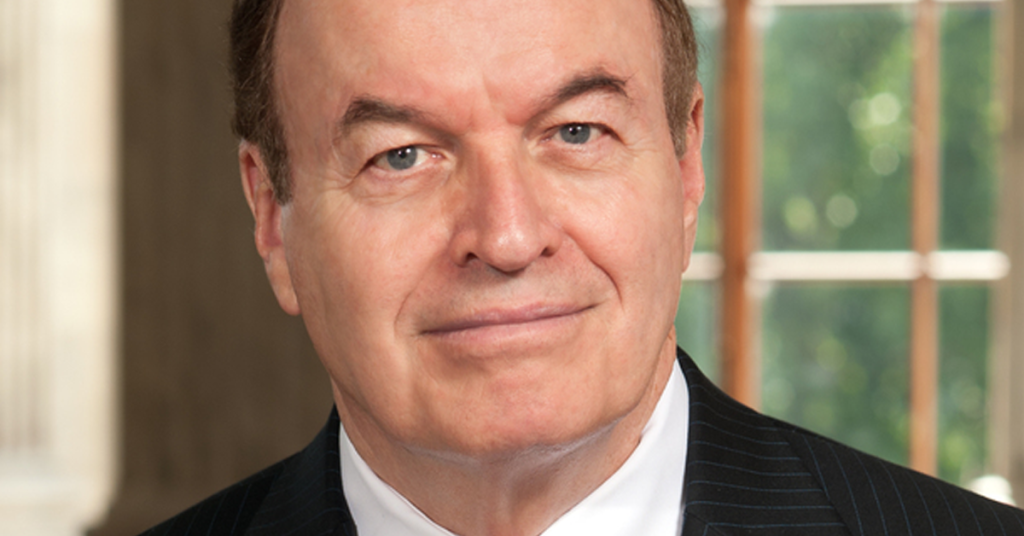
The Alabama Farmers Federation, the state’s leading agricultural industry interest group, came out in support of Republican Sen. Richard Shelby‘s bid to retain his seat in the U.S. Senate on Thursday. Federation President Jimmy Parnell praised Shelby for taking Alabama’s deeply conservative attitudes many on issues with him to Washington, D.C. “The Alabama Farmers Federation is proud to endorse Richard Shelby for the U.S. Senate,” ALFA President Jimmy Parnell stated. “As our state’s senior senator, he shares the same conservative values that the farmers and rural Alabamians hold so dear.” Shelby, first elected to the Senate in 1986, responded in kind to Parnell’s warm words. “I am proud to have the endorsement of the Alabama Farmers Federation. I will always defend our shared values and way of life,” said Shelby. Shelby chairs the Senate’s Banking, Housing & Urban Affairs Committee, as well as the Appropriations Subcommittee on Commerce, Justice and Science. Shelby is facing a long-shot primary challenge from former state Sen. Shadrack McGill.
Delta Sigma Theta to host summit on expungement and voter rights restoration
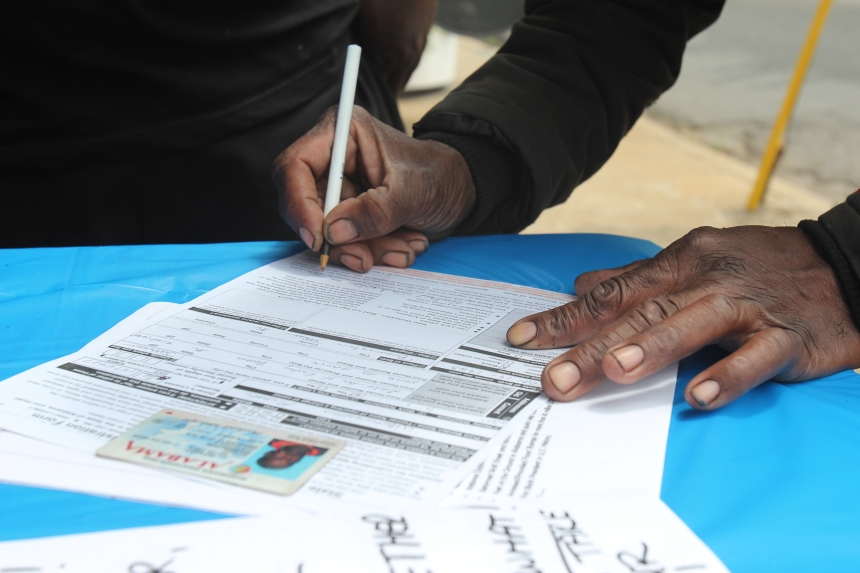
The Montgomery chapter of the Delta Sigma Theta sorority’s alumnae will host a conference on voters’ rights and expungement issues this Saturday, December 12 in the Capital City. The panel wil kick off with a roundtable discussion themed on the isssues called “Return to Society: Restoring the Right to Vote for Ex-Felons.” Panelists will include state Rep. Chris England, Montgomery County Probate Judge Steven L. Reed, Lucia Hermo of the American Civil Liberties Union, and Christopher L. Smith, CEO & President of CLS Enterprises. “During the panel discussion, we will discuss how thousands across the state are currently being disenfranchised, despite, having paid their societal debts,” said sorority spokeswoman Kynesha Brown. “We will also discuss the impact of convictions as it relates to voter turnout, the current Alabama Expungement Law, and the recent closing of DMV offices in the Black Belt area.” Information on ex-offender employment and other community resources will also be available. Attendees can register to vote and learn about the process for restoring voting rights. There will also be help available regarding how to properly dress and prepare for an interview, how to further education, and how to properly complete a job application and resume, according to a release. The event is set to run from 10:00 a.m. until 4:00 p.m. on Saturday, at Carver High School in Montgomery. Delta Sigma Theta bills itself as “a public service organization of college educated women with more than 250,000 members worldwide.”
Obama signs education law rewrite shifting power to states
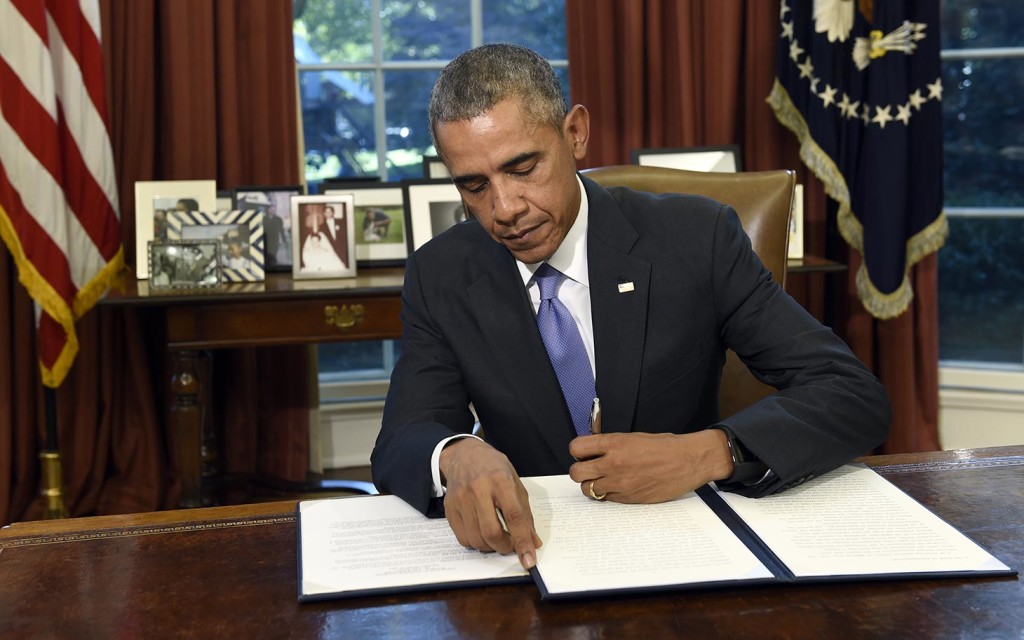
Calling it a “Christmas miracle,” President Barack Obama signed a sweeping overhaul of the No Child Left Behind education law on Thursday, ushering in a new approach to accountability, teacher evaluations and the way the most poorly performing schools are pushed to improve. Joined by lawmakers, students and teachers in a White House auditorium, Obama praised the George W. Bush-era No Child Left Behind for having the right goals. He said that in practice, it fell short or applied a cookie-cutter approach that failed to produce desired results. Under the new law, the federal government will shift more decision-making powers back to states. “With this bill, we reaffirm that fundamentally American ideal that every child- regardless of race, gender, background, zip code – deserves the chance to make out of their lives what they want,” Obama said. “This is a big step in the right direction.” The overhaul ends more than a decade of what critics have derided as one-size-fits-all federal policies dictating accountability and improvement for the nation’s 100,000 or so public schools. But one key feature remains: Students will still take federally required statewide reading and math exams. Still, the new law encourages states to limit the time students spend on testing and diminishes the high stakes for underperforming schools. The long-awaited bill to replace the 2002 law easily passed the Senate on Wednesday and the House last week, in a rare example of the Republican-controlled Congress and Obama finding common ground on major legislation. Obama help it up as an “example of how bipartisanship should work,” noting that opposing sides had compromised to reach a deal. “That’s something that you don’t always see here in Washington,” Obama said. “There wasn’t a lot of grandstanding, a lot of posturing, just a lot of good, hard work.” Rep. John Kline, R-Minn., who chairs the House’s education panel, said under the new approach, American classrooms will no longer be “micromanaged” by the Education Department in Washington. “Instead, parents, teachers, and state and local education leaders will regain control of their schools,” said Kline, part of the bipartisan quartet that spearheaded the bill. Here’s how the major stakeholders fare: — TEACHERS The legislation eliminates the federal mandate that teacher evaluations be tied to student performance on the statewide tests. Teachers’ unions hated that idea, saying the high stakes associated with the tests were creating a culture of over-testing and detracting from the learning environment. States and districts will still be able to link scores or consider them as a factor in teacher performance reviews, but they will not be required to do so. “We will continue to be vigilant as work shifts to the states to fix accountability systems and develop teacher evaluation systems that are fair and aimed at improving and supporting good instruction,” Randi Weingarten, president of the American Federation of Teachers, said in a statement. — STUDENTS Don’t start applauding yet, kids. The nation’s 50 million students in public schools will still have to take the federally mandated statewide reading and math exams in grades three to eight and once in high school – so parents, teachers and others can see how they are doing against a common measuring stick. But the legislation also encourages states to set caps on the amount of time students spend on testing. More children from low- and moderate-income families will have access to preschool through a new grant program that is to use existing funding to support state efforts. — SCHOOLS No more Common Core – maybe. The bill says the federal government may not mandate or give states incentives to adopt or maintain any particular set of academic standards, such as Common Core. The college and career-ready curriculum guidelines were created by the states but became a flashpoint for those critical of Washington’s influence in schools. The administration offered grants through its Race to the Top program for states that adopted strong academic standards for students. Already, some states have begun backing away from the Common Core standards. — PARENTS The bill provides for more transparency about test scores, meaning parents and others in the community will get a better look at how students in their states and in local schools are doing. The legislation requires that test scores be broken down by race, family income and disability status. Parents also will be able to see how per-pupil funding breaks down by state, district and school. — STATES It’s now up to the states. States and districts will now be responsible for coming up with their own goals for schools, designing their own measures of achievement and progress, and deciding independently how to turn around struggling schools. Testing will be one factor considered, but other measures of success or failure could include graduation rates and education atmosphere. To make sure all children get a fair shot at a quality education, states will be required to intervene in the lowest-performing 5 percent of schools, in high schools with high dropout rates and in schools with stubborn achievement gaps. — DIMINISHED FEDERAL ROLE The measure would substantially limit the federal government’s role, barring the Education Department from telling states and local districts how to assess school and teacher performance. The measure also ends the waivers the Obama administration has given to more than 40 states – exemptions granted around the more onerous parts of No Child when it became clear that requirements such as having all students proficient in reading and math by 2014 would not be met. Republished with permission of The Associated Press.
Alabama KKK actively recruiting to ‘fight the spread of Islam’
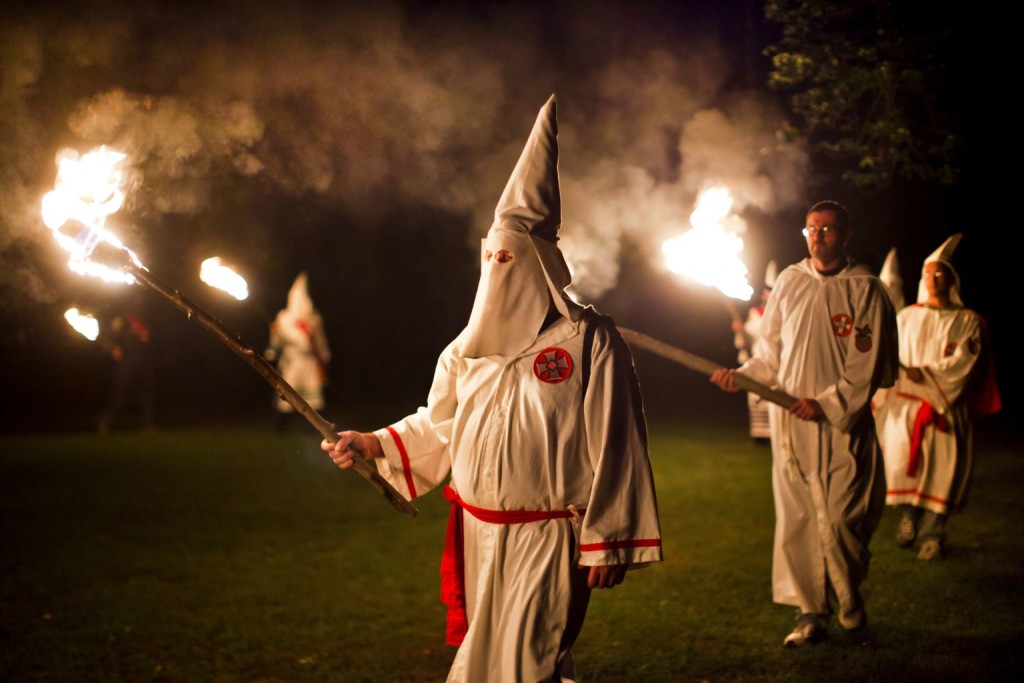
Following the terrorist attacks in Paris and San Bernardino, California, residents in Alabama neighborhoods of Cullman and Decatur have reportedly found themselves being recruited by the Ku Klux Klan (KKK) “to fight the spread of Islam in our country.” While the circumstances surrounding the distribution of the alleged KKK recruiting flyers have reportedly are not known, the Alabama chapter of the Council on American-Islamic Relations — America’s largest Muslim civil liberties and advocacy organization — has called on statewide officials to reject growing anti-Islam sentiments, according to a news release. According to the release, similar flyers were reportedly distributed in the same area back in September but without any reference to Islam. “Our state’s leaders must speak out against the rising anti-Muslim bigotry nationwide that is apparently inspiring a new recruiting effort by racists,” said CAIR-Alabama Executive Director Khaula Hadeed. “The KKK must be repudiated, whether it targets African-Americans, Muslims or any other minority group with hatred and intimidation.” The recent flier distribution suggest the KKK’s presence in Alabama is growing, as some 4,000 fliers were left at people’s homes in March as civil rights activists descended on Selma for the 50th anniversary of “Bloody Sunday” in both Selma and Montgomery, historically African American cities. The week that followed, several African American residents in Auburn notified police back in March recruitment fliers attached to rocks were thrown on their driveways. Similar incidents are on the rise nationwide as anti-Muslim sentiment is growing in the wake of the recent terrorist attacks. Joining in the anti-Islamic rhetoric and adding fuel to the fire, Republican presidential candidate Donald Trump stirred global outrage by calling for a “total and complete” ban on Muslims entering the country Monday night. “We have no choice,” Trump said to a standing ovation at a rally in South Carolina, calling the ban “common sense.” Trump continued in a statement, “Without looking at the various polling data, it is obvious to anybody the hatred is beyond comprehension. Where this hatred comes from and why we will have to determine. Until we are able to determine and understand this problem and the dangerous threat it poses, our country cannot be the victims of horrendous attacks by people that believe only in Jihad and have no sense of reason or respect for human life.” Trump’s comments stoked widespread public outrage. “This is exactly what ISIS wants, to turn Americans against one another,” a CAIR representative said. “We stand today united as Americans against stigmatization, against Islamophobia, against ISIS.”
Robert Bentley: No extra fee for ‘God Bless America’ license plates
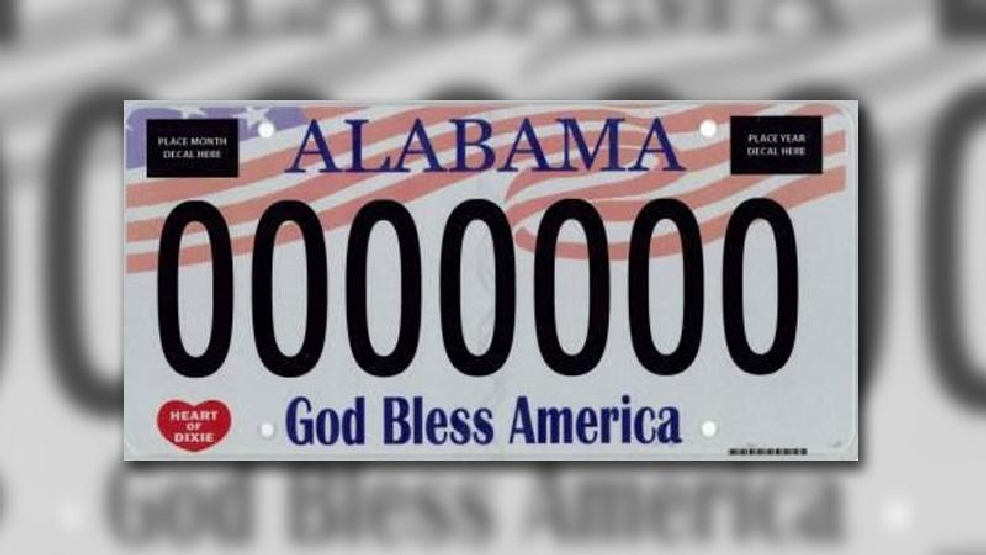
Alabama Gov. Robert Bentley is ordering the state Department of Revenue to waive the fee for license plates that read “God Bless America.” Bentley said in a statement Wednesday that drivers who want the plates will continue to be able to request them at no cost. Bentley says the tag is in a category of special plates that were offered free of cost before a law was passed during the 2015 regular session that established a fee for them. The governor says that legislation was ambiguous and didn’t specify whether a $50 fee should apply to the “God Bless America” tag. Bentley says his office is working with the Speaker of House and other lawmakers to clarify the law during the next session. — Full statement from Gov. Bentley: “Approximately 1.1 million Alabamians have chosen to proudly display their patriotism with the God Bless America license plate,” Governor Robert Bentley said. “At a time when our country is facing so many unprecedented issues, these tags are a reminder of the blessings God has bestowed on our state and nation. After some concerns were raised that the God Bless America tag would cost 50 dollars in January, we reexamined the legislation that passed in the 2015 Regular Session and found it was not clear on whether the additional fees would apply to this tag. Based on those findings, I have ordered that no fee will be charged by the Department of Revenue for the God Bless America tag. Alabamians who want this license plate will be able to choose it at no additional cost as it has previously been offered.” Republished with permission of The Associated Press.
