
Richard Shelby to DOJ: Hillary Clinton is not above the law
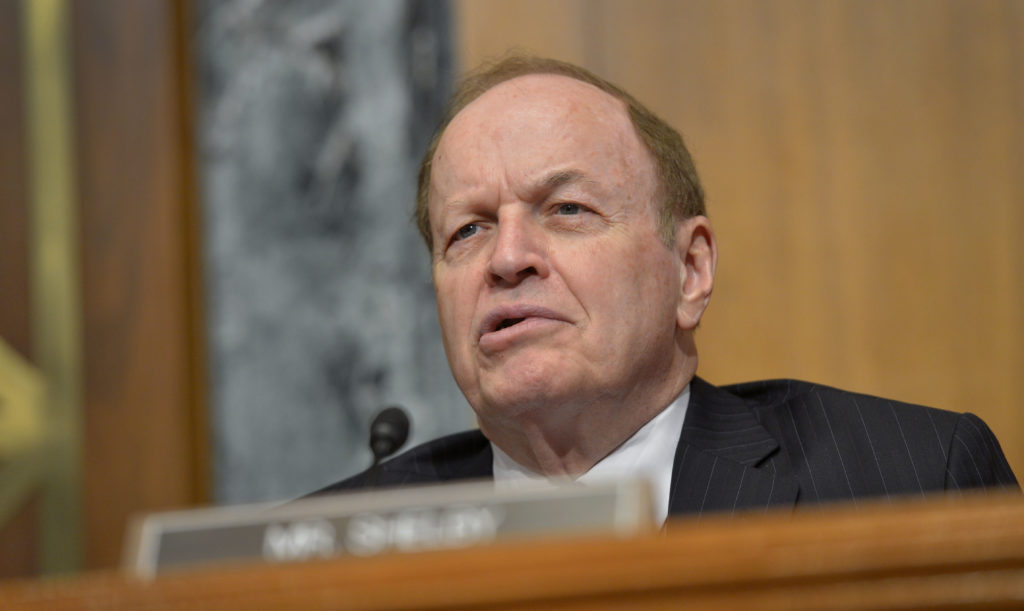
Following FBI Director James Comey‘s decision not to recommend charges against Hillary Clinton over her use of a private email server at the State Department, U.S. Sen. Richard Shelby sent a letter the Department of Justice Tuesday saying “it is now up to DOJ to ensure that Hillary Clinton is not treated as though she is above the law.” In the letter, Shelby urged U.S. Attorney General Loretta Lynch to look further into the situation and “restore the trust of average Americans through a thorough review of the evidence and statutes.” If the DOJ follows the FBI’s recommendation not to bring charges, he said it “could set a dangerous precedent for not holding a public official accountable for reckless actions.” Shelby went on to say if a lower-level government employee was found to have mishandled the same information as Clinton, they would lose their job and “would rightly be charged with a crime.” Shelby concluded his letter invoking the words of former President John Adams saying, “ours is a ‘government of laws, and not of men.’ The nation is counting on your application of this principle.” Read Sen. Shelby’s full letter to AG Lynch below: Dear Attorney General Lynch: I write to you to express my serious concerns over recent events that have cast a shadow on the commitment of the Obama Administration to fairly and impartially execute the rule of law. The American people are rightly concerned about the direction of this country when they see senior government officials being treated differently than lower level officials without powerful, partisan friends. Even if there was no inappropriate discussion when you recently met with former Secretary Hillary Clinton’s husband in an exclusive section of the Sky Harbor International Airport, it is difficult to explain to American voters — who are purportedly equal under the law — just how they are supposed to exercise that equality should their spouse ever be accused of a crime. FBI Director James Comey, commenting on the investigation of Secretary Clinton’s use of her personal e-mail system on July 5, 2016, said that, of the 30,000 emails returned to the State Department, “110 e-mails in 52 e-mail chains have been determined by the owning agency to contain classified information at the time they were sent or received. Eight of those chains contained information that was Top Secret at the time they were sent; 36 chains contained Secret information at the time; and eight contained Confidential information…Separate from those, about 2,000 additional e-mails were “up-classified” to make them Confidential.” These statements confirm that Secretary Clinton misled the American people and was extremely reckless in her handling of classified information both sent and received on her private e-mail server. If a lower-level government employee with access to classified information had behaved in this manner, including at the Top Secret level, they would lose their security clearance immediately and would almost certainly lose their job. If that same employee had previously established their own personal unsecured email server in their home for the purpose of evading government oversight, they would rightly be charged with a crime. While I appreciate and respect the hard work of the FBI, I strongly believe that all Americans should be held to the same standards and that your Department must restore the trust of average Americans through a thorough review of the evidence and statutes. Director Comey noted multiple infractions and patterns of violation of the laws and policies guiding national security information. The Obama Justice Department has pursued charges against reporters, mid-level employees, and members of the military when confronted with the mishandling of classified information. As you review the evidence, I expect you to hold Secretary Clinton to the same standard. The public knows that Secretary Clinton established a server in her home, that she conducted the public’s business on that server, and that she mishandled highly classified information. The public will reach its own conclusions as to why she did so and about how the rules are applied to those in positions of power and influence. I expect you and the Department to apply the rule of law fairly in deciding whether to bring charges in this case, as well as to fully explain the determination. Many in Alabama and America believe that some powerful public officials act as if rules and laws do not apply to them. As John Adams said, ours is a “government of laws, and not of men.” The nation is counting on your application of this principle. Sincerely, Richard C. Shelby
Guns, immigration and Zika top agenda as Congress returns

Gun control, immigration and money to combat the Zika virus top the congressional agenda as lawmakers sprint toward the political conventions this month and a seven-week summer recess. Amid all that, Republicans plan to squeeze in a meeting with Donald Trump on Thursday. The House and Senate have just eight legislative days before their break, and lawmakers have scheduled a handful of politically charged votes with implications for incumbents in November’s election. In the House, legislation to fight terrorism and a gun control measure that already failed in the Senate are planned for this week. House Speaker Paul Ryan said a GOP plan to keep suspected terrorists from obtaining firearms would do so “without compromising a citizen’s basic bill of rights,” including the rights to bear arms and receive due process under the law. In the Senate, immigration bills and legislation to impose labeling on genetically modified food are on tap. Unclear is whether Republicans and Democrats can resolve the dispute over funds for the mosquito-borne Zika virus now that summer is in full swing, or whether the matter will have to wait until September when Congress returns. A look at the issues: ___ ZIKA Back in February, President Barack Obama requested $1.9 billion in emergency money to fight Zika, which causes grave birth defects and has infected 287 pregnant women in the United States and 250 in U.S. territories, according to the most recent numbers from the Centers for Disease Control. Congress has failed to fund the request as the issue has been caught up in partisan fights and the typical dysfunction. House Republicans rammed through a bill that would provide $1.1 billion by cutting money from other government agencies. The legislation, to the anger of Democrats, would bar new funding for Planned Parenthood clinics in Puerto Rico and allow pesticide spraying that environmentalists argue would be harmful. Senate Democrats have blocked the bill and another vote is expected this week, although progress is unlikely. ___ GUN CONTROL Bowing to election-year pressure from Democrats, Ryan, R-Wis., says the House will vote on a GOP proposal aimed at keeping suspected terrorists from obtaining firearms, a measure backed by the National Rifle Association. Democrats want to vote on their own gun control bills, and they haven’t ruled out a return to disruptive tactics if they’re rebuffed. Ryan indicated on Tuesday that Democrats are unlikely to get a vote. Democrats staged a sit-in on the House floor that lasted nearly 26 hours last month to call attention to their demand for gun-control votes. The sit-in followed the June 12 mass shooting in Orlando, Florida, that killed 49 people and heightened attention on the national toll taken by firearms. The GOP bill would let the government block firearms purchases for suspected terrorists, but only if prosecutors can prove in court that the buyer is involved in terrorism. It would also establish a new office within the Department of Homeland Security to focus on preventing extremist groups from recruiting followers. Democrats say the Republican bill is too weak. They want votes on one measure expanding background check requirements for gun buyers, and a second banning firearms sales to terror suspects without requiring prosecutors to first prove the buyer was embarking on terrorism. ___ FAA REAUTHORIZATION Key House and Senate lawmakers are close to a deal on a bill to extend the Federal Aviation Administration’s programs and policies, which are due to expire on July 15. Rep. Bill Shuster, R-Pa., chairman of the House Transportation Committee, has agreed to temporarily drop his contentious plan to privatize the nation’s air traffic control system in order to allow a bill to move forward. Negotiations have focused on what policy provisions to include in the extension. There is strong support in both chambers to include an array of proposals to enhance airports security in light of recent airport attacks in Istanbul and Brussels. Proposals to extend new protections to airline consumers, relax medical requirements for private pilots and lift some restrictions on commercial drone flights are also under discussion. ___ TRUMP House and Senate Republicans are slated to meet with the GOP’s presumptive presidential nominee less than two weeks before the party convention in Cleveland. Among those expected to attend the separate sessions are Sens. Bob Corker of Tennessee, Jeff Sessions of Alabama and Joni Ernst of Iowa, all of whom have been mentioned as possible running mates for the blustery billionaire. Trump’s short list of possible vice presidential candidates is heavy with Washington insiders who could help usher his agenda through Congress. ____ IMMIGRATION Senate Democrats are expected to block a GOP bill that would withhold congressional funding from so-called sanctuary cities that shield residents from federal immigration authorities. Republicans also are proposing a bill to impose a mandatory minimum sentence of five years for any person who illegally re-enters the country after being removed. Republicans have pushed for action since last year when 32-year-old Kathryn Steinle was shot in San Francisco. The man charged in the killing was in the country illegally despite a long criminal record and multiple prior deportations. He had been released by San Francisco authorities despite a request from federal immigration authorities to keep him detained. Republished with permission of the Associated Press.
‘Ready to pass the baton:’ Barack Obama campaigns with Hillary Clinton
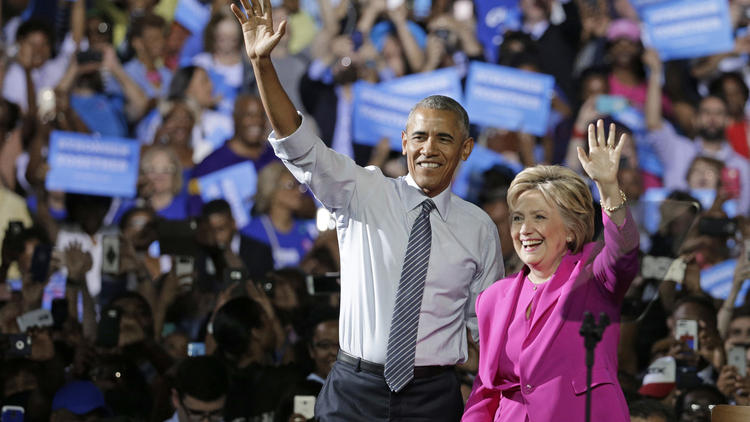
President Barack Obama vigorously vouched for Hillary Clinton‘s trustworthiness and dedication on Tuesday, making his first outing on the campaign stump for his former secretary of state just hours after his FBI director blasted her handling of classified material. Shirt sleeves rolled up in campaign form, Obama declared, “I’m ready to pass the baton.” “I’m here today because I believe in Hillary Clinton,” he said. “I have had a front-row seat to her judgment and her commitment.” The energetic Obama-Clinton appearance in North Carolina was a show of Democratic unity in a state Clinton is hoping to put back in the party’s column. But the moment wasn’t what her campaign and the White House imagined during the long primary season. Shortly before the president and his would-be successor flew to Charlotte together, FBI Director James Comey announced he would not recommend charges against Clinton for her email practices – but only after he presented a searing description of her “extremely careless” handling of classified information that ensured the matter won’t be going away. The White House declined to comment on Comey’s findings, saying the investigation was not formally closed and it did not want to appear to be influencing prosecutors. Still, the timing of the trip pulled the president into a controversy he has at times tried to keep at arm’s length. His appearance with Clinton was a reminder that it was his appointee who declined to pursue criminal charges. Yet Clinton and Obama did not veer from their display of lock-step unity. The duo flew to Charlotte together on Air Force One, they rode to the rally together in Obama’s armored limousine, known as “The Beast.” Clinton shared photos of her grandchildren, Charlotte and newborn Aidan, with the president. As they were welcomed by a screaming crowd of supporters, the president led chants of “Hillary!” as they stood onstage under banners reading “Stronger Together.” Referring back to their own primary battle in 2008, Obama said, “We may have gone toe to toe, from coast to coast, but we stood shoulder to shoulder for the ideals that we share.” Clinton’s Republican rival didn’t let the Democratic duo’s outing go unanswered. As the rally began, Donald Trump released a lengthy statement casting the joint appearance as an example of a “rigged” political system. “It was no accident that charges were not recommended against Hillary the exact same day as President Obama campaigns with her for the first time,” Trump said. Clinton shot back early as she introduced the president, chiding Trump for once leading the questioning of the president’s birthplace. She said Obama was a man that “I was honored to stand with in the good times and the bad times, someone who has never forgotten where he came from. And, Donald, if you’re out there tweeting, it’s Hawaii.” Obama, too, got in a dig at Trump. “Anybody can tweet but nobody actually knows what it takes” to be president, he said. Obama’s and Clinton’s journey from political opponents to close political allies was a steady theme in the event. The Clinton campaign hopes Obama can reassure voters about her experience, talent and character – and speak to their questions about her honesty and trustworthiness, some of which stem from the email investigation. Indeed, the president took on the criticism of Clinton directly, casting the negative impressions of her as a result of her many years in the political spotlight. He also noted that he had benefited from Americans’ desire for a fresh face. “Sometimes we take somebody who’s been in the trenches and fought the good fight and been steady for granted,” Obama said, as Clinton sat behind him. “As a consequence that means sometimes Hillary doesn’t get the credit she deserves. But the fact is Hillary is steady and Hillary is true.” Clinton noted that she has been Obama’s loyal ally, lavishing praise on his record in the White House and saying he doesn’t get the credit he deserves for overseeing the nation’s economic recovery. She recalled her surprising decision to join his team after their bruising 2008 Democratic primary and shared memories of her four years in the administration, from crashing a meeting with the Chinese at a global climate summit to being in the Situation Room during the raid on Osama bin Laden “He’s made difficult, even unpopular, decisions for the good of our country,” she said. Obama and Clinton originally planned to make their first campaign appearance together in Wisconsin, a Democratic-leaning state where Clinton struggled in her primary fight with Bernie Sanders. Campaign aides viewed that as a way to forge Democratic unity after the bruising primary and consolidate the party’s voters in a state Clinton needs to carry in November. The June 15 rally was postponed due to the mass shooting at an Orlando nightclub. By the time the campaign and White House got around to rescheduling, Clinton aides said the landscape had shifted – they are now far less worried about bringing along Sanders voters and more interested in using the president to rally voters in one of the most divided general election battlegrounds. Republished with permission of The Associated Press.
Roscoe Brown, Jr., Tuskegee Airman and educator, dies at 94
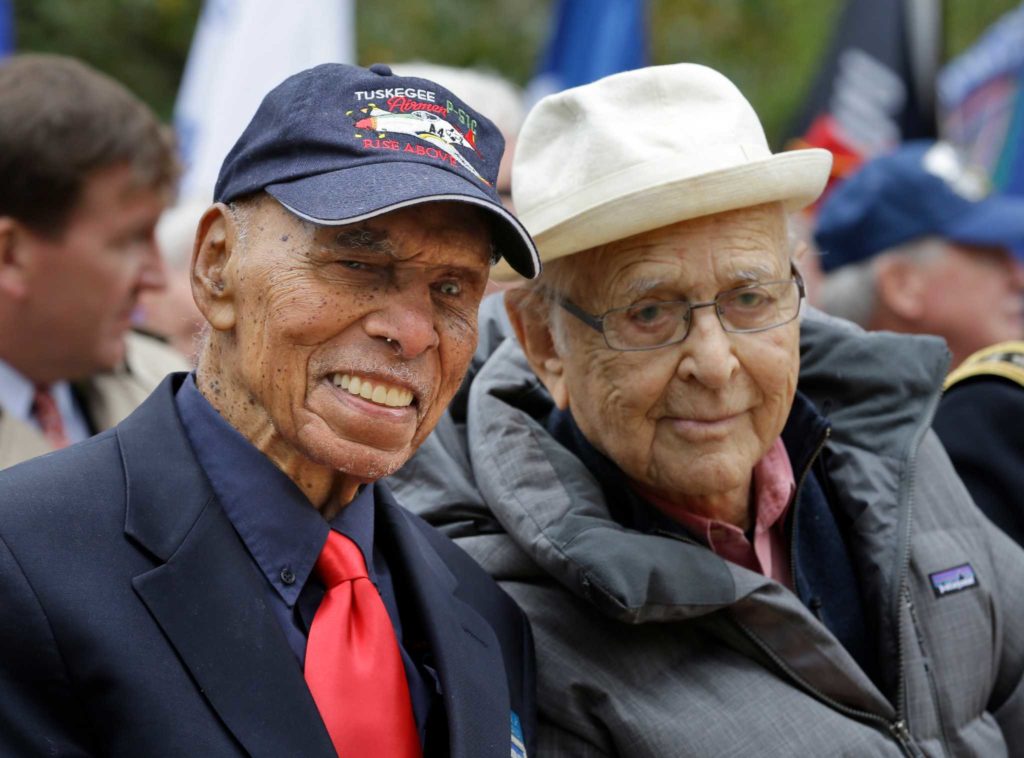
Roscoe Brown Jr., who served with the all-black Tuskegee Airmen during World War II and was a longtime New York City educator, has died. Brown died Saturday at a hospital in the Bronx after breaking his hip in a recent fall, his granddaughter Lisa Bodine said. He was 94. In 2007, Brown and five other airmen accepted the Congressional Gold Medal on behalf of the Tuskegee Airmen. President George W. Bush and Congress awarded the airmen with one of the nation’s highest honors for fighting to defend their country even as they faced bigotry at home. At the time, Brown told The Associated Press that receiving the medal was one of the greatest days in the history of the Tuskegee Airmen. Brown was a commander of the 100th Fighter Squadron of the 332nd Fighter Group, and is credited with being the first U.S. pilot to shoot down an advanced German military jet, the family noted. He earned numerous awards including the Distinguished Flying Cross. Nearly 1,000 fighter pilots trained as a segregated Army Air Corps unit at the Tuskegee, Alabama, air base. Not allowed to practice or fight with their white counterparts, the Tuskegee Airmen distinguished themselves by painting the tails of their airplanes red, which led to them becoming known as the “Red Tails.” Their story was told in a 2012 movie of the same name, on which Brown was an adviser. In a 2011 interview with WNBC-TV, Brown noted that the Civil War occurred only about 70 years before World War II. “I didn’t understand the brutality of the Civil War, but when I was a Tuskegee Airman, I knew that I was good, I knew that I had to challenge the system, and I loved to fly.” “My message to young people is to keep on working,” he added. “You’ve got to be better, you’ve got to be disciplined, you’ve got to believe. And if you believe you can overcome. … That’s the story of the Tuskegee Airmen.” A native of Washington, D.C., Brown held a doctorate from New York University. He served as president of the Bronx Community College at the City University of New York and director of the Institute of Afro-American Affairs at New York University. He was later professor at The City University of New York Graduate Center and director of the Center for Urban Education Policy. For many years, he also hosted “African American Legends,” a public affairs show produced by CUNY TV. During his 17 years at the Bronx Community College, “Dr. Brown intensified the college’s outreach to New York City’s economic and educational institutions through partnerships with business and industry,” said CUNY Chancellor James Milliken. “With his leadership, new programs were developed in high growth professions in the fields of health, technology and human services.” Republished with permission of The Associated Press.
BREAKING: FBI says it won’t recommend charges in Hillary Clinton email matter

FBI Director James Comey says the FBI will not recommend criminal charges in its investigation into Hillary Clinton‘s use of a private email server while secretary of state. Comey made the announcement Tuesday, three days after FBI agents interviewed Clinton in a final step of its investigation. The Justice Department has been looking into whether anyone mishandled classified information that flowed through Clinton’s email server. Attorney General Loretta Lynch said last week that she would accept the recommendations of Comey and of career prosecutors Although Comey’s announcement removes the threat of criminal charges, it’s unlikely to eliminate concerns about Clinton’s trustworthiness. And it almost certainly won’t stop Republican presidential candidate Donald Trump from continuing to make the server a campaign issue. Republished with the permission of The Associated Press.
Alabama real estate mogul Stan Pate spearheads international anti-Trump effort
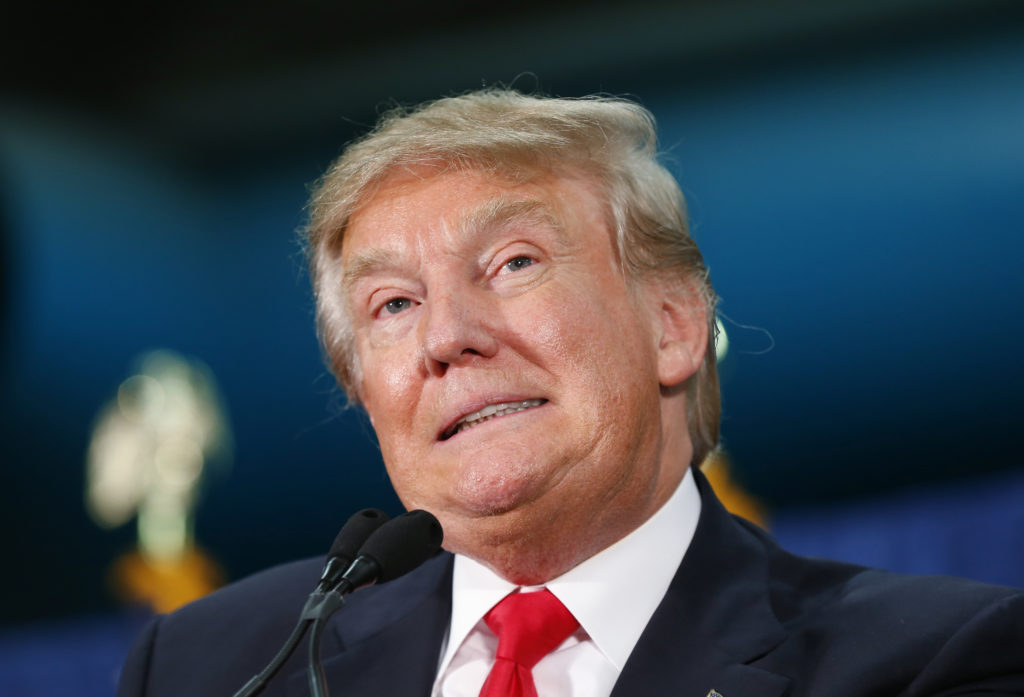
Alabama real estate mogul and millionaire Stan Pate has long made waves for his no-holds-barred approach to political speech, both in the state and outside of it. Before this latest effort, his most famous antic was paying for a plane to fly a banner with the words “Impeach corrupt Alabama Governor Bob Riley” at the 2009 National Championship game in Pasadena, California, where the Alabama Crimson Tide took on the Texas Longhorns. But Pate’s latest undertaking, in hopes of stymying the presidential aspirations of fellow real estate developer Donald Trump, goes beyond the borders of Alabama. Heck, it extends beyond the United States. Last week a political action committee led by Pate ran full-page satirical ads in Korean and Mexican newspapers, attempting to drum up anti-Trump sentiment in some of the United States’ most frequent trading partners. Pate said swaying American voters wasn’t the goal in his ads, which depicted invoices for a wall and nuclear bombs in Mexico and Korea, respectively. Instead, he hopes they’ll talk to their family and friends who have immigrated to the United States and “sound the alarm” about the possibility of a Trump presidency. “Hopefully they begin to communicate and certainly begin a discussion about this wall,” Pate told NBC News. Pate said his nontraditional tactics are what it’s going to take to get the attention on the nation, and the world. “Getting the public’s attention is not easy,” explained Pate. “I want to make sure that I do everything that I can to bring the public’s attention that there are choices here.” While Pate’s efforts may win points for creativity, there is evidence all the anti-Trump efforts may be for naught. According to a recent report by The Associated Press, it now looks unlikely the #NeverTrump movement will succeed at the Republican National Convention later this month. Numbers are stacked against the insurgents. Trump triumphed in the vast majority of this year’s primaries and caucuses, giving him 1,542 delegates, according to The Associated Press. That’s well above the 1,237 needed to clinch the nomination. Now, it’s true those delegates can vote however they wish during convention battles to change the rules, so delegates pledged to a candidate could back anyone they want. And you can count on such defections, because some delegates representing Trump actually prefer his defeated rival, Texas Sen. Ted Cruz, or others. But Trump still has a big numerical advantage. According to an informal count by one party insider, Trump can rely on a solid 900 delegates, compared to a combined 650 for Trump opponents plus delegates backing Cruz or other candidates. That leaves over 900 remaining delegates. Trump would need only about a third of them to prevail. And don’t forget, many delegates are party regulars inclined to want a gathering that’s peaceful, not a GOP civil war on prime-time TV. The anti-Trump forces have said they have more than 400 delegate supporters. Whether the Dump Trump movement gains any traction in the few remaining weeks before the convention remains to be seen, but it can certainly be said that they’re pulling out all the stops to make it happen.
Donald Trump’s VP shortlist heavy with Washington insiders
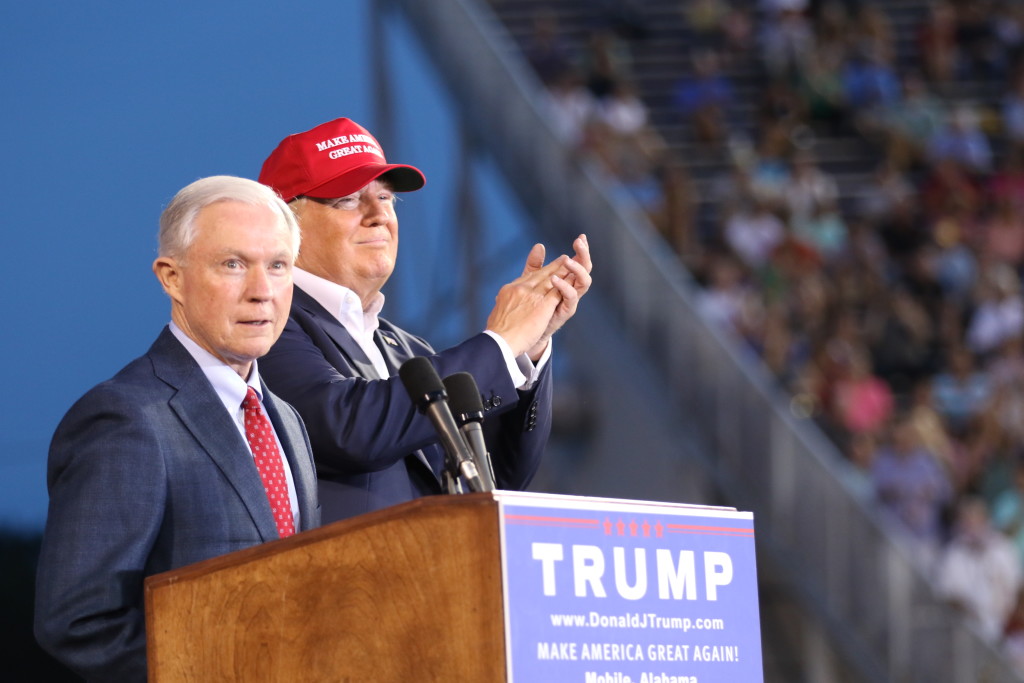
Republican Donald Trump‘s vice presidential short list is heavy with Washington insiders who could help usher a President Trump’s agenda through the jungle of Congress. He has narrowed it to a handful of contenders fewer than two weeks before the GOP is expected to nominate him for president. But who would be Trump’s running mate is also a question of who would take the job in light of many Republicans’ ambivalence about his candidacy. Many establishment types in the party are skipping the GOP convention. Here’s a look at some of the men and women he has met and is said to be considering: — FORMER HOUSE SPEAKER NEWT GINGRICH: Trump has long said that he’s looking for an experienced insider with enough knowledge in Congress to push his agenda. If that’s what he wants, there’s arguably no one more qualified than the former speaker of the House of Representatives who engineered a “Republican revolution” on Capitol Hill in the 1990s. Newt Gingrich, who launched a run for president four years ago, has become an informal Trump adviser and brings a wealth of policy ideas to the table along with deep connections. But he’s also made clear that he’s not afraid of criticizing Trump publicly – something Trump does not typically embrace. Concerns, however, abound: Some Trump allies also worry that Gingrich’s presence on the ticket would turn the race into a re-enactment of his 90s-era battles with Bill and Hillary Clinton. Gingrich was speaker during Bill Clinton’s presidency and was one of the leading advocates for Clinton’s impeachment. Another question: How would the two mercurial personalities not used to partnerships share the spotlight? The pair has been married six times combined. — NEW JERSEY GOV. CHRIS CHRISTIE: In the months since his surprise endorsement, the New Jersey governor has become one of Trump’s closest confidantes, offering advice during crises and appearing by Trump’s side at public events and fundraisers. Christie is also one of his party’s most effective attack dogs and a talented retail campaigner, and has proven to be a crowd-pleaser on the trail. The two have also been friends for more than a decade. But a Christie selection would also come with considerable baggage. The George Washington Bridge scandal has recently re-emerged with questions over what happened to the cellphone Christie used during the aftermath of the controversy and the potential release of a list of unindicted co-conspirators in the case. Two former Christie allies were indicted last year for allegedly closing access lanes to the bridge in September 2013 to punish a local Democratic mayor for not endorsing Christie, a Republican. The criminal trial involving former Christie aides is scheduled to begin in September – at what would be the height of the presidential contest. Christie’s poll numbers have slumped in New Jersey, and the state’s economic woes could become an issue on the trail. — TENNESSEE SEN. BOB CORKER: Currently the chairman of the Senate Foreign Relations Committee, Corker would bring serious foreign policy chops to a Trump ticket. He’s expected to introduce Trump Tuesday in Raleigh. N.C. Corker was one of the highest-profile Republicans to praise a major foreign policy speech Trump delivered this spring. But he has also not shied away from criticizing the billionaire businessman, including over Trump’s attacks against a Hispanic judge. Corker also is a prominent former businessman and former mayor of Chattanooga, Tennessee. He shares Trump’s talent for negotiation and background in the construction and real estate industries. The pair met at Trump Tower in New York in May to get better acquainted, sparking VP speculation, though Corker has so far remained mum about whether he is being vetted for, or interested in, the little-loved job of vice president. A few years ago, Corker wondered aloud whether the gridlocked Senate was worth a grown man’s time and considered retiring. But after the 2014 elections, he was named chairman of the vaunted committee instead. As such, Corker is charged with the weightiest question to face members of Congress: whether to authorize war. — INDIANA GOV. MIKE PENCE: Trump met with Pence and his family over the weekend. Apparently the Indiana governor left a good impression. Trump tweeted on Monday that he was “very impressed” by the Indiana governor, who at one time had his own presidential ambitions. In addition to his time as governor, Pence served in the U.S. House of Representatives for 12 years. Trump, who values loyalty, doesn’t know Pence as well as some of the other candidates under consideration. But Pence, who was once a favorite of social conservatives, has also seen his standing slide in the wake of criticism over his handling of the state’s “religious freedom” law, which critics feared would allow discrimination against gays and lesbians. After repeatedly defending it, Pence eventually signed a new version of the bill with additional protections that left both sides dissatisfied. — ALABAMA SEN. JEFF SESSIONS: The first senator to endorse Trump’s presidential bid, Sessions has become a top cheerleader and close Trump confidante, especially when it comes to shaping his policy positions. The two share similar approaches on a host of issues, including hard-line views on halting illegal immigration. Sessions is not as well-known as some of Trump’s other choices, and it’s unclear whether his mild-mannered persona would deliver the kind of splashy punch Trump is hoping to achieve with the announcement of his running mate. But Sessions, who previously served as U.S. attorney in Alabama, has proven a loyal resource and ally – something that Trump especially favors. — IOWA SENATOR JONI ERNST: Ernst shot to national fame in 2014 with a TV ad in which she boasted about castrating pigs and promising to cut the pork in Washington and “make ’em squeal.” A former state lawmaker and military veteran with a rural upbringing, Ernst has been considered a rising star in the Republican Party since she became Iowa’s first woman in Congress in 2014. In addition to adding military experience to the ticket, Ernst’s
Bradley Byrne: The American story
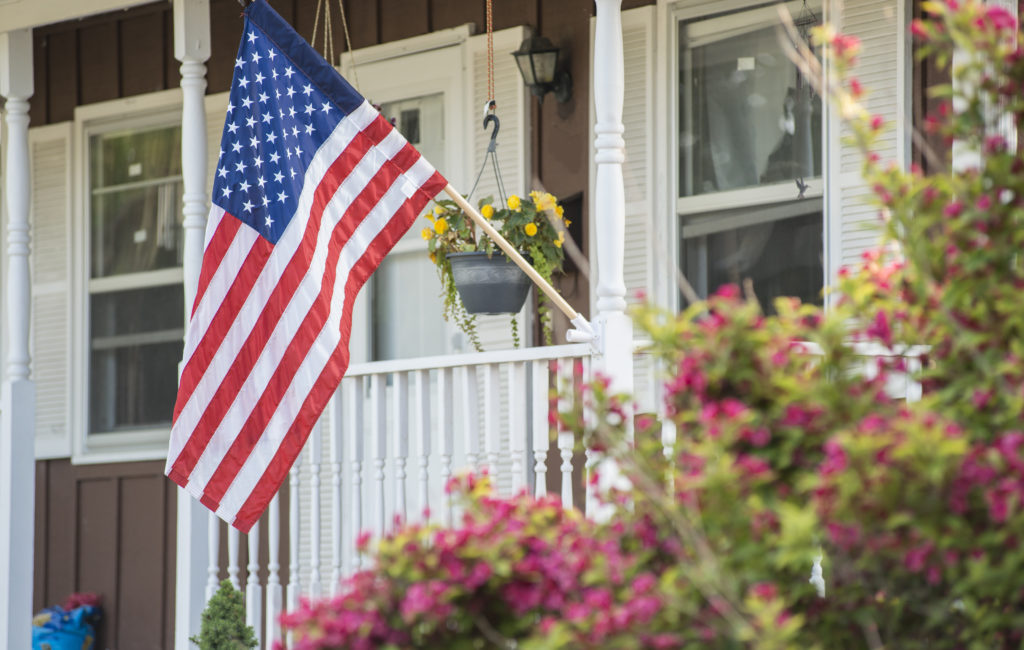
This week, we celebrate the birth of our nation. In addition to spending time with family and friends, I hope you also took time to reflect on exactly what it is that we celebrate on the Fourth of July. In 1776, some very brave men put their signatures on a piece of paper that not only declared independence from Great Britain, but also declared the essential values that make us Americans. These values include the frank statement that we are all created by God as equally important people; that we have rights given to us by God which can’t be taken away, like the rights to our lives, our individual liberties and our individual pursuits of what makes us happy. And our government exists to protect these rights. Indeed, our government only has the powers which we the people consent to give it. These values have helped our nation through the good and the bad during the course of the American story. You see, we Americans are too often forgetful of our own history. If we remembered it better, we would know of the terrible difficulties faced by our forebears and the wisdom and fortitude they demonstrated in overcoming their challenges every time. Looking back on our history should make us optimistic about our future. Don’t get me wrong, the challenges of today are very serious. Our economy continues to struggle. We face a range of serious threats to our safety and security, including the threat of terrorism. Our country is deeply polarized both politically and morally. There is great dissatisfaction with government in general. But, by looking back on our history, I think you can take comfort in knowing the challenges of today are all things that can be overcome. It just requires courage, determination, and a belief in the fact tomorrow can, and will, be better than today. Think about where our country would be if George Washington had not led those troops across the Delaware River in 1776 to defeat the British at the Battle of Trenton. One can’t help but wonder if our nation would have been able to continue without the leadership of President Abraham Lincoln at a time when our country was literally at war with itself. What would the United States look like today if the brave men of the Greatest Generation had not stormed the beaches of Normandy in 1944? Imagine if Rosa Parks had thought it would be too hard to stay in her seat on that bus in Montgomery in 1955. What would have happened if Neil Armstrong and Buzz Aldrin had been too afraid to take those first steps on the moon in 1969? What if the first responders on Sept. 11, 2001 had turned and run away from the fire instead of running straight into danger? You see, a quick glance back through our history is a strong reminder of the challenges our nation has faced, but, more importantly, of the determination, courage, and devotion of the American people. So, do not give up on the American dream. Do not back down from the challenges of today. Do not let anyone tell you our country’s best days are in the past. This week, as we celebrate our birth, let us renew the promise made by our forefathers to one another and mutually pledge our lives, our fortunes and our sacred honor. And let us look to the future with determination and confidence. • • • Bradley Byrne is a member of U.S. Congress representing Alabama’s 1st Congressional District.
Why Dump Trump effort faces likely defeat at GOP convention

Despite a continuing effort and lots of noise by a band of insurgents, Donald Trump and the Republican Party are on track to defeat rebels trying to head off his nomination at this month’s convention. Far from giving up, the “dump Trump” forces are seeking new supporters and spending money to run ads, hire staff and set up office space near the GOP convention site in Cleveland to try to prevent the real estate mogul from becoming the GOP presidential nominee. Here’s why it will be hard for them to succeed: ___ THE NUMBERS … — Numbers are stacked against the insurgents. Trump triumphed in the vast majority of this year’s primaries and caucuses, giving him 1,542 delegates, according to The Associated Press. That’s well above the 1,237 needed to clinch the nomination. Now, it’s true those delegates can vote however they wish during convention battles to change the rules, so delegates pledged to a candidate could back anyone they want. And you can count on such defections, because some delegates representing Trump actually prefer his defeated rival, Texas Sen. Ted Cruz, or others. But Trump still has a big numerical advantage. According to an informal count by one party insider, Trump can rely on a solid 900 delegates, compared to a combined 650 for Trump opponents plus delegates backing Cruz or other candidates. That leaves over 900 remaining delegates. Trump would need only about a third of them to prevail. And don’t forget, many delegates are party regulars inclined to want a gathering that’s peaceful, not a GOP civil war on prime time TV. The anti-Trump forces have said they have more than 400 delegate supporters. ___ THE ESTABLISHMENT … — The Republican Party hierarchy has largely been lining up behind the real estate mogul, despite his divisive statements and unruliness as a candidate. Their argument: Whatever Trump’s faults, how do you take the nomination away from the guy who won 13.4 million votes, far more than his opponents? And besides, who’s the alternative candidate? Along with staff from Trump’s still small campaign, members of the Republican National Committee, state GOP leaders and others have formed a team of around 150 “whips” who are contacting delegates and cajoling them, though perhaps not always gently. Kay Godwin, a Cruz delegate from Georgia who backs the effort to “unbind” delegates from their pledged candidates, says one Georgia GOP official said her group is “‘tearing the party apart,’ which is ridiculous.” On the 112-member convention rules committee, a likely battleground for efforts to free the delegates, around a third are from the 168-member GOP national committee and most will loyally back Trump in rules fights. There are exceptions. Also on that rules committee is Colorado delegate Kendal Unruh, a leader of the fight to let delegates to vote their “conscience,” and North Dakota RNC member Curly Haugland, who has long insisted that even under current rules, delegates are free to back anyone. Many RNC members say the rebels will lose overwhelmingly in committee votes. ___ COUNTER MOVES — Unruh says she has enough votes on the rules committee to allow the full convention to vote on her “conscience” proposal — she needs just 28 votes for that to happen. Her opponents say she’d lose in full convention anyway, but are countering with their own amendments. An RNC member from Oregon, Solomon Yue, is proposing that any rules changes take effect only after this month’s convention, to “take the politics out of” the rules debate. Arizona RNC member Bruce Ash, a GOP rules expert, is offering language aimed at ensuring that delegates remain bound to their candidates. Another tactic party officials are discussing: using their muscle to prevent any rules changes, period. They argue the current rules already mean delegates must stay with their candidates. ___ REBELS’ LEVERAGE — They may be outnumbered, but the dump Trumpers have cards they could try playing to be disruptive. Under current rules, a sympathetic delegate can slow down roll calls by demanding that their state delegation chairman recount the tally. They could force roll calls on minor matters that would usually pass quickly by voice vote, and lodge other time-consuming procedural challenges. “We should not be bound by a prime-time television schedule,” Regina Thomson, a Colorado delegate and executive director of Free the Delegates, said recently during a conference call of rebellious Republicans. There’s a limit to that strategy. The convention’s presiding officer, which at times will be House Speaker Paul Ryan of Wisconsin, the convention chairman, doesn’t always have to recognize delegates seeking recognition. And if the dissenters try the same tactic repeatedly, he or she can rule their moves dilatory and move on. Another dissidents’ hope — what if Trump’s poll numbers get really, really bad? “What is the Republican Party’s tipping point?” asked Steve Lonegan, a leader of Courageous Conservatives, which is backing the rebellion by raising money for ads and other expenses. “Is it down 10 points, 12 points, 20 points?” Republished with permission of The Associated Press.
With few political allies, Donald Trump plans celebrity convention

Donald Trump‘s team promises an extraordinary display of political entertainment at this month’s Republican National Convention, with the accent on entertainment. The former reality television star plans to feature his high-profile children at the summer gathering in Cleveland, with the hope they’ll be joined by a number of celebrity supporters. Prospects include former Indiana basketball coach Bobby Knight, New England Patriots quarterback Tom Brady and longtime boxing promoter Don King. “I’m going to be involved, definitely,” said King, who lives in Cleveland and is a passionate supporter of the presumptive Republican nominee. “He’s my man. I love him. He’s going to be the next president.” While those bold-face names have yet to be confirmed, the fact they’re on Trump’s list is a reminder that many of the Republican Party’s biggest stars aren’t willing to appear on his behalf. The GOP’s two living presidents, George H.W. Bush and George W. Bush, its most recent presidential nominee, Mitt Romney, and Ohio’s Republican governor, John Kasich, all plan to avoid the four-day event that traditionally serves as a powerful display of party unity heading into the sprint toward Election Day. “He’s going to have to bring all his skills to bear to make this work, not just in Cleveland, but for the next four months,” said Matt Borges, the Ohio Republican Party chairman. “It won’t be easy, but that’s what he’s got to do.” Trump’s team says he’s up to the challenge. “This is not going to be your typical party convention like years past,” said Trump spokesman Jason Miller. “Donald Trump is better suited than just about any candidate in memory to put together a program that’s outside of Washington and can appeal directly to the American people.” When Hillary Clinton hosts her party at the Democratic National Convention the following week, she’ll face a different issue entirely: how to squeeze in the many popular, prominent Democrats backing her campaign. Along with Clinton and her eventual vice presidential pick, there are sure to be speeches from President Barack Obama, Vice President Joe Biden, first lady Michelle Obama and, of course, the candidate’s husband, former President Bill Clinton. There’s also Massachusetts Sen. Elizabeth Warren, a favorite of progressives and one of Trump’s fiercest critics. Warren is on Clinton’s running-mate shortlist but will surely be slotted for a prominent convention speech even if she’s not selected. By necessity as much as preference, Trump’s team is crafting a far different lineup. Former House Speaker Newt Gingrich, one of the likely speakers, praised Trump’s plan to use his celebrity connections to reach a broader audience. “Trump understands that if he can appeal to consumer America, he drowns political America,” Gingrich told The Associated Press. He said he had little idea of what kind of show to expect, but recalled a recent conversation with a Trump family member who confidently told him, “We know how to do conventions.” “My children are all going to be speaking: Ivanka, Tiffany, Don, Eric. They’re going to be speaking,” Trump said Friday during an appearance at the Western Conservative Summit in Denver. “My wife is going to be speaking at the convention. We’re going to have a great time.” Trump’s campaign has also been in touch with aides to chief primary rival, Texas Sen. Ted Cruz, who has been trying to win a speaking slot. Other national leaders under consideration include former United Nations Ambassador John Bolton, West Virginia Sen. Shelley Moore Capito, Washington Rep. Cathy McMorris Rodgers and Gingrich. Some celebrities backing Trump have passed on the chance to be a part of the show. Among them: former Chicago Bears coach Mike Ditka, who told the Chicago Tribune last week, “I spoke with Mr. Trump this afternoon, and he invited me. But I don’t think I’m going to go.” Clinton’s speaking program, too, isn’t without its uncomfortable riddles. There’s no public sense yet of what role she’ll give to Bernie Sanders, the Vermont senator whose surprisingly strong challenge in the Democratic primary has yet to officially come to an end. Sanders says he’ll vote for Clinton, but he’s yet to formally endorse her and is pushing for changes to the Democratic platform. Ivanka Trump predicted in a recent radio interview the GOP convention would be “a great combination of our great politicians, but also great American businessmen and women and leaders across industry and leaders across really all sectors, from athletes to coaches and everything in between.” “I think it will be a convention unlike any we’ve ever seen,” she said. “It will be substantive. It will be interesting. It will be different. It’s not going to be a ho-hum lineup of, you know, the typical politicians.” And that will still leave room for complaints from Trump’s Republican skeptics. “Whatever you want to say about Trump, he’s been a showman. And I expect something completely different,” said former Kasich adviser Jai Chabria. “I find it hard to believe that that’s going to be enough to put him over the top.” Republished with permission of the Associated Press.
