
‘Take Back Trussville’ group looks to influence local elections

While the 2016 presidential election is making headlines, some groups are focusing their efforts a lot closer to home. Everyone may know who the president is, while fewer know their mayor’s name, but the fact remains the majority of laws Americans live under day-to-day are written and enforced by state and local governments. Likewise, Alabama’s cities haven’t been immune to many of the fiscal and societal struggles of the last several years. Questions of job recruitment, school funding, and community priorities are raised at nearly every city and town hall across the Yellowhammer State. Many of Alabama’s municipalities are holding their own elections Aug. 23, and in the Birmingham suburb of Trussville a group of citizens are taking it on themselves to reclaim the conversation from the elite few, and focus on giving power to the city’s rapidly growing population. “‘Take Back Trussville‘ is a product of the growing concern that a small and shrinking group of people were making the decisions that affect everyone’s lives and they were doing it with less and less input from the citizens,” the group’s founder, Butch Cole, told ALToday. “Also, I had a personal experience with a few of them and after years of people telling me we couldn’t do anything about it, I felt like we had to stop and re-evaluate the types of businesses that were coming and the problems they may bring. I saw my hometown starting to turn into a place to shop in and leave instead of a place you want to stay and live. One of us may go to a council meeting or get on Facebook with a complaint or possibly get a minute of attention from those in power, but hundreds of us will get things done to better our lives. We have to make sure the choices made in this election and with the redevelopment of downtown are the right ones.” A forum in Trussville last week highlighted the issues about which most of the city’s politicians were concerned — job growth coupled with an emphasis on keeping the community family friendly and broadening the tax base — but TBT seeks to introduce more accountability and transparency into the process. At the top of the ticket in Trussville is the mayoral race, where two gentlemen, City Council President Anthony Montalto and fellow City Council member Buddy Choat, are challenging 20-year incumbent Eugene “Gene” Melton. Cole makes no secret of the fact the group wants to see a new mayor, saying “20 years is too long for anyone to be in office,” but came short of revealing if TBT is outright endorsing one of the two challengers. “We hope to ensure that we have a new mayor and he is held accountable and transparent. We want to make sure from the start that we see transparency. We want the City Council to know that they are held accountable and they need to work to bring to fruition the promises they have stated. We didn’t get to this point by the mayor’s decisions and actions alone, some council members and other current decision makers have also made questionable decisions.” Cole said he believes his efforts will pay off Aug. 23, as the people who have gotten involved with TBT turn out in droves. “We’re making sure the people are informed, empowered and that they have a voice. That scares a few of the more entrenched people, They won’t benefit from a big turnout.”
Del Marsh says Alabama lawmakers polled on lottery legislation
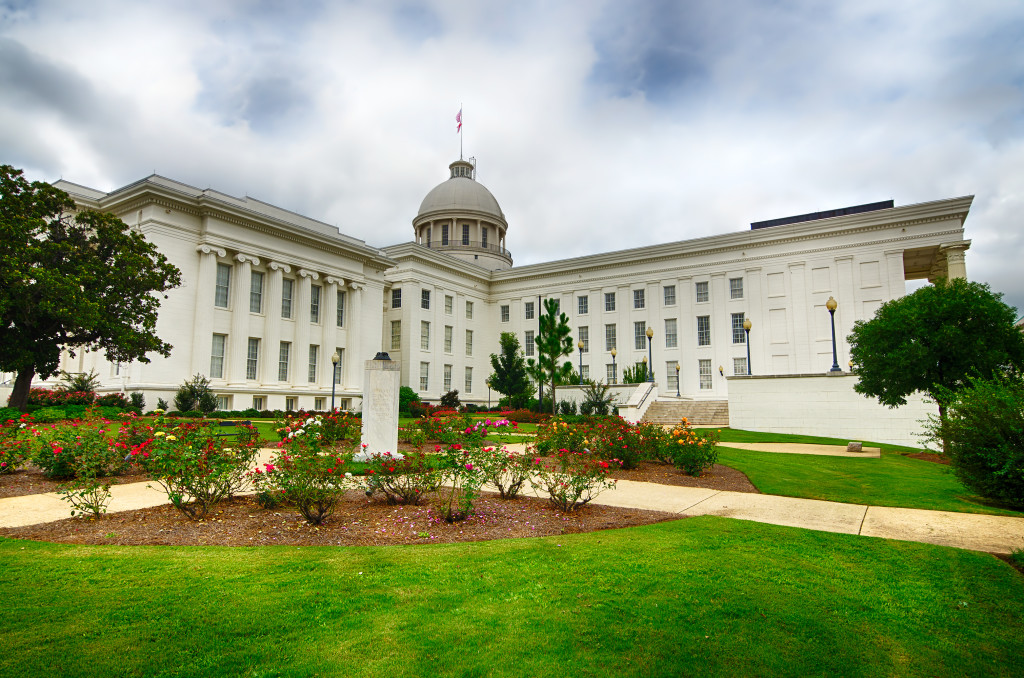
According to Alabama Senate President Pro Tem Del Marsh, Alabama lawmakers are being polled regarding their support for lottery legislation as Gov. Robert Bentley contemplates a special session of the Alabama Legislature later this summer or in early fall. Last week Bentley announced he’s still considering a special session to make up a shortfall in the state’s Medicaid funding — which fell short of the agency’s requested budget by $85 million — and that he anticipated an announcement soon on whether he would call said session. In the spring, lawmakers funded up to $700 million for Medicaid. The program requires at least $785 million to operate. A state lottery could potentially fund the budget shortfall. Several lawmakers have lottery bills in the works, including Gadsden-Democrat and House Minority Leader Craig Ford and Springfield-Republican Sen. Jim McClendon. Earlier this year, other lottery bills stalled in the Legislature under a mix of opposition to gambling, disagreements on how a state lottery should be structured and a push to include casino gambling. The bills failed to receive a floor vote in either chamber. Forty-four states have lotteries. Alabama is one of only six states without one, along with Mississippi, Utah, Nevada, Hawaii and Alaska. The state last considered a lottery in 1999, under Gov. Don Siegelman, when it was voted down.
Martin Dyckman: Donald Trump, Valdamir Putin and NATO – willful ignorance, or dangerous isolationism?
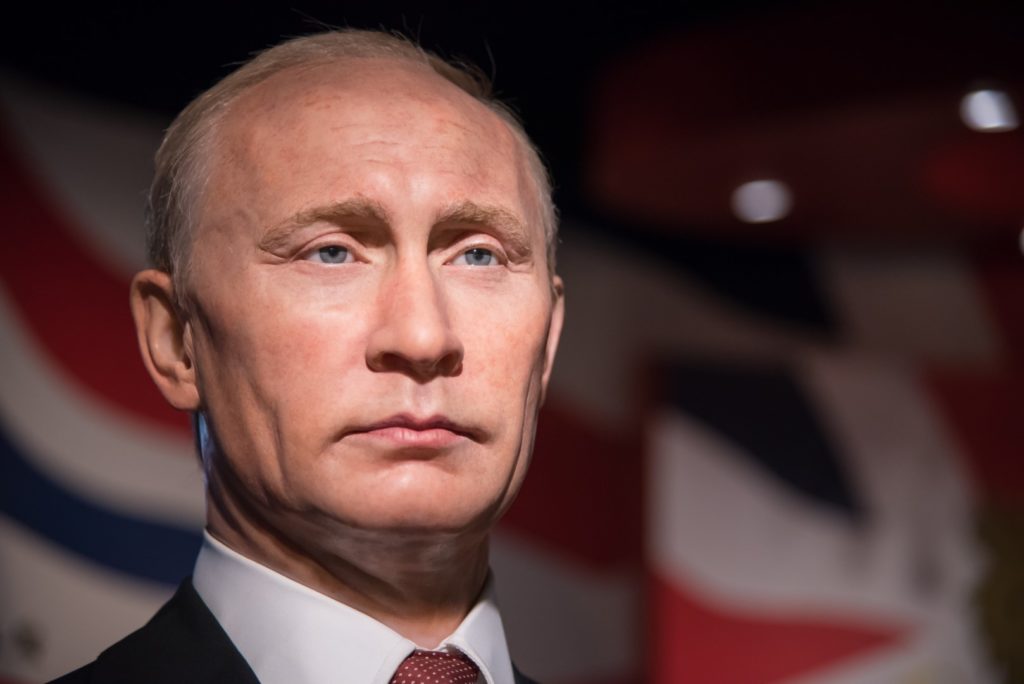
“Vlad, Vlad, is that you?” “Da!” “Donald here. We need to deal. I make great deals. I’ll send you a copy of my book, The Art of the Stea … uh, I mean, Deal.” “I’m sure you do, Donald. What do you want?” “Vlad, I need you to help me beat Hillary Clinton.” “I might be able to do that Donald, but what’s in it for us?” “When I’m president, you can have those little loser countries next door… What do you call them?” “Latvia, Estonia, Lithuania.” “OK. They mean nothing to me. Like I said, they’re losers. But what can you do for me?” “Remember your man Nixon and Watergate? What did they call it? A third-rate burglary? Well, we did better than that. Our guys are first-rate. We have all the secrets from your Democratic National Committee. They won’t look good when they leak, if you know what I mean.” “Good to do business with you, Vlad. Let’s plan on getting together sometime. I have great golf resorts.” “I don’t golf. I swim.” “That too, Vlad. We stock our pools with hot women. And you can bring any friend you like.” “Even Bashar Assad?” “Yeah, Vlad. I might need some tips from him on how to stay in power.” Now, of course, this conversation may not have happened. But it could have. As Donald Trump would say, how do we know that it didn’t? What we do know is that Russian fingerprints are all over the leaked emails that convulsed the Democratic Party on the eve of its convention, forcing the resignation of Chairperson Debbie Wasserman Schultz. And it is a fact that this closely followed Trump’s threat — or was it a promise? — to destroy NATO by abrogating our treaty commitments to defend any and all of its members against any — read Russian — attack. It wasn’t the first time he has questioned NATO’s value, so his Republican apologists shouldn’t be surprised that he has now made his disdain so explicit. NATO is one of the two reasons, the European Union being the other, why there has been no major European war since 1945. That’s without precedent in that continent’s history. Peaceful durations were often measured in months rather than years. It was under NATO’s aegis that the United States and its allies succeeded in ending Serbia’s aggression against Bosnia. It is only NATO that presents any effective obstacle to the transparent neocolonial ambitions of Russia’s new Stalin, Vladimir Putin. There has been nothing as rash as Trump’s undermining of NATO since the British Prime Minister Neville Chamberlin gave Hitler everything he wanted at the Munich conference and declared that he had purchased “peace in our time.” That turned out to be a very short time. Hitler invaded Poland, precipitating World War II and the loss of 60-million lives, merely 11 months later. It’s not hard to imagine the terror that Trump’s words have struck into the Baltic lands that had struggled for centuries to escape Russian rule, losing their liberty in 1940 and regaining it only a half-century later, with the dissolution of the Soviet empire. My wife and I paid a brief, enjoyable visit to Tallinn, the capital of Estonia, during a Baltic cruise in May. It seemed to be a very pleasant country, inhabited by hospitable people. But as our tour guide made plain to us, everyone senses that the Russian hegemony is not yet dead. There are only 1.2-million Estonians, which would be to the Russian bear as a field mouse is to a grizzly. Ethnic Russians comprise 24.8 percent of the population and nearly 30 percent speak Russian as their first language. Estonians with relatives in Russia have the option of holding Russian passports, as our guide said his wife does. It was the presence of sizable ethnic German minorities in Czechoslovakia and Poland that Hitler claimed as pretexts for his aggression. It’s the same rationalization that Putin applies to his poorly disguised war-making in Ukraine. Trump’s couched his irresponsibility in the form of a threat to base our national honor—the fulfillment of a treaty commitment—on his opinion on whether member countries are paying enough for their own defense. Estonia’s president replied promptly, saying that his country has been spending what NATO requires and also sent troops to the war in Afghanistan. “Estonia’s commitment to our NATO obligations is beyond doubt, and so should be the commitments by others,” his spokesman said. “Two world wars have shown that peace in Europe is also important for the security of the United States,” said NATO’s secretary-general, Jens Stoltenberg. Mitch McConnell, who is plainly uncomfortable with his new role as a Trump stooge, was quick to repudiate him on this issue. “NATO is the most important military alliance in world history. I want to reassure our NATO allies that if any of them get attacked, we’ll be there to defend them,” said the Senate majority leader. But that’s an assurance he would be powerless to keep if a president chose to ignore it. It’s the president, not the Congress, who has the power and duty to act in such an event. In speaking as he did to The New York Times last week, Trump either forgot or chose to ignore two telephone interviews with the newspaper’s reports barely four months earlier. Asked whether he would defend Estonia in particular against Russian aggression, here is what he said: “Yeah, I would. It’s a treaty, it’s there. I mean, we defend everybody. (Laughs.) We defend everybody. No matter who it is, we defend everybody. We’re defending the world. But we owe, soon, it’s soon to be $21 trillion. You know, it’s 19 now but it’s soon to be 21 trillion. But we defend everybody. When in doubt, come to the United States. We’ll defend you.” Is this episode yet another example of Trump’s colossal and willful ignorance? Does it mean that at heart he’s a throwback to the American isolationism of the 1930s that
Democratic Convention: what to watch for on Day 1
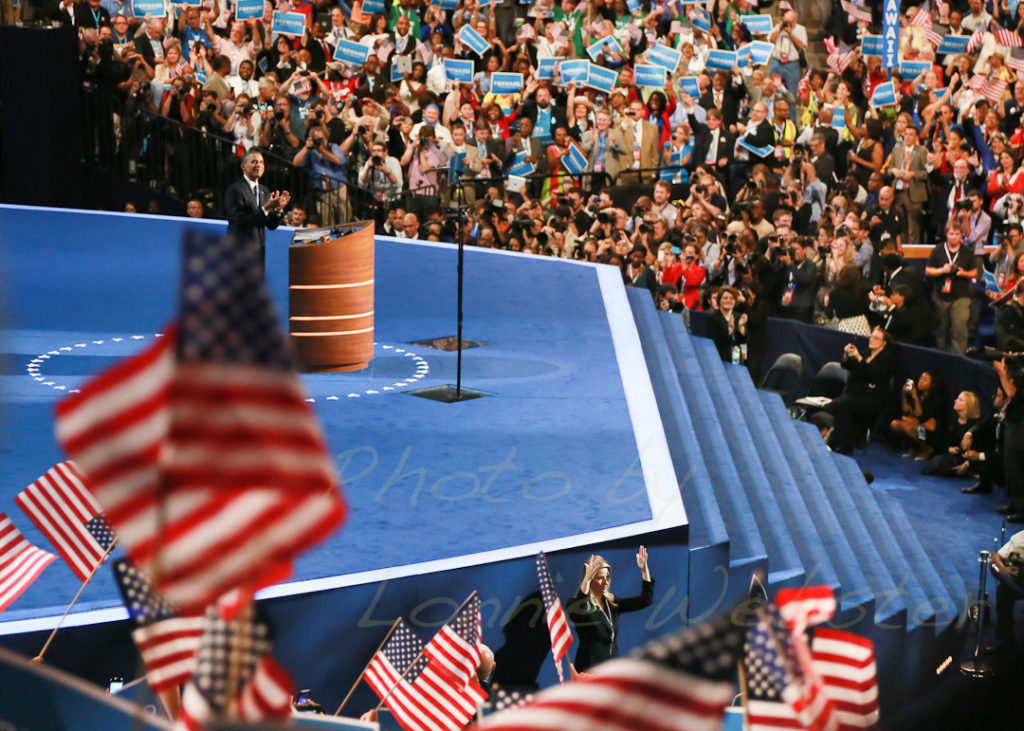
The Democratic National Convention — a four-day event where presidential hopeful Hillary Clinton is poised to officially be selected as the party’s presidential nominee — kicks off in Philadelphia Monday. Following suit of the Republican Convention just last week, Democrats wasted little time Monday showing that their party is just as dysfunctional and divided as their GOP counterparts. In the wake of Friday’s leak of thousands of emails showing DNC officials were attempting to undercut Vermont Sen. Bernie Sanders during his primary campaign against Clinton enraged his delegates and has led to large protests in the City of Brotherly Love. The leak also prompted the resignation of Democratic National Committee Chairwoman Debbie Wasserman Schultz. Monday morning the Florida Congressman was greeted with boos by delegates, and hours later she announced she would not gavel in the convention, recognition her presence on the stage would only further showcase Democrats’ deep divisions. Hoping to reunite the party behind Clinton, the DNC’s Day 1 theme will be “United Together” and will focus on putting the future of American families front and center, where speakers will advocate for building an economy that works for everyone, not just those at the top, and where everyone has a chance to live up to their God-given potential. The full list of Monday’s speakers: Pam Livengood: has been personally affected by the growing substance abuse epidemic Karla & Francisca Ortiz: an American citizen but her parents, including her mother, Francisca, are undocumented and live in fear of deportation Keith Ellison: Democratic U.S. Congressman from Minnesota Lily Eskelsen Garcia: National Education Association President Raul Grijalva: Democratic U.S. Congressman from Arizona Tina Kotek: Oregon House Speaker Mary Kay Henry: SEIU President Joe Kennedy: Democratic U.S. Congressman from Massachusetts Dan Malloy: Governor of Connecticut and Chair of the Democratic Governors Association Sean McGarvey: Building Trades President Jeff Merkley: U.S. Senator from Oregon Linda Sanchez: Democratic U.S. Congresswoman from California Lee Saunders: AFSCME President Randi Weingarten: American Federation of Teachers President Anastasia Somoza: an advocate for Americans with intellectual and developmental disabilities Astrid Silva: a Mexican immigrant who has who has benefited from Mr. Obama’s executive actions deferring deportation Richard L. Trumka: president of the AFL-CIO Elizabeth Warren: Democratic U.S. Senator from Massachusetts Bernie: Sanders: U.S. Senator from Vermont and Hillary Clinton’s chief rival for the Democratic nomination Michelle Obama: First Lady of the United States
Jim Zeigler files lawsuit over Alabama’s ‘failed’ $47 million accounting software
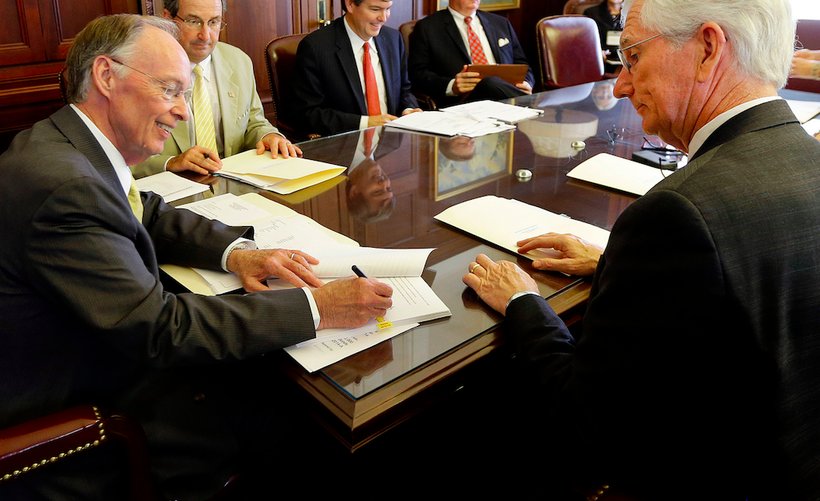
Alabama State Auditor Jim Zeigler has filed a lawsuit in efforts to void a contract for what considers “failed” accounting software. Birmingham law firm Campbell Guin filed the lawsuit Thursday on Zeigler’s behalf in Montgomery circuit court against Gov. Robert Bentley. The suit alleges Bentley, along with Acting Finance Director Bill Newton, signed contracts for the accounting software and in doing so has cost the Yellowhammer state millions as they side-stepped the competitive bidding process, which is required by Alabama law. According to the suit, the state entered into an agreement with CGI Technology and Solutions Inc. (CGI) in 2013 for development of the State of Alabama Accounting and Resource System (STAARS), the state’s new accounting system that handles state financial transactions. The system, which costs the state an estimated $47 million, made its debut in 2015 chock-full of errors and software glitches, leaving the state with a backlog of unpaid bills. Zeigler said state agencies also have been unable to pay one another, which he deems “a new level of dysfunction.” “These three agencies had tried to pay their bills, each owed to another state agency,” explained Zeigler. “They were unable to get the bills paid before the fiscal year ran out, due to failure of the new STAARS software. At that point, we saw one state agency claiming against another with the BOA. This is no way to do business.” The lawsuit requests the court to void the contract and order CGI to pay the state back. Zeigler continued, “We need to cancel the contract with the STAARS software vendor and get the state’s $47 million back. The previous accounting software was old, but it worked. This new software is new, but it does not work.” Watch Zeigler’s new conference announcing the lawsuit below:
Martha Roby: Changing behavior requires oversight

Oftentimes, truly changing public policy for the better requires not only improving the law but also careful oversight in order to ensure proper implementation of that law. You may remember that late last year we scored a significant legislative victory by getting the strong “state authority” provisions I championed for almost three years included in the long-overdue replacement to the “No Child Left Behind” education law. That law and the behavior it allowed has served to frustrate school administrators, hamstring teachers, and erode parents’ trust in public schools. As Congress worked to overhaul the law through the Every Student Succeeds Act (ESSA), one of my top priorities has been to return decision-making in education back to states and local communities where it belongs. The provisions I advocated for strictly prohibit the U.S. Department of Education from using funding grants or special rule waivers to coerce states into adopting its preferred policies. In fact, the Wall Street Journal called the nation’s new education law “the largest devolution of federal control to the states in a quarter century.” With ESSA now the law of the land, my focus has turned toward making sure officials are adhering to the new law. At an Appropriations Committee hearing in March, I questioned U.S. Secretary of Education John King about his commitment to making sure the U.S. Department of Education adheres to the “state authority” provisions. While Secretary King committed to me that he would implement and enforce ESSA as written, I assured him I would be watching to make sure that happened. This past week I met with local school superintendents from throughout Alabama who gave me more reason to be concerned about ESSA implementation living up to the intent of Congress. That’s why I reached out to each member of the Alabama ESSA Implementation Committee in a letter asking for feedback on whether or not federal authorities are following Congress’ clear direction. “As someone who has been involved in crafting this law,” I wrote, “I am here to answer any questions you might have regarding the clear intent Congress had toward ensuring flexibility at the state and local level. I also ask that you please keep me apprised of any attempt on behalf of the U.S. Department of Education to disregard the intent of this new law and continue its coercive practices. “Should federal partners you work with in the implementation process fail to adhere to this clear directive from Congress, I want to know about it.” I have already heard back from several members of the committee and I look forward to working with them in our shared goal of ensuring the return of education decisions back to the states. Their feedback will help me hold the U.S. Secretary of Education and his staff accountable for the proper implementation of the nation’s new education law. ••• Martha Roby represents Alabama’s 2nd Congressional District. She lives in Montgomery, Alabama with her husband, Riley and their two children.
Bernie Sanders supporters emboldened after WikiLeaks takes down Debbie Wasserman Schultz

Bernie Sanders will address the Democratic National Convention Monday night, with the expectation he will give a “full-throated” endorsement of Hillary Clinton to be the next president of the United States. But if a small sampling of the hundreds of people who gathered at JFK Plaza in downtown Philadelphia Sunday afternoon is any indication, his most fervent supporters aren’t taking any endorsement from their candidate as a mandate to not follow their conscience. “I’m voting for my conscience and not out of fear,” said Tara Orlando, from Floyd, Virginia. She seemed to believe, as did several of the protesters that FloridaPolitics.com spoke with, that somehow a Sanders victory was still in the cards. “I hope the superdelegates wake up, especially after WikiLeaks has released all those emails to prove that it was hoodwinked,” Orlando said, “and if they want to do the right thing, they’ll nominate Bernie Sanders for the Democratic Party.” The WikiLeaks revelations have ratified the sentiments Sanders, and certainly his most fervent supporters, have felt from very early on in the Democratic primary contest since last summer — that it was rigged for Clinton to ease her way to the nomination. “It’s more of a vindication of something that we believed all along, and it does feel good when you’ve got people more polarized on either side,” said Moira Gearan, also from Floyd, Virginia. “It may be a done deal, but at least people know that things were DONE.” “We felt all along that the process was rigged from the beginning, especially the issue with the superdelegates,” said Reuben Matreger from Fenton, Michigan. Oh yes, the superdelegates, which the Sanders campaign and their supporters abhor as being indicative of a bloated, elitist group of party insiders that is supposed to stop them from nominating an unelectable candidate, a la George McGovern in 1972 and Howard Dean in 2004. The superdelegates are party insiders — in some cases, members of Congress — and they like it the way it is. But on Saturday, the Democratic Party’s Rules Committee ultimately voted to bring a “minority report” to a floor vote this week. What that apparently means is the superdelegates will do their thing this week and overwhelmingly support Clinton for the nomination, but it could be altered going forward. Several Democrats in the crowd said they could not vote for Hillary Clinton under any circumstances. Celeste McKissick from Cleveland held up a sign reading “Hill No.” “If Bernie is not the nominee, it will be Jill Stein who I’ll vote for,” she said, adding Clinton hasn’t been able to do anything to “buy” her vote yet, so she doesn’t believe there’s anything she could say or do before November to be persuaded to vote for the Democratic nominee for president. “I will very likely leave the party,” said Gearan when asked what she’ll do after Clinton accepts the party’s nomination later this week. Long Beach, California resident Dea Montford was a lifelong Democrat, and also said she’s leaving the party if Sanders isn’t nominated this week. She said she’d been turned off by Democratic politics after what she said happened in California during that state’s primary election last month. “What they did there to disenfranchise SOOO many people from voting. No, I can’t support the Democratic Party and the DNC and Wasserman Schultz and Hillary? No.” Sanders addresses the DNC later tonight.
Debbie Wasserman Schultz jeered while attempting to address Florida DNC delegation
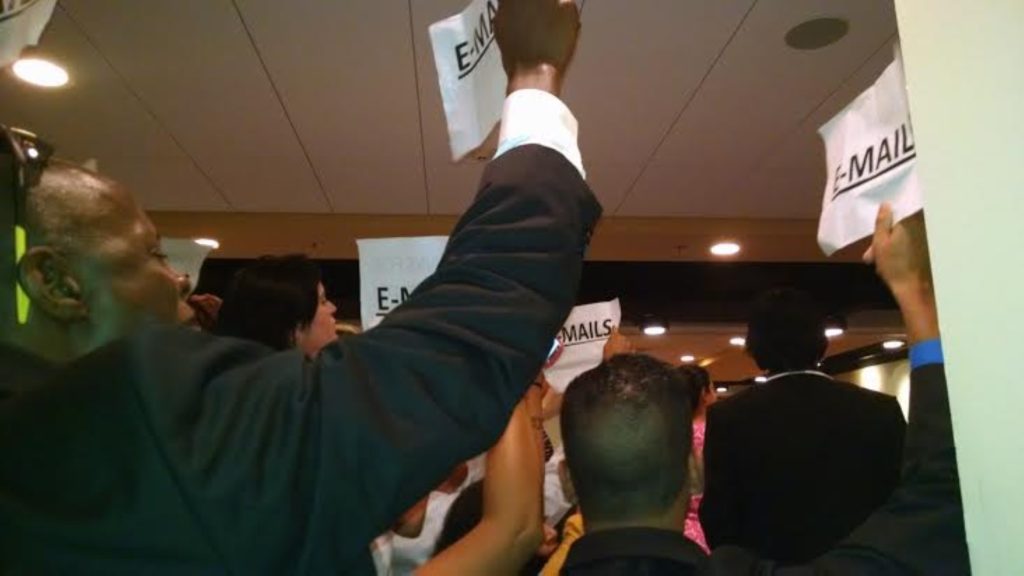
Give credit — or incredible chutzpah — to Debbie Wasserman Schultz, who kept her word and addressed a raucous scene at the Florida delegation breakfast at the Marriott Hotel in downtown Philadelphia Monday morning. It did not go well. Seemingly half the crowd of several hundred people, which included the delegates and other Democrats, stood up and booed her mercilessly. Some held up signs reading, “emails,” referring to the trove of Democratic National Committee emails that were published Friday by WikiLeaks that appeared seemed to show a plot by DNC officials to damage Bernie Sanders during the Democratic primary. That led to her resignation Sunday as DNC chair, though she said she would not do so until after the convention. There were several of Wasserman Schultz constituents wearing T-shirts advocating for her re-election in attendance. There were DWS supporters as well, but they were drowned out by the fervent opposition. “Settle down, everybody,” when Wasserman Schultz took to the podium. Florida Democratic Party Chair Allison Tant tried to quiet down the crowd, to little avail. “Let’s hear from our speaker today.” As members of the crowd and reporters rushed the stage, Mary Lou Ambrose, president of the Largo/Mid-Pinellas Democratic Club said to this reporter, “I want you to know that everybody in Pinellas County disagrees with Debbie Wasserman Schultz, and wants her out.” Wasserman Schultz began her remarks by referencing the latest shooting in Florida, last night in Fort Myers, where two people were killed and 14 others injured. Meanwhile, individual skirmishes between Bernie Sanders supporters and others broke out. “She’s worked against America!” one pro-Bernie speaker shouted. “This is not democracy!” another voice emerged. “We don’t like rigged elections!” came another voice. Boos continued to reign down on her, drowning out her voice in the front part of the room. There were DWS supporters in the room. “Debbie has been a wonderful congresswoman; when my daughter was diagnosed with cancer she reached out to me, her office was as helpful as can be,” said Elaine Geller from Hollywood. “When I lost my daughter she reached out to me and that’s what constituency work is, she knows her constituents. She’s in every event, she knows everybody’s name, she’s friendly with everyone, and really isn’t that what you want in a congressperson?” “I like everything from Debbie, honest, loyal person, she cares so much about her constituents,” said Bina Fink, from Weston, Florida. Fink said she’s spoken with Wasserman Schultz in the past, and questioned her about the questions regarding her neutrality in the presidential race. “I’ve been at private events where I’ve asked her, we’ve asked about Hillary versus Bernie, and I can tell you that my congresswoman told everyone that the both of them are a great pick, both of them are amazing. So I don’t know where this came from, but to all of, she never, never, said vote for one over another.” Sarasota resident Kelly Kirschner, a Sanders supporter, said he doesn’t believe it’s just Bernie fans who think that our politics is not being played fairly these days. “I think there’s consternation all across the country with what many people have felt on both sides of the spectrum that there’s hands on the scale and this is not necessarily the democracy we thought it was that we learned in grade school.” Left undecided as the delegation breakfast ended was whether Wasserman Schultz would convene the convention on Monday morning at the Wells Fargo Center. Based on what happened this morning at the Marriott, it would probably not be a good move for Democrats trying to sell to the country that they’re united trying to defeat Donald Trump this November. Wasserman Schultz left the stage after speaking for a little more than five minutes.
Presidential Primary Brief: 105 days until Election Day
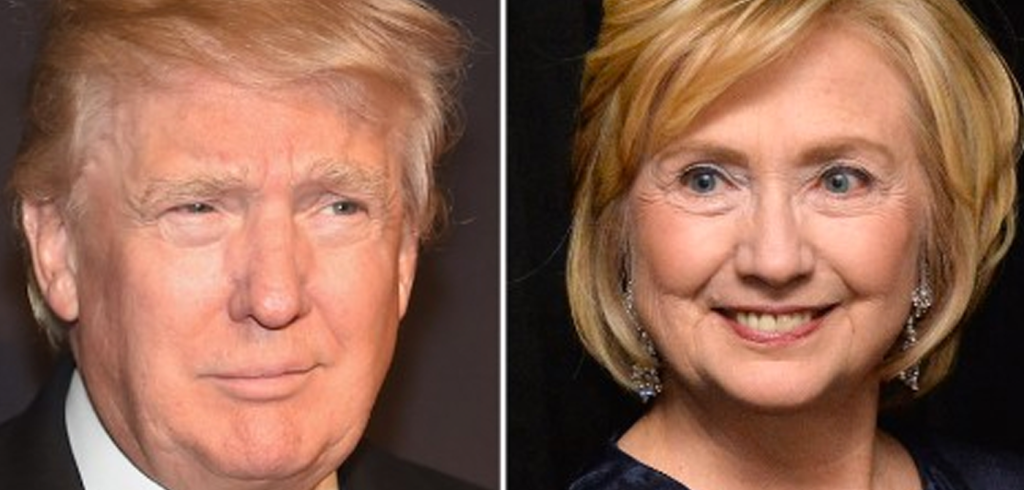
105 days until Election Day Weekly Headlines: Clinton Picks Virginia’s Kaine as Running Mate Reagan historian to the GOP: Unify or lose the 2016 election Third parties shake up Senate battle Press Clips: Introducing The Upshot’s Presidential Prediction Model (NY Times 7/19/16) For now, at least, Hillary Clinton has a 76 percent chance of defeating Donald Trump to become president of the United States. A victory by Mr. Trump remains quite possible: Mrs. Clinton’s chance of losing is about the same probability an NBA player will miss a free throw. This electoral probability, the first forecast by the Upshot’s presidential prediction model, is based on the voting history of each state and on roughly 300 state and national polls of the race conducted since mid-April. Fact-checking Donald Trump’s acceptance speech at the 2016 RNC (Washington Post 7/22/16) The dark portrait of America Donald J. Trump sketched in his acceptance speech at the Republican National Convention is a compendium of doomsday stats that fall apart upon close scrutiny. Numbers are taken out of context, data is manipulated, and sometimes the facts are wrong. When facts are inconveniently positive — such as rising incomes and an unemployment rate under 5 percent — Trump simply declines to mention them. He describes an exceedingly violent nation, flooded with murders, when in reality, the violent-crime rate has been cut in half since the crack cocaine epidemic hit its peak in 1991. Trump: I wouldn’t accept Cruz endorsement (Politico 7/22/16) Donald Trump wouldn’t accept Ted Cruz‘s endorsement even if he offered it to him, the Republican nominee said Friday, two days after the Texas senator declined to back him in epic fashion during his convention speech. “He’s fine. I don’t want his endorsement. If he gives it, I will not accept it, just so you understand. I will not accept it,” Trump said. “It won’t matter. Honestly, he should have done it. Because nobody cares. And he would have been in better shape for four years from now. I don’t see him winning anyway, frankly. But if he did, it’s fine.” Democratic National Convention 2016: Everything You Need to Know (ABC News 7/23/16) The Republican National Convention wrapped up this week, and now it is the Democrats’ turn in the spotlight. Democrats from all over the country will gather at Philadelphia’s Wells Fargo Center, the arena home of the 76ers and the Flyers, from Monday, July 25, through Thursday for the Democratic National Convention, which will formally nominate Hillary Clinton as the party’s presidential nominee and Virginia Sen. Tim Kaine as her running mate. Republican hopefuls eye 2020 election at 2016 convention (Chicago Tribune 7/18/16) The political courtship for 2020 is underway. The Republican Party’s potential future candidates — from House Speaker Paul Ryan to Arkansas Sen. Tom Cotton — on Monday schmoozed with state delegations considered critical in a presidential election. The practice, while expected, is a delicate dance in which the party’s rising stars circulate among key delegates even before Donald Trump accepts the official nomination this week. Jeff Sessions at RNC: 2016 Election About Immigration, Elites Respond ‘With Disdain’ (Breitbart 7/18/16) Sen. Jeff Sessions (R-AL) got his prime-time message out to America, loud and clear, during the 2016 GOP convention: “Excess immigration floods the labor market, reducing wages and job prospects.” Sessions’ focus on curbing immigration and improving trade has been the jet fuel in Donald Trump’s insurgent campaign. “Average Americans have been the first to note that something is wrong with this economy — our middle class is steadily declining … but the Washington establishment, the media, big corporations have been in denial,” the Alabama senator declared. How Time Kaine matches up against Mike Pence (Politico 7/22/16) Both are known for their distaste for smash-mouth campaigning. Yet each will attack when cornered, and can go on the offensive when necessary. That’s how allies and rivals alike describe Indiana Gov. Mike Pence and Virginia Sen. Tim Kaine, the presidential running mates who will go head-to-head in a single high-stakes debate in early October. Pence, Donald Trump’s vice presidential nominee, and Kaine, who will appear on Hillary Clinton’s ticket, aren’t likely to play the traditional attack dog roles. But each knows how to draw blood when necessary. Dems’ Convention Unity Script Marred by DNC Emails (Real Clear Politics 7/25/16) After watching Donald Trump’s messy GOP convention in Cleveland last week, Democrats imagined their party would come together in the City of Brotherly Love and blanket the airwaves with harmony and inclusiveness. That may yet happen at the end of the week, when Hillary Clinton makes history as the first woman to win a major political party nomination to be president, but what’s clear at the outset is that intraparty upheavals are a bipartisan affliction.
New attorney appointed to hear Roy Moore ethics case
Last week, John V. Denson II an attorney and member of the Alabama Court of the Judiciary, recused himself from hearing an ethics case involving Alabama Chief Justice Roy Moore. Stepping in to fill the void is Fort Payne attorney W.N. “Rocky” Watson. A University of Alabama School of Law class of 1974 alum, Watson is now a name partner at the law firm Watson and Neely LLC in Fort Payne, Ala. He has a long history with the Alabama State Bar Association where he currently serves as the Chairman of the Disciplinary Commission. Chief Judge Michael Joiner appointed Watson after Denson recused himself from the case in order to promote public confidence in the court and avoid the appearance of impropriety. A hearing for Moore’s federal lawsuit is set for Aug. 4.
Bradley Byrne: Standing up for the Gulf Coast
I am so proud to live on the Gulf Coast. From our delicious food to the abundant natural resources, our part of the country is unlike any other. My family has called this area home since the 1780s. My family has always enjoyed fishing, swimming, boating, and just spending time on the Gulf. It has become a way of life for my family, just like it has for so many others. For some people, the Gulf also provides for economic well-being, whether through the commercial seafood industry or our booming tourism industry. This is why I am always on the lookout for policies or proposals that might make life harder for families living and working on or near the Gulf. Our area faces unique challenges, and I wanted to share two specific areas where I am looking out for the Gulf Coast. First, President Barack Obama proposed in his annual budget to take offshore energy revenue away from the Gulf states and instead spend it all around the country to advance his radical climate agenda. The President’s proposal would take money from the Gulf of Mexico Energy Security Act (GOMESA) of 2006. GOMESA is the federal legislation that creates a revenue-sharing agreement for offshore energy revenue between Alabama, Texas, Louisiana, and Mississippi. Under GOMESA, each state receives 37.5 percent of federal oil revenue from drilling of their coasts. This money is critical to our coastal counties because it is used for important purposes like coastal restoration and hurricane preparedness. I have even suggested using a portion of Alabama’s GOMESA money to help fund the I-10 bridge project, given that I-10 serves as a hurricane evacuation route. GOMESA was structured to benefit Gulf states because we are the ones who provide a significant share of the infrastructure and workforce for the industry. Gulf states also have inherent environmental and economic risks posed by offshore energy production. The president’s proposal simply defies logic and is a slap in the face to all of us on the Gulf. So, I offered an amendment to the annual Department of Interior funding bill that would block any efforts to transfer GOMESA money away from the Gulf states. I’m pleased to report my amendment was adopted and included in the final bill. Secondly, I also stood up against President Obama’s efforts to implement a “National Ocean Policy.” Created through an executive order, the “National Ocean Policy” requires various bureaucracies to work together to “zone the ocean,” which would significantly affect the ways we utilize our ocean resources. The “policy” would restrict ocean activities while also redirecting money away from Congressionally directed priorities. Numerous and varied industries will suffer as a result of this ill-conceived policy, including but not limited to agriculture, energy, fisheries, mining, and marine retail enterprises. Those who are affected most by the policy don’t have a say or any representation in the rule-making process — there is no current system of oversight in place for the regional planning agencies created as an arm of the National Ocean Council. So, again I went to bat for the Gulf Coast and offered an amendment to block any funds from being spent on the “National Ocean Policy.” My amendment passed by a vote of 237 to 189. These are just two examples of my efforts to stand up for the Gulf Coast. I will continue to do everything I can to protect our coastal communities and make life easier for families all around the Gulf Coast. • • • Bradley Byrne is a member of U.S. Congress representing Alabama’s 1st Congressional District.
Hillary Clinton’s turn: Guide to the Democratic National Convention
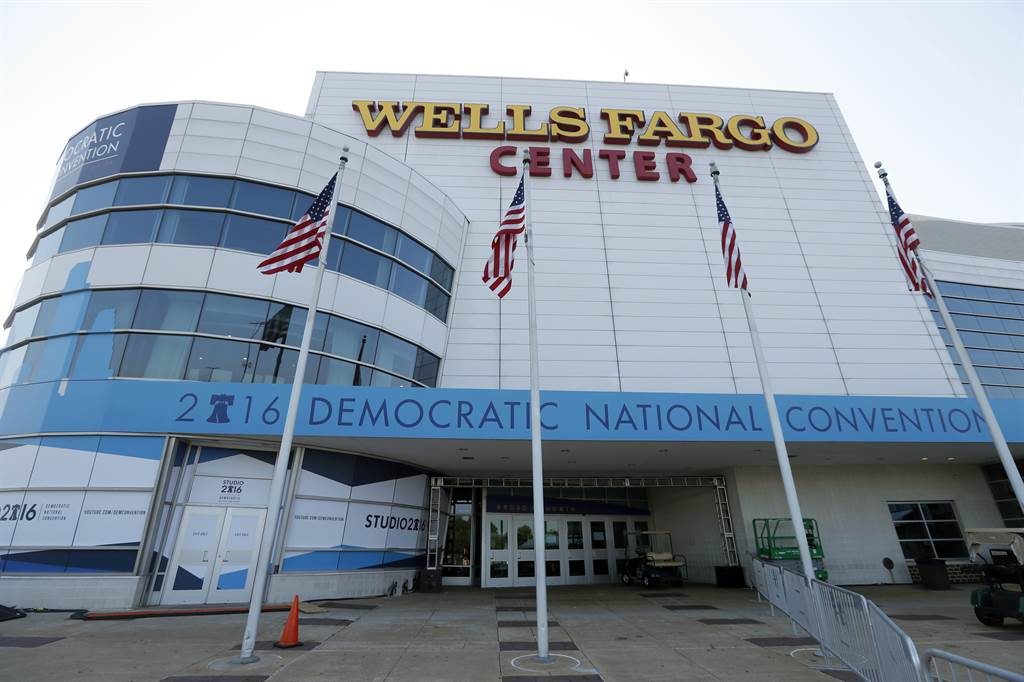
It’s Hillary Clinton‘s turn. The Democratic National Convention opening Monday in Philadelphia is Clinton’s chance to hit reset after a vigorous primary against Bernie Sanders and the unlikely movement that formed behind the Vermont senator. Sanders, a self-described democratic socialist, has endorsed Clinton, but many of his supporters have not. Some of them were dismayed by her choice of Sen. Tim Kaine, D-Va., as her running mate. Last week’s Republican National Convention in Cleveland exposed deep, lingering reservations about Donald Trump from within his own party. The Democratic gathering is expected to be a more smoothly choreographed display of unity among Clinton, Sanders and Democratic lawmakers and voters. What to know about the week: THE POINT Both parties use their national conventions to formally nominate candidates for president and vice president. Party leaders showcase their nominees, and the prime-time speeches by the candidates and prominent politicians win some of the largest television audiences of the campaign. That makes the convention a critical opportunity for a party to introduce its candidates to the country. Democrats also will adopt its platform, which lays out policy principles but has no binding effect. THE LOCATION The Wells Fargo Center, home to the NHL’s Philadelphia Flyers and the NBA’s Philadelphia 76ers, is the convention site. The arena has been transformed with stages, platforms, cameras and lights. Democrats are hoping that city’s historical role in the founding of American democracy will serve as a powerful backdrop for the themes they’ll highlight. WHO’S GOING More than 5,000 delegates are among the 50,000 people set to be in Philadelphia. They include alternates, lawmakers, special guests, journalists and protesters. Among the delegates, about 15 percent are superdelegates, mainly members of Congress and members of the Democratic National Committee. At the GOP convention, a striking number of prominent Republican lawmakers and party leaders were nowhere to be seen, including the party’s previous two presidents and its two most recent presidential nominees. In contrast, bold-name Democrats have been eagerly vying for a chance to speak in Philadelphia. Most Democratic senators and House members are expected to attend. THE SCHEDULE First lady Michelle Obama is set to speak Monday. That’s also when Sanders will give his speech — a closely watched moment for signs of whether his loyal supporters will line up behind Clinton, as he’s asked them to do. Former President Bill Clinton, the candidate’s husband, is the speech to watch Tuesday. A day later, President Barack Obama and Vice President Joe Biden come to Philadelphia. On Thursday, the final night, Chelsea Clinton will introduce her mother for her speech accepting the Democratic nomination. Kaine, who made his debut as Clinton’s running mate at a joint appearance Saturday, will give a speech introducing himself to the country. Officials haven’t yet said when, but the running mate typically speaks Wednesday. Other scheduled speakers are Massachusetts Sen. Elizabeth Warren, New Jersey Sen. Cory Booker, New York Mayor Bill de Blasio and House Minority Leader Nancy Pelosi. THE ENTERTAINMENT Shoop Dogg, Lady Gaga, Lenny Kravitz and Cyndi Lauper will appear in Philadelphia during the convention. Fergie will perform at The Creative Coalition’s gala. THE ROLL CALL States will get a chance to announce how their delegates are voting in the formal roll call Tuesday. It’s a high point for Sanders delegates; they’re pushing to have their votes fully tallied. In 2008, Clinton halted the roll call midway through to call for then-Sen. Barack Obama’s approval by acclamation, or unanimous vote. Sanders says he favors a state-by-state roll call, but he hasn’t indicated exactly what he will do. There’s a total of 4,763 delegates. It takes 2,382 to win the Democratic nomination. Clinton arrives in Philadelphia with 2,814 delegates to Sanders’ 1,893, according to an Associated Press count. That includes the superdelegates, who can vote for any candidate they choose. This year, those superdelegates overwhelmingly backed Clinton. The remaining 4,051 are pledged delegates, won by the candidates based on the results of state primaries and caucuses. THE PROTESTS If there are any fireworks in Philadelphia, expect them to come from Sanders supporters. They have said they plan to show up in full force. Philadelphia officials estimate between 35,000 and 50,000 people will demonstrate across the city each day. Activists have put the estimate higher, at roughly 100,000. Among the groups planning to demonstrate are gun control advocates, the group Occupy DNC Convention and Trump supporters from Pennsylvania. Republished with permission of the Associated Press.
