
Rosa Parks wouldn’t give up her seat on the bus, 61 years ago today
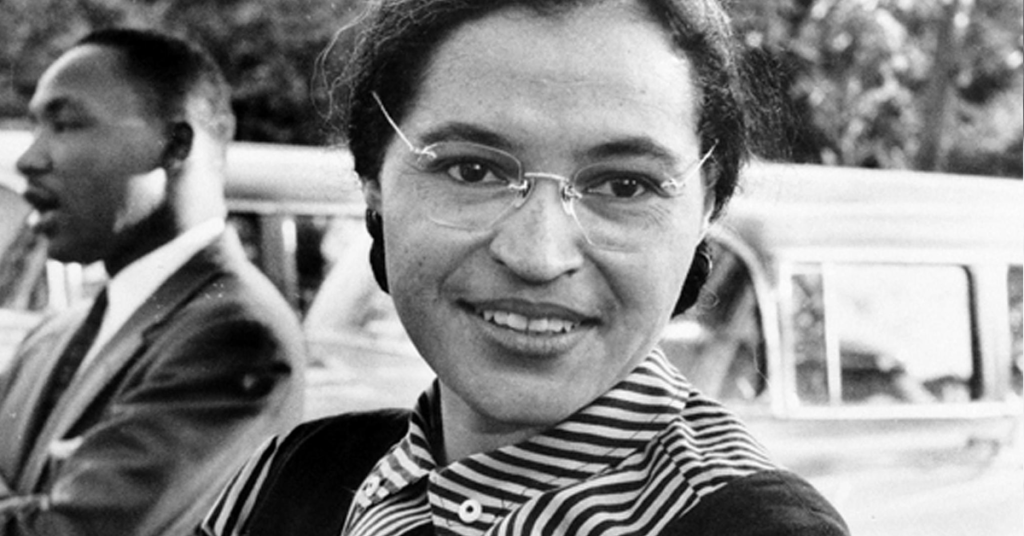
61 years ago today, on Dec. 1, 1955, while riding home from her job as a department-store seamstress Rosa Parks became a part of American history when she refused to give up her seat for a white man on a public bus in Montgomery, Ala. “Upon arrival the bus driver said he had a colored female sitting in the white section of the bus, and would not move back,” the responding police officers said in their report. The 42-year-old Parks was taken to the Montgomery jail where she was charged with violating the city’s segregation law. Her act of civil disobedience prompted a 381-day boycott of the Montgomery bus system organized by Martin Luther King Jr. that garnered national attention and ultimately led to the landmark 1956 U.S. Supreme Court ruling that outlawed segregation on public transportation. Affectionately deemed “the mother of the civil rights movement” Parks was often quoted as saying she refused to give up her seat that day because she was “tired.” Undeniably she was tired, though she later explained it was not physical fatigue alone, but also weariness of spirit that led her to stand her ground that fateful December Thursday. “People always say that I didn’t give up my seat because I was tired, but that isn’t true,” Parks said in her 1992 book, Rosa Parks: My Story. “I was not tired physically, or no more tired than I usually was at the end of a working day. I was not old, although some people have an image of me as being old then. I was 42. No, the only tired I was, was tired of giving in.” Parks remained in Montgomery until 1957, when she and her husband moved out of the state following unbearable harassment and death threats. She died in 2005 at the age of 92 and went on to become the 30th person Congress honored by having her coffin sit in the Capitol Rotunda in recognition of her contribution to advancing civil and human rights. She was the first woman accorded the privilege. “I have learned over the years that when one’s mind is made up, this diminishes fear; knowing what must be done does away with fear,” said Parks in the 2000 book Quiet Strength: the Faith, the Hope, and the Heart of a Woman Who Changed a Nation.
Fmr. Elmore Co. Commissioner Joe Faulk convicted of felony ethics law violation
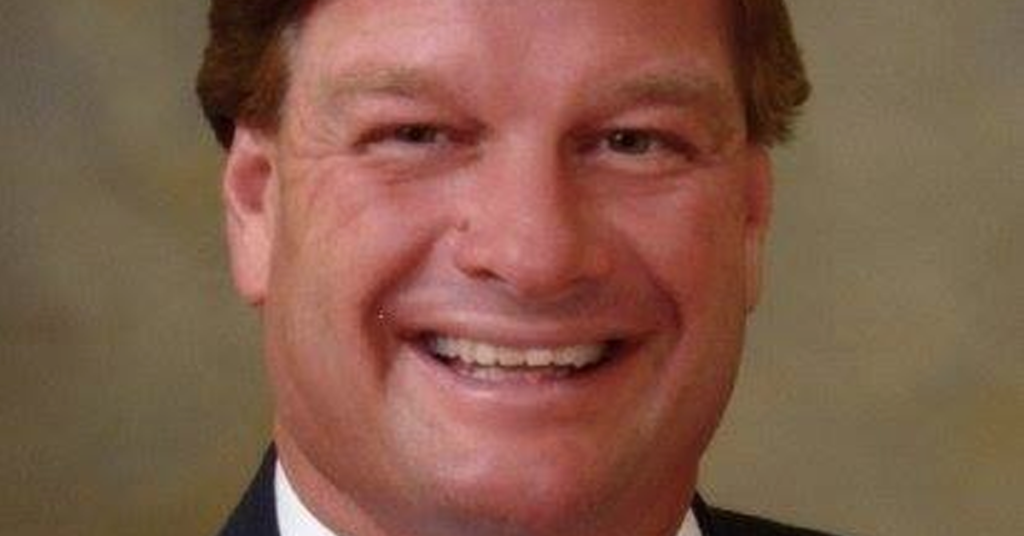
Attorney General Luther Strange announced the conviction of former Elmore County Commissioner Joe Faulk for a felony ethics law violation on Thursday. Faulk was charged October 25 and pleaded guilty Thursday afternoon in Elmore County Circuit Court to intentionally using his office for personal gain. According to a plea agreement, he agreed to resign from his office, to plead guilty to the felony ethics violation, and to cooperate with the State in its ongoing criminal investigation into related matters. His charge stems from 2011 during his time as County Commissioner when he entered into a contract with Coast2Coast, a company which distributes pharmacy discount cards. Faulk was tasked with acquiring marketing contracts with county commissions across Alabama, in return for a commission each time a customer used the card to fill a prescription. He subsequently promoted the program to other county commissions without disclosing his personal financial interest Faulk received commissions from his Coast2Coast contract totaling $63,651 between October 2011 and July 2016. The contract has since been terminated. “The facts are clear that this defendant abused his public trust by using his position as an Elmore County Commissioner for his own financial gain,” said Attorney General Strange. “As a public servant, he betrayed his obligation to honor the best interests of citizens and not to use his office for personal enrichment.” A date for sentencing has yet to be set, but the punishment for the Class B felony is two to 20 years in prison. Governor Robert Bentley is expected to appoint a someone to serve the remainder of Faulk’s term in the near future.
Four qualify to run for Darrio Melton’s vacated District 67 House seat
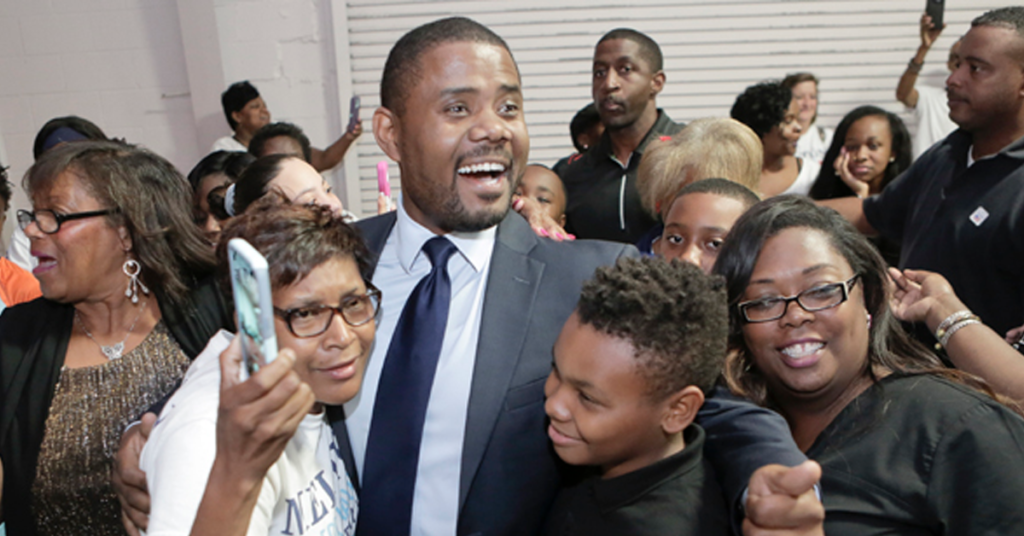
Following the vacancy left by six-year Alabama State Rep. Darrio Melton when he was elected mayor of Selma, four Democratic candidates have qualified to run for his open seat. Orrville’s Raymond J. Butler and Valenci’a Quest, along with Prince Chestnut and Latrell “Champ” Richardson of Selma all made the Tuesday deadline to run to represent State House of Representatives District 67, which covers Dallas and Perry counties. No Republican candidates attempted to qualify. Melton was in his second term in the state House when he was elected mayor in October, after defeating former Mayor James Perkins in a runoff. Melton’s successor will fill the remainder of the term, which ends in November 2018. A special primary election is set for Jan. 31, 2017. The general election will be held on April 18.
Victory lap: Donald Trump heads for Indianapolis, Cincinnati

President-elect Donald Trump headed out on a victory lap Thursday, appearing first in Indiana to salute workers at a factory where he says he saved hundreds of jobs from moving to Mexico and then in Ohio on the first stop of a “Thank You Tour” to honor supporters in states that helped him to his stunning victory. Thursday’s Midwest swing will be the first time that Trump, who has shown an early inclination to revel in the role of showman-in-chief, has barnstormed across the country since the campaign. But now his signature rallies will carry the imprimatur of president-elect. And both stops will feature Trump declaring victory after a campaign built on the lament that “we don’t win anymore” as a nation. But now the question arises: Which Trump will appear at the rally? A newly serious Trump embracing the gravity of the job who will conduct a spirited but formal rally befitting a president? Or will he revert to the campaign Trump, flying off the teleprompter with inflammatory remarks and encouraging raucous crowds chanting “Build the wall” and vilifying critics? And some questions remain about the extent of victory at Carrier, which announced this week that it will keep an Indianapolis plant open. In February, the heating and air conditioning company said that it would shut the plant and send jobs to Mexico, and video of angry workers being informed about the decision soon went viral. The Republican businessman made it a key theme in his campaign, pledging to save that factory and ones like it as part of his plan to rebuild the American manufacturing industry while preventing jobs from fleeing overseas. He said this week that Carrier had agreed to keep some 800 union jobs at the plant. Seth Martin, a spokesman for Carrier, said Thursday that Indiana offered the air conditioning and furnace manufacturer $7 million in tax incentives after negotiations with Trump’s team to keep some jobs in the state. Indiana economic development officials did not immediately respond to a request for comment. The company’s decision is something of a reversal, since earlier offers from the state had failed to sway Carrier. Trump threatened during the campaign to impose sharp tariffs on any company that shifted its factories to Mexico. And his advisers have since promoted lower corporate tax rates as a means of keeping jobs in the U.S. “Big day on Thursday for Indiana and the great workers of that wonderful state. We will keep our companies and jobs in the U.S. Thanks Carrier,” Trump tweeted Tuesday. Trump will tour the factory with his running mate Mike Pence – who, as the outgoing governor of Indiana, was well-situated to aid negotiations – and then the president-elect will give a speech about the deal, aides said. By enabling the plant to stay open, the deal spares about 800 union workers whose jobs were going to Mexico, according to federal officials who were briefed by the company. This suggests that hundreds will still lose their jobs at the factory, where roughly 1,400 workers were slated to be laid off. Neither Trump nor Carrier has said yet what the workers might have to give up, or precisely which other threats or incentives might have been used, to get the manufacturer to change its mind. “Today’s announcement is possible because the incoming Trump-Pence administration has emphasized to us its commitment to support the business community and create an improved, more competitive U.S. business climate,” the company said in a statement Wednesday. Trump’s deal with Carrier may be a public relations success for the incoming president but also suggests that he has unveiled a new presidential economic approach: actively choosing individual corporate winners and losers – or at least winners. To critics who see other Indiana factories on the verge of closing, deals like the one at Carrier are unlikely to stem the job losses caused by automation and cheap foreign competition, and the prospect that the White House might directly intervene is also a concern to some economists. The other victory Trump will celebrate Thursday is far more clear-cut: his own on Election Day. Trump will hold a campaign-style rally in Cincinnati, the first of several stops on a tour this month. Trump, who has long spoken of feeding off the energy of his raucous crowds, first floated the idea of a victory tour just days after winning the election but has instead prioritized filling some Cabinet positions. The rally in Cincinnati, which Pence also will attend, will take place in the same downtown sports arena where Trump appeared in late October and drew about 15,000 people in what was one of his loudest – and most hostile to the media – crowds of the campaign. Trump, who convincingly won Ohio, is also expected to hold rallies in battleground states including Pennsylvania, Florida, North Carolina and Michigan in the coming weeks, though details have yet to be announced. Republished with permission of The Associated Press.
Robert Bentley awards $2.4 million grants to help fight homelessness

Gov. Robert Bentley on Thursday awarded $2.4 million in federal grants to 12 local governments and community agencies across the state to help homeless Alabamians find immediate housing and to assist others who are in danger of becoming homeless. The grants are awarded through the Emergency Solutions Grant program administered by the Department of Housing and Urban Development (HUD) will support programs that provide shelter, legal and health services and money-management education for families and individuals who are without a residence. The National Alliance Against Homelessness says the vast majority of homeless individuals and families fall into homelessness after a housing or personal crisis. These grants aim to provide services necessary to help these persons at-risk of homelessness or homeless quickly regain stability in permanent housing. They can also help families with costs associated with moving to a new apartment or home including utility deposits and rental deposits. “Nearly everyone encounters hard times at some point in their lives, some more severe than others,” Bentley empathized. “This program helps prevent homelessness by giving a helping hand at a time of critical need.” The Alabama Department of Economic and Community Affairs (ADECA) is administering the grants to the selected recipients state-wide. “Through this program, many who find themselves homeless or on the verge of becoming homeless can take important first steps back toward independent living,” ADECA Director Jim Byard Jr. said. “This federal-state-local partnership provides essential aid to help Alabama families find housing and get back on their feet.” Grant recipients will administer the funds at the local level and assess the needs of individuals who wish to be considered for assistance. Local case managers screen applicants for program eligibility. An individual or family requesting assistance can contact their local agency directly or may receive a referral to the program by a local shelter. Below is a list of each amount awarded, the name of the grant recipient and the areas served: $300,000 to YWCA of Central Alabama (domestic violence victims in Blount, Jefferson and St. Clair counties) $300,000 to Montgomery Area Coalition for the Homeless (Autauga, Bullock, Elmore, Lowndes and Montgomery counties) $300,000 to Housing First Inc. (Baldwin and Mobile counties) $204,150 to the city of Florence (Colbert, Franklin, Lauderdale, Lawrence, Marion and Winston counties) $204,150 to Alabama Rural Coalition for the Homeless (Barbour, Bibb, Blount, Butler, Chambers, Chilton, Choctaw, Clarke, Clay, Cleburne, Coffee, Conecuh, Coosa, Covington, Crenshaw, Cullman, Dale, Dallas, Escambia, Fayette, Geneva, Greene, Hale, Henry, Houston, Jackson, Lamar, Lee, Macon, Marengo, Marshall, Monroe, Perry, Pickens, Pike, Randolph, Russell, Sumter, Talladega, Tallapoosa, Walker, Washington and Wilcox counties) $200,000 to the city of Birmingham (Birmingham) $200,000 to the city of Tuscaloosa (Tuscaloosa County) $200,000 to the city of Huntsville (Huntsville) $200,000 to Penelope House (city of Mobile) $200,000 to the Shelby County Commission (Shelby County) $60,000 to Mobile Area Interfaith Conference (inmates being released from Mobile County Metro Jail) $18,500 to the Marshall County Commission (Marshall County)
Terri Sewell elected Vice-Chair of the New Democrat Coalition
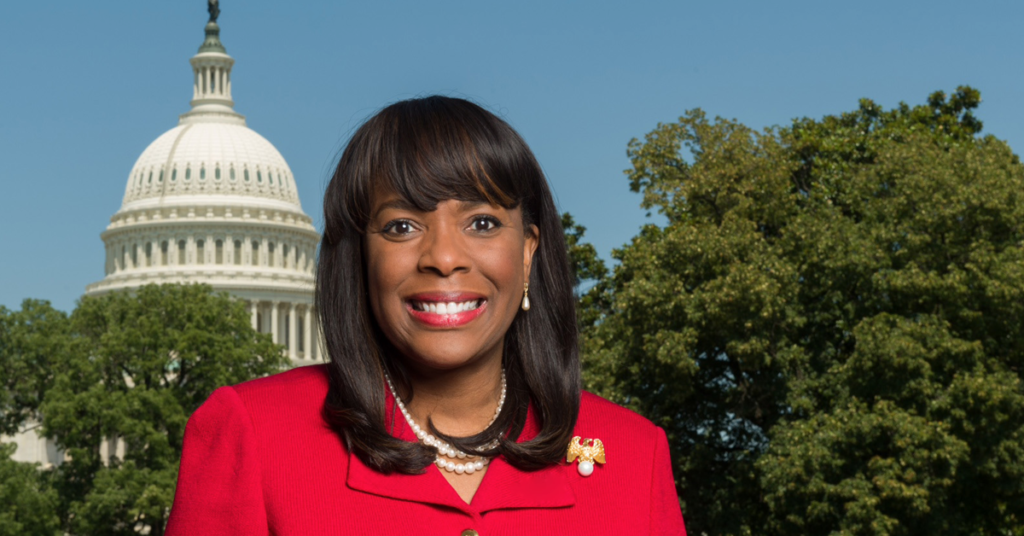
Rep. Terri Sewell on Thursday was elected by her colleagues to serve as Vice Chair of the New Democrat Coalition in the 115th Congress. In her new role, Alabama’s 7th District. U.S. Congresswoman will be responsible for a specific portfolio, as well as assisting Chair-Elect Rep. Jim Himes with leadership efforts and helping develop specific policy positions to be adopted by the Coalition. “I am beyond grateful to my colleagues for electing me to serve as Vice-Chair of the New Democrat Coalition in the 115th Congress,” said Sewell. “My decision to join the New Democrats when I came to Congress stemmed from the profound relevancy our Coalition has on the health and economic welfare of my constituents in the 7th Congressional District of Alabama. This includes policies that encourage job creation, promote innovation, and provide workers with the necessary tools to compete and thrive in today’s economy.” Dedicated to maintaining America’s standing as the world’s strongest, most successful nation, the New Democrat Coalition was founded in 1997. The New Dems believe in the power of American ingenuity and innovation, and are focused on finding ways to foster and harness this creativity to grow America’s economy, create new American jobs, and ensure a safer and more secure future for our country. “America continues to benefit from the leadership of the New Democrat Coalition and the Democratic values of opportunity, fairness, and responsibility,” Sewell continued. “I look forward to the work that lies ahead as I promote the needs of my constituents before the Coalition and advance the pro-growth agenda of the New Democrat Coalition to all Americans.” The Coalition elected Rep. Jim Himes (CT-04) to serve as Chair. Reps. Jared Polis (CO-02), Derek Kilmer (WA-06), and Suzan DelBene (WA-01) were elected to serve as Vice-Chairs alongside Rep. Sewell. Rep. Ron Kind (WI-03) will serve as Chairman Emeritus of the Coalition. “It’s been a pleasure to lead New Dems over the last four years. The New Democrat Coalition has always been full of talent, and I’m excited to see some of our newer Members take the reins,” said outgoing Chair Ron Kind. “Under Rep. Sewell’s leadership, I am confident the New Dems will continue to be strong advocates for policies that grow the economy, increase innovation, and help hard-working Americans.” “I’m thrilled to have the opportunity to work in this coming Congress with Terri Sewell as Vice-Chair in the New Democrat Coalition,” added Chair-Elect Jim Himes. “Terri represents the leadership, innovation and commitment to her constituents and the American people that are emblematic of the New Dems. Working together, we can overcome challenges, move our country forward and shape policy over the coming Congress.”
Online effort: Draft Perry O. Hooper Jr. for US Senate
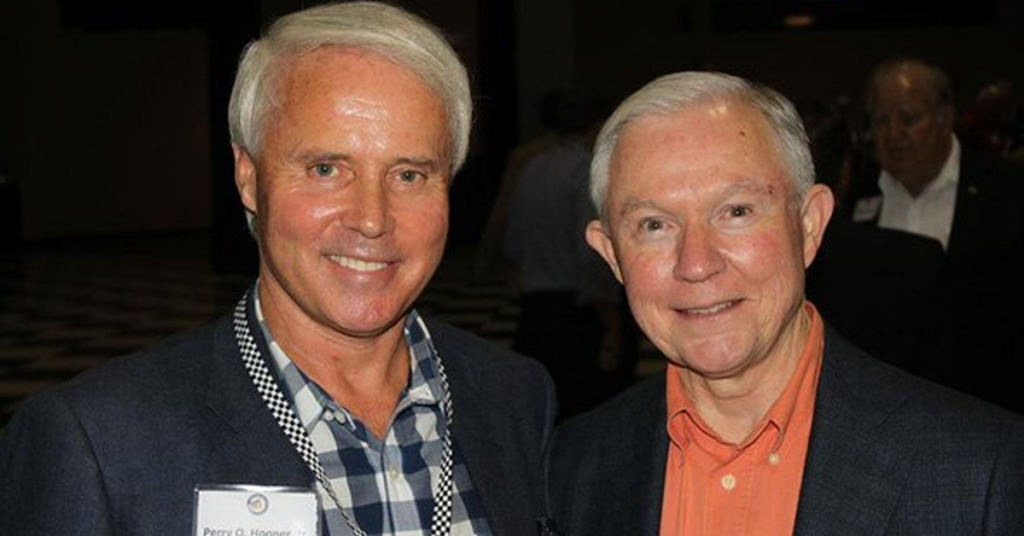
With Sen. Jeff Sessions‘s appointment to U.S. Attorney General by President-elect Donald Trump, Alabamians are scrambling to make a case for themselves, and others, to fill the impending vacant seat in the U.S. Senate. One of the more compelling names making the rounds is Montgomery-native Perry O. Hooper Jr. Son of Hooper. Sr — who was the first Republican Chief Justice elected to the Alabama Supreme Court — Perry O., as he’s affectionately called, has deep roots in the Republican Party and conservatives across the state have taken notice. A petition is circulating the internet urging Gov. Robert Bentley to appoint Perry O. to the U.S. Senate should Sessions be confirmed. “The people of the great state of Alabama need a powerful voice to fight for us in Washington. Perry ‘O’ Hooper Jr. is that voice,” the petition reads. “He will be consistent with the Trump agenda and uphold the Constitution while serving the people of Alabama. Perry O. is also THE only one with the relationship with President-elect Trump necessary to bring jobs, infrastructure, and prosperity back to Alabama.” A former member of the Alabama House of Representatives, Perry O. served for 19 years and was twice nominated as the “Most Outstanding Member of the House of Representatives.” Most recently, he served as the Alabama Co-chairman for the Trump campaign and the Alabama Chairman of the Trump Victory fund. Whether or not Perry O. will make Bentley’s list remains to be seen.
Donald Trump will face tough questions on future of nuclear arsenal

For all the concerns raised in the presidential campaign about Donald Trump‘s fitness to command America’s nuclear arsenal, the immediate questions he’s likely to face as president aren’t about launching these weapons, but modernizing them. He’ll have to make politically fraught decisions about a U.S. nuclear arsenal that in some ways has become decrepit. Among the open questions: Can the U.S. get by with fewer? Is it time to take some off hair-trigger alert? Trump’s transition website says he “recognizes the uniquely catastrophic threats posed by nuclear weapons and cyberattacks,” adding that he will modernize the nuclear arsenal “to ensure it continues to be an effective deterrent.” The questions left unanswered: How much modernization is enough, and in a world of widening cyber threats, how vulnerable are U.S. nuclear weapons? During the campaign, nuclear issues were discussed in sweeping terms. Trump caused stirs by suggesting that America’s Asian allies should no longer be covered by the U.S. nuclear umbrella if they don’t pay more for their defense – or that they should possibly obtain their own nuclear bombs. President Barack Obama and other critics questioned whether Trump could be counted on to avoid using nuclear weapons. Ten former nuclear missile launch operators wrote that Trump lacks the temperament, judgment and diplomatic skill to avoid nuclear war. The state of the nuclear arsenal was rarely addressed. To the extent it was, Trump did not show a firm understanding of details. At a debate with Republican rivals, he appeared unfamiliar with the concept of a nuclear triad, the Cold War-era combination of submarines, land-based missiles and strategic bombers for launching nuclear attacks. “I think, for me, nuclear is just the power, the devastation is very important to me,” he said. Trump may need to get up to speed quickly on nuclear weapon issues. He will soon be overseeing a Pentagon where there is internal competition between big-dollar plans for modernizing conventional and nuclear weapons, said Hans Kristensen, a nuclear weapons expert with the Federation of American Scientists, which favors reducing nuclear arsenals. “He has made various vague statements that indicate that he believes in a strong military but doesn’t seem to know much about nuclear forces and issues, is unconcerned about nuclear proliferation, yet also seems impressed by the ‘hugeness’ of nuclear weapons,” Kristensen said in an email exchange. He said Trump’s comments and the views of his advisers make it seem likely his administration “will continue the full-scale (nuclear weapons) modernization plan that the Obama administration put in motion and Congress has largely supported.” Yet Trump’s leading candidate for defense secretary, retired Marine Gen. James Mattis, is skeptical of the nuclear status quo. “You should ask, ‘Is it time to reduce the triad to a diad, removing the land-based missiles?’” he told the Senate Armed Services Committee in January 2015. He recommended a review of fundamental questions to “clearly establish the role of our nuclear weapons. Do they serve solely to deter nuclear war? If so, we should say so, and the resulting clarity will help to determine the number we need.” Had Hillary Clinton won the presidency she may have acted on her skepticism about the military’s claim to require a complete rebuilding of the nuclear arsenal, particularly the need for a new air-launched nuclear cruise missile, which detractors say is a luxury the nation easily can do without. Obama agreed to fully modernize the nuclear force as the political price for Senate approval of the 2010 New START arms control treaty negotiated with Russia during Clinton’s tenure as secretary of state. The modernization entailed a commitment of hundreds of billions of dollars that critics say is unaffordable. Non-government groups are studying the need for modernization and the vulnerability of the arsenal. The Nuclear Threat Initiative, a research and advocacy group whose co-chairman is Sam Nunn, the former Democratic chairman of the Senate Armed Services Committee, is studying nuclear terrorism as well as the cyber threat to nuclear command-and-control systems. “What if hackers spoofed a nuclear missile attack, forcing a miscalculated retaliatory strike that could kill millions?” the group asks in a description of its project. Along with the cyber aspect of nuclear security is a parallel question: whether the U.S. should threaten the use of nuclear weapons in response to a catastrophic cyberattack. New administrations often order up a broad and deep review of nuclear policy to lay the groundwork for decisions like some of those facing Trump. The Obama White House undertook a “nuclear posture review” in 2010 that concluded, for example, the U.S. should maintain all three legs of the nuclear triad. In the years since that review, a growing number of people have questioned the wisdom of sticking to the same nuclear structure. William J. Perry, who served as secretary of defense in the administration of President Bill Clinton, has argued for eliminating the land-based missile “leg” of the triad. Obama considered, but ultimately left for his successor, other sticky nuclear issues, including decisions on how to respond to what the Obama administration says are significant violations by Russia of a 1987 nuclear arms control agreement with implications for U.S. and European security. Republished with permission of The Associated Press.
Poll: Only about 1 in 4 wants Donald Trump to repeal health law

Only about one in four Americans wants President-elect Donald Trump to entirely repeal his predecessor’s health care law that extended coverage to millions, a new poll has found. The postelection survey released Thursday by the nonpartisan Kaiser Family Foundation also found hints of a pragmatic shift among some Republican foes of “Obamacare.” While 52 percent of Republicans say they want the law completely repealed, that share is down from 69 percent just last month, before the election. And more Republicans now say they want the law “scaled back” under the new president and GOP Congress, with that share more than doubling from 11 percent before the election to 24 percent after. Kaiser CEO Drew Altman said the foundation’s polling experts aren’t quite sure what to make of that finding, and will continue to track the apparent shift in future polls. The organization is a clearinghouse for information and analysis about the health care system. It could be that some Republicans “got a protest vote off their chests, and they’re done with that,” Altman said. “They now have a more moderate position.” After branding the Affordable Care Act a “disaster” during an election campaign that saw big premium hikes unveiled in its closing days, Trump has been saying he’d like to keep parts of the law. On Capitol Hill, Republican leaders are trying to choreograph a legislative dance that would let them quickly repeal “Obamacare,” then allow an interlude to segue to a replacement. The complex undertaking is fraught with political risk, because success is not guaranteed. It could disrupt coverage for millions by destabilizing the law’s already fragile health insurance markets, such as HealthCare.gov. The poll found some skepticism about that approach. Forty-two percent of those who want the 2010 health care law repealed said lawmakers should wait until they figure out the details of a replacement plan before doing so. Americans were divided on next steps for President Barack Obama‘s signature law. Overall, 30 percent said the new president and Congress should expand what the law does, and another 19 percent said it should be implemented as is. On the other side, 26 percent said the law should be entirely repealed and 17 percent called for it to be scaled back. Among Trump voters, 8 in 10 viewed the health care law unfavorably, and half wanted it entirely repealed. As Republicans start to make changes in health care, potentially revamping Medicare and Medicaid as well, the politics of the issue could turn against them, Altman said. “They are going to go from casting stones to owning the problem,” he said. The poll found majorities across party lines support many of the health care law’s provisions, but not its requirement that individuals have coverage or risk fines, and its mandate that medium-to-large employers pay fines if they don’t offer health insurance. Among the provisions with support across party lines: — Allowing young adults to stay on a parent’s insurance until age 26. — No co-payments for many preventive services. — Closing the Medicare prescription drug coverage gap known as the “doughnut hole.” — Financial help for low- and moderate-income people to pay their insurance premiums. — A state option to expand Medicaid to cover more low-income adults. — Barring insurance companies from denying coverage because of a person’s medical history. — Increased Medicare payroll taxes for upper-income earners. The telephone poll was conducted from Nov. 15-21 among a nationally representative random digit dial sample of 1,202 adults, including people reached by landlines and cellphones. The margin of sampling error is plus or minus 3 percentage points for the full sample. For subgroups, the margin of sampling error may be higher. Republished with permission of The Associated Press.
Alabama Dept. of Archives and History seeks to collect Vietnam memorabilia
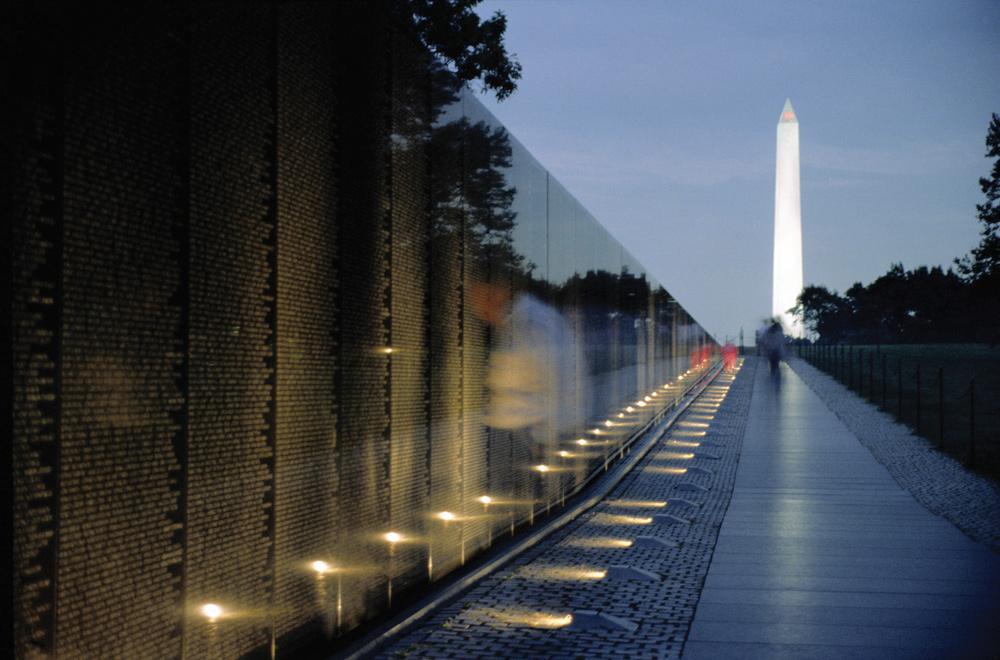
An initiative that launched last month on Veterans Day is enlisting the help of Vietnam veterans across the Yellowhammer State. “Collecting Vietnam” is a new project of the Alabama Department of Archives and History (ADAH) that is seeking to document the experience Vietnam veterans from Alabama both overseas and stateside. ADAH is looking to veterans to help acquire uniforms, equipment, photographs, letters, as well as other items for its permanent museum and archival collections based in Montgomery, Ala. Interested in donating? Contact Registrar, Sherrie Hamil at (334) 353-4726 or sherrie.hamil@archives.alabama.gov.
Wisconsin first state to start presidential election recount
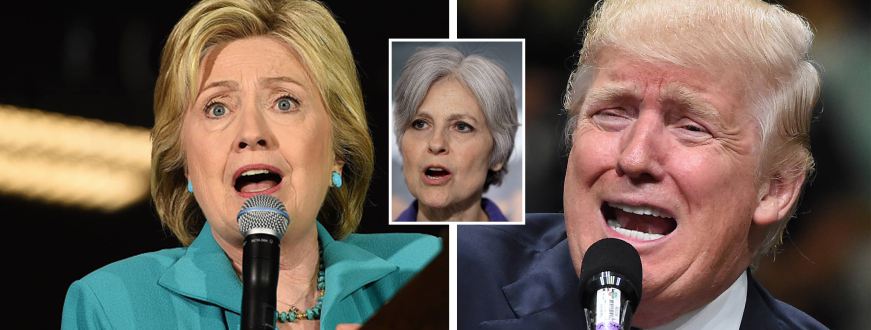
The first candidate-driven statewide recount of a presidential election in 16 years began Thursday in Wisconsin, a state that Donald Trump won by less than a percentage point over Hillary Clinton after polls long predicted a Clinton victory. The recount requested by Green Party candidate Jill Stein carries none of the drama of the Florida presidential recount of 2000, when the outcome of the election between Al Gore and George W. Bush hung in the balance. Almost no one expects Stein’s push for recounts in Wisconsin, Michigan and Pennsylvania to result in a Clinton victory over Trump. “This is certainly not Bush v. Gore,” said Wisconsin’s chief elections administrator Mike Haas. Even so, the campaigns for Trump, Clinton and Stein all had observers spread throughout the state to watch the recount. County election officials hired temporary workers, expanded hours and dusted off recount manuals to prepare for the work of re-tabulating nearly 3 million ballots. Most counties will manually recount the ballots, although Stein lost a court challenge this week to force hand recounts everywhere. The state’s largest county, Milwaukee, was planning to recount the ballots by feeding them through the same machines that counted them on election night. In Dane County, where Clinton won 71 percent of the vote, the ballots will be counted by hand. Workers in Dane County were being paid $20 an hour and will work two shifts for about 12 hours a day to get the recount done by the 8 p.m. Dec. 12 deadline, said County Clerk Scott McDonell. He didn’t expect much change in the results. “I think we will be very close to what was reported on election night,” McDonell said Thursday. Clinton lost to Trump by about 22,000 votes in Wisconsin. Wisconsin election officials have less than two weeks to complete the recount. Dec. 13 is the federal deadline to certify the vote to avoid having the fate of Wisconsin’s 10 electoral votes decided by Congress. Even if that were to happen, the votes would almost certainly go to Trump, since Republicans control both chambers of Congress. Stein has argued, without evidence, that irregularities in the votes in all three states suggest that there could have been tampering with the vote, perhaps through a well-coordinated, highly complex cyberattack. “Verifying the vote through this recount is the only way to confirm that every vote has been counted securely and accurately and is not compromised by machine or human error, or by tampering or hacking,” Stein said in a statement Thursday. “The recount does not benefit one candidate over another. It benefits all voters across the political spectrum. This is an essential first step to restore confidence in our elections and trust in our democracy.” Stein’s critics, including the Wisconsin Republican Party, contend that she’s a little-known candidate who is merely trying to raise her profile while raising millions of dollars. Stein had raised nearly $7 million, about twice as much as her longshot presidential campaign, to pay for the recounts. The Wisconsin recount was estimated to cost about $3.9 million, while Stein paid $973,250 for the recount in Michigan, which is scheduled to begin Friday. Stein filed a lawsuit Monday in Pennsylvania to force a recount there. Republished with permission of The Associated Press.
Nancy Pelosi cedes some powers to Dems angry over elections
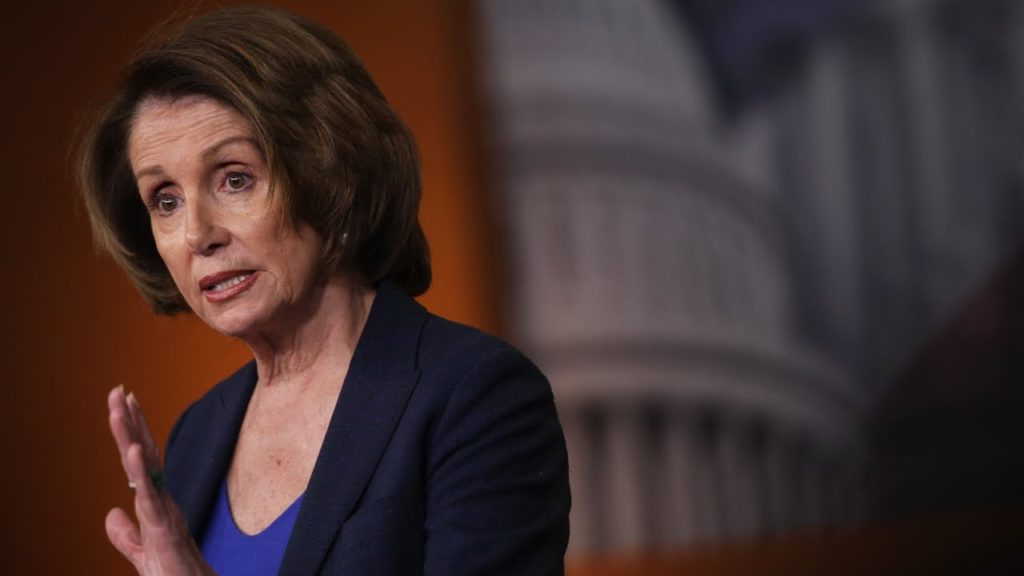
Democrats angry over the party’s dreary Election Day have decided to strip some power from House Minority Leader Nancy Pelosi – but with her support. House Democrats emerging from a private meeting Thursday said they voted by voice to make the leader of their political committee an elected post. Until now, Pelosi’s appointed a lawmaker to that job. Pelosi suggested that change, and others designed to give the rank and file more power, on Wednesday after winning re-election to her leadership job. Nearly a third of Democrats voted against her. House Democrats were unhappy that they gained just six seats in last month’s elections. New Mexico Democratic Rep. Ben Ray Lujan chaired the Democratic Congressional Campaign Committee for the past two years. No date is set for that election. Republished with permission of The Associated Press.
