
Dubai’s DAMAC confirms offering $2B in deals to Donald Trump

Dubai-based developer DAMAC Properties said Wednesday it recently offered $2 billion in deals to President-elect Donald Trump‘s company, which rejected them. The developer already has partnered with the Trump Organization to manage and run two golf courses in the glamorous city in the United Arab Emirates. One will open just weeks after his inauguration as America’s 45th president. DAMAC spokesman Niall McLoughlin told The Associated Press on Wednesday that the offer to Trump’s firm involved “a variety of different properties deals.” McLoughlin declined to be more specific, other than to say that “the discussions took place as stated in the media briefing.” Trump said Wednesday at his first news conference since his election that he had turned down the deal, offering the decision as evidence of his commitment to avoiding conflicts of interest. “Over the weekend, I was offered $2 billion to do a deal in Dubai with a very, very, very amazing man, a great, great developer from the Middle East,” Trump said. “And I turned it down. I didn’t have to turn it down. … But I don’t want to take advantage of something.” DAMAC is run by Dubai-based billionaire Hussain Sajwani – not Hussain Damac as Trump said at the news conference. One of the Trump Organization’s subsidiaries received from $1 million to $5 million from DAMAC, according to a Federal Election Committee report submitted in May. Republish with permission of The Associated Press.
Jeff Sessions confirmation hearing ends
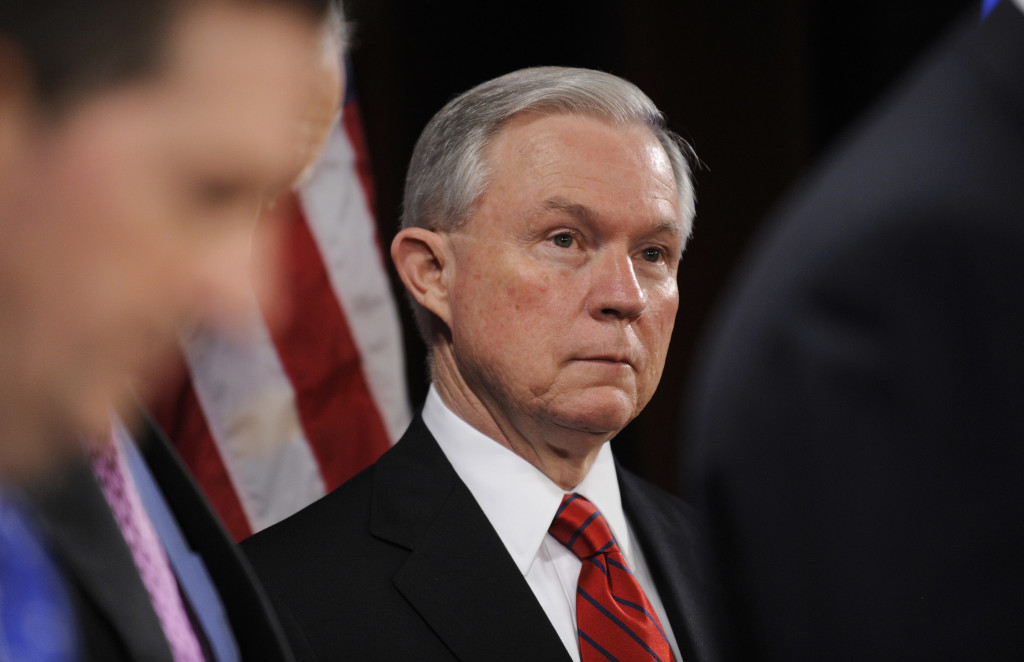
After two days, Sen. Jeff Sessions‘ confirmation hearing to be the next attorney general has ended. At roughly 2:00 p.m. ET on Wednesday Sen. Chuck Grassley dropped the final gavel in the Senate Judiciary Committee, putting an end to the committee’s probing questions and testimonies. The vote to confirm Sessions will take place after Donald Trump is inaugurated next week.
High court may put more bite into law for disabled students

The Supreme Court on Wednesday seemed willing to put more bite into a law that requires public schools to help learning-disabled students. Most of the justices indicated during arguments that school districts must offer more than the bare minimum of services to children with special needs. But they struggled over how to clarify the law without inviting even more litigation between frustrated parents and cash-strapped schools. The court is considering an appeal from the parents of an autistic teen in Colorado who say their public school did not go far enough in helping their son. They want to be reimbursed for the cost of sending him to private school. The case could have major implications for millions of disabled students who rely on schools to make special arrangements. School districts warn that imposing higher standards will be too costly and encourage parents to make unrealistic demands. “If we suddenly adopt a new standard, all over the country, we’ll have judges and lawyers and people interpreting it differently,” Justice Stephen Breyer said. The debate centers on the Individuals with Disabilities Education Act, a federal law that requires a “free and appropriate public education” for disabled students. The Supreme Court last considered the issue in a 1982 case that said the law requires schools to come up with a plan that gives the student “some educational benefit.” But lower courts have disagreed over exactly what that phrase means and how far a school must go. Some courts say it can be anything greater than a trivial effort, while others have required schools to do more. Advocacy groups say the confusion has left wide disparities among states in the level of educational benefits that schools offer to children with special needs. Chief Justice John Roberts told Neal Katyal, representing the Douglas County School District near Denver, that the standard seems to require more than just a minimum effort from schools. “It says ‘some benefit,’ but you’re reading it as saying ‘some’ benefit and the other side is reading it as saying some ‘benefit,’” Roberts said, to laughter, as he switched his emphasis on the words. In the case before the court, the boy known only as Endrew F. attended public school outside Denver from kindergarten through fourth grades, where he received specialized instruction to deal with learning and behavioral issues. In 2010, Endrew’s parents decided to send him to private school after saying they were frustrated by his lack of progress. They want to be reimbursed for his tuition – about $70,000 a year – because they claim public school officials didn’t do enough to comply with the law. The Colorado Department of Education denied their claim, saying the school district had satisfied its obligations under the law. The federal appeals court in Denver upheld that decision, ruling that the school district met its duty to provide more than a “de minimus” effort. The family’s attorney, Jeffrey Fisher, argued that the law requires more than “just-above-trivial” benefits. Most of the justices seemed to agree and spent much of the session trying out different words that would convey the right message to lower courts. Fisher urged the justices to make clear it requires benefits designed “to provide substantially equal educational opportunities.” But Breyer and Justice Elena Kagan said they had problems with the word “equal” since the law focuses on what’s best for individual students. Fisher then suggested schools at least had to offer the kind of support that allows a disabled child to progress from grade to grade. Justice Department lawyer Irv Gornstein, arguing in support of the parents, said the schools’ obligation should be described as making “significant progress towards grade-level standards.” Breyer wondered about adding “significant and appropriate.” Gornstein said he had no problem with that formulation. Justice Samuel Alito later said he was frustrated by the “blizzard of words” that could mean anything when read literally. “What everybody seems to be looking for is the word that has just the right nuance to express this thought,” Alito said. Katyal, the school districts’ lawyer, suggested the high court didn’t need to clarify anything because the current standard “had bite” in the lower courts. But Kagan strongly disagreed. “If somebody said to you, write a standard with bite, I doubt you would come up with the words “more than merely de minimis,” she said. A ruling is expected by the end of June. Republish with permission of The Associated Press.
Official: Donald Trump briefed on potentially compromising report
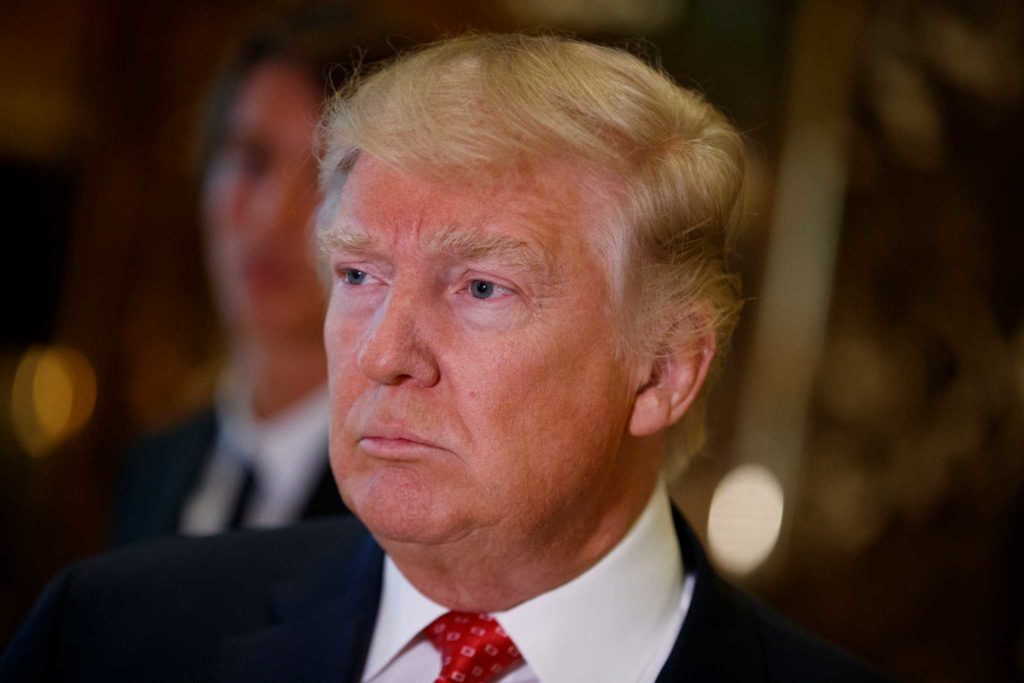
Top intelligence officials last week told President-elect Donald Trump about an unsubstantiated report that Russia had compromising personal and financial information about him, a U.S. official says. The briefing about the document was first reported by CNN. A summary of the allegations was separate from a classified assessment of Russia’s suspected attempts to meddle in the U.S. presidential election. Trump and President Barack Obama were briefed on the intelligence community’s findings last week. Shortly after news reports were published about the briefing, Trump tweeted: “FAKE NEWS – A TOTAL POLITICAL WITCH HUNT!” And in Moscow, a spokesman for President Vladimir Putin denied the report. Spokesman Dmitry Peskov on Wednesday dismissed it as a “complete fabrication and utter nonsense.” He insisted that the Kremlin “does not engage in collecting compromising material.” A U.S. official told The Associated Press on Tuesday that intelligence officials had informed Trump about an unsubstantiated report that Russia had compromising personal and financial information about him. Trump was holding a previously scheduled news conference Wednesday to discuss his future plans regarding his role with the Trump Organization. The official who discussed the briefing by intelligence figures spoke on condition of anonymity because the official was not allowed to publicly discuss the matter. The unsubstantiated dossier on Trump was compiled by a former Western intelligence operative as part of an opposition research project originally financed by a Republican client who opposed Trump, and later funded by Democrats, according to Mother Jones, which published an article about the report in October and said the operative had turned over the report to the FBI. The New York Times reported the operative had previously worked for British intelligence. The Associated Press has not been able to substantiate the information in the dossier, which misspelled the name of Russia’s largest bank. The dossier contains unproven information about close coordination between Trump’s inner circle and Russians about hacking into Democratic accounts as well as unproven claims about unusual sexual activities by Trump among other suggestions attributed to anonymous sources. The Associated Press has not authenticated any of the claims. It’s unclear why the intelligence officials decided to brief the president and Trump on the uncorroborated information at this time, but lawmakers and others have repeatedly noted that Russia collects intelligence on both Democrats and Republicans. “The Russians also hacked systems associated with the Republicans. They just chose not to release that material yet,” Sen. Mark Warner of Virginia, the ranking Democrat on the Senate intelligence committee, said Tuesday. “There’s nothing that prevents them from doing so at a time of their choosing in the future.” Trump adviser Kellyanne Conway said in an interview Tuesday on NBC’s “Late Night with Seth Meyers” that “nobody has sourced it. They’re all unnamed, unspoken sources in the story.” She said it may have originated with a Russian investigator or groups that wanted Hillary Clinton to win the White House. The report had been circulating in Washington for months. In October, former Senate Minority Leader Harry Reid wrote the FBI asking the bureau to publicly disclose what it knew about the Trump campaign’s ties to Russia. Reid was aware of the dossier before he wrote the letter, according to a person knowledgeable about the subject who spoke on condition of anonymity because this person was not authorized to speak publicly about the matter. FBI Director James Comey refused earlier Tuesday to say whether the FBI was investigating any possible ties between Russia and Trump’s presidential campaign, citing policy not to comment on what the FBI might or might not be doing. Comey was pressed by Democrats on the committee about whether the FBI was conducting an investigation. There was no mention during the hearing about the summary of the dossier, which was attached to the classified hacking assessment. “I would never comment on investigations – whether we have one or not – in an open forum like this so I can’t answer one way or another,” Comey told the panel during his first public appearance before Congress since the election. In late October, Comey angered Democrats when he announced 11 days before the election that the FBI was looking at more emails as part of its investigation of Hillary Clinton. Oregon Democratic Sen. Ron Wyden said the American people had a right to know about whether there is an FBI investigation into the Trump campaign’s ties with Russia. An active FBI investigation of the next president for ties between his campaign and a nation accused of meddling in the presidential election could further stoke mistrust in the legitimacy of the democratic process. It could also put Trump’s own FBI in the awkward position of examining the conduct of those closest to the commander in chief. The FBI was among three U.S. intelligence agencies that collaborated on last week’s report on Russia’s election activity. It tied Russian President Vladimir Putin to the hacking of email accounts of the Democratic National Committee and individual Democrats like Clinton campaign chairman John Podesta. It said there was no evidence the Russians tampered with vote tallies; the agencies said they couldn’t assess if Russia succeeded in influencing Americans to vote for Trump. Sen. Marco Rubio, R-Fla., who opposed Trump in the GOP primary, said Russia’s activity wasn’t guided by its support for Trump, but rather “to influence and to potentially manipulate American public opinion for the purpose of discrediting individual political figures, sowing chaos and division in our politics, sowing doubts about the legitimacy of our elections.” Democrats at the committee hearing focused their toughest questions on Comey, who was widely criticized for breaking FBI policy in his decision to notify Congress about additional information that came up related to Clinton. He is in the fourth year of a 10-year term, meaning he is expected to stay on in the Trump administration. Republish with permission of The Associated Press.
Regulators: gasoline pipe leak didn’t reach Tennessee River

Tennessee environmental officials say the gasoline that leaked from a pipeline in Chattanooga has not reached the nearby Tennessee River. On Tuesday, Tennessee Department of Environment & Conservation spokesman Eric Ward also said that the gasoline supply in Nashville, which the Colonial Pipeline feeds, is near capacity. Colonial Pipeline spokesman Steve Baker says the Chattanooga Fire Department was notified of a gasoline smell near its pipeline Saturday. The company found a sheen on Shoal Creek, which feeds into the Tennessee River. Baker says the gasoline line remained shut down Tuesday as the company narrowed the suspected leak site to a small pipe section that includes the creek. A protective boom was placed on the creek. The company initially estimated 630 gallons of gasoline spilled. Baker said it was likely less. Republish with permission of The Associated Press.
Donald Trump’s pick for top diplomat calls Russia a ‘danger’
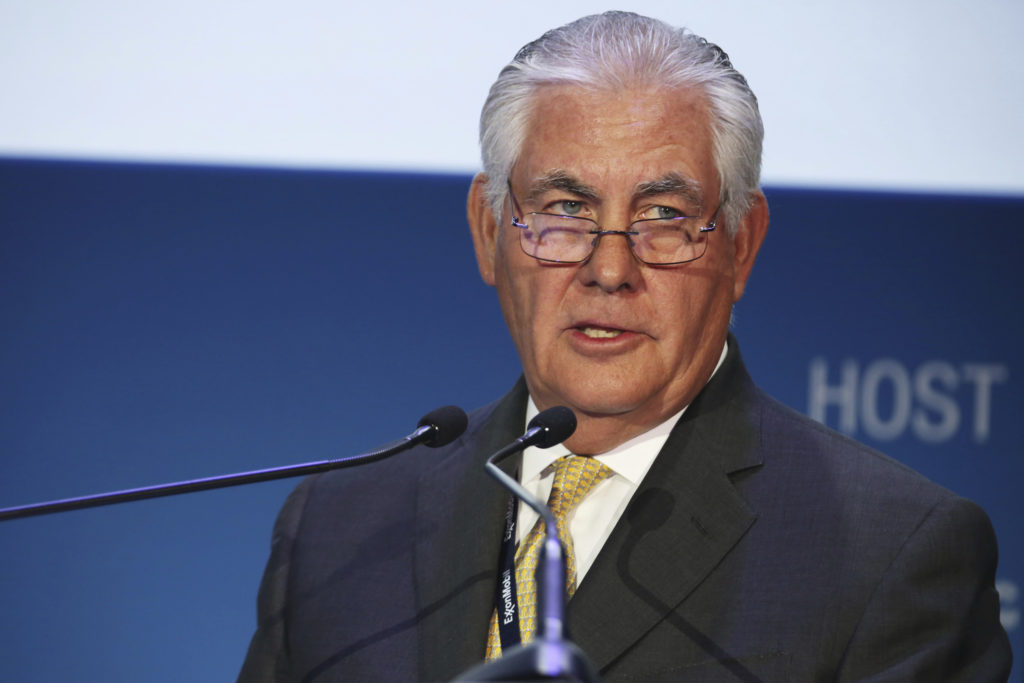
Arguing America must reassert its interests, President-elect Donald Trump‘s pick for secretary of state, Exxon Mobil CEO Rex Tillerson, tried on Wednesday to allay concerns that a Trump administration will pull back from the world or ignore threats from rivals. He said Russia poses a “danger” to the nation. A friend of the Kremlin and foe of sanctions in his corporate life, Tillerson told the Senate Foreign Relations Committee that he would help usher in a new era of U.S. leadership on the global stage as America’s top diplomat. Unlike Trump, who has played down the allegations of Russian malfeasance in the presidential campaign, Tilllerson said recent Russian actions “disregarded American interests” and alarmed U.S. allies, even if cooperation between Washington and Moscow remained desirable on a range of issues. He also took aim at the outgoing Obama administration for failing to live up to “good intentions,” withdrawing from critical areas and sending mixed signals to both friends and adversaries. “China has emerged as an economic power in global trade, and our interactions have been both friendly and adversarial,” he said in remarks prepared for his hearing. “While Russia seeks respect and relevance on the global stage, its recent activities have disregarded American interests. Radical Islam is not a new ideology, but it is hateful, deadly, and an illegitimate expression of the Islamic faith. Adversaries like Iran and North Korea pose grave threats to the world because of their refusal to conform to international norms.” Despite Tillerson’s broad assessment of threats, Russia was sure to be foremost on senators’ minds. Several lawmakers have spoken about scrutinizing his and Exxon’s two-decade relationship with Russian President Vladimir Putin and others in Moscow. The claims by U.S. intelligence agencies of Russian hacking in the election, and an unsubstantiated account that Russia had assembled a dossier with salacious charges against Trump, were only likely to reinforce those concerns. Tillerson, who has a two-decade relationship with Putin and received from him the Order of Friendship in 2013, said the former Cold War adversary “poses a danger” that must be taken seriously. “We must also be clear-eyed about our relationship with Russia,” Tillerson said in his opening comments. “Russia today poses a danger, but it is not unpredictable in advancing its own interests. It has invaded Ukraine, including the taking of Crimea, and supported Syrian forces that brutally violate the laws of war. Our NATO allies are right to be alarmed at a resurgent Russia.” The oil man represents a break in a longstanding tradition of secretaries of state with extensive military, legislative, political or diplomatic experience. Yet his supporters, including former Secretary of State Condoleezza Rice and Defense Secretary Robert Gates, point to Tillerson’s lengthy career as a senior executive in a mammoth multinational company as proof he has the management and negotiating skills to succeed in the State Department’s top post, particularly with tough rivals. Defenders such as Sen. Ted Cruz, R-Texas, and arms control expert and former Sen. Sam Nunn, D-Ga., said his understanding of Russia is a benefit. The Democratic National Committee argued otherwise Wednesday. “We need a secretary of state willing to stand up to Russia,” senior adviser Zac Petkanas said. One area in which Trump has called for cooperation with Russia is in counterterrorism. Tillerson said the Obama administration’s counterterrorism approach was unrealistic. “We need to be honest about radical Islam,” he said. “It is with good reason that our fellow citizens have a growing concern about radical Islam and murderous acts committed in its name against Americans and our friends.” In the Asia-Pacific region, Tillerson pointed to North Korea’s nuclear and missile programs as urgent threats and said that China’s “illegal taking of disputed areas” in the South China Sea must be acknowledged and confronted. Democrats and even some traditional GOP hawks were expected to zero in on Exxon and its subsidiaries’ activities in Iran and Iraq as well as Tillerson’s environmental views and suspicions his focus will be driven by corporate interests, not the nation’s. As chief of Exxon, Tillerson opposed sanctions championed by both Democrats and Republicans on Russia imposed after its annexation of Ukraine’s Crimean Peninsula in 2014. Exxon ended up losing hundreds of millions of dollars as a result of the economic restrictions. The severity of any challenge to Tillerson’s nomination is unclear. Already, some leading Democrats who met privately with him have voiced relief at his views, notably on Russia, climate change and trade, even if they appear not to mesh with those of the president-elect. Republish with permission of The Associated Press.
Elaine Chao: Unleash private investors to boost transportation

The Trump administration is looking to “unleash the potential” of private investors to boost the national transportation networks that underpin the U.S. economy, transportation secretary-designate Elaine Chao plans to tell lawmakers at her confirmation hearing Wednesday. Economic gains are being jeopardized by infrastructure “in need of repair, the specter of rising highway fatalities, growing congestion, and by a failure to keep pace with emerging technologies,” according to prepared testimony Chao plans to deliver to the Senate Commerce, Science and Transportation Committee. Chao, 63, is expected to be easily confirmed by the Senate. She was labor secretary during George W. Bush’s administration, and deputy transportation secretary under President George H.W. Bush, making her better known than some nominees. She is also the wife of Senate Majority Leader Mitch McConnell, and many senators have a personal relationship with her. But she hasn’t been immune from criticism. Unions say that as labor secretary she mostly sided with industry when enforcing labor and safety rules. In her testimony, Chao advocates using “innovative financing tools” that can “take full advantage of the estimated trillions in capital that equity firms, pension funds and endowments can invest.” She says private investment should be “incentivized with a bold, new vision.” She doesn’t detail those incentives, but a paper written by two economic advisers to President-elect Donald Trump recommends providing $137 billion in tax credits to infrastructure investors. His advisers predict that will generate about $1 trillion in investment over 10 years. But transportation experts note that investors are interested only in transportation projects that produce revenue, like toll roads, and there are relatively few large projects like that. They say states need help with a growing backlog of maintenance and repair projects for aging highways, bridges and transit systems. Providing tax incentives also runs the risk of providing a windfall to investors for projects that would have been built anyway. Trump repeatedly promised during the campaign to spend $1 trillion on roads, bridges, railways, airports and other types of infrastructure. It’s one of the principal ways he said he would create jobs. But he has said little about this since the election. Republican congressional leaders have said they’ll wait to see what Trump proposes before tackling an infrastructure bill. Trump has said he expects to be occupied early in his administration with cutting taxes and repealing President Barack Obama‘s health care overhaul. Infrastructure isn’t expected to be dealt with until late spring. As transportation secretary, Chao would be responsible for regulating auto, truck, train, transit, pipeline and aviation safety. The department frequently faces pressure from industry to relax safety rules and block new ones. Chao, who has been a fellow at conservative think tank, is likely to lend a sympathetic ear to industry pleas for less regulation. Republish with permission of The Associated Press.
Cannabis industry reacts to Jeff Sessions’ confirmation hearing

Under U.S. law, marijuana possession and distribution remains illegal, but even after Attorney General-nominee Sen. Jeff Sessions‘ first the day of Senate confirmation hearings some still question how the senator would enforce that law if confirmed. Vermont-Democrat Sen. Patrick Leahy pressed Sessions about the conflict between federal and state marijuana laws, as some 65 million Americans now live in states that authorize adult recreational use. “I believe your own state of Alabama permits the use of a derivative of marijuana known as CBD oil, legal in Alabama, illegal under federal law,” said Leahy. “If you are confirmed as the nation’s chief law enforcement official, and you know that we have very, very limited federal resources — in fact, we spend about a third of our budget now just to keep the prisons open because of mandatory minimums and whatnot — would you use our federal resources to investigate and prosecute sick people who are using marijuana in accordance with their state laws, even though it might violate federal law?” “I won’t commit to never enforcing federal law,” said Sessions. “But, absolutely, it’s a problem of resources for the federal government. In response to Republican Sen. Mike Lee from Utah, Sessions added, “It’s not so much the attorney general’s job to decide what laws to enforce. We should do our job and enforce laws effectively as we’re able.” Sessions’ remarks garnered mixed reviews among marijuana legalization proponents, among them Nate Bradley, Executive Director of the California Cannabis Industry Association (CCIA) “Despite Session’s comments about enforcing federal laws, we expect the Trump Administration will make good on its commitment to states’ rights,” Bradley said. “Just this morning, when asked about medical cannabis, the administration’s Press Secretary reaffirmed that Trump’s entire cabinet, including Sessions, will be “implementing a Trump agenda,” and that Senator Sessions is “well aware of that.” Isaac Dietrich, CEO of MassRoots, worried about Sessions’ stance from another angle — jobs. ”If Senator Sessions goes after the regulated cannabis industry, he will destroy tens of thousands of jobs, shut down hundreds of small businesses and take away millions of dollars from our schools,” Dietrich explained. “Hopefully the Trump Administration supports states’ rights on cannabis legalization, despite Senator Sessions’ personal views.” Erik Altieri, the executive director of the National Organization for the Reform of Marijuana Laws (NORML) believes, Sessions’ comments were troubling. “After finally being put on the spot and questioned on the issue, we are no closer to clarity in regards to Sessions’ plans for how to treat state marijuana laws than we were yesterday,” Altieri said in a statement. “If anything, his comments are a cause for concern and can be interpreted as leaving the door open for enforcing federal law in legalized states. If Sessions wants to be an attorney general for all Americans, he must bring his views in line with the majority of the population and support allowing states to set their own marijuana policies without fear of federal intervention.”
ICYMI: Text of Barack Obama’s farewell speech as prepared for delivery

The text of President Barack Obama‘s farewell speech Tuesday night in Chicago, as prepared for delivery. — It’s good to be home. My fellow Americans, Michelle and I have been so touched by all the well-wishes we’ve received over the past few weeks. But tonight it’s my turn to say thanks. Whether we’ve seen eye-to-eye or rarely agreed at all, my conversations with you, the American people – in living rooms and schools; at farms and on factory floors; at diners and on distant outposts – are what have kept me honest, kept me inspired, and kept me going. Every day, I learned from you. You made me a better President, and you made me a better man. I first came to Chicago when I was in my early twenties, still trying to figure out who I was; still searching for a purpose to my life. It was in neighborhoods not far from here where I began working with church groups in the shadows of closed steel mills. It was on these streets where I witnessed the power of faith, and the quiet dignity of working people in the face of struggle and loss. This is where I learned that change only happens when ordinary people get involved, get engaged, and come together to demand it. After eight years as your President, I still believe that. And it’s not just my belief. It’s the beating heart of our American idea – our bold experiment in self-government. It’s the conviction that we are all created equal, endowed by our Creator with certain unalienable rights, among them life, liberty, and the pursuit of happiness. It’s the insistence that these rights, while self-evident, have never been self-executing; that We, the People, through the instrument of our democracy, can form a more perfect union. This is the great gift our Founders gave us. The freedom to chase our individual dreams through our sweat, toil, and imagination – and the imperative to strive together as well, to achieve a greater good. For 240 years, our nation’s call to citizenship has given work and purpose to each new generation. It’s what led patriots to choose republic over tyranny, pioneers to trek west, slaves to brave that makeshift railroad to freedom. It’s what pulled immigrants and refugees across oceans and the Rio Grande, pushed women to reach for the ballot, powered workers to organize. It’s why GIs gave their lives at Omaha Beach and Iwo Jima; Iraq and Afghanistan – and why men and women from Selma to Stonewall were prepared to give theirs as well. So that’s what we mean when we say America is exceptional. Not that our nation has been flawless from the start, but that we have shown the capacity to change, and make life better for those who follow. Yes, our progress has been uneven. The work of democracy has always been hard, contentious and sometimes bloody. For every two steps forward, it often feels we take one step back. But the long sweep of America has been defined by forward motion, a constant widening of our founding creed to embrace all, and not just some. If I had told you eight years ago that America would reverse a great recession, reboot our auto industry, and unleash the longest stretch of job creation in our history . if I had told you that we would open up a new chapter with the Cuban people, shut down Iran’s nuclear weapons program without firing a shot, and take out the mastermind of 9/11 . if I had told you that we would win marriage equality, and secure the right to health insurance for another 20 million of our fellow citizens – you might have said our sights were set a little too high. But that’s what we did. That’s what you did. You were the change. You answered people’s hopes, and because of you, by almost every measure, America is a better, stronger place than it was when we started. In ten days, the world will witness a hallmark of our democracy: the peaceful transfer of power from one freely-elected president to the next. I committed to President-Elect Trump that my administration would ensure the smoothest possible transition, just as President Bush did for me. Because it’s up to all of us to make sure our government can help us meet the many challenges we still face. We have what we need to do so. After all, we remain the wealthiest, most powerful, and most respected nation on Earth. Our youth and drive, our diversity and openness, our boundless capacity for risk and reinvention mean that the future should be ours. But that potential will be realized only if our democracy works. Only if our politics reflects the decency of the people. Only if all of us, regardless of our party affiliation or particular interest, help restore the sense of common purpose that we so badly need right now. That’s what I want to focus on tonight – the state of our democracy. Understand, democracy does not require uniformity. Our founders quarreled and compromised, and expected us to do the same. But they knew that democracy does require a basic sense of solidarity – the idea that for all our outward differences, we are all in this together; that we rise or fall as one. There have been moments throughout our history that threatened to rupture that solidarity. The beginning of this century has been one of those times. A shrinking world, growing inequality; demographic change and the specter of terrorism – these forces haven’t just tested our security and prosperity, but our democracy as well. And how we meet these challenges to our democracy will determine our ability to educate our kids, and create good jobs, and protect our homeland. In other words, it will determine our future. Our democracy won’t work without a sense that everyone has economic opportunity. Today, the economy is growing again; wages, incomes, home values, and retirement
Watch live: Senate hearing for attorney general nominee Jeff Sessions day 2
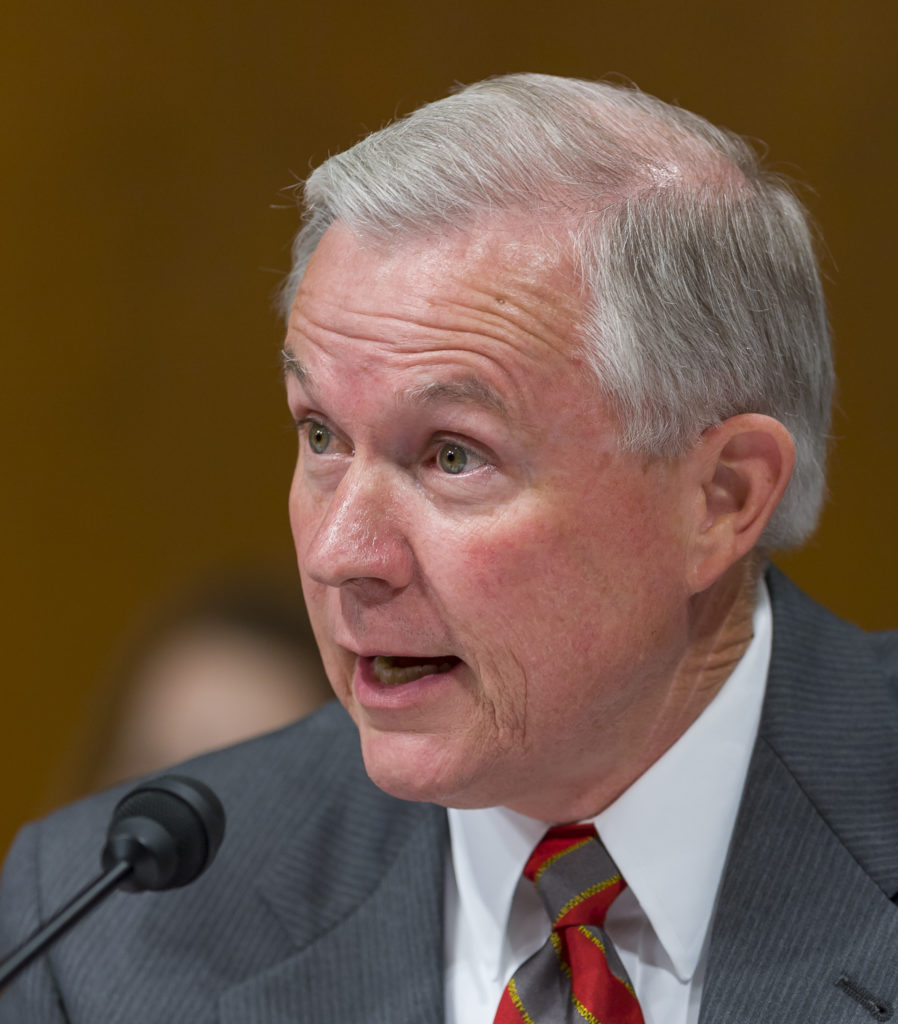
The Senate Judiciary Committee hosts a second day of hearings considering Alabama Sen. Jeff Sessions‘ nomination as President-elect Donald Trump‘s attorney general on Wednesday. Sessions answered questions for over 10 hours on Tuesday, where he avoided any missteps, in hopes of convincing his colleagues he’s worthy of becoming the country’s next AG. On Wednesday, Sessions will yield to witnesses that will testify on his behalf regarding his character, his record and his approach to the law. Democrats will also put forth witnesses in hopes of building a case against the Senator. The hearing is scheduled to begin at 9:30 a.m. ET. Watch the proceedings live here.
Black lawmakers to speak out against Jeff Sessions in hearing
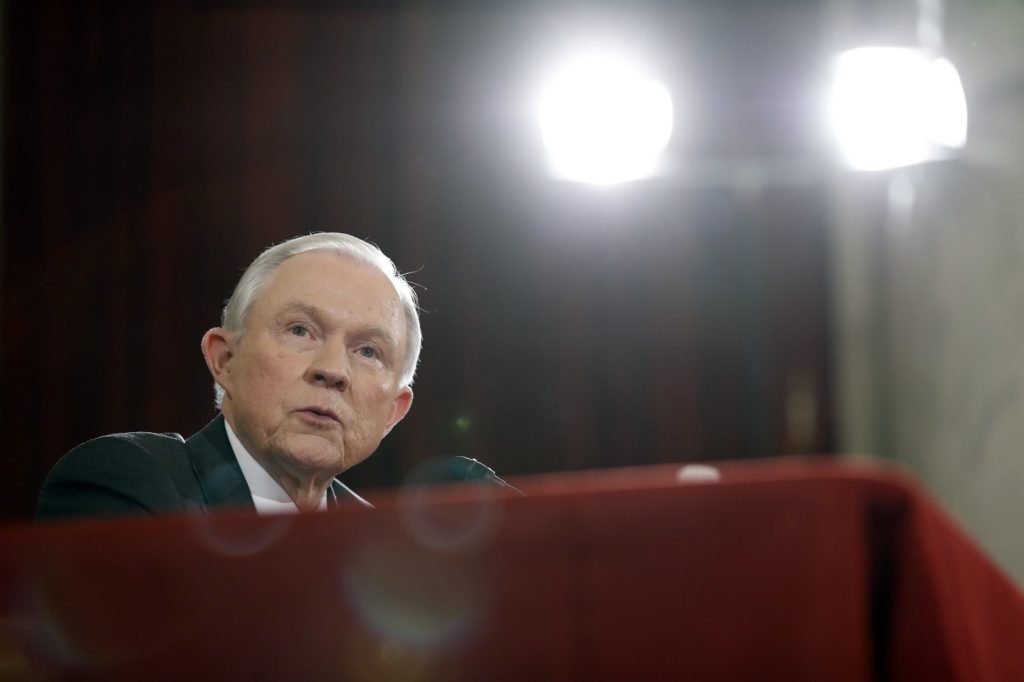
Donald Trump‘s pick for attorney general, Sen. Jeff Sessions, used strong words in the first day of his Senate confirmation hearings to deny any hints of a racist past. On day two, a group of black lawmakers will speak out against his nomination — including New Jersey Democrat Cory Booker, who will take the rare step of testifying against a current Senate colleague. Booker’s testimony underscores Democratic unease with the Alabama Republican, who was rejected for a federal judgeship by the Senate Judiciary Committee three decades ago amid accusations of racial impropriety. Sessions on Tuesday called those accusations “damnably false,” denying that he had ever called the NAACP “un-American” and saying he had never harbored racial hostility. He said the allegations – which included that he had referred to a black attorney in his office as “boy” – are part of a false caricature. “It wasn’t accurate then,” Sessions said. “It isn’t accurate now.” Sessions has solid support from the Senate’s Republican majority and from some Democrats in conservative-leaning states, and is expected to easily win confirmation. Still, he faces a challenge persuading skeptical Democrats that he’ll be fair and committed to civil rights, a chief priority of the Justice Department during the Obama administration, as the country’s top law enforcement official. Republicans on the panel defended Sessions, with Texas Sen. Ted Cruz describing how Sessions helped secure convictions in a 1981 murder of a black teenager when he was a federal prosecutor. Two Ku Klux Klan members, Henry Hays and James Knowles, were arrested and convicted. “I know we need to do better, we can never go back,” Sessions said. “I am totally committed to maintaining the freedom and equality that this country has to provide to every citizen, I can assure you.” Booker calls his opposition “a call to conscience” and said he didn’t make the decision to speak at the hearing lightly. “The attorney general is responsible for ensuring the fair administration of justice, and based on his record, I lack confidence that Senator Sessions can honor this duty,” Booker said. Senate officials searched and could find no other case in the country’s history when a sitting senator testified against a colleague picked for a Cabinet post. Civil rights icon Rep. John Lewis, a Georgia Democrat, is also expected to testify against Sessions. Congressional Black Caucus Chairman Rep. Cedric Richmond, a Democrat from Louisiana, also will be appearing, as will David Cole, the legal director of the American Civil Liberties Union. Sessions also will have advocates in the hearing room Wednesday, including former Attorney General Michael Mukasey. As Sessions was questioned Tuesday, protesters repeatedly interrupted the proceedings. Some loudly called Sessions a racist, and two were dressed as members of the Klu Klux Klan. They were quickly hustled out by police. In his testimony, Sessions laid out a sharply conservative vision for the Justice Department he would oversee, pledging to crack down on illegal immigration, gun violence and the “scourge of radical Islamic terrorism.” He vowed to stay independent from the White House and stand up to Trump when necessary. He also distanced himself from some of Trump’s public pronouncements. Sessions said waterboarding, a now-banned interrogation technique for which Trump has at times expressed support, was “absolutely improper and illegal.” Though he said he would prosecute immigrants who repeatedly enter the country illegally and criticized as constitutionally “questionable” an executive action by President Barack Obama that shielded certain immigrants from deportation, he said he did “not support the idea that Muslims, as a religious group, should be denied admission to the United States.” Trump earlier in his campaign called for a temporary total ban on Muslims entering his country but has more recently proposed “extreme vetting.” And Sessions asserted that he could confront Trump if needed, saying an attorney general must be prepared to resign if asked to do something “unlawful or unconstitutional.” He also promised to recuse himself from any investigation there might be into Democrat Hillary Clinton, whom he had criticized during the presidential campaign. Trump said during the campaign he would name a special prosecutor to look into Clinton’s use of a private email server, but he has since backed away. The FBI and Justice Department declined to bring charges last year. Sessions was first elected to the Senate in 1996 and before that served as Alabama attorney general and a U.S. attorney. He’s been a reliably conservative voice in Congress, supporting government surveillance programs, objecting to the proposed closure of the Guantanamo Bay detention facility – a sharp departure from Obama’s Justice Department – and opposing a 2013 bipartisan immigration bill that included a pathway to citizenship for the estimated 11 million immigrants living in the U.S. illegally. Republish with permission of The Associated Press.
Steve Flowers: Alabama will do just fine under Donald Trump
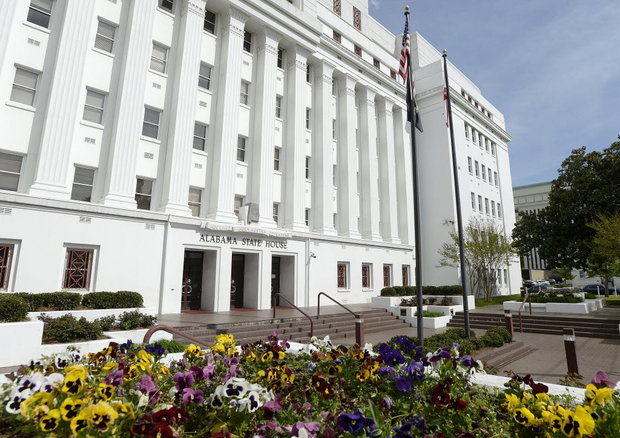
Alabama is going to fare wall under President Donald Trump. There is an old adage that says, “Those that bake the pie get to eat it.” We truly baked the pie for Trump. We overwhelmingly supported him in the GOP primary and helped him secure the nomination. We then gave him one of the largest mandates in the nation in the November General Election. Trump is indeed returning the favor. He has named our own Jeff Sessions Attorney General. His confirmation hearings begin this week. In addition, speculation is that Alabama’s Bill Pryor is on a very short list to be named to the U.S. Supreme Court by Trump to fill the vacancy on the Court of the late Antonin Scalia. Pryor is a former Alabama Attorney General, who currently sits on the 11th Circuit Court of Appeals in Atlanta. Pryor is only 54. He served as Alabama Attorney General from 1997-2004. He was the youngest state attorney general in the country at that time. He was appointed to the federal bench in 2005 by President George W. Bush. During his 11 years on the federal bench he has rendered a sterling conservative record. Pryor and Sessions have amazingly similar backgrounds. Both call Mobile their native home. Both were Attorney General of Alabama. Both have impeccable arch-conservative philosophies and pedigrees. They are kindred spirits and good friends. That is probably why Pryor is on Trump’s short list for the High Court. Most of the frontrunners to win the open Sessions Senate seat have avoided Bentley’s appointment. So how is the race shaking out to fill the Sessions’ seat? The frontrunner out of the gate is Attorney General Luther Strange. Big Luther has run three successful statewide races and is sitting on over 50 percent statewide name recognition. Furthermore, he is dedicated to running and has been for 20 years. He spent the first 20 years of his professional career lobbying in Washington for Sonat. He came home 20 years ago to run for a secondary statewide office and lay the groundwork to get back to Washington as a U.S. Senator. He has been biding his time for his buddies Sessions and Shelby to retire or move on. When Sessions’ appointment became imminent, Big Luther hit the ground running and has been raising money for 2018 for two months. The other statewide elected officials will probably not join the 2018 Senate fray. Secretary of State John Merrill has a good future. He is 53 and will probably run for re-election or maybe Lieutenant Governor. PSC President Twinkle Cavanaugh will probably run for Lieutenant Governor or maybe Governor. It is uncertain what State Treasurer Young Boozer will do. However, his tentativeness has probably left him out of the Senate race. Agriculture Commissioner John McMillan is running for Governor. State Auditor Jim Ziegler will run for Governor, Attorney General or re-election. Roy Moore is the favorite to win the 2018 Governor’s Race. Congressman Robert Aderholt would be the best qualified to run and succeed Sessions. He and Sessions went to Washington together 20 years ago. However, his 20 years of seniority in the House has placed him in a powerful congressional leadership position. He is poised to be Chairman of the U.S. House Appropriations Committee. His move to being a freshman Senator would be a lateral move. Alabama and his district would be best served by his staying in the House. Mobile and Baldwin County folks believe that they deserve the Senate seat since Sessions is a Mobilian. There are three potential candidates from the Port City/Gulf Coast Region. Former Congressman Jo Bonner is not going to run. Current Congressman Bradley Byrne would have the best chance to win among all the potential Mobile candidates. He was almost elected Governor. However, Byrne is probably not going to leave his safe congressional seat. He likes it and is good at it. State Senator Trip Pittman from Baldwin County is in the race and is running hard. If he continues to be the only major horse from that area in the race and it becomes a crowded field, he may be in a runoff. Speaking of regionalism, look at a horse from Huntsville to enter the race. If there is one primary candidate from the Tennessee Valley they will be a player. Huntsville Mayor Tommy Battle may pivot and move from the Governor’s race to the Senate. Folks in that area have always been more interested in national politics than state politics because of the Redstone Arsenal. State Senate President Pro Tem Del Marsh of Anniston seems very interested in this open U.S. Senate seat. He has sought the Bentley appointment. However, being a powerful State Senator does not translate into statewide name identification. See you next week. ___ Steve Flowers is Alabama’s leading political columnist. His weekly column appears in over 60 Alabama newspapers. He served 16 years in the state Legislature. Steve may be reached at www.steveflowers.us.
