
After delay, RNC finally gives OK to funding for Alabama special election
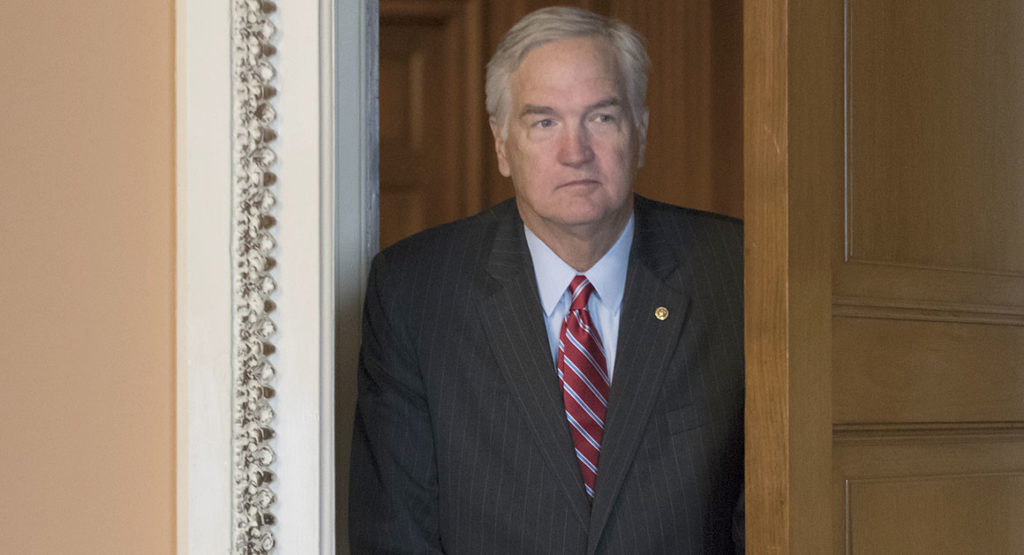
The Republican National Committee has approved funding for the Alabama special election, likely to support incumbent U.S. Sen. Luther Strange. As reported by POLITICO’s Alex Isenstadt, the long-delayed has recently become “a point of contention between Senate Republicans and the White House,” over Attorney General Jeff Sessions’ old seat. Much of the problem seems to rest with the convoluted campaign finance rules which Isenstadt describes as “weeks of closed-door talks, inflamed tensions between Senate GOP leaders and the administration and touched on a central issue: how the insurgent-minded Trump White House will approach party primaries.” The approval allows the National Republican Senatorial Committee to spend more than $350,000 on the race to benefit Strange, facing a crowded 10-person field for the Aug. 15 Republican primary, which includes U.S. Rep. Mo Brooks and former Alabama Supreme Court Chief Justice Roy Moore. A primary runoff, if necessary, will be Sept. 26; the general election is Dec. 12. Among those backing Strange are Senate Majority Leader Mitch McConnell, through two McConnell-aligned groups — the NRSC and Senate Leadership Fund. For the past few weeks, McConnell has lobbied to get RNC to approve the cash infusion, but foot dragging so frustrated the majority leader that he appealed directly to former RNC chair and current White House chief of staff Reince Priebus. Strange also talked personally with President Donald Trump. Isenstadt writes that some close to McConnell thought the holdup could be due to bureaucratic disorganization — or the administration was intentionally staying out of the primary, giving a glimpse into how the White House might handle future political battles.
Alabama donor Stan Pate forms anti-Luther Strange PAC
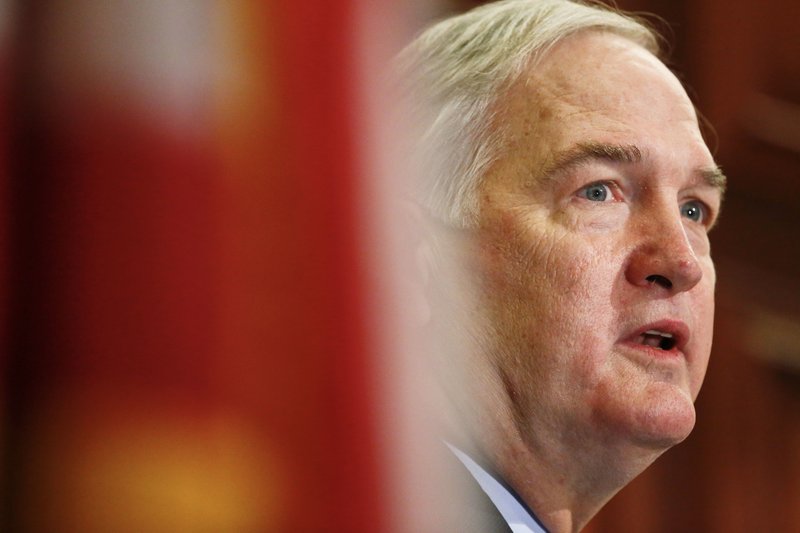
Tuscaloosa-Republican Stan Pate is making it crystal clear: he does not want to see interim U.S. Sen. Luther Strange back in the United States Senate. On Wednesday the outspoken real estate developer registered the Swamp Drainers Foundation, a PAC, that according to Politico, he intends to use against Strange in the coming months. Strange, who from 2011 to February 2017 had served as Alabama’s attorney general until former-Gov. Robert Bentley appointed him to the U.S. Senate, faces his first test of confidence with his constituents when they decide whether or not they want to give him another chance in the Senate in the Aug. 15 GOP primary. If Pate’s PAC has anything to do with it, Strange won’t be headed back to Washington in 2018. Pate’s decision to form the PAC, if anything, should not be surprising. He has long spoken-out against Strange and has a history of putting his money where his mouth is. Over the years, the 52-year-old self-made millionaire has spent millions on political campaigns.
Personnel note: Energy veteran Laura Schepis takes helm at PACE
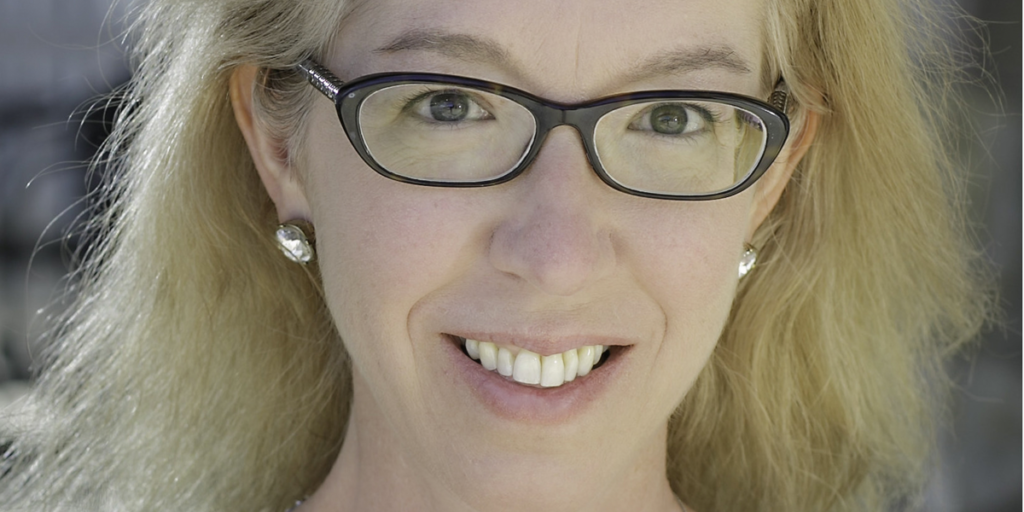
The Alabama-based Partnership for Affordable Clean Energy (PACE) — a coalition of working people, business owners, environmentalists, and trade organizations who are fighting for fair, responsible energy policies — has named energy veteran Laura Schepis as the group’s new Executive Director. Schepis, a government relations and strategic communications expert, will assume leadership of the organization on July 1st. With two decades of experience in energy advocacy on the federal level, she’s quarterbacked federal lobbying efforts on cybersecurity, disaster recovery, and telecommunications and contributed to efforts on many other issues, including transportation appropriations, commodity trading rules, energy efficiency and renewable energy standards. She also designed and led national grassroots and political campaigns for electric utilities on climate change. “We are extraordinarily pleased to have Laura Schepis lead our efforts to promote responsible energy policy and advocate for energy customers,” says PACE Board Chairman Cline Jones. “Laura’s wealth of experience in this area and passion for the cause of affordable, reliable energy will carry on the tradition PACE has built over the past decade.” After practicing law in Georgia, Schepis relocated to Washington, DC, in 2000. There, she worked for the National Association of Development Organizations, the American Public Gas Association, and the American Public Power Association. For three years, Schepis served as Vice President of Political Affairs for the National Rural Electric Cooperatives Association, where she led national messaging and political strategy on priority issues and presidential campaigns, designed and executed NRECA’s first significant presence at national political conventions, and delivered 1.2 million public comments to EPA on the Clean Power Plan. Schepis lives in Virginia with her husband and daughter.
The true cost of Trump’s tweet
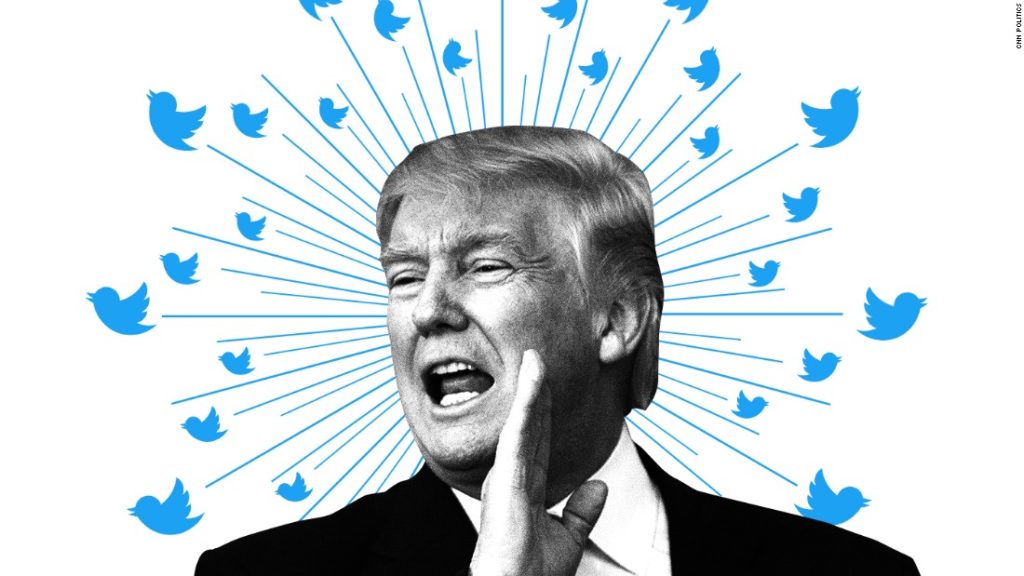
I don’t watch cable television frequently. In fact, I don’t even have it. I have children at home, and I’m sensitive to what they see and hear; so we are cord-cutters, living on a strict diet of G-rated entertainment. There are days, like the day of the shooting at the congressional baseball practice, I find myself hankering for the up-to-the-minute, round-the-clock information provided by cable news. But then, there are days like today. Returning to my hotel yesterday (in Tallahassee, FL), I turned on CNN. There was a panel discussing President Donald Trump’s tweets. After eating dinner, I did a little work, got ready for bed and looked at the muted screen; hours passed and there was a different panel talking about the same subject. It was on every channel. I heard poorly rated @Morning_Joe speaks badly of me (don’t watch anymore). Then how come low I.Q. Crazy Mika, along with Psycho Joe, came. — Donald J. Trump (@realDonaldTrump) June 29, 2017 …to Mar-a-Lago 3 nights in a row around New Year’s Eve, and insisted on joining me. She was bleeding badly from a face-lift. I said no! — Donald J. Trump (@realDonaldTrump) June 29, 2017 As a message from the leader of our nation, Trump’s tweet was out of line. It doesn’t take dozens of experts to debate that fact, yet that’s what was happening all day. How many times (and ways) does this need to be said? “Just because you can doesn’t mean you should,” great advice a mentor once gave me, something I wish Trump would heed. I watched Sarah Huckabee Sanders defend the President’s statement as punching back — “I don’t think it’s a surprise to anybody that he fights fire with fire … As the First Lady has stated publicly in the past, when her husband gets attacked, he will punch back ten times harder.” — and I winced at the task she’d been given. There she stood behind the presidential seal, a reverend place where historically a press secretary would give updates on issues of great importance to our nation and the world, and she defended the indefensible. Unlike so many women I saw weighing in on the tweets, I wasn’t offended by a man going after a woman’s looks. We can’t as women say we are equal in every way but too delicate to handle a man using our looks as a target. Who wouldn’t agree with Sanders that if you can throw a punch, you should be prepared to take one? The issue as I’d explain to my children: If you’re in a situation and “punching back” involves name calling, insulting one’s appearance or a “your momma” joke, you have probably lost the only fight that matters, and that’s the one for your dignity. I doubt Mika Brzezinski lost sleep over Trump’s tweet. What a boon for her brand (and her ratings) that in the midst of running the nation the president took the time to “throw a punch” at her. The loser today wasn’t the President. It was the President’s agenda. They’re an unhelpful and unnecessary diversion from his agenda of helping the American middle class and “making American great again.” No one thinks less of Trump because of his tweets. This wasn’t the most shocking thing he’s tweeted since becoming president. I’d say the James Comey tape tweets still take the cake there. Nevertheless, saying Trump needs to control his message isn’t worth the breath it would take to utter the words because he sees his lack of discipline as a strength. Hopefully, today’s lesson for him was that the opportunity costs of his tweet was higher than the reward. Yes, Trump can punch back, and I’m sure in the moment he hit send he felt a little better. But, no, it’s not worth it.
Democrat wins panel vote to debate new authorization for war
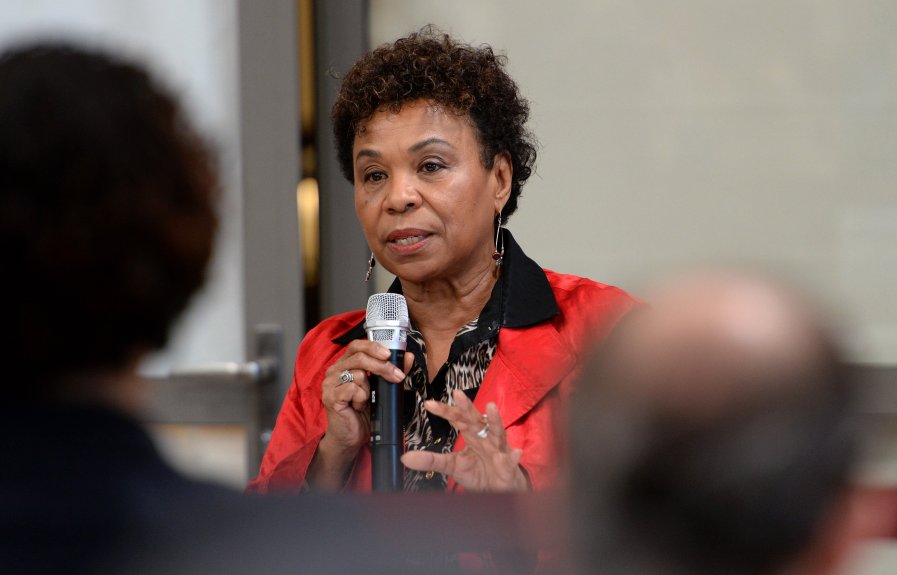
A GOP-controlled House committee unexpectedly agreed Thursday to a proposal by a strongly anti-war Democrat to force a debate on a new war authorization. The proposal would cut off the sweeping 2001 authorization to use military force against terrorism. The move by California Democrat Barbara Lee unexpectedly won voice vote approval by the House Appropriations Committee as it debated a Pentagon funding bill. Lee wants to force a debate on a new war authorization, and some Republicans agree that debate is a good idea. A surprised Lee took to Twitter to claim victory. “Whoa. My amdt to sunset 2001 AUMF was adopted,” Lee tweeted, using Washington code for authorization of military force. “GOP & Dems agree: a floor debate & vote on endless war is long overdue.” Lee’s amendment would repeal the 2001 law – which has been broadly interpreted to permit military operations beyond those contemplated at the time – 240 days after the bill is enacted, which Lee said in a statement “would allow plenty of time for Congress to finally live up to its constitutional obligation to debate and vote on any new AUMF.” The proposal has a long way to go before becoming law. For starters, it would likely be knocked out of the spending bill on procedural grounds during floor debate since spending bills technically aren’t supposed to carry policy language. The 2001 force authorization was enacted in the days after the Sept. 11 attacks to give the president greater powers to respond. It was very broadly drafted to authorize “all necessary and appropriate force against those nations, organizations, or persons he determines planned, authorized, committed, or aided the terrorist attacks that occurred on September 11, 2001.” A separate authorization for the war in Iraq was enacted just before the 2003 invasion. “It is far past time for Congress to do its job and for the speaker to allow a debate and vote on this vital national security issue,” Lee said. Republished with permission of The Associated Press.
Travel ban was on, then off. Now it’s back, but different

President Donald Trump‘s first, temporary ban on travelers from seven majority-Muslim nations was short-lived, but it sparked confusion, panic and anger that lasted through months of court rulings. The Supreme Court is now taking up the case in the fall. In the meantime, the government can enforce parts of a second version of Trump’s order. So what’s new this time? — BANNED FOREIGNERS Old order: Three-month ban on citizens from seven Muslim-majority countries, including those who had valid visas but were outside the United States when the ban was signed. Supreme Court version: Iraq has been dropped from the ban. For 90 days, the government can bar new visa applicants from Syria, Sudan, Somalia, Yemen, Iran and Libya who can’t prove they have a “bona fide relationship” with close relatives or a business in the United States. The State Department says valid relationships include a parent, spouse, fiancé, child, adult son or daughter, son-in-law, daughter-in-law, sibling already in the United States. Journalists, students, workers or lecturers who have valid, formal invitations or employment contracts in the U.S. will also be welcome. Refugees hoping to come to the United States who aren’t already approved for travel must now also prove one of these relationships. Otherwise, they’ll be barred for 120 days. — SYRIANS Old order: Syrian visitors, immigrants and refugees were barred from the United States indefinitely. Supreme Court version: Syrians will be treated in the same manner as citizens of the other five designated countries. — REFUGEES Old order: Four-month halt to refugees entering the United States. Supreme Court version: The refugee ban will be in place for 120 days. But refugees already vetted and approved for travel through July 6 will be allowed to move to the United States. The “bona fide relationship” standard applies after a cap of 50,000 refugees that Trump set for the fiscal year is met. That is likely to happen soon. The new rules will likely affect refugees in the next fiscal year, which starts in October. The Supreme Court will hold a hearing on the ban that same month. — TIMING Old order: The Jan. 27 order was immediately put into place, causing chaos and panic at airports as the Homeland Security Department scrambled to figure out who was covered by the order and how it was to be implemented. Supreme Court version: It went into effect at roughly 8 p.m. Eastern time Thursday, more than 72 hours after the Supreme Court issued its opinion. Republished with permission of The Associated Press.
