
Ala. Senate gives ridesharing companies a green light to operate statewide

Ridesharing companies like Uber and Lyft got a green light to operate statewide from the Alabama Senate on Thursday. The body passed SB143, which would create a consistent regulatory framework for ridesharing companies across the state and eliminate the haphazard, confusing patchwork of differing municipal laws and regulations. Instead, ridesharing companies would be placed under the control of the Alabama Public Service Commission (PSC), and single permit issued by the PSC would then allow the companies to operate statewide. The bill, sponsored by Greensboro-Democrat state Senator Bobby Singleton received bipartisan support and passed the chamber unanimously. Alabama is one of only six states that lacks statewide ridesharing regulations. If passed, the bill would allow Alabamians from not only the larger cities, but also suburban and rural communities across the state to take advantage of all benefits the ridesharing industry produces.rural communities across the state. “This is a perfect example of a bipartisan bill that works for all Alabamians,” Senate Majority Leader Greg Reed said. “Installing this regulatory framework is going to provide folks all over the state another choice in transportation, ensure safe operation for both drivers and riders, and pave the way for more jobs in the state.” Because of a lack of statewide regulations, ridesharing companies like Uber and Lyft operate in only fifteen of the larger cities in Alabama: Auburn, Birmingham, Daphne, Gardendale, Gulf Shores, Homewood, Hoover, Huntsville, Mobile, Montgomery, Mountain Brook, Pelham, Tuscaloosa, Trussville and Vestavia Hills. “This is important to the state of Alabama because ride-sharing is the new trend across the United States. If we pass this legislation, we will be the 45th state in the U.S.,” Singleton remarked. “It’s important for us as a state to keep up with trends. This will allow citizens in the state of Alabama to be employed and it will allow people who don’t have transportation to be able to move around in their cities.” Uber’s public affairs manager Nick Juliano praised Alabama lawmakers for passing the bill. “The Alabama Senate took the first major step today in making sure that people in every corner of our state have access to reliable, affordable transportation,” Juliano said. “By expanding ridesharing services to all of Alabama, this legislation will create thousands of new jobs. We are grateful to members of the Senate for their support of this pro-growth initiative that will make Alabama the 45th state in the nation to adopt a statewide ridesharing law.” SB143 now moves to the House of Representatives for consideration.
Three Alabama women receive prestigious early childhood mental health endorsement

Thursday, Joy Winchester, Nicole Harrington-Ryans and Christal Coker were given the honor of being some of the first early childhood education professionals in the nation to earn an Early Childhood Mental Health Endorsement (ECMH-E). These three Alabama women received the endorsement for their special insight and expertise concerning infant and early childhood mental health principles, and their ability to apply this knowledge to their work with families and children within the state. First 5 Alabama is currently one of only four state associations in the United States that offer the ECMH-E. Including the three Alabama specialists earning this endorsement this year, only eleven professionals in the nation have received the endorsement. Originally organized in 2017, First 5 Alabama endeavors to provide training opportunities to individuals who care for children and families from birth through age five. “First 5 Alabama is proud of the accomplishments of our recent endorsed professionals,” stated Betsy Prince, the chair of First 5 Alabama. “Their outstanding work and the work of the Association stands to enhance programs of care, intervention and prevention of mental impairments in infancy and early childhood.” The endorsement is only granted through proper documentation and verification of the required education, in-service training, work, and reflective supervision experiences. More about each of the women: Joy Winchester lives in Montgomery, Ala. and is the current Coordinator for Early Learning Best Practice with the Alabama Department of Early Childhood Education supporting the Alabama Voluntary Pre-k classrooms statewide. Winchester has spent twenty-four years in the field of early childhood education and has served in numerous positions from assistant teacher to director in a variety of classrooms. She now serves the Alabama Department of Early Childhood Education supporting teachers with methods for building a strong resilient classrooms, challenging behaviors, dual language learner support and advocates the importance of high quality early childhood education. Nicole Harrington-Ryans lives in Tuscaloosa, Ala. and serves children and families as the Disabilities Coordinator for Head Start Community Service Programs of West AL. Mrs. Ryans has provided mental health procedures and techniques for over 11 years for those who have received services from Head Start, Early Head Start, and Early Intervention. Mrs. Ryans looks forward to her continued education as a Mental Health Consultant. Christal Coker lives in Mobile, Ala. and is a family and community engagement specialist with the B.E.S.T. Early Head Start program. She holds an Educational Specialist degree from Mississippi State University, a Masters degree in Child and Family Studies from the University of Southern Mississippi, and a Bachelors of Arts from Mississippi University for Women. Ms. Coker has been assisting children birth to six years of age and their families for seven years and has worked in various mental health and child advocacy settings.
Hurricane victims may qualify for earned income tax credit
The IRS is encouraging those who were effected by last year’s hurricanes; specifically hurricanes Irma, Harvey, and Maria, to see if they meet the requirements for the Earned Income Tax Credit (EITC). A special calculation, available only to those who resided in one of the hurricane disaster areas during 2017, may allow them to claim the EITC or claim a larger than usual credit. Using this calculation, taxpayers whose incomes dropped in 2017 can choose to use the credit utilizing their 2016 earned income instead of their 2017 earned income. Qualified taxpayers should calculate the credit in both ways; using 2017 earned income and using their 2016 earned income in order to estimate which method will yield the larger EITC. Eligible taxpayer’s should meet the basic requirements and have earned income from working for someone or being self-employed to qualify for EITC. Methods of earning an income include: owning a business or a farm, home-based businesses, and or employment in the service, construction and agriculture industries. Certain disability payments may also qualify as earned income for EITC purposes. The EITC assists working people who don’t earn a high income and meet other qualifications and because it’s a refundable credit, those who claim it may pay less federal tax, pay no tax or even get a refund up to a $6,318. On average, EITC adds almost $2,500 to refunds. However, exact credit amounts vary based on family size and income. Taxpayers without an authorized child who have incomes below $20,600 may also be eligible for a smaller credit of up to $510. Friday, Jan. 26 the IRS and national partners will hold the annual EITC Awareness Day to alert millions of taxpayers who may be missing out on this and other refundable credits. One easy way to support this outreach effort is by participating in the IRS Thunderclap to help promote EITC Awareness Day.
Chris Christie qualifies to run for Ala. Attorney General, as a Democrat
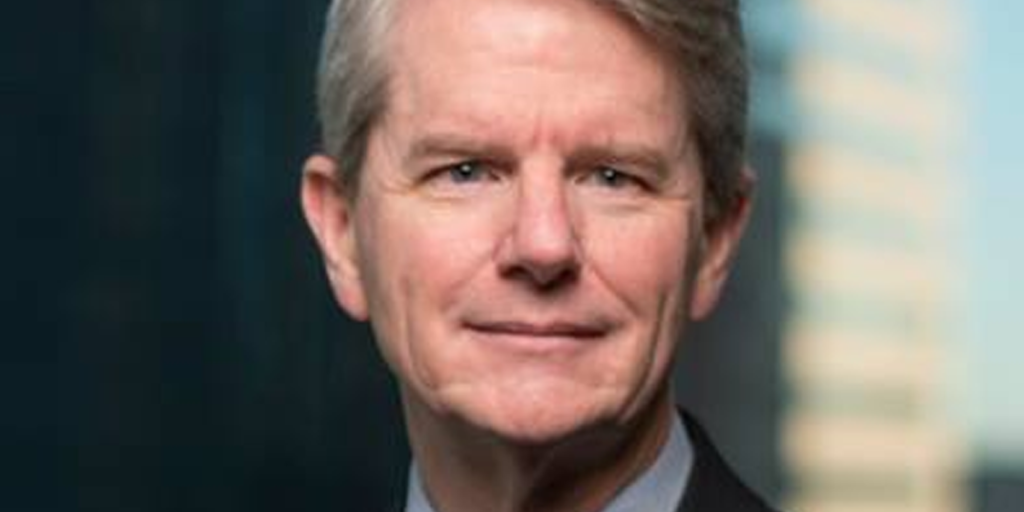
Chris Christie has officially announced he’s running for office… in Alabama. No, not the former Gov. of New Jersey. This Chris Christie of Birmingham, Ala. wants to be that state’s next attorney general. And unlike the former GOP presidential candidate, this Christie is a Democrat. According to his Facebook page, he is the “original” Chris Chrisie. “I am the original Chris Christie, born three years before the other Chris Christie who has been in the news,” Christie quipped. “I am pleased to announce that I am officially qualified to run for Attorney General of Alabama. Thank you for your support. Together, we can bring integrity back to the office,” Christie posted on Facebook upon qualifying to run on Tuesday. Christie’s platform includes protecting the people of Alabama, providing support to law enforcement and DAs and prosecuting government corruption. A Rhode College graduate, Christie went on to Duke University on a partial scholarship, earning his law degree and a M.A. in Public Policy. While in law school, he taught undergraduates introductory Public Policy, worked as a Resident Director over about half of the upperclass undergraduates, and spent his last semester working at the Orange County Public Defenders’ Office in N.C. While in law school he also married his wife, Donna Wallace Christie. After law school, he joined the Peace Corps with Donna, serving in Cameroon, Africa where he taught law at the University of Yaoundé School of Law and worked at the Peace Corps office supporting other volunteers and running the training for new volunteers. After serving for two years in Cameroon, he returned to Birmingham where he clerked for one year with a federal judge, the Honorable Seybourn H. Lynne, and then joined Bradley Arant Boult Cummings LLP. A former partner at Bradley for 29 years, he represented employee benefit plans, like pension plans, and healthcare providers, especially when sued by the federal government.
Alabama submits request to NOAA to manage Red Snapper seasons

Recreational fishermen across the Gulf of Mexico and the East Coast, rejoice — the days of federal mismanagement of red snapper fishing may soon be over. The Alabama Department of Conservation and Natural Resources on Wednesday announced the Gulf States — Florida, Alabama, Mississippi, Louisiana and Texas — have banded together to submit proposals for an alternative style of red snapper management for private and state charter vessel anglers during 2018 and 2019. If approved by NOAA Fisheries, each state would have the ability to establish fishing season start and end dates in federal waters off their respective state’s coast. Under the proposals, each state has requested a portion of the total allowable catch for private recreational anglers in the Gulf and they would each be responsible for monitoring landings so they do not exceed their portion. Alabama will use Snapper Check to monitor its landings and determine if: the season will close as anticipated; the season will close earlier than anticipated due to daily landings exceeding forecasted totals; or the original season length should be increased if daily landings do not meet anticipated levels (i.e. due to smaller fish size or inclement weather). Alabama’s proposal has state and federal waters opening for weekends only (Friday–Sunday) from June 1 through September 3 (Labor Day). The season would also include the entire week of Independence Day, June 30- July 8. These specific proposals are referred to as Exempted Fishing Permits. They will be reviewed by NOAA Fisheries and state representatives on Wednesday, Jan. 31 during the Gulf of Mexico Fishery Management Council meeting in New Orleans. Alabama State Auditor Jim Zeigler belives the new proposal is better than last year’s. “While we are not quite there yet, this plan is light years better than the short seasons we suffered. My ultimate goal is to end federal regulation and allow Alabama to regulate our own fisheries,” said Zeigler, an angler himself, living in Mobile, Ala. The season for anglers planning on fishing from a federally-permitted charter vessel this year will begin June 1 and end sometime in late July. The season will be announced by NOAA Fisheries in the coming months.
Kay Ivey awards over $6.3 million in Community Development Block Grants
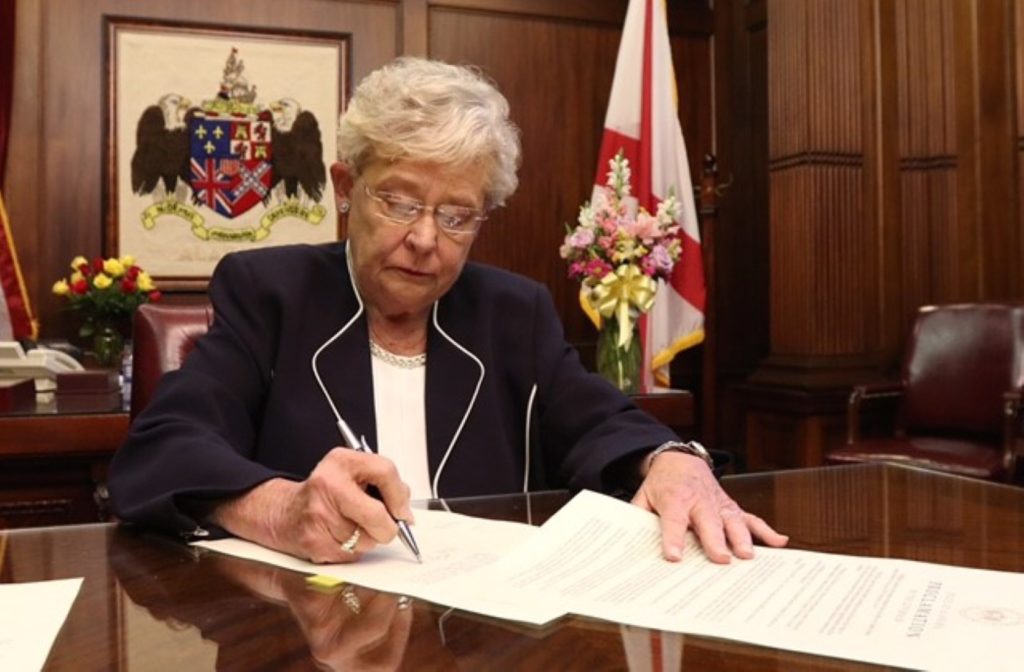
On Wednesday, Gov. Kay Ivey presented over $6.3 million in Community Development Block Grants to improve the communities of 26 Alabama cities, towns and counties. These grants are allocated annually through a competitive process based on many components including: the community’s need, cost efficiency of projects and number of low- and moderate-income families affected. “Lives will be improved today thanks to these projects funded through the Community Development Block Grant program,” insisted Ivey. “People who have been subject to impure water will get clean water to drink, bathe and wash. People who have been maneuvering unsafe roads will soon be traveling smooth streets and the list goes on. I am so thankful for this program and the assistance it provides to communities who may be unable to afford these needed improvements on their own.” A ceremony at the Capitol announced the first wave of CDBG grants, Ivey plans to reveal another series of the same grants on February 1. The grants are made possible through funds from the U.S. Department of Housing and Urban Development. The Alabama Department of Economic and Community Affairs (ADECA) is responsible for the administration of the allowances. “As a former mayor, I am aware of how important these grants are to these communities and the impact that they have in improving the quality of life,” asserted Director of ADECA, Kenneth Boswell. “I join with Gov. Ivey in congratulating the towns, cities and counties that have been awarded grants. Those involved in this process are to be commended for their dedication and hard work they have provided for their communities.” The funds are in several categories of aid including: community enhancement, county, planning and Black Belt. The Community Development Block Grants awarded, their amounts, and the projects they will fund are as follows: Planning Town of Ragland – $28,000 for downtown revitalization plan. Black Belt Town of Pine Hill – $350,000 for water improvements. County Choctaw County Commission – $350,000 for street improvements. Clarke County Commission – $350,000 for street improvements. Coosa County Commission – $350,000 for street improvements. Covington County Commission – $350,000 for water extension. DeKalb County Commission – $256,422 for streets and drainage. Geneva County Commission– $350,000 for water extension. Jackson County Commission – $275,780 for water extension. Lamar County Commission – $222,000 for water extension. St. Clair County Commission – $350,000 for street improvements. Community Enhancement City of Aliceville – $206,272 for fire truck for Volunteer Fire Department. Town of Ariton – $249,976 for street improvements. City of Ashford – $146,807 for street improvements. Town of Chatom – $150,000 for street improvements. City of Evergreen – $250,000 for a baseball field. Town of Louisville – $250,000 for street improvements. Town of Mosses – $149,068 for community park upgrades. City of Muscle Shoals – $250,000 for a “miracle field” ball field. City of Ozark – $250,000 for a swimming pool. City of Sheffield – $132,300 for demolition and clearance. Town of Susan Moore – $250,000 for water improvements. Town of Taylor – $205,604 for street improvements. Town of Thorsby – $250,000 for demolition and clearance. Town of Triana – $238,690 for Town Hall rehabilitation. City of Wetumpka – $171,000 for demolition and clearance.
Alabama House Dems announce 2018 legislative agenda
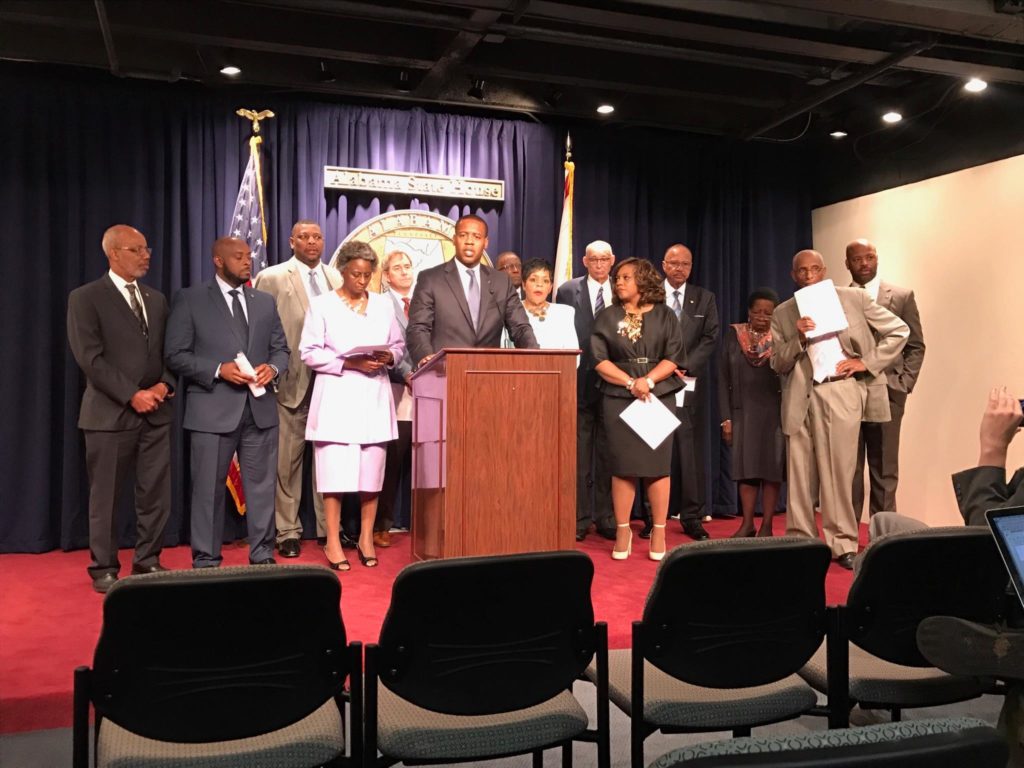
The Alabama House Democratic Caucus outlined their legislative priorities for the 2018 session during a press conference in the Alabama State House Wednesday afternoon. House Democratic Minority Leader Anthony Daniels was joined by fellow members of the caucus and they unveiled their platform focused on creating a Clean, Competent and Competitive Alabama. “We face enormous challenges as a state from adequately supporting our public education system to building and maintaining a skilled workforce to fighting the addiction epidemic plaguing our families, cities and state,” said Daniels. “These are just a few of the issues impacting our communities that we are here to address today and over the next two months.” The Clean, Competent & Competitive Alabama agenda, developed and agreed upon by the members of the House Democratic Caucus, focuses on: Supporting our public schools and prioritizing early childhood education Investing in our educators Rebuilding our workforce Ensuring open, transparent government and ending corruption Ensuring access to healthcare for all Alabamians Supporting mental health Prioritizing prison reform and reducing recidivism Fighting the epidemic of addiction Over the coming weeks House Democratic Members will introduce legislation in support of these main tenants. Members will also continue holding town hall meetings across the state to discuss this agenda and other issues of importance to Alabamians. “This agenda represents something we, as Democrats believe in and that we believe serves all Alabamians and will lead us to a better future for our state,” added Daniels. The full platform is available here. Watch a press conference of the agenda unveiling below:
University of Alabama brings health profession training to rural students

The College of Community Health Sciences at the University of Alabama on Tuesday announced a partnership with Alabama Statewide Area Health Education Centers to develop new education and training opportunities for high school students in rural areas of Alabama. “We are so appreciative of the opportunity to assume responsibility of the CCHS rural high school programs,” said director of the Alabama Statewide Area Health Education Centers, Dr. Cynthia Selleck. “We have a long history of working with high school students. It’s an area where we really shine, and we thank CCHS for their confidence in us to continue to move these programs forward.” For over 20 years, The University’ rural programs have served as a pipeline to equip high school juniors and seniors with training for opportunities in health care after graduation and before they begin college. ASAHEC will be taking the lead role in implementing an after-school health profession education program. “The partnership serves the mission of the College to continue to support the region in terms of leadership in medical education and scholarship through its assistance to our area partners,” stated Dr. Richard Streiffer, dean of CCHS. “Area Education Health Centers have become established nationwide, and this is a historic role in which they have deep experience and success. We are pleased to help Alabama AHEC assume this role for the benefit of our state and its communities.” The AHEC was developed by Congress in 1971 to assists in the recruitment, training and retention of health professionals committed to serving underserved populations. The AHEC program brings resources from academic medicine to address local community health needs. Following the final transition of all high school programs to the AHEC’s management, the University will maintain the Rural Medical Scholars, Family Medicine Residency and Rural Community Health Scholars programs while providing supervision to new high school programs.
Mobile Area Chamber releases 2017 annual report ahead of 181st Annual Meeting

The Mobile Area Chamber its released annual report for 2017 ahead of its 181st Annual Meeting set for Thursday, Feb. 22 at the Mobile Convention Center. Highlights of 2017 include: Jobs: Among the key accomplishments were six economic development projects with a capital investment of $321 million and a commitment to create an additional 647 at new and existing companies in the Mobile area. Advocacy: Advocacy efforts in 2017 included monitoring 1,030 legislative bills and behind-the-scenes work with community partners to renew Alabama’s Historic Tax Credit. This tax credit is previously responsible for 52 projects across Alabama, including several in Mobile. Value: The Chamber assisted 46 small businesses with ribbon cuttings and grand openings and recognized 31 members and companies for their work, including Continental Motors Group as Manufacturer of the Year; 3 Echoes Productions as Small Business of the Year; Andy Newton with Uniti Fiber as Outstanding Entrepreneur; Gaines Plumbing and Harper Technologies as Eagle Award winners; WALA FOX10 as the Rev. Wesley A. James Minority Business Advocate; and Lisa Kavanagh with Junior League of Mobile as Ambassador of the Year.In addition the Chamber hosted 35 small business-focused workshops and seminars. Chamber members say networking opportunities and professional development workshops are two of the most important benefits. Excellence: At the close of 2017, the Chamber’s 1,936 members employed 107,844 employees. During the annual meeting, the outgoing 2017 Chamber Board of Directors Chairman Liz Freeman with Long’s Human Resource Services and Chamber President and CEO Bill Sisson will discuss the report and what they believe to be the strongest accomplishments of the year and forecast what’s to come in 2018. Brian Willman, South Alabama/Florida Panhandle area president for Regions Bank will outline specific deliverables for the Chamber’s more than 1,900 member businesses and close the meeting as the Chamber’s 2018 board chairman. The full 2017 Annual Report can be found here.
State health officials announce Opioid Council report, action plan to fight addiction

A council tasked with fighting opioid addiction in Alabama released its first formal report of its findings along with an action plan on Wednesday. The Alabama Opioid Overdose and Addiction Council, created by Gov. Kay Ivey in August, and its subcommittees have met several times over the past six months to develop the strategic plan “that establishes recommendations for policy, regulatory and legislative actions to address the overdose crisis in Alabama.” “I am thankful for the hard work of the Opioid Overdose and Addiction Council. We must find a solution to the opioid crisis in our state, as this epidemic is literally tearing families apart,” said Ivey. “I look forward to working with the Council and the Legislature to consider these recommendations and to make meaningful reforms which will help us address this problem once and for all.” The council is overseen by Mental Health Commissioner Lynn Beshear, as well as her co-chairs, Attorney General Steve Marshall and Acting State Health Officer Dr. Scott Harris. Beshear said the next step in the plan is to convene the implementation team and to continue to meet quarterly. “Families, healthcare professionals and government officials at every level seek real solutions concerning the impact the opioid crisis has on Alabamians,” said Lynn Beshear, Commissioner, Alabama Department of Mental Health. “The next step in our effort will convene the Implementation Team of the Alabama Opioid Overdose and Addiction Council, as well as quarterly meetings of the full Council to implement researched opportunities. We believe the work of the Council offers preventive strategies, intervention and treatment options, and a community response that addresses this dire need. Working together, it will require organized sustained engagement of citizens and government with healthcare professionals.” According to data from the Centers for Disease Control and Prevention, of Alabama’s 736 reported drug overdose deaths in 2015, 282 were caused by opioids. The data also shows that Alabama doctors in 2012 wrote 1.43 prescriptions for opioid pain relievers per person — a rate higher than any other state. “Opioid addiction and abuse is a tremendous problem that affects Alabama in many different ways. Our hospitals, schools, churches and prisons are all struggling to deal with the problems caused by addiction and by increasing numbers of opioid deaths,” asserted Harris. He continued, “The comprehensive action plan the Council has developed includes improvements to the Alabama Prescription Drug Monitoring Program that make it easier for prescribers to identify opioid abuse and to motivate abusers to find help for themselves, their families and communities. We are encouraged that the Council has offered strategies that have the potential to reverse this crisis that affects so many Alabamians, and appreciate the input of so many individuals to find effective solutions.” “After working with the dedicated people who have given so much of their time and concern to this Council and its subcommittees, I am heartened that we can make progress to fight the terrible blight of opioid abuse in Alabama,” added Attorney General Steve Marshall. The Council’s report presents a four-pronged action plan to address prevention of opioid misuse, intervention within the law enforcement and justice systems, treatment of those with opioid use disorders, and community response that engages the people of Alabama in finding solutions at a local level. Some of the major findings are summarized below: PREVENTION Improve and modernize the Alabama Prescription Drug Monitoring Program so that it will be more user-friendly, and more prescribers will participate and be better informed; the Governor is requested to support a legislative appropriation of $1.1 million to the Alabama Department of Public Health for this; Strengthen prescription data and research capabilities and create a unique identifier for each individual patient; Promote efforts to educate current and future prescribers, better implement current guidelines, adopt guidelines specific to opioid prescribing and impose mandatory opioid prescribing education; Create a website and messaging campaign to reduce the stigma of opioid addiction; and implement an outreach program to teach young people the dangers and to avoid opioids; Create a website and social media campaign to motivate opioid abusers to seek help and to effectively connect them and family members with ways to get help; Create a partnership for the Alabama Department of Mental Health to provide training about addiction to law enforcement agencies and the judiciary. INTERVENTION Advocate legislation in the 2018 session to specifically prohibit trafficking in fentanyl and carfentanil, which is particularly important because vastly smaller amounts of these than other opioids can be deadly; for example, a lethal dose of fentanyl is 1000 times less than that of heroin, and the threshold amounts for the crimes of trafficking in fentanyl and carfentanil would better be measured in micrograms; As overdoses are 50 times greater for those leaving incarceration or other enforced abstinence, establish a process for the Department of Mental Health to reduce the stigma of medication assisted treatment, and begin a pilot program by the Department of Corrections in partnership with the Board of Pardons and Paroles to use naloxone, counseling and life skills to help released inmates remain drug free. TREATMENT AND RECOVERY Promote adequate funding for treatment services and recovery support; Establish collaboration between the Department of Mental Health and recovery support providers to increase access; Support creating two addiction medicine fellowships to train Alabama physicians to recognize and treat substance abuse; Expand access and target effective treatment and prevention programs to areas where there is greater need; Improve education of professionals through continuing education for licensing and expand postsecondary and graduate curriculums. COMMUNITY RESPONSE Increase access to naloxone and maintain a list of participating pharmacies; Prioritize naloxone to law enforcement and for distribution in areas of greatest need; Provide naloxone training for first-responders; Encourage prescribing naloxone for high-risk patients; Have a Community Anti-Drug Coalitions of America program in each judicial circuit and work toward having them at municipal levels; Engage employers, businesses, higher education and private-sector in a network to get resources into communities; Encourage having a Stepping Up Initiative in each county to work with the
Daniel Sutter: One reason why economics is challenging

Nineteenth Century poet Christina Rossetti asked, “Who has seen the wind?” Neither you nor I have, but we know that the wind can blow down trees and buildings. Transaction costs in economics are similarly invisible and probably impact our lives even more than the wind. Transaction costs are the costs of making and carrying out deals and trades. They include transportation costs, the time required for shopping, the cost of writing contracts, and the potential for people to take advantage of other parties. The time needed to read and understand the fine print for everything we buy would be a transaction cost. As economist Ronald Coase first understood, transaction costs explain the existence and size of businesses. They help answer questions like: Why do businesses contract for cleaning and lawn mowing? Why do rental car damage waivers cost so much? And, why are law firms organized as partnerships? Lowering transaction costs increases prosperity. Lower transportation costs make global businesses possible, and telecommunications helps manage these enterprises. eBay and Amazon Marketplace allow used items to be sold for much more than garage sale prices. New ways to organize businesses, like the traditional corporation and the benefit corporation, also reduce transaction costs. Economic historian Douglas North attributed much of modern prosperity to transaction cost reductions enabled by the institutions of the market economy. Still, many economists overlook transaction costs in spite of the work of Nobel Prize winners Coase, North, and Oliver Williamson. The core economic models generally ignore transaction costs, which are sometimes viewed as no more than friction. Frictionless pulleys and tables make physics problems much easier. The frictionless world of physics homework, though, still teaches students a lot about the real world. In economics, transactions costs significantly affect how we interpret the world. How so? A couple of years ago, my flight back to Atlanta was delayed because a flight attendants fell prior to boarding, hit her head, and likely suffered a concussion. Fortunately, an off-duty flight attendant was on the next flight arriving from Atlanta; if he agreed, he could work our flight for overtime pay. Tension was high as we awaited his arrival. Professor Coase in “The Problem of Social Cost,” one of the most important economics papers of the 20th Century, explained what we passengers should have done: take up a collection to offer the flight attendant a bonus. One passenger indeed asked a gate agent if we could each give $1 as an extra incentive. The agent responded that an extra $150 would certainly make her more likely to work overtime! We did not take up a collection, and the flight attendant decided to work our flight for the overtime pay. Our failure to offer a payment could have produced inefficiency if the flight attendant was unwilling to work for just overtime but would have for a bonus. We would have valued getting on with our trips enough to make it worth happening, and yet have remained in Oklahoma City. The cost of organizing a group of strangers in an airport to make a payment, however, may be quite high. The other passengers might have dismissed a solicitation by a fellow passenger, or presumed that the organizer would just pocket the money. Our value of traveling may not have been enough to cover the bonus and the cost of organizing, making it efficient that we stay in Oklahoma overnight. My travel dilemma resembles the challenge of public policy: is the market or government more efficient? We could try using voluntary contributions to pay for, say, national defense. The cost of organizing 320 million people to raise nearly a trillion dollars a year for defense seems impossibly high. Having government to tax us and spend on our behalf may be a better option. Yet representative democracy is also imperfect, due in part to – transaction costs. Disagreements about the role of government often turn on whether transaction costs are higher in politics or in markets. Given that we cannot see transaction costs (or the wind), disagreement among economists about government policy seems unavoidable. ••• Daniel Sutter is the Charles G. Koch Professor of Economics with the Manuel H. Johnson Center for Political Economy at Troy University and host of Econversations on TrojanVision. The opinions expressed in this column are the author’s and do not necessarily reflect the views of Troy University.
Barber museum voted best attraction in Alabama

The Barber Vintage Motorsports Museum is Alabama’s best attraction, according to readers of USA Today. The museum that anchors the 880-acre Barber Motorsports Park features one of the largest collections of motorcycles in the world and the largest collection of vintage Lotus racecars. The newspaper released its “Best Alabama Attraction” list earlier this month. The list took nominations from Alabama-based travel writers and photographers and allowed the public to vote for a month. “Our dream was to create the greatest collection of motorcycles in the world,” said Jeff Ray, executive director of the Barber Vintage Motorsports Museum. “Being named the best Alabama attraction was thrilling news to receive, and we appreciate our fans for showing such overwhelming enthusiasm for our mission here in Birmingham.” The USA TODAY 10 Best top 10 favorite Alabama attractions are: Barber Vintage Motorsports Museum USS Alabama Battleship Memorial Park Robert Trent Jones Golf Trail Bellingrath Gardens & Home Alabama Shakespeare Festival Dexter Parsonage Museum Little River Canyon National Preserve S. Space & Rocket Center Alabama’s Gulf Coast Vulcan Park & Museum “What an honor it was to be nominated and to receive this award,” George Barber, founder of the museum and motorsports park, said. “When you consider just how spectacular all 10 of the state’s contenders are, it was truly a competition of favorites. We’re delighted.” Republished with permission from the Alabama NewsCenter.
