
Alabama creates training program to fight cyber bullying

The Alabama Department of Education and the Alabama Attorney General’s office have joined together to fight cyber bullying and other concerns in the cyber world. While social media and other online resources offer unbelievable learning opportunities for students in today’s society, they come with some very real risks including: cyber bullying, inappropriate connections, and securing personal data. According to a 2016 WalletHub study, Alabama was ranked number eight in the nation for states with the biggest bullying problems, and was the fifth highest ranked state in the nation for percentage of high school students who attempted suicide. Which is one of the many reasons why the Alabama Department of Education and the Attorney General’s office have created a training program to help both teachers and parents fight against the dangers of cyber bullying. “Modern technology, in the right hands, brings the world to our children’s front door and enables them to live and learn limitlessly. However, as parents, educators, and law enforcement, we all have a unique responsibility to keep them safe,” said Ed Richardson, Interim Alabama State Superintendent of Education. “All those involved have a shared vision of keeping our children shielded from the ills of society. This training will assist in that effort.” The training for parents will include: understanding how quickly children can be contacted by non-age appropriate predators online working cell phone applications and formats (SnapChat, Instagam, etc.) and other less known video chatting platforms used to lure students indicators that a student may be a victim, and how to respond in that event laws pertaining to the cyber world, and much more. Investigators will also train school faculty and staff members on how important the school environment is when dealing with online issues and how to develop policies that address the issues before they start. When to contact law enforcement, preserving evidence for law enforcement, and how to make a report for law enforcement will be covered as well. “We have been working together for several months to develop cyber training that helps parents and teachers determine if children are being targeted and how to report it to law enforcement. Our training is focused on protecting our children and our schools,” said Attorney General Steve Marshall. Training will be conducted by seasoned veterans in law enforcement who are skilled in cyber world safety issues. They are: Sterling “Jake” Frith – Frith is a Special Agent in the Investigations Division of the Alabama Attorney General’s Office, responsible for Computer Forensics and Cybercrimes. Before coming to the AG’s office, Agent Frith served with the Prattville Police Department and Baldwin County Sheriff’s Office. He began working in the cyber realm 8 years ago, with 18 years in Law Enforcement. Agent Frith is a Certified Ethical Hacker, Certified Hacking Forensic Investigator, Access Data Certified Examiner, Seized Computer Evidence Recovery Specialist and an Open Source Practitioner. He has over 600 hours of training in cyber crimes and cyber forensics to go along with his experience. Agent Frith has an Undergraduate Degree in Criminal Justice and a Graduate degree in Information Security and Assurance. Agent Frith serves as a member of the Internet Crimes Against Children Task Force, the United States Secret Service Electronic Crimes Task Force, and the Federal Bureau of Investigation’s Cybercrime Task Force. Robert “Bobby” Moore – Moore is a Special Agent in the Investigations Division of the Alabama Attorney General’s Office. S.A. Moore has over 10 years of experience as a law enforcement professional, with a majority of his experience as an investigator assigned to handle Cyber and White Collar Crimes with a focus on sexual crimes against children that involved technology. S.A. Moore is also a certified digital forensics examiner, holding the Certified Computer Forensics Examiner, Access Data Certified Examiner, and Certified Fraud Examiner certifications related to digital forensics and fraud investigation. He holds degrees from The University of Southern Mississippi – Undergraduate in Accounting and Finance and Graduate Degrees in Criminal Justice with a focus on Cyber Criminology. He has taught courses in digital forensics and cyber-related crime for Troy University, Auburn University at Montgomery, The University of Mississippi and Loyola University of New Orleans.
Alabama House passes legislation to help veterans fighting drug abuse
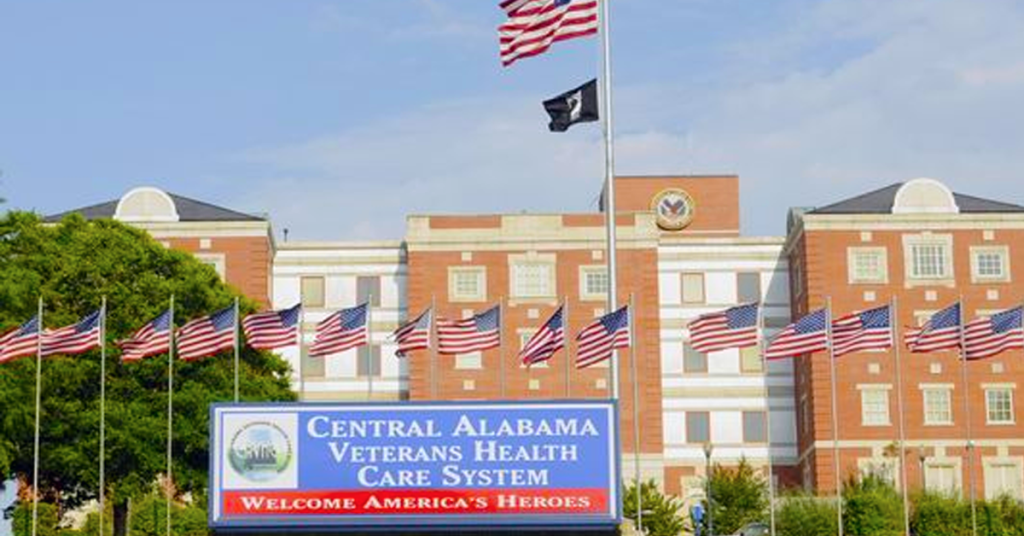
On Thursday, a bill that aims to give Alabama veterans who struggle with pain or drug abuse the support and treatment they need, was given final approval in the Alabama House of Representatives. Lineville-Republican state Sen. Gerald Dial and Alabaster-Republican state Rep. April Weaver both sponsored SB200, and are elated at its passage. “Drug abuse affecting our military men and women is something we don’t talk about, but that we know exists, given what many of them have been through, it’s time we in Alabama did something about it,” said Dial. America’s servicemen and women experience a multitude of challenges when returning to civilian life from active duty. Many silently struggle with drug abuse stemming from post-traumatic stress disorder or physical injury in the line of duty, and keep it hidden to avoid stigmatization and ridicule. “Drug abuse amongst veterans can be a ‘silent struggle’ really, one that tears apart lives and families,” Dial added. “They are crying out for help; we just can’t hear them.” Current Alabama law impedes the sharing of the Department of Veterans Affairs’ (VA) prescription records between the VA and outside doctors and pharmacists, as a result, veterans’ doctors and families have a difficult time recognizing duplicative prescriptions, identifying signs of abuse, and helping those at-risk get treatment. “In order to better combat drug abuse both within the state’s veteran community and statewide across the entire population, SB200 strengthens privacy laws governing use of prescription data. For a non-VA patient, doctors and pharmacists can easily review relevant prescription records,” said Weaver, the House sponsor of the bill. “With a veteran, neither the doctors and pharmacists at the VA, nor the doctors and pharmacists outside the VA who are also treating the patient, know what prescriptions the veteran is receiving. This bill will allow them to share that information so we can get our veterans the help they deserve.”
Parker Snider: Increased polarization in politics: bad for Alabama and the country

Our politics is increasingly polarized. Yelling matches on cable news are the norm, and those with opposite viewpoints are labeled as bigoted or anti-American. The division has gotten to the point that, according to the Pew Research Center, most Republicans and Democrats have few or no friends in the opposing party. The question, therefore, is two-fold: a) What are the causes of increased polarization? and b) Is increased polarization something we need to address? I’ll begin with the former. One reason for this increased polarization is that Americans are more often choosing to live among people who are like them politically. Here is an Alabama example of that phenomenon. In 1992, Bob Dole, a Republican, won Marshall County by 15 points. In 2016, Donald Trump’s margin of victory in the county was almost 70 points. Another reason for our increased polarization is the rise of the Internet and social media. While the increased availability of news sources via the Internet is helpful, many choose only to read from sources they agree with politically. The Wall Street Journal offers a tool that allows users to compare the Facebook feeds of people who identify as conservative or liberal. A quick minute or two of comparing the feeds reveals not only the difference between the selection of news, but the frequency of inflammatory rhetoric used to describe people on the other side. Although choosing to live near like-minded people and following conservative or liberal news sources are not inherently bad practices, by doing so we unknowingly create an echo-chamber of group-validation that gives no opportunity for differing opinions. This echo-chamber, with its lack of diverse thought or self-criticism, is a major contributor to increased polarization. So, is this polarization something we need to address? I believe it is. Increased polarization has created antagonistic relationships within our state and country. In our communities, we are bombarded with rhetoric that describes those with different views as unreasonable, ignorant, and even evil. Since we so infrequently interact with those politically different from us, we can find ourselves believing those characterizations. Although it may be hard to accept, most people, regardless of political affiliation, are genuinely trying to work towards the greater good. The difference between conservative and liberal thought, however, is in the means – how we achieve the greatest good. Conservatives, myself included, should therefore spend less time worrying that the left is deliberately attempting to destroy our country. Instead, we should intentionally befriend those politically different while, at the same time, working diligently to demonstrate that conservative policies most effectively create the most good for the most people. The more we are willing to acknowledge that those on the other side are people made in the image of God – not scheming adversaries to be defeated – the more likely we will arrive at solutions that work. While I believe that these solutions will be overwhelmingly conservative, we should not be afraid of honest discussion and criticism if we really are correct. One benefit of purposefully countering increased polarization is that we will, hopefully, stop being wary of good policy simply because it has some support from the other side. Some pursuits, like reforming civil asset forfeiture, supporting our veterans, and protecting our national security, are not right vs. left issues, but right vs. wrong issues. We should be thankful, not worried, when both sides agree. Undoubtedly, stemming the tide of polarization will be good for both Alabama and the country. It will require work, but it will be effort well spent. ••• Parker Snider is the Alabama Policy Institute‘s policy relations manager.
New study reveals SNAP benefits don’t cover meal cost in Alabama

The Supplemental Nutrition Assistance Program (SNAP) provides monthly food budget assistance to more than 42 million eligible, low-income Americans across the country. The Urban Institute, a liberal-leaning think tank, released a the study — How Far Do SNAP Benefits Fall Short of Covering the Cost of a Meal? — on Friday that shows meals in Alabama cost more than SNAP benefits allow — ranging from 10 percent more in Colbert County to 43 percent more per meal in Baldwin County. On a monthly basis, SNAP benefits fall short of the cost of an average meal by $46.50 per person nationwide. But according to a new study, even the maximum SNAP benefit does not cover the cost of an average meal in any of Alabama’s 67 counties. Barry Spear, public information manager for Alabama’s Department of Human Resources (ADHR), which administers SNAP, told The Associated Press that SNAP only meant to meet supplemental food needs. “It’s not the only source that they have to find food,” Spear said. “A lot of people think it’s supposed to take care of all their needs, and it’s not designed to do that.” He said individuals can join other federal programs like WIC, which gives aid to women and children, or go to food banks run by nonprofit organizations or churches. According to government records, more than 850,000 Alabamians, or 1 in 6 residents, received SNAP benefits for the entirety of 2016 (the last year the numbers are available).
Personnel note: Alabama appoints Dr. Scott Harris state health officer
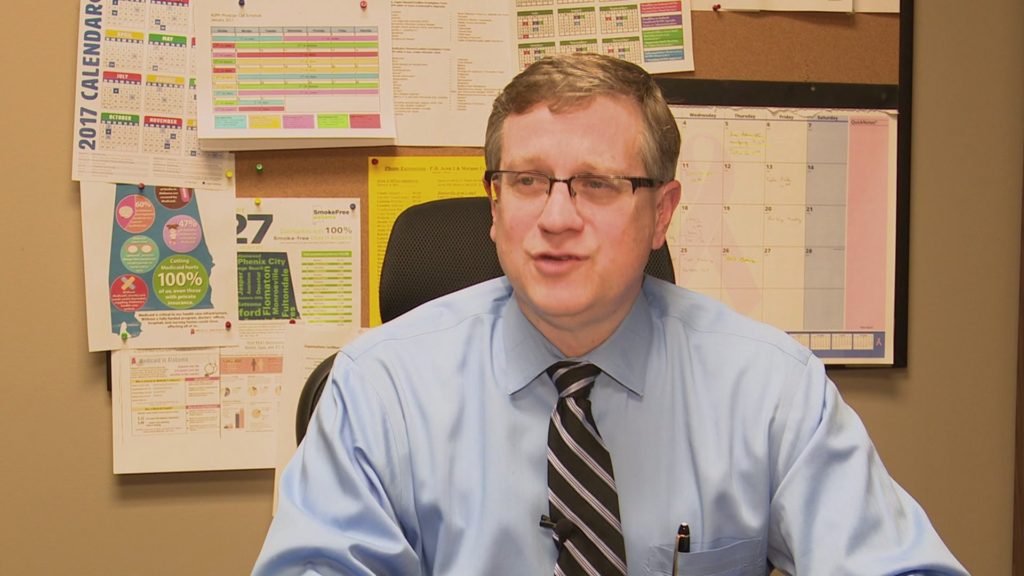
Alabama has appointed Dr. Scott Harris as the state’s twelfth state health officer, effective February 21. The position looks over 65 local health departments throughout the state. “I feel honored and privileged that the State Committee of Public Health granted me this opportunity to address the state’s health care needs and challenges,” said Dr. Harris. Dr. Harris has served residents of Alabama for 19 years, and brings with him the wide range of knowledge and extensive experience that come with that caliber of practice. He graduated from Harding University in Arkansas, and then attended medical school at the University of Alabama at Birmingham (UAB) School of Medicine, serving his residency at Carraway Methodist Medical Center. He later returned to UAB to complete a fellowship in infectious diseases, and in 2017 was awarded a master’s degree in public health from the UAB School of Public Health with a concentration in health policy. He also practiced infectious disease medicine at Decatur General Hospital and Parkway Medical Center. “I care a lot about public health, which I think is true for anybody in the job, but what I’d like to bring to it is the perspective of somebody that’s born and raised here, who spent a couple of decades working in private practice and seeing how that works” Dr. Harris told WHNT. In 2005, he became medical director at the Decatur-Morgan Community Free Clinic — the non-profit clinic offers health care and dental care at no charge to low income, medically uninsured local residents. Dr. Harris has also served on many international medical missions to Central America, South America and Africa. He joined the Alabama Department of Public Health (ADPH) as area health officer for seven North Alabama counties in 2015 where has served as acting state health officer for the last six months and currently co-chairs the Alabama Opioid Overdose and Addiction Council. The Talladega native is a fellow of the American College of Physicians (FACP), Infectious Disease Society of America (FIDSA), and a credentialed HIV specialist, American Academy of HIV Medicine. He also served on the Medical Executive Committee, as medicine department chairman and director of multiple committees including infection control, pharmacy and therapeutics, and the surgical care improvement project at Decatur General Hospital and Parkway Medical Center. He is past chairman and current member of the Decatur Morgan Hospital Foundation.
Alabama crews playing a big part in restoring power to Puerto Rico

For more than a month, some Alabama Power crews have helped restore outages in Puerto Rico. The island was hit by a hurricane last fall, causing substantial structural damage to homes and businesses and thousands of power outages. Alabama Power crews joined crews from Gulf Power, Mississippi Power, and Georgia Power leaving out of the Birmingham-Shuttlesworth Airport Jan. 20 with the goal of helping get the lights restored. As lights are coming back on, and a sense of normalcy returns, residents are taking time out to say thank you to the crews for their hard work. Republished with permission from the Alabama NewsCenter.
Heartfelt prayers and reactions to Rep. Allen Treadaway losing daughter
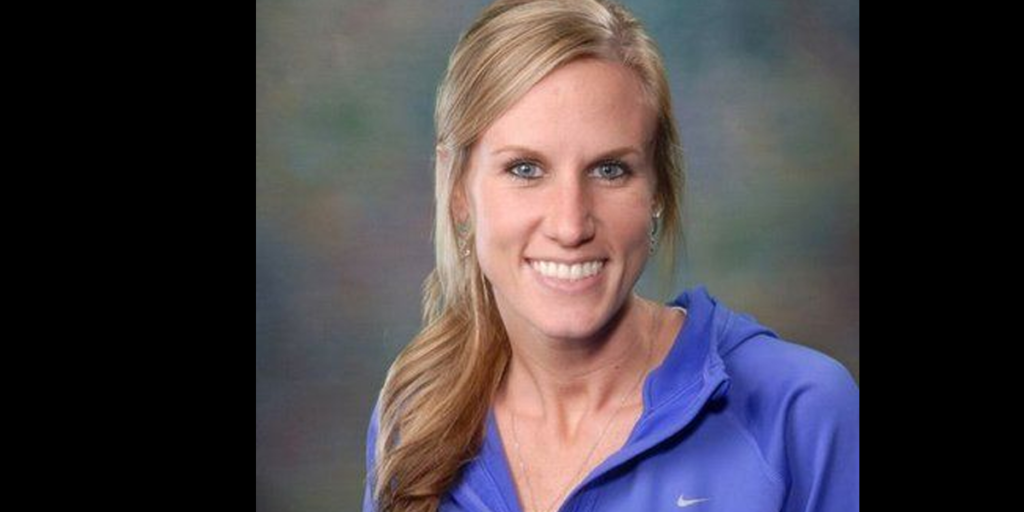
The daughter of Morris-Republican state Rep. Allen Treadaway was killed in an early morning wreck on Sunday near Good Hope, Ala. according to a release from Speaker of the House Mac McCutcheon. Kelsey Marie Treadaway, 31, was pronounced dead at the scene of the accident following an accident where she was struck from behind by another vehicle. The Alabama Law Enforcement Agency (ALEA) said she was not wearing her seatbelt. Treadaway was the volleyball coach at Mortimer Jordan High School, where she graduated from in 2004.Shawn Maze, the school’s softball coach, was also in the vehicle and sustained injuries from the crash. Here’s what folks across the state are saying in response to the horrific accident: Alabama Speaker of the House Mac McCutcheon: The Alabama House of Representatives is an elected body that has different political views and ideas. But we are respectful and mindful of each other’s personal needs and concerns. We come together to pray for each other and support each other in times of tragedy and crisis. Right now our thoughts and prayers are with Allen, his wife Susan and their family. May God comfort them and give them the strength to endure during this time of sorrow. Jefferson County Board of Education: We are deeply saddened by the loss of an outstanding teacher, coach, and role model in our district. Kelsey Treadaway was a graduate of Mortimer Jordan High School in 2004. Treadway was an incredibly dedicated PE teacher, volleyball coach, and basketball coach. She began her career with JEFCOED at Clay-Chalkville High School in 2010 before returning to her alma mater in 2012. Kelsey Treadaway will be missed by the Mortimer Jordan community as well as our Jefferson County family. Our thoughts and prayers are with her family, friends, and students. Gov. Kay Ivey (via Twitter): Was sorry to hear of the sudden passing of the daughter of Rep. Allen Treadaway. My thoughts & prayers are with their family, friends and the high school students she taught. I know she will be greatly missed. February 25, 2018 Alabama Attorney General Steve Marshall (via Twitter): I want to extend my deepest condolences to Rep. Treadaway, whose daughter was killed in a car wreck this morning. Please keep Allen and his family in your prayers. February 25, 2018 State Rep. Danny Garrett (via Twitter): Please pray for my friend and colleague, Rep.Allen Treadaway, whose daughter died this morning as the result of a traffic accident. Allen and his family need your prayers and the comfort of all their friends. February 26, 2018
ALGOP allows former Democrat Bobby Bright to remain on ballot
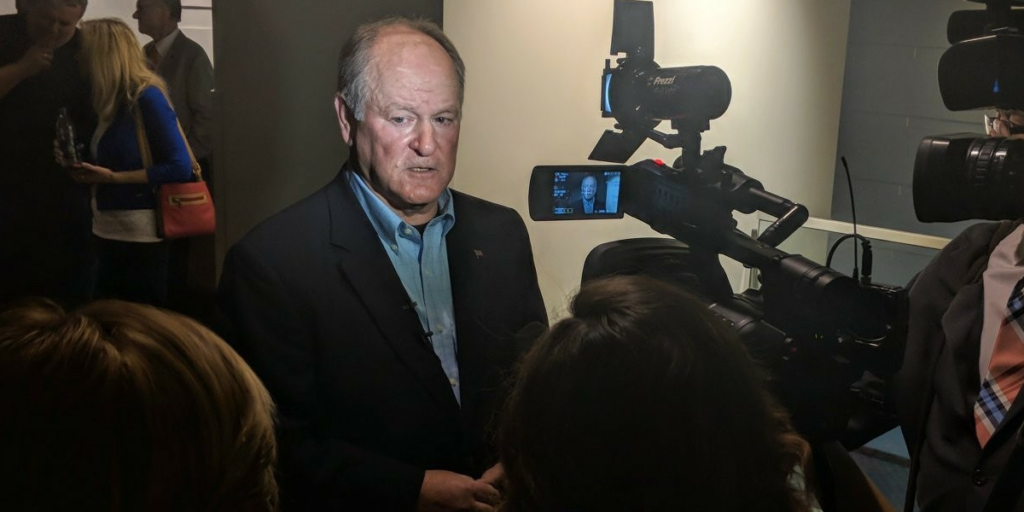
The Alabama Republican Executive Committee will allow former Democratic Congressman Bobby Bright to remain on the GOP primary ballot. “We did it!,” Bright posted on Facebook Saturday. “Just walked out of the hearing with Alabama’s GOP leadership, and they gave us the thumbs up! We are officially moving forward on the Republican ballot. Thank you to everyone for the your support and encouragement! Our road back to Congress continues.” Bright, the former mayor of Montgomery, Ala. is seeking a rematch with incumbent U.S. Rep. Martha Roby for Alabama’s 2nd Congressional District in the U.S. House of Representatives. Bright announced his candidacy earlier this month at the Alabama Republican Party Headquarters in Birmingham, Ala. where he explained he believes he’ll be more effective in Washington as a Republican. His decision to switch parties left many to question whether or not he should be allow to run as a Republican, saying he was too tied to the Alabama Democratic Party to be allowed on the GOP ballot. Ultimately the Executive Committee decided in Bright’s favor during the closed door meeting on Saturday. Bright will not face not only Roby in the June 5 Republican primary, but also Tommy Amason, Rich Hobson and Barry Moore. The Republican winner will go on to face either Tabitha Isner or Audri Scott Williams in the general election, depending who wins the Democratic primary.
University of Alabama students launch Music & Memory program for Alzheimer’s patients
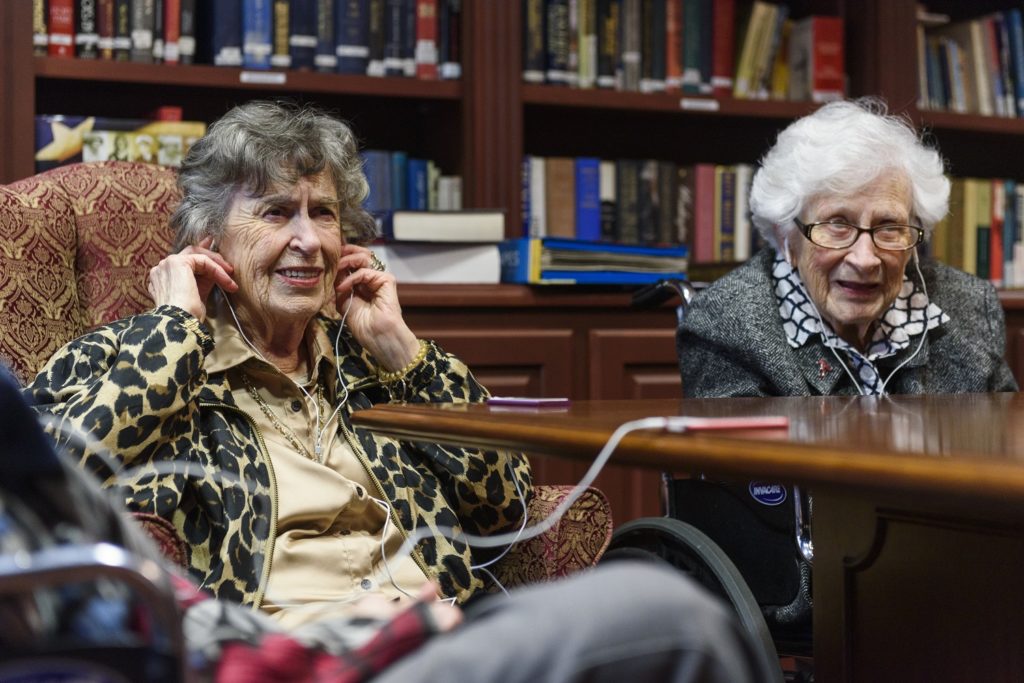
By: David Miller | University of Alabama Remember the song that always brings a smile to your face? You know, the one that reminds you of good feelings and good times? Well, you aren’t the only one. Now, Alzheimer’s patients at Capstone Village at the University of Alabama can recall special moments via a new program called Music & Memory Tuscaloosa. Capstone Village is the first Music & Memory-certified retirement facility in the Tuscaloosa area. Music & Memory Tuscaloosa, a UA student chapter of the national Music & Memory organization, is a nonprofit organization that brings personalized music into the lives of Alzheimer’s patients in Tuscaloosa to improve the quality of their lives. Tradition’s Way, the Alzheimer’s care unit of Capstone Village, received more than $1,500 in donations to train caregivers and purchase Bluetooth players, headphones, waterproof speakers, chargers and iTunes gift cards. The program aims to create an environment that combats anxiety, depression, sundowning, memory loss and other symptoms associated with dementia and Alzheimer’s. Sixteen Capstone Village residents will participate in the program. Music helps dementia patients recall memories and emotions, and the engaging nature of singing along to music sparks activity in both hemispheres of the brain, according to a 2013 study by researchers at George Mason University. According to Music & Memory’s website, its personalized music program has been field-tested in thousands of care settings throughout the U.S. and around the world. Certified organizations will receive best practices training, peer-to-peer advice and support, and resources such as evaluation tools. “We are so excited to be the first community in the Tuscaloosa area to offer Music & Memory,” said Veranda K. Melton, director of health services and administrator at Capstone Village. “This program will provide another non-pharmacological tool in managing the care for cognitive-impaired individuals. We currently offer music therapy in partnership with the University of Alabama School of Music, and this certification will allow us to expand on this greatly, in addition to extending opportunities for families, staff and residents to connect on new levels.” Music & Memory Tuscaloosa has 23 active members at the University of Alabama. The group aims to help other Tuscaloosa-area retirement facilities achieve certification. Members accept donations of iPods/MP3 players and iTunes gift cards. The group can be reached at musicandmemorytuscaloosa@gmail.com. “It is an absolute honor getting to work with Capstone Village and the amazing staff at the Alzheimer’s care unit, Tradition’s Way,” said Sarah Beth Loper, UA junior and president of Music & Memory Tuscaloosa. “Capstone Village has become a trademark to the university through its unmatched compassion and quality of care for their residents, and I am excited to see the increase of value and hospice care that we will bring through the Music & Memory program.” This story originally appeared on the University of Alabama’s website.
