
Democrats Chris Christie, Joseph Siegelman face off in attorney general primary

Voters in Alabama’s Democratic primary for attorney general will choose between a political newcomer with decades of legal experience and the son of a former governor who wants people to judge him on his own merits. The two attorneys, Chris Christie and Joseph Siegelman, are at different stages of their legal careers but making their first runs for public office. They face off Tuesday for a chance to meet the winner of the Republican primary, where Attorney General Steve Marshall faces three challengers. Both Democratic candidates say the office of attorney general should concentrate more on consumer protection but has been distracted by side issues under past leadership. “People in Alabama need to have someone in Montgomery who is going to look out after their interests,” said Christie, 59. Siegelman, 29, said the attorney general’s office needs to focus more on people than politics. “I believe that we have lost focus on the people of Alabama, the issues that affect them and how we can use that office to assist the people of Alabama and make their lives better,” he said. His priorities include consumer protection, fighting the opioid addiction epidemic and advocating for a criminal justice reform that doesn’t warehouse the mentally ill in state prisons. Siegelman said that although people might be familiar with his last name, he wants them to get to know him. “I’m proud to my father’s son. I’m proud to be my mother’s son, but I want to make sure people get to know Joe. My dad’s not in this race,” he said. Siegelman’s father, former Gov. Don Siegelman was a dominating figure in state politics for years, but his career came to a close with a conviction on federal bribery charges. The younger Siegelman is a graduate of the University of Alabama School of Law and joined the Cochran Firm practice, where his work included civil rights issues. He also joined his father’s appellate legal team, occasionally speaking to the press on his father’s behalf as the elder Siegelman fought to overturn the conviction. Christie is emphasizing his more than 30 years of legal experience, and says his priorities are fighting corruption and promoting consumer protection and public safety. He said the state needs to have an attorney general willing to fight corruption — on both sides of the political aisle. “My objective is not to put as many government officials in jail as possible. My objective is to have compliance with the law. … For those that don’t, there are going to be consequences,” Christie said. Christie wants to seek changes in the ethics law. He is critical of the ability of “dark money” — money from undisclosed donors — to flow into nonprofit foundations connected to politicians. Christie is a graduate of Duke University School of Law and had been a partner with the law firm of Bradley Arant Boult Cummings. In his law practice, he has represented pension plans, including the Retirement System of Alabama and health care providers. His notable cases include a $16 million settlement for state employees in a lawsuit over a deferred compensation plan after discovering the investment firm that got the business had been paying millions to the employees’ lobbying group. The Alabama Democratic Conference has endorsed Christie in the race. Siegelman has been endorsed by the New South Alliance and equal pay activist Lilly Ledbetter. The primary has become notable for its matchup of famous names. Christie is no relation to the former New Jersey governor by the same name, but humorously notes that the coincidence has garnered him much news coverage in the Garden State. Republished with the permission of the Associated Press.
Republicans likely looking at a run-off in Attorney General’s race
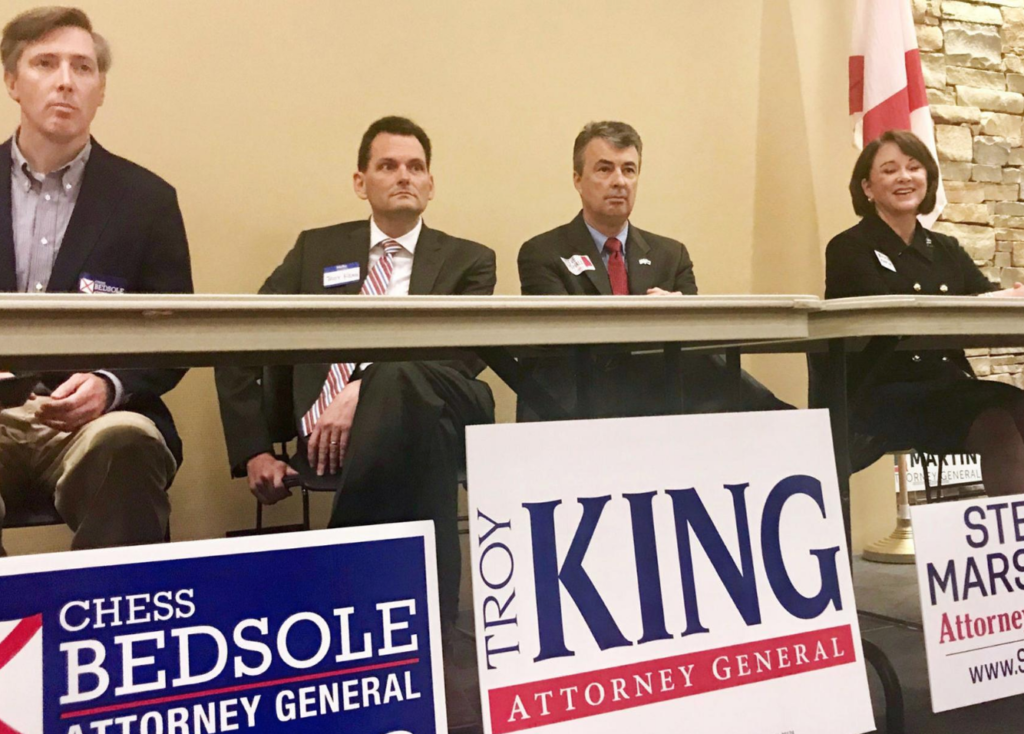
Early polls and pundits called the republican primary for the Attorney General’s race the most competitive. Now with over $5 million spent in a sometimes contentious race there’s no clear front runner a run-off looks inevitable. Although the title of Attorney General might not seem like the most glamorous title in Alabama politics, the position is viewed by many as the second most important job in state government. “The powers given by the state constitution and the Legislature are significant,” Retired political science professor Jess Brown told AL.com. “But the very nature of the office is that the occupant is the chief lawyer for this state and can, in fact, go represent state government even when they don’t want him to.” Current Attorney General Steve Marshall is financially in the lead with $1.9 million in contributions. Chess Bedsole follows him with $1.7 million, former Alabama Attorney General Troy King has garnered $1.4 million and former state assistant attorney general and U.S. Attorney Alice Martin has obtained almost $1 million. Bedsole’s funds came mostly from his own contributions to his campaign. But Republican candidates will also face a somewhat formidable Democratic foe, in the November general election; former Alabama Gov. Don Siegelman‘s son Joseph Siegelman has also thrown his hat in the race. And Chris Christie, no; not that Chris Chrisite has joined the race as well. University of Alabama Political Science Department Chairman Dr. Joseph Smith thinks the democratic race might actually gain some traction, due to a decent turnout for a Democratic primary in Alabama. “because of the candidates at the top of the party’s ticket. Gubernatorial candidates Walt Maddox and Sue Bell Cobb are “quality candidates,” Smith told AL.com. The most important thing in winning the race, Smith believes; is name recognition. “Marshall certainly wins on incumbency, and I think he’s got the most advertising going on,” Smith continued. “You would think Troy King would have pretty good name recognition, since he was the former attorney general, but I don’t know if that has faded from people’s heads in the last few years.” Marshall and Bedsole have tied themselves to President Donald Trump in their political ads, while Martin has chosen to emphasize the corruption issue while King has remained a fairly quiet candidate, Brown thinks he’s mostly betting on name recognition getting him into a runoff race. The primaries will be held on Tuesday, June 5.
Jo Bonner holds press conference to clear Jim Bonner confusion
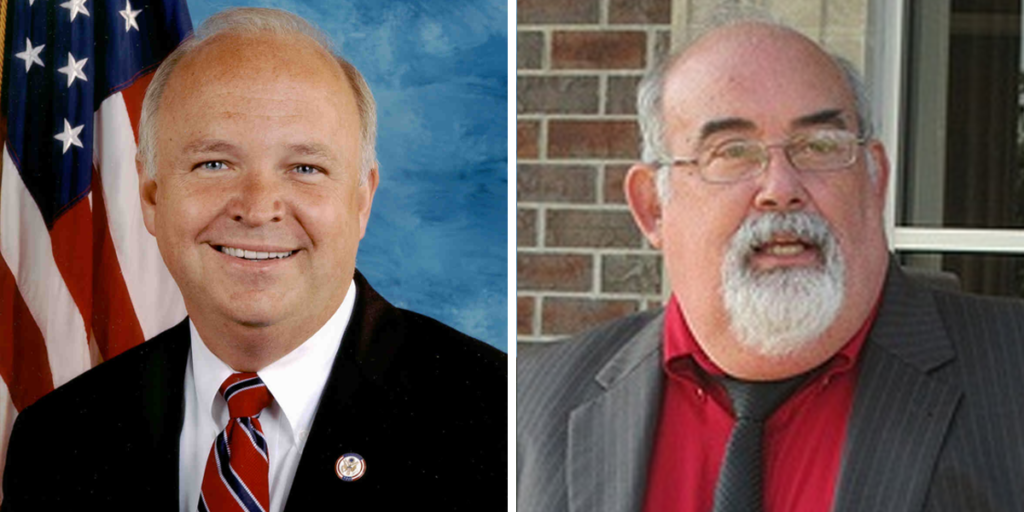
Former Congressman Jo Bonner held a press conference in Mobile, Ala. on Friday to clear up any confusion for voters concerning what has become a controversial Public Service Commission race. The confusion comes from Jo Bonner and current PSC candidate Jim Bonner sharing a last name. “To my knowledge, we are not related,” Jo Bonner said at the press conference, according to AL.com. “I do not support him and resent the views he’s expressed in social media.” “I am not voting for the gentleman from North Alabama because, in my opinion, he’s taken to social media and he’s disparaged women, minorities and other groups as well. This doesn’t represent the best of Alabama,” Jo Bonner continued. Jim Bonner, a controversial Republican candidate for the PSC position is unexpectedly polling ahead of his opponent, six-year incumbent Jeremy Oden. Many attribute his lead in the polls to name confusion; but he doesn’t think so. “The short and accurate answer would be no; I do not believe I am leading because people have mistaken me for someone else,” Jim Bonner said. “People are struggling with the idea that a candidate with no special interests money could be leading in the polls. The truth is I lead by the widest margin in fraternal circles where people know my opponent and myself intimately.” But Jo Bonner said he’s been receiving calls from supporters, asking what they can do to help with his race; “I’ve been blessed over the years to know people around the state,” he said during the conference. “I had no interest in coming to Mobile for a press conference, but people have been so good to me over the years and to my family. I’m not trying to get involved in politics again. I am just trying to clear the air for those who might want to vote for someone who they think we may be related. We’re not.” Jo Bonner currently serves as vice-chancellor of economic development at the University of Alabama Systems, a position he has held since 2013 when he resigned from Congress, and does not plan on returning to politics any time soon; while Jim Bonner is battling his own mess with the Alabama Republican Party. The ALGOP censured him on Tuesday for his statements on both social media and the radio, “Mr. Bonner’s recent comments on his social media as well as radio shows are not condoned by the Alabama Republican Party,” said ALGOP Chairman Terry Lathan in the release. “Mr. Bonner is welcome to his opinions and his first amendment right of free speech. The Alabama Republican Party is welcome to our opinion as well, and we reject the egregious comments Mr. Bonner continues to spew.” The party also said they will not be certifying the votes for Jim Bonner. The decision, announced on Thursday means he won’t get the party’s nomination even if he’s the leading vote-getter in Tuesday’s primary. On Friday Jim Bonner said he is appealing the ALGOP’s decision; but it may not matter. Lathan said Bonner’s request for an appeal hearing won’t be considered until Aug. 25, months after the June 5 primary. Jim Bonner faces against incumbent Jeremy Oden in Tuesday’s primary.
Donald Trump’s tariffs: What they are and how they would work
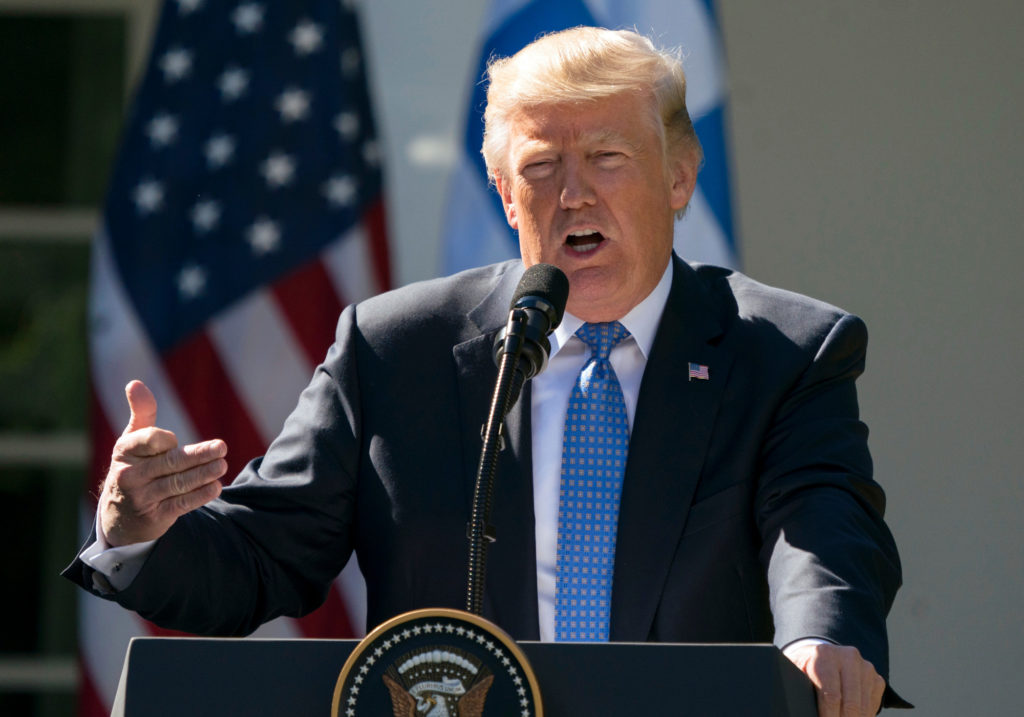
As a tool of national trade policy, tariffs had long been fading into history, a relic of 19th and early 20th centuries that most experts regarded as mutually harmful to all nations involved. But President Donald Trump has dusted them off in recent months and restored tariffs to a prominent place in his America First approach to the rest of the world. Trump enraged U.S. allies Canada, Mexico and the European Union last week by slapping tariffs on their steel and aluminum shipments to the United States; most other countries have been paying the tariffs since March. He has also threatened tariffs on up to $150 billion in Chinese products to punish Beijing for pressuring U.S. companies to turn over technology in exchange for access to the Chinese market. China has vowed to retaliate with tariffs of its own. Trump has also asked the U.S. Commerce Department to look into imposing tariffs on imported cars, trucks and auto parts, arguing that they somehow pose a threat to U.S. national security. Here’s a look at what tariffs are, how they work, how they’ve been used in the past and what to expect now: ___ SO WHAT ARE TARIFFS? Tariffs are a tax on imports. They’re typically charged as a percentage of the transaction price that a buyer pays a foreign seller. Say an American retailer buys 100 garden umbrellas from China for $5 apiece, or $500. The U.S. tariff rate for the umbrellas is 6.5 percent for umbrellas. The retailer would have to pay a $32.50 tariff on the shipment, raising the total price from $500 to $532.50. In the United States, tariffs — also called duties or levies — are collected by Customs and Border Protection agents at 328 ports of entry across the country. Proceeds go to the Treasury. The tariff rates are published by the U.S. International Trade Commission in the Harmonized Tariff Schedule, which lists U.S. tariffs on everything from dried plantains (1.4 percent) to parachutes (3 percent). Sometimes, the U.S. will impose additional duties on foreign imports that it determines are being sold at unfairly low prices or are being supported by foreign government subsidies. It’s not always easy to match a specific product to a specific tariff or to keep up with which products from which countries are facing, say, special anti-dumping duties. “It’s very complicated,” says John Brew, a trade lawyer at Crowell & Moring LLP. “The big companies will have staff that this is all they do.” ___ Q: WHAT ARE TARIFFS SUPPOSED TO ACCOMPLISH? Two things: Raise government revenue and protect domestic industries from foreign competition. Before the establishment of the federal income tax in 1913, tariffs were a big money raiser for the U.S. government. From 1790 to 1860, for example, they produced 90 percent of federal revenue, according to “Clashing Over Commerce: A History of US Trade Policy” by Douglas Irwin, an economist at Dartmouth College. By contrast, last year tariffs accounted for only about 1 percent of federal revenue. In the fiscal year that ended Sept. 30, the U.S. government collected $34.6 billion in customs duties and fees. The White House Office of Management and Budget expects tariffs to fetch $40.4 billion this year. Those tariffs are meant to increase the price of imports or to punish foreign countries for committing unfair trade practices, like subsidizing their exporters and dumping their products at unfairly low prices. Tariffs discourage imports by making them more expensive. They also reduce competitive pressure on domestic competitors and can allow them to raise prices. Tariffs fell out of favor as global trade expanded after World War II. The formation of the World Trade Organization and the advent of trade deals like the North American Free Trade Agreement among the U.S., Mexico and Canada reduced tariffs or eliminated them altogether. The average U.S. tariff is now one of the lowest in the world: 1.6 percent, the same as the European Union’s, the Pew Research Center reports. “A lot of products are either free of duty or at a low rate of duty,” says Paula Connelly, a trade lawyer in Woburn, Massachusetts. ___ Q: WHY ARE TARIFFS MAKING A COMEBACK? After years of trade agreements that bound the countries of the world more closely and erased restrictions on trade, a populist backlash has grown against globalization. This was evident in Trump’s 2016 election and the British vote that year to leave the European Union — both surprise setbacks for the free-trade establishment. Critics note that big corporations in rich countries exploited looser rules to move factories to China and other low-wage countries, then shipped goods back to their wealthy home countries while paying low tariffs or none at all. Since China joined the WTO in 2001, the United States has shed 3.1 million factory jobs, though many economists attribute much of that loss not to trade but to robots and other technologies that replace human workers. Trump campaigned on a pledge to rewrite trade agreements and crack down on China, Mexico and other countries. He blames what he calls their abusive trade policies for America’s persistent trade deficits — $566 billion last year. By imposing tariffs, he is beginning to turn his hard-line campaign rhetoric into action. ___ Q: ARE TARIFFS A WISE POLICY? Most economists — Trump’s trade adviser Peter Navarro is a notable exception — say no. The tariffs drive up the cost of imports. And by reducing competitive pressure, they give U.S. producers leeway to raise their prices, too. That’s good for those producers — but bad for almost everyone else. Rising costs especially hurt consumers and companies that rely on imported components. Some U.S. companies that buy steel are complaining that Trump’s tariffs put them at a competitive disadvantage. Their foreign rivals can buy steel more cheaply and offer their products at lower prices. In 2002, the administration of President George W. Bush slapped tariffs on imported steel. A study financed by steel-consuming businesses found that the tariffs cost 200,000 American
Donald Trump hints at longer path for North Korea to de-nuke
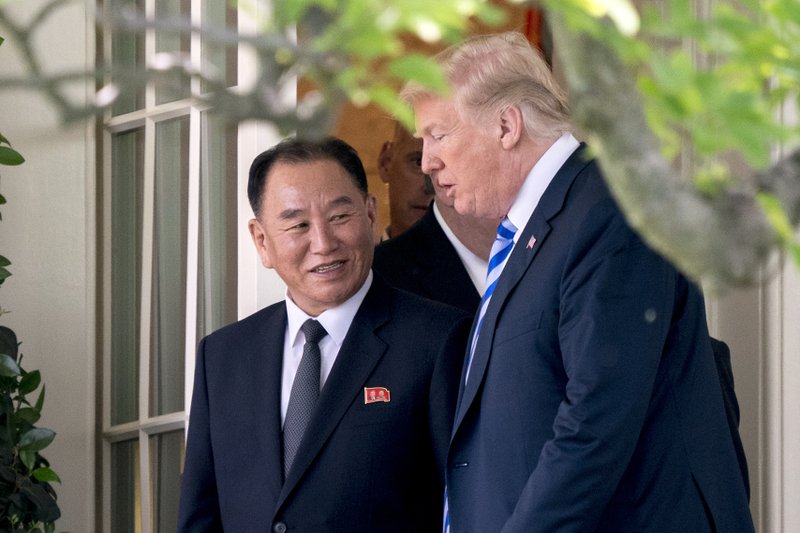
Even by President Donald Trump’s mercurial standards, it was a quick shift. A week after abruptly canceling his historic summit with Kim Jong Un, Trump announced it was back on — and in the process appeared to accede to a key North Korean demand. Beyond the symbolism of Friday’s Oval Office meeting between Trump and Kim Yong Chol — the most senior North Korean official to step inside the White House in 18 years — Trump signaled a subtle change in his administration’s approach toward the goal of getting the pariah nation to give up its nuclear weapons. U.S. officials have previously been calling for North Korea to abandon its nukes rapidly, with the expectation of getting benefits afterward in the form of security assurances, sanctions relief and the opportunity to boost its meager economy. But as he spoke to reporters Friday, Trump repeatedly referred to the June 12 summit in Singapore — a first between the leaders of the U.S. and North Korea — as the start of a “process,” and said it was likely that more than one meeting would be necessary to bring about his goal of denuclearizing the Korean Peninsula. “June 12th, we’ll be in Singapore,” Trump said after his lengthy goodbye with Kim Yong Chol, a former North Korean military intelligence chief, whom he escorted to a black SUV. “It will be a beginning. I don’t say and I’ve never said it happens in one meeting. You’re talking about years of hostility; years of problems; years of, really, hatred between so many different nations. But I think you’re going to have a very positive result in the end.” Trump gave no indication of what kind of timetable he might have in mind for getting North Korea to abandon a weapons program it views as a guarantee for the survival of its authoritarian regime. Still, his comments marked a sea change from the views expressed weeks earlier by his national security adviser John Bolton, who was notably absent from Friday’s meeting. Bolton, who before taking office in April advocated military action against North Korea, had pointed to the disarmament of Libya in 2003 and 2004 in exchange for sanctions relief as a model for a possible deal with North Korea. For the North, that was a deeply provocative comparison, because Libyan autocrat Moammar Gadhafi was killed following U.S.-supported military action in his country about seven years after giving up his fledgling nuclear program. Rather than surrender its program all at once as Gadhafi did, North Korea has repeatedly said it envisions a “progressive and synchronous” approach, where it gets benefits along the way. The latest expression of that came Thursday from Kim Jong Un himself when he met in Pyongyang with Russian Foreign Minister Sergey Lavrov. In a dispatch Friday, North Korean state news agency cited Kim saying “he hoped that the DPRK-U.S. relations and the denuclearization of the Korean peninsula will be solved on a stage-by-stage basis.” DPRK refers to the North’s official name, the Democratic People’s Republic of Korea. That sounds reminiscent of past U.S. efforts to negotiate North Korea’s disarmament with incentives of aid since the mid-1990s — efforts that have ultimately failed. The Trump administration has often said it can’t afford to repeat those mistakes because of the threat that North Korean nuclear-tipped missiles now pose to the continental U.S. But there’s always been doubt about whether it was realistic to expect instant results — both because of North Korea’s negotiating position and the scale and sophistication of its weapons program. This week, Stanford University experts — including nuclear physicist Siegfried Hecker, who has inspected North Korea atomic facilities firsthand — proposed a denuclearization road map spanning 10 years. They warned that the idea of shipping the North’s nuclear weapons out of the country was “naive and dangerous.” North Korea has shown some goodwill: halting missile tests for six months so far, and last week demolishing key areas of its nuclear test site in front of international journalists. It has also released three American detainees. Now Trump, keen to strike a historic deal with a bitter U.S. adversary, appears eager for rapprochement to work. After meeting Kim Yong Chol, the president said he was putting new sanctions against the North on hold and doesn’t want to use the term “maximum pressure” anymore — referring to his signature policy to isolate Pyongyang economically and diplomatically. That may ease fears of renewed confrontation that fueled fears of war last year. But doubts linger about North Korea’s intentions. By hosting a top official from the North — whose trip to New York and Washington required waiving a travel ban against him — Trump has provided an early public relations victory for an isolated government eager for international recognition. He’s also generated considerable expectations about how the summit can herald a warm relationship between longstanding enemies. Hawks in the U.S. administration may also be concerned that Trump, who often complained during his election campaign about American military burdens overseas, would ultimately agree to a timetable for denuclearization by North Korea in exchange for withdrawing American troops from South Korea — removing a military tripwire to deter aggression by the North. Republished with the permission of the Associated Press.
Bessemer City Council and Jefferson County Commission to vote on incentives to land Amazon

Amazon is in talks to build a warehouse near Birmingham that could create up to 3,000 jobs. Public notices show Amazon plans an 855,000 square-foot (7,900 sq. meter) fulfillment center in Bessemer. The Jefferson County Commission will vote next week on spending up to $3.3 million to fund road work and pay incentives to Amazon. The Bessemer City Council will consider giving part of the city’s occupational tax collected from Amazon employees to the company. Bessemer would cap permit fees at $200,000 and cap its annual business license tax at $5,000. Jefferson County Commissioner Jimmie Stephens tells news outlets the state will also offer undisclosed incentives. Commissioner David Carrington says the facility could open in fall 2019. The warehouse is targeted for 133 acres (54 hectares) owned by U.S. Steel. Republished with permission from the Associated Press
Jim Bonner, controversial candidate for PSC, to appeal party decision not to count votes
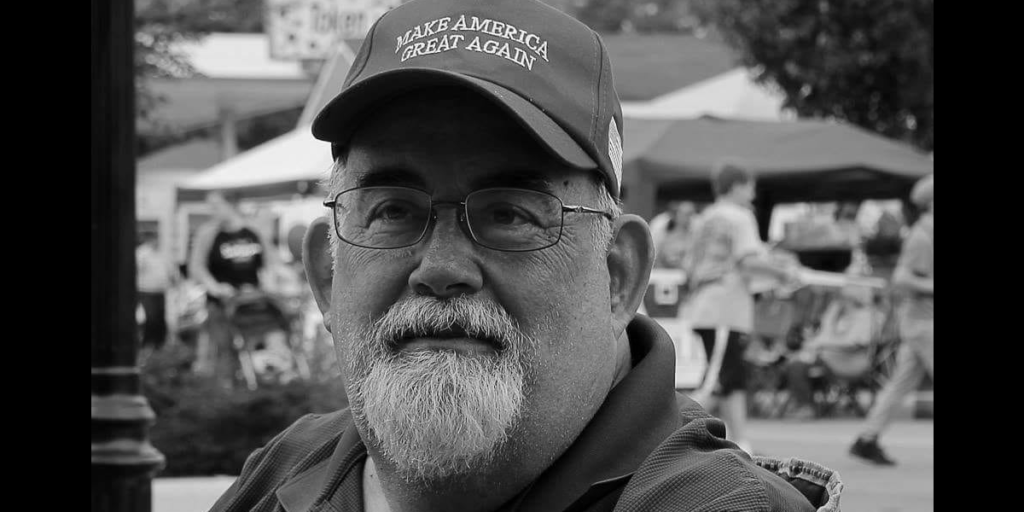
A statewide candidate censured over “egregious” public comments said Friday that he is appealing the state GOP’s decision to disregard any votes he receives in next week’s primary, but it may not matter. Jim Bonner, who is running for Alabama’s utility-regulating Public Service Commission, said Republican officials could face a backlash if they don’t treat his case seriously. “They risk alienating 1 million voters with this,” he said. But party chair Terry Lathan said Bonner’s request for an appeal hearing won’t be considered until Aug. 25, weeks after Tuesday’s election, and the full state executive committee would have to agree to hear it. Bonner, 65, is a former community college teacher and two-time delegate to the Republican National Convention. Party officials this week censured the Phil Campbell man over comments he made on social media and radio that could be offensive to groups including women, blacks, Jews and Muslims. The party took the added step Thursday of saying it wouldn’t certify Bonner’s votes against Public Service Commissioner Jeremy Oden. “When our state party chooses to take these steps, it is a serious and rare occurrence. We strongly believe that this is one of those solemn moments. This vote was carefully considered and was not taken lightly,” Lathan said in a statement. The decision came during a telephone conference call in which Bonner said he told a party committee he was being outrageous partly to attract free publicity since he has raised little money and can’t afford advertising. “I can’t get on the radio and do a lot of advertising about me or my opponent,” Bonner said in an interview. Bonner said Republican leaders are against him because he’s campaigning for tighter regulation of the politically powerful Alabama Power Co. While Bonner hasn’t held elected office, he may be benefiting from his last name. The Montgomery-based political consulting firm Cyngal said a recent survey showed Bonner in a tight race with Oden among decided voters, although nearly 70 percent of voters are undecided. The firm said voters may be picking Bonner because former U.S. Rep. Jo Bonner used to represent southwest Alabama in Congress, and Jo Bonner’s sister Judy Bonner was president of the University of Alabama. Jim Bonner said he is a distant relative of the brother and sister but has no relationship with either. In a bid to clear up any confusion, Jo Bonner held a news conference in Mobile on Friday to say he’s not running for office. He said he doesn’t know that he’s ever met Jim Bonner and doesn’t believe they are related. Jo Bonner told reporters he has received calls “from all over the state” recently from people who mistakenly thought he was re-entering politics. Republished with permission from the Associated Press.
Who’s who in statewide and congressional races on the primary ballot
Alabama’s primary ballot features multiple offices and something voters in the Republican-controlled state haven’t seen in years: Democratic races for statewide and congressional positions. Alabama Democrats have 27 total candidates running for state positions or Congress this year, more than double the 13 from 2014. That means there are several Democratic primary races, compared to just one for a statewide office four years ago. Many of the eventual Republican nominees will still run unopposed in the General Election because no Democrats qualified. But with Democratic opposition to President Donald Trump running high and after Democrat Doug Jones’ victory in Alabama’s U.S. Senate in December, the once-powerful party is trying to show signs of life. Aside from the governor’s campaign, in which five Republicans and six Democrats are vying for their party’s nominations, here are some other races to watch: ___ Attorney General Republican appointee Steve Marshall is facing voters for the first time in a statewide race as he seeks election to the office of attorney general, and it might not be easy. Marshall, a former Marshall County district attorney, has served in the job since February 2017, when then-Gov. Robert Bentley tapped him after naming Luther Strange to the U.S. Senate. Marshall is being opposed in the GOP primary by Alice Martin, a former federal prosecutor who was the state’s chief deputy attorney general; Troy King, a former state attorney general and Birmingham lawyer Chess Bedsole. Birmingham attorneys Joseph Siegelman and Chris Christie are vying for the Democratic nomination. Siegelman is the son of former Gov. Don Siegelman. The attorney general is responsible for representing the state in criminal and civil matters, and the office often is a stepping-stone to other positions. Just ask U.S. Attorney General Jeff Sessions, a former Alabama attorney general. ___ Congress Rep. Martha Roby’s bid to hold on to her District 2 seat from the Wiregrass region of southeastern Alabama for a fifth term highlights the state’s congressional primaries. The House Appropriations Committee member is being opposed by candidates including Bobby Bright, who Roby defeated to claim the seat in 2010. Other opponents include Rich Hobson of Enterprise, who managed Roy Moore’s unsuccessful Senate campaign last year. Roby gained Republican critics after distancing herself from Presidential Donald Trump’s vulgar comments about women in 2016. The eventual GOP nominee will face either education researcher Tabitha Isner of Montgomery or activist and military veteran Audri Scott Williams of Cottonwood. They’re competing for the Democratic nomination in the Republican-dominated district. Reps. Mo Brooks of Huntsville and Robert Aderholt of Haleyville also have challengers in the GOP primary, and Democrats have primaries in four districts in all. There was just one Democratic congressional primary in 2014. ___ Lieutenant Governor Alabama has been without a lieutenant governor for more than a year, and the primary is a first step toward filling the office. Alabama Public Service Commission president Twinkle Andress Cavanaugh is running in the Republican primary against two state legislators: Rep. Will Ainsworth of Guntersville and Sen. Rusty Glover of Mobile. Cavanaugh has outpaced other candidates in fundraising with nearly $1.1 million in total contributions through April. The eventual Republican nominee will face Democratic minister Will Boyd, who lost the U.S. Senate primary against Doug Jones in the special election last year. The office of lieutenant governor, who is president in the state Senate, has been vacant since April 2017, when Kay Ivey succeeded Robert Bentley as governor following his resignation and guilty plea amid a sex-tinged scandal. Ethics is a top issue in the race as the Legislature looks to review Alabama’s ethics law next year and lawmakers currently face corruption charges. ___ Supreme Court The Alabama Supreme Court isn’t in the news as often as it used to be without Roy Moore as chief justice, but the primary ballot includes three contested races on the nine-member, all-Republican panel. Current court members Lyn Stuart and Tom Parker are vying for the Republican nomination for chief justice. Stuart has been serving in the position since Moore’s suspension for violating judicial ethics and later resignation to run for the Senate. Either Stuart or Parker will face Bob Vance Jr., a Jefferson County circuit judge who is unopposed for the Democratic nomination. Court appointee Brad Mendheim is opposed by circuit judges Debra Jones of Anniston and Sarah Hicks Stewart of Mobile for the GOP nomination for Place 1 on the nine-member court. And attorneys John Bahakel and Jay Mitchell of Birmingham are both seeking the Republican nomination for the Place 4 seat. The winner will face Democrat Donna Wesson Smalley in November. ___ State School Board Republicans are fighting over two seats on the Alabama State Board of Education, and the winners of both races will have Democratic opponents in the fall. Four Republicans are running for the District 2 seat held by Betty Peters, who isn’t seeking re-election. They include former Dothan school board member Melanie Hill; Coffee County resident Sybil Little; John Taylor of Dothan; and Auburn City School Board President Tracie West. The winner will face Democrat Adam Jortner in November. Business executive and former Madison school board Rich McAdams and Wayne Reynolds, a retired educator and registered nurse from Athens, are seeking the Republican nomination in District 8. The seat is now held by Mary Scott Hunter, who is running for the Alabama Senate. Jessica Fortune Barker is on the ballot as a Democrat in the General Election. Republished with the permission of the Associated Press.
Jim Zeigler’s officially done with law. Possibly going back to journalism after leaving auditors office
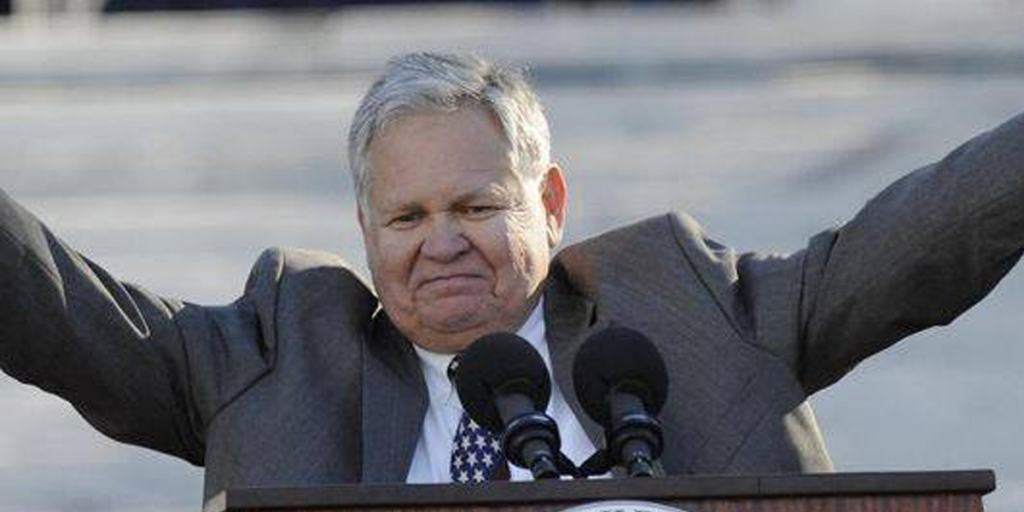
State Auditor Jim Zeigler is officially not a lawyer anymore. Zeigler, who practiced law for over twenty years, voluntarily relinquished his Alabama Law license in February; saying he plans to work as an investigative reporter when his time in public office ends. He minored in journalism at the University of Alabama, and worked for the Daily Home newspaper in his hometown of Sylacauga in 1973. Zeigler said he held on to the license because he was considering running for Attorney General, but in February when he decided to seek re-election for the State Auditor’s position he felt there was no need for him to retain his law license. “I had held on to the license and paid my dues for four years because there was a possibility I would run for state attorney general this election cycle,” Zeigler told AL.com. “In February, the qualifying deadline, I had to make a decision and ran for reelection as auditor. So, I didn’t need the law license for that reason. I don’t need it for any reason.” Originally from Sylacauga, Ala., Zeigler earned his JD from the Jones Law Institute at Faulkner University in Montgomery; obtaining his license in 1978. In 1993, he opened his own private practice, practicing as a mediator, arbitrator, and attorney until 2015, when he was elected State Auditor. Zeigler faces off against Elliott Lipinsky and Stan Cooke in the June 5 primary on Tuesday.
