
Neil Gorsuch shows how much 1 vote matters on Supreme court
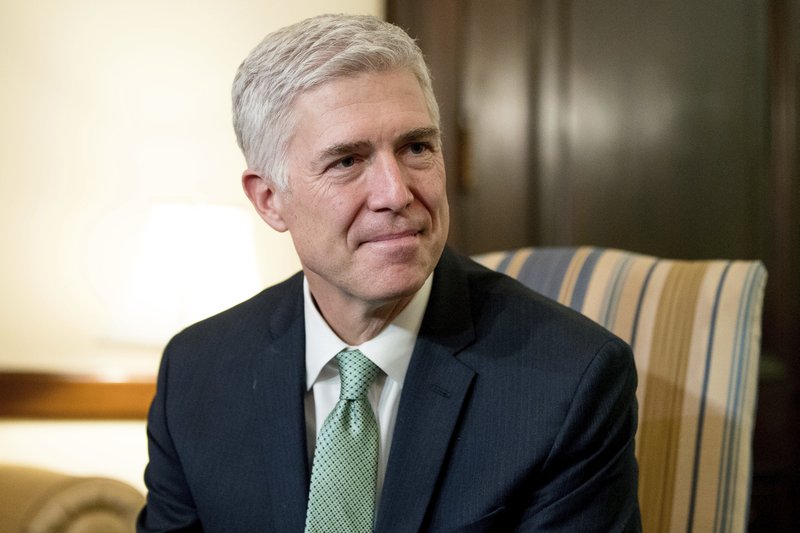
Justice Neil Gorsuch‘s role in his first full term on the Supreme Court offers a striking illustration of the difference a single justice can make, and why both sides are gearing up for a titanic fight over replacing retiring Justice Anthony Kennedy. The term that roared to its finish Wednesday — before it was overshadowed by Kennedy’s announcement of his retirement — was a triumphal one for conservatives. In Kennedy’s last term and the first for Gorsuch, Kennedy’s former law clerk, both justices were part of 5-4 conservative majorities to uphold President Donald Trump‘s travel ban, deal labor unions a major financial setback, affirm Ohio’s aggressive purge of its voter rolls and prohibit millions of workers from banding together to complain about pay. Those cases probably all would have come out differently — if they even had made their way to the Supreme Court — had the seat Gorsuch holds instead been filled by Judge Merrick Garland, whom President Barack Obama nominated after Justice Antonin Scalia’s death in 2016. Attorney General Jeff Sessions was quick to trumpet the decision in the union case because it was one of four where his Justice Department flipped the position taken in the Obama administration and won. “The favorable Supreme Court decisions in all four cases reflect that we took the proper course of action. The decisions speak for themselves,” Sessions said. There were 14 cases in all in which conservatives prevailed and liberals were in dissent. By contrast, the liberal justices were in the majority in just three ideologically divided cases in which one conservative joined them. The most significant of those was a digital-age privacy decision saying that police generally need a warrant for cellphone company records showing where a phone was used. Beyond the votes in individual cases, the makeup of the court in part determines the kind of cases people push to get in front of the justices. The case that ended labor unions ability in nearly two dozen states to collect fees from government workers they represent is a prime example. When Antonin Scalia died, the remaining eight justices divided 4-4 in an earlier case about the same issue. After Trump won election, anti-union groups pressed to get a new case to the high court quickly. Abortion foes could follow a similar path with Kennedy’s successor on a court that could be more willing to sustain abortion restrictions. “Conservative legal activists have jumped on the opportunity by bringing cases that continue to push the law in a conservative direction,” said Elizabeth Wydra, president of the liberal Constitutional Accountability Center. “If we get a justice even more reliably conservative than Justice Kennedy, I’d expect that to be an even more extreme trend.” Not every Supreme Court case — or even most cases — fall along those lines, including the two cases this term that are likely to lead to less money in people’s pockets and more in state coffers. In one, the court opened the door to legalized betting on sporting events across the country. Delaware and New Jersey were the first states to start taking bets and several more states plan to follow suit to try to capture some of the $150 billion that Americans have been wagering illegally each year, according to some estimates. The justices also made it possible for states to force more people to pay sales tax when they make online purchases. The court overruled a pair of decades-old decisions that states said cost them billions of dollars in lost revenue annually. As the justices look ahead to next term, the 30 cases already set for arguments generally do not have the same high profile as this term’s biggest ones. Among the notable cases are appeals by death row inmates in Alabama and Missouri, a case about the rights of immigrants in detention and a class action involving iPhone apps. The court still could return to two big issues it considered but ultimately did not decide this term — political gerrymandering and religious objections to LGBT rights under anti-discrimination laws. On both counts, the liberal justices saw Kennedy as a potentially decisive vote to impose limits on redistricting for political gain and to assert that a business owner’s opposition to same-sex marriage could not justify a refusal to serve a customer. The issues may be back at the high court soon, but probably in front of a more conservative court. The court’s senior liberal justice, 85-year-old Ruth Bader Ginsburg, was prophetic when she talked with a reporter in the summer before Trump’s election. At that point, Kennedy had just written an opinion upholding the consideration of race in college admissions and the court had rebuked Texas for burdensome restrictions on abortion clinics. Ginsburg was looking ahead to a Hillary Clinton presidency, but she acknowledged how different things would look for the court if Trump won. “I don’t want to think about that possibility, but if it should be, then everything is up for grabs,” Ginsburg said. Republished with permission from the Associated Press.
Twinkle Cavanaugh: Putting Alabama families first
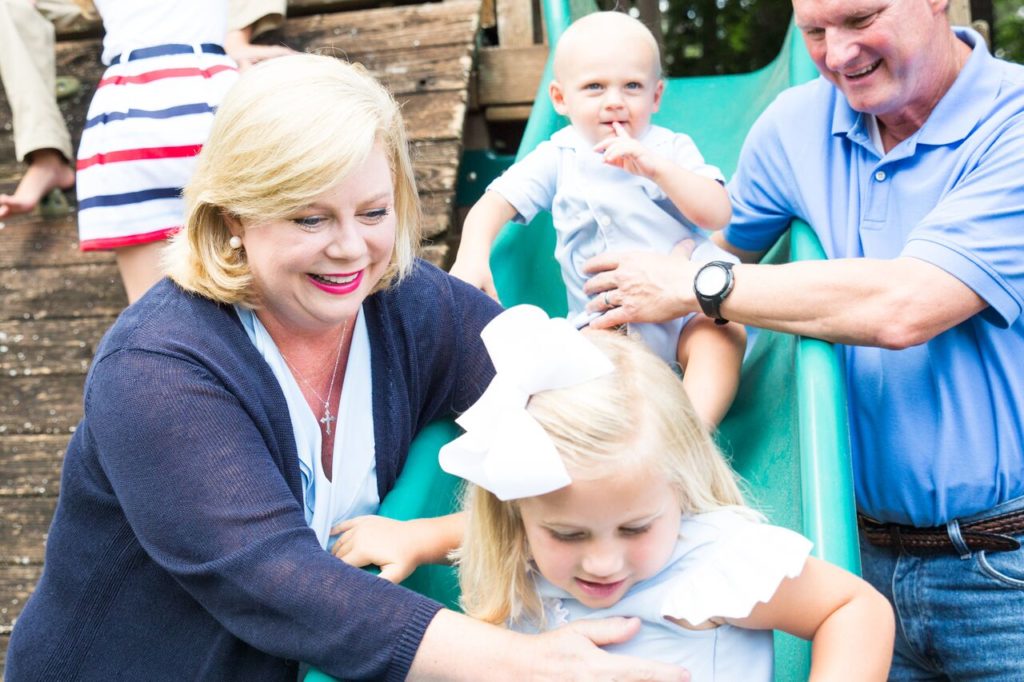
When you run for public office, you think of family first – your spouse, your children, and your parents. Both of my parents were teachers. I grew up in a modest home where education was important, and where I was rooted in the kind of traditional family values which everyone can appreciate. The lessons I learned then are the lessons that I am trying to pass on to my children and my grandchildren today. Yet, we are constantly being told by, what Ronald Reagan called a “distant elite,” that we need to change. But what exactly are these people asking us to change? In 1979, Margaret Thatcher said, “it’s passionately interesting for me that the things that I learned in a small town, in a very modest home, are just the things that I believe have won the election.” Isn’t that what we want again in our government? We as Alabamians have seen too many people who come to Montgomery and bill themselves as the one who will change the system, only to find out that it is the system that has changed them. The moment change asks you to put your values aside, is the time when danger looms on the horizon. Values which are a mile wide and one inch deep will not be able to change the course of our great state. But values rooted in the soil of belief and the principles of our nations’ founding will be able to deliver on better infrastructure and a better education for our most precious resource – our children. Hard work, honesty, faith in God, respect for life, and a rugged optimism which believes that tomorrow can always be better – have held many Alabamians through good times and dark times. Simple, yes. But it is in these same deeply-rooted, proven values, which lies the confidence we need to address the future. We are a people who look to God, while rolling up our sleeves to work harder in the jobs we do and for the families we raise. This is precisely why I am running for Lt. Governor. I want to continue bringing our timeless Alabama values to Montgomery. I want to bring about jobs – good, high-paying jobs – for our state, so that families become stronger. I want to strengthen our high school, community college and higher education offerings, so that our children today will be the best and brightest. I want to be the Lt. Governor who puts our families and our values first – rejecting self-interest and special interests. These are the values which create the real leaders in Alabama, and this can be our future. Our brighter future. ••• Twinkle Andress Cavanaugh is the President of the Alabama Public Service Commission. She is a small business owner and former Chairman of the Alabama Republican Party. Opinions expressed do not represent the position of the Public Service Commission or its other commissioners.
Maverick PAC names two Alabamians as 2018 ‘Future 40’ award recipients
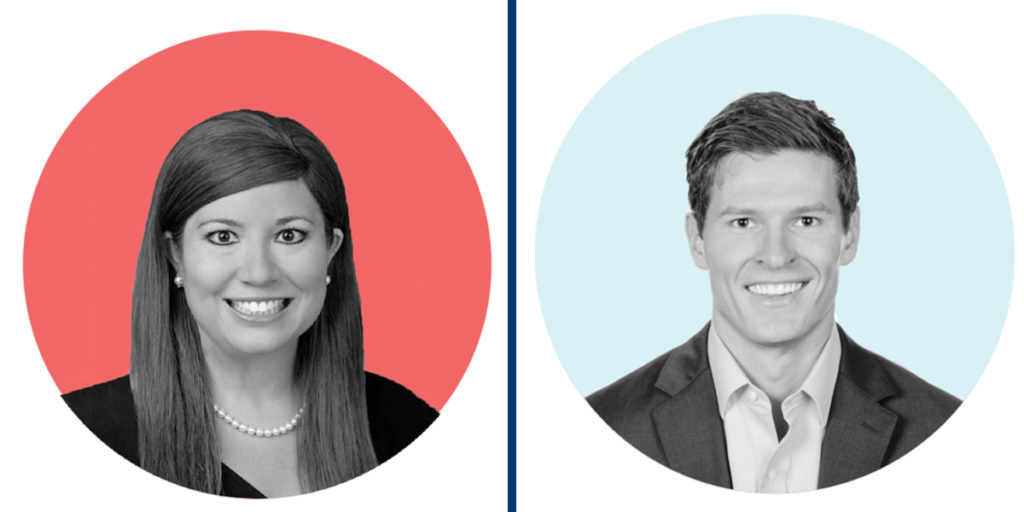
Maverick PAC, a conservative young professional’s network announced their 2018 “Future 40” honorees at the Mavericks Conference — Maverick PAC’s annual gathering that brings in more than 200 members from across the country to meet and hear from leaders in business and politics — which took place earlier this month in Austin, Texas. The Future 40 list recognizes 40 young professionals under the age of 40 who are making a difference in their respective industries and are on track to become leaders in the private, public, and political sectors. Among its honorees are two Alabamians: Kasdin Mitchell and Jon Adams. “Since its inception 15 years ago, Maverick PAC has built a network of successful young professionals who are focused on making a difference in business and politics. Our network has grown to more than 20 chapters and hundreds of members nationwide,” said Maverick PAC National Co-chair Morgan Ortagus. “Each year, we recognize standout young professionals that the rest of the country should know about.” Kasdin Mitchell Kasdin Mitchell is a litigation associate at Kirkland & Ellis LLP. Prior to joining Kirkland, she served as a law clerk to Justice Clarence Thomas on the U.S. Supreme Court and as a law clerk to Judge William H. Pryor Jr. on the U.S. Court of Appeals for the Eleventh Circuit. She also previously worked in private practice at Maynard Cooper & Gale PC in Birmingham, Alabama, and as the Assistant Solicitor General for the State of Alabama in the Alabama Attorney General’s Office. Prior to law school, Kasdin served as the Assistant Press Secretary to the First Lady at the White House and as a special assistant in the Office of Fossil Energy at the U.S. Department of Energy. Kasdin received her B.A. and J.D. from Yale. Jon Adams After successfully defending the Republican Senate majority in 2016, Jon Adams continues his role as Digital Director of the National Republican Senatorial Committee for the 2018 election cycle. As Digital Director, he oversees the NRSC’s digital strategy, advertising, creative, social media, online/offline marketing and online fundraising. Adams is one of the premier marketers in Republican politics, having raised over $300 million online and managed budgets of over $100 million. Before joining the NRSC, Adams worked as a Project Manager of Data Platforms for Targeted Victory. He managed digital analytics for Mitt Romney’s presidential campaign and was also part of John McCain’s 2008 presidential team. Jon is a graduate of the University of Alabama where he studied Political Science and Computer Science. He lives in Virginia with his wife Michael McCollum Adams and their daughter Anderson Parker Adams.
Kirk Hatcher says opponent Alvin Holmes ‘no longer able to fight the good fight’
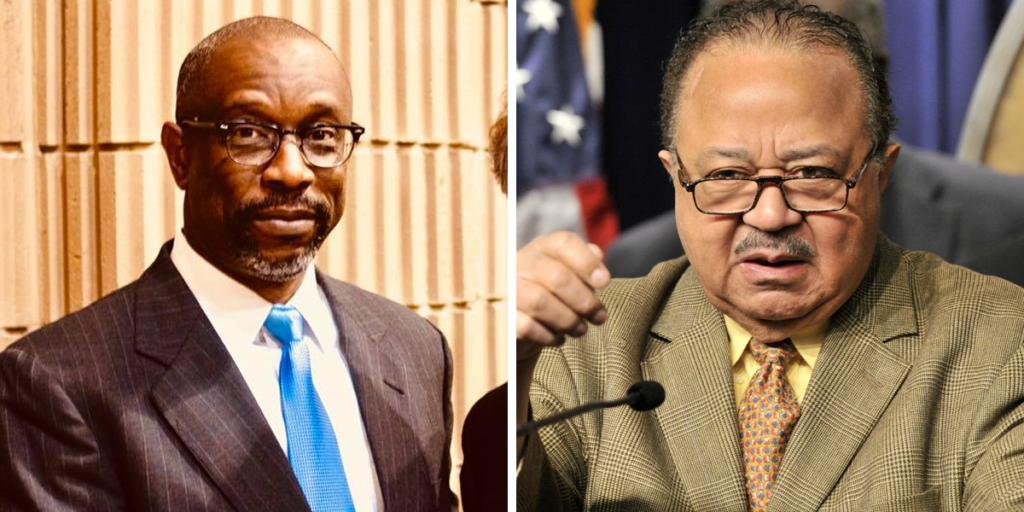
Democrat Kirk Hatcher is hoping to do something that’s not be done in 44 years: unseat House District 78 incumbent Alvin Holmes. Hatcher has pulled Holmes into a runoff, as Holmes failed to take home at least 50 percent during the June 5 Democratic primary. Holmes had 45.8 percent, while Hatcher got 37 percent. A third opponent, Terance Dawson got 16 percent. Holmes who has held the seat since 1974 has become an institution in the State Legislature — a powerful voice advocating on behalf of African Americans. But Hatcher says those days are gone. In an interview with AL.com, Hatcher says Holmes is not around to fight the way he used to. “I’ve known of him for many, many, many years,” Hatcher said. “But I also know that he’s no longer able to fight the good fight, so to speak. And his absence has been notable.” Hatcher is referring to the fact Holmes missed of the 2018 legislative session. AL.com also noted, “Holmes also failed to report his campaign finance activity before the primary. On Tuesday, he filed late reports with the Alabama Secretary of State’s office on campaign contributions and expenditures from May.” Hatcher and Holmes face-off in the runoff election on July 17.
Kay Ivey awards grant to help bring jobs to town of Steele
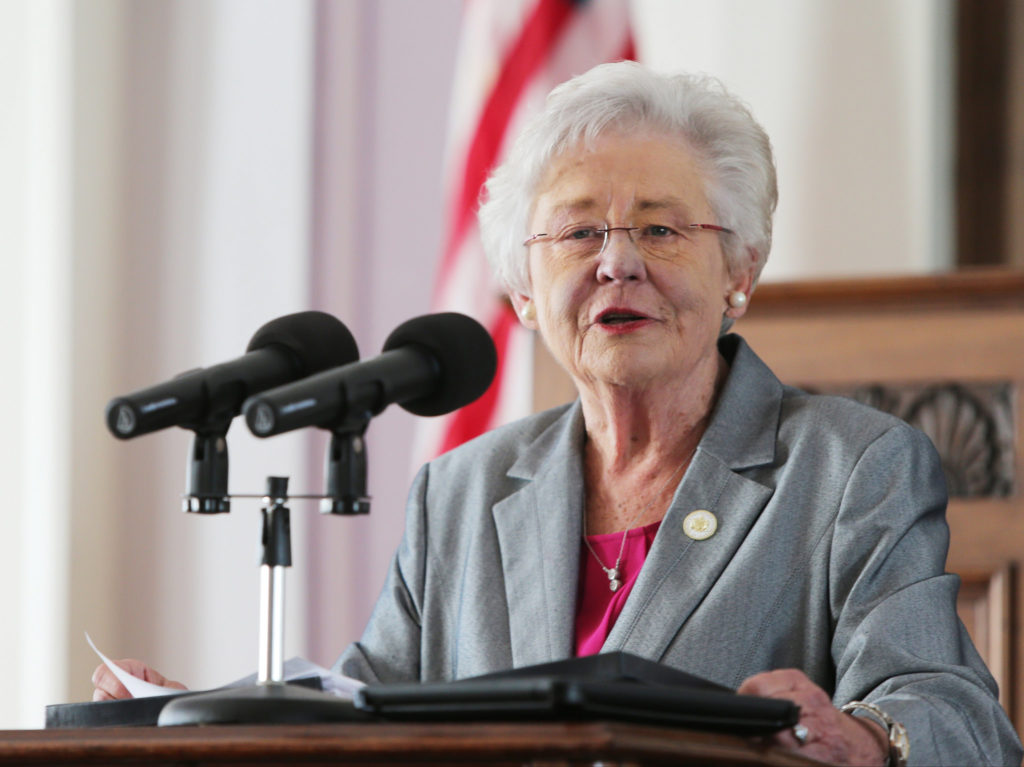
Gov. Kay Ivey on Thursday awarded a $118,000 grant to the town of Steele for infrastructure upgrades that will help bring new jobs to the area. The Community Development Block Grant (CBDG) will be used to restore a water tower used by Unipres Alabama Inc., a global supplier of steel automotive parts. The company is expanding, constructing a 150,000-square-foot building to accommodate a new assembly line which is expected to create 50 jobs. “My administration is very focused on economic opportunities for Alabamians, so job growth and company expansions like the Unipres Alabama plant in Steele are great news for our state,” Ivey said. “I am pleased to support Steele in preparing the way for this expansion and the new job opportunities it will provide.” The company is investing in a new heat stamping process that requires water for cooling the steel used in automotive bodies. The water tank’s interior and exterior will be restored, alleviating any corrosion or deterioration that might otherwise lead to water leaks or particles getting into the cooling process. The Alabama Department of Economic and Community Affairs (ADECA) is administering the grant from funds made available by the U.S. Department of Housing and Urban Development. “Gov. Ivey has consistently shown her support for economic growth and a desire to bring even more jobs to Alabama,” ADECA Director Kenneth Boswell said. “ADECA is pleased to play a role in this project which will bring benefits to Steele and the surrounding area.” The Steele Water Board is providing $35,000 to supplement the award.
Kay Ivey fires Southern Rail commissioner after refusing to fund Mobile Amtrak
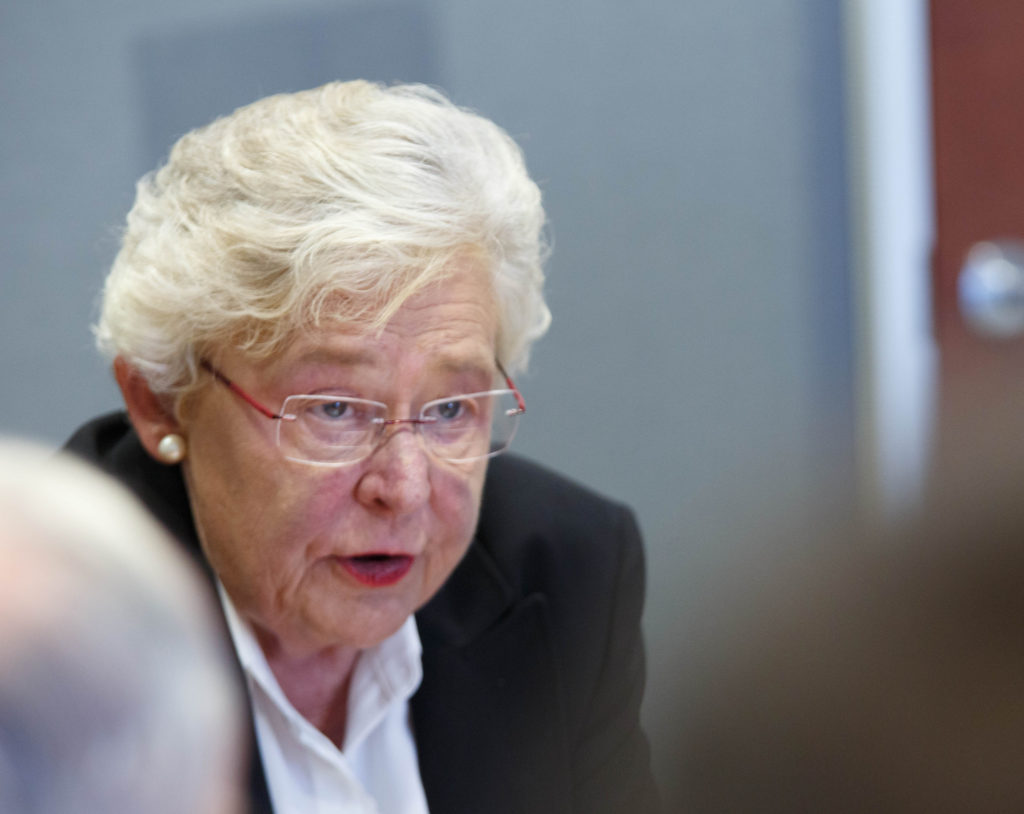
“Y’all aboard?” The Southern Rail Commission proverbially asked Alabama Governor Kay Ivey. Her response? Nope. Last week Ivey declined to commit funding to restart the Amtrak coastal connection. Saying that by her analysis, restoring a passenger rail service between Mobile and New Orleans would lead to a detrimental impact to the commercial and freight rail services coming in and out of Mobile. “As we continue to address congestion on our surface transportation systems, both on our highways and rail system, I currently do not plan to provide limited state resources to passenger rail service,” Ivey said in a statement. “We have higher priority opportunities to address congestion on I-10 through the Mobile River Bridge project, expansion of the Port of Mobile and numerous highway projects around the state.” On Monday, Ivey sent a letter to Southern Rail Commission chairman, John Spain saying representative Jerry Gehman would no longer be part of the commission. Gehman has been a vocal supporter of the Amtrak coastal connection, urging Ivey to divert funds to the project, and criticizing her for not meeting with the commission since taking office. “We’ve not had four trains a day between Mobile and New Orleans, passenger trains a day, in our history,” Gehman told WKRG News 5. “It’s not something that’s just a pipe dream, this is three years of significant work.” “I would wish that the Southern Rail Commission have great success in the future,” Gehman told AL.com after news of his termination. “But in the state of Alabama, given the governor’s rejection letter of the passenger rail possibility that existed … and given the tenor of her comments, I don’t see it being a viable option during this governor’s tenure.” Maddox calls out Ivey Gubernatorial candidate Walt Maddox was quick to criticize Ivey for what he called “outdated governing.” “It has become clear to me that, though some economic benefit may be realized by new passenger rail service, such service will have an outsized detrimental impact on other types of rail service,” Maddox said in a statement. “As we continue to address congestion on our surface transportation systems, both on our highways and rail system, I currently do not plan to provide limited state resources to passenger rail service. We have higher priority opportunities to address congestion on I-10 through the Mobile River Bridge project, expansion of the Port of Mobile and numerous highway projects around the state.”
Analysis: GOP’s long-term Supreme Court strategy pays off
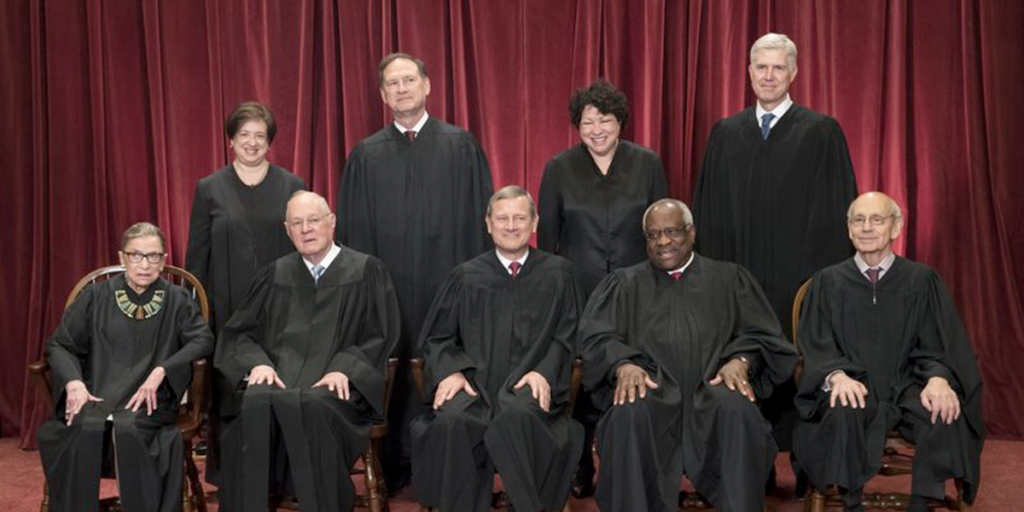
Three years of political upheaval. Early morning Twitter blasts. Scores of startling headlines. For the Republican Party, all the chaos of the Trump era has been building toward a week like this. The party’s long-term strategy to focus on the Supreme Court — highlighted by an audacious decision not to allow a vote in 2016 on President Barack Obama’s judicial pick — culminated this week with a series of conservative rulings and another vacancy. With Justice Anthony Kennedy set to retire at the end of next month, President Donald Trump is poised to appoint his second justice in as many years, giving conservatives a potential bulwark on the bench that could offset national demographic trends that appear set to favor Democrats in the decades ahead. Though Trump, who has little fixed ideology, has been an unpredictable and at times frustrating governing partner for the Republican leadership, he has largely adhered to GOP orthodoxy when it comes to judicial appointments, including his selection of Neil Gorsuch for the Supreme Court a year ago. And the president, in the moments after Kennedy’s retirement was announced, made clear that he understood the opportunity to shape the court for generations. “It’s always been considered a tremendous — a tremendously important thing,” the president said at the White House on Wednesday. “Some people think outside of, obviously, war and peace, it’s the most important thing that you could have.” White House aides signaled the president would look to quickly move toward announcing a nomination. And Senate Republicans said they would be willing to hold a confirmation vote this fall to replace Kennedy, a perennial swing vote on the court, despite Democratic cries of hypocrisy since the GOP refused to hold hearings on Obama’s choice of Merrick Garland because it was an election year. Kennedy’s retirement sets up a monumental confirmation fight and raises the stakes even higher for the November midterm elections, in a campaign season that already featured the future of the Supreme Court as a defining issue after several significant rulings in recent days. The court’s conservative majority asserted itself on Trump’s travel ban, worker rights, voting rights and religious freedom. With the White House reeling after a week’s worth of heart-wrenching images of forced family separations at the southern border, the court’s support for the travel ban gave Trump a welcome boost and is sure to embolden him in pressing hard-line immigration policies heading into the midterms. Though the ruling was at its heart a defense of executive powers, the president took it as affirmation of the hawkish policies and incendiary rhetoric he unveiled in his June 2015 campaign kickoff and now wants at the heart of the GOP’s efforts this November. The court also ruled on a cause celebre for the right, as Kennedy — despite his long history of supporting gay rights — wrote the court’s 7-2 opinion on narrow grounds that absolved a Colorado baker of discrimination for refusing to create a wedding cake for a same-sex couple. Moreover, the court overruled a 41-year-old precedent that allowed public employee unions to collect fees from non-members, a decision viewed as a major blow for Democrats. Liberals compared that ruling to the 2010 decision that let corporations spend unlimited amounts on elections and the 2013 ruling that struck down a key section of the Voting Rights Act as actions that could fundamentally change how campaigns are waged and votes are cast. A 2018 study released as a National Bureau of Economic Research paper found that states with right-to-work laws that weaken unions reduce the vote shares of Democratic presidential candidates by 3.5 percentage points. Sen. Mitch McConnell said Wednesday that the Senate “stands ready” to swiftly move on Trump’s impending choice and added that “it’s imperative that the president’s nominee be treated fairly.” Democrats immediately cried foul and accused the GOP of a double standard. “Our Republican colleagues in the Senate should follow the rule they set in 2016: Not to consider a Supreme Court justice in an election year,” said Senate Minority Leader Chuck Schumer. But Republicans appeared unbowed. Installing conservative justices has long been paramount to the GOP, a sentiment that only accelerated after the power of the court was on full display with the 2000 decision that ruled in favor of George W. Bush’s right to the presidency. In 2013, McConnell, then minority leader, cautioned Democrat Harry Reid not to invoke the “nuclear option” — lowering the vote threshold for confirmation of judges and Cabinet officials from 60 to 51 votes. Since becoming majority leader, McConnell has held Supreme Court justices to the same lower threshold. But the centerpiece of the GOP plan was McConnell’s refusal to hold hearings for Garland after Justice Antonin Scalia’s death in February 2016. Though the precedent had held that new justices be seated even in election years, McConnell kept the spot open on the bet that a Republican could win that November — even if that Republican were Donald Trump. A court seat being on the line proved a powerful incentive for Republicans that fall, many willing to set aside their distaste for Trump’s personal failings and incendiary rhetoric in order to add a conservative to the court. Trump himself took the unusual step of publicly releasing a list of Supreme Court candidates, most of whom were traditional jurists that many Republicans believed would uphold conservative values. Since his election, the president has often acted as a thorn in Republicans’ side, frequently breaking with GOP dogma while attacking members of his own party, including McConnell. Their reward is another GOP pick for the court, and Trump suggested that he would again nominate someone Republicans would cheer. “We have a very excellent list of great talent and highly educated, highly intelligent, hopefully tremendous people,” Trump said. “It will be somebody from that list.” Republished with permission from the Associated Press.
Attorney files motion to dismiss Ed Henry indictment, says charges are ‘vague, uncertain’
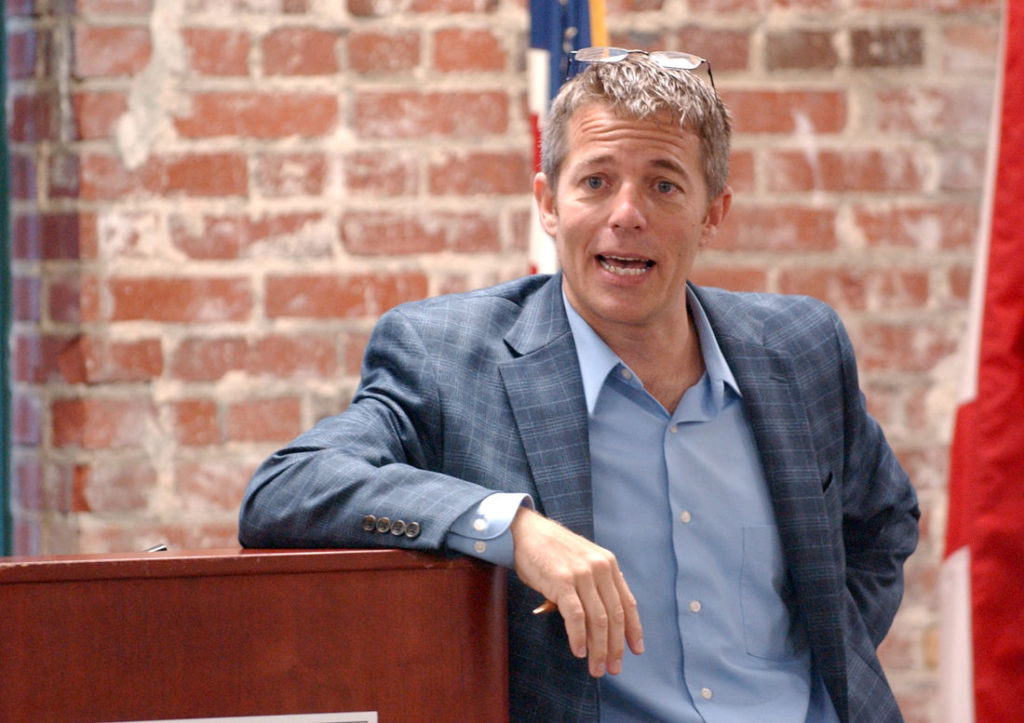
Hartselle-Republican, State Rep. William “Ed” Henry, 47, found himself indicted earlier this month, arrested on charges stemming from his alleged role in a medical kickback scheme. According to the Decatur Daily his attorney, Max Pulliam filed a motion this week to dismiss the federal indictment against him, saying the allegations are “vague, indefinite, uncertain and confusing” and do not constitute criminal conduct. “As a result, Mr. Henry’s case has received substantial publicity and will involve matters of which a large segment of the community may have some knowledge,” Pulliam wrote. “A juror questionnaire and counsel’s participation in voir dire will permit counsel to determine bias and prejudice existing in the minds of the jurors with respect to this matter and to otherwise ensure a fair and impartial jury.” Henry was arrested June 7. Middle District U.S. Attorney Louis V. Franklin Sr., announced the indictment naming Henry as the fourteenth defendant to be indicted in connection with a federal pill mill case in Montgomery. It charges him with conspiracy to pay kickbacks to defraud the United States, unrelated to his position in the state Legislature. The indictment The indictment charges Henry with one count of conspiring to pay kickbacks and to defraud the United States. It then alleges six counts of paying unlawful kickbacks — each count is based on a different type of kickback Henry paid to Dr. Sanchez and those who worked at Dr. Sanchez’s practice. Next, the indictment charges Henry with one count of conspiring to commit health care fraud and five counts of health care fraud. Those counts are based on Henry’s assisting Dr. Sanchez in unlawfully waiving copay obligations and then failing to report the copay waivers to Medicare. Last, the indictment alleges that Henry conspired to commit money laundering. The money laundering charge results from Henry’s using the proceeds of health care fraud to make payments to Dr. Sanchez’s staff members. Attorney asks for a “bill of particulars” According to the Decatur Daily, Pulliam also asked for a “bill of particulars, seeking 45 specific facts about the prosecution’s case against Henry, including any that show Henry paid any kickback to Sanchez or committed offenses against the United States.” If convicted If convicted of the most serious offense, Henry faces a maximum sentence of 10 years in prison, significant monetary penalties, asset forfeiture, and restitution. An indictment merely alleges that crimes have been committed. All defendants are presumed innocent until proven guilty beyond a reasonable doubt. Henry continues to maintain his innocence. His trial is set for Oct. 1.
Rauf Bolden: Call for tax cuts in Orange Beach

Populists often put their finger on problems that irk the country. “Council will not cut local taxes,” I argued with friends, sailing on Arnica Bay. “The most fundamental reason to cut taxes is an understanding that wealth doesn’t just happen it has to be produced. And those who produce it have a right to keep it,” according to David Boaz of the Cato Institute a libertarian think tank. I call for City Council to eliminate the property tax of 4 mills (approx. $3.5 million), and kill the two-cent gasoline tax (approx. $200,000) so the resident shareholders in our community have a little more money in their pockets. In 2017 the city generated $41.8 million in revenue, having $25.1 million in expenses, leaving $16.7 million in profit, bringing the city’s current reserves to $49 million for a town of 5,600 residents, according to a City of Orange Beach public-records request. I argue for tax cuts on property, meaning the complete elimination of local-property taxes, stimulating the real-estate market, knowing Gulf Shores must eventually raise property taxes, supporting their school separation, making ownership in Orange Beach a premier investment with no property tax. I also argue for tax cuts on fuel, eliminating the two-cent tax, helping our local fishing industry, making it more profitable, providing a simultaneous savings for the recreational boater provided there is no gouging at the pump. Initiating tax cuts requires a legislative outline. Drafting a statute is a good start to the plan, having it reviewed for financial impact, having it approved by the legal team, having it critiqued by Council Members, assuming the Mayor approves the final draft for inclusion on the Committee of the Whole (COW) Agenda. During the COW, members discuss the item, possibly moving it forward to the Council’s Agenda for a vote. This is pretty much the legislative pathway, knowing governmental diligence can take several months. Tax Policy is the core of municipal planning, providing a blueprint for legislators and lobbyists. Searching the website I found no such policy document, assuming this was an administrative oversight. The only glimpse we have into tax policy is the city’s recent increase in lodging tax from 11 percent to 13 percent, earmarking the monies to fund infrastructure projects. Ad hoc legislation is not tax policy, working backward from the need for infrastructure is taxation done for one purpose only. Imagine having the electricity go out, running to the store for a generator rather than having a policy already in place for electrical backup. Tax legislation must strike a balance between intended and unintended consequences, impacting every facet of municipal life. The intended consequence of tax cuts is more money in residents’ pockets, bolstering the real estate market, lowering the financial temperature for the charter fleet and recreational boaters, adding significant political capital to the war chest for 2020. The unintended consequence of tax cuts is having approximately $4 million less to spend each year if the projected increase in sales is less than anticipated, causing uncertainty for local companies, relying on government contracts, posing financial hardship for those families. “The resulting increase in taxable sales would reduce the revenue loss arising from the legislation,” according to the Tax Policy Center, referring to the Tax Cuts and Jobs Act, extrapolating the same math for a small municipality. Some hold that tax cuts don’t work to stimulate the economy. “There are too many moving parts,” according to Caroline Baum of Market Watch. Resolving conflicting opinions can be decided with a vote, letting local people choose how to spend their money. A referendum on tax cuts is a mandate on residents’ subjective well being, asking if the city should completely eliminate property taxes and the gasoline tax. Taking this decision to the people like Council did when they wanted to raise property taxes for the school initiative is real, only this time the Tax Referendum will get across the finish line, uniting and not dividing the community. Failing to share our resources with each other has the scent of a missed opportunity. Tax cuts are on the national agenda; they should be on the local agenda too. ••• Rauf Bolden is retired IT Director at the City of Orange Beach, working as an IT & Web Consultant on the Beach Road. He can be reached at: publisher@velvetillusion.com.
Five things you need to know about Michelle Thomason
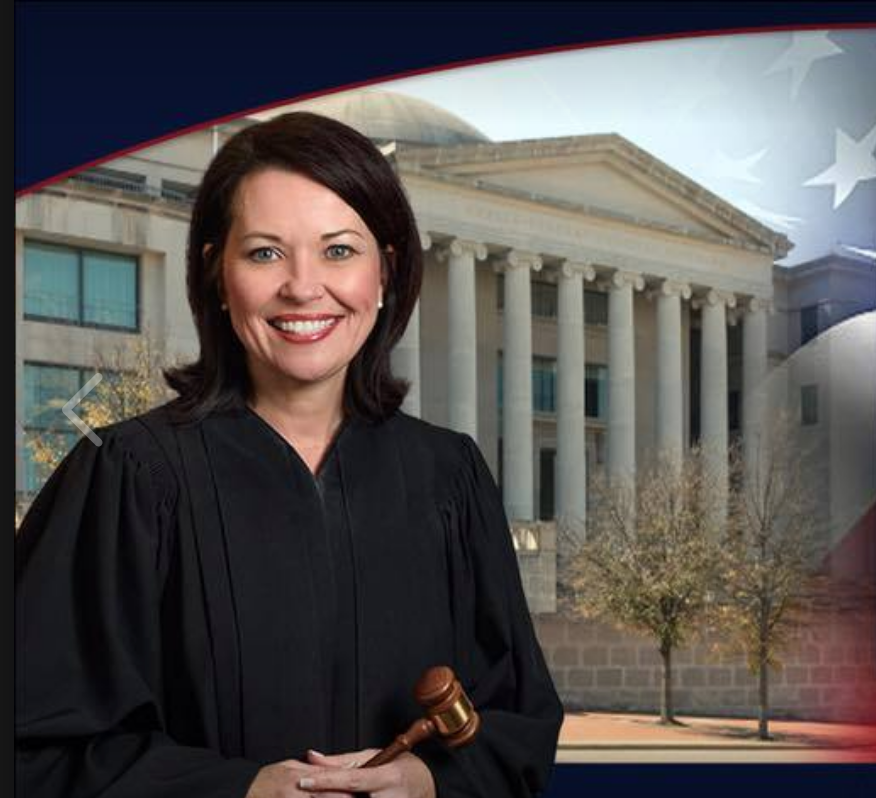
The primary elections are over, but some highly sought spots still remain open due to the primary races resulting in runoffs. One of those races is for the Alabama Court of Civil Appeals Place 1. Three candidates stepped up to the plate seeking election in the June 5 primary, and Judge Christy Edwards and Judge Michelle Thomason both garnered enough support to tip the race into a a runoff election set for July 17. With that in mind, here are the five things you need to know about Michelle Thomason: 1. She has one of the busiest dockets in the state. She has handled over 13,000 circuit court family law cases (of those she has only had FIVE reversals/remands) and over 88,000 district court cases (civil, criminal and traffic) since taking the bench in 2006. 2. She got her first degree in business. Before she went and got her Juris Doctor from Tulane Law School in 1995, she first went to Mobile College (now the University of Mobile) and received a Bachelor of Science in Business in 1992. She was a banker for over ten years before she decided to change her career to the law. Prior to becoming a judge, she was a partner in the law firm of Pearson, Cummins & Hart, where she practiced civil defense litigation as well as family law for over eleven years before taking the bench. 3. She believes in continuing her education. While no continuing education is required for judges, Judge Thomason recently received an award by the Chief Justice of the Alabama Supreme Court for receiving over 700 hours of continuing education since taking the bench. 4. She was endorsed by the outgoing judge for the seat. Thomason is seeking to fill the seat that is currently held by Judge Craig Pittman. Judge Pittman, who will be retiring at the end of his term, officially endorsed Judge Thomason as his replacement. “Judge Pittman is an outstanding jurist. I am truly honored to have received his endorsement to fill this position upon his retirement,” Thomason said. 5. She founded the Baldwin County Veterans Court. She founded the Baldwin County Veterans Court in Feb. 2014, with a vision to provide “genuine people who genuinely care about your well being and want you to succeed,” to veterans who have been involved with the court system. “While I have enjoyed every aspect of my position, my work to establish a Veterans’ Treatment Court in South Alabama has been by far the most rewarding thing I have ever done,” Thomason said. “If I am elected, I intend to make sure the work of the Court continues to provide assistance to the veterans in our community that need and deserve our help.”
Donald Trump’s list of possible SCOTUS nominees include two from Alabama
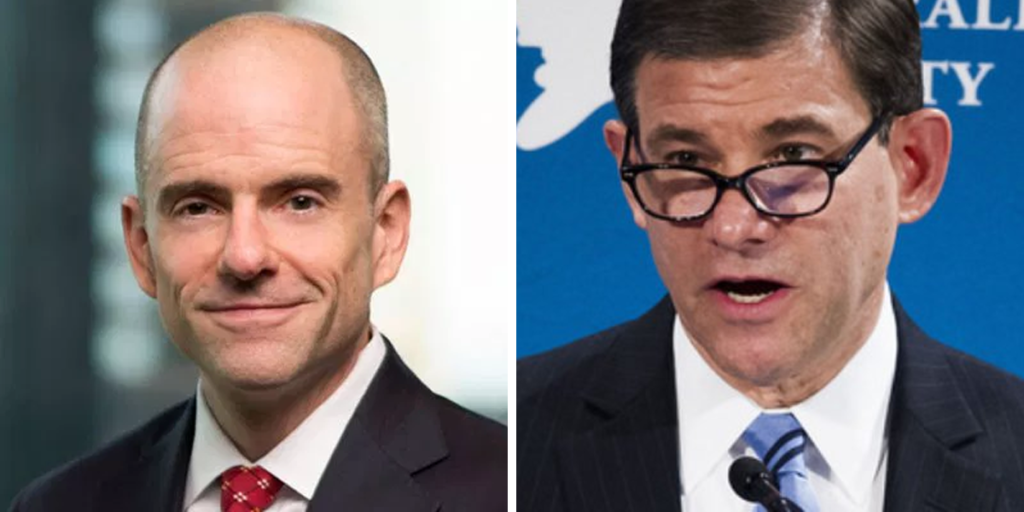
Justice Anthony Kennedy, a member of the Supreme Court, announced Wednesday he will retire, giving President Donald Trump his second opportunity to fill a seat on the high court. According to a senior White House staffer, Trump is choosing his nominee from a list of 25 well-qualified judges. William Pryor Among them is Judge William Pryor. An Alabama-based judge on the 11th U.S. Circuit Court of Appeals, who met with Trump back in January 2017 before he ultimately selected Neil Gorsuch for the seat. His resume is impressive too. He was Alabama’s attorney general from 1997 to 2004. He’s also is a member of the U.S. Sentencing Commission, an independent agency that sets sentencing guidelines for the federal courts. Also in his corner is his opinion on Roe v. Wade. Kennedy often supported abortion rights during his time on the court, and Trump wants to choose justice who want to overturn the landmark abortion rights case, and Pryor once called the 1973 decision, the “worst abomination in the history of constitutional law.” He’s also a prime age for a potential nominee 54. Typically, presidents seek nominees who have the potential for a long tenure in the lifetime appointment, and thus look for nominees under 60 years old. Kevin Newsom 45-year-old Birmingham attorney Kevin Newsom was nominated by Trump to the U.S. Court of Appeals for the 11th Circuit back in May 2017. Alabama’s former solicitor general, who prior to his confirmation chaired the appellate group at Bradley Arant Boult Cummings in Birmingham, is also on Trump’s possible SCOTUS nominee list. He graduated from Harvard Law School in 1997, where he served as Harvard Law Review’s articles editor. He earned his undergraduate degree at Birmingham’s Samford University in 1994, graduating summa cum laude with a 4.0. After graduating law school, Newsom clerked for Judge Diarmuid O’Scannlain of the U.S. Court of Appeals for the 9th Circuit, and then for U.S. Supreme Court Justice David Souter from 2000-2001. Newsom later joined Covington & Burling’s Washington-based appellate litigation practice group, where he served for two years before becoming Alabama solicitor general in 2003, appointed by then-Alabama Attorney General Bill Pryor. In 2004, Pryor was named to the 11th Circuit, and was on Trump’s list of potential U.S. Supreme Court nominees. A biography online says Newsom personally argued four cases before the U.S. Supreme Court, and over 19 federal appellate court cases, as well as several in state appellate courts. In 2007, Newsom stepped down as solicitor general to join Bradley Arant, calling the “the SG gig … the job of a lifetime.” Others Below are the 25 names of possible contenders for the vacancy being considered by the President: Amy Coney Barrett of Indiana, U.S. Court of Appeals for the Seventh Circuit Keith Blackwell of Georgia, Supreme Court of Georgia Charles Canady of Florida, Supreme Court of Florida Steven Colloton of Iowa, U.S. Court of Appeals for the Eighth Circuit Allison Eid of Colorado, U.S. Court of Appeals for the Tenth Circuit Britt Grant of Georgia, Supreme Court of Georgia Raymond Gruender of Missouri, U.S. Court of Appeals for the Eighth Circuit Thomas Hardiman of Pennsylvania, U.S. Court of Appeals for the Third Circuit Brett Kavanaugh of Maryland, U.S. Court of Appeals for the District of Columbia Circuit Raymond Kethledge of Michigan, U.S. Court of Appeals for the Sixth Circuit Joan Larsen of Michigan, U.S. Court of Appeals for the Sixth Circuit Mike Lee of Utah, United States Senator Thomas Lee of Utah, Supreme Court of Utah Edward Mansfield of Iowa, Supreme Court of Iowa Federico Moreno of Florida, U.S. District Court for the Southern District of Florida Kevin Newsom of Alabama, U.S. Court of Appeals for the Eleventh Circuit William Pryor of Alabama, U.S. Court of Appeals for the Eleventh Circuit Margaret Ryan of Virginia, U.S. Court of Appeals for the Armed Forces David Stras of Minnesota, U.S. Court of Appeals for the Eighth Circuit Diane Sykes of Wisconsin, U.S. Court of Appeals for the Seventh Circuit Amul Thapar of Kentucky, U.S. Court of Appeals for the Sixth Circuit Timothy Tymkovich of Colorado, U.S. Court of Appeals for the Tenth Circuit Robert Young of Michigan, Supreme Court of Michigan (Ret.) Don Willett of Texas, Supreme Court of Texas Patrick Wyrick of Oklahoma, Supreme Court of Oklahoma
Mobile County teacher receives nation’s highest teaching honor at White House
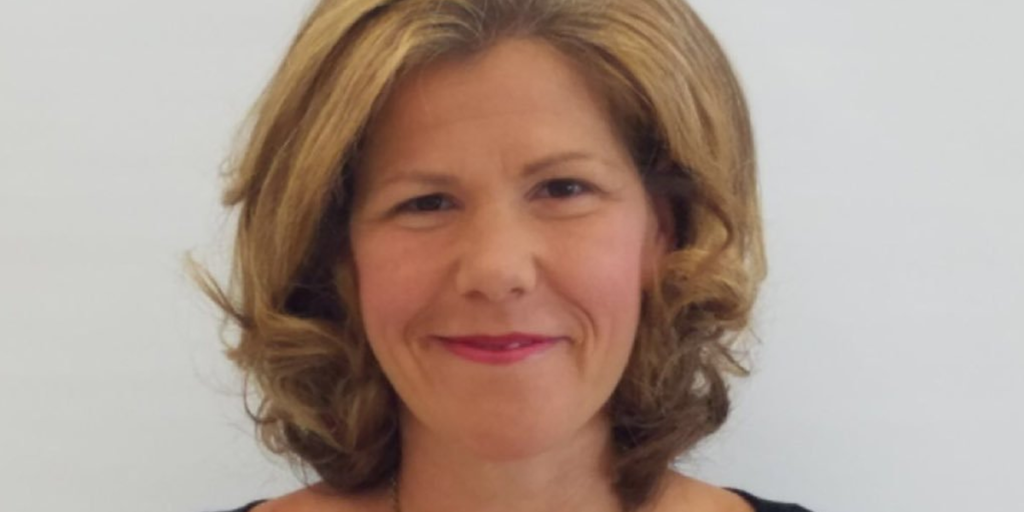
A Mobile County science teacher received the nation’s highest teaching honor at White House ceremony on Wednesday. Chasity Collier, who teaches at Dawes Intermediate in Mobile, was presented the Presidential Award for Excellence in Mathematics and Science teaching. She also received a signed citation from President Donald Trump along a $10,000 grant from the National Science Foundation. “So humbled and honored to represent Alabama as the Presidential Awardees for Excellence in Science and Math Teachers @AlabamaDeptofEd @MobilePublicSch @HES_hsimpson #Nsf #PAEMST,” Collier tweeted Tuesday ahead of Wednesday’s award ceremony. Collier isn’t a stranger to the teaching limelight. She was Alabama Teacher of the Year for 2017-2018. She was among 104 recipients of the coveted award this year. “We are very proud of Mrs. Collier as she represents the wonderful teachers of Mobile County Public Schools and the fantastic teaching that takes place in our classrooms every day,” school system spokeswoman Rena Philips said. “She makes science come alive in her classroom every day, and her students love her and love science as a result.”
