
GOP Lt. Governor candidate Will Ainsworth’s wife injured in skeet shooting accident
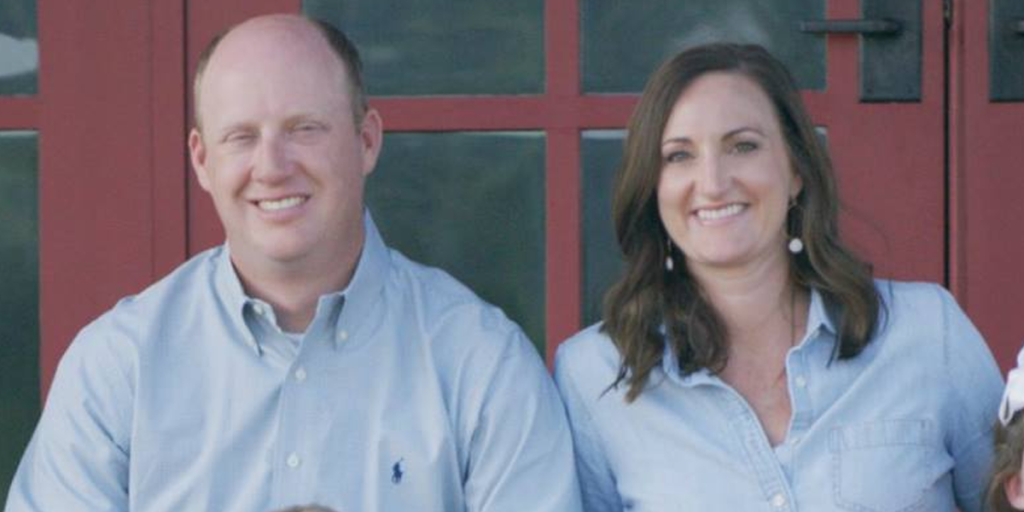
Will Ainsworth, the Republican candidate for Alabama Lieutenant Governor, said his wife Kendall was injured in a “gun accident” on Tuesday. Ainsworth first broke the news over Twitter. “God was looking after our family this afternoon. We are on our way to the Huntsville Hospital. Kendall got injured in a gun accident, but is stable and ok. We are thankful it doesn’t appear serious, but covet your prayers while the doctors treat her,” he tweeted. God was looking after our family this afternoon. We are on our way to the Huntsville Hospital. Kendall got injured in a gun accident, but is stable and ok. We are thankful it doesn’t appear serious, but covet your prayers while the doctors treat her. — Will Ainsworth (@willainsworthAL) October 30, 2018 Later Tuesday evening, Ainsworth further addressed the accident. “While skeet shooting with our family on Tuesday evening, my wife, Kendall, was involved in a minor accident and suffered an injury that required staples. Through God’s grace and the intercessory prayers of thousands of family members, friends, and supporters, the emergency room doctors who attended to her injury predict a full recovery, and she was released shortly after receiving treatment,” Ainsworth said in a statement. “I will be stepping away from the campaign trail for a few days in order to remain home with Kendall as she heals.” On Wednesday afternoon, Will took to Facebook to provide an update from Kendall herself: I can’t thank everyone enough for all the texts, thoughts, and prayers over me. Yesterday afternoon was traumatic for our family, but we are praising the Lord for his grace and mercy over me! After school, the kids wanted to shoot skeet at our house, so we planned a family afternoon of it. Let me say first, that Will is extremely cautious with guns. We had safety’s on, and we were using every precaution we could while shooting. When it was my turn, I aimed at the skeet, pulled the trigger, and then immediately felt excruciating pain on the crown of my head. I held my head, and turned around and asked Will what happened. We didn’t know! We just knew that something sliced my head opened. Will called 911, while applying pressure to my head to stop the bleeding. I remained fairly calm, and told the kids to go inside. Within minutes, paramedics were there, and took me to Huntsville hospital. I never lost consciousness, but it was just extremely traumatic for everyone. We now believe that I was hit by a piece of the throwing mechanism or debris from a clay while I was shooting. The doctors who treated me said the injury was a clean cut and put in 15 staples that will come out in 10 days. I have a bad headache and pain around the staples, but Will is waiting on me hand and foot, so I’m doing just fine. 😊 Thank you to all that have checked on me and I’m sorry I can’t respond to each of you! Ainsworth faces the Democratic candidate for Lieutenant Governor, Will Boyd, on Tuesday, Nov. 6. *Updated with Kendall’s update Wed. Oct. 31 at 1:43 p.m. CT
NumbersUSA releases Immigration-Reduction Report Cards for Alabama

NumbersUSA — the nation’s largest grassroots immigration-reduction organization — on Tuesday released their Immigration-Reduction Report Cards to their more than 8 million activists around the United States ahead of the midterm elections on Nov. 6. The Grade Cards evaluate each Member on Congress based on all committee and floor votes and co-sponsorships since 1990 that are on their record and that have or would have affected the numerical level of legal and illegal immigration. Alabama scores: Among the members of the Alabama delegation, only two were granted the “True Reformer” label by NumbersUSA — 5th District U.S. Rep. Mo Brooks and 6th District U.S. Rep. Gary Palmer — as they have “committed themselves to all of the immigration issues listed on our Grade Cards.” “I salute these representatives for their leadership in trying to ensure that we have wise and careful immigration policies that do not impede those goals of economic fairness, conservation, and a high quality of life for individuals and communities,” said NumbersUSA President Roy Beck. All “A-rated” members actions in Congress supported immigration policies that protect American worker and local communities. According to NumbersUSA, they: Supported true immigration reform in the national interest that protects the economic security, physical security and quality of life of American citizens and legal immigrants already here. Supported less annual legal and illegal immigration Supported fewer foreign workers to compete for jobs and wages with American workers (particularly the most vulnerable and those outside the labor force) Supported less immigration-forced population growth and the pressure it places on local infrastructure, congestion, taxes and the destruction of surrounding farmland and natural habitat.
Robert Aderholt sends letter urging supplemental disaster relief for farmers, rural communities
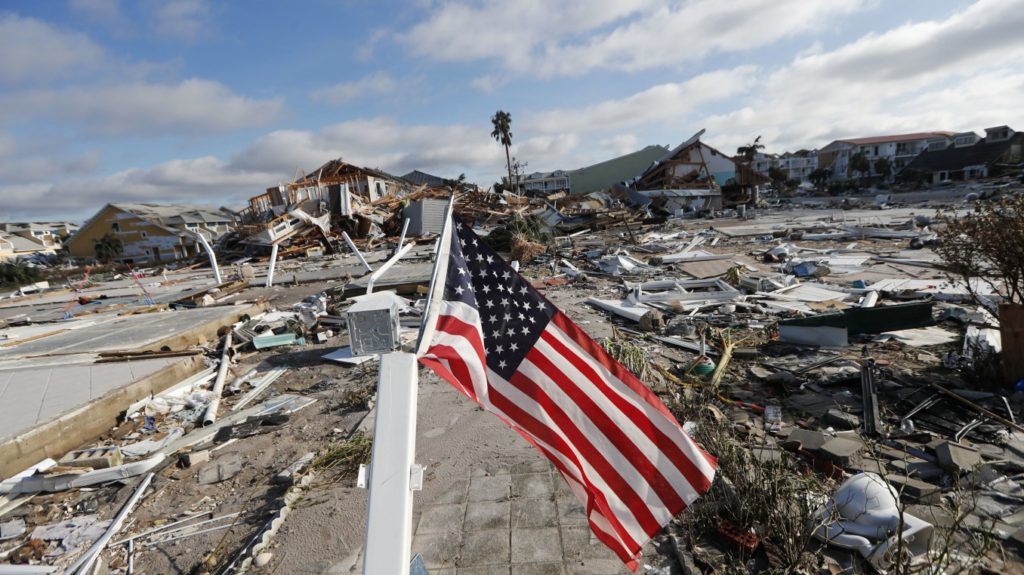
Alabama 4th District U.S. Rep. and Chairman of the U.S. House Appropriations Subcommittee on Agriculture Robert Aderholt, on Tuesday sent a letter to leadership of the full committee urging passage of a supplemental disaster appropriations bill to address the series of natural disasters in 2018 that have caused widespread destruction and significant losses for our nation’s farmers, as well the communities in which they live. Aderholt was joined by his colleague Georgia 2nd District U.S. Rep. and Committee Ranking Member Sanford Bishop, Jr. and other leader members of the committee. They believe there is an urgent need for a supplemental disaster appropriations bill to help farmers, ranchers, and rural communities recover and rebuild. “Natural disasters, like hurricanes, know no political boundaries,” said Aderholt. “That is why it is important for people like my friend, and Ranking Member, Sanford Bishop and myself, to come together to support the farmers affected. After all, farmers don’t care about political parties, but have to pay the bank loans back and keep their lights on.” “On October 10, 2018, Hurricane Michael, one of the most powerful storms to make landfall in the United States, left a path of devastation from Alabama and Florida to Virginia. While the damage is still being assessed, it is estimated that total agricultural losses could exceed $4 billion. Less than a month earlier, Hurricane Florence slammed into North Carolina and South Carolina causing $22 billion in damages. In addition, wildfires across the western states have consumed more than 8 million acres to date. While there is never a good time for a storm like Michael, it hit at the worst time possible for farmers. With depressed commodity prices and markets closed due to retaliatory trade measures, it made the hurricane’s impact even greater,” the Members wrote in their letter. They continued, “It is our responsibility, and the responsibility of the other Members of Congress, to find solutions and provide relief to those in need. We look forward to working with you, and the full House Appropriations committee, as well as the entire Congress on a supplemental appropriations package and to reexamine federal policies where necessary.” The full letter may be read below:
First the 14th Amendment, then what? The 1st and 2nd? Trump should reconsider executive order
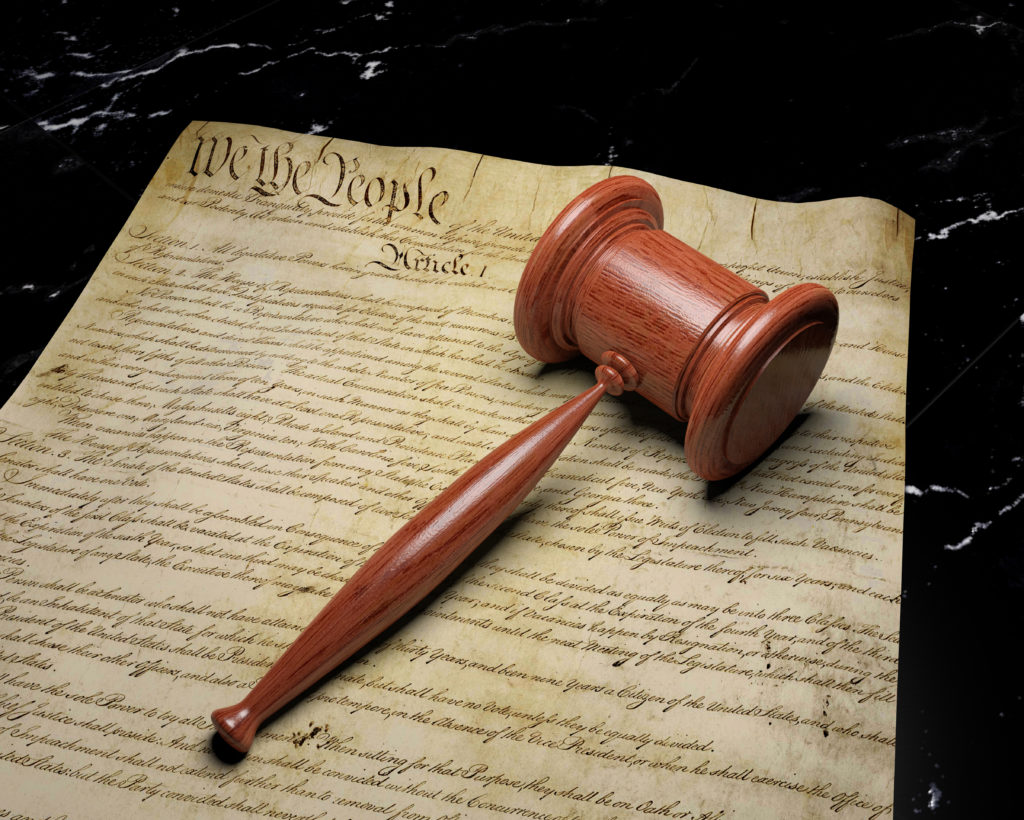
It was announced on Tuesday that President Donald Trump is considering ending birthright citizenship, a product of the 14th Amendment through an executive order. Trump is quoted in an Axios interview as saying, “It was always told to me that you needed a constitutional amendment. Guess what? You don’t.” Exclusive: Trump plans to sign an executive order terminating birthright citizenship, he said yesterday in an exclusive interview for “Axios on HBO.” pic.twitter.com/D2RE4N4OrJ — Axios (@axios) October 30, 2018 While I’m not a Constitutional law expert, I do know enough about American history, law and government to know that this move is something that no one should celebrate. Even those who oppose the rampant use of birthright citizenship by illegal aliens or want to see an end to the growing birth-tourism market, should understand that there’s a right way and a wrong way to address constitutional changes, or in this case, the challenges to existing language. The foundation of our nation rests on our Constitution. The two ways in which that document can be amended substantively is spelled out clearly in Article V. Article V The Congress, whenever two thirds of both houses shall deem it necessary, shall propose amendments to this Constitution, or, on the application of the legislatures of two thirds of the several states, shall call a convention for proposing amendments, which, in either case, shall be valid to all intents and purposes, as part of this Constitution, when ratified by the legislatures of three fourths of the several states, or by conventions in three fourths thereof, as the one or the other mode of ratification may be proposed by the Congress; provided that no amendment which may be made prior to the year one thousand eight hundred and eight shall in any manner affect the first and fourth clauses in the ninth section of the first article; and that no state, without its consent, shall be deprived of its equal suffrage in the Senate. Ultimately any executive order by Trump would be challenged and go to the U.S. Supreme Court to decide. The role of the court however is to interpret laws, not to create or change them. Changing the widely held, historically used interpretation of the 14th Amendment would be to legislate from the bench which no one, regardless of party, should support from any level of the judicial branch. There is certainly good reason to revisit the 14th Amendment and the abuse of it but we should insist that Congress do that (here’s to looking at you Sen. Lindsay Graham). The president should insist that Congress do that. We’ll be hearing from a lot of experts in the coming hours and days. From the perspective of just an individual who values the sanctity of our Constitution and the rights that it protects — I urge people to look at this proposal, not for the policy implications, but for the practical ones. There’s a right and a wrong way to do things and the moment one side tries to exploit a potential workaround, it’s only a matter of time before the other side tries to do the same. Today it’s the 14th Amendment, but tomorrow it could be the 1st or the 2nd. Let us not get complacent in wanting to reach a goal without consideration of how we get there. I think this not about immigrants or immigration, illegal or illegal, but to me this is about protecting our foundation of our nation.
Progress? Gridlock? How midterm vote could affect US economy
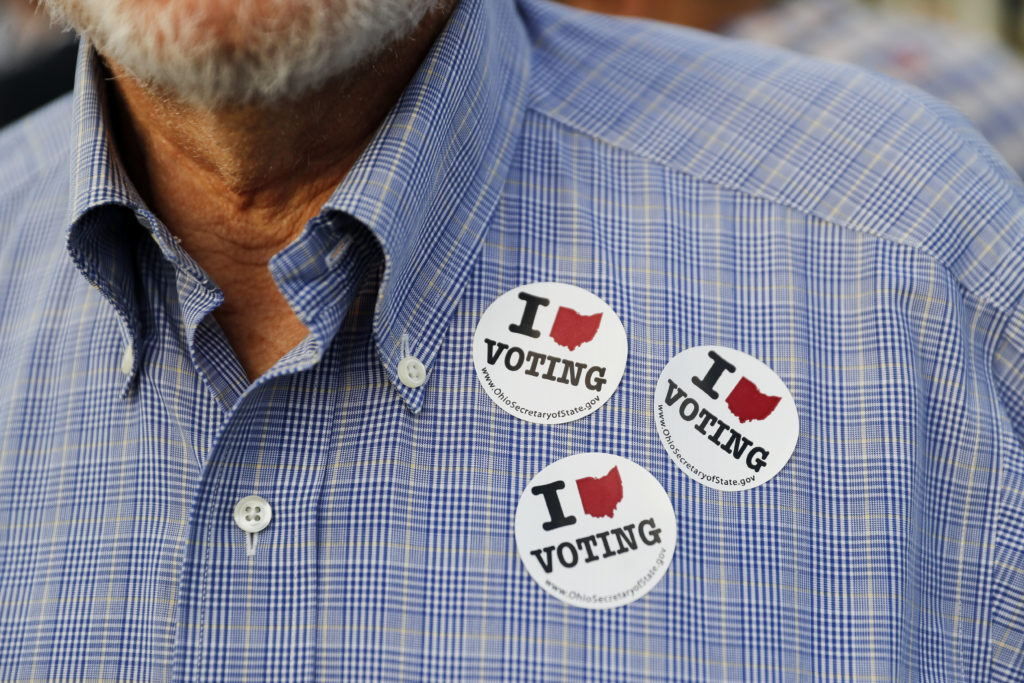
President Donald Trump has warned that if Democrats regain political power in the midterm elections, the U.S. economy would essentially implode. Democrats, he insists, would push tax hikes and environmental restrictions that stifle growth. Undocumented immigrants would steal jobs and unleash a crime wave that would halt commerce. Health insurance would devolve into a socialist program offering shoddy care at unsustainable cost. “At stake in this election,” Trump declared at a rally in Houston, “is whether we continue the extraordinary prosperity that we’ve all achieved or whether we let the radical Democrat mob take a giant wrecking ball and destroy our country and our economy.” Almost no private economist agrees with Trump’s portrait of a financial apocalypse. If Democrats win control of the House in next week’s congressional elections, their legislative priorities wouldn’t likely much alter a $20 trillion economy. For one thing, Trump would remain able to block Democratic initiatives — just as they could stop his plans for more tax cuts and a 5 percent cut to Cabinet department budgets. What instead would likely result is continued gridlock — perhaps even more entrenched than what exists now in Washington. Arrayed against a stout Republican majority in the Senate, a Democratic House majority couldn’t do much to reorder the economy, which typically hinges more on the willingness of consumers and businesses to spend and on the state of the global economy than on government policy priorities. “It’s probably not that much of a change,” Beth Ann Bovino, chief U.S. economist at S&P Global, said of the likely outcome. “While you might see further gridlock if the Democrats take the House, that doesn’t mean it would tip the boat and slow growth.” Many polls and analyses suggest — though hardly assure — that the Democrats could regain a majority in the House if their voters turn out in sufficient numbers in key races. If so, Trump would have to contend with a divided government instead of one with Republicans in complete control. Yet depending on voter turnout, it’s also possible that the Republicans could maintain their hold on both the House and the Senate. Analysts at Goldman Sachs and Morgan Stanley foresee a divided government as most probable. So do their peers at Oxford Economics and Keefe Bruyette & Woods. “The most likely political consequences would be an increase in investigations and uncertainty surrounding fiscal deadlines,” Goldman Sachs concluded in a client note. Oxford Economics’ senior economist, Nancy Vanden Houten, has suggested that the Republicans’ legislative agenda would stall if they lost the House. “A Democrat-controlled House would, in our view, be a line of defense against further tax cuts, reduced entitlement spending and efforts to repeal the Affordable Care Act,” she said The economy has enjoyed an acceleration in growth this year — to a gain estimated to be 3 percent after deficit-funded tax cuts. Unemployment is at a 49-year low of 3.7 percent, and employers continue to post a record number of jobs openings. The economic expansion is already the second-longest on record. But annual growth is widely expected to dip back to its long-term average of near 2 percent by 2020. It’s even possible that the economy could slip into a recession within a few years as growth inevitably stalls — for reasons unrelated to who controls the White House or Congress. A global slowdown could, for example, spill over into the United States. Or higher interest rates, spurred by the Federal Reserve, might depress economic activity. Trump would still have plenty of discretion on some key economic issues. His trade war with China and his drive to reduce regulations are two of them. The president has managed to pursue those priorities without Congress’ involvement, though his updated trade agreement with Canada and Mexico would need congressional approval. “Trade stuff is being done administratively; regulatory stuff is being done administratively,” said Douglas Holtz-Eakin, president of the right-of-center American Action Forum. “There’s just not that much on the table legislatively.” In an appearance this month at Harvard University, the House Democratic leader, Nancy Pelosi, outlined her agenda should her party regain the chamber’s majority and she the speakership. Within the first 100 days, Pelosi said, she would seek to reduce the influence of large campaign donors and groups that aren’t legally required to disclose their funding sources. She would also push for infrastructure funding — to rebuild roadways, rail stations or airports, for example — and seek protections for undocumented immigrants who came to the United States as children, among other priorities. Any such initiatives, though, could be blocked by a Republican Senate — or by Trump. Budget and deficit issues will also surface after the election. Congress will likely need to raise the government’s debt limit and approve spending packages before October 2019. And mandatory government spending caps are set to kick in for the 2020 fiscal year after having been suspended for two years. Those spending limits could dampen economic growth. Lewis Alexander, chief U.S. economist at Nomura, said Republicans might renew their focus on reducing the national debt, after having approved tax cuts last year that swelled annual budget deficits by $1.5 trillion over the next decade. Alexander noted that shrinking the deficit has historically become a higher priority when competing parties have controlled the White House and Congress. If the government seeks to pare the deficit, it could possibly slow the economy, which in the past year has been fueled in part by government spending. It’s likely Trump would blame Democrats if growth falters, just as he might absorb criticism for his economic stewardship as Democratic presidential campaigns accelerate into a higher gear. The hostile rhetoric makes it unlikely that Democrats and Republicans would join to pass any meaningful legislation for the economy, such as for infrastructure rebuilding. “The way parties are talking about it right now, I don’t think anybody is dying to cooperate,” said Michael Madowitz, chief economist at the Center for American Progress, a liberal think tank. Still, if Democrats
Birmingham City Council appoints Wardine Alexander to vacant District 7 seat
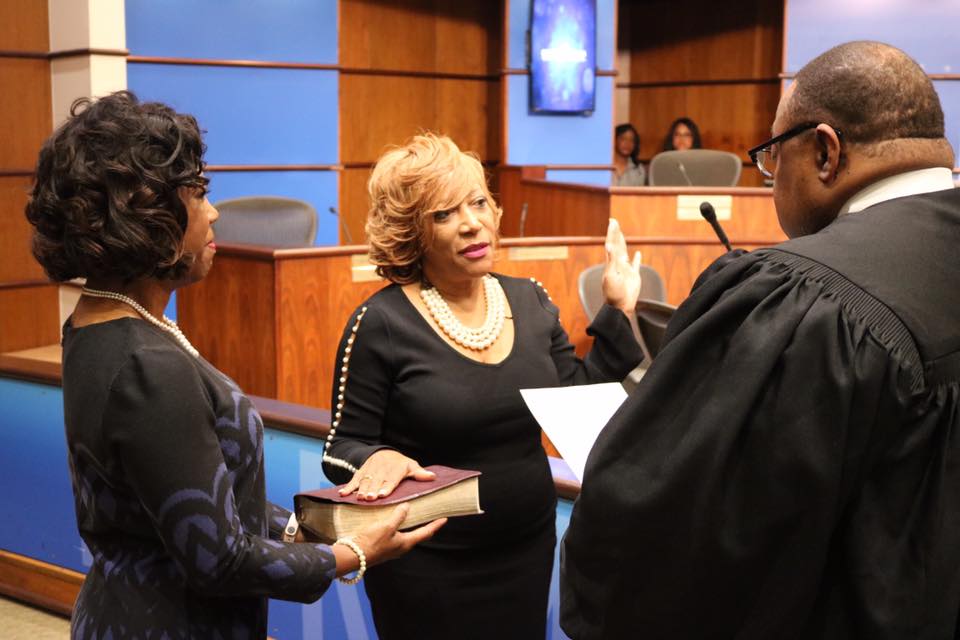
The Birmingham City Council on Tuesday appointed Wardine Alexander to fill the District 7 council seat that was vacated in August when former councilor Jay Roberson resigned in order to move in support of his wife’s career aspirations. Wardine, the former Birmingham Board of Education president was approved for the position by a 5-3. Tuesday’s vote broke the 4-4 deadlock from last week’s council meeting as Councilor Steven Hoyt changed his vote to support Alexander over the other finalist, former city council candidate Lonnie Malone. Councilors Valerie Abbott, William Parker, Hunter Williams, Darrell O’Quinn joined Hoyt in support of Alexander. Meanwhile Councilors Lashunda Scales, Shelia Tyson and John Hilliard voted for Malone. The council meeting is viewable online here:
Steve Marshall, Jospeh Siegelman seek office of Alabama attorney general
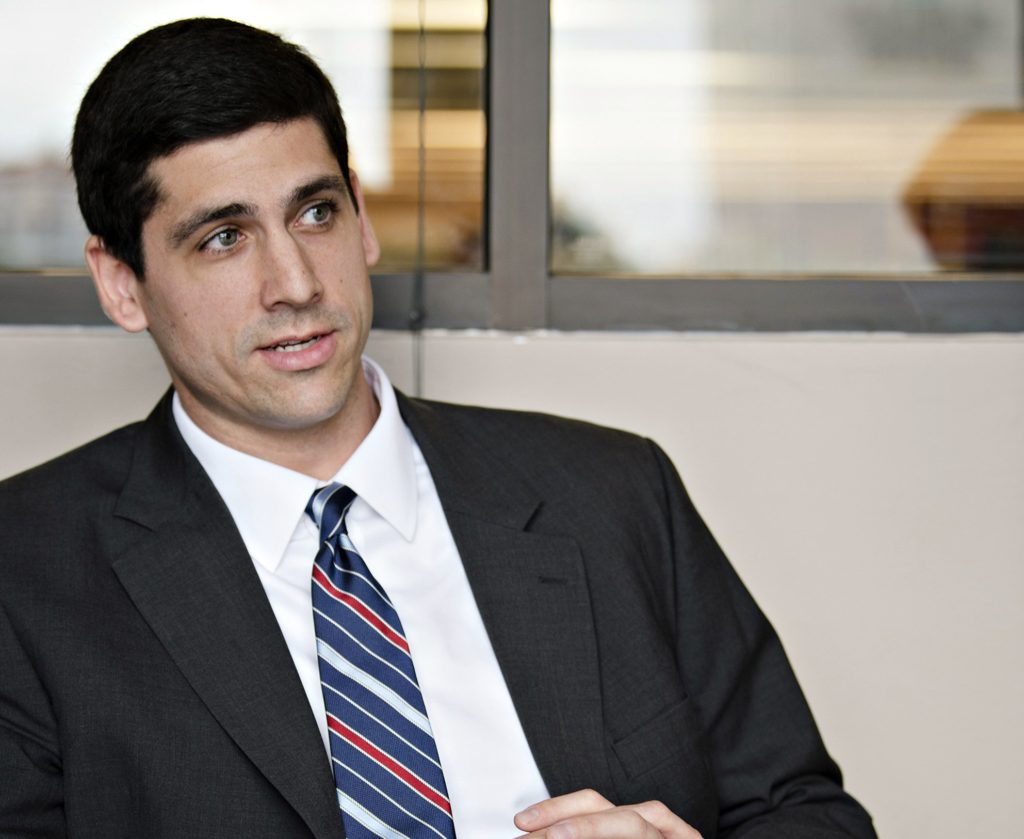
The Alabama race for attorney general features a Republican incumbent coming off a season of personal tragedy versus the son of one of the state’s most prominent politicians, now stepping out of his famous father’s shadow. Voters next week will choose between Republican Attorney General Steve Marshall and Democratic challenger Joe Siegelman, the son of former Gov. Don Siegelman. Marshall, 54, is seeking to win the office after being appointed last year by then-Gov. Robert Bentley. Marshall’s wife Bridgette died by suicide in June. As reporters inquired about the details of her death, Marshall made the decision to give an emotionally raw news conference describing his wife’s deeply personal struggles with depression and anxiety. “Hardest year of my life,” Marshall said of the last few months. Wearing an “Out of the Darkness” wristband from the campaign for suicide prevention, Marshall said he has been touched by the support he has gotten from people across the state, including those who share their own stories. He made the decision not to drop out of the race. His wife’s last love note to him encouraged him during the primary runoff. “What has given me strength to get to this point is that Bridgette was my biggest fan and she believed unequivocally that I was the right person for this job,” he said. Marshall, who was a district attorney for 16 years, said as attorney general he has tried to emphasize public safety, including passage of the Fair Justice Act to expedite death penalty appeals, and work with the governor to temporarily stop the early paroles of state inmates. Marshall in May filed a lawsuit against the U.S. Census Bureau seeking to block immigrants living in the country illegally from being included in 2020 U.S. Census counts that will determine how many congressional seats and electoral votes each state gets. “We’re willing to fight for the state. If we don’t prevail, we are going to lose a congressional seat, we believe, so we’ve stood up for the people of Alabama,” Marshall said. Siegelman, 30, said while people might be familiar with his last name, he wants them to get to know him. Despite his lineage, Siegelman said he never aspired to a political career and said he “can’t stand” what politics has become. Siegelman said the office of attorney general should be independent. “We’ve got to be about people, not politics,” Siegelman said. “My number one goal is to do the job of attorney general and take away any political grandstanding and especially any political agenda or even political consideration.” Siegelman said his priorities as attorney general would include addressing the opioid crisis, consumer protection and school and public safety. Siegelman said the attorney general’s office has been too slow to react to Alabama’s opioid crisis. Alabama in 2016 had the highest rate of prescriptions in the nation. In the closing weeks of the campaign, Siegelman has hammered at Marshall for his acceptance of $730,000 in “dark money” from the Republican Attorneys General Association. Siegelman contends the donations — run through multiple political action committees — both violate state campaign finance law and obscure Marshall’s funding sources. Siegelman said that leaves people wondering, “Is he working for the people of Alabama or is he working for one of these special interests out of state that have given him this extraordinary amount of money.” Marshall and the GOP group have maintained the contributions are legal. Growing up, the younger Siegelman said he didn’t realize the full scope of his father’s service and career until he was elected governor in 1998. Don Siegelman was one of the state’s most successful Democrats, holding four statewide offices. His career ended when he was convicted of federal funds bribery. The former governor has maintained his innocence. After law school, Joe Siegelman joined the Cochran Firm practice, where his work included civil rights issues. He also joined his father’s legal team, occasionally speaking to the news media on his father’s behalf as the elder Siegelman fought to overturn the conviction. Republished with permission from the Associated Press.
Pro-life group releases radio in in support of pro-life Amendment Two

Election Day is only a week away, and Alabama Citizens for Life (ACL) is doing everything it can to encourage Alabama voters to support of the pro-life constitutional measure known as Amendment Two. On Tuesday, ACL — a non-partisan, non-denominational, non-profit, working to restore legal protection for all human life from conception to natural death — announced it has released a new radio ad in support of the amendment. “Life is on the line and on the ballot this year. There are many important issues this election, but one is fundamental: the right to life,” says the ad. “Alabama’s greatest resource isn’t our beaches, not our industries, but our children. The spot continues, “If you want to vote to protect our state’s greatest resource, vote ‘Yes’ on Amendment Two. If you want to restore respect for babies, vote ‘Yes’ on Amendment Two. If you don’t want your tax dollars to pay for abortion-on-demand, vote ‘Yes’ on Amendment Two. Unborn babies can’t vote, but you can. Their lives really are on the line. Please, vote ‘Yes’ on statewide Amendment Two.” According to Cole Wagner, Executive Director of the Alliance for a Pro-Life Alabama, pro-abortion groups like Planned Parenthood and and its liberal allies have dumped more than a million dollars into Alabama from New York, California, Memphis and New England to run ads against Amendment Two. “We can’t match Planned Parenthood and its liberal allies dollar for dollar. Their expensive radio and TV commercials are spreading lies and misinformation about Amendment Two to confuse the voters and create doubts,” Wagner explained. “We are grateful to all of our Pro-Life partners in the Alliance, like Citizens for Life, for making every effort they can to support Amendment Two and combat Planned Parenthood’s false claims.” The spot is initially airing in Birmingham and Montgomery media markets, and it is also posted on the Alliance for a Pro-Life Alabama Facebook page. Amendment Two is one of four statewide amendment proposals that will be on the ballot on November 6.
Pentagon sending 5,200 troops to Southwest border week before midterms
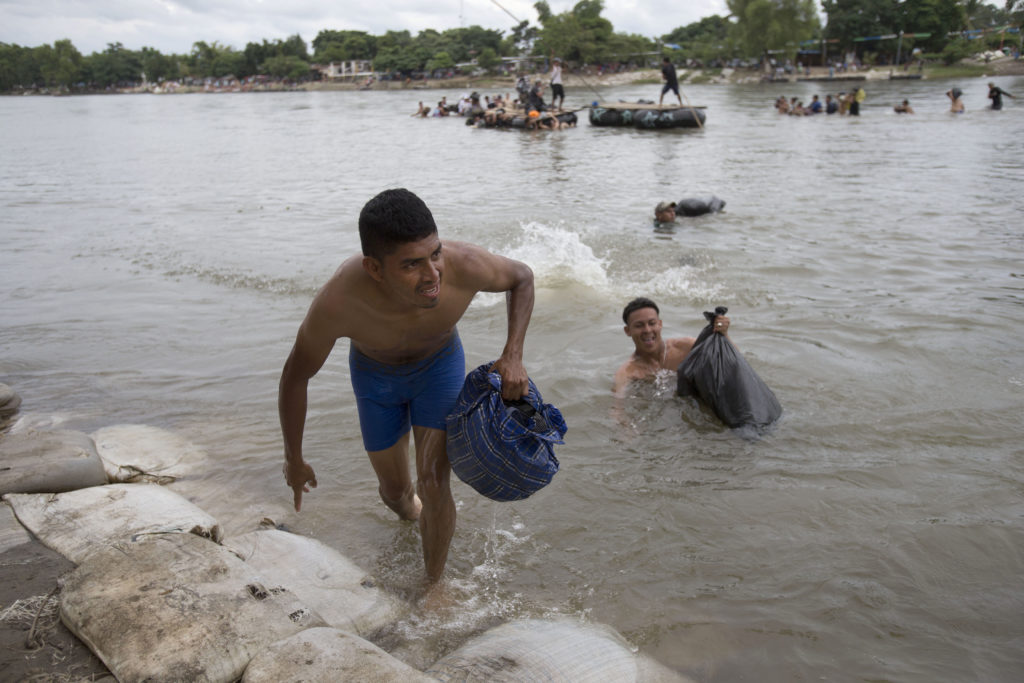
The Pentagon said Monday it is sending 5,200 troops to the Southwest border in an extraordinary military operation ordered up just a week before midterm elections in which President Donald Trump has put a sharp focus on Central American migrants moving north in slow-moving caravans that are still hundreds of miles from the U.S. The number of troops being deployed is more than double the 2,000 who are in Syria fighting the Islamic State group. Trump, eager to keep voters focused on illegal immigration in the lead-up to the elections, stepped up his dire warnings about the caravans, tweeting, “This is an invasion of our Country and our Military is waiting for you!” But any migrants who complete the long trek to the southern U.S. border already face major hurdles — both physical and bureaucratic — to being allowed into the United States. In an interview Monday, Trump said the U.S. would build “tent cities” for asylum seekers. “We’re going to put tents up all over the place,” told Fox News Channel’s Laura Ingraham. “They’re going to be very nice and they’re going to wait and if they don’t get asylum, they get out.” Under current protocol, migrants who clear an initial screening are often released until their cases are decided in immigration court, which can take several years. Trump denied his focus on the caravan is intended to help Republicans in next week’s midterms, saying, “This has nothing to do with elections.” The Pentagon’s “Operation Faithful Patriot” was described by the commander of U.S. Northern Command as an effort to help Customs and Border Protection “harden the southern border” by stiffening defenses at and near legal entry points. Advanced helicopters will allow border protection agents to swoop down on migrants trying to cross illegally, said Air Force Gen. Terrence O’Shaughnessy. Troops planned to bring heavy concertina wiring to unspool across open spaces between ports. “We will not allow a large group to enter the U.S. in an unlawful and unsafe manner,” said Kevin McAleenan, commissioner of Customs and Border Protection. Eight hundred troops already are on their way to southern Texas, O’Shaughnessy said, and their numbers will top 5,200 by week’s end. Some of the troops will be armed. He said troops would focus first on Texas, followed by Arizona and then California. The troops will join the more than 2,000 National Guardsmen that Trump has already deployed to the border. It remained unclear Monday why the administration was choosing to send active-duty troops given that they will be limited to performing the same support functions the Guard already is doing. The number of people in the first migrant caravan headed toward the U.S. has dwindled to about 4,000 from about 7,000 last week, though a second one was gaining steam and marked by violence. About 600 migrants in the second group tried to cross a bridge from Guatemala to Mexico en masse Monday. The riverbank standoff with Mexico police followed a more violent confrontation Sunday when the migrants used sticks and rocks against officers. One migrant was killed Sunday night by a head wound, but the cause was unclear. The first group passed through the spot via the river — wading or on rafts — and was advancing through southern Mexico. That group appeared to begin as a collection of about 160 who decided to band together in Honduras for protection against the gangs who prey on migrants traveling alone and snowballed as the group moved north. They are mostly from Honduras, where it started, as well as El Salvador and Guatemala. Another, smaller caravan earlier this year dwindled greatly as it passed through Mexico, with only about 200 making it to the California border. Migrants are entitled under both U.S. and international law to apply for asylum. But there already is a bottleneck of would-be asylum seekers waiting at some U.S. border crossings to make their claims, some waiting as long as five weeks. McAleenan said the aim of the operation was to deter migrants from crossing illegally, but he conceded his officers were overwhelmed by a surge of asylum seekers at border crossings. He also said Mexico was prepared to offer asylum to members of the caravan. “If you’re already seeking asylum, you’ve been given a generous offer,” he said of Mexico. “We want to work with Mexico to manage that flow.” The White House is also weighing additional border security measures, including blocking those traveling in the caravan from seeking legal asylum and preventing them from entering the U.S. The military operation drew quick criticism. “Sending active military forces to our southern border is not only a huge waste of taxpayer money, but an unnecessary course of action that will further terrorize and militarize our border communities,” said Shaw Drake of the American Civil Liberties Union’s border rights center at El Paso, Texas. Military personnel are legally prohibited from engaging in immigration enforcement. The troops will include military police, combat engineers and others helping on the border. The escalating rhetoric over the migrants and expected deployments come as the president has been trying to turn the caravans into a key election issue just days before elections that will determine whether Republicans maintain control of Congress. “This will be the election of the caravans, the Kavanaughs, law and order, tax cuts, and you know what else? It’s going to be the election of common sense,” Trump said at a rally in Illinois on Saturday night. On Monday, he tweeted without providing evidence, “Many Gang Members and some very bad people are mixed into the Caravan heading to our Southern Border.” “Please go back,” he urged them, “you will not be admitted into the United States unless you go through the legal process. This is an invasion of our Country and our Military is waiting for you!” It’s possible there are criminals mixed in, but Trump has not substantiated his claim that members of the MS-13 gang, in particular, are among them. The troops are expected
Rauf Bolden: The web, the city and business in Orange Beach
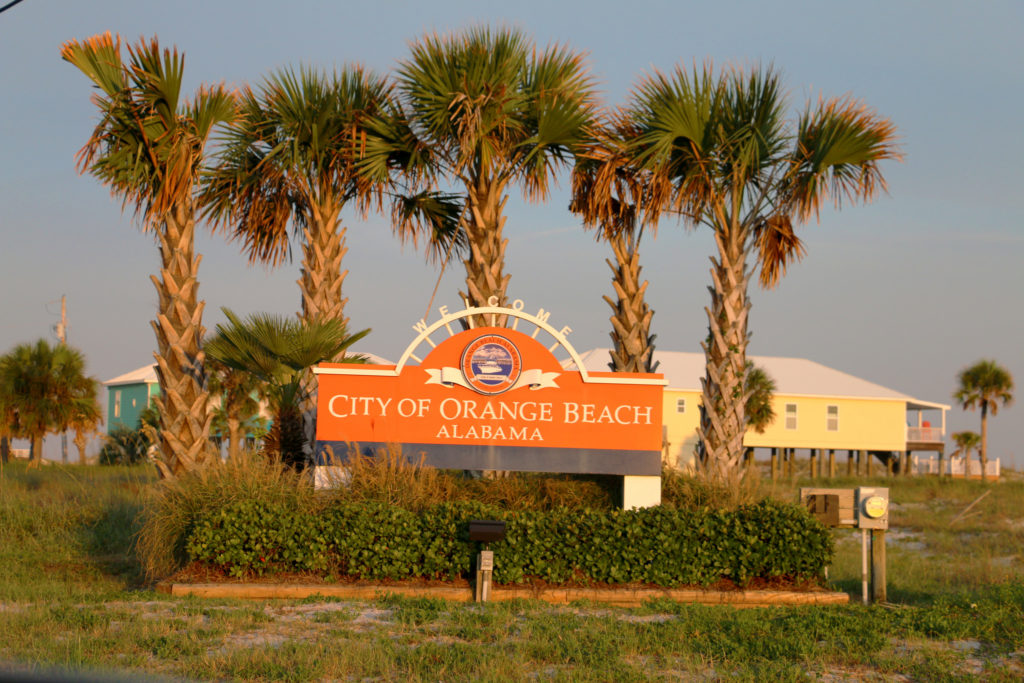
Imagine sitting in an office overlooking the Gulf-of-Mexico taking reservations from your website, booking vacation rentals for condos, houses and charters, answering the phone, checking guests in, depending on the Internet to keep your business going. Web applications, like Airbnb, VRBO, Uber and Lyft, specifically written to streamline the interaction between businesses and vacationers are useful. Governments seek to collect tax, by improving “the economic well-being and quality of life for a community,” according to the Salmon Valley Business and Innovation Center. Resolving this relationship is complicated. Hurricane Irma offered proof for hoteliers and restaurateurs. Being able to respond to changing market conditions is vital. “An estimated 250,000 evacuees arrived into Alabama from Florida as Hurricane Irma bore down on the Sunshine State,” wrote John Sharp in AL.com. Evacuees were able to book rooms, make dinner reservations, or find a shelter with their smartphones or tablets, evacuating west on I-10. Any person with an Internet connection and a credit card can book a hotel room, charter a yacht or purchase goods from the far corners of the planet. When I buy olive oil from Amazon, I am charged tax, assessing the point of sale as Orange Beach, Ala. where the product is delivered. Not all Internet vendors are so obliging. Orange Beach’s revenue has steadily increased since the recession in 2009, 2011 – $35.2 million; 2012 – $34.8 million; 2013 – $43.5 million; 2014 – $40.3 million; 2015 – $47.1 million; 2016 – $48.6 million, according to Audited Financial Documents on the website. Internet is so prevalent in our lives, booking and purchasing online. How can government ensure the people of Orange Beach are getting every cent they are due from online-vacation rentals, or ride sharing services that process credit cards over the Internet? I guess we will just have to trust providers to report honestly, accepting we may have no way to audit Internet retailers. Mark Zuckerberg, CEO of Facebook, is determined to help grow the global community, according to his 6000-word letter on Facebook’s Global Ambitions. This is a utopian idea, assuming the global community will be in Facebook’s image, realizing their appetite for expansion could engulf our short-term rental market as well. Competition already exists from online vendors like Expedia, Kayak, Airbnb and VRBO, booking vacation rentals in Orange Beach. Realtors, property developers and investors have no taste for slowing upward pressure on economic development. Orange Beach had a record-setting year in 2016 with $49 million in revenue less $5 Million in debt payment versus $30 million in expenses, according to Ford Handley, Finance Director for the City of Orange Beach in an email. Planning a way for Internet sales to flourish is important, as this is today’s preferred method of doing business. Business owners with a physical location are at a disadvantage, as they must ensure payment for various business licenses, fees and building permits, obliging them to collect taxes for lodgings, sales, and build-out authorizations, perhaps remitting these online. Internet businesses have an advantage, being outside the jurisdiction, making it much harder for municipalities to collect tax revenue on Internet sales delivered locally. For online sales, “UPS is expecting to deliver more than 30 million packages per day in the lead-up to Christmas. Over the entire holiday season, the company is expecting to handle shipments north of 700 million,“ according to US News. Brick and mortar stores may be in decline, “as the recent bankruptcies and closures of The Limited, American Apparel, Wet Seal, Aeropostale and Pacific Sunwear can attest,” according to Forbes. The pivotal points are about evolving into an online presence or to stay brick-and-mortar, being a difficult decision for the local-business owner. Government on one hand needs to collect taxes from sales in the jurisdiction to pay for services, pitted against online entrepreneurship, selling locally but waving their finger at small-town officials from outside of the jurisdiction. When Internet vendors finally do step up and agree to pay taxes on sales that occur from today forward, we will never know how much money was left on the table over the past decade. Some argue for streamlining government outside of the tax arena with web applications. These are pieces-of-code, allowing Fire, Police and citizens to report streetlight outages from their phone or tablet directly to Baldwin EMC, or potholes directly to Public Works without having to phone, getting re-directed from desk to desk, possibly having to leave a voice-mail after hours. In the Internet era governments are online 24/7, leveraging the technology of well-constructed web applications, consolidating reporting by engaging citizens in the online process of telling City Hall about streetlight outages and potholes, delivering those electronic messages directly to the right desk, is a community-based solution. We cannot solve tax avoidance in the global economy today, but we can use the resources we have, applying our sense of civic responsibility to collaborate on the smaller things, like reporting streetlight outages and potholes. Working together on our collective turf, making life a little less complicated. ••• Rauf Bolden is retired IT Director at the City of Orange Beach, working as an IT & Web Consultant on the Beach Road. He can be reached at: publisher@velvetillusion.com.
