
Mo Brooks proposes State of the Union be moved to Senate Chamber
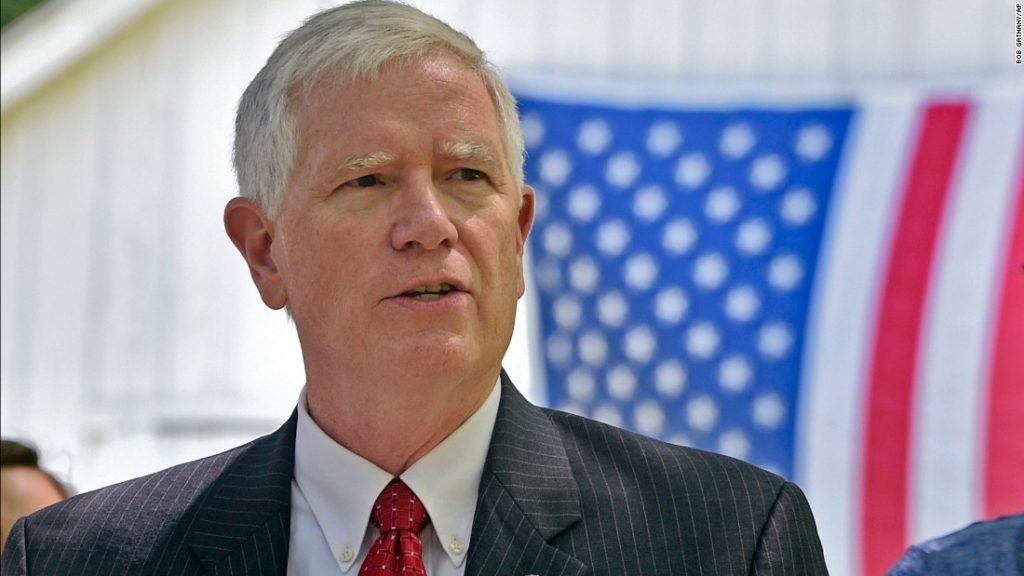
With the government shutdown stretching to nearly a month, Speaker of the House Nancy Pelosi asked President Donald Trump to postpone the upcoming State of the Union address. In a letter to the president on Wednesday, she wrote, Given the security concerns and unless the government re-opens this week, I suggest that we work together to determine another suitable date after government has re-opened for this address or for you to consider delivering your State of the Union address in writing to the Congress on January 29th. Kirstjen Nielsen, Secretary of Homeland Security, took to Twitter to ensure the public that the State of the Union can go ahead as planned. The Department of Homeland Security and the US Secret Service are fully prepared to support and secure the State of the Union. We thank the Service for their mission focus and dedication and for all they do each day to secure our homeland. — Secretary Kirstjen M. Nielsen (@SecNielsen) January 16, 2019 Thursday, Alabama 5th District Rep. Republican Mo Brooks called for President Trump to move the speech from the House to the Senate Chamber in response, In a letter to the president, Vice President Pence, and Senate Majority Leader Mitch McConnell, Brooks called Pelosi’s request “hyper partisan.” He concluded his letter by saying, I most strongly encourage Vice-President Mike Pence, in his Constitutional capacity as the presiding officer of the Senate, and Senate Majority Leader Mitch McConnell, to invite President Trump to report to the American people on the state of the union in the Senate Chamber. While traditionally these addresses have been held in the House Chamber due to its larger size, inasmuch as House Democrats apparently do not want to hear from the President anyway, overcrowding of the Senate chamber should not be an issue. I urge President Trump, Vice-President Pence (as President of the Senate), and Leader McConnell to maintain January 29, 2019 as the date on which President Trump can address the American people from the Senate Chamber, thus putting President Trump with our first president, George Washington, who also gave his first State of the Union address in the Capitol’s Senate Chamber. Brooks also responded to Pelosi on Wednesday, saying she was using the address as a “political bargaining chip.”
Google plans solar energy to offset Alabama, Tennessee data centers
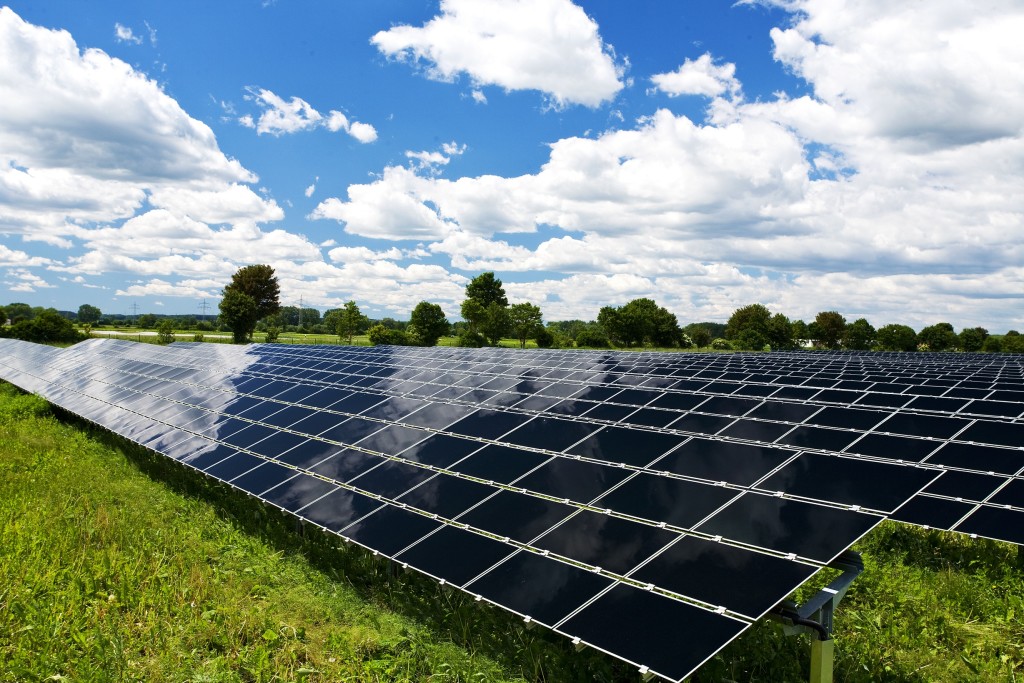
To ensure that electricity used by their new data centers in Alabama and Tennessee is matched 100 percent by renewable energy, Google has announced plans to purchase the output from two new solar farms. “Located in Hollywood, Alabama and Yum Yum, Tennessee, the two biggest solar farms will be able to produce around 150 megawatts each,” Amanda Corio, Google’s Senior Lead of Energy and Infrastructure wrote in a blog post. “These solar sites will be among the largest renewable energy projects in the Tennessee Valley region, and the largest solar farms ever to be built for Google. Thanks to the abundant solar power generated by these new farms, electricity consumed by our data centers in Tennessee and Alabama will be matched with 100 percent renewable energy from day one, helping us match our annual electricity consumption as we grow.” Data Center Dynamics reports that google has invested nearly $5 billion in renewable energy with more than 30 long-term contracts. The Alabama solar farm will be in Hollywood near Scottsboro and the data center, expected to be online later this year, will be near Huntsville.
Alabama lawmakers hope to make state hands-free for drivers

Alabama could become the 17th state to ban holding cell phones while driving. A bill that would ban holding a phone while driving has been pre-filed ahead of the 2019 session in the State House, and a similar bill will soon be filed in the State Senate. McCalla-Republican, State Rep. Allen Farley filed a bill last week. Springville-Republican, State Sen. Jim McClendon says he will sponsor a simliar bill in the Senate. Under existing law, a person is prohibited texting while driving, but they are allowed to hold a phone. Farley’s bill, HB6, put an end to that. Specifically, it would “prohibit a person from holding or otherwise using his or her body to support a wireless communication device or standalone electronic device while operating a motor vehicle.” It would also prohibit drivers from watching, recording, or capturing photographs or videos while operating a vehicle. “It’s not called a no texting law, or a no emailing law, it’s called a distracted driving law,” Farley told WHNT-19. The first violation will carry a $50 fine; $100 for the second; and $150 for third and subsequent offenses. Violations with convictions will also result in points on people’s license.
Gillette’s #MeToo ad opens door for healthy conversations
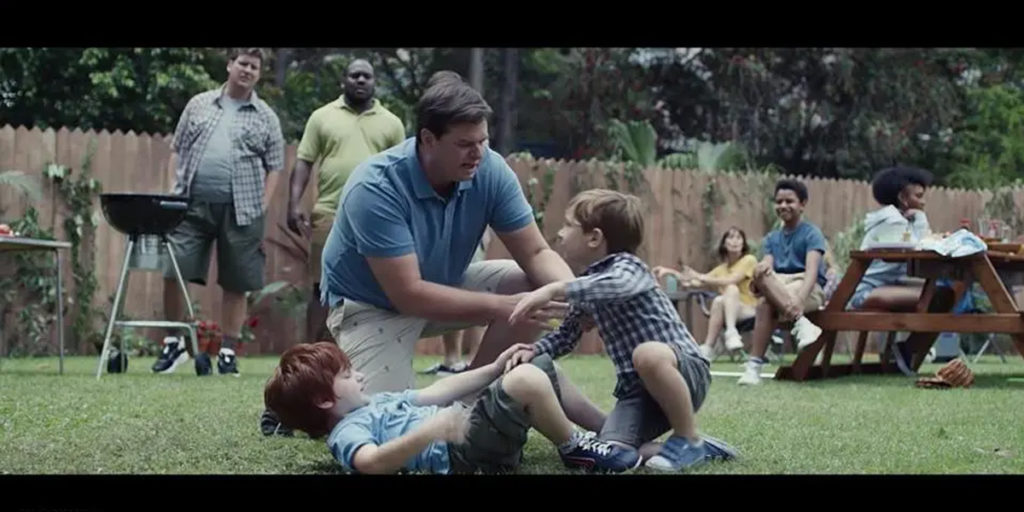
With over 17 million views, a new Gillette razor ad has taken on a life of its own starting conversations far deeper than an ordinary razor commercial. The ad specifically challenges men to take on toxic masculinity and many of the social woes that have long been ignored: bullying, sexual harassment, and the men who diminish women in the workplace. What has surprised me the most about the reaction to the ad is the amount of negative feedback it is getting. Feedback I believe is unwarranted. NPR covered the feedback in a story, “Backlash erupts after Gillette launches a new #MeToo – inspired ad campaign.” They describe most of the negative feedback as being rooted around the idea it paints men in a bad light, or as though it simplifies or stereotypes men. I didn’t get that at all from the ad. I would say every woman, but the truth is everybody, knows men or has seen men like those portrayed as toxic in the commercial. That doesn’t mean every man is bad. Quite the contrary, I believe, as I have written about before, boys/men are inherently good. That said, the ad has a strong message in calling for those still standing on the sidelines, as we as a nation address toxic masculinity, to get up and do something. It is time for each of us to play our part, men and women, to provide a safe environment for boys and men to accept responsibility for their own actions,, understanding sometimes they may be called upon to correct the behavior around them in a safe and appropriate setting. As the mother of two young boys, I will teach them to respect themselves, women, and one another while also allowing and encouraging them to be masculine. No, not all masculinity is toxic. Both myself, and the men in my sons lives, have and will encourage them to accept responsibility for themselves and to be a man and all that entails. Our society needs all types and that includes strong men. We cannot and should not discourage that. It takes strength to take on the a* holes, the bullies and the abusers. It takes strong individuals (men and women) to serve and protect in law enforcement and military. We need to draw the line between right and wrong not weak and strong when it comes to behavior. A sweet boy is no better than a strong/aggressive boy so long as that aggression is used in the right ways. The phrase “boys will be boys” is not dated boys do have natural tendencies that girls don’t always have. What we need to do is look at a particular behavior and correct it when it’s wrong. Wrestling isn’t inherently wrong. Fighting out of anger and aggression is. These are the nuanced differences this ad should have us discussing. So here’s to that. Here’s to talking and debating and discussing the things that matter the issues that shape our lives and ultimately our communities and the world. Here’s to raising and encouraging men to be the best they can be. If you oppose that message, you need to do some deep soul searching.
Personnel note: Lt. Gov. Will Ainsworth appoints Jess Skaggs as deputy chief of staff
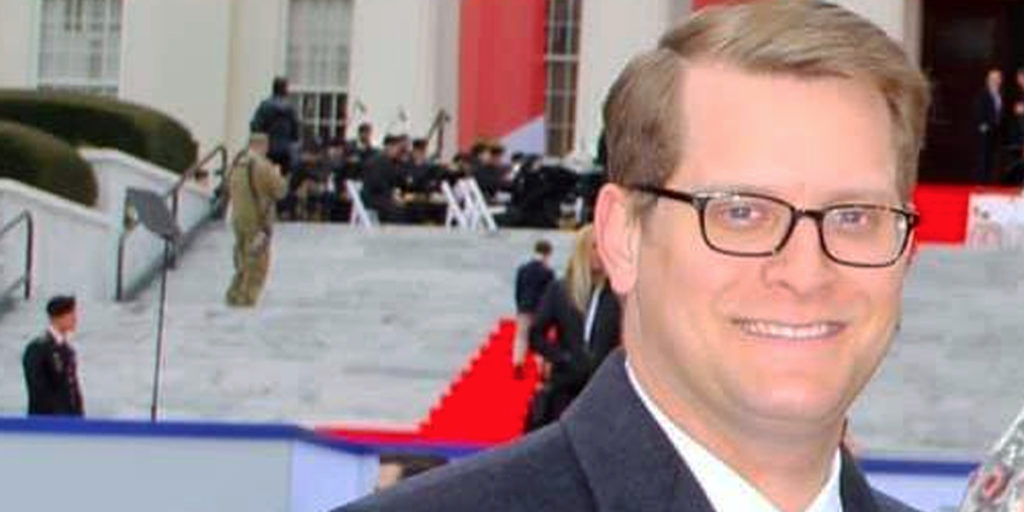
Alabama’s new Lieutenant Governor Will Ainsworth announced on Thursday he has tapped a former administrator with the Alabama Department of Agriculture and Industries to serve as his deputy chief of staff. Has selected Jess Skaggs for the role. “As lieutenant governor, I plan for my office to be the most active and engaged in Alabama’s history, and Jess Skaggs has the experience, dedication, and energy necessary to help make that plan a reality,” Ainsworth said. “Jess has a deep desire to serve his fellow Alabamians and to make our state an even better place to live for all of its citizens. I’m happy to have him on my team as we work to provide Alabama with more jobs, better schools, and a higher standard of ethics among its elected officials.” Skaggs will work with Chief of Staff Judy Miller, who Ainsworth appointed the week following the election. About Skaggs Prior to joining Ainsworth’s staff, Skaggs served as the deputy commissioner for external affairs in the Alabama Department of Agriculture and Industries. In that role, he spearheaded economic development opportunities for the department, worked with Alabama Legislature to promote the state’s agricultural economy, and assisted the commissioner with public policy research and other matters. Skaggs previously served as the delegation director for the Baldwin County Legislative Office and worked closely with the area’s two senators and five state representatives. There he oversaw constituent services, drafted and researched legislation and coordinated community service grants for the delegation members. He also worked as a legislative aide to former Montrose-Republican, State Sen. Trip Pittman, who chaired the Senate Finance and Taxation Education Committee. The bill that authorized historic improvements to Gulf State Park and the lodging options it offers was among the measures Skaggs worked upon at Pittman’s behest. A graduate of Montgomery’s Huntingdon College with a degree in political science and history, Skaggs has also worked on numerous political campaigns as a general consultant and fundraiser. He and his wife, Charlanna, an attorney specializing in business law, have three daughters and one son.
GOP dismisses suggestion that State of Union be postponed
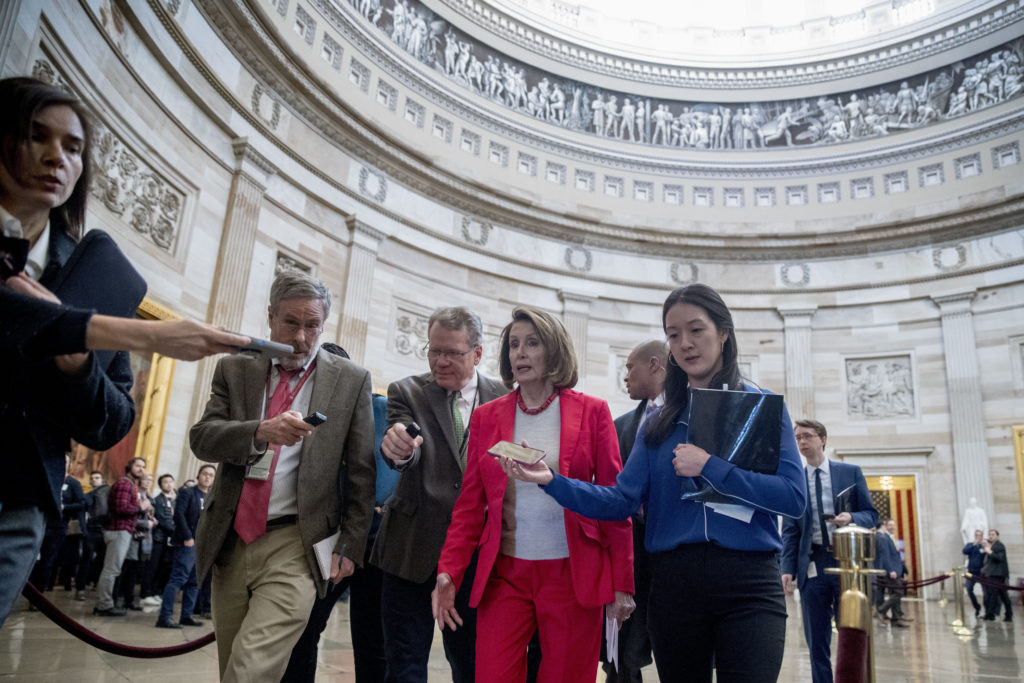
A grand Washington ritual became a potential casualty of the partial government shutdown as House Speaker Nancy Pelosi asked President Donald Trump to postpone his Jan. 29 State of the Union speech. She cited concerns about whether the hobbled government can provide adequate security, but Republicans cast her move as a ploy to deny Trump the stage. In a letter to Trump, Pelosi said that with both the Secret Service and the Homeland Security Department entangled in the shutdown, the president should speak to Congress another time or he should deliver the address in writing. Homeland Security Secretary Kirstjen Nielsen denied anyone’s safety is compromised, saying Wednesday that both agencies “are fully prepared to support and secure the State of the Union.” Trump did not immediately respond to the request, and the White House, thrown off guard by the move, didn’t immediately offer any official response. But GOP allies accused Pelosi of playing politics, with Republican Rep. Steve Scalise tweeting that Democrats are “only interested in obstructing @realDonaldTrump, not governing.” Pelosi, who issued the customary invitation to Trump weeks ago, hit the president in a vulnerable place, as he delights in taking his message to the public and has been preparing for the address for weeks. The uncertainty surrounding the speech also underscored the unraveling of ceremonial norms and niceties in Trump’s Washington, with the shutdown in its fourth week, the White House and Democrats in a stalemate and the impasse draining the finances of hundreds of thousands of federal employees. Pelosi left unclear what would happen if Trump insisted on coming despite the welcome mat being pulled away. It takes a joint resolution of the House and Congress to extend the official invitation and set the stage. “We’ll have to have a security evaluation, but that would mean diverting resources,” she told reporters when asked how she would respond if Trump still intended to come. “I don’t know how that could happen.” Trump stayed quiet on the request throughout the day. During an Oval Office visit, Sen. Rand Paul said they discussed the shutdown but the president did not offer any reaction to Pelosi’s suggestion to put off the speech. Paul suggested on Twitter on Thursday that Trump deliver the address in the Senate, where Republicans hold a majority, which would be an unusual move. “If Mrs. Pelosi refuses to allow the president to deliver the State of the Union in the House, I propose we move it to the Senate and make it happen!” Paul said. Pressure on Trump intensified on Wednesday, the 26th day of the shutdown, as lawmakers from both parties scrambled for solutions. At the White House, Trump met a bipartisan group of lawmakers, as well as a group of Republican senators, but progress appeared elusive. The shutdown, already the longest ever, entered its 27th day Thursday. The previous longest was 21 days in 1995-96, when Bill Clinton was president. While Trump’s own advisers said the shutdown was proving a greater drag on the economy than expected, Trump showed no signs of backing off a fight that he views as vital for his core supporters. On Wednesday, Trump signed legislation into law affirming that the roughly 800,000 federal workers who have been going without pay will ultimately be compensated for their lost wages. That was the practice in the past. As he weighs a response to Pelosi, Trump could not go forward with a State of the Union address in Congress without her blessing. Donald Ritchie, former historian of the Senate, said that anytime a president comes to speak, it must be at the request of Congress. Trump could opt to deliver a speech somewhere else, like the Oval Office, but it would not have the same ritualistic heft. Democratic leaders did not ask the Secret Service if the agency would be able to secure the State of the Union event before sending the letter, according to a senior Homeland Security official, who was not authorized to speak publicly. Pelosi’s office said Congress is already familiar with the percentage of Secret Service and Homeland Security employees who have been furloughed and working without pay. The Secret Service starts preparing for events like these months in advance. Lawmakers struggled to find a way out of the shutdown Wednesday. Trump is demanding $5.7 billion to build a wall along the Mexican border that he says is needed on humanitarian and security grounds. But Pelosi is refusing money for the wall she views as ineffective and immoral, and Democrats say they will discuss border security once the government has reopened. Some expressed little optimism. Sen. Lindsey Graham, a South Carolina Republican who has been working on bipartisan strategies, declared glumly: “I am running out of ideas.” Trump met a bipartisan group of lawmakers Wednesday that included seven Democrats. Two people who attended the White House meeting agreed it was “productive,” but could not say to what extent Trump was listening or moved by the conversation. The people, who spoke on condition of anonymity to discuss the event candidly, said it seemed at some points as if people were talking past each other. Lawmakers talked about the shutdown’s effect on their constituents and advocated for “border security.” Trump and others on-and-off used the term “wall.” It was not clear if progress had been made, by those accounts. Meanwhile a group of Republican senators headed to the White House later Wednesday. Many Republicans were unwilling to sign on to a letter led by Graham and Sen. Chris Coons, D-Del., to reopen the government for three weeks while talks continue. They had been warned off such a strategy by Vice President Mike Pence and White House senior adviser Jared Kushner, who told them Trump opposed such a short-term fix, but the senators pressed on anyway, trying to get 20 Democrats and 20 Republicans to join. While Sen. Susan Collins, R-Maine, said she has signed, others said GOP support was lacking. “They’re a little short on the R side,” said Sen.
Alabama mayor Elbert Melton convicted of voter fraud, removed from office
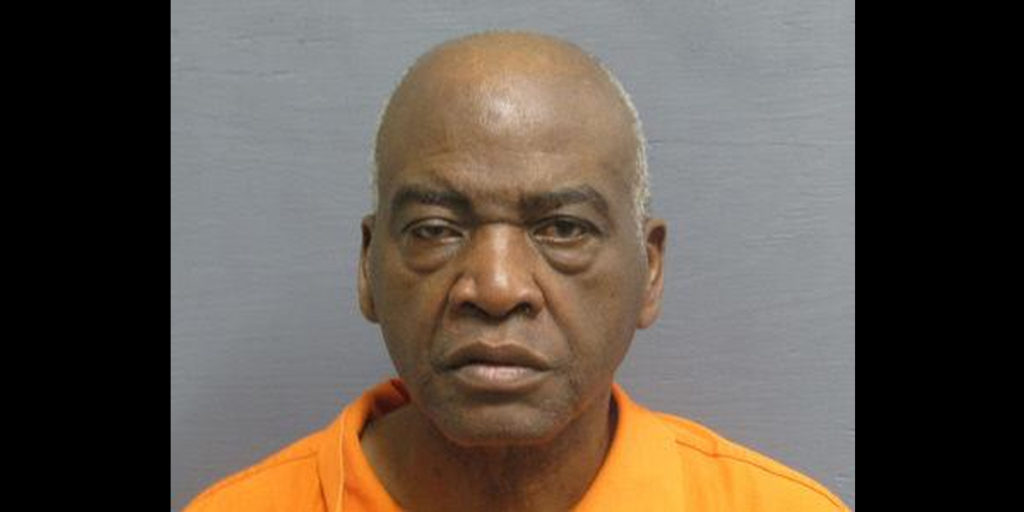
The mayor of Gordon, Alabama, has been convicted of voter fraud and removed from office. News outlets report Elbert Melton was convicted Wednesday of unlawfully falsifying ballots when he was elected in 2016. He defeated challenger Priscilla Wilson by a 16-vote margin. This conviction strips him of his office. The Gordon Town Council will appoint an interim mayor to serve until an election is held. Melton was charged in September with absentee ballot fraud and second-degree theft of property. Arrest warrants say he knowingly obtained or exerted unauthorized control over $1,700 that belonged to the town. Prosecutor Mark Johnson says the judge has released Melton on bond. Melton is set to be sentenced next month on the fraud charge. He still is facing the theft charge. Republished with permission from the Associated Press.
Daniel Sutter: Is anything an accident?

California Attorney General Xavier Becerra has suggested charging Pacific Gas & Electric (PG&E) with murder in connection with last November’s Camp Fire. The deadliest wildfire in California history, Camp killed 86 people and destroyed the town of Paradise. A cause has not been officially determined, but evidence suggests that PG&E electric transmission wires may have started the blaze. The case illustrates a conundrum implied by the economics of accidents. I do not wish to accuse PG&E of starting the Camp Fire; that is to be determined. But Mr. Becerra’s comments, numerous lawsuits already filed, and news reports of PG&E’s potential bankruptcy, I think, justify this discussion. I am not a lawyer and wish to focus on the economics, not the legal requirements of sustaining murder charges or winning a civil lawsuit. The fire was not deliberately started and so in this sense was an accident. But could it have been avoided? Quite likely. Better maintenance on transmission lines and towers could have prevented aging, sagging power lines from sparking. Trimming trees would make high winds less likely to bring down power lines. PG&E could also have shut down parts of the electric grid on high fire risk days. The company formalized planned blackouts to prevent wildfires earlier in 2018 and shut off power to over 60,000 customers on a high risk day in October. Southern California utilities have also used blackouts to prevent wildfires. Power lines, of course, are not the only cause of wildfires; lightning and other human actions and carelessness are also causes. All power line related fires, however, could be prevented through enough maintenance, tree-trimming, and blackouts. If the Camp Fire could have been prevented, was it truly an accident? Diligence and safety can prevent most types of accidents. Workplace accidents claimed over 5,000 lives in 2017. The Occupational Safety and Health Administration has helped reduce workplace accidents significantly over the past fifty years. Still, more can always be done. Railings prevent falls; taller, sturdier railings make falls even less likely. Safety nets can help as well. Auto accidents kill 35,000, injure millions, and cause billions in property damage each year. Most traffic accidents are due to driver error, mechanical failures, and unsafe roads and bridges and are preventable. Highway redesign could further reduce accidents. And driving very slowly – imagine a 25 mph national speed limit – would dramatically reduce accident severity. Should we prevent all fires, workplace accidents, and highway crashes? Economics recommends balancing the benefits of preventing accidents against the costs. Such balancing will almost certainly involve accepting some accidents. Even if we think that human lives are infinitely valuable and should be saved whenever possible, accidents often involve fatal consequences either way. For instance, blacking out hospitals and nursing homes can cost lives. We will almost certainly choose a level of safety resulting in some accidents. If we deliberately choose less than perfect safety, are the fires, workplace mishaps, and traffic crashes truly accidents? This is debatable. We know that drunk drivers do not intend to maim people, but we consider this act so reckless as to be criminal. Some commentators think that deaths from workplace accidents and product defects are best viewed as corporate murder. Personally, I think that an important difference exists between mishaps occurring while pursuing a valuable and ethical goal and intentionally harming others. Still, many Americans find evaluating accident tradeoffs too explicitly discomforting. This is costly. As Vanderbilt economist Kip Viscusi notes, corporate America lags behind in applying risk analysis. Jurors find it offensive when a business determines how much it would cost to prevent deaths due to product design flaws or workplace risks and still chooses not to eliminate the risk. Because risk analysis seems to trigger mega-verdicts, businesses forego the analysis. Yet a lack of analysis merely leads to bad decisions, not safety. Economics suggests that perhaps nothing is an accident. But as humans, we can intuitively distinguish intentional harms and unfortunate events. However we resolve the conundrum, ignorance of risk analysis is definitely not bliss. ••• Daniel Sutter is the Charles G. Koch Professor of Economics with the Manuel H. Johnson Center for Political Economy at Troy University and host of Econversations on TrojanVision. The opinions expressed in this column are the author’s and do not necessarily reflect the views of Troy University.
