
Birmingham seeks to maintain Confederate monument ruling
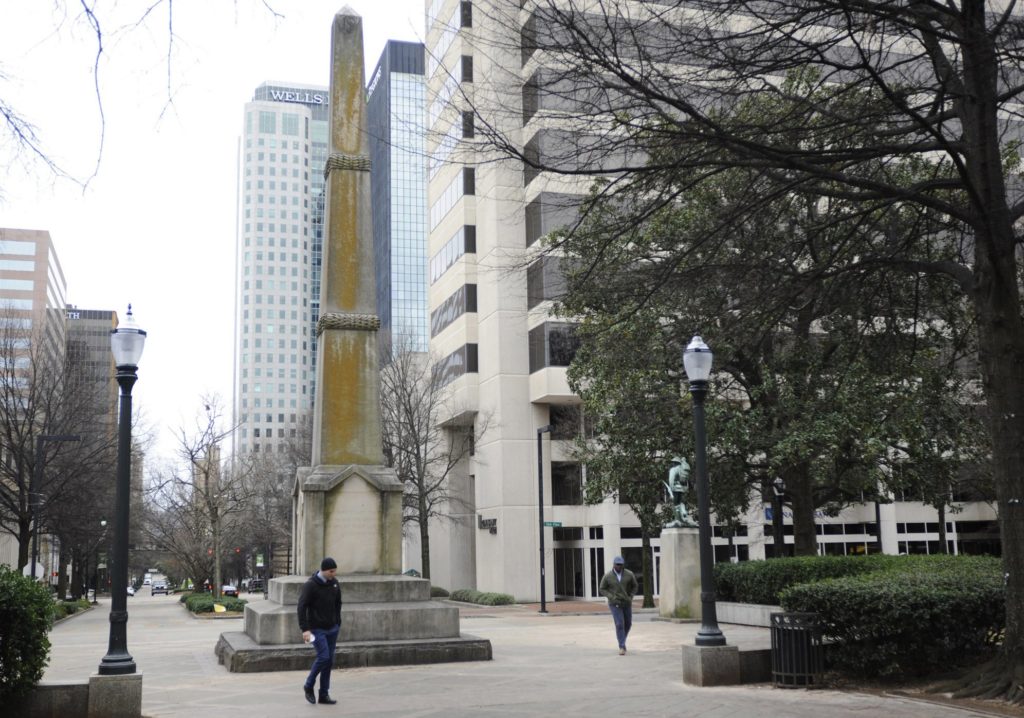
The city of Birmingham is asking a judge to maintain his ruling that overturned a state law protecting Confederate monuments. In a court filing last week, city attorneys opposed a motion by the state attorney general to stay the decision while Alabama appeals. A judge last month ruled a 2017 state law barring the removal or alteration of historical monuments violates the free speech rights of local communities. The state argued that staying the order would prevent cities from removing monuments while the state appeals. Birmingham lawyers said the city has made no suggestion that a Confederate monument would be removed during the appeal. Alabama sued the city of Birmingham in 2017 after officials erected a wooden box that obscured the view of a 52-foot-tall obelisk honoring Confederate veterans. Republished with permission from the Associated Press.
Martha Roby: Lawmakers must stop playing games with the Second Amendment
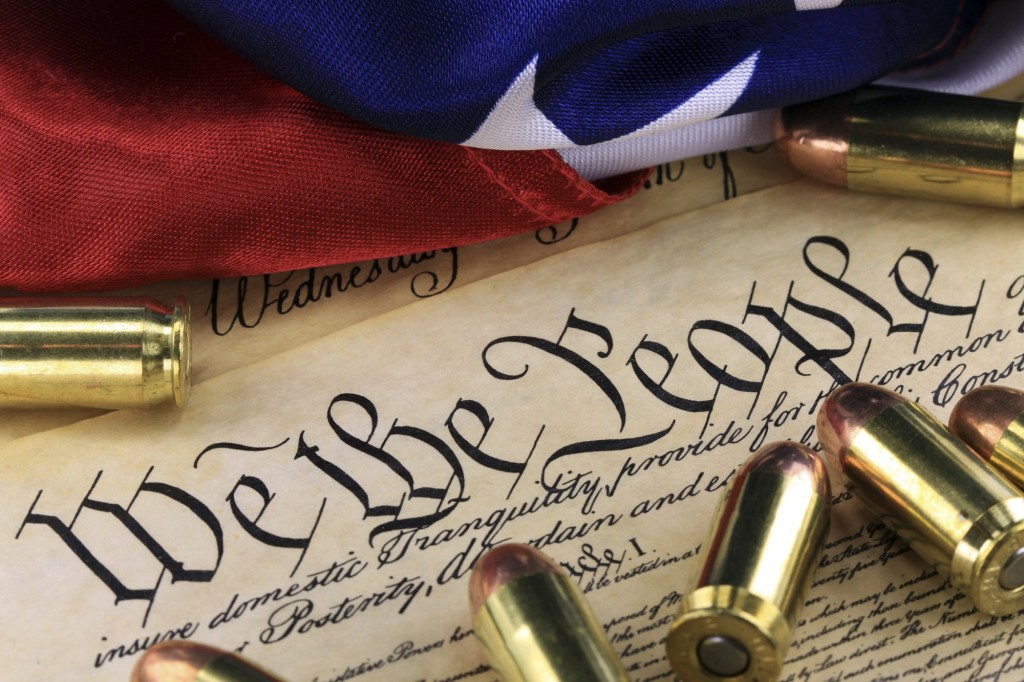
As a gun owner myself, I am a strong supporter of the Second Amendment and an individual’s right to keep and bear arms. The overwhelming majority of gun owners are law-abiding citizens who use firearms for sporting purposes, as historical collector’s items, to go hunting with their children or friends, and if necessary, to protect themselves and their families. The Second Amendment states that the “right of the people to keep and bear arms, shall not be infringed.” In 2008, the Supreme Court of the United States held that the Second Amendment protects an individual’s right to possess a firearm for traditionally lawful purposes. Unfortunately, some lawmakers view the Second Amendment as an inferior Amendment, subject to being restricted and curtailed whenever political winds blow. But, the bottom line is that the Founding Fathers included the first 10 amendments to the Constitution, known as the Bill of Rights, because they understood the need to place restrictions on the federal government in order to protect Americans’ individual liberties. Any time Congress discusses placing restrictions on an enumerated constitutional right, it is our responsibility to very carefully weigh the many competing interests, which is ultimately why I recently voted against H.R. 8, the Bipartisan Background Checks Act of 2019, during its consideration in the House Judiciary Committee. This is a poorly drafted and ill-considered bill that would punish lawful gun owners without doing anything to prevent gun violence. To give you an idea of what I’m talking about, H.R. 8 would implement a system of universal background checks that make the following actions illegal: Loaning a gun to your neighbor, donating a historic firearm to a museum, and gifting a gun to a relative. Democrats in Congress have been campaigning on ending gun violence in America for years. I, along with my fellow Republicans, want to see a reduction in violent crime and gun violence, too – but H.R. 8 won’t accomplish that, especially in relation to mass shootings. In fact, none of the recent mass shootings in this country would have been prevented by this bill. The State of California has some of the strictest firearm laws in the country, and their system of universal background checks has proven to be a failure. A recent study by the liberal-leaning Violence Prevent Research Program at the University of California – Davis and Johns Hopkins University found that the implementation of universal background checks has had no effect on the rates of homicide or suicide by firearm. In order to actually combat gun violence, we must take a long, hard look at making improvements in our society, like repairing our mental health care system. Our country has been experiencing a mental health crisis for far too long, and it is past time we address it with meaningful change. We must also more effectively enforce the laws that are currently on the books before implementing new regulations that criminalize law-abiding gun owners. To put it plainly, Congress should not be wasting valuable time on ineffective bills that would only serve to impede upon Americans’ constitutional rights. While I voted against H.R. 8, it ultimately passed the Judiciary Committee, and it will be considered for a vote by the full House in the coming weeks. I have and will continue to urge my colleagues to oppose this measure and get to work finding real solutions to gun violence. We must stop playing politics with legislation that will not benefit the American people. ••• Martha Roby represents Alabama’s Second Congressional District. She lives in Montgomery, Alabama, with her husband Riley and their two children.
Plan to honor Larry Langford, former Birmingham mayor convicted of bribery, sparks disagreement
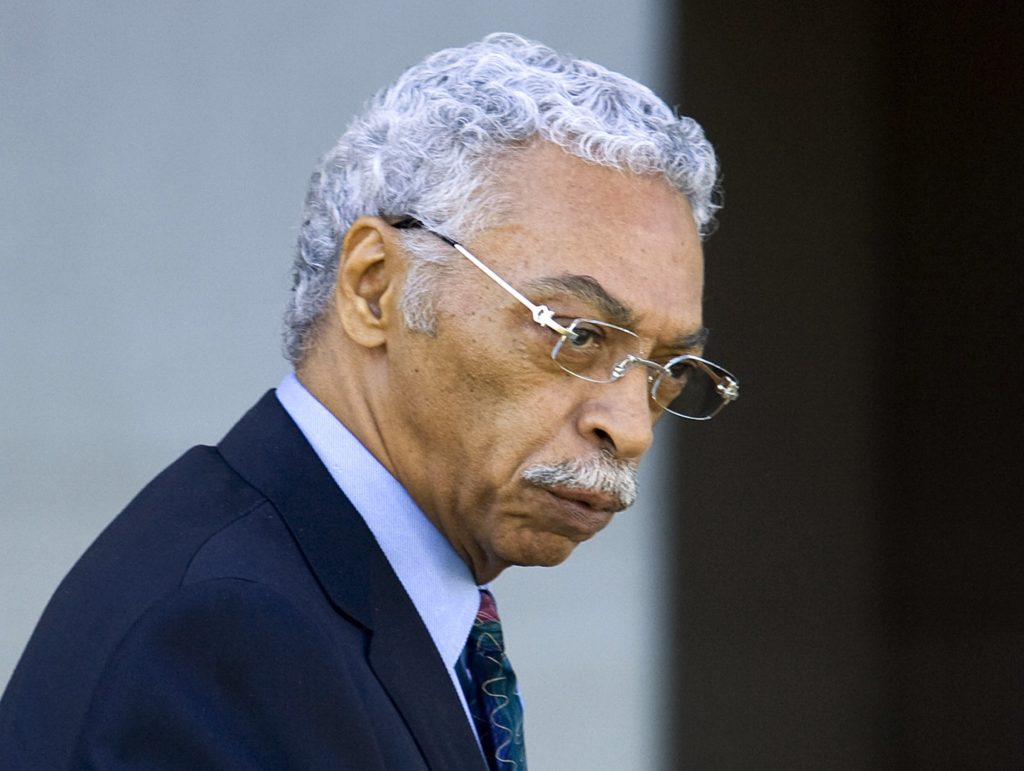
A plan to honor a former Alabama mayor who went to prison for bribery is sparking disagreement in Birmingham. Birmingham’s current mayor, Randall Woodfin, has proposed renaming a city recreational facility for Larry Langford, an ex-mayor convicted in a bribery scheme a decade ago. Langford died in January after being released from federal prison because of poor health. Woodfin told the City Council recently that Langford made contributions and deserves to be honored. But al.com reports that council member Hunter Williams wrote Woodfin saying the city would send the wrong message by honoring a convicted felon. Langford was convicted of taking about $235,000 in bribes in return for directing lucrative bond work to an ally while he was head of the Jefferson County Commission. Those deals helped bankrupt Alabama’s most populous county. Republished with permission from the Associated Press.
What they’re saying: Alabama politicians react to Donald Trump’s plan to issue a national emergency
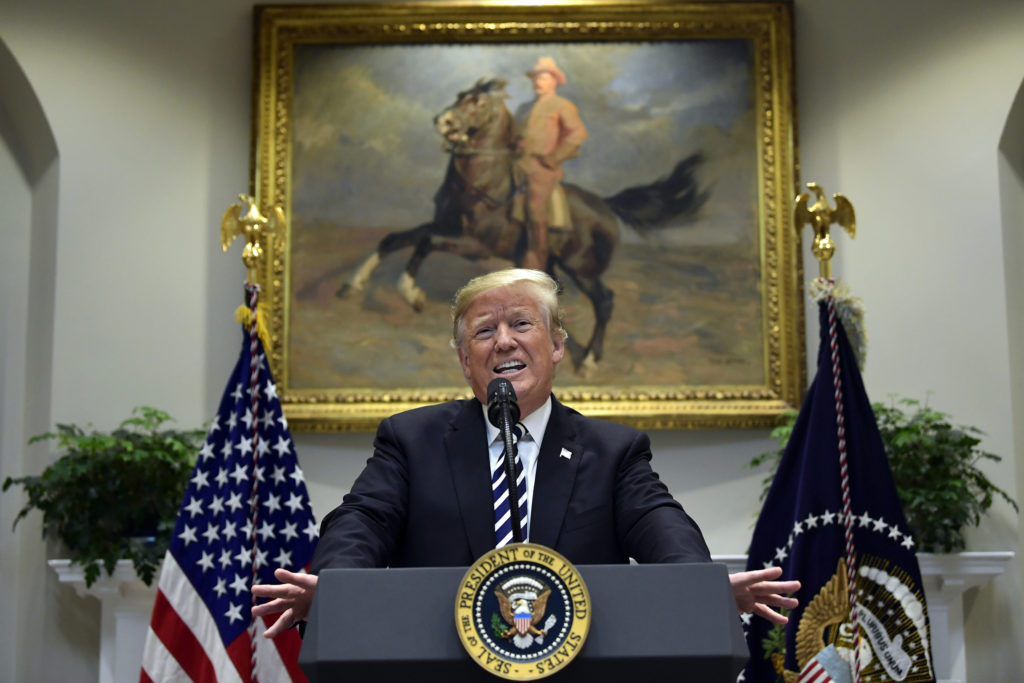
President Donald Trump on Friday intends to sign a border security compromise that provides $1.4 billion for his proposed border wall with Mexico — far below the $5.7 billion he requested — in order to avert a second government shutdown. But the president isn’t accepting defeat. Thursday night, White House confirmed in signing the compromise, Trump will also announce plans to bypass lawmakers and declare a national emergency in order to gain access to the necessary additional funds to build the border wall. Here’s what Alabama politicians are saying about the news: 1st District U.S. Rep. Bradley Byrne: I wish it hadn’t come to this point, but the Democrats have left President Trump with no choice. There is a true crisis at the southern border, and I support President Trump 100% in this decision because border security is national security. 4th District U.S. Rep. Robert Aderholt: According to my understanding of the law, President Trump has every legal authority to declare a national emergency for the purpose of securing our southern border. In fact, the National Emergencies Act specifically gives the President the ability to initiate military construction for the purposes of defending the nation. This border wall will ultimately make our nation stronger and more secure. 7th District U.S. Rep. Terri Sewell: The President is pounding his fists after failing to secure billions of dollars for a wasteful, ineffective brick-and-mortar wall that the vast majority of Americans do not support. His actions are a clear abuse of power and set a dangerous precedent. Instead, the President should be focused on addressing some of the real emergencies facing our country – gun violence, the opioid crisis, crumbling infrastructure and poverty.
Donald Trump will sign border deal but will also declare emergency

Congress lopsidedly approved a border security compromise that would avert a second painful government shutdown. But a new confrontation has been ignited — this time over President Donald Trump‘s plan to bypass lawmakers and declare a national emergency to siphon billions of dollars from other federal coffers for his wall on the Mexican boundary. Money in the bill for border barriers, about $1.4 billion, is far below the $5.7 billion Trump insisted he needed and would finance just a quarter of the 200-plus miles (322 kilometers) he wanted. The White House said he’d sign the legislation but act unilaterally to get more, prompting condemnations from Democrats and threats of lawsuits from states and others who might lose federal money or said Trump was abusing his authority. The uproar over Trump’s next move cast an uncertain shadow over what had been a rare display of bipartisanship to address the grinding battle between the White House and lawmakers over border security. The Senate passed the legislation 83-16 Thursday, with both parties solidly aboard. The House followed with a 300-128 tally, with Trump’s signature planned Friday. Trump will speak Friday morning in the Rose Garden about border security, the White House said. Trump is expected to announce that he will be spending roughly $8 billion on border barriers — combining the money approved by Congress with funding he plans to repurpose through executive actions, including a national emergency, said a White House official who was not authorized to speak publicly. The money is expected to come from funds targeted for military construction and counterdrug efforts. House Democrats overwhelmingly backed the legislation, with only 19 — most of whom were Hispanic — opposed. Just over half of Republicans voted “no.” Should Trump change his mind, both chambers’ margins were above the two-thirds majorities needed to override presidential vetoes. Lawmakers, however, sometimes rally behind presidents of the same party in such battles. Lawmakers exuded relief that the agreement had averted a fresh closure of federal agencies just three weeks after a record-setting 35-day partial shutdown that drew an unambiguous thumbs-down from the public. But in announcing that Trump would sign the accord, White House Press Secretary Sarah Sanders also said he’d take “other executive action, including a national emergency,” In an unusual joint statement, House Speaker Nancy Pelosi, D-Calif., and Senate Minority Leader Chuck Schumer, D-N.Y., said such a declaration would be “a lawless act, a gross abuse of the power of the presidency and a desperate attempt to distract” from Trump’s failure to force Mexico to pay for the wall, as he’s promised for years. “Congress will defend our constitutional authorities,” they said. They declined to say whether that meant lawsuits or votes on resolutions to prevent Trump from unilaterally shifting money to wall-building, with aides saying they’d wait to see what he does. Democratic state attorneys general said they’d consider legal action to block Trump. Puerto Rico Gov. Ricardo Rossello told the president on Twitter “we’ll see you in court” if he makes the declaration. Despite widespread opposition in Congress to proclaiming an emergency, including by some Republicans, Trump is under pressure to act unilaterally to soothe his conservative base and avoid looking like he’s lost his wall battle. The abrupt announcement of Trump’s plans came late in an afternoon of rumblings that the volatile president — who’d strongly hinted he’d sign the agreement but wasn’t definitive — was shifting toward rejecting it. That would have infused fresh chaos into a fight both parties are desperate to leave behind, a thought that drove some lawmakers to ask heavenly help. “Let’s all pray that the president will have wisdom to sign the bill so the government doesn’t shut down,” Sen. Charles Grassley, R-Iowa, said Thursday’s Senate session opened. Moments before Sanders spoke at the White House, Senate Majority Leader Mitch McConnell, R-Ky., took to the Senate floor to announce Trump’s decisions to sign the bill and declare an emergency. Sen. John Cornyn, R-Texas, told reporters there were two hours of phone calls between McConnell and the White House before there were assurances that Trump would sign. McConnell argued that the bill delivered victories for Trump over Pelosi. These included overcoming her pledge to not fund the wall at all and rejecting a Democratic proposal for numerical limits on detaining some immigrants, said a Republican speaking on condition of anonymity to describe private conversations. In a surprising development, McConnell said he would support Trump’s emergency declaration, a turnabout for the Kentucky Republican, who like many lawmakers had opposed such action. Democrats say there is no border crisis and Trump would be using a declaration simply to sidestep Congress. Some Republicans warn that future Democratic presidents could use his precedent to force spending on their own priorities, like gun control. GOP critics included Maine Sen. Susan Collins, who said emergency declarations are for “major natural disasters or catastrophic events” and said its use would be of “dubious constitutionality.” White House staff and congressional Republicans have said that besides an emergency, Trump might assert other authorities that could conceivably put him within reach of billions of dollars. The money could come from funds targeted for military construction, disaster relief and counterdrug efforts. Congressional aides say there is $21 billion for military construction that Trump could use if he declares a national emergency. By law, the money must be used to support U.S. armed forces, they say. The Defense Department declined to provide details on available money. With many of the Democrats’ liberal base voters adamantly against Trump’s aggressive attempts to curb immigration, four declared presidential hopefuls opposed the bill in the Senate: Cory Booker of New Jersey, New York’s Kirsten Gillibrand, Elizabeth Warren of Massachusetts and Kamala Harris of California. Amy Klobuchar of Minnesota voted for it, as did Vermont independent Bernie Sanders, who is expected to join the field soon. Notably, the word “wall,” the heart of many a chant at Trump campaign events and his rallies as president, is absent from the compromise’s 1,768-page
As Democrats lean left, will voters follow?
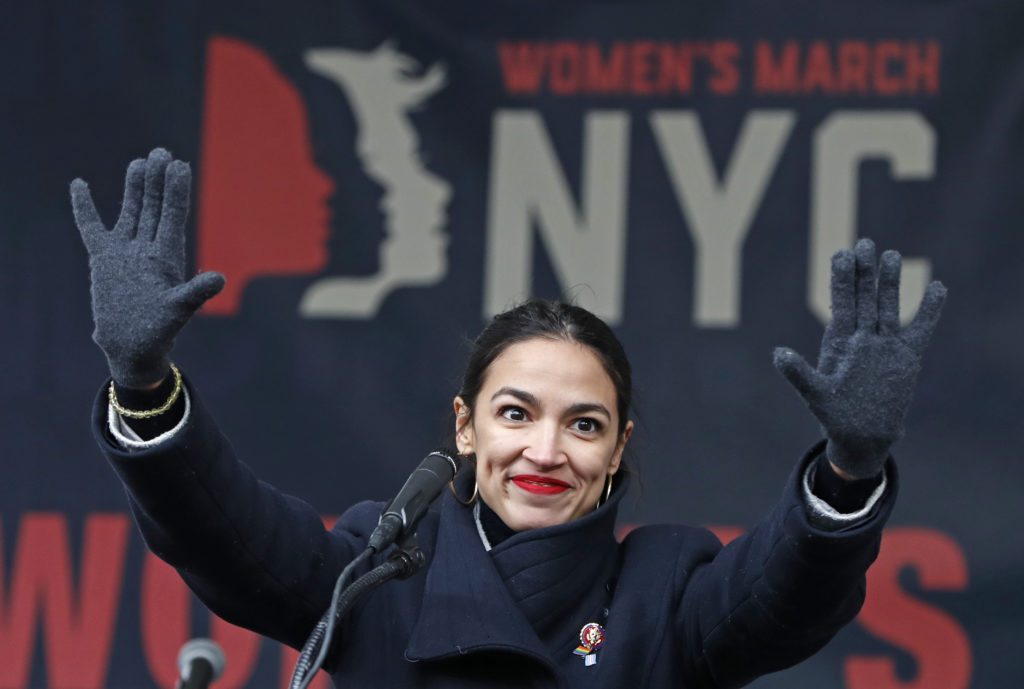
What is happening to the Democrats? Captivated by a handful of liberal superstars, they are venturing where the party has long feared to tread: Steep taxes on the rich. Abolishing an immigration enforcement agency. And proposing a sweeping Green New Deal that calls for an “economic transformation” to combat climate change. On Thursday, newly-elected Rep. Alexandria Ocasio-Cortez led a chorus of cheers as Amazon announced it was abandoning plans to build a sought-after headquarters in New York City. Activists berated the online giant for a $3 billion package of tax breaks she said the city could better invest in hiring teachers or fixing the subway. This is not the Democratic Party of yesteryear. Or even last year. “The Amazon New York fight is an illustration of how power is moving to the left,” said Ben Wikler, of the liberal group MoveOn. “One of the world’s most powerful organizations doesn’t want to pick a fight with progressive activists.” As the liberal flank celebrates its sudden ascendance in the party, energized by the new House freshmen pushing the party toward bold policy solutions, others wonder if the Democrats are veering so far left they’re about to fall off a cliff. It’s a valid question ahead of a presidential primary season with an unusually robust roster of contenders trying to wrest the White House from President Donald Trump. The race comes at a time of shifting party loyalties and eroding confidence in traditional corridors of power, a dynamic that has recast the policy prescriptions of both parties. The big questions for 2020: Will Democrats move beyond the center-left policies that have dominated the party since Bill Clinton’s presidency? And if so, will they find the electorate is repelled, as Republicans claim, or will they discover that a country long described as “center-right” is receptive to a return to liberalism? Democratic pollster John Anzalone said the leftward lurch that’s playing out in the Amazon fight wouldn’t necessarily hurt the party heading into 2020 and could resonate with voters. “When you’re doing corporate giveaways, whether for a big company or a sports team, it’s not as cut-and-dry as most people think,” Anzalone said. “The fact is there tends to be a belief that these big corporations have a lot of money and use their power to get deals they don’t need.” As if to highlight the churn within the party, the 2020 class was mixed in their reactions. A spokesman for former New York City mayor Michael Bloomberg didn’t respond to a request for comment. Howard Schultz, another business-minded former Democrat who’s now weighing an independent bid for president, also declined to comment. Massachusetts Sen. Elizabeth Warren and Vermont Sen. Bernie Sanders, who have long railed against the influence of corporations, weighed in, as did New York Sen. Kirsten Gillibrand. “The people of New York and America are increasingly concerned about the power of large multinational corporations and the billions in corporate welfare they receive,” Sanders said in a statement. “Our job is to end the race to the bottom where taxpayers in one city or state are forced to bid against each other for desperately needed jobs. This is what the rigged economy is all about.” Warren tweeted: “One of the wealthiest companies on the planet – just walked away from billions in taxpayer bribes, all because some elected officials in New York aren’t sucking up to them enough. How long will we allow giant corporations to hold our democracy hostage?” And Gillibrand said, “Walking away so quickly shows that Amazon was interested in the taxpayer assistance and not being a good neighbor in Queens hiring the greatest workers in the world.” As liberal activists across the country welcomed Amazon’s decision as a fresh demonstration of the increasing power of the Democratic Party’s far-left wing, Republicans highlighted the same thing, using the situation to cast the modern-day Democratic Party as extreme. Following Trump’s lead, they pepper their speeches with claims that Democrats are veering toward socialism. “Now, thousands of #New Yorkers will be deprived of good paying jobs at #amazon because of socialists like @AOC – and unfortunately the promise of a #greenjob won’t pay the bills,” former Trump aide Sean Spicer said on Twitter. On Capitol Hill, it’s hard not to compare the arrival of Ocasio-Cortez and the emerging Democratic divide to the tea party class of 2010 that took control of the House and pushed the Republican agenda rightward, ultimately helping give rise to the politics of Trump. It’s not just Ocasio-Cortez. She and House colleagues — Reps. Ilhan Omar of Minnesota, Rashida Tlaib of Michigan and Ayanna Pressley of Massachusetts — jointly announced their opposition to the bipartisan border security deal. They want to cut the Department of Homeland Security’s budget over the administration’s deportation policies, including those that separated families at the border. The four lawmakers were urged on by activists outside the Capitol, protesting what’s seen as ICE’s unnecessarily harsh deportations and raids against immigrants here illegally. Omar, who is Muslim-American, pushed the party further into conflict this week with comments about Israel that were widely seen as anti-Semitic. She apologized. But the questions she and others are raising about the longstanding U.S. ally reflect a growing unease among some Democrats with Israel’s treatment of Palestinians. House Speaker Nancy Pelosi says the Democratic Party’s diversity in the House is its strength, as evidenced by the way her caucus held unified against Trump’s demand for money from Congress to build the wall on the border with Mexico. “Welcome to the Democratic Party,” Pelosi said Thursday. “We are not a monolith, never have been. And who would want to lead a party that would be described that way?” While some high-profile newcomers are capturing media attention, the House majority was also won with new lawmakers who are more measured in their approach to governing even as they battle Trump. All but 19 Democrats approved the bipartisan border package late Thursday. But other Democrats marvel at how quickly the party has
