
Ethics panel sends complaint about Alabama senator to district attorney
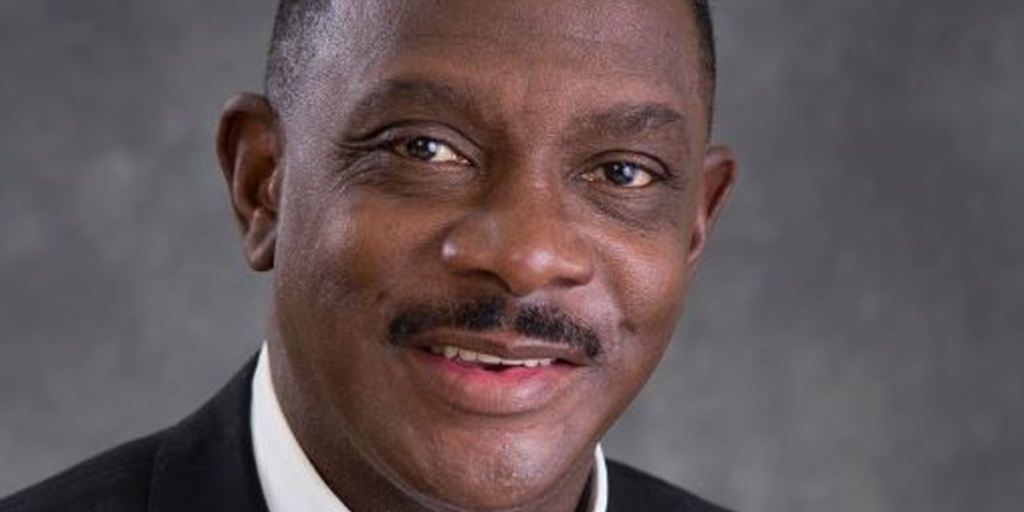
The Alabama Ethics Commission has voted to refer a complaint against Montgomery Sen. David Burkette to the Montgomery County District Attorney for review. It was not immediately clear Wednesday what the complaint entailed, or when the alleged offense occurred, The Montgomery Advertiser reported. Information from: Montgomery Advertiser, https://www.montgomeryadvertiser.com. Burkette’s attorney, Al Agricola, declined to discuss the allegations. “I can say that Sen. Burkette looks forward to the opportunity to show that he has not committed any crime or intentionally violated the law,” Agricola said. “We’ll see how this all develops.” Montgomery District Attorney Daryl Bailey said the attorney general’s office will handle the issue. A spokesman for the Alabama Attorney General’s office, Mike Lewis, said he was unable to answer questions about the case Wednesday. Burkette, who served on Montgomery City Council from 2007 to 2018, was elected to the Alabama Senate last year. Burkette suffered a stroke late last year but served through the legislative session this spring. The Alabama Ethics Commission reviews complaints against elected officials. If it finds probable cause that an ethics violation occurred, it refers the complaint to the attorney general or the appropriate district attorney. Republished with the permission of the Associated Press.
Alabama Court of Criminal Appeals to rule on ethics commissioner rewriting ethics law
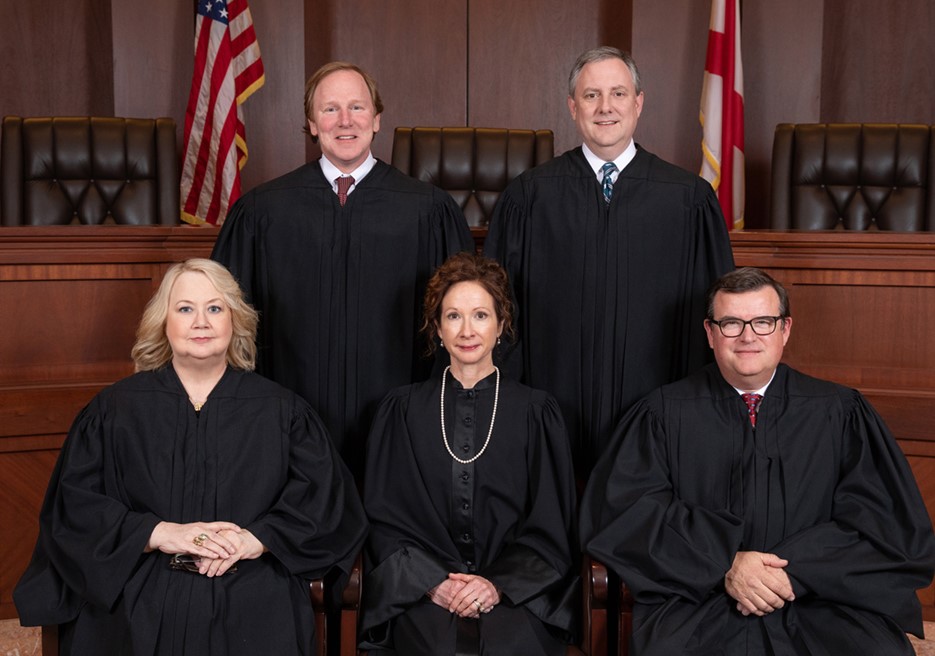
When faced with a single goal, in this case, embarrass Donald Trump’s administration; there is little doubt that one would choose the path of least resistance. That’s exactly what Cynthia Propst Raulston did when she pursued charges against Trump’s southeast regional director for the Environmental Protection Agency. Unfortunately for her, her weapon of choice, the Alabama Ethics Law, is clear – there’s a straight line from Point A (a complaint) to Point B (a resolution). By her actions, skipping the legally declared path for resolving a complaint, Raulston unilaterally declared herself and her office as powerful as that of Attorney General Steve Marshall. Let me explain how. The Alabama Ethics law is written without much room for interpretation. The “shall’” versus the “may” doesn’t leave room for guessing. Any first-year law student can tell you that. The process as described by the Ethics office requires a commission vote prior to going to a grand jury. Don’t believe me? Here are the exact words from the Ethics Commission website and I quote: Upon investigation a complaint may be: Closed because the Ethics Commission does not have jurisdiction regarding the alleged wrongdoing or the Statute of Limitations has expired. Dismissed due to lack of evidence to support the complaint. >Presented to Commission for Determination of Probable Cause. “Presented to the commission for determination of probable cause.” Nope, no ambiguity there. I don’t even need a law degree to understand the process. Going to the commission is an important step of due process of those facing complaints given the commission is not controlled by any one individual and the commission itself is charged with enforcing the ethics law. The makeup of the commission’s members is 2 appointees by the governor, 2 by the speaker of the house and 1 by the lieutenant governor. Each of which after being appointed has to be confirmed by the state senate. The current commissioners are: It was these five members Raulston circumvented by going straight to the grand jury. Read Anderton’s declaration, as filed, below: While her gumption and creativity could be lauded the effects of letting it stand presents a potentially chilling reality for the state of Alabama. Every time a new precedent is made chipping away at the structure of the law it weakens the law itself. This weakened foundation means that rouge prosecutors can go after just about anyone at any time in any manner they decide but more so the constant ambiguity also lends to the defense of those in the future who may seek an out when they do in fact break the law. Don’t for a moment think anyone is immune to the consequences of the decision before the court now. Due process is as important to the rule-followers as the rule-breakers because without it the process to determine which is which gets very fuzzy. The law § 36-25-4 says so very clearly, “In all matters that come before the commission concerning a complaint on an individual, the laws of due process shall apply.” The biggest problem in all of this is that either Propst Raulston unilaterally decided the rules didn’t apply to her or she did so with the support of the commissioners who have been silent to date. Right now the Alabama Court of Criminal Appeals has in front of them a motion to right the wrong made by Propst Raulston and the Alabama Ethics Commission. Will they choose to take it?
Governor Kay Ivey appoints elections official with fraud history
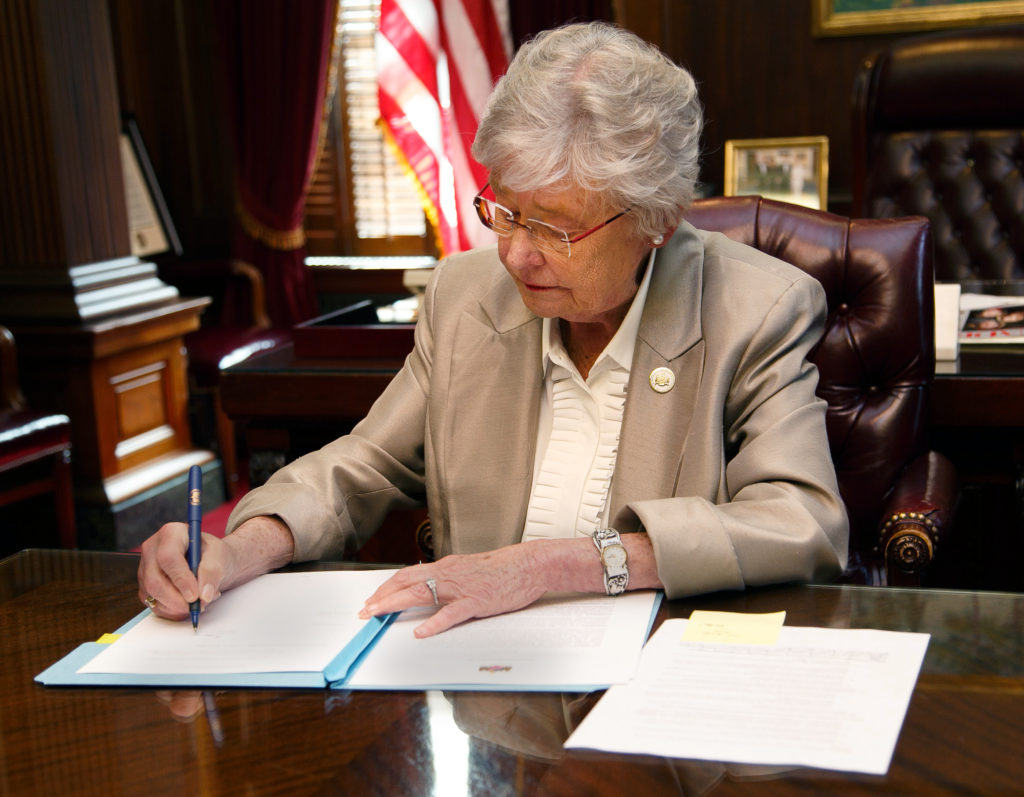
A woman previously charged with voter fraud has been appointed to a county elections board by Alabama Gov. Kay Ivey. News outlets report Ivey appointed 79-year-old Rosie Lyles to the Hale County Board of Registrars on Friday. Lyles was charged with four counts of voter fraud in 2007 and pleaded guilty to a misdemeanor of possession of a forged instrument. Ivey Press Secretary Gina Maiola says the governor didn’t know about the conviction and hadn’t done a background check before the appointment. She says background checks aren’t typical for such appointments. Secretary of State John Merrill is the state’s top election official and says his office is investigating the appointment. He says it appears Lyles can serve as registrar, however, as her conviction wasn’t a felony. Republished with the permission of the Associated Press.
Jeff Sessions: ‘I still do support’ President Donald Trump
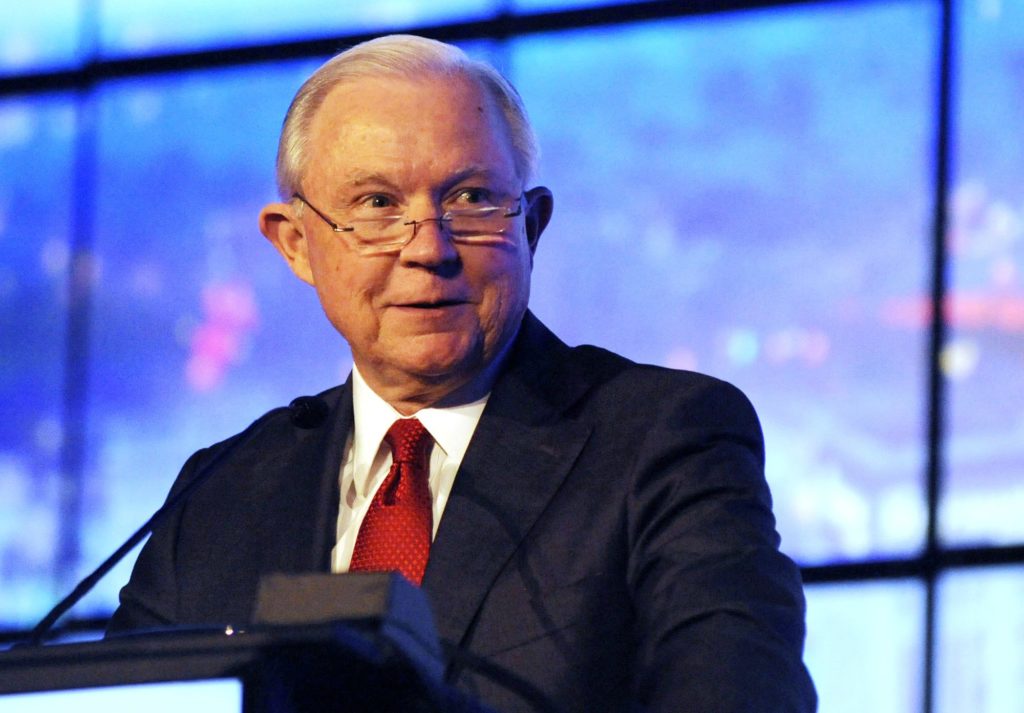
Former Attorney General Jeff Sessions on Tuesday night praised the policies of his former boss, President Donald Trump, and said he continues to support him. Sessions spoke Tuesday night at a Madison County Republican Party fundraiser in Huntsville. The former attorney general and U.S. senator made no mention of the Trump impeachment probe in his 40-minute speech, and declined to speak to reporters as he left. He did, however, heap praise on Trump’s effort on trade, immigration and foreign policy: “That’s why I supported him and why I still do support him,” Sessions told the crowd of about 500. “He is relentlessly and actually honoring the promises he made to the American people,” Sessions said. Sessions was one of the first national Republicans to line up behind Trump’s then-fledgling 2016 campaign, and became Trump’s first attorney general. He was ousted after enduring public mocking from Trump for recusing himself from special counsel’s Russia investigation. Sessions joked about life after being “fired” from a job. “I’d like to say a lot of people get fired in their work. Mine was a little more public than most,” he quipped, adding that he’s happy that “in this country at least they don’t shoot you.” Sessions reminisced about his lengthy career, recalling how the Alabama Republican Party transformed from having so few officeholders that they could “caucus in a phone booth” to having a firm lock on state politics. The only Democrat in statewide office is the man who replaced Sessions, Sen. Doug Jones, who won the special election to fill his seat. Sessions also did not mention next year’s election for that Senate seat. He said he believes Republicans could achieve historic congressional majorities in 2020, but cautioned that they must show they are responding to the concerns of average Americans. “Half of America makes less than 50 to 60 thousand dollars a year,” Sessions said. “The average voter does not like the Democratic agenda, but we haven’t shown them sufficiently how much we need them and that we care for them and that we are listening to them about the things they care about,” he said. He criticized Democrats as the party that sees “more government.” “The president is exactly right. We will not let socialism take over in this country,” Sessions said to applause. Republished with the permission of the Associated Press.
Former Alabama state legislator Pete Turnham dies at 99
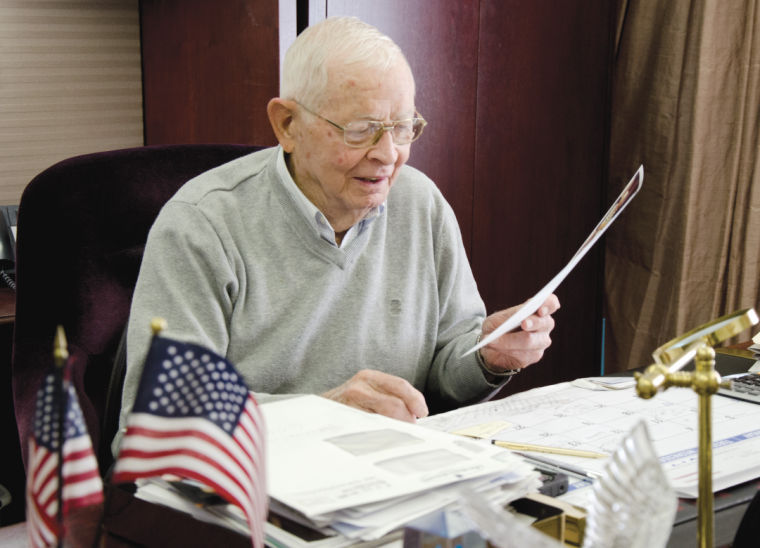
Former state legislator Pete Turnham, who was a force in the Alabama House of Representatives for decades, died Monday. He was 99. His son, Joe Turnham, confirmed his father’s death. Pete Turnham served 40 years in the state House. He was first elected in 1958 and retired in 1998. The Auburn legislator, often affectionately known as “Mr. Pete” in the halls of the Statehouse, was also known as dean of the Legislature because of his lengthy service. “They don’t make them like he was. He was a great Southern gentleman and statesman. He was a great orator. I think everybody looked up to him,” former House Speaker Seth Hammett said Tuesday. Gov. Kay Ivey on Tuesday ordered flags to be flown at half-staff on the grounds of the State Capitol complex in Montgomery and in state House District 79, Lee County, “as a mark of respect” for Turnham. The flags will fly at half-staff on the day of his interment on Thursday until sunset, Ivey’s order said. Hammett said Turnham was also a great champion of Auburn University during his decades in the Legislature. A World War II veteran, Turnham was awarded a Bronze Star Medal with Valor.Turnham served under nine governors. In the Legislature, he was chairman of the House Education Committee and known for his work on education issues. His family says a pilot program that paved the way for public kindergarten and the creation of regional mental health centers are among his signature accomplishments. A public graveside service and memorial will be held Thursday in Auburn. This story has been corrected to fix the day of death to Monday. Republished with the permission of the Associated Press.
