
Bradley Byrne warns of predatory coronavirus relief check scams

COVID-19 fears are a breeding ground for predatory individuals to try and steal your personal information and finances. In fact, the FTC has received more than 15,000 coronavirus-related consumer complaints of fraud and scams in 2020, including 7,200 complaints in the first nine days of April, costing Americans a whopping $7 million. Which is why Alabama 1st District Congressman Bradley Byrne is warning Alabamians of the scams tied to the coronavirus, particularly relating to relief checks. “While it has been encouraging to see millions of Americans come together during this crisis, the coronavirus pandemic unfortunately has provided an opportunity for criminals,” said Byrne. “Scammers are using the phone, text messages and emails to target taxpayers and steal economic impact payments and other personal information. “Alabamians should safeguard themselves by knowing the red flags and reporting any suspicious activity to the appropriate authorities. Please use common sense, and remember, the IRS will never call you asking to verify or provide your financial information.” The Treasury Department has provided an online tool for taxpayers to learn about and report scams related to COVID-19 relief checks. Additionally, the IRS has provided a list of red flags to look for. Scammers may: Emphasize the words “Stimulus Check” or “Stimulus Payment.” Those are incorrect. The official term is economic impact payment. Ask the taxpayer to sign over their economic impact payment check to them. Ask by phone, email, text, or social media for verification of personal and/or banking information saying that the information is needed to receive or speed up their economic impact payment. Suggest that they can get a tax refund or economic impact payment faster by working on the taxpayer’s behalf. This scam could be conducted by social media or even in person. Mail the taxpayer a bogus check, perhaps in an odd amount, then tell the taxpayer to call a number or verify information online in order to cash it.
Kay Ivey issues state of emergency on Easter Sunday, suspends shelter order
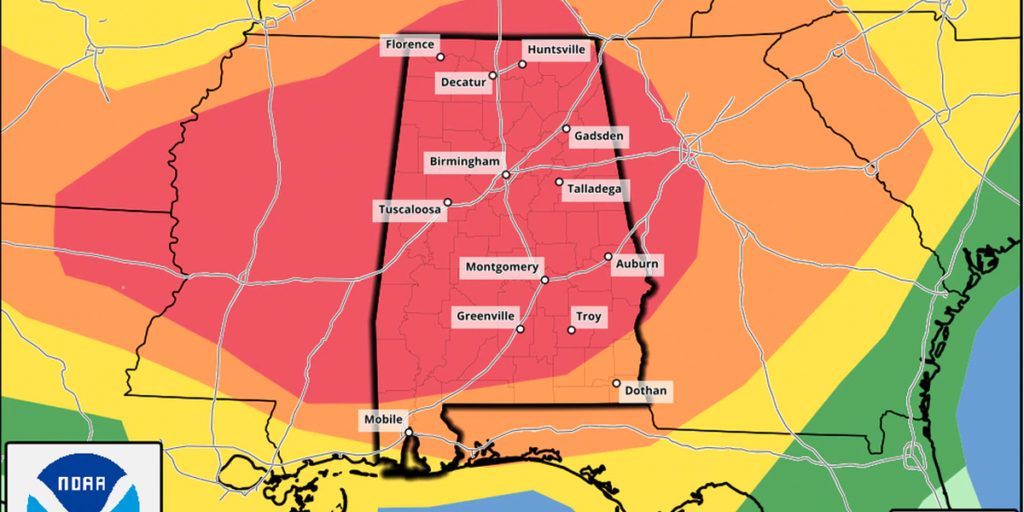
Governor Kay Ivey on Easter Sunday suspended Alabama’s Stay-at-Home order, issued to protect against the novel coronavirus (COVID-19) in order to implement a State of Emergency due to impending severe weather. Ivey has directed shelters and community safe rooms to remain open and accessible to all individuals seeking refuge from this severe weather, while implementing reasonable practices and procedures to prevent the spread of COVID-19 among those seeking shelter. “On this Easter Sunday, Alabama faces the potential for inclement weather, and we want all Alabama families to be prepared for whatever comes our way,” said Ivey. “Any provision of the COVID-19 orders is suspended to the extent that its application or enforcement would endanger any person affected by tonight’s severe weather. Shelters and community safe rooms should remain open and accessible to all individuals seeking refuge from this severe weather, while implementing reasonable practices and procedures to prevent the spread of COVID-19 among those seeking shelter. My fellow Alabamians, stay vigilant, and stay safe this Easter Sunday.”
George Wilder: Figure out what makes sense
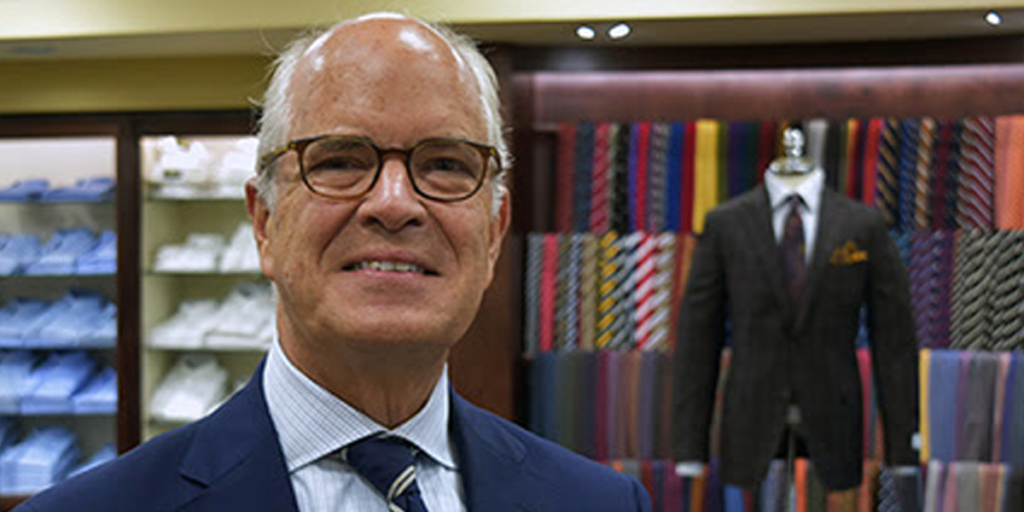
By George R. WilderOwner and CEO, The Locker Room, Montgomery and Auburn Many years ago, I was fortunate to be in a board meeting with Jimmy Blanchard, then chairman and CEO of Synovus Bank. Jimmy is the definition of a humble, servant leader. Answering a question during that meeting, Jimmy said: “We just want to figure out what makes sense and do that.” With this COVID-19 pandemic, figuring out what makes sense is challenging to say the least. As a service driven specialty retailer, selling better men’s clothing, sportswear and shoes for the past 42 years, we suddenly find ourselves shut down. But we are not giving up. We are creating online business; we are contacting our clients weekly to take care of any needs they may have. With the slow down in business, our tailors are making masks for an adopted COVID-19 unit at Baptist Hospital. We have requests from Jackson Hospital as well and from individual nurses and emergency room doctor clients. All that to say, small business is important to our community. The safety of our folks and our clients is foremost. We are not a high-traffic business. We are in the relationship business. We know our customers and their families. So, that Walmart, for example, which is a high-traffic, high-volume store can be open and sell clothes, and we can’t, does not exactly make sense. Would you rather be in a small specialty store, with folks you know, and two or three customers at a time or a big chain store with folks you don’t know all around you? With most businesses closed, we now have the same number of consumers shopping in fewer stores, which does not lead to social distancing. What our leaders are thinking but not saying out loud, is that the fallout from the economic shutdown could turn out to be worse than the virus. Our business was down 50% in March. In April and May, we are conservatively projecting 80% decreases. Yes 80%, and just six weeks ago, we were on track for our best spring season ever. The only way specialty retail will survive is with the help we hope to get from our government and returning to business in a way that is safe yet allows us to create sales. I am not faulting the big box stores. Without the business they are doing, there would be virtually no sales tax created in our communities, which we must have. This letter is about “figuring out what makes sense and doing that.” Shop local and support small business. They are the backbone of our community, our county, our state and our country.
