
Kay Ivey declares Sweet Grown Alabama Day, promotes buying local

Alabama’s farmers have a significant impact on the Yellowhammer State, with over 580,000 Alabamians working in agriculture and related industries, which why on Wednesday, June 22 Governor Kay Ivey declared the day the Sweet Grown Alabama Day to celebrate and promote farm products grown and made in Alabama. At a farmer’s market event at the State Capitol, Ivey made the proclamation where she joined state agricultural leaders, including Joining the governor will be Alabama Department of Agriculture and Industries Commissioner Rick Pate and ALFA President Jimmy Parnell, in encouraging Alabamians to buy local. Nearly 30 vendors joined in the event. “Connecting with local farmers through Sweet Grown Alabama is a great opportunity to show your support for our neighbors and enjoy the wonderful products grown right here at home!” Ivey proclaimed. Sweet Home Alabama Day follows in the footsteps of the nonprofit foundation, Sweet Grown Alabama, which enhances marketing opportunities for farmers by connecting retailers and consumers to Alabama-grown foods and other agricultural products. According to their website, “You can buy Sweet Grown Alabama products with confidence, knowing they were grown sustainably right here in Alabama by a local farmer.” You can find Sweet Grown Alabama products here. Watch Ivey’s proclamation below:
GOP splits as virus aid package could swell past $1 trillion

The price tag for the next COVID-19 aid package could quickly swell above $1 trillion as White House officials negotiate with Congress over money to reopen schools, prop up small businesses, boost virus testing and keep cash flowing to Americans while the virus crisis deepens in the U.S. Senate Majority Leader Mitch McConnell on Tuesday promised a new round of direct payments to earners below a certain income level, similar to the $1,200 checks sent in the spring. President Donald Trump insists on a payroll tax holiday for workers. And Democrats want billions to outfit schools and shore up local governments. “Regretfully, this is not over,” McConnell said after a raucous private GOP lunch, urging Americans to learn to live with the new virus by wearing masks and practicing social distancing until a vaccine can be found. Treasury Secretary Mnuchin and acting chief of staff Mark Meadows spent the day on Capitol Hill, meeting separately with McConnell, House Speaker Nancy Pelosi and others trying to broker a compromise between the GOP’s emerging $1 trillion proposal with the House’s more sweeping $3 trillion bill. The lunch session grew heated as key Republican senators complained about big spending, vowing to stall the relief bill’s passage. Supporters of the package “should be ashamed of themselves” Sen. Rand Paul of Kentucky said as he emerged. Paul compared GOP backers of the spending to “Bernie bros” — referring to the young supporters of Sen. Bernie Sanders of Vermont. “This is insane. … There’s no difference now between the two parties.” As a long line of senators rose to speak about aspects of the bill, Texas Sen. Ted Cruz asked his colleagues, “What in the hell are we doing?” Cruz warned if the economy is still shut down come November, Joe Biden will win the White House, Democrats will control the Senate and “we’ll be meeting in a much smaller lunch room,” according to a person granted anonymity to discuss the closed-door session. Sen. Rick Scott, of Florida left saying it’s wrong to “bail out” cash-strapped states. “Florida taxpayers are not going to pay for New York’s expenses,” he said. With the pandemic showing no signs of easing, officials acknowledge the daunting challenge of trying to contain the coronavirus and prevent further economic distress. The U.S. has rising infections and a death toll of 140,800, more than anywhere else in the world. The health crisis is worsening just as emergency aid is about to expire. Meadows told reporters the president wants to ensure the funding package “meets the legitimate needs that are before the American people.” The Republicans are poised to roll out a $1 trillion package, what McConnell called a “starting point” in talks. It’s a counter-offer to Pelosi’s $3 trillion House-passed plan as they race to strike a deal by the end of the month. That’s when a $600 weekly unemployment benefits boost and other aid, including a federal rental moratorium on millions of apartment units, expires. McConnell’s package would send a fresh round of direct cash payments to Americans below a certain income level, likely $75,000 for singles, extend small business loans under the Paycheck Protection Program and create a five-year liability shield against what he warns is a potential “epidemic” of coronavirus lawsuits. It’s also expected to include at least $105 billion for education, with $70 billion to help K-12 schools reopen, $30 billion for colleges, and $5 billion for governors to allocate. The Trump administration wanted school money linked to reopenings, but in McConnell’s package the money for K-12 would be split 50-50 between those that have in-person learning and those that do not. Republicans want to replace the $600 weekly federal jobless benefit with a lower amount, to prevent the unemployed from receiving more aid than they would through a normal paycheck, Republicans said. Over lunch, Mnuchin explained the unemployment boost could be phased down to a percentage of a worker’s previous income, according to a Republican granted anonymity to discuss the private meeting. Some Republicans prefer simply eliminating the $600 benefit. But the president’s priorities are splitting his GOP allies and giving momentum to Democrats. Trump wants a full repeal of the 15.3% payroll tax, which is shared among employers and employees, and funds Social Security and Medicare. Experts say that alone would cost $600 billion. At a White House meeting on Monday, GOP leaders told Trump they preferred to include only a partial payroll tax cut. Easing the payroll tax is dividing Trump’s party because it does little to help out-of-work Americans and adds to the debt load. The tax is already being deferred for employers under the previous virus relief package. Supporters say cutting it now for employees would put money in people’s pockets and stimulate the economy. The administration also panned McConnell’s proposed $25 billion for more virus testing, saying earlier allotments remain unspent. White House press secretary Kayleigh McEnany said Tuesday the administration wants “targeted” funds for the next round of aid, rather than adding more to the existing pot. She said no one is holding it up. Senate Democrats began investigating why the Trump administration has left almost half the testing money unspent. After meeting with Mnuchin, Pelosi and Senate Democratic leader Chuck Schumer said the Republicans must quit stalling. They broadly dismissed the emerging GOP effort as inadequate. “The president has been a disaster in the whole health care area,” Schumer said. “He’s holding them back.” The political stakes are high for both parties before the November election, and even more so for the nation, as the virus crisis and economic fallout hits cities large and small. Biden, the Democrats’ presumed presidential nominee, stated his own priorities, urging “a lifeline to those who need it most: working families and small businesses.” Trump’s renewed focus on therapeutics and a vaccine is falling flat among lawmakers who understand that any COVID-19 cures remain months, if not a year, from widespread distribution in the U.S. The federal government is still struggling to provide basic medical supplies and personal protective equipment to health care providers. Mnuchin vowed to stay on
Inside the Statehouse: GOP primary over, fall elections begin
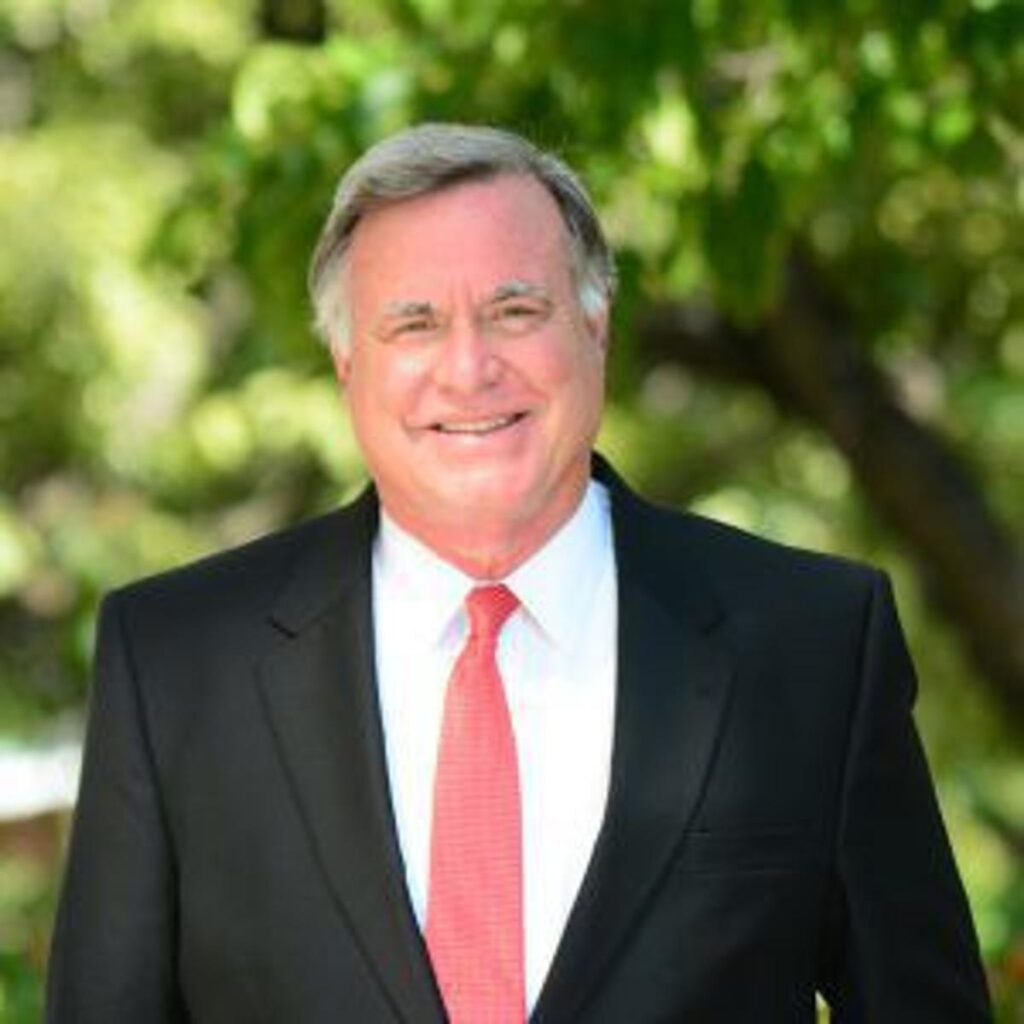
Steve Flowers reviews Alabama’s electoral landscape in the wake of this month’s primary run-off elections.
Alabama could lose House seat based on Census response
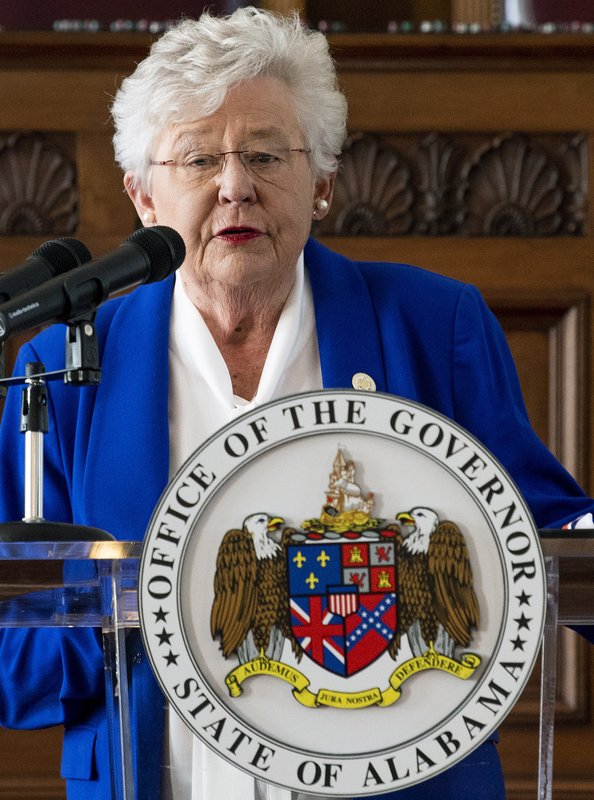
Alabama is in danger of losing at least one congressional seat based on its current response rate to the U.S. Census, officials said Tuesday. Kay Ivey, during a progress report on the state’s standing with the national head count, said the state’s current participation rate is 59.8%, or 2 percentage points behind the national average. While the state’s performance is better than that of some Southern neighbors, state Census leader Kenneth Boswell said Alabama would lose one of its seven U.S. House seats and possibly two if the counting ended now. Some $13 billion in annual federal funding for programs including school nutrition, health care, infrastructure, and housing also is at stake with the Census, which occurs every 10 years. With the push to promote the Census being affected by the coronavirus pandemic, the state has hired a publicity firm to help spread the word, Boswell said. Events are being planned including a “statewide day of action,” when employers will be asked to let workers complete the Census while on the job. Republished with the permission of the Associated Press.
Appeals court allows Alabama voter ID law to go forward
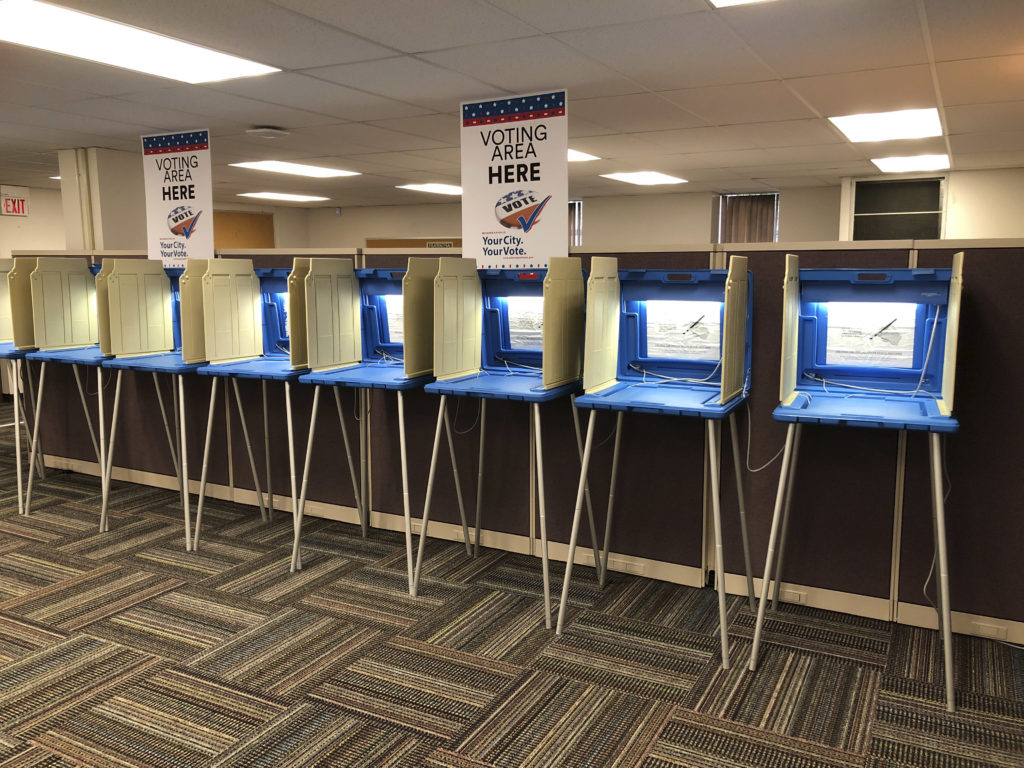
Federal appeals judges upheld a lower court Tuesday and rejected claims that an Alabama law which requires voters to show government-issued photo identification at the polls is racially discriminatory. The decision by a three-judge panel of the 11th U.S. Court of Appeals, which upheld a 2018 ruling that dismissed a lawsuit filed by the NAACP and others, was a victory for Republicans who contend the law is needed to prevent voter fraud. Rebuffing opponents who argued the law violated the Constitution and the Voting Rights Act, the court ruled that “no reasonable factfinder could find that Alabama’s voter ID law is unconstitutionally discriminatory” based on the evidence. But Judge Darrin P. Gayles, a district judge who heard the case with the circuit judges, dissented in an opinion that noted Alabama’s “deep and troubled history of racial discrimination” and voter suppression. While some absentee fraud occurs, Gayle wrote, in-person voting fraud is ”virtually non-existent.” “Opponents have repeatedly argued that Alabama’s voter ID law’s requirement that a voter must provide a photo ID is overly burdensome. As I have previously stated, Alabama’s voter identification law, by both design and practice, is easily satisfied, and it contains procedures to allow anyone who does not have a photo ID to obtain one. The appeals court in its opinion agreed,” Alabama Attorney General Steve Marshall said in a statement Tuesday. Secretary of State John H. Merrill said the ruling affirmed that the state’s voter ID law is valid. “Noting the various forms of valid photo ID accepted by the State of Alabama to vote and how simple and free it is to acquire a photo ID, it is apparent from today’s ruling that the state’s photo ID law is fair and non-burdensome to voters,” Merrill said. He also said his office has “worked to see that every eligible resident of our state, who is interested, is registered to vote and has a photo ID.” The Alabama lawsuit was among the legal battles in the U.S. between voting rights advocates, who say the measures are aimed at suppressing voter turnout, and conservative states that argue the protections are needed to ensure honest elections. U.S. District Judge L. Scott Coogler had ruled in favor of the state in 2018, saying the provision does not discriminate against minorities and was not an undue infringement on the right to vote since the state made free identification cards available for voting purposes. Alabama has required voters to show government ID when they vote since 2014. State lawmakers approved the photo ID law in 2011 after the GOP took control of the Legislature. They argued the measure was needed to combat potential voter fraud. The Alabama State Conference of the NAACP, Greater Birmingham Ministries and minority voters had sued over the law in 2015, calling it discriminatory and an infringement on voting rights. They contended Alabama politicians knew when they enacted it that black and Latino voters disproportionately lack photo ID. In his dissent, Gayles cited remarks by a one-time white Republican lawmaker who said the lack of a photo ID law was “very beneficial to the Black power structure and the rest of the Democrats.” The majority opinion, written by Circuit Judge Elizabeth Branch on behalf of herself and Circuit Judge Ed Carnes, noted the steps the state has taken to make identification cards available to voters, including mobile units. Critics of the law did not prove it violates equal protection standards, she wrote, and the state was able to show non-discriminatory reasons for requiring voters to show identification. While noting complaints about the state’s record of racism against Blacks, Branch wrote that “it cannot be that Alabama’s history bans its legislature from ever enacting otherwise constitutional laws about voting.” Republished with the permission of the Associated Press.
