
Highlights of COVID-19 relief bill progressing in House
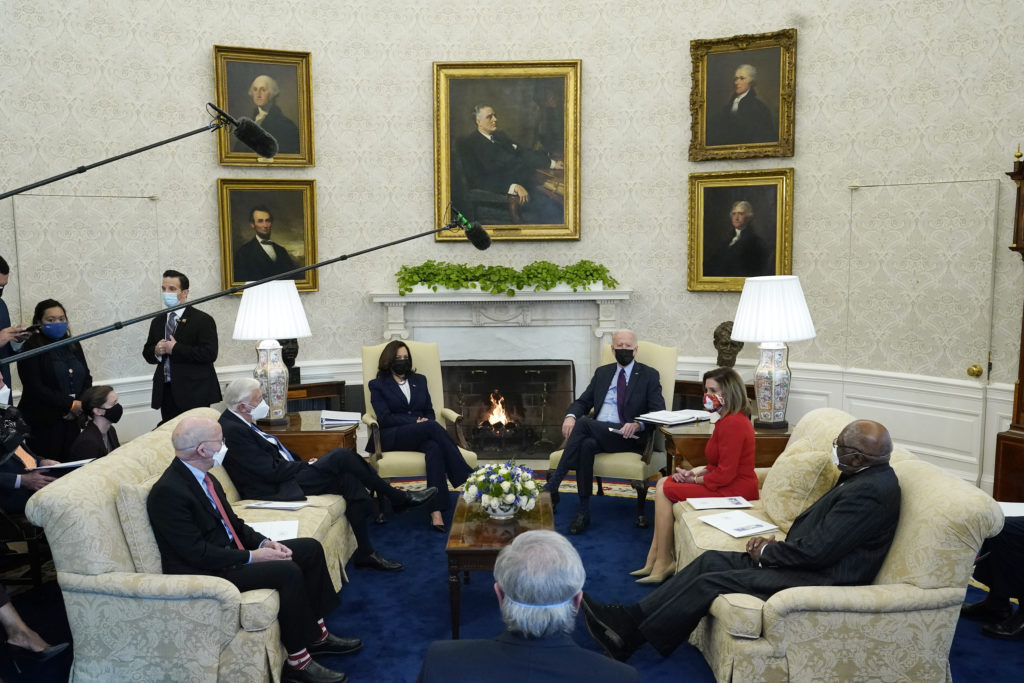
A Democratic-led effort to pass a $1.9 trillion pandemic relief package has passed its latest challenge with House committees advancing measures that will soon be combined into a single bill expected to clear the full House by the end of February. Democrats beat back hundreds of amendments from Republicans who have raised concerns that the spending is vastly more than necessary and designed to advance policy priorities that go beyond helping Americans get through the pandemic. Democrats and President Joe Biden counter that a robust aid package is necessary to prevent a long and painful recovery from the pandemic. Their goal is to have COVID-19 relief approved by mid-March, when extra unemployment assistance and other pandemic aid expires. A look at some highlights of the legislation moving through the House: MORE CHECKS The legislation provides a rebate that amounts to $1,400 for a single taxpayer, or $2,800 for a married couple that files jointly, plus $1,400 per dependent. Individuals earning up to $75,000 would get the full amount as would married couples with incomes up to $150,000. The size of the check would shrink for those making slightly more with a hard cut-off at $100,000 for individuals and $200,000 for married couples. Some Republicans want to cut the size of the rebate as well as the pool of Americans eligible for it, but Biden has insisted on $1,400 checks, saying “that’s what the American people were promised.” The new round of checks will cost the government an estimated $422 billion. BIGGER TAX BREAK FOR HOUSEHOLDS WITH KIDS Under current law, most taxpayers can reduce their federal income tax bill by up to $2,000 per child. The package moving through the House would increase the tax break to $3,000 for every child age 6 to 17 and $3,600 for every child under the age of 6. The legislation also calls for the payments to be delivered monthly instead of in one lump sum. If the secretary of the Treasury determines that isn’t feasible, then the payments are to be made as frequently as possible. Also, families would get the full credit regardless of how little they make in a year, even just a few hundred dollars, leading to criticism that the changes would serve as a disincentive to work. Add in the $1,400 per individual checks and other items in the proposal, and the legislation would reduce the number of children living in poverty by more than half, according to an analysis from the Center on Poverty and Social Policy at Columbia University. AID TO STATES AND CITIES The legislation would send $350 billion to state and local governments and tribal governments. While Republicans in Congress have largely objected to this initiative, Biden’s push has some GOP support among governors and mayors. Many communities have taken hits to their tax base as millions of people have lost their jobs and as people stay home and avoid restaurants and stores to prevent getting COVID-19. Many areas have also seen expenses rise as they work to treat the sick and ramp up vaccinations. But the impact varies from state to state and from town to town. Critics say the funding is not appropriately targeted and is far more than necessary with billions of dollars allocated last spring to states and communities still unspent. AID TO SCHOOLS The bill calls for $130 billion in additional help to schools for students in kindergarten through 12th grade. The money would be used to reduce class sizes and modify classrooms to enhance social distancing, install ventilation systems and purchase personal protective equipment. The money could also be used to increase the hiring of nurses, counselors and to provide summer school. Spending for colleges and universities would be boosted by $40 billion, with the money used to defray an institution’s pandemic-related expenses and to provide emergency aid to students to cover expenses such as food and housing, and computer equipment. AID TO BUSINESSES The bill provides another round of relief for airlines and eligible contractors, $15 billion, so long as they refrain from furloughing workers or cutting pay through September. It’s the third round of support for airlines. A new program for restaurants and bars hurt by the pandemic would receive $25 billion. The grants provide up to $10 million per entity with a limit of $5 million per physical location. The grants can be used to cover payroll, rent, utilities, and other operational expenses. The bill also provides another $7.25 billion for the Paycheck Protection Program, a tiny fraction of what was allocated in previous legislation. The loans are designed to help borrowers meet their payroll and operating costs and can potentially be forgiven. AID TO THE UNEMPLOYED Expanded unemployment benefits from the federal government would be extended, with an increase from $300 a week to $400 a week. That’s on top of what beneficiaries are getting through their state unemployment insurance program. RAISING THE MINIMUM WAGE The bill would gradually raise the federal minimum wage to $15 per hour by June 2025 and then adjust it to increase at the same rate as median hourly wages. The nonpartisan Congressional Budget Office projected several positives and negatives that would occur if the minimum wage hike makes it over the finish line. On the plus side, about 900,000 people would be lifted out of poverty once the $15 hourly wage is fully in place. Some 17 million people making below the new minimum wage would see a pay raise. On the negative, about 1.4 million jobs would be lost as employers look for ways to offset their higher personnel costs. It’s unclear if the wage hike will make it through the Senate due to opposition among a handful of Democrats and possible procedural hurdles. Republished with the permission of the Associated Press.
Former AG Jimmy Evans, best known for Gov. Guy Hunt case, dies
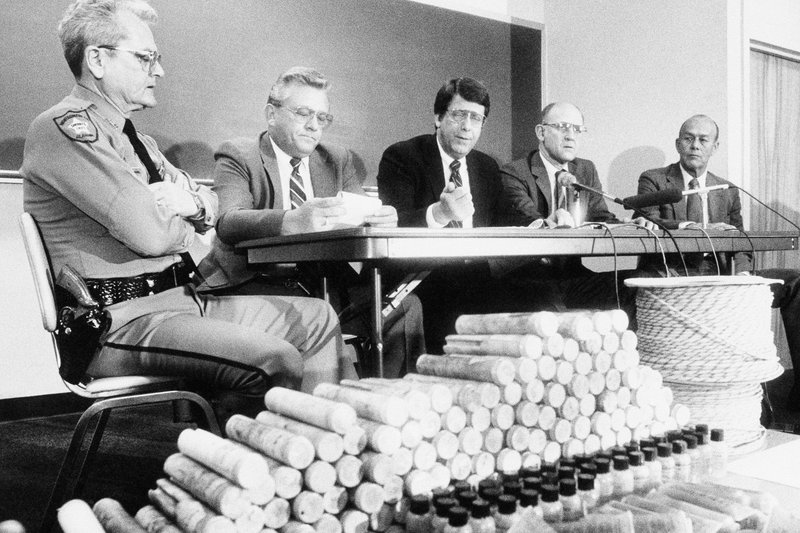
Former Alabama Attorney General Jimmy Evans, who successfully prosecuted the state’s governor in an ethics case in the 1990s, died Monday. He was 81. His death was confirmed by Brian T. Gallion, the operator of Southern Memorial Funeral Home which is handling the funeral arrangements for the family. Gallion said he was not authorized to give a cause of death. Services will be held Monday. Evans was Alabama’s attorney general from 1991 to 1995. He is best known for the 1993 prosecution and conviction of then-Gov. Guy Hunt on charges of stealing $ 200,000 from an inaugural fund. Evans also pushed for passage of legislation to give crime victims a greater voice in the criminal justice system and was a mentor to many young attorneys, said friends and former colleagues. “He was one of the fairest people I have ever known,” former Montgomery County District attorney Ellen Brooks recalled. Brooks, who worked with Evans for many years, said he “could be tough as nails when the situation required,” such as prosecuting a horrific murder case. But he could also be gracious and kind in dealing with victims or giving a second chance to a first-time nonviolent offender, she recalled. “People would come into the courtroom to listen and watch him. He was that good,” Brooks said of Evans’s closing arguments. He previously served as the district attorney of Montgomery. “He was a victims’ rights champion through and through and through,” said Miriam Shehane, who founded the advocacy Victims of Crime and Leniency, after the murder of her daughter, 21-year-old Birmingham college coed Quenette Shehane. Evans is the person who suggested they organize, she said. Shehane and Brooks said Evans helped push for changes in the law, including: allowing victims to remain in the courtroom during trials; giving both defense and prosecution the same number of juror strikes, and requiring victim notification of plea deals. “He had a remarkable impact on many lawyers’ careers including mine,” said attorney Steve Feaga, who led the Hunt prosecution for Evans. Evans’s name would become forever linked with the Hunt prosecution that led to the ouster of the state’s first Republican governor since Reconstruction. Hunt was automatically removed from office after being convicted of the felony. Hunt and others had complained that Evans, a Democrat, brought the case against him for political reasons — an allegation Evans denied. “That bothered Jimmy because it wasn’t politically motivated,” Feaga said, adding that Evans knew the case would likely mean the end of his career in public office. Evans was defeated by Republican Jeff Sessions in the 1994 race for attorney general. Sessions went on to become U.S. senator and U.S. attorney general. Hunt later secured a pardon and made an unsuccessful bid to return to politics. Republished with the permission of the Associated Press.
Steve Flowers: Alabama will miss Richard Shelby, immensely
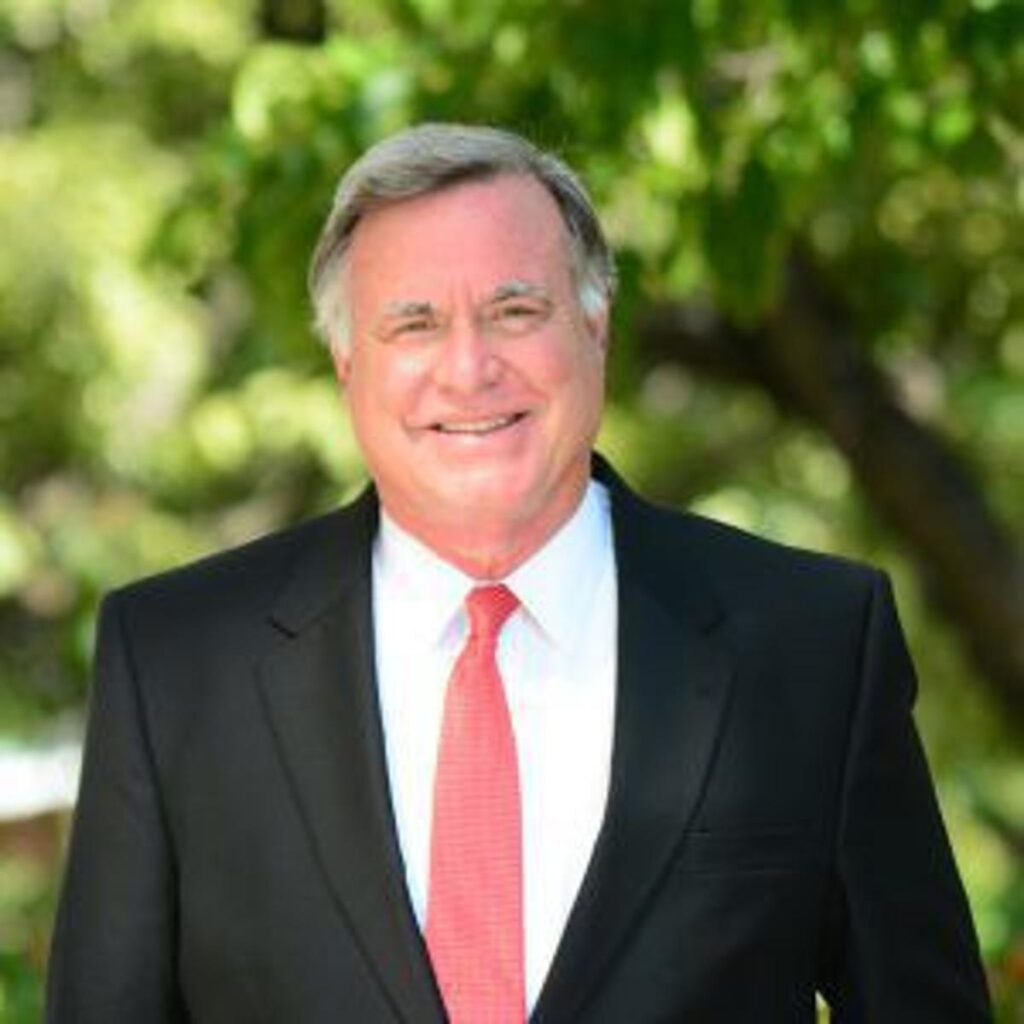
In only 21 short months, at the close of 2022, Alabama will lose the greatest senator in our state’s history. Those of us who are political historians will acknowledge Richard Shelby as Alabama’s most pronounced political emissary in Washington. In my 2015 book, Six Decades of Alabama Political History, I have a chapter titled “Alabama’s Three Greatest Senators,” which features Lister Hill, John Sparkman, and Richard Shelby. Lister Hill and John Sparkman were icons but, if we’re writing that chapter today, Richard Shelby would be alone as the premier “Giant of Alabama.” Hill served in the Senate for 30 years and Sparkman for 32 years. Shelby eclipsed Sparkman’s record two years ago and at the end of his term will set the bar at 36 years. It should also be noted that Senators Shelby, Hill, and Sparkman served nearly a decade or more in the U.S. House of Representatives. Senator Shelby is now in his 43rd year in Washington. Seniority is king and paramount in assessing power under the Capitol dome. However, what you do with that seniority is what makes one great. The average voter and citizen of our beloved state does not comprehend the magnitude of the federal largesse that Richard Shelby has brought home to the Heart of Dixie. His strength, power, and resolve have resulted in countless improvements to every corner of our state. It would take volumes and annals to chronicle the federal dollars that Shelby has funneled to Alabama throughout his career. Beginning with the coastal area of Mobile and the Docks, to the Wiregrass and Fort Rucker, to Montgomery’s Maxwell and Gunter; to UAB in Birmingham, and finally Shelby’s impact on the growth and prosperity of the Redstone Arsenal in Huntsville, are incomprehensible. Folks, when you combine all of the aforementioned economic engines, we are not talking about a couple million extra federal dollars but more like hundreds of millions of federal dollars. Shelby has been the savior of these centers of economic growth and employment in our state. The two most important, UAB and Redstone Arsenal, owe their growth and prosperity to Shelby’s ability to bring home the bacon. He has had the most profound impact over the last few years as Chairman of the U.S. Senate Appropriations Committee. He very adroitly kept in conjunction the Chairmanship of the Subcommittee on Defense Appropriations. If you do not think defense dollars are important to Alabamians, simply ask the folks in the Wiregrass and Montgomery’s River Region what Ft. Rucker and Maxwell/Gunter mean to them. Also, Huntsville would be a sleepy little cotton town if it were not for the Redstone Arsenal. While Shelby was not in the U.S. Senate when these facilities were placed in Alabama, you can bet your bottom dollar that they have flourished, prospered, and more than likely survived because of Richard Shelby. Senator Shelby and I have been friends for over 35 years. I was a part of his inaugural 1986 triumphant election to the Senate. To know him personally is to see a man that you instantly recognize as a once-in-a-lifetime giant. He is extremely witty and personable with a keen lawyer’s mind that analyzes your words as soon as they come out of your mouth. Indeed, he was a brilliant and very successful lawyer before entering Congress. If he had not gone into politics, he could have become a billionaire as a Wall Street Lawyer. As Shelby eloquently said in his retirement statement, there is a time for every season. He will be 87 in May of this year and 88 at the end of this term. He deserves some private years. He enjoys time with his wife and best friend of over 60 years, Annette Shelby. He will enjoy being at home in his beloved Tuscaloosa and hunting occasionally with his buddies, Joe Perkins and Judge L. Scott Coogler. Maybe he will have time to reminisce with some of us who like to share old Alabama political stories. In closing, there will be plenty of time to observe the fray that will be developing to follow the legend of Richard Shelby, but no one will ever fill his shoes. As I traversed the state doing television interviews the day of Shelby’s announcement, I became melancholy and almost tearful for Alabama’s sake. While driving between Montgomery and Birmingham, I had a lengthy telephone conversation with the lady who has been Shelby’s real Chief of Staff, confidant, and gatekeeper his entire career in Congress. She very aptly told me to tell the people of Alabama that whoever follows Shelby, even if brilliant, will be 20 years in waiting and learning before they will be able to wield any power. She is correct. Seniority is king in Washington. See you next week. Steve Flowers is Alabama’s leading political columnist. His weekly column appears in over 60 Alabama newspapers. He served 16 years in the state legislature. Steve may be reached at www.steveflowers.us.
