
Protest bill approved, even with objections

Alabama lawmakers approved a bill — filed after the tumultuous summer protests — to stiffen penalties for participating in riots and traffic-blocking demonstrations. The approval came over the objections of Black lawmakers who said they feared it would be used to jail and intimidate demonstrators. The GOP-dominated House of Representatives voted 74-25 for the bill, sending it to the Alabama Senate. The bill’s sponsor said the legislation is needed to crack down on violent behavior, but advocacy groups and Black lawmakers have raised concerns about the vagueness of what could be considered a riot. The approval followed an emotional debate in which speakers recalled America’s storied history of social movements as well as the recent police shootings that ignited widespread protests. Republican Rep. Allen Treadaway, a retired Birmingham assistant police chief, proposed the bill after a summer protest in Birmingham in the wake of George Floyd’s death in Minneapolis. That particular protest turned destructive and led to multiple businesses being burned and damaged. “As we watched across the country this past summer, a lot of the cities burned, and officers were assaulted and even protestors injured and hurt. That came to Birmingham, came to several of our cities in Alabama,” Treadaway said. The bill would change the definition of a riot and define new crimes of assault against a first responder, aggravated riot, and traffic interference. It would allow police to hold arrested individuals in jail for 24 hours without bond. Treadaway said the bill is aimed only at people “hell-bent” on doing damage. Democrats expressed concern about that the stiff penalties are aimed at silencing dissent. “People use their First Amendment right to talk about how they were wronged, how other groups of people were wronged, and to change those wrongs into rights. That’s who we are as a country,” said Rep. Merika Coleman, D-Pleasant Grove. Alabama law currently defines participating in a riot as wrongfully engaging “in tumultuous and violent conduct and thereby intentionally or recklessly causes or creates a grave risk of public terror or alarm.” The approved bill defines a riot as “the assemblage of five or more persons resulting in conduct creating an immediate danger of damage to property or injury to persons.” Republicans voted to cut off a Democratic filibuster on the bill and force a vote. A Democratic bill that would create a database of police shootings has stalled in the Alabama Legislature. Another to require the keeping of racial data on traffic stops has never reached final passage. Floyd’s death in Minneapolis set off a wave of sometimes-violent protests across the country. The Black man was pronounced dead after a police officer pressed his knee against his neck for about nine minutes. The incident was widely seen after being captured by bystander video. “We watched someone get murdered on TV, and we can’t get even get an audience for a bill where we all acknowledge there is a problem with policing,” said Rep. Chris England, a former prosecutor who heads the Alabama Democratic Party. Republished with the permission of the Associated Press.
Ban on curbside voting approved by House; civil rights group not supportive
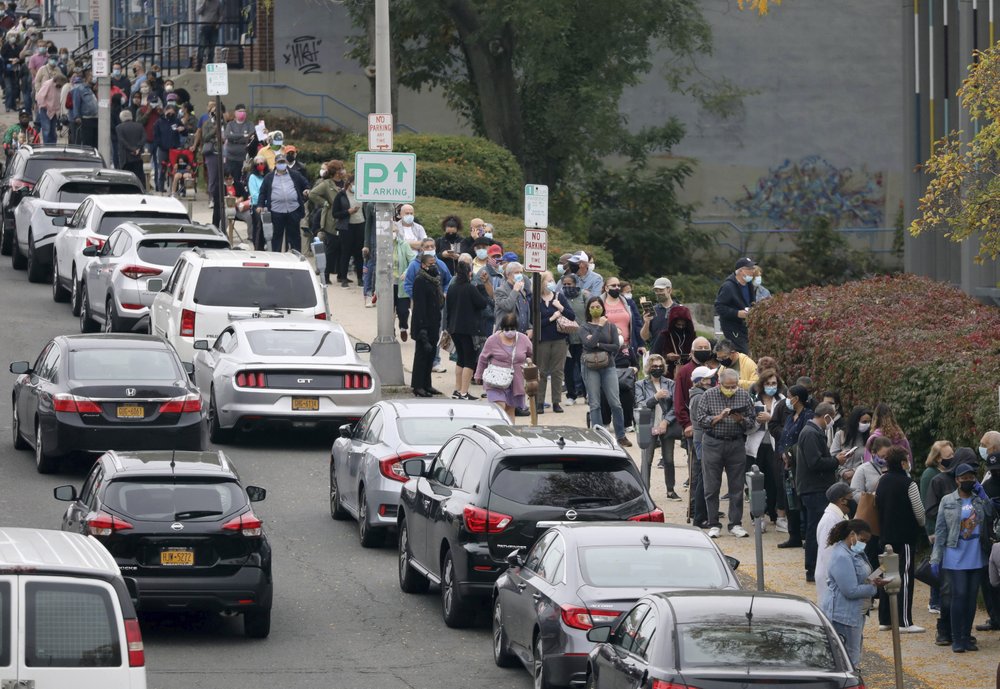
The Alabama House of Representatives on Thursday approved a ban on curbside voting, a voting method that civil rights organizations had sought during the COVID-19 pandemic. Legislators voted 74-25 for the bill that now moves to the Alabama Senate. The voting legislation was approved during a day of contentious debate as Republicans forced votes on some of their priority bills. The GOP-dominated House of Representatives approved the bills after cutting off a filibuster by Democrats. The bill by Republican Rep. Wes Allen of Troy would explicitly forbid election workers from setting up curbside areas for people to cast ballots as well as forbid setting up voting machines outside a polling place. Supporters of the bill said it is needed to protect election integrity. Opponents argued the state is cutting off an avenue that might make it easier for elderly and disabled people to vote. The legislation came after a court fight over the need to open up alternative methods to vote during the COVID-19 pandemic. A federal judge last year ruled that Alabama can’t prevent local election officials from offering curbside voting, but the order was later stayed by the U.S. Supreme Court. Republished with the permission of the Associated Press.
House approves ‘born alive’ abortion bill
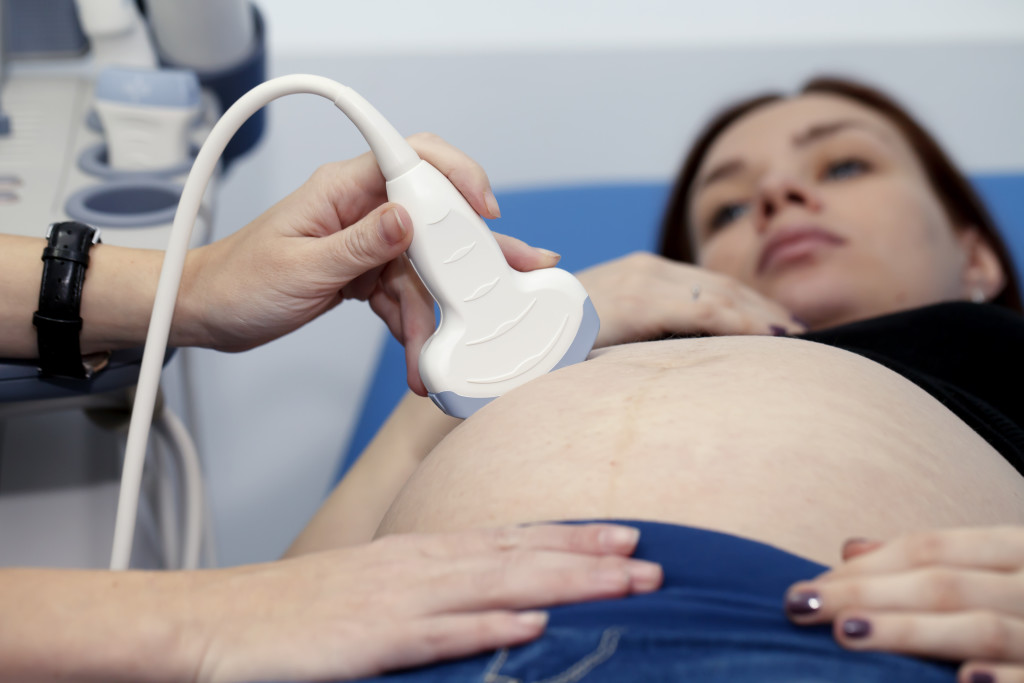
Doctors could face prison sentences if they fail to try to save babies “born alive” after an attempted abortion, under a bill approved Thursday night by the Alabama House of Representatives. Lawmakers voted 76-12 for the bill by Republican Rep. Ginny Shaver of Leesburg. It now moves to the Alabama Senate. Shaver argued the law was needed to protect babies while opponents of the bill said the legislation was unneeded because what Shaver was describing is already illegal. “Laws already exist to protect children from the moment they are born and exit the womb and there’s absolutely no loophole that would allow infanticide without severe criminal penalty,” said Rep. Neil Rafferty, D-Birmingham. Shaver, who worked at a crisis pregnancy center, said she heard of a case where a doctor did not aid a baby that was living after an abortion attempt. Democrats pressed for details, but Shaver said she could not disclose them for privacy reasons. “This is not about abortion. This is about a baby’s right to life,” Shaver said. Alabama doesn’t allow abortions at or after 22 weeks of pregnancy as measured by the woman’s last menstrual period. According to the American College of Obstetricians and Gynecologists, babies born before 23 weeks of pregnancy usually do not survive with very rare exceptions. Republished with the permission of the Associated Press.
Bill to ban transgender athletes passes House
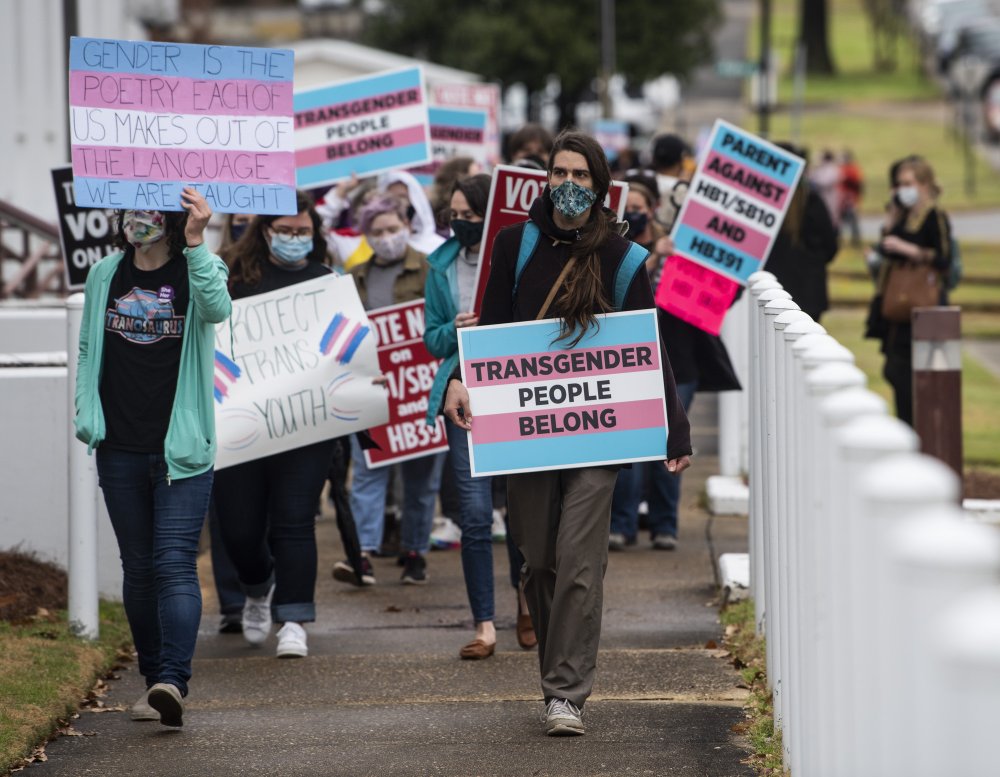
Alabama could become the next conservative state to prevent transgender girls from playing on female sports teams as the state House of Representatives on Thursday approved the legislation. Representatives voted 74-19 for the bill that will require K-12 athletes to play on teams based on the biological sex listed on their birth certificates. The approval came after Republicans voted to end a filibuster. The bill now moves to the Alabama Senate. More than a dozen states are considering restrictions on transgender athletes or gender-confirming health care for transgender minors. Mississippi Republican Gov. Tate Reeves last week signed a bill to ban transgender athletes from competing on girl’s or women’s sports teams. However, South Carolina lawmakers this week rejected a similar bill. “It is unfair for biological males to compete against females in high school sports,” Republican Rep. Scott Stadthagen of Hartselle said as debate opened on the bill. Alabama legislators who pushed the bill gave no evidence of any transgender athletes competing in state schools or universities. Democratic legislators questioned the need for the bill, saying the decision should be left to athletic associations and lawmakers shouldn’t get involved. Democratic Rep. Napoleon Bracy of Prichard asked “what happened” to make the legislation a priority in the Alabama Legislature, noting that lawmakers could not point to instances in the state of transgender athletes dominating sports. Rep. Mary Moore, a Democratic representative from Birmingham, expressed concern about the impact on transgender youth and said lawmakers were trying to insert themselves into these decisions. “As a body, we are trying to practice medicine without a degree,” Moore said. Supporters of the bills say transgender girls are born bigger and faster and have an unfair advantage in competition. Opponents say the bills are rooted in discrimination and fear and violate the federal law barring sex discrimination in education. Republished with the permission of the Associated Press.
