
Amid high-stakes union vote, Bernie Sanders to visit Bessemer Amazon plant
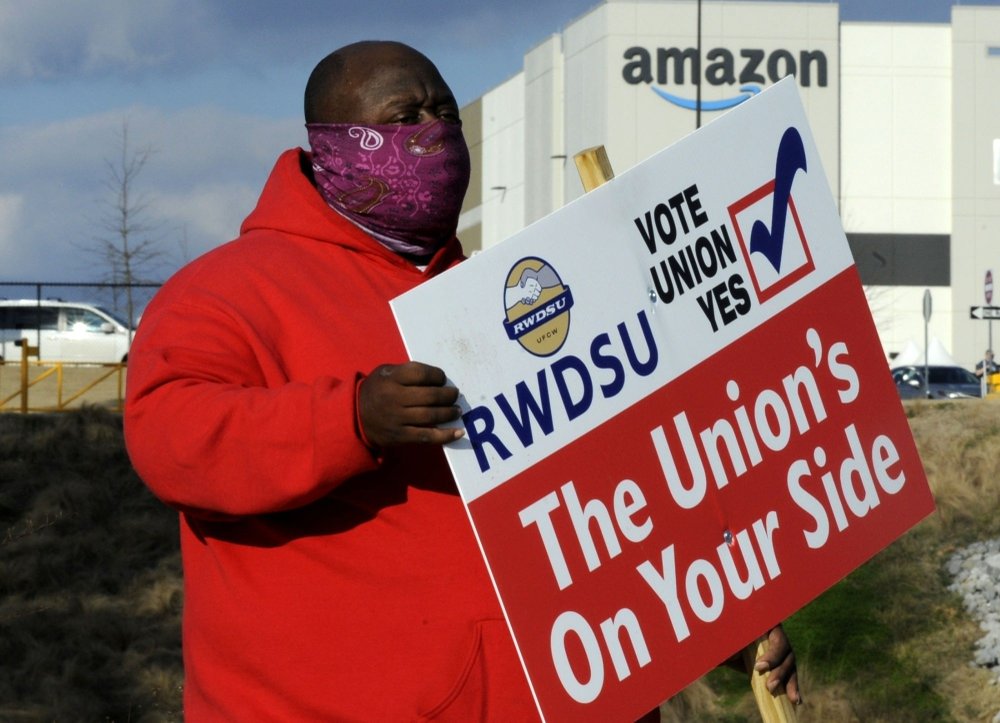
Senator Bernie Sanders is planning to visit the Amazon facility in Bessemer, Alabama, this Friday. Sanders will join Michael “Killer Mike” Render and Danny Glover to visit with Amazon workers trying to unionize with the Retail, Wholesale and Department Store Union (RWDSU). Actor Danny Glover visited the center last month as well, according to Al.com. The RWDSU is a union organization with over 80 years of history. They’ve successfully helped unionize major retailers like H&M, Zara, and Macy’s. The Bessemer Alabama facility is coming close to creating a union at Amazon, a feat that hasn’t been attempted since 2014 when a much smaller group of workers in Delaware attempted to unionize. The attempt ultimately failed. Sanders has been publicly supportive of the efforts in Bessemer. During a hearing of the Senate Budget Committee hearing, Sanders said he planned on asking Amazon CEO Jeff Bezos, “You are worth $182 billion, that’s billion with a B. You’re the wealthiest person in the world. Why are you doing everything in your power to stop your workers in Bessemer, Ala., from joining a union so they can negotiate for better wages, better benefits, and better working conditions?” In February, Sanders showed his support by sending pizzas to a union rally, Al.com reported. Sanders tweeted out his support for the Amazon workers in Bessemer, stating, “I stand in solidarity with Amazon workers in Alabama who are today beginning to vote in a historic union election. If they win, it will not only improve wages and working conditions in Bessemer, but it will also send a shockwave around the country.” I stand in solidarity with Amazon workers in Alabama who are today beginning to vote in a historic union election. If they win, it will not only improve wages and working conditions in Bessemer, but it will also send a shockwave around the country.https://t.co/namvkT16zx — Bernie Sanders (@BernieSanders) February 8, 2021 President Joe Biden also expressed his support in February, stating, “Workers in Alabama – and all across America are voting on whether to organize a union in their workplace. It’s a vitally important choice – one that should be made without intimidation or threats by employers. Every worker should have a free and fair choice to join a union.” Workers in Alabama – and all across America – are voting on whether to organize a union in their workplace. It’s a vitally important choice – one that should be made without intimidation or threats by employers. Every worker should have a free and fair choice to join a union. pic.twitter.com/2lzbyyii1g — President Biden (@POTUS) March 1, 2021
Jill Biden and actress Jennifer Garner to visit Jasper Alabama as part of “Help is Here” tour
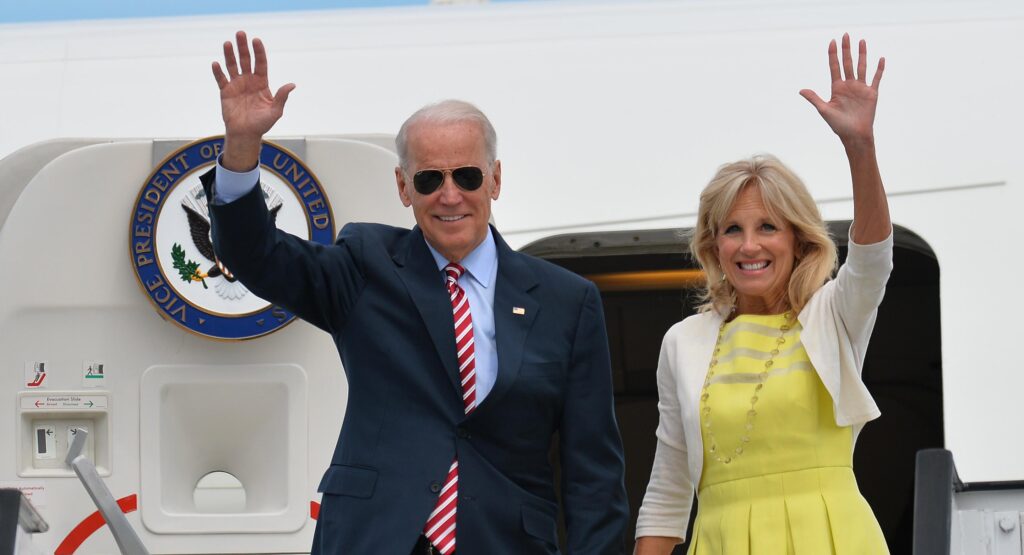
First Lady Jill Biden and actress Jennifer Garner are heading to Alabama to tour the Jasper Area Service Center in Jasper, Alabama, and visit the YWCA of Central Alabama in Birmingham. According to Al.com, the visit is set to explain how the recently passed federal stimulus plan will lower child poverty. It is part of the “Help is Here” tour planned by the Biden Administration, promoting the American Rescue Plan. According to the White House, part of the plan addresses childhood poverty and works toward the legislation’s goal of cutting childhood poverty in half, according to the White House. The $1.9 trillion relief package looks to expand the federal child tax credit for one year, a change that would expand benefits to more families. The package includes an allowance for most working and middle-class families to receive an expanded child tax credit worth up to $3,600 for each child under the age of 6 and $3,000 for each child ages 6 through 17. The administration claims the credit will lift millions of children out of poverty. 1 in 6 children in the United States live in poverty. If passed, the American Rescue Plan will expand the child tax credit and cut the child poverty rate in half. pic.twitter.com/firxhvvUky — The White House (@WhiteHouse) February 11, 2021 A report titled Alabama Kids Count indicates that children of color will make up the majority of the child population and the majority of the workforce by 2030. At the same time, Black and Hispanic children suffered average poverty rates of 41.9% and 42.6% between 2014 and 2018. The rate for white children was 16.5%. Stephen Woerner, the executive director of Voices for Alabama’s Children, said to WBHM, “Minority children are more likely to struggle in school. Minority children are more likely to live in poverty. And so as the workforce ages, we need these kids to be successful to be the next generation of workers.” Alabama ranks 47th in the nation in overall child well-being, ahead of Louisiana, Mississippi, and New Mexico. Garner, a philanthropist, is also on the board of Save the Children, a nonprofit organization that works to improve children’s lives around the globe. The first lady has also traveled to Connecticut, Pennsylvania, New Hampshire, and New Jersey, highlighting the bill’s effect on schools. Jill Biden posted on Twitter, “Millions of American’s, including millions of children, don’t have enough food to eat. Some, because of the economic effects of covid, are experiencing hunger for the very first time in their lives.” Millions of Americans, including millions of children, don’t have enough food to eat. Some, because of the economic effects of COVID, are experiencing hunger for the very first time in their lives. — Jill Biden (@FLOTUS) March 22, 2021
Newly confirmed surgeon general to focus on COVID, opioids

The Senate confirmed a soft-spoken physician as President Joe Biden’s surgeon general Tuesday. While Dr. Vivek Murthy says ending the coronavirus pandemic is his top priority, he’s also raised concerns over a relapsing opioid overdose crisis. The vote on Murthy was 57-43, giving him bipartisan support. Biden’s coronavirus response can already count on plenty of star players, but Murthy has a particular niche. As a successful author he’s addressed issues of loneliness and isolation that have been exacerbated by the pandemic. For Murthy, this will be his second tour as America’s doctor, having previously served under former President Barack Obama. COVID-19 has taken the lives of several members of Murthy’s extended family. He told senators during his confirmation hearing that he wants to help individuals and families protect themselves by conveying “clear, science-based guidance” to the general public. Persuading Americans to keep up such protective measures as wearing masks could well be his toughest challenge. Murthy served as co-chair of the Biden transition team’s coronavirus advisory board, and is said to enjoy a close personal relationship with the president. Murthy’s family roots are in India, but as a youngster he lived in Miami. His father had a medical clinic, where both parents worked. The son spent weekends helping out and says that’s where he discovered the art of healing. “As a child, I watched them make house calls in the middle of the night and wake up early to visit patients in the hospital before heading to their office,” he told senators. “I have tried to live by the lessons they embodied: that we have an obligation to help each other whenever we can, to alleviate suffering wherever we find it, and to give back to this country that made their lives, and my life, and the lives of my children possible. ” Murthy’s style evokes the bedside manner of an empathetic physician. He “effectively conveys compassion and credibility at a time of great need for just that,” said Chris Jennings, a longtime health policy adviser to Democrats. From his previous stint as surgeon general, Murthy says he is most proud of his efforts to call attention to the opioid epidemic, the consequences of which were not fully understood at the time. After dipping slightly, opioid deaths have again risen, driven by street formulations laced with the powerful painkiller fentanyl. “We cannot neglect the other public health crises that have been exacerbated by this pandemic, particularly the opioid epidemic, mental illness and racial and geographic health inequities,” Murthy told senators. Murthy has drawn opposition from gun rights advocates because of his longstanding assessment that mass shootings amount to a public health problem. But he told senators that while he supports the government studying gun violence as a problem, “my focus is not on this issue, and if I’m confirmed it will be on COVID, on mental health and substance use disorder.” Republished with the permission of the Associated Press.
Steve Flowers: 2022 will be a big year for Alabama politics
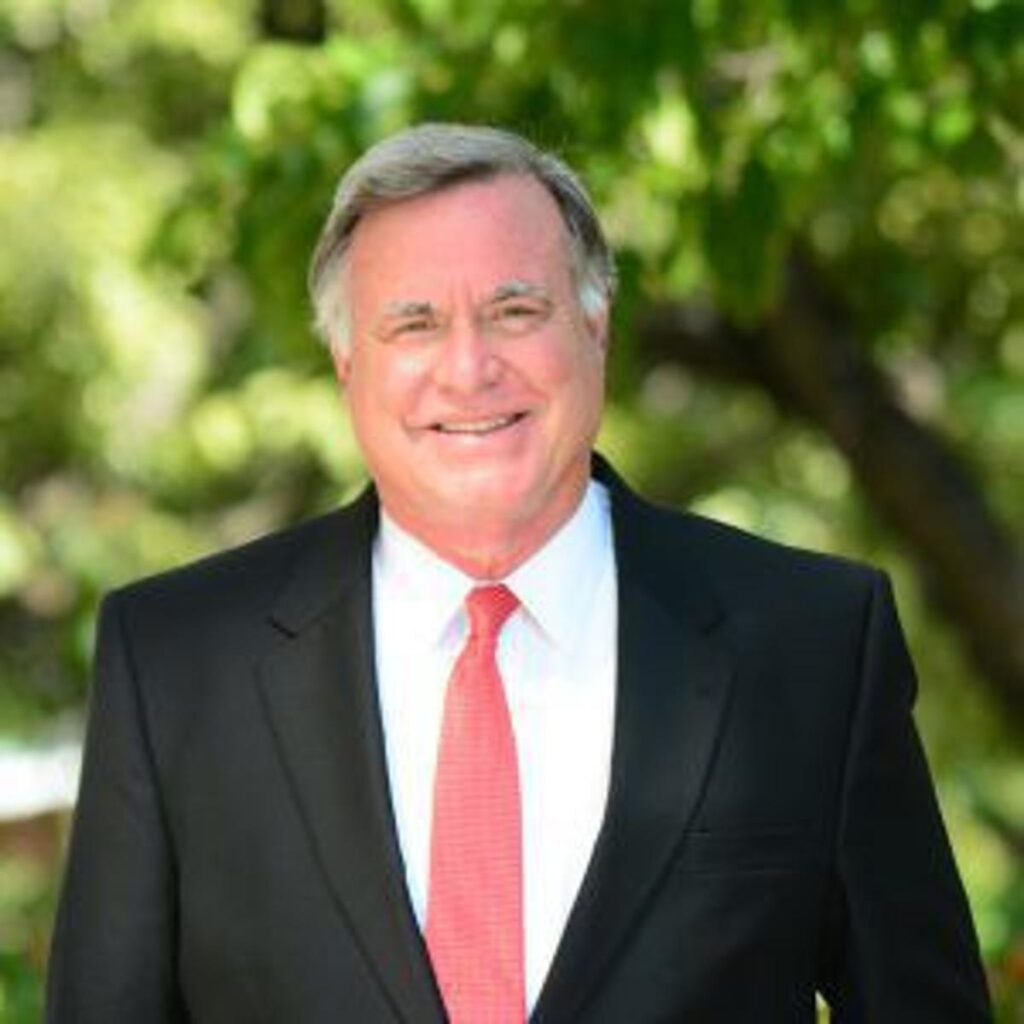
All signs point to a Titanic political year in 2022. In fact, as I look back over the last six decades of my observations of Alabama politics, next year may be the most momentous. Most states elect their governors and legislators in presidential years. However, in the Heart of Dixie, we have our big election year in non-presidential years. Not only will we elect our governor to a four-year term, we will elect all of our constitutional officers like Attorney General, Agriculture Commissioner, Secretary of State, State Treasurer, State Auditor and Lt. Governor, as well as two seats on the State Public Service Commission and several seats on the State Supreme Court. More importantly, all 140 members of the Alabama State Legislature will be up for reelection. We have 105 members of the Alabama House of Representatives and 35 State Senators. In addition, all 67 sheriffs in the state are on the ballot in 2022. In many counties this is the most important race and the reason folks will show up to vote. All politics is local. Most campaign money spent in the 2022 elections by special interests will be spent in state legislative races. The Legislative Branch is inherently more powerful in Alabama than the Executive or Judicial Branches. All of our constitutional office holders are Republican. Attorney General, Steve Marshall, hails from Marshall County. He is in his first four-year-term. Therefore, he can and probably will run for a second term. He would be hard to beat in his bid for reelection in 2022. John McMillan can run for a second term as State Treasurer. However, he will be over 80 years old. He has had an illustrious career in state politics. First, as a state representative from Baldwin County, then as head of the Forestry Association, the State Conservation Director, then two terms as State Agriculture Commissioner, before being elected as State Treasurer. Speaking of Agriculture Commissioner, Rick Pate is doing a very good job in his first term and should have very little trouble being elected to a second term in 2022. This post is the most prominent and important office in the constitutional ranks besides governor. It oversees a large department with numerous duties. Agriculture is still Alabama’s number one economic industry. Secretary of State, John Merrill, is precluded from running for a third term. Merrill is the best retail politician in the state and has by far the best grassroots organization of any political figure. Merrill will probably join the fray of candidates vying for the U.S. Senate seat left vacant by Richard Shelby. If he has to drop back, he could move to either State Treasurer or Lt. Governor. The job of State Auditor will be on the ballot. Jim Zeigler, the current State Auditor, is thought of as somewhat of a maverick by Montgomery insiders. However, he is sly as a fox. Even though he knows the State Auditor has no real role in policy issues, he grabs headlines with his grandstanding. He is limited from running for Auditor again. It will be interesting to see if he chooses to run for something else at age 75. Lt. Governor Will Ainsworth is only 38 years old. The job of lieutenant governor has few duties other than to preside over the state senate. Most state senators think Ainsworth has been a quick study in learning the Senate Rules and they like him. There is no doubt that Ainsworth desires to run for Governor of Alabama. The biggest question of the upcoming 2022 momentous political year is whether Governor Kay Ivey will run for reelection. One school of thought has her going to the house at 78. The other is will she run and can she win? My prognostication is she will run and if she does, polls indicate she will win overwhelmingly. Again, it will be fun to watch. See you next week. Steve Flowers is Alabama’s leading political columnist. His weekly column appears in over 60 Alabama newspapers. He served 16 years in the state legislature. Steve may be reached at www.steveflowers.us.
Kay Ivey encourages mask wearing after mandate expires April 9
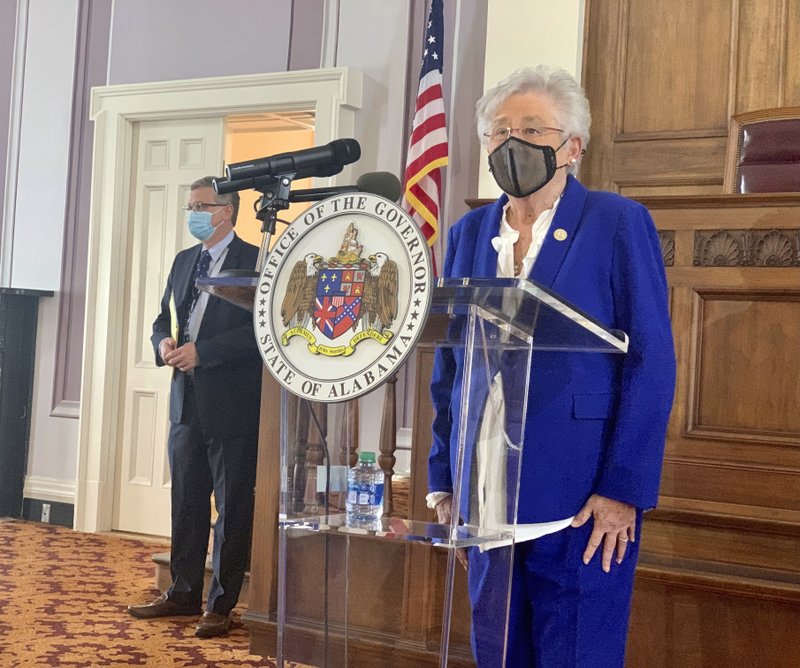
Alabama Gov. Kay Ivey this week urged people to wear masks in public after the statewide mask mandate expires next month. Ivey has been adamant that she will not extend the mask mandate past April 9. On Monday, her office released designs for signs for businesses to use to request patrons to wear masks. The designs range from “Mask Preferred” to “Mask Required For Service.” “After April 9, masks will no longer be a mandate, but they remain one of the most successful tools we have to keep folks safe from COVID-19,” Ivey said in a statement. “Masks are soon to be a memory but until then, let’s wear them out.” Alabama this week expanded eligibility for COVID-19 vaccinations. The expansion, which started Monday, will add more than 2 million people to the groups who can get a COVID-19 vaccination in Alabama, roughly doubling the number of people now eligible. The new eligible groups include more frontline workers; people 55 and older; those with intellectual and developmental disabilities; and residents age 16 to 64 with certain high-risk medical conditions. The qualifying medical conditions include cancer, chronic kidney disease, diabetes, smoking, obesity, sickle cell disease, and heart conditions. State Health Officer Dr. Scott Harris on Friday said most adults will now be eligible for shots and urged people to be patient as they seek vaccination appointments. “Probably between half and two-thirds of all the adults in the state are going to be covered,” Harris said. “So that will be a significant increase in demand.” The Alabama National Guard on Tuesday began a series of COVID-19 vaccine clinics around the state as health officials try to bring the shots to rural areas that may have fewer providers. The Alabama National Guard is providing first-dose COVID-19 vaccination clinics in 24 counties for the next three weeks. There will be a round of second-dose clinics April 13-30. Ivey activated guard units to set up the mobile sites to bring COVID-19 vaccinations to underserved and rural communities. A list of vaccinations clinics can be found at the Alabama Department of Public Health website. The vaccine will be administered at the clinics located in: Barbour, Bullock, Butler, Choctaw, Clarke, Coffee, Conecuh, Covington, Crenshaw, Dale, Dallas, Greene, Hale, Henry, Lowndes, Macon, Marengo, Monroe, Perry, Pike, Russell, Sumter, Washington, and Wilcox counties. There continues to be positive signs in the state. The number of COVID-19 patients in Alabama hospitals has dipped to below 400. It had been as high as 3,000 at the start of the year. Republished with the permission of the Associated Press.
