
Bill would ban state enforcement of federal gun laws
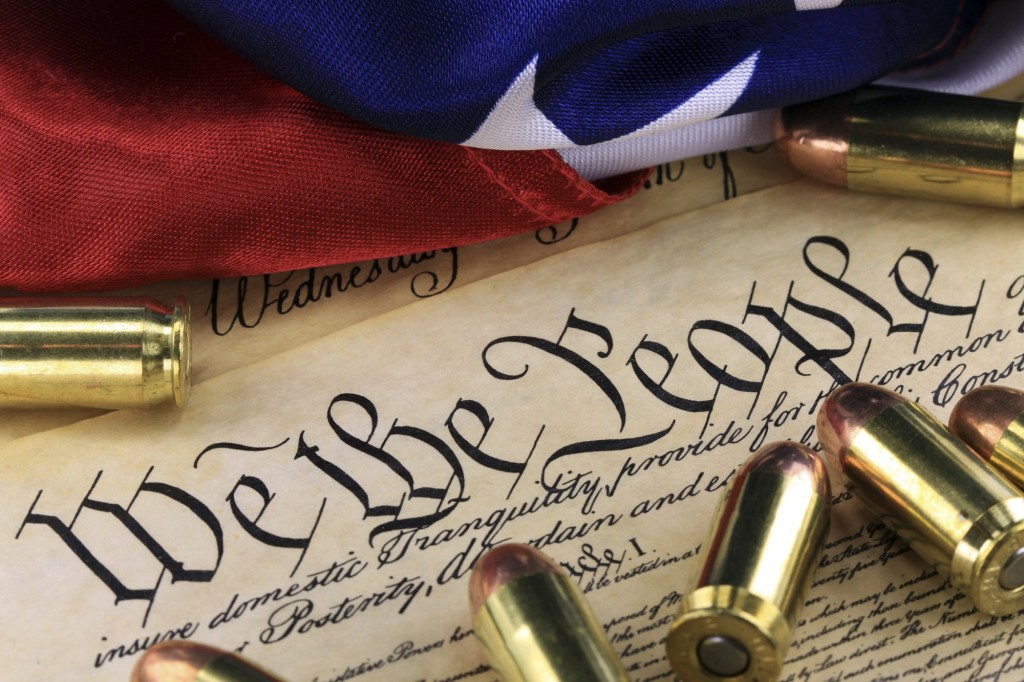
The Alabama Senate on Thursday backed legislation to make it a crime for local police officers to enforce any new federal gun restrictions, part of a wave of GOP nullification proposals to try to resist any new gun control measures. Senators voted 21-5 for the bill by Republican Sen. Gerald Allen of Tuscaloosa. It now moves to the Alabama House of Representatives. Republicans in several states are pushing such measures, although some lawmakers questioned whether it could survive a legal challenge. Opponents of the bill argued that the U.S. Constitution already protects gun rights and that Republican lawmakers are going to get the state embroiled in a costly lawsuit that they will ultimately lose. The bill would make it a misdemeanor for an officer to enforce a new federal law or executive order effective after President Joe Biden’s inauguration that “regulates the ownership, use, or possession of firearms, ammunition, or firearm accessories.” “This bill would expand freedom and liberty for Alabama citizens by ensuring that certain federal restrictions would not be supported by the government or the government agencies of Alabama,” Allen said, reading a letter from a constituent. Democrats argued Republican lawmakers are setting the state up for a lawsuit. “We are going to get sued. We are going to lose. And it’s going to cost us a lot of money as a state because we want to make a statement,” said Sen. Rodger Smitherman, D-Birmingham. Senate Minority Leader Bobby Singleton said the bill dubbed the “Alabama Second Amendment Preservation Act” is not necessary because the Second Amendment already protects gun rights. “These are unnecessary bills that we bring just to showcase because we have a President that came out with an executive order to try to save lives,” he said. Biden this month announced a half-dozen executive actions, including a move to crack down on “ghost guns,” homemade firearms that lack serial numbers used to trace them and are often purchased without a background check. Biden has also called for a ban on assault weapons but any new gun legislation will likely face an uphill climb. Because the Supremacy Clause of the U.S. Constitution dictates that federal law trumps conflicting state law, many previous GOP state efforts to thwart gun laws have been found unconstitutional. The Alabama bill, like some in other states, focuses on enforcement and argues, “under existing constitutional law, the federal government may not require a state or its officers to administer or enforce a federal regulatory program.” Republished with the permission of the Associated Press.
Lawmakers vote to ban trans girls from female teams
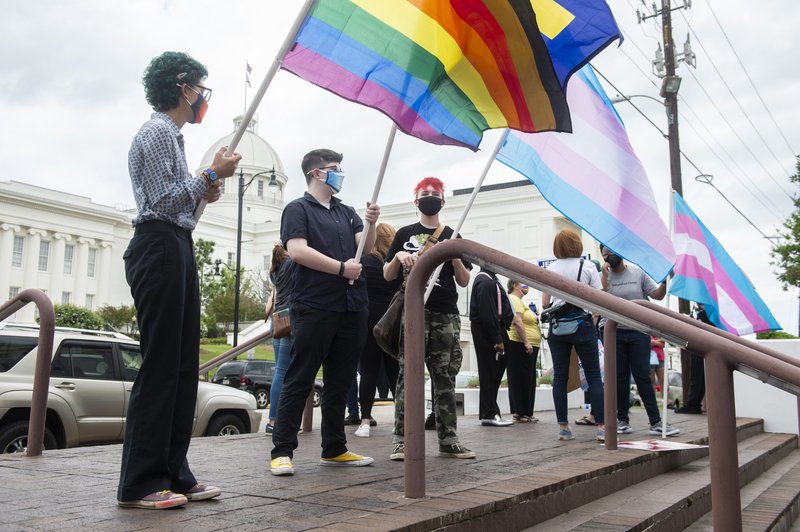
Alabama could soon become the next conservative state to prevent transgender girls from playing on female sports teams. The Republican-dominated Alabama Legislature on Thursday gave final passage to a bill that would prohibit K-12 schools from letting a “biological male” participate on a female team. The bill now goes to Alabama Gov. Kay Ivey, who has not yet said whether she would sign the bill. The Alabama Senate on Thursday voted 25-5 to approve the House-passed bill. The House accepted minor Senate changes to the bill by a vote of 76-13. More than a dozen states are considering restrictions on transgender athletes or gender-confirming health care for transgender minors. “I believe that this bill is important, ladies and gentlemen of the Senate, to protect the integrity of women’s athletics,” Republican Sen. Garlan Gudger of Cullman said at the start of debate. “I think it is an unfair for biological males to compete and beat females in high school sports. There are biological advantages that men possess just naturally because of genetics,” Gudger said. Supporters of the bills say transgender girls are born bigger and faster and have an unfair advantage in competition. Opponents say the bills are rooted in discrimination and fear and violate the federal law barring sex discrimination in education. Senate Minority Leader Bobby Singleton said the bill is essentially unneeded and will give Alabama a “black eye” as the state tries to recruit industries and sporting events to the state. “We are spending too much time on craziness like this,” Singleton said. As similar bills crop up across the county, the NCAA, which regulates college athletics in the U.S., on Monday expressed support for transgender athletes and warned that championships would only be held in locations “free of discrimination.” “We will continue to closely monitor these situations to determine whether NCAA championships can be conducted in ways that are welcoming and respectful of all participants,” the NCAA statement read. The NCAA currently requires transgender women to get drug treatment to lower their testosterone levels before they can compete in women’s sports. Mississippi Republican Gov. Tate Reeves last month signed a bill to ban transgender athletes from competing on girls or women’s sports teams. Idaho last year became the first state to pass such a ban, but it faces a legal challenge. Republished with the permission of the Associated Press.
After union fight, Jeff Bezos to focus on Amazon workers
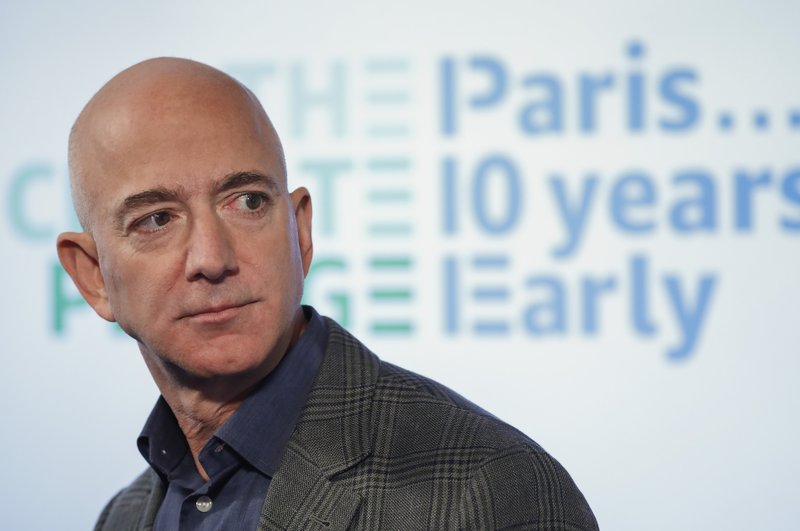
After a union battle at an Alabama warehouse, Amazon founder Jeff Bezos said that as executive chairman he will focus on making the company a better place to work. Bezos made the disclosure Thursday in his annual letter to shareholders. He said he didn’t take comfort in the outcome of the recent union election in Bessemer, Alabama, even though workers there overwhelmingly rejected a union. “I think we need to do a better job for our employees,” said Bezos, who will be stepping down as CEO later this year and will be executive chair of the online shopping giant. Part of his focus as chair will be to make warehouse jobs safer. He said about 40% of injuries are sprains and strains caused by repeating the same motions and are more likely to happen during a worker’s first six months in the job. He said training may help those “working in a physical role for the first time.” Last week, workers in Alabama handed the online retail giant a decisive victory when they voted against forming a union and cut off a path that labor activists had hoped would lead to similar efforts throughout the company. The union push was the biggest in Amazon’s 26-year history and only the second time that an organizing effort from within the company had come to a vote. But Bessemer was always viewed as a long shot since it pitted the country’s second-largest employer against warehouse workers in a state with laws that don’t favor unions. Alabama is one of 27 “right-to-work” states where workers don’t have to pay dues to unions that represent them. However, some of the work practices claimed by those seeking a union were unseemly and Bezos defended the company against the worst of those allegations. “If you read some of the news reports, you might think we have no care for employees. In those reports, our employees are sometimes accused of being desperate souls and treated as robots,” Bezos wrote. “That’s not accurate. They’re sophisticated and thoughtful people who have options for where to work.” Republished with the permission of the Associated Press.
Medical marijuana bill heads to key House vote
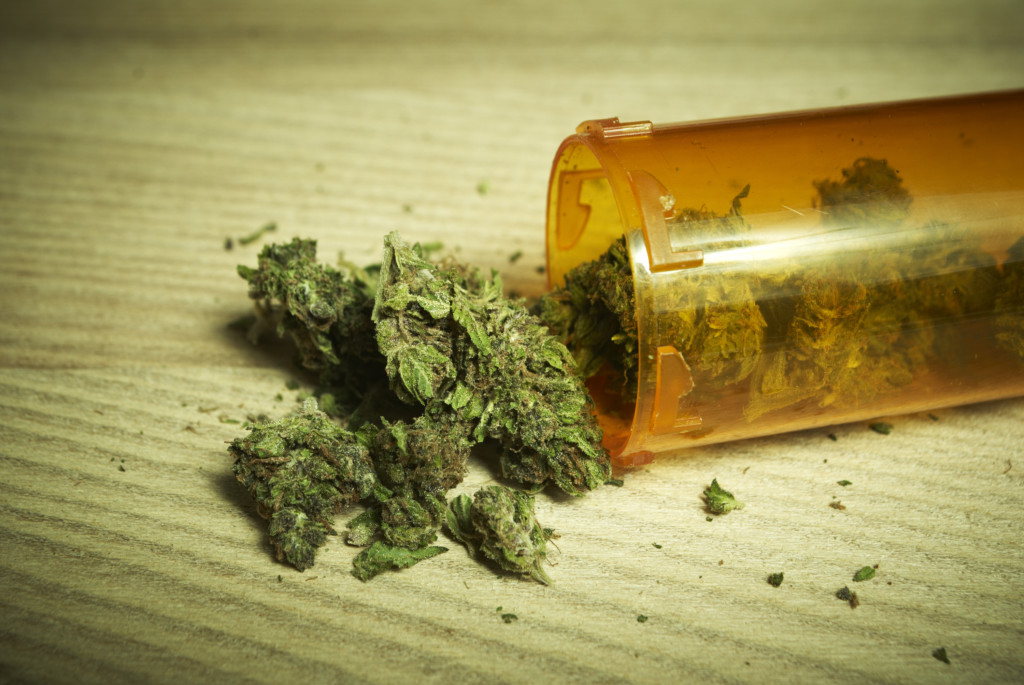
A second legislative committee on Thursday approved a medical marijuana bill, putting the proposal in line for a key vote in the House of Representatives. The House Health Committee approved the legislation by Republican Sen. Tim Melson of Florence, that would allow people with a qualifying medical condition to purchase marijuana after getting a recommendation from a doctor. More than one dozen conditions, including cancer, a terminal illness, and chronic pain, would allow a person to qualify. The bill would allow marijuana in forms such as pills, skin patches, and creams but not in smoking or vaping products. The Alabama Senate approved the bill by a 21-8 vote after 15 minutes of debate in February. However, the House of Representatives has traditionally been more skeptical of medical marijuana proposals and required the bill to go through two committees before coming to the floor. Melson has expressed optimism about the bill’s chances this year after years of setbacks. A medical marijuana bill in 2013 won the so-called “Shroud Award” for the “deadest” bill that year in the House of Representatives. Republished with the permission of the Associated Press.
