
Kay Ivey signs medical marijuana legislation
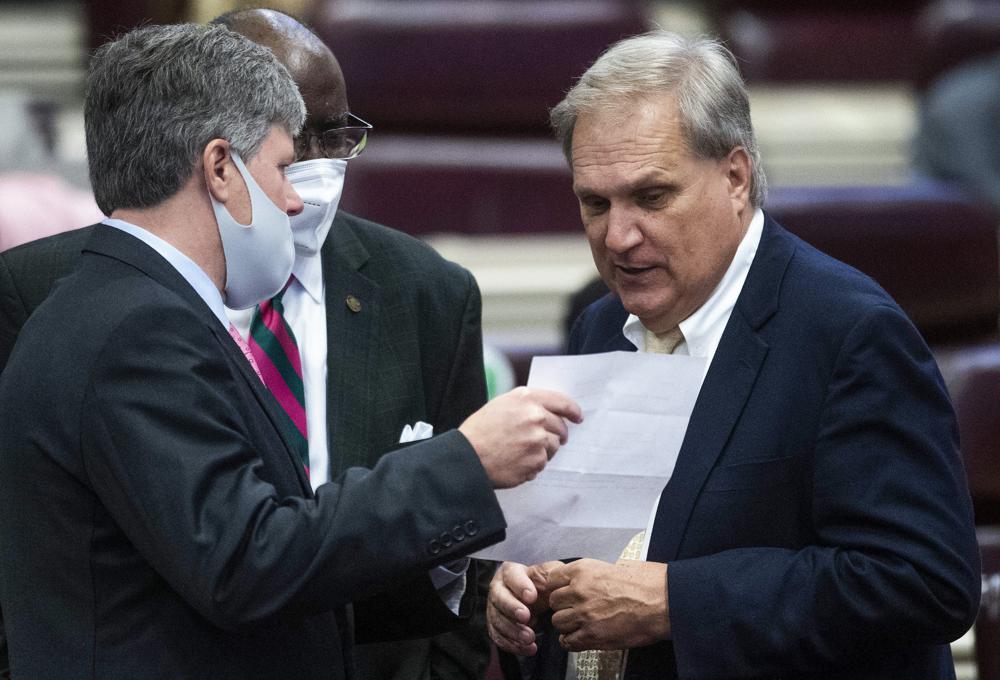
Alabama Gov. Kay Ivey signed medical marijuana legislation Monday as conservative opposition to the issue gradually faded after decades of debate. The program will allow people with one of 16 qualifying medical conditions, including cancer, a terminal illness, and depression, to purchase medical marijuana with the recommendation of a doctor. The approval came eight years after a medical marijuana bill in 2013 won that year’s so-called “Shroud Award” for the “deadest” bill of the year in the House of Representatives. Ivey called signing the bill an “important first step” and thanked the sponsors, of the bill for their work. While the bill takes effect immediately, the bill sponsor estimated it will be about 15 months or so before medical marijuana is available in the state. “This is certainly a sensitive and emotional issue and something that is continually being studied. On the state level, we have had a study group that has looked closely at this issue, and I am interested in the potential good medical cannabis can have for those with chronic illnesses or what it can do to improve the quality of life of those in their final days,” Ivey said. The bill was sponsored by Republican Sen. Tim Melson, an anesthesiologist. It was handled in the House of Representatives by Republican Rep. Mike Ball, a former state trooper and state investigator. The approval came after a number of lawmakers shared stories of loved ones and their illnesses. “Hopefully, we are going to help some people,” Melson said Monday night. Melson said for people who have tried other treatments without success, that people will have “another option to treat themselves and get some relief.” The state Senate approved the bill in February by a 21-8 vote after just 15 minutes of debate. But the House of Representatives had traditionally been more skeptical of medical marijuana proposals and sent the bill through two committees before approving it 68-34. The bill would allow marijuana in forms such as pills, skin patches, and creams but not in smoking or vaping products. The program authorizes the use of medical marijuana to treat for conditions including cancer-related nausea or vomiting, or chronic pain; Crohn’s disease; depression; epilepsy, HIV/AIDS-related nausea or weight loss; panic disorder, Parkinson’s disease; persistent nausea; post-traumatic stress disorder; sickle cell anemia; spasticity associated with multiple sclerosis, spinal cord injury, and Tourette’s syndrome. Representatives voted to name the bill after the son of a state Democratic representative, Laura Hall. She had first introduced a medical marijuana bill over a decade ago after her son Wesley ‘Ato’ Hall had died of AIDS. Ball, who shepherded the bill through the House, said last week that “hearts and minds” were slowly changed on the issue. “I think we just educated them as much as anything. This wasn’t done on emotion. This was done on science,” Melson said. Republished with the permission of the Associated Press.
Jim Zeigler v. Kay Ivey suit on prison lease plan dismissed
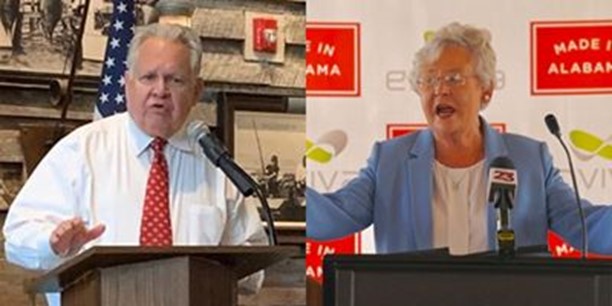
A circuit judge has dismissed the lawsuit filed by four plaintiffs seeking to block Gov. Kay Ivey’s prison lease plan. After a hearing Friday, Judge Greg Griffin ruled today that the suit cannot go forward and dismissed it. The suit alleged that the $3.6 billion prison lease plan is illegal because it was not approved by the legislature. State Auditor Jim Zeigler, the lead plaintiff, made this statement: “We are studying the Judge’s order. We will make a decision this week on whether to appeal. We will continue our fight to block the prison plan by raising issues that would cause potential investors to withdraw. We believe that investors see the fatal flaws in this plan and will not touch it with a 10-foot pole.” The three underwriters for the plan have withdrawn — Barclays, KeyBank and Stifel. The plan would contract with three consortiums of private businesses, two led by CoreCivic of Nashville. The contractors would pay to build three super-prisons in Bibb, Elmore and Escambia Counties of Alabama. Two of the contracts were signed Feb. 1 with the one in Bibb County pending. “The Ivey plan would force Alabama taxpayers to pay rents starting at $94 million a year and going up to $106 million. At the end of 30 years, the state would own equity in the prisons of zero. No equity. This is a bad business plan,” Zeigler said. “The Ivey plan does not address the problems in the prison system – safety of staff and other inmates; overcrowding; mental health; suicide; recidivism; and inadequate job training. The plan merely throws over $3.6 billion of taxpayer money into rented buildings,” Zeigler said. Zeigler (R-Mobile) is joined in the suit by three other plaintiffs – State Rep. John Rogers (D-Birmingham); Leslie Osborne, a property owner adjacent to the proposed prison site in Elmore County; and Rev. Kenny Glasgow, a prisoner rights activist from Dothan.
Congressmen call for the reopening of the U.S. Capitol
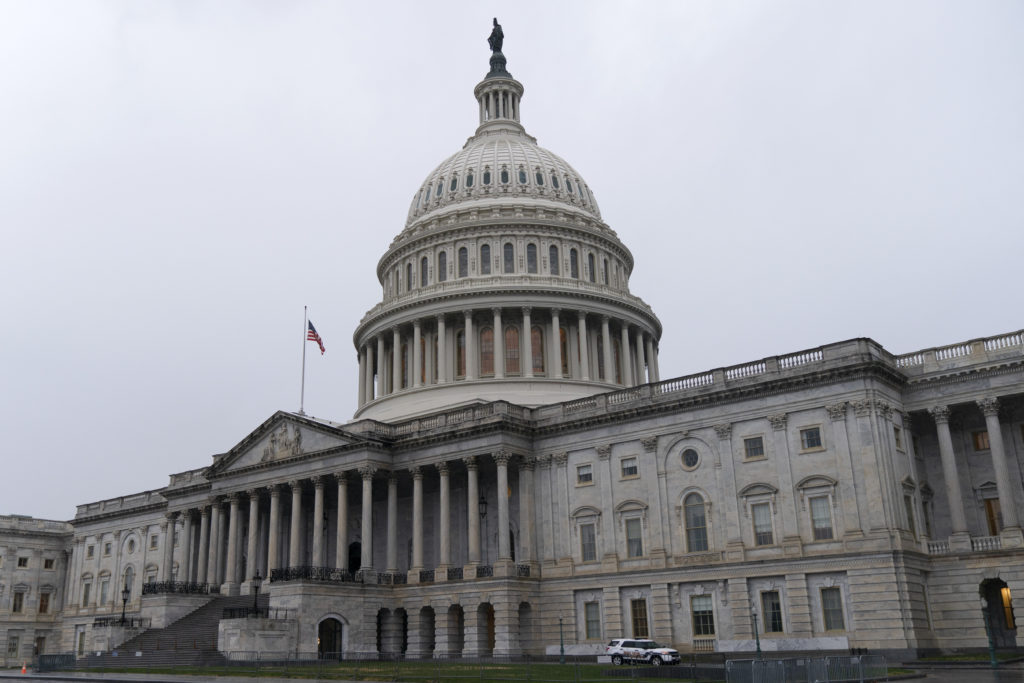
Today, Congressmen Robert Aderholt, Jerry Carl, Mo Brooks, and Barry Moore joined more than two dozen other leaders, asking Speaker Nancy Pelosi and Senate Majority Leader Chuck Schumer to reopen the United States Capitol Complex to visitors. The Capitol has been closed since the January 6 attack by a mob of pro-Trump protestors. In March 2020, the U.S. Capitol had restricted access because of COVID-19 concerns. As more and more people become vaccinated, the push to reopen has been becoming louder. However, there are still security concerns. Brooks stated, “The First Amendment to the Constitution establishes the people’s right to petition their government for redress of their grievances. Prior to Pelosi and Schumer’s draconian Capitol access restrictions, the American people could easily visit the Capitol offices of their senators and representatives. Now, to gain access to the House and Senate office buildings, citizens must be on preapproved lists kept by the House and Senate Sergeant at Arms.” He continued, “America has historically prided ourselves on transparency and easy citizens access to government institutions. It is shameful that Nancy Pelosi and Chuck Schumer persist in keeping the law-abiding American citizens out of their own Capitol, especially when states are lifting restrictions and the CDC is recommending fully-vaccinated Americans return to pre-COVID normalcy. Nancy Pelosi said ‘about 75%’ of House members are vaccinated. That exceeds herd immunity requirements.” Aderholt commented, “With the pandemic coming to an end, it is time to open the United States Capitol Complex to the citizens it belongs to. While those of us elected to Congress, and members of our staff all work in the Capitol, we should never come to believe that it is there strictly for our exclusive use. We are there because the people of this country elected us and they should be able to visit their elected leaders and take tours of their Capitol.” Other co-signers of the letter are: Congressman Ralph Norman, Congressman Andy Harris, Congressman Madison Cawthorn, Congressman W. Gregory Steube, Congressman Matt Rosendale, Congressman Brian Mast, Congressman Tracey Mann, Congressman Tom McClintock, Congressman Jody Hice, Congressman Andy Biggs, Congressman Chip Roy, Congressman Tom Tiffany, Congressman Debbie Lesko, Congressman Jeff Duncan, Congressman Warren Davis, Congressman Mike Gallagher, Congressman Bill Posey, Congressman Bob Good, Congressman Randy Weber, Congressman Dan Bishop, Congressman Paul Gosar, Congressman Ronny L. Jackson, Congressman Joe Wilson, Congressman Louie Gohmert, Congressman Brian Babin, Congressman Neal Dunn, Congressman Marjorie T. Greene, Congressman Michael Cloud. The letter can be viewed here.
Softball teams in states with transgender bans get regionals
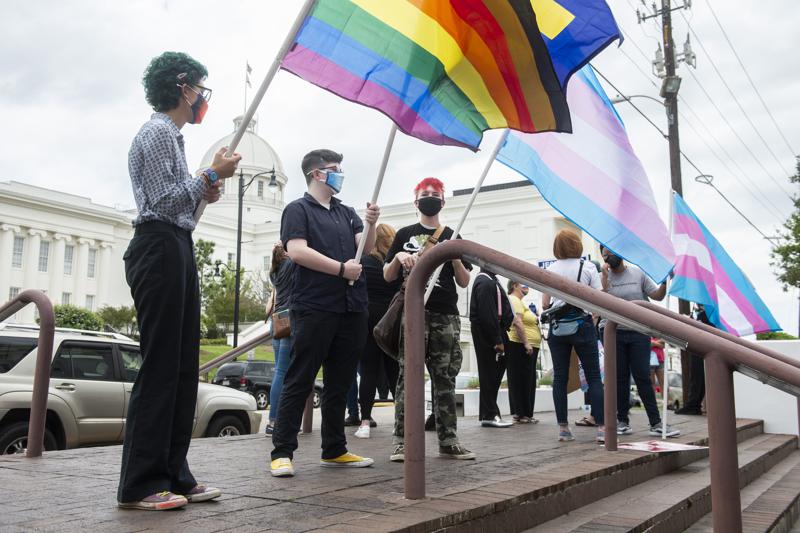
The NCAA named Alabama, Arkansas, and Tennessee as host schools for softball regionals on Sunday, bringing its postseason tournament to three states that have passed laws requiring athletes to compete in interscholastic sports according to their sex at birth. Legislation banning transgender athletes from competing in interscholastic sports has been introduced in dozens of states this year. Republican governors have signed such bills in Alabama, Arkansas, Mississippi, Tennessee, and West Virginia. The Arkansas, Mississippi, and West Virginia laws also cover college sports teams. Proponents of bans on transgender athletes in sports argue that athletes who are born male have physiological advantages over those who are born female. Opponents believe the laws are discriminatory and part of a backlash by cultural conservatives against acceptance of transgender people. The issue has become part of the nation’s partisan divide, with former President Donald Trump speaking out in favor of the bans. The NCAA allows transgender women to compete if they have taken testosterone-suppressing drugs for at least one year. The NCAA Board of Governors issued a statement last month saying it “firmly and unequivocally supports the opportunity for transgender student-athletes to compete in college sports,” and warned that future hosting of NCAA events could be affected by state laws. “When determining where championships are held, NCAA policy directs that only locations where hosts can commit to providing an environment that is safe, healthy, and free of discrimination should be selected,” the board said. “We will continue to closely monitor these situations to determine whether NCAA championships can be conducted in ways that are welcoming and respectful of all participants.” The NCAA did not immediately respond to a request for comment on Sunday. Regional action begins May 21. The NCAA usually picks baseball and softball regional sites based on team performance, quality of facilities and financial considerations. This year, potential sites were pre-determined because each must be evaluated for its ability to meet the NCAA’s COVID-19 protocols. Oklahoma City hosts the Women’s College World Series each year, and this year’s event will start on June 3. Oklahoma’s House has passed a bill to ban transgender athletes from participating in women’s sports. It’s unclear if the state’s GOP-controlled Senate will take the bill up, but Republican Gov. Kevin Stitt has said he supports the concept of athletes competing only against those who have the same sex at birth. The World Series generates more than $20 million for Oklahoma City each year. The home state is usually is well-represented. Oklahoma has won four national titles, and Oklahoma and Oklahoma State both qualified for the event in 2019. Oklahoma is the No. 1 overall seed in this year’s bracket and Oklahoma State is No. 5. The NCAA pulled basketball tournament games out of North Carolina in 2017 in response to a bill that required transgender people to use restrooms according to their sex at birth and not their gender identity. The law was later repealed. Republished with the permission of the Associated Press.
Alabama lawmakers return for final day of session
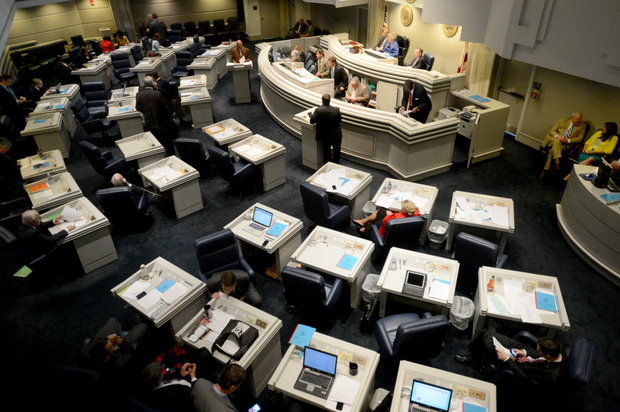
Alabama lawmakers return Monday for the final day of the legislative session with several large and controversial issues before them. The legislative session by law is limited to 30 meeting days and must conclude Monday. Here is a look at where some key issues stand: GENERAL FUND One of the most pressing issues is to give final approval for the general fund budget for the next fiscal year. The bill is in conference committee to work out differences between the House of Representatives and Alabama Senate. The $2.4 billion spending plan is up a modest 3.6% over this year. The budget includes a 2% pay raise for state employees. CURBSIDE VOTING BAN The bill by Republican Rep. Wes Allen of Troy would explicitly forbid election workers from setting up curbside areas for people to vote as well as forbid the setting up of voting machines outside a polling place. Curbside voting is a voting method that civil rights organizations had sought during the COVID-19 pandemic and have argued that it would make it easier for people to vote, particularly the elderly, disabled, and parents with young children. The House approved the bill, and it is awaiting a vote in the Senate. GAMBLING House leaders are doubtful a gambling bill will return for a House of Representatives vote on the last day. The Senate-passed proposal would allow a state lottery and nine casinos in the state. However, negotiations in the House of Representatives fell apart. Republican Rep. Chris Blackshear, who handled the bill in the House, said he doesn’t expect either the gambling bill to make a return in any form. Blackshear said if lawmakers can come to an agreement, he is hopeful Alabama Gov. Kay Ivey will call a special session on the issue later this year. TRANSGENDER TREATMENT The bill would make it a felony punishable by up to 10 years in prison for a doctor to prescribe puberty-blockers or hormones or perform surgery to aid in the gender transition of people 18 or younger. The Alabama Senate approved the bill in March, and it awaits a vote in the House. Opponents, including parents and trans youth, say such measures interfere with medical decisions and target trans individuals for the sake of politics. Sponsors counter that they are trying to protect children from decisions that should wait until adulthood. Arkansas, earlier this year, became the first state to enact such a measure. OPPOSING FEDERAL GUN LAWS The Alabama Senate approved legislation to make it a crime for local police officers to enforce any new federal gun restrictions, part of a wave of GOP nullification proposals to try to resist any new gun control measures. Senators voted 21-5 for the bill by Republican Sen. Gerald Allen of Tuscaloosa. The bill is awaiting a vote in the House. Republicans in several states are pushing such measures. Opponents of the bill argued that the U.S. Constitution already protects gun rights and that Republican lawmakers are going to get the state embroiled in a costly lawsuit that they will ultimately lose. THIRD GRADE READING PROMOTION REQUIREMENT After COVID-19 disrupted two school years, Alabama lawmakers are weighing a pause in an upcoming state requirement for third graders to pass a reading test before moving up to the fourth grade. The Senate-passed bill by Sen. Rodger Smitherman, D-Birmingham, would delay the promotion requirement now set to take effect next year. Smitherman and others said it would be unfair to force the requirement on students who were out of the traditional classroom for long stretches during the pandemic. Rep. Terri Collins, who sponsored the original law creating the requirement, said she would prefer to wait until after spring test scores are in before deciding if a delay is needed. YOGA BAN The bill by Democratic Rep. Jeremy Gray of Opelika would allow public schools to teach yoga. He says he is weighing whether to accept the changes or go to conference committee and risk running out of time to pass the bill on the busy final legislative day. Gray says he thought some of the Senate changes showed phobias or blatant disrespect to the Hindu culture. Gray is attempting to void a decades-old ban on yoga in public schools. The Alabama Board of Education voted in 1993 to prohibit yoga, hypnosis, and meditation in public school classrooms. Republished with the permission of the Associated Press.
Email insight: Alabama Arise calls to reform abusive civil asset forfeiture practices
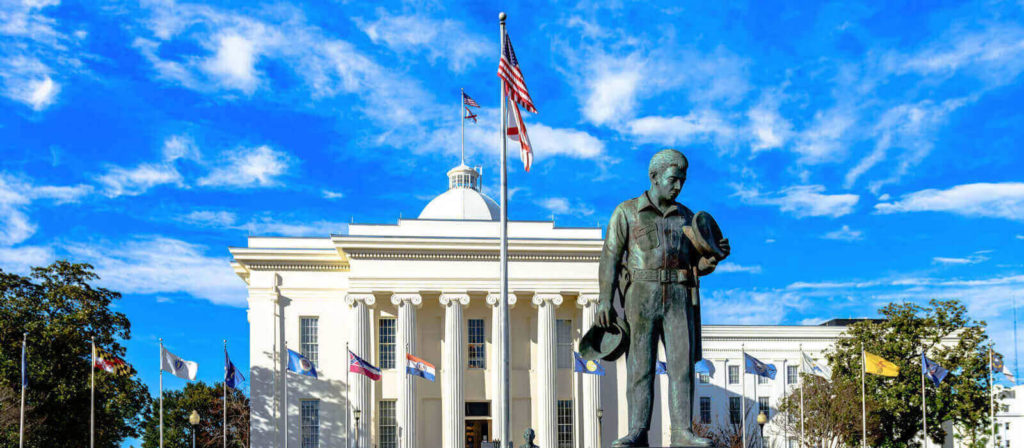
As the end of the 2021 legislative session ends, Alabama Arise shared an email in support of SB210. Sponsored by Sen. Arthur Orr, SB210 would reform the civil asset forfeiture process. Alabama Arise released the following email: The 2021 Regular Legislative Session ends Monday, and Sen. Arthur Orr’s SB 210 hangs in the balance. This bill would significantly reform Alabama’s abusive civil asset forfeiture processes. There’s a good chance the House will consider the bill for final passage on the final day. Alabamians deserve to have their personal property protected from seizure when they haven’t been convicted of a crime. But under civil asset forfeiture, people can lose their property, including their only vehicle or their home, without being convicted or even arrested. And law enforcement has an incentive to seize property because agencies are allowed to keep the property they take. The right to keep your possessions is vital to Alabamians’ ability to build economic security. Orr sponsored a bill to eliminate civil asset forfeiture two years ago, but that bill was watered down to a mere reporting bill at the urging of law enforcement. And even then, state law enforcement agencies have dragged their feet on implementation and have refused to include racial demographic reporting requirements to track likely disparate use of forfeiture against Black Alabamians, as has occurred in other states. It’s time to end this abusive, unfair practice.
Grady Thornton: A conservative Republican’s plea to lawmakers on medical marijuana

I am aware your role in state government is sometimes thankless and contentious. Therefore, I address you with only the greatest respect and as briefly as practical. I am aware some legislators are strongly opposed to the medical marijuana legislation that will be considered Monday, the last day of the 2021 session. This will be the last chance this year the leaders will have to say “Yea” or “Nay” to a proposal that could provide comfort to the dying: our mothers, our fathers, our sons, daughters, grandchildren, and thousands of God’s children we will never meet. I am begging, yes begging you, to drop your opposition to the medical marijuana bill or hold fast to your support, whichever the case may be. Some of you have stated your reason to oppose it is for personal reasons. I, too, have personal reasons to hope for approval: I watched my brother die of cancer. He was a strong man, an officer in the Alabama National Guard, and the most devout patriot I have ever known. We knew death was winning the battle for life, and we were helpless to stop it. However, medical marijuana could have alleviated the excruciating pain he had to endure for his final 18 months in this world. Pain that left him delirious at times, unconscious at times, and weeping at times. We loved him so much, and knowing we were losing him was the greatest sorrow my family had ever experienced. That great sorrow was intensified, not only by his death but his suffering. In all medical probability, medical marijuana could have caused the horror of his last days to be less horrible. I do not use recreational marijuana, and I oppose its legalization. Medical marijuana is not about getting high. It is about peace in the flickering candle of life as it nears the final glow. It is about a period when one of our fellow human beings sees the horrifying approach of his/her own death nearing their bed. It is about the comfort of seeing this pain of a loved one being lessened in a way no current synthetic medication can. It is about lessening the impact of young children, like my nephews, when their lives and family were torn apart. Their sadness, the loss, the feelings of abandonment, the anger, their grief was exacerbated by seeing the intensity of their daddy’s suffering. Those emotions will never go away. Some of you are worried about addiction. I understand that, but there is no credible evidence to support that. Medical marijuana is formulated to prohibit this. Will there be misuse? Probably, but when the wayward realize they will not get high, it will not be a public health issue. Medical marijuana is NOT a gateway drug. I have generational addiction in my bloodline. I would never promote anything that could cause addiction or relapse. Medical marijuana is a solid pro-life concept. It seems reasonable to make a drug from a drug. When I had significant stomach disorders as a teen, I drank what seemed like gallons of a chalky over-the-counter medication. One of the active ingredients was opium. I do not think there are many Maalox addicts my age. Please consider overriding the opposition to this legislation and do not push for amendments. The well-being of thousands, maybe tens of thousands, of Alabamians is in your hands. Please do not enable the well-intended but misinformed to force torture on those who are dying or have illnesses that can be so treated. I leave you with the very statement with which I opened: your job is sometimes thankless and contentious. I, however, honor you for the many sacrifices you make to be a public servant. I appreciate you for taking the time to hear me out. God bless you all. Grady Thornton is a Southern Baptist Sunday School teacher and a member of church committees, a supporter of Second Amendment rights, and a Republican. He is a member of the Alabama Republican Party Executive Committee, the Shelby County Republican Executive Committee, Steering Committee, and Zone Coordinator. He is a member of the Alabama Minority GOP, Associate Member of a Republican women’s club, a volunteer for selected Alabama Federation of Republican Women events, and a volunteer on many Republican activities in the past.
