
Richard Shelby welcomes new chief of staff
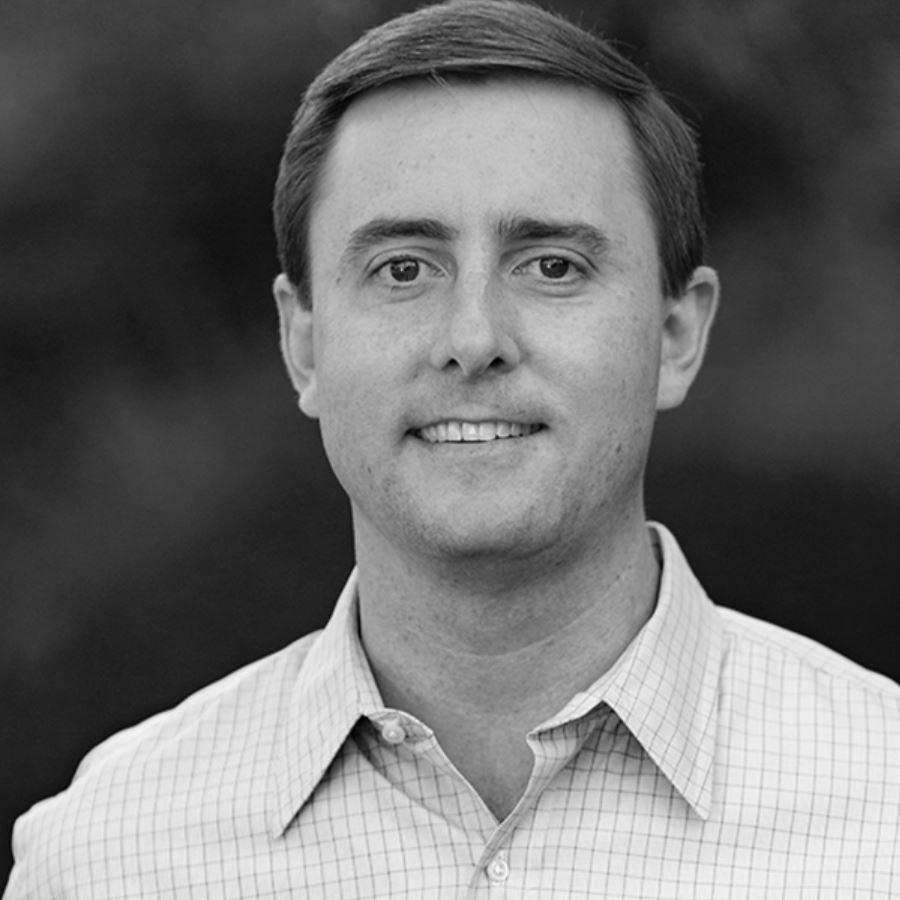
Richard Shelby announced yesterday that Watson Donald will serve as his new chief of staff, effective July 12. Donald previously served on the Senator’s staff as the national security advisor in his D.C. office. He most recently worked as the federal affairs manager for Alabama Power. Shelby commented, “I am pleased to welcome Watson back to my team – this time as my chief of staff. Born in Mobile and most recently residing in Birmingham, he knows Alabama well and has a keen understanding of the issues impacting our state on a daily basis. I am confident in Watson’s leadership abilities and legislative expertise, and I look forward to what we can accomplish together over the next 17 months.” Donald first joined Shelby’s staff in 2007. He most recently served as the federal affairs manager for Alabama Power and held positions as the senior director of external affairs and the director of government affairs for Southern Research. Donald also has legislative experience under former Congressman Jo Bonner and former Senator Jeff Sessions. He was born and raised in Mobile, Alabama, and received his Bachelor of Science from Birmingham-Southern College. Donald and his wife and their two sons currently reside in Birmingham.
Cuban leaders beef up police patrols after rare protests
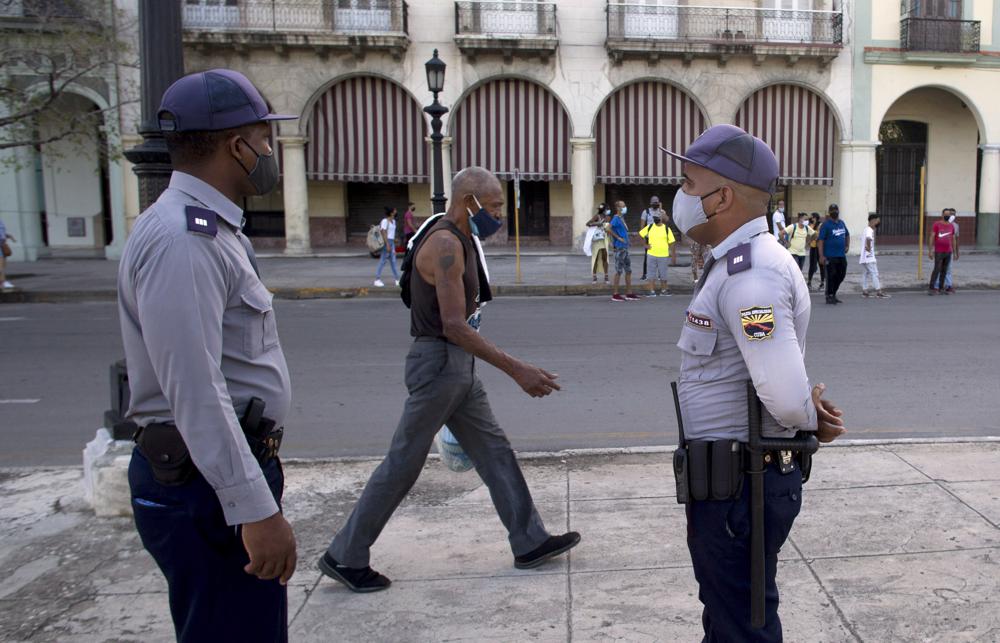
Cuban police are out in force on the country’s streets as the president is accusing Cuban Americans of using social media to spur a rare outpouring of weekend protests over high prices and food shortages. The demonstrations in several cities and towns were some of the biggest displays of antigovernment sentiment seen in years in tightly controlled Cuba, which is facing a surge of coronavirus cases as it struggles with its worst economic crisis in decades as a consequence of U.S. sanctions imposed by President Donald Trump’s administration. Many young people took part in Sunday’s demonstrations in Havana. Protests were also held elsewhere on the island, including in the small town of San Antonio de los Baños, where people objected to power outages and were visited by President Miguel Díaz-Canel. He entered a few homes, where he took questions from residents. Authorities appeared determined to put a stop to the demonstrations. More than a dozen protesters were detained, including a leading Cuban dissident who was arrested trying to attend a march in the city of Santiago, 559 miles (900 kilometers) east. The demonstrators disrupted traffic in the capital for several hours until some threw rocks, and police moved in and broke them up. Internet service was spotty, possibly indicating an effort to prevent protesters from communicating with each other. “We’ve seen how the campaign against Cuba was growing on social media in the past few weeks,″ Díaz-Canel said Monday in a nationally televised appearance in which his entire Cabinet was present. “That’s the way it’s done: Try to create inconformity, dissatisfaction by manipulating emotions and feelings.” In a statement Monday, U.S. President Joe Biden said Cuban protesters were asserting their basic rights. “We stand with the Cuban people and their clarion call for freedom and relief from the tragic grip of the pandemic and from the decades of repression and economic suffering to which they have been subjected by Cuba’s authoritarian regime,″ Biden said. The U.S. urges the Cuban government to serve their people ’’rather than enriching themselves,″ Biden added. U.N. deputy spokesman Farhan Haq on Monday stressed the U.N. position “on the need for freedom of expression and peaceful assembly to be respected fully, and we expect that that will be the case.” The demonstrations were extremely unusual on an island where little dissent against the government is tolerated. The last major public demonstration of discontent over economic hardship took place nearly 30 years in 1994. Last year, there were small demonstrations by artists and other groups, but nothing as big or widespread as what erupted this past weekend. In the Havana protest on Sunday, police initially trailed behind as protesters chanted, “Freedom!” “Enough!” and “Unite!” One motorcyclist pulled out a U.S. flag, but it was snatched from him by others. “We are fed up with the queues, the shortages. That’s why I’m here,” one middle-aged protester told The Associated Press. He declined to identify himself for fear of being arrested later. Later, about 300 pro-government protesters arrived with a large Cuban flag, shouting slogans in favor of the late President Fidel Castro and the Cuban revolution. Some assaulted an AP videojournalist, smashing his camera. AP photojournalist Ramón Espinosa was then beaten by a group of police officers in uniforms and civilian clothes; he suffered a broken nose and an eye injury. The demonstration grew to a few thousand in the vicinity of Galeano Avenue, and the marchers pressed on despite a few charges by police officers and tear gas barrages. People standing on many balconies along the central artery in the Centro Habana neighborhood applauded the protesters passing by. Others joined in the march. About 2 1/2 hours into the march, some protesters pulled up cobblestones and threw them at police, at which point officers began arresting people, and the marchers dispersed. AP journalists counted at least 20 people who were taken away in police cars or by individuals in civilian clothes. Although many people tried to take out their cellphones and broadcast the protest live, Cuban authorities shut down internet service throughout the afternoon Sunday. On Monday, Cuban authorities were blocking Facebook, WhatsApp, Instagram, and Telegram said Alp Toker, director of Netblocks, a London-based internet monitoring firm. “This does seem to be a response to social media-fueled protest,” he said. Twitter did not appear to be blocked, though Toker noted Cuba has the ability to cut it off if it wants to. Republished with the permission of the Associated Press.
Texas Democrats leave state to try to stop GOP voting bill
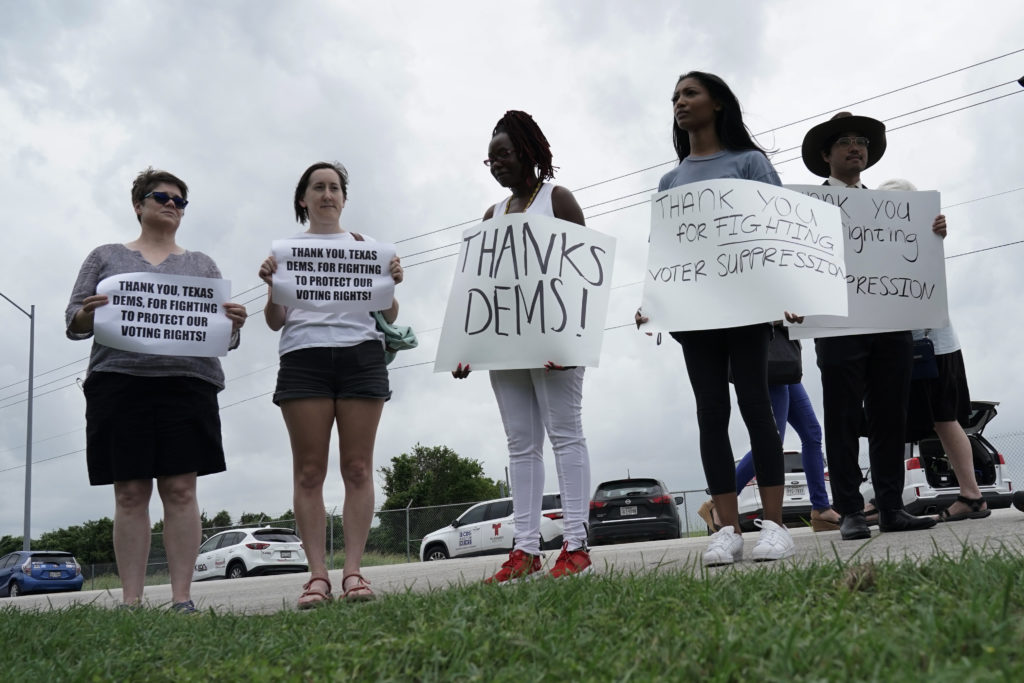
Democrats in the Texas Legislature bolted Monday for Washington and said they were ready to remain there for weeks in a second revolt against a GOP overhaul of election laws, forcing a dramatic new showdown over voting rights in America. Private planes carrying more than 50 Democrats left Austin for Dulles International Airport midafternoon, skipping town just days before the Texas House of Representatives was expected to give early approval to sweeping new voting restrictions in a special legislative session. The numbers meant the House would not have enough lawmakers in attendance to conduct business and could not, at least for now, vote on the bill. The cross-country exodus was the second time that Democratic lawmakers have staged a walkout on the voting overhaul, a measure of their fierce opposition to proposals they say will make it harder for young people, people of color, and people with disabilities to vote. But like last month’s effort, there remains no clear path for Democrats to permanently block the voting measures or a list of other contentious GOP-backed proposals up for debate. Hours after they took off, Republican Gov. Greg Abbott told an Austin television station he would simply keep calling special sessions through next year if necessary and raised the possibility of Democrats facing arrest upon returning home. “As soon as they come back in the state of Texas, they will be arrested; they will be cabined inside the Texas Capitol until they get their job done,” Abbott said. As they arrived in Washington Monday evening, the lawmakers said they would not be swayed. “We are determined to kill this bill,” said state Rep. Chris Turner, who said he and his colleagues were prepared to run out the clock on a special session that ends early next month. Democrats’ decision to hole up in Washington is aimed at ratcheting up pressure on President Joe Biden and Congress to act on voting at the federal level. Biden is set to deliver a major address on the issue Tuesday in Philadelphia, after facing growing criticism for taking what some on the left call too passive a role in the fight. “This is a now-or-never for our democracy. We are holding the line in Texas,” said Democratic state Rep. Trey Martinez Fischer. “We’ve left our jobs, we’ve left our families, we’ve left our homes. Because there is nothing more important than voting rights in America.” The Texas bills would outlaw 24-hour polling places, banning ballot drop boxes used to deposit mail ballots, and empowering partisan poll watchers. The measures are part of the GOP’s rush to enact new voting restrictions in response to former President Donald Trump’s false claims that the 2020 election was stolen. More than a dozen states this year have already passed tougher election laws — but only in Texas have Democrats put up this kind of fight. The state has a history of attention-getting political tactics. Texas Democrats, shut out of power in the state Capitol for decades, last fled the state in 2003 to thwart a redistricting plan. They ultimately lost that fight. Turner noted this time, the state lawmakers had dual goals. They called on Congress to pass the Democrat-backed, federal voting rights law prior to when they go on August recess, which is around the same time Texas’ special session will end. He said the group would meet with Democrats across Washington, but a White House official said there are no current plans for a White House visit. Turner said in order to pass the voting rights expansion law, the Senate may have to modify its procedural rules but added, “I don’t really care how they do it.” Back in Texas, Republican House Speaker Dade Phelan promised to use “every available resource” to secure a quorum. He did not elaborate, but some House Republicans signaled they would take action when the chamber reconvenes Tuesday. When Democrats fled the state two decades ago, state troopers were deployed to bring them back. In an interview with Austin television station KVUE, Abbott said he was prepared to keep calling special sessions through next year’s election. “If these people want to be hanging out, wherever they’re hanging out on this taxpayer-paid junket, they’re going to have to be prepared to do it for well over a year, he said. But it was not immediately clear who was footing the bill for the Democrats’ trip. Martinez Fischer said he would use his own campaign funds to pay for hotels for House members but declined to comment on who funded the chartered flights. Speaking in the airport parking lot, he blasted the governor for likening the group, which includes many Black and Latino lawmakers, to “animal or property, to say he will corral us and he will cabin us in the capitol to get this agenda.” After addressing the media, Black lawmakers led the group in singing ”We Shall Overcome.” Over the weekend, Texas Republicans began advancing measures that also bring back provisions to ban drive-thru voting, add new voter ID requirements to absentee ballots and prohibit local elections officials from proactively sending mail-in ballot applications to voters. Abbott also gave lawmakers a lengthy to-do list this summer, heavy on hot-button conservative issues, including restrictions over how race is taught in schools and banning transgender athletes from playing in girls’ sports. The decision to flee carries risks and no guarantee of victory in the long run. Abbott, who is up for reelection in 2022 and has demanded new election laws in Texas, could keep calling 30-day special sessions until a bill is passed. He also punished Democrats after their May walkout by vetoing paychecks for roughly 2,000 Capitol employees, which will begin taking effect in September unless the Legislature is in session to restore the funding. Staying away for an extended time could also carry repercussions in next year’s midterm elections, although many Texas Democrats are already expecting a difficult cycle in 2022, particularly with Republicans set to begin drawing new voting maps this fall that could cement their
Conservatives decry door-to-door vaccine checks
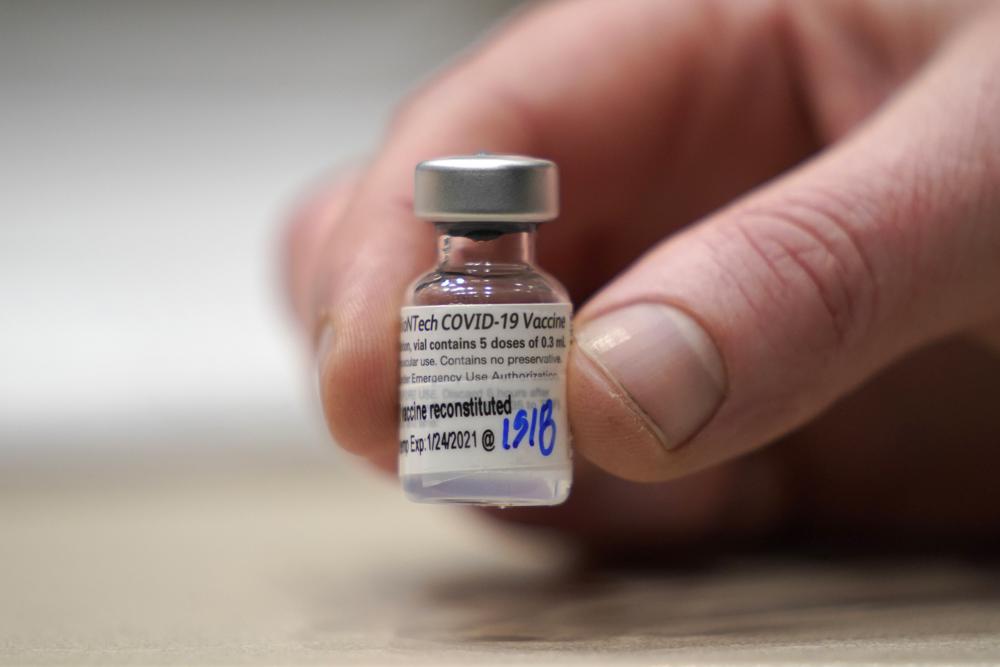
Two Alabama leaders, Mo Brooks and Barry Moore, and dozens of other members of Congress sent a joint letter to President Joe Biden last week regarding his decision to implement door-to-door checks on the American people to coerce them into receiving the COVID-19 vaccine: The letter states, “Your administration’s decision to go door-to-door to coerce individuals to receive a COVID-19 vaccine is deeply disturbing and violates the privacy of Americans. The private health information of millions of Americans should never be a matter of concern for the federal government. Americans must be free to make their own personal health choices.” The concern, coming mostly from Republicans, comes from a statement from President Biden on July 6, when he stated, “Now we need to go to community by community, neighborhood by neighborhood, and oftentimes, door to door – literally knocking on doors – to get help to the remaining people protected from the virus.” During the White House briefing, the president also called on providing vaccines to all healthcare providers, including pediatricians, and discussed providing mobile clinics that could be set up at events like sports events and festivals. Even though Alabama has one of the lowest rates of COVID-19 vaccinations in the country, there are no plans to start a door-to-door campaign. According to NBC15, Dr. Karen Landers commented that it was a strategy that was discussed but that the state is not adopting it. Dr. Landers stated, “No, we are not doing that in this point in time as far as going door to door.” “Persons just really not necessarily being receptive to persons coming on to their property or coming to their door with information,” she said. Jim Zeigler recently called on Governor Kay Ivey to ban what he called “door-to-door vaccine squads” in Alabama. Zeigler asked Ivey to “use the strongest steps to clearly direct federal agents and their recruits that their entry onto home properties in Alabama could legally be considered trespassing.” Arizona Rep. Andy Biggs said in a statement, “Door-to-door vaccine checks on Americans are a blatant abuse of government authority and a pure power play by the Biden administration. The federal government has no right to track the private health information of Americans or to intimidate people into getting the vaccine. Instead of meddling in private medical decisions, the Biden administration should focus on addressing the border crisis, the rampant rise in inflation, and the crime wave that is plaguing American cities – all crises it created. The door-to-door spying on Americans is one more example of the burgeoning surveillance state by the national government.” Biggs posted on Twitter, “I just sent a letter to Biden demanding answers on his door-to-door vaccine checks. The fed gov has no right to track the private health information of Americans or to intimidate people into getting the vaccine.” Other leaders that signed the letter include David Schweikert, Paul Gosar, Ralph Norman, Bob Good, Warren Davidson, Marjorie Taylor Greene, Thomas Tiffany, Jody Hice, Lauren Boebert, Alex Mooney, Chip Roy, Andy Harris, Scott DesJarlais, Andrew Clyde, Yvette Herrell, H. Morgan Griffith, Bill Posey, Randy Weber, Michael Cloud, Dan Bishop, Ben Cline, Mary Miller, Louie Gohmert, Debbie Lesko, Mike Garcia, and Matt Gaetz.
