
Proposed amendment to halt funding for more armed IRS agents rejected

On Monday, Rep. Jerry Carl introduced an amendment to the Build Back Better Act to prevent the Internal Revenue Service (IRS) from using new funds for hiring additional armed IRS agents. However, the proposed amendment was rejected. Democrats are proposing an additional $45 million to be allocated to the IRS for “enforcement.” According to Carl, the IRS has around 2,000 armed agents who have a track record of frequently mishandling and misusing their firearms. Carl stated, “While Democrats are working around the clock to beef up the IRS and hire tens of thousands of additional agents to snoop on the banking transactions of innocent Americans, I have been fighting to ensure none of this money can be used to hire even more armed IRS agents.” Carl argued that the agency has not properly trained these agents, and hiring more would be an abuse of power. “These agents have a horrible track record of misusing and mishandling their firearms, so the last thing we need is to hire more of them. Democrats have rejected my attempts to prevent any further expansion of the IRS’s army of armed agents, but I will continue fighting this horrible abuse of power because it does nothing more than endanger the lives and property of Americans,” he commented. The group Americans for Tax Reform reported on a study by the Treasury Inspector General for Tax Administration. the article stated that special agents at the IRS Criminal Investigation Division (IRS-CI) accidentally fired their weapons more often than they intentionally fired them. The report stated, “According to documentation provided by all 26 CI field offices, the NCITA, and the TIGTA OI, there were a total of eight firearm discharges classified as intentional use of force incidents and 11 discharges classified as accidental during FYs 2009 through 2011.”
Federal prosecutors announce environmental justice probe in Lowndes County
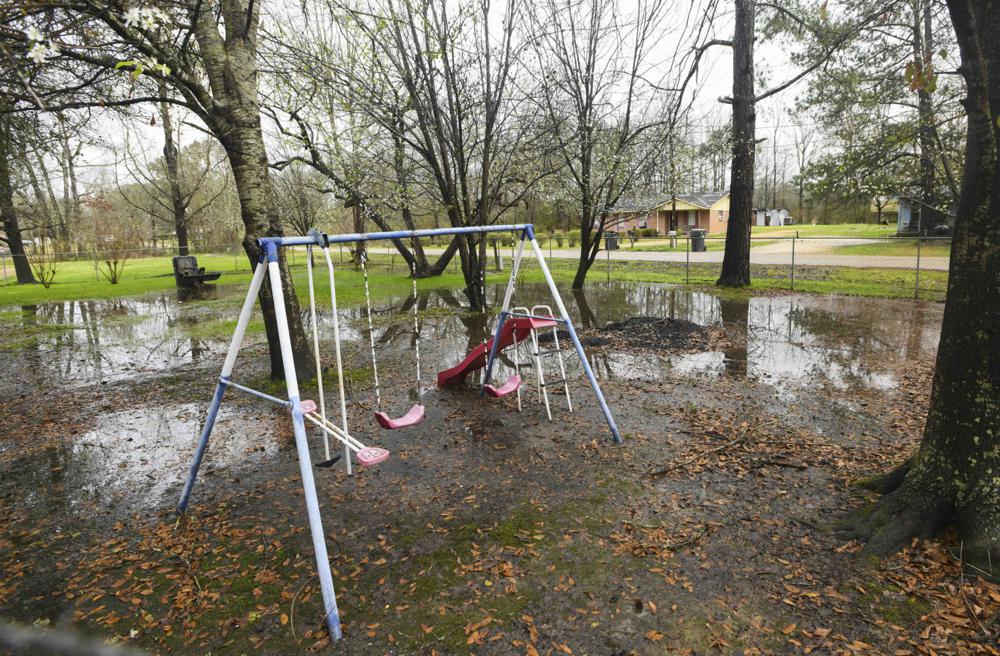
The U.S. Department of Justice said Tuesday that it has embarked on a historic environmental justice investigation into an impoverished Alabama county’s longstanding wastewater problems, which have left some residents with sewage in their yards. Federal prosecutors in the department’s civil rights division will examine whether state and local health departments have discriminated against Black residents of Lowndes County and have caused them to unjustifiably bear the risk of hookworm infections and other adverse health effects associated with inadequate wastewater treatment, officials said. “Sanitation is a basic human need, and no one in the United States should be exposed to risk of illness and other serious harm because of inadequate access to safe and effective sewage management,” Assistant Attorney General Kristen Clarke said. The Alabama Department of Public Health and the Lowndes County Health Department must operate their onsite wastewater disposal and infectious diseases and outbreaks programs in a safe and equitable manner, officials said. “State and local health officials are obligated, under federal civil rights laws, to protect the health and safety of all their residents,” Clarke said. Justice Department officials said officials in Alabama are cooperating, and they emphasized no conclusions have been reached regarding whether there’s evidence of racial bias in the state and county’s federally funded health departments. A spokesman for the Alabama Department of Public Health said they couldn’t comment on the pending probe. “ADPH is committed to cooperating with the investigating agencies to have this matter resolved as quickly as possible,” Ryan Easterling wrote in an email. This is the Justice Department’s first Title VI environmental justice investigation for one of the department’s funding recipients, and federal officials suggested there will be more to come since addressing discriminatory environmental and health impacts through enforcement of the nation’s civil rights laws is a top priority of the Civil Rights Division. Wastewater problems are well documented in Lowndes County, where at least 26% of the people live in poverty. Alabama’s Black Belt region gets its name for the dark rich soil that once gave rise to cotton plantations, but the type of soil also makes it difficult for traditional septic tanks, in which wastewater filters through the ground, to function properly. The region’s intense poverty and inadequate municipal infrastructure contribute to the problem. Maintaining septic tanks has typically been the responsibility of a homeowner, while local governments maintain sewage systems. Some homes in the rural county still have “straight pipe” systems, letting sewage run untreated from home to yard. Charlie Mae Holcombe of Hayneville described to The Associated Press in 2019 how the sanitation system in her small city will back up and overflow at times, sending raw sewage into her house and swamping the child’s swing set in her yard. “They have had to come and pump it out of my yard with the pump truck,” Holcombe said. “It’s backing up, even in my bathtub. The sewage has run over all in the house.” A study by Baylor University in 2018 estimated that about one-third of the county’s residents tested positive for low levels of hookworm, an intestinal parasite that typically spreads through human feces. It is most commonly found in non-industrial nations in the Southern Hemisphere. State health officials disputed the findings because of the small sample size and the methodology used. Republished with the permission of the Associated Press.
Perry County is the fastest shrinking county in Alabama
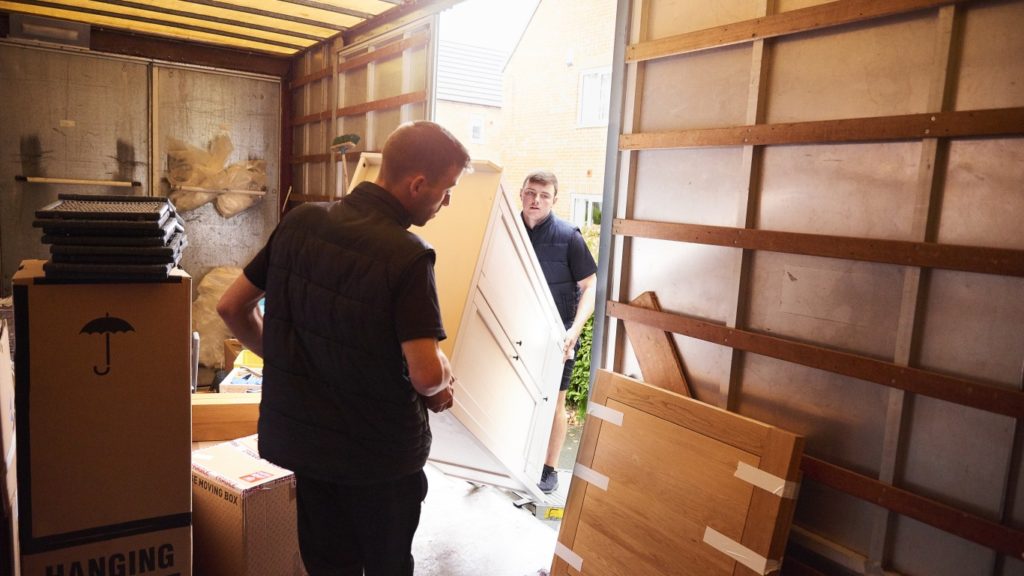
U.S. population growth slowed over the last decade to its lowest rate since the Great Depression. The U.S. population is aging rapidly. While baby boomers have started to hit retirement age, challenging economic circumstances have caused many younger Americans to postpone having a family — and this was before the pandemic made conditions even more difficult. While the overall U.S. population still increased in the past decade, some parts of the country reported population decline, mostly due to people moving away. As people move away to either retire or to take on a new job, natural population increase (births minus deaths) has not been enough to offset net migration losses. Nearly every state has at least one county where the population declined significantly from 2010 to 2020 — in some cases by well over 10%. Economic opportunity — or lack thereof — can be a major factor that causes people to relocate. Most of the fastest shrinking counties in every state have an unemployment rate and a poverty rate greater than or equal to that of the state itself. Other factors, like prevalence of violent crime, lack of recreational activities, and other less desirable qualities, can also be factors that cause residents to leave an area in droves. The fastest shrinking county in Alabama is Perry County. The county’s population declined by 17.9% from 2010 to 2020. The population of Alabama overall increased by 3.0% during that same time period, and the U.S. population increased by 6.7%. Perry County’s population declined by 1,890 people during the decade, from 10,577 in 2010 to 8,687 in 2020. This is due in part to negative net migration as 1,684 more people moved away from the county than moved to it during that decade. To determine the fastest shrinking county in every state, 24/7 Wall St. reviewed data on population from the U.S. Census Bureau’s Population and Housing Unit Estimates Program. Counties were ranked based on the total population change from 2010 to 2020. Only counties with at least 10,000 residents in 2010 were considered. Data on population change due to natural growth and net migration also came from the Census Bureau PEP program. Data on median household income and poverty rate came from the Census Bureau’s 2019 American Community Survey and are five-year estimates. Data on unemployment for May 2021 came from the Bureau of Labor Statistics and are not seasonally adjusted. Grant Suneson, 24/7 Wall St. via The Center Square
U.S. reopens to international travel, allows happy reunions
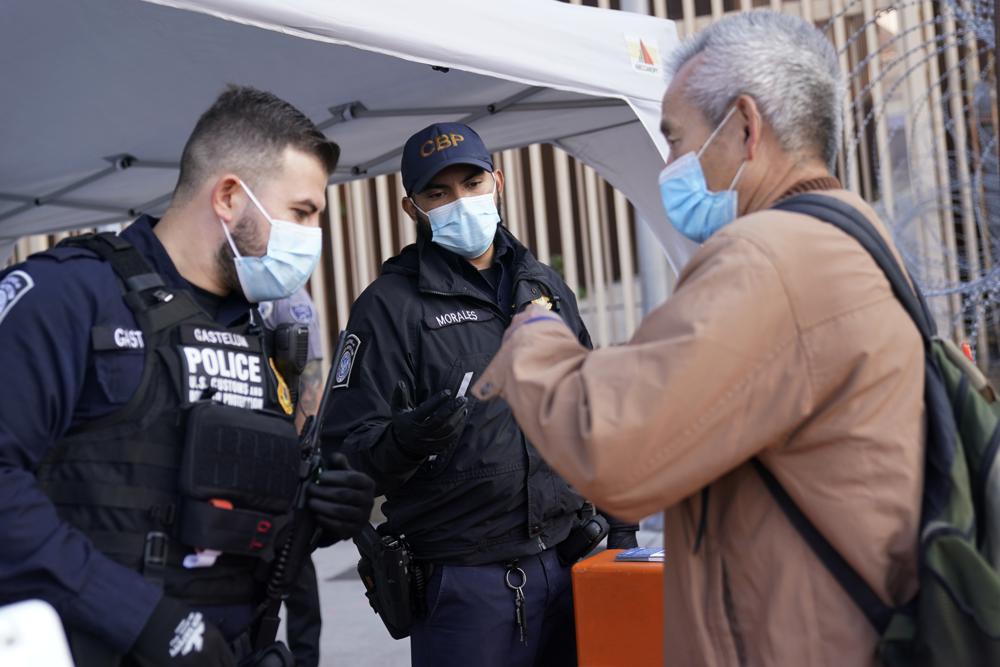
Parents held children born while they were stuck abroad. Long-separated couples kissed, and grandparents embraced grandchildren who had doubled in age. The U.S. fully reopened to many vaccinated international travelers Monday, allowing families and friends to reunite for the first time since the coronavirus emerged and offering a boost to the travel industry decimated by the pandemic. The restrictions closed the U.S. to millions of people for 20 months. Octavio Alvarez and his 14-year-old daughter zipped through a pedestrian crossing in San Diego in less than 15 minutes on their way to visit his mother-in-law in California. “It’s a big feeling,” said Alvarez, 43, who lives in Ensenada, Mexico, a two-hour drive from San Diego. Prior to the pandemic, his family would visit California twice a month. The emotional cost of the border restrictions were “very high,” he added. American citizens and permanent residents were always allowed to enter the U.S., but the travel bans grounded tourists, thwarted business travelers, and often keep families far apart. Travelers must have proof of vaccination and a negative COVID-19 test. “I think a lot of people have been waiting for this day,” said Eileen Bigelow, area port director for Vermont for Customs and Border Protection. “They look at it as a light at the end of the tunnel for some return of normalcy.” There were lots of prolonged hugs at airports from coast to coast. At Newark International Airport in New Jersey, Nirmit Shelat repeatedly embraced his girlfriend, Jolly Dave, after she arrived from India, ending their nine-month separation. She was on the first flight out of the country to the United States. “I can’t even explain in my words how happy I am,” Dave said. Gaye Camara, who lives in France, last saw her husband in New York in January 2020, not knowing it would be 21 months before they could hold each other again. “I’m going to jump into his arms, kiss him, touch him,” said Camara, 40, as she wheeled her luggage through Paris’ Charles de Gaulle airport, where the humming crowds resembled those before the pandemic, except for the face masks. On the U.S. borders with Mexico and Canada, where traveling back and forth was a way of life before the pandemic, the reopening brought relief. Malls, restaurants, and shops in U.S. border towns were devastated by the lack of visitors from Mexico. San Diego Mayor Todd Gloria, flanked by U.S. and Mexican officials at a celebratory news conference at the San Ysidro crossing, said the economic losses were hefty and the cutting of family ties “immeasurable.” Retail sales in San Ysidro fell about 75% from pre-COVID levels, forcing nearly 300 businesses to close. Edith Aguirre of Tijuana took off work to go shopping in San Diego. Bubbling with laughter, she accepted a gift bag from a duty-free store at the San Diego border crossing. She was a regular at SeaWorld in San Diego and last came to the U.S. to celebrate her 50th birthday at Disneyland in February 2020. “It was very draining,” she said of the interruption to her cross-border life. Sales dropped in half at David’s Western Wear shop in Nogales, Arizona, which manufactures boots popular among Mexicans. Owner David Moore hopes his specialty products lure back customers, but he said it won’t happen overnight. Many Mexicans are still trying to get expired visas renewed amid a backlog. Those who do come may be disappointed to find shelves empty because of supply chain problems. “I really don’t think Mexican shoppers are going to come across in hordes because they have now gotten used to buying a lot of products they need in Mexico,” he said. Along Canada’s boundary, cross-border hockey rivalries were upended by the travel restrictions. Churches that had members on both sides of the border were suddenly cut off from each other. But on Monday, border traffic quickly returned. At Vermont’s busiest international crossing with Canada, U.S. border agents said they began to notice the uptick in border crossing shortly after midnight. By mid-morning, traffic appeared steady. Travelers at the Peace Bridge in Buffalo, New York, one of the northern border’s busiest crossings, found a 2½-hour wait at 2 a.m., officials said, though within a few hours traffic was flowing more freely. The bridge typically handles about 2 million passenger vehicles from Fort Erie, Ontario, yearly, many of them bound for the region’s shopping malls, ski slopes, and sporting events. Volume dropped by more than 90% during the pandemic. River Robinson’s American partner wasn’t able to be in Canada for the birth of their baby boy 17 months ago. She was thrilled to hear about the U.S. reopening and planned to take the child to the U.S. for Thanksgiving. It’s “crazy to think he has a whole other side of the family he hasn’t even met yet,” said Robinson, who lives in St. Thomas, Ontario. Airlines are preparing for a surge in activity — especially from Europe — after the pandemic and resulting restrictions caused international travel to plunge. The 28 European countries that were barred made up 37% of overseas visitors in 2019, according to the U.S. Travel Association. As the reopening takes effect, carriers are increasing flights between the United Kingdom and the U.S. by 21% this month over last month, according to data from travel and analytics firm Cirium. In a sign of the huge importance of trans-Atlantic travel for airlines, British Airways and Virgin Atlantic celebrated the reopening by synchronizing the departures of their early morning flights to New York on parallel runways at London’s Heathrow Airport. Maria Giribet, 74, who lives on the Mediterranean isle of Majorca was headed to San Francisco where she planned to “suffocate” her twin grandchildren with hugs after missing half their lives. Gabriel and David are now 3½. The U.S. will accept travelers who have been fully vaccinated with any of the shots approved for emergency use by the World Health Organization, not just those in use in the U.S. That’s a relief for many in
Alabama unemployment claims see small spike

Initial unemployment claims were up in Alabama during the week ending Oct. 30, according to a report from the U.S Department of Labor. State officials received 3,552 new claims compared with 3,227 in the previous week, an increase of 225. The number of claims paid for the week ending Oct. 23 was down by 1,258 from the previous week, according to the report. The state paid 4,352 claims compared to 5,601 in the prior week. Alabama’s unemployment rate is the eighth-lowest in the country at 3.1%, according to statistics from the U.S. Bureau of Labor Statistics. The rate was the same in August, according to a news release from the Alabama Department of Labor. The unemployment rate in September 2020 was 6.7% In September, 74,000 more residents had jobs than in the previous year, and almost 79,000 fewer people were on the unemployment rolls, according to the state labor department. The figures show 68,544 Alabamans were without a job in September, compared with 69,014 in August. The number of Alabamans not working in September 2020 was 147,334, according to the Alabama DOL. Alabama is one of several U.S. states that ended federal pandemic unemployment programs earlier this year. On the business side, the state added 63,000 new jobs this year, according to the Alabama DOL. The state reached its highest job count of 2021, according to Alabama Labor Secretary Washington Fitzgerald. “Some of the hardest-hit industries, including the leisure and hospitality industry, continue to lead the state in over-the-year growth and registering significantly higher wages,” Fitzgerald said in a statement. The U.S. unemployment rate is also declining. Fourteen thousand fewer unemployment claims were filed for the week ending Oct. 30 when compared with the week prior, according to the DOL. The figure represents the lowest number since March 14, 2020, when 256,000 claims were filed. By Kim Jarrett | The Center Square
Voting rights pioneers honored at Alabama state archives
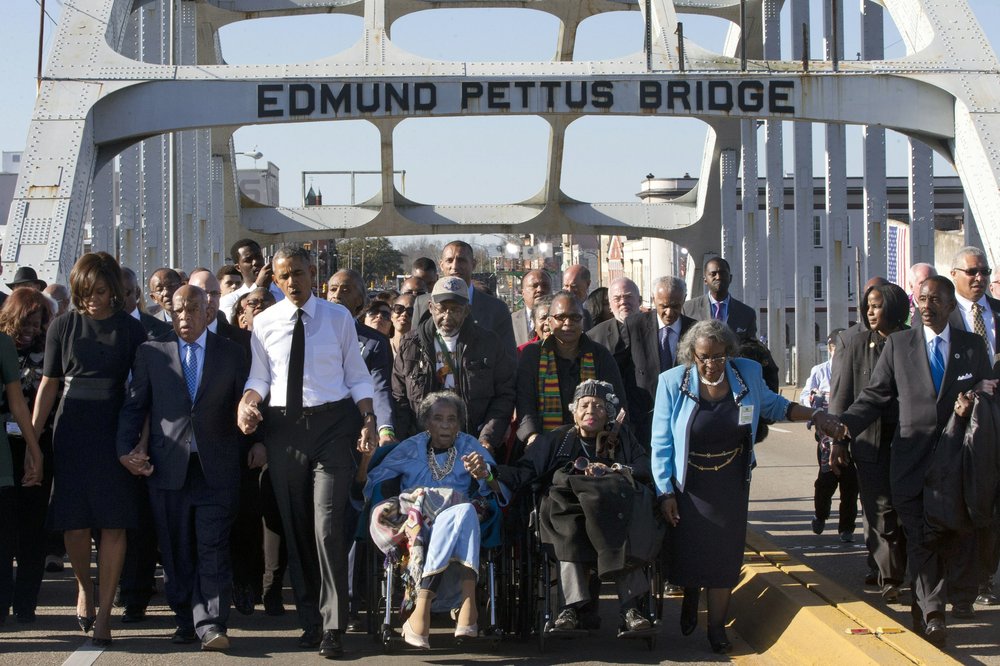
Two pioneers for voting rights have become the first women represented in the Statuary Hall of notable Alabamians at the Alabama Department of Archives and History. The bronze bust likenesses of Amelia Boynton Robinson, a civil rights pioneer, and Pattie Ruffner Jacobs, the state’s leading suffrage activist in the early twentieth century, were unveiled Monday. Alabama Gov. Kay Ivey said the two trailblazers worked to bring about “real and lasting change both in Alabama and in the nation. “The first two women added to the Statuary Hall are both known for lifelong efforts to extend the right to vote to all Alabamians,” Ivey said at the unveiling ceremony. The statues are located at one of the entrances to the state archives and are passed by visitors, researchers and hundreds of students on field trips each year. A longtime civil rights activist, Boynton Robinson is perhaps best known as a leader in the movement in Selma. She was among those beaten during the march across the Edmund Pettus Bridge in Selma in March 1965 that became known as “Bloody Sunday.” State troopers teargassed and clubbed marchers. A newspaper photo featuring an unconscious Boynton Robinson drew wide attention to the movement. When the Voting Rights Act was signed into law on Aug. 6, 1965, President Lyndon Johnson invited Robinson to attend the signing as a guest of honor. Boynton Robinson’s granddaughter said it was fulfilling to see her grandmother’s legacy honored. But Carver Boyington said she also hopes visitors remember her grandmothers’ urging to young people to “get off my shoulders” and carry on the work. “What she means by that is she wants us all to move forward in our own activism,” she said. Ruffner was the founder of the Alabama Equal Suffrage Association and a board member for Susan B. Anthony’s National American Woman Suffrage Association. “These additions to our statuary collection represent a step forward in the Archives’ commitment to deliver an inclusive presentation of Alabama’s history,” said Department of Archives and History Director Steve Murray in a press release. “Moreover, the women they honor serve as wonderful models of traits we hope to see embodied by our young people — persistence, courage, and a commitment to justice under the law.” The new works of art were sculpted by Alabama artist Clydetta Fulmer and cast at the Fairhope Foundry.
