
Steven Camarota: Illegal immigrants would get $10.5 billion from reconciliation bill

The budget reconciliation package pushed by Democrats creates a new expanded child tax credit (CTC) that would pay illegal immigrants some $10.5 billion next year. All immigrants with children are eligible, regardless of how they got here and whether their children are U.S.-born. This includes the roughly 600,000 unaccompanied minors and persons in family units stopped at the border in FY2021 and released into the country pending a hearing. Cash welfare to illegal immigrants is not just costly; it also encourages more illegal immigration. Although it is referred to as a “refundable credit,” the new CTC, like the old additional child tax credit (ACTC) it replaces, pays cash to low-income families who do not pay any federal income tax. The new program significantly increases the maximum cash payment from $1,400 per child to $3,600 for children under 6, and to $3,000 for children ages 6 to 17. After 2022, the maximum payment would be $2,000 per child, but advocates hope the much larger payments will be extended. In an analysis conducted in October, my colleague Karen Zeigler and I estimated that illegal immigrants with U.S.-born children would receive $8.2 billion from the new CTC. However, we had assumed that the new program, like the old ACTC, would require children claimed as dependents to have Social Security numbers (SSNs). But reconciliation (page 1452, line 14) would permanently repeal this requirement. Illegal immigrants are able to receive benefits on behalf of their U.S.-born children, who are American citizens. In the case of the old ACTC, they simply acquired an individual taxpayer identification number, which is not hard, and then claimed their payment. In practice, only illegal immigrants with U.S.-born children could receive payments under the old system, since as American citizens those U.S.-born children receive SSNs. The permanent elimination of the SSN requirement means that even illegal immigrants whose children are also illegally in the country can receive the new expanded credit. If the reconciliation bill is passed, we now estimate illegal immigrants whose children are also illegally in the country will receive $2.3 billion from the new CTC, for a total of $10.5 billion in cash payments to illegal immigrant parents. This includes illegal migrants here in 2020 and those stopped and then released into the country in 2021. These payments are not related to the huge cash settlements the administration is planning to pay illegal immigrant families separated at the border during the Trump administration. Receipt of payments under the new CTC would be all the easier because reconciliation also eliminates the work requirement of the old ACTC for next year. In the past, some illegal immigrants who worked off the books sometimes had trouble demonstrating employment income. Dropping the work requirement makes it even simpler for them to receive payments. These payments represent an enormous inducement to illegal immigration. We estimate that 78% of illegal immigrants with children have income low enough to receive cash payments averaging $5,300 per family, or about $2,600 per child next year. To place these numbers in perspective, the median income in the current top illegal immigrant-sending countries of Honduras, Guatemala, and El Salvador is $3,000 to $4,000 a year. The cash payment we are offering to virtually anyone who arrives with a child, whether they work in the United States or not, is roughly equal to – or in some cases exceeds – what migrants could earn in their home countries in one year. In addition to creating large costs for taxpayers and encouraging illegal immigration, the elimination of the SSN requirement would seem to be an invitation to fraud, as tax filers now simply need to provide a name and date of birth for a child. The only other requirement is that they check a box on their returns indicating they lived in the United States for half a year, though there is no enforcement mechanism for this provision. Partly in response to a 2011 report from the Inspector General for Tax Administration showing that illegal immigrants made extensive use of tax credits, Congress included provisions in both the 2015 PATH Act and the 2017 Tax Cuts and Jobs Act designed to restrict illegal immigrant receipt of such programs. This included the requirement that the qualifying child have an SSN. The budget reconciliation effectively undoes those changes. To be sure, most illegal immigrants who come to America do in fact work. But the welfare benefits we give to them certainly incentivizes even more illegal immigration. The list of things we have failed to do to enforce our immigration laws is so long that it can’t even be summarized here. But if we want to understand why a record 1.7 million people were apprehended at the border in FY 2021, we need to look no further than the large cash payments the House plans to give illegal immigrants. Steven Camarota is director of research at the Center for Immigration Studies in Washington, D.C.
Former Alabama dean Chuck Karr named interim president at UAH
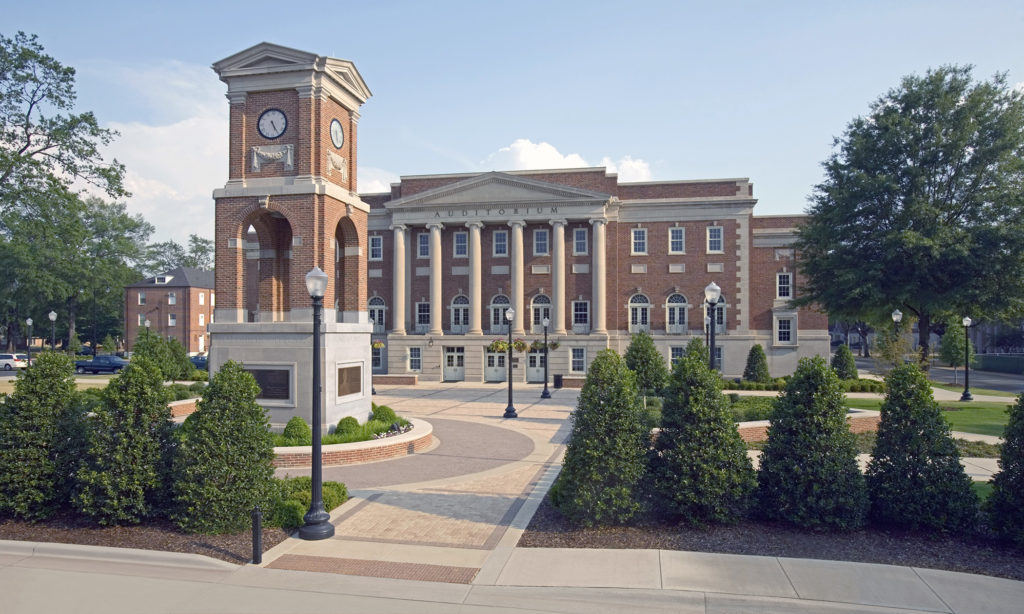
A former engineering dean at the University of Alabama is being recommended as interim president at the University of Alabama in Huntsville, the University of Alabama System said Wednesday. Chancellor Finis St. John’s appointment of Chuck Karr still must be approved by trustees, but St. John was a member of the board for 17 years and opposition to Karr was unlikely. Karr, who worked as engineering dean at the Tuscaloosa campus for 16 years, would replace Darren Dawson, who cited private family matters in stepping down after less than three years on the job at UAH, which has an emphasis on engineering and technology. “The board of trustees and the University of Alabama System have made the success of UAH a top priority, and I am confident that Dr. Karr is well-positioned to help UAH reach its full potential,” St. John said in a statement. Trustees will vote on Karr’s appointment during a meeting Thursday. The interim appointment would be for at least 18 months, the system said, and Dawson will remain on the payroll until the end of the year. Republished with the permission of the Associated Press.
Judge blocks tax cut rule in American Rescue Plan
A federal judge has blocked the U.S. Treasury from enforcing a provision of the American Rescue Plan Act that prohibited states from using the pandemic relief funds to offset new tax cuts. U.S. District Judge L. Scott Coogler ruled Monday in Alabama that Congress exceeded its power in putting the so-called tax mandate on states. He entered a final judgment in favor of 13 states that had filed a lawsuit and instructed the Treasury Department not to enforce the provision. The judge left the rest of the law in place. The American Rescue Plan steered $195 billion in flexible relief funds to states but specified that states could not use it as a means to cut taxes by using the federal relief dollars to offset the revenue reduction. The judge described the tax-cut restrictions as “a federal invasion of State sovereignty” that was “unconstitutionally ambiguous” — leaving states guessing as to whether their tax cuts would trigger a repayment of federal funds. “The Tax Mandate’s restriction on direct or indirect state tax cuts pressures States into adopting a particular — and federally preferred — tax policy,” Coogler wrote. That “may disincentive” states “from considering any tax reductions for fear of forfeiting ARPA funds,” The lawsuit was filed by Alabama, Arkansas, Alaska, Florida, Iowa, Kansas, Montana, New Hampshire, Oklahoma, South Carolina, South Dakota, Utah, and West Virginia. Alabama Attorney General Steve Marshall called those tax-cut restrictions “an unprecedented and unconstitutional assault on state sovereignty by the federal government.” Officials from other states on Tuesday also praised the ruling. West Virginia Attorney General Patrick Morrisey said the decision “ensures our citizens aren’t stuck with an unforeseen bill from the feds years from now.” Kansas Attorney General Derek Schmidt said it “clears the way” for the state to pursue a sales tax cut on groceries “without fear of federal reprisal.” Justice Department lawyers representing the Treasury Department argued the money should be used for its intended purpose — pandemic recovery. “Congress did not provide Rescue Plan funds for States to replace purposeful decreases in net tax revenue; it provided the money to help States economically recover from the pandemic in ways they otherwise could not,” federal lawyers wrote in an August court filing. Federal government lawyers added, “states are free to cut all the taxes they want, as long as they do not use the federal aid to ‘offset’ any decreased revenue.” Republished with the permission of the Associated Press.
State: Ex-speaker Mike Hubbard’s words show apology was insincere

Convicted former Alabama House Speaker Mike Hubbard told people he was innocent and “held my nose” as he signed a letter apologizing for his crimes, according to state prosecutors who used Hubbard’s own phone calls and emails from prison to cast doubt on his claims of remorse as he seeks early release. The attorney general’s office combed through emails and 600 of Hubbard’s phone calls from prison and cited some of the conversations as they oppose his request for early release from prison. State attorneys said the communications show he was “not truthful” when he signed a letter apologizing for his 2016 conviction for violating state ethics law, including using his public office for personal financial gain. Hubbard submitted the letter in September along with a request for early release from prison. In the letter, Hubbard said, “I recognize and admit my errors.” Hubbard wrote that his conviction embarrassed the state and his family and “for this, I am severely sorry and respectfully ask forgiveness from everyone affected. According to the Monday court filing, Hubbard told a friend before submitting the apology letter that, “I promise you I did nothing wrong.” On the day he signed the apology letter to the court, Hubbard told his wife that part of the letter he liked was removed, but he was “looking at the ultimate goal” and “held (his) nose and signed it.” Prosecutors said Hubbard also talked to friends about efforts to add language to a community corrections legislation that could benefit his release. According to state lawyers, Hubbard told an attorney that someone should contact a state senator to urge a filibuster. The court filing did not include many specifics but said that Hubbard did not get his wish. “Hubbard has already been removed from office for breaching his duty to the public. Now he has been caught breaching his duty to this Court. He deserves condemnation, not mercy,” state attorneys wrote. The former House speaker also referred to the lead prosecutor in his case as corrupt, suggested politics was behind his prosecution, and was baffled that the Alabama Supreme Court did not completely overturn his conviction. “I hope the folks there know I didn’t do anything wrong, and this was just a political hit job,” Hubbard told one friend according to the court filing. He told another that, “according to the way they’ve interpreted the law, they could indict and convict anybody in the Legislature who has a job.” Phone calls made by prisoners have a message at the beginning informing recipients that the call may be monitored. State lawyers said Hubbard must have been aware of this because he used a variety of code names such as calling his wife the quarterback and state officials either Martians or the Taliban. Hubbard has served about one year of a 28-month sentence. He is imprisoned at Limestone Correctional Facility. Prosecutors accused Hubbard of leveraging his powerful public office to obtain clients and investments for his businesses, violating the prohibition against giving a “thing of value” to an elected official. His defense maintained the contracts were legitimate work and unrelated to his position as House speaker. In upholding the conviction this spring, justices noted that when contacting a company for one client, Hubbard “identified himself as a state legislator and as Speaker of the House of Representatives.” They also noted how one company executive wrote in an email that Hubbard could get the company, “in front of any speaker in the country regardless of party.” The Republican was one of the state’s most powerful politicians until the ethics conviction in a corruption case ended his political career. Hubbard, the architect of the GOP’s takeover of the Alabama Legislature in 2010, was a legislator from Auburn and former chairman of the Alabama Republican Party. He was elected House speaker soon after Republicans won control. Republished with the permission of the Associated Press.
Steve Flowers: Governor John Patterson’s first lesson
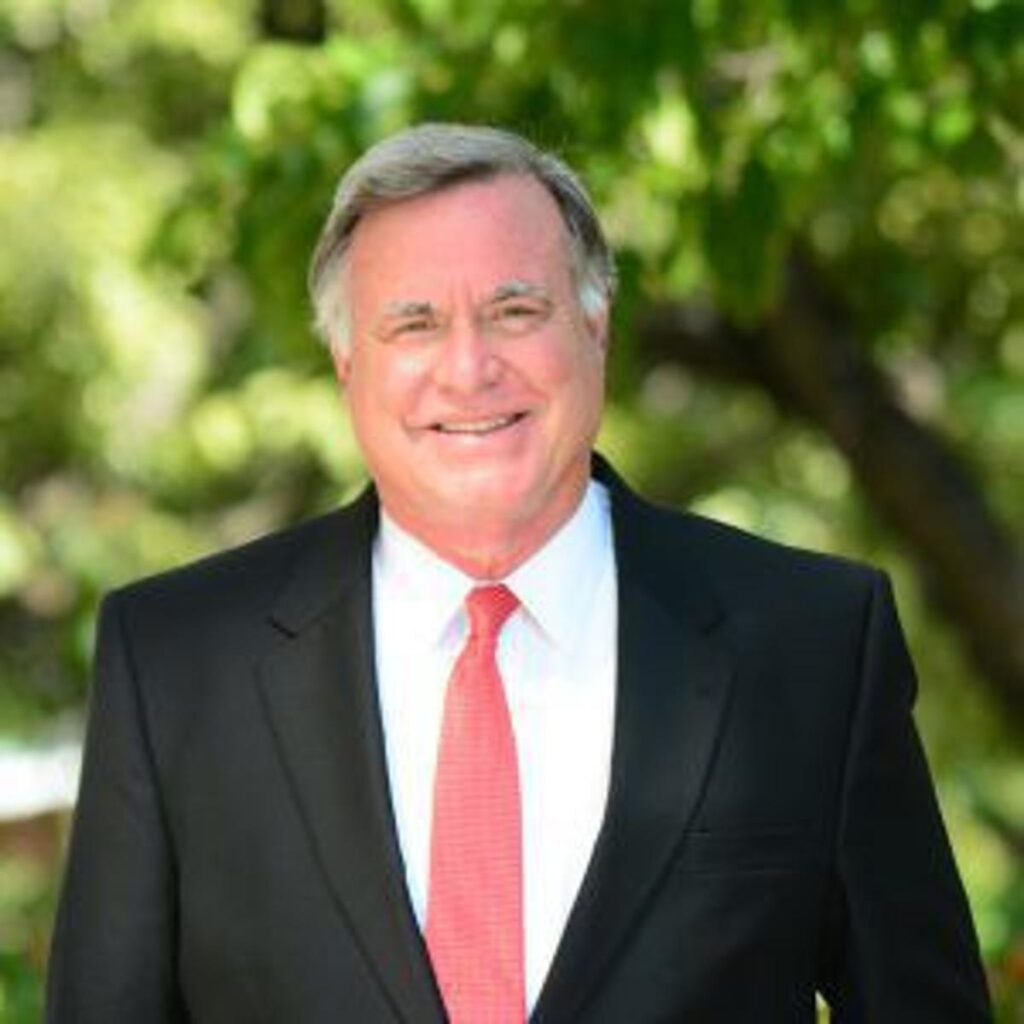
Governor John Patterson, who passed away earlier this year at 99, shared a funny story that occurred during the opening days of his administration. He entered the Governor’s office in January 1959 as the clean government, strict law enforcement governor. He followed Big Jim Folsom’s second administration, which had been less than perfect when it came to favoritism, nepotism, and corruption. Patterson was determined to run a clean ship. On his first day as governor, he called his cabinet in for a pep talk and told them to run their departments aboveboard and free of any semblance of favoritism. He dismissed them and told them to get to work running the state. He turned to his new public safety director, Floyd Mann, and asked him to stay behind. Floyd Mann was a well-respected man in Alabama politics. He had been chief of police in Opelika prior to Patterson appointing him head of the highway patrol. Mann and Patterson were lifelong friends. They had grown up and gone to school together in Tallapoosa County. Patterson looked at his friend and said, “Floyd, under no circumstances are we going to fix any tickets during my administration. Do you understand?” Mann went on his way to his first day as public safety director and supervisor of the highway patrol. That was about 11:00 a.m. About 2:30 in the afternoon, the new governor got a message that he had had a call from senior U.S. Senator Lister Hill. Within 30 minutes, he had a message that Senator John Sparkman had called as well as Congressmen George Andrews and Frank Boykin. He assumed that all our distinguished congressional delegates were calling to wish him well on his first day as governor. When he called these four very powerful Washington solons back, he learned that an equally powerful congressman from Missouri had been detained and indeed arrested in south Alabama. The congressman had been vacationing in Florida with his family and driving back to Missouri when he was caught speeding in Conecuh County. At that time, an out-of-state driver could not sign his own bond in Alabama, so the good congressman had been detained for more than three hours with his family waiting to locate a justice of the peace. The congressman was upset, to say the least. Hill and Sparkman were somewhat tactful with the new governor. They simply suggested that the speeder was a powerful and important member of Congress and that it would be helpful to them if Patterson could help their colleague get back on his way home to Missouri. Frank Boykin was more direct. He informed Patterson that this congressman chaired the committee that oversaw all the appropriations for waterways. He further explained that he and Senators Hill and Sparkman had been working diligently for years to get funding for the Tennessee-Tombigbee Waterway and the project was pending in this congressman’s committee at this time. Governor Patterson called Colonel Mann and said, “Floyd can you come over here a minute?” When Mann arrived in the governor’s office, Patterson told his buddy, “You know, Floyd, when I told you this morning not to fix any tickets? Well, we’ve had a change in policy.” The no-ticket-fixing policy of the Patterson Administration lasted four hours. Mann dispatched a trooper to not only release the congressman but to give him a trooper escort out of the state. Governor Patterson learned a lesson from that experience – never say never. He also should be given some credit for obtaining funding for the Tennessee-Tombigbee Waterway. A similar story was told to me by former congressman, Governor Kay Ivey’s Chief of Staff and recently crowned Chancellor of the University of South Alabama, Jo Bonner. He was a new congressman from Mobile-Baldwin. The district has had some illustrious congressmen, including Frank Boykin, Jack Edwards, Sonny Callahan, and Jo Bonner. Edwards, Callahan, and Bonner were all good friends, and they were headed to the famous annual Frank Boykin gathering in Washington County. It fell to the new congressman, Bonner, to drive. As they were heading back to Mobile, Bonner noticed a blue light in the rearview mirror. Callahan had already told Bonner he was driving too fast. A deputy sheriff pulled them over and looked in the window, and before he asked for Bonner’s driver’s license, he saw Sonny in the backseat and asked, “Sir, aren’t you Congressman Callahan?” Then looked next to Callahan and asked, “Aren’t you Congressman Edwards?” Callahan and Edwards assured the deputy that he was correct. Then they proceeded to tell the deputy that the driver and third member of this trio was a congressman and a new one and that the deputy should give him a ticket. See you next week. Steve Flowers is Alabama’s leading political columnist. His weekly column appears in over 60 Alabama newspapers. He served 16 years in the state legislature. Steve may be reached at www.steveflowers.us.
