
Kay Ivey offers encouragement to Distinguished Young Women of Alabama participants
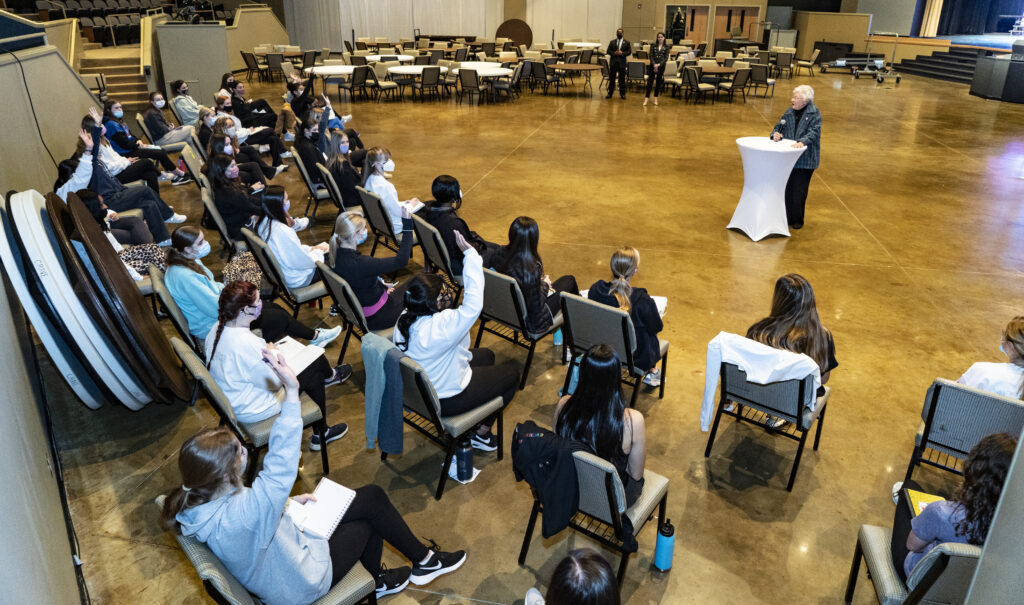
Gov. Kay Ivey made a visit to the Distinguished Young Women of Alabama rehearsals, a program that high school senior girls have to chance to earn college scholarship money. One young woman will go on to represent the state at the national level as the Distinguished Young Woman of Alabama. The participants, representing 45 counties across the state, arrived in Montgomery Sunday afternoon. The 65th annual program will be held at Frazer United Methodist Church this weekend. Distinguished Young Women of Alabama is part of a national scholarship program that promotes and rewards scholarship, leadership, and talent in young women. The girls compete in several categories on and off stage for a chance to represent Alabama in the national program. Ivey, a former participant of the program, offered her congratulations to the girls and encouraged them to continue being leaders in all they do. She offered words of wisdom as they prepared for their weekend of competition. “It is important that we lay the groundwork now in Alabama for what’s to come, and that most certainly means putting a renewed emphasis on our young people. I am always encouraged for our future when I spend time with groups like Distinguished Young Women. These young ladies, no doubt, are some of our leaders for tomorrow,” Ivey said. “We are pleased to welcome these amazing young women to Montgomery as they compete for scholarships and an opportunity to represent the state at the national level,” said state Chairman Michael Jones. “And equally as important, we are excited to see these participants expand their horizons by establishing new friendships that will last a lifetime. This group represents the best of what Alabama’s future looks like and it is a bright future ahead.”
Personnel update: Laura Stagno to serve as Jerry Carl’s legislative director

Today, Congressman Jerry Carl announced he has made a key staff change for his Washington, D.C. office. Birmingham native Laura Stagno will serve as Congressman Carl’s new Legislative Director. Laura previously served as Carl’s Legislative Assistant. Jordan Howard, Congressman Carl’s outgoing Legislative Director, has taken a policy position with Bill Poole, Alabama Director of Finance and Senior Advisor to Governor Kay Ivey. “Jordan has led my legislative team for the past year fighting for the people of Alabama’s First Congressional District. I’m excited for him as he begins a new chapter in his professional career and continues to serve the people of Alabama. Laura has also been a key member of my team for the past year, and I’m confident she will build on the momentum we have as we head into 2022 and continue serving south Alabama,” Carl stated.
Paul DeMarco: Alabama Supreme Court approval of changes to bond law good news for public safety
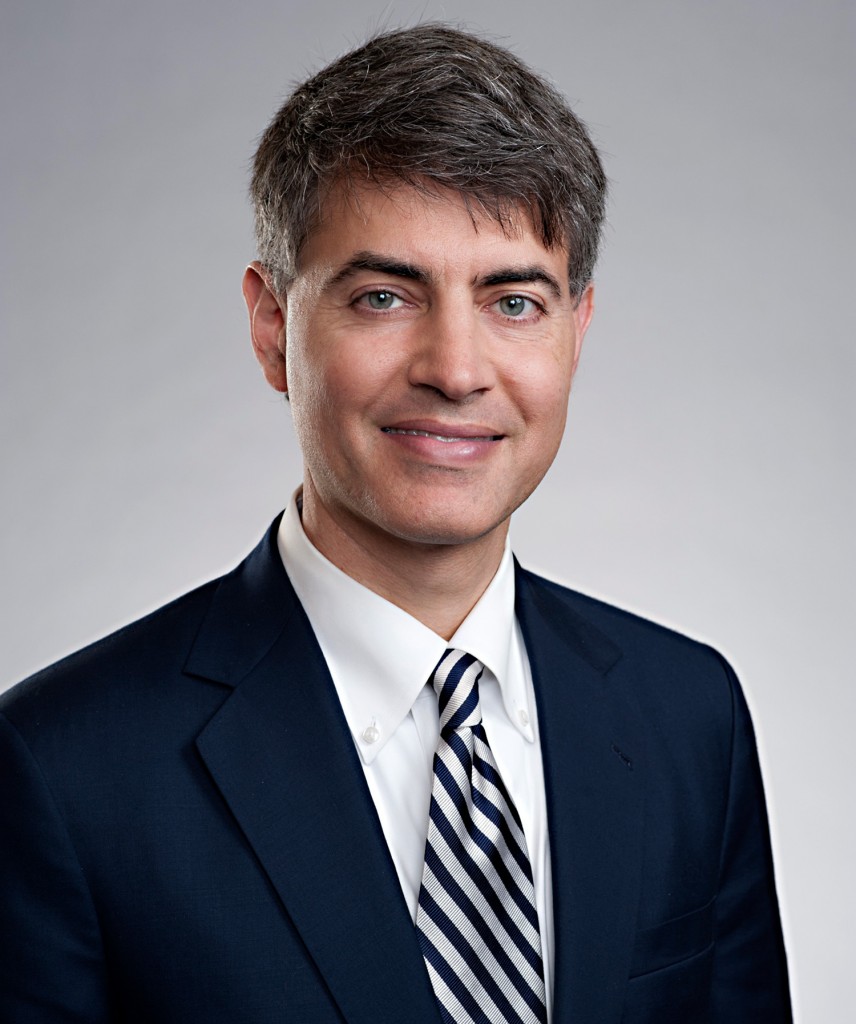
Another week and more high-profile crime in the state of Alabama. A murder suspect in Mobile has now been arrested after being accused of shooting and killing his girlfriend. What makes this another sad broken record in Alabama is the murder suspect was out on bond for a separate murder charge when the new crime occurred. There have been so many of these tragic incidents it is hard to keep count. How many more innocent victims have to be killed by individuals charged with violent crimes and awaiting trial for their charges? Across the Nation, the public has been put in danger because of violent criminals let back out on the streets. Hopefully, a recent change by the Alabama Supreme Court will save lives if fully implemented by trial judges. The Court has now raised the maximum suggested bail in murder cases to $1.5 million, which is ten times the current amount of $150,000. The maximum bail in a capital murder charge remains no bond. This has been a long time coming, and if already in place, would have kept behind bars repeat felons who should never have been released. There are still a lot of changes that need to be made to our criminal justice system to keep the public safe. The Alabama Legislature still has an important role in aggressively giving prosecutors and law enforcement the tools they need to successfully pursue those that would break the law. The Alabama Supreme Court has done their part. If Alabama trial courts follow these new changes to bail laws, it will save lives by keeping those behind bars who are charged with killing an innocent victim before they do it again. Paul DeMarco is a former member of the Alabama House of Representatives.
GOP calls on Alabama Democratic Party to disavow Chamath Palihapitiya and return donation
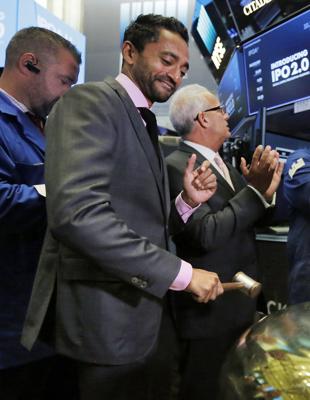
The Republican National Committee has challenged the Alabama Democratic Party (ALDP) to disavow recent comments from billionaire democrat donor Chamath Palihapitiya’s recent comments regarding the Uyghur genocide in China. Social media backlash was swift after Palihapitiya made a comment on his All-In Podcast where he said he would be lying if he said he cared about the Uyghurs, an ethnic Muslim minority in China’s northwest region of Xinjiang. The billionaire venture capitalist stated, “Every time I say that I care about the Uyghurs, I’m really just lying if I don’t really care. And so, I’d rather not lie to you and tell you the truth, it’s not a priority for me.” When pressed about it, he stated, “I’m telling you a very hard truth, okay? Of all the things that I care about. Yes, it is below my line. Okay, of all the things that I care about it is below my line.” Evidence of genocide and other human rights abuses in the region recently prompted warnings from the Biden Administration that businesses with supply chain and investment ties to the area could face legal consequences, reported CNBC. The State Democrat Executive Committee of Alabama took $5,354.54 from Palihapitiya. Some Democrats have already vowed to return the money, while Alabama Democrats have remained silent. Palihapitiya tried to do damage control, stating that his comments “lacked empathy.” He stated on Twitter, “As a refugee, my family fled a country with its own set of human rights issues so this is something that is very much a part of my lived experience,” said Palihapitiya, who was born in Sri Lanka. “To be clear, my belief is that human rights matter, whether in China, the United States, or elsewhere. Full stop.”
Republicans push for greater access to COVID therapeutics
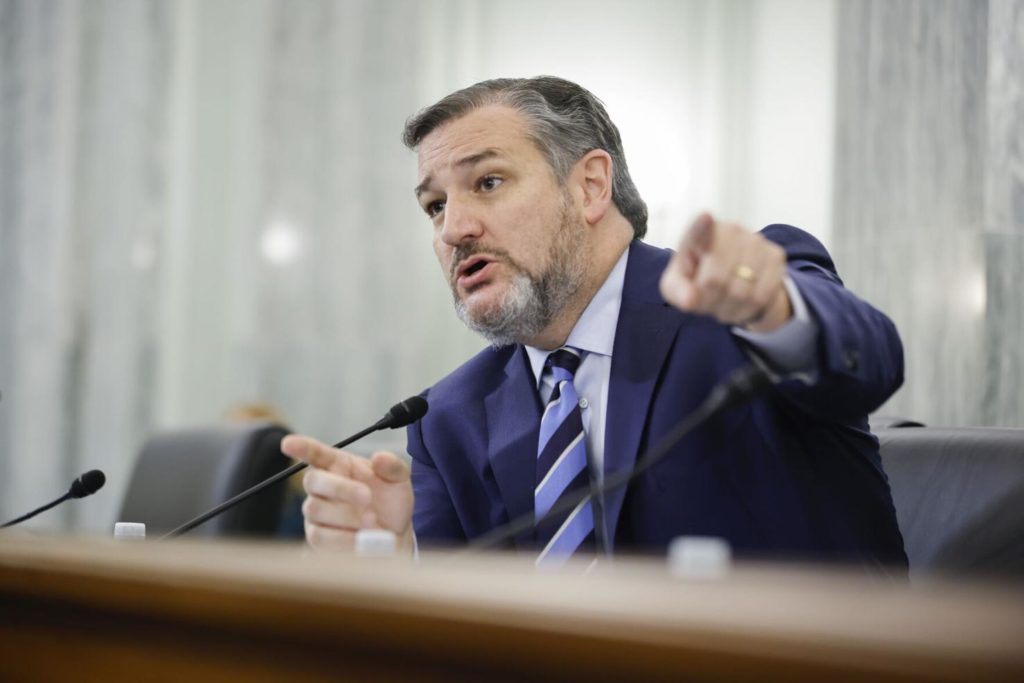
Republicans are pushing for greater access to monoclonal antibody treatments for COVID-19 after the federal government took over the distribution of such drugs last year. U.S. Sen. Ted Cruz, R-Texas, filed Senate Bill 3440 to prohibit the federal government from limiting state access to monoclonal antibody treatments. “One of the things we’ve learned during this pandemic is that monoclonal antibodies can have a very effective therapeutic effect in combatting COVID-19 infections,” Cruz said in a statement. “The Biden administration responded to these encouraging results by rationing and limiting the ability of people to access monoclonal antibodies and stopping states like my home state of Texas from ordering the treatments directly. This federal takeover is an abuse of power that denies people lifesaving medication.” The U.S. Department of Health and Human Services’ Office of the Assistant Secretary for Preparedness and Response announced an update to the distribution of such therapeutic treatments on Sept. 3, 2021, as demand increased. Ten days later, the Assistant Secretary for Preparedness and Response said the agency was taking control of the supply of some monoclonal antibody treatments, and it would provide weekly distributions for U.S. states and territories. Before that, state and health care facilities were able to order directly from AmerisourceBergen, the distributor, without limits. Florida Gov. Ron DeSantis, a Republican, also has been critical of the federal government’s policies regarding monoclonal antibodies after the state made such treatments a priority. “Prior to the federal government takeover of the monoclonal market, Florida successfully distributed approximately 30,000 doses per week when we managed our own supply,” DeSantis said in a statement. “The state has more than $800 million available to quickly deploy monoclonal antibody treatments throughout the state, and the only thing holding us back is the insufficient supply of treatment from the federal government.” Cruz’s bill would also allow states to use federal COVID-19 relief funds to buy monoclonal antibody treatments. A similar bill, introduced last summer, has gained 23 co-sponsors in the U.S. House. In September 2021, Florida’s U.S. Sens. Marco Rubio and Rick Scott said the Biden administration’s actions were “vindictive, politically motivated.” They also said the Department of Health and Human Services had no business rationing supply of monoclonal antibody treatments to places where demand is high. Rubio and Scott joined fellow Republican Sens. Roger Marshall, Kansas; Kevin Cramer, North Dakota; Marsha Blackburn, Tennessee; Mike Braun, Indiana; and Tommy Tuberville, Alabama; in introducing the Treatment Restoration for Emergency Antibody Therapeutics (TREAT) Act. The proposed Treat Act would prohibit the DHHS from restricting hospitals and other healthcare providers from ordering monoclonal antibody treatments directly from manufacturers to meet local demand. The U.S. Department of Health and Human Services didn’t immediately respond to a request for comment on Wednesday. Republished with the permission of The Center Square.
Supreme Court allows January 6 committee to get Donald Trump documents
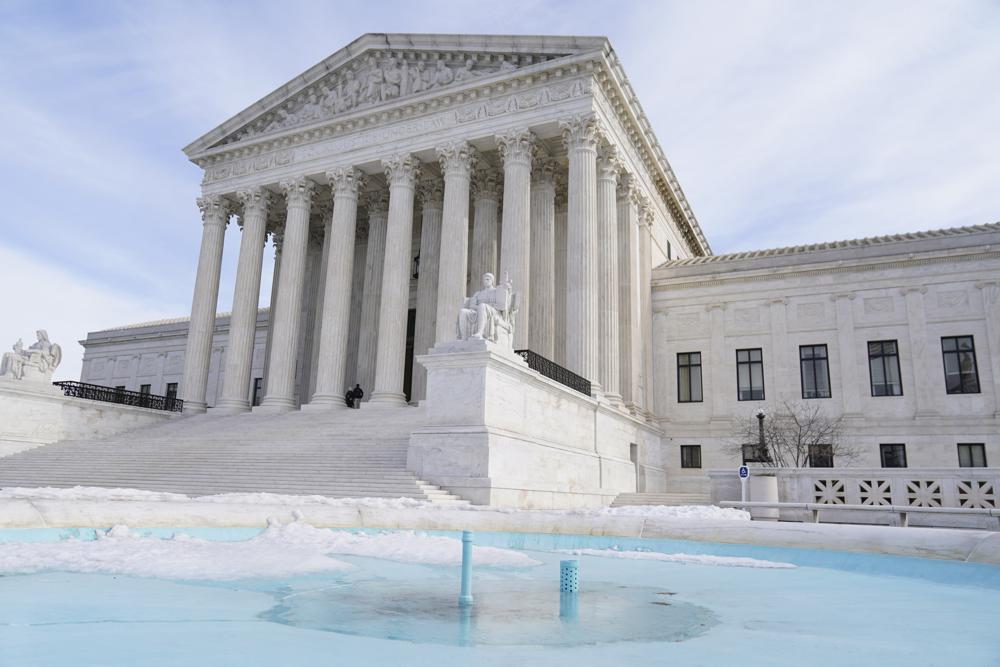
In a rebuff to former President Donald Trump, the Supreme Court is allowing the release of presidential documents sought by the congressional committee investigating the January 6 insurrection. The justices on Wednesday rejected a bid by Trump to withhold the documents from the committee until the issue is finally resolved by the courts. Trump’s lawyers had hoped to prolong the court fight and keep the documents on hold. Following the high court’s action, there is no legal impediment to turning over the documents, which are held by the National Archives and Records Administration. They include presidential diaries, visitor logs, speech drafts, and handwritten notes dealing with Jan. 6 from the files of former chief of staff Mark Meadows. The House committee agreed to defer its attempt to get some documents at the request of the Biden White House. The current administration was concerned that releasing all of the Trump administration documents sought by the committee could compromise national security and executive privilege. Alone among the justices, Clarence Thomas said he would have granted Trump’s request to keep the documents on hold. Trump’s attorneys had asked the high court to reverse rulings by the federal appeals court in Washington and block the release of the records even after President Joe Biden waived executive privilege over them. In an unsigned opinion, the court acknowledged there are “serious and substantial concerns” over whether a former president can win a court order to prevent disclosure of certain records from his time in office in a situation like this one. But the court noted that the appeals court determined that Trump’s assertion of privilege over the documents would fail under any circumstances, “even if he were the incumbent.” It said the issue of a former president’s ability to claim executive privilege would have to wait for another day. The court took issue with the conclusion of the appeals court that downplayed a former president’s interests, suggesting that the current president could, in essence, ignore his predecessor’s claims. Justice Brett Kavanaugh, who worked in the White House under President George W. Bush, wrote separately to argue that “a former President must be able to successfully invoke the Presidential communications privilege for communications that occurred during his Presidency, even if the current President does not support the privilege claim.” But Kavanaugh, a Trump appointee, did not object to the outcome Wednesday. Before and after the riot, Trump promoted false theories about election fraud and suggested the “real insurrection” was on Election Day, when he lost to Biden. Repeating arguments they made before lower courts, Trump’s attorneys had urged the justices to step in, arguing that the case concerned all future occupants of the White House. Former presidents had “a clear right to protect their confidential records from premature dissemination,” Trump’s lawyers said. “Congress cannot engage in meandering fishing expeditions in the hopes of embarrassing President Trump or exposing the President’s and his staff’s sensitive and privileged communications ‘for the sake of exposure,’” they added. But the House committee responded in its high court brief that although the facts of the case are “unprecedented,” the decision was “not a difficult one.” There was no explanation for the timing of the court’s action. But the National Archives told the appeals court and Trump’s lawyers that it would turn over some documents it asserted were not part of the court case on Wednesday absent a new court order. Also on Wednesday, the House committee investigating the Capitol insurrection issued subpoenas to leaders of an alt-right group who appeared at events promoting baseless claims of voter fraud after the 2020 election. The committee demanded records and testimony from Nick Fuentes and Patrick Casey — internet personalities who have promoted white supremacist beliefs — regarding what lawmakers say is their promotion of unsupported claims about the election and their presence on Capitol grounds on January 6, 2021. Since its creation last summer, the committee has interviewed almost 350 people as it seeks to create a comprehensive record of the attack and the events leading up to it. Republished with the permission of the Associated Press.
Florida Health official Raul Pino suspended in probe over vaccine law

A health official who has helped lead central Florida’s response to the pandemic has been put on administrative leave as state officials investigate whether he tried to compel employees to get vaccinated for COVID-19 in violation of state law. The state health agency is conducting an inquiry into Raul Pino, director of the Florida Department of Health in Orange County, “to determine if any laws were broken in this case,” Florida Department of Health press secretary Jeremy Redfern said in an email. A measure Gov. Ron DeSantis signed into law last fall prohibits government agencies from implementing vaccine mandates and restricts private businesses from having vaccine requirements unless they allow workers to opt-out for medical reasons, religious beliefs, immunity based on a previous infection, regular testing, or an agreement to wear protective gear. “The Department is committed to upholding all laws, including the ban on vaccine mandates for government employees, and will take appropriate action once additional information is known,” Redfern said in the email. He didn’t offer further details. Orlando’s WFTV reports that Pino was put on leave after he sent an email to staff earlier this month, critical of their vaccination rate. Pino wrote that out of 568 staffers, only 77 had received booster shots, 219 had gotten two vaccines doses, and 34 only had a single dose, according to the television station. “I am sorry, but in the absence of reasonable and real reasons, it is irresponsible not to be vaccinated,” Pino wrote. “We have been at this for two years, we were the first to give vaccines to the masses, we have done more than 300,000, and we are not even at 50% pathetic.” Pino has led the health agency in Orange County since 2019 and has served as a leading figure in the public response to the pandemic in metro Orlando. Republished with the permission of the Associated Press.
