
16 Republican AGs seek federal pressure on China, Mexico over fentanyl crisis
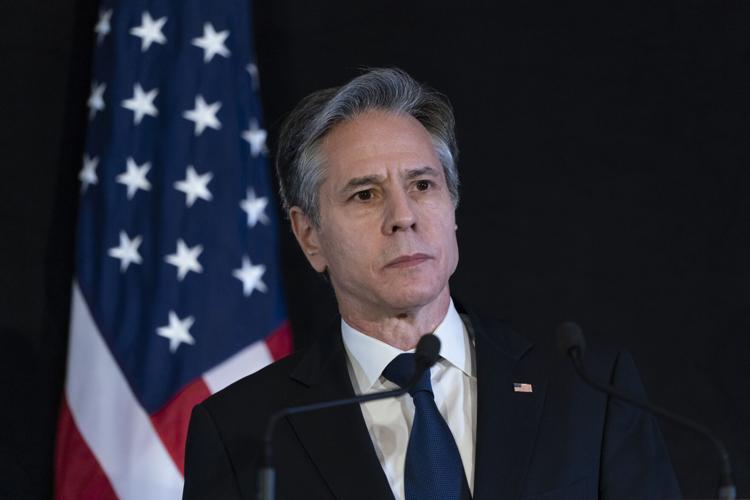
Sixteen Republican state attorneys general are calling on Secretary of State Antony J. Blinken to take action against China and Mexico for their role in creating a fentanyl crisis in the U.S. “China’s complete unwillingness to police the production and distribution of fentanyl precursors and Mexico’s subsequent failure to control illegal manufacturing of fentanyl using those precursors,” the attorneys general argue, poses a daily threat to Americans. West Virginia and Arizona are leading the effort. Joining them are the attorneys general of Alabama, Alaska, Arkansas, Florida, Georgia, Indiana, Kansas, Kentucky, Mississippi, Missouri, Montana, South Carolina, South Dakota, and Texas. They say they’ve witnessed an “extraordinary tide of senseless death from fentanyl” in their states. They’ve also acknowledged separately that the national opioid crisis can be attributed to drug addiction stemming from doctors prescribing opioids and the pharmaceutical companies that manufacture and advertise them, according to settlements AGs have reached with opioid manufacturers and distributors in multiple states. But they also attribute the production of illicit opioids plaguing the U.S. to Chinese and Mexican criminals whose governments are reportedly aiding them. “The situation today is worse than ever before,” the AGs write, pointing to CDC overdose data. “Nearly all the recent national increases in drug overdose deaths are due to fentanyl and other synthetic opioids, with deaths from other drugs remaining flat or increasing only slightly. As more Chinese precursors feed a Mexican drug-manufacturing apparatus in which adulteration is more common, overdose can only be expected to rise further.” In 2020, three out of every four drug deaths in West Virginia were attributed to fentanyl, a number nearly double that from 2019. Overdose deaths in Arizona increased 33% from February 2020 to April 2021, with synthetic opioids like fentanyl accounting for nearly two-thirds. Fentanyl-related deaths in Montana increased by 116% from 2019 to 2020. In Florida, fentanyl was the leading cause of drug deaths in 2020. Alaska saw a 287% increase in the number of fentanyl overdose deaths from 2019 to 2020. These are only some of the drug death statistics among the 16 states represented in the letter. Nationally, fentanyl is the leading cause of death for adults between the ages of 18 and 45, according to an analysis of CDC data published by the nonprofit Families Against Fentanyl. “China has turned a blind eye as its citizens have forged an international triangle of death with Mexico. Everyone now understands that Chinese drug producers are shipping fentanyl precursors to Mexico, where cartels make them into fentanyl and traffic it over land into the United States,” the AGs write. After years of pressure by the U.S. federal government, China began taking action against illicit fentanyl manufacturing in its country in 2019, the AGs argue, pointing to reports published by the U.S. State Department. In 2019, after reaching an agreement with the Trump administration, “seizures of fentanyl directly shipped from China to the United States shrunk dramatically from over 128 kilograms seized in 2017 to less than half a kilogram in 2020.” But since then, most fentanyl available in the U.S. has been trafficked from Mexico across the southern border, where “seizures increased from approximately 1,187 kilograms in 2019 to approximately 2,939 kilograms in 2020,” according to a March 2021 Department of State report. “Chinese chemical manufacturers are now making and sending the raw ingredients to make fentanyl to Mexican drug cartels, which are in turn making and trafficking fentanyl at an industrial scale,” the AGs write. “But in the face of this evolving and significant problem, the federal government has seemed content to stand by.” China isn’t imposing strict enough enforcement actions on Chinese perpetrators involved, they argue, which is only part of the problem. The AGs cite a 2018 Government Accountability Office report that states, “China’s insufficient regulatory oversight of the precursor chemical industry, corruption among government and business officials, lower production costs, myriad transportation options, and illegal factories make it an ideal source for precursor chemicals intended for illicit drug production.” Fentanyl and fentanyl-laced pills are being manufactured in Mexico and sent north through a network of drug and human smuggling operated by the cartels on both sides of the U.S.-Mexico border. Some of the AGs listed in the letter have sued the Biden administration for not enforcing federal immigration law, with Texas suing seven times. Mexico must “also be pressured to take swift and forceful action against the cartels that are producing finished fentanyl and trafficking this poison across the border into our country,” the AGs argue. “The Mexican government’s negligence in permitting the erection of industrial-scale manufacturing of fentanyl is inexcusable,” they write. “Seeking redress and correction of this cataclysmic failure of Mexico must immediately be elevated to the highest level of bilateral engagement with our Southern neighbor.” Blinken’s office hasn’t yet replied to their letter. Last year, the White House made recommendations to Congress on how to reduce the supply and availability of fentanyl. In Biden’s fiscal 2022 budget proposal, $41 billion was allocated to national drug program agencies. By Bethany Blankley | The Center Square contributor Republished with the permission of The Center Square.
Trial begins in accuser’s defamation case against Roy Moore

A jury was selected Monday in the defamation lawsuit filed by a woman who had accused failed U.S. Senate candidate Roy Moore of molesting her when she was 14. Leigh Corfman said Moore defamed her and made false statements as he denied her accusations during the 2017 U.S. Senate race in Alabama. The sexual misconduct allegations helped derail Moore’s hopes of winning the election. Moore, a Republican, lost the 2017 race to Doug Jones, the first Alabama Democrat elected to the U.S. Senate in 25 years. Jones was defeated in the next election by Republican Tommy Tuberville. A jury of seven men and five women — plus four alternates -— was seated Monday. Opening arguments are expected Tuesday. Corfman said she was a teen when Moore, then a 32-year-old assistant district attorney, touched her sexually during a 1979 encounter. Corfman was one of several women who said Moore pursued them when they were teens, and he was an adult. Moore has denied the accusations and countersued Corfman and other accusers for defamation. Her attorney, Neil Roman, said Monday that Corfman “is excited that after four years of waiting, she finally gets to make her case to a jury of her peers.” “By this lawsuit, I seek to do what I could not do as a 14-year-old — hold Mr. Moore and those who enable him accountable,” Corfman said in a 2018 statement when the lawsuit was filed. Moore has denied Corfman’s accusations. His lawyers maintain that he only defended himself against the accusations. “We just want the truth to prevail,” Moore told reporters as he left the courtroom. His attorney, Julian McPhillips, called the case an extension of Corfman “hungering for the limelight.” Corfman and Moore sat with their attorneys as their respective lawyers questioned potential jurors about the case, including their views on Moore. Corfman’s attorney asked if any had donated to the legal group that Moore founded. Moore’s attorneys asked potential jurors about their views on gay marriage, the public display of the Ten Commandments. Moore was twice removed as Alabama’s chief justice for defying, or urging defiance, of court orders regarding same-sex marriage and the public display of the Ten Commandments in a state court building. Both lawyers for Corfman and Moore said they were pleased with the selected jury. McPhillips said Corfman’s attorneys used their strikes to remove white panelists, leaving an almost entirely Black jury to hear the case against Moore, who is white. Lawyers said Circuit Judge John E. Rochester on Monday denied Moore’s request to dismiss the lawsuit before it went to trial. Corfman had also sued Moore’s campaign, but a judge dismissed that defamation claim. Corfman and her mother have said that Moore first approached her as she waited outside a custody hearing at the Etowah County courthouse. Corfman said she later arranged to meet Moore, and he took her to his home, where he initiated the encounter. Corfman said he took off her shirt and pants and removed his clothes except for his underwear before touching her over her bra and underpants. Corfman’s accusation was first reported by The Washington Post. Moore’s campaign was roiled by the accusations as he sought the U.S. Senate seat previously held by former President Donald Trump’s one-time attorney general, Jeff Sessions. Republished with the permission of the Associated Press.
Alabama’s new congressional districts map blocked by judges
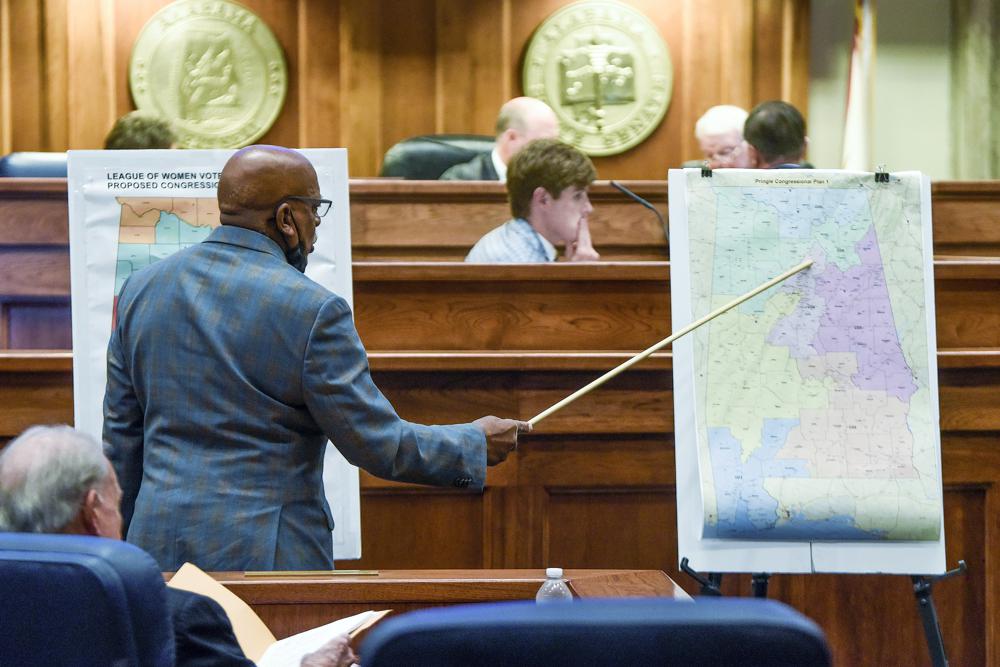
Federal judges on Monday blocked Alabama from using newly drawn congressional districts in upcoming elections, ruling that the state should have two districts — instead of one — in which Black voters are a sizeable portion of the electorate. “Black voters have less opportunity than other Alabamians to elect candidates of their choice to Congress,” the three-judge panel wrote in the 225-page ruling that found plaintiffs are “substantially likely” to prevail on claims that the current districts violate the Voting Rights Act. “We find that the plaintiffs will suffer an irreparable harm if they must vote in the 2022 congressional elections based on a redistricting plan that violates federal law,” the ruling stated. The judges blocked use of the map and stayed the candidate qualification deadline with political parties from Friday until Feb. 11 to allow the Legislature the opportunity to enact a remedial plan. “As the Legislature considers such plans, it should be mindful of the practical reality, based on the ample evidence of intensely racially polarized voting adduced during the preliminary injunction proceedings, that any remedial plan will need to include two districts in which Black voters either comprise a voting-age majority or something quite close to it,” the judges wrote. Alabama Attorney General Steve Marshall’s office said the ruling will be appealed. “The Attorney General’s Office strongly disagrees with the court’s decision and will be appealing in the coming days,” spokesman Mike Lewis wrote in an email. The Alabama attorney general’s office did not immediately respond to an email late Monday seeking comment on the ruling. Alabama’s seven-member congressional delegation consists of six Republicans elected from heavily white districts and one Democrat elected from the only majority-Black district. The Alabama Legislature last year approved congressional district lines that maintain one majority-Black district. About 26% of Alabama’s population is Black, and some lawmakers argued the state should have a second congressional district with a significant African-American population. “It’s past time for Alabama to move beyond its sordid history of racial discrimination at the polls and to listen to and be responsive to the needs and concerns of voters of color. Not ensuring access to the ballot for all of the people and communities in Alabama is holding this state back from realizing its full potential,” Tish Gotell Faulks, legal director for the American Civil Liberties Union of Alabama, said in a statement. Republished with the permission of the Associated Press.
University of Alabama partners with USGS to build Hydrologic Instrumentation Facility
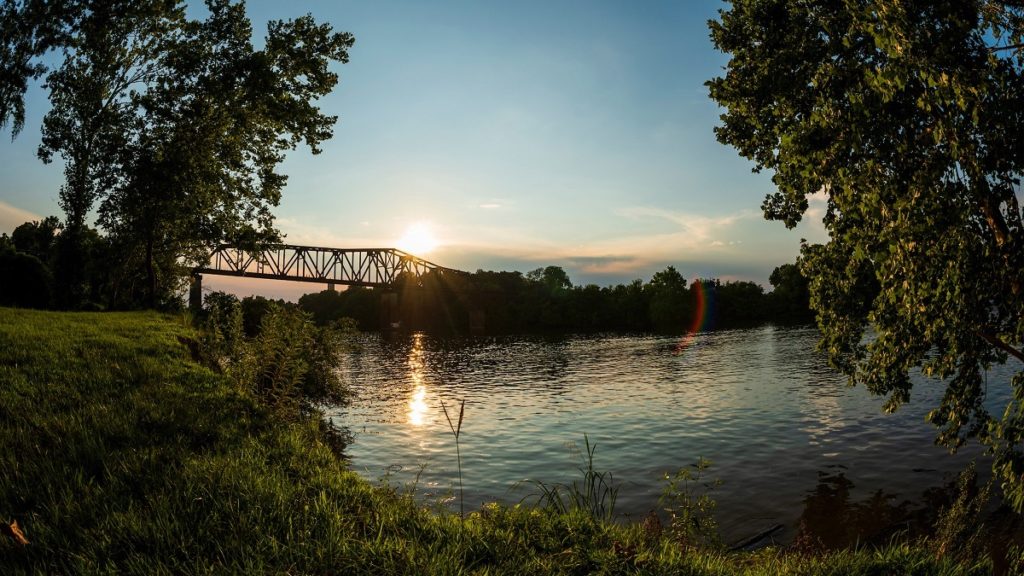
The University of Alabama is partnering with the U.S. Geological Survey to construct a new Hydrologic Instrumentation Facility (HIF), a state-of-the-art science and engineering facility that will support the agency’s Water Enterprise observing networks and research. “I am pleased that the U.S. Geological Survey has chosen to relocate its Hydrologic Instrumentation Facility to the University of Alabama, a leading innovator in the field of water research and science. This new facility will expand on the Alabama Water Institute’s critical mission of furthering the study of water as a weather-related threat, as a resource, and for distribution. I look forward to the transformative discoveries that will come from this new partnership, as well as the economic benefit it will bring to Alabama,” said U.S. Sen. Richard Shelby. Congress appropriated $38.5 million to replace the current aging USGS facilities at the NASA Stennis Space Center in Bay St. Louis, Mississippi, with the requirement to collocate with complementary academic and federal partners. “We extend our sincere appreciation to Senator Shelby, who played an integral role throughout this process and helped ensure the university could expand its water research program as global demand increases,” said UA System Chancellor Finis St. John. “With the Alabama Water Institute, the Global Water Security Center, and now the USGS-HIF, the University of Alabama has cemented its position as the nation’s leader in this critical area.” UA was selected as the site of the new HIF for the opportunities it provides to dovetail with other water-related research and development already conducted on campus, including the NOAA National Water Center. The HIF, which will be built on the north side of campus near the Black Warrior River, will serve a fundamental role at USGS in providing instrumentation and equipment services to USGS Science Centers and external partners. “With the addition of the USGS-HIF to Tuscaloosa, our campus will serve as the epicenter for water research and operations in the United States,” said UA President Stuart Bell. “This mission-driven partnership will provide countless teaching, research, and service opportunities for our students and faculty.” The new USGS-HIF is expected to increase economic development in the region. USGS anticipates the facility will also support and encourage strong collaboration with other federal agencies on campus. The 95,000-square-foot, two-story facility will include a hydraulics lab, water quality labs, field testing facilities, environmental chambers, sensor innovation space, warehouse, training labs, network operations center, and administrative offices. Construction is expected to begin in late 2022, and the USGS plans to take occupancy in 2023. “This partnership will ensure a world-class USGS facility for the testing and development of cutting-edge USGS hydrologic instrumentation, which provides the backbone for our near-real-time water monitoring and other research,” said Don Cline, associate director for the USGS Water Mission Area. “This information enriches the lives of everyday Americans and is used nationwide by all types of end-users, from water managers to recreational boaters, to make critical decisions.” Water is a signature research and academic focus at UA The University of Alabama System Board of Trustees recently approved the creation of the Global Water Security Center, which will be part of the Alabama Water Institute and will provide national decision-makers with strategic information, groundbreaking research, applied scientific techniques, and transformative best practices to inform appropriate action regarding water distribution. Mike Gremillion, an experienced weather professional in the military and intelligence communities, will lead the Global Water Security Center while continuing as deputy director of the AWI. The AWI, led by executive director Scott Rayder, serves as a world-class interdisciplinary water research institute that develops pathbreaking, holistic, and environmentally friendly solutions to ensure people and ecological systems in the community, state, nation, and world are water secure, with access to clean water and are resilient to extreme events. Rayder has played a key role in continuing collaboration with the NOAA National Water Center on UA’s campus. “As global demand for water increases alongside a predicted decrease in water quality and availability, the University of Alabama is taking a leadership role to ensure the nation can better understand water security and predict how changes will impact the geopolitical sphere,” said Dr. Russell Mumper, vice president for research and economic development. “We are pleased to welcome USGS to Tuscaloosa and stand ready to support USGS and NWC in their missions.” This story originally appeared on the University of Alabama’s website.
Jerry Carl cosponsors legislation to require public officials to disclose financial records
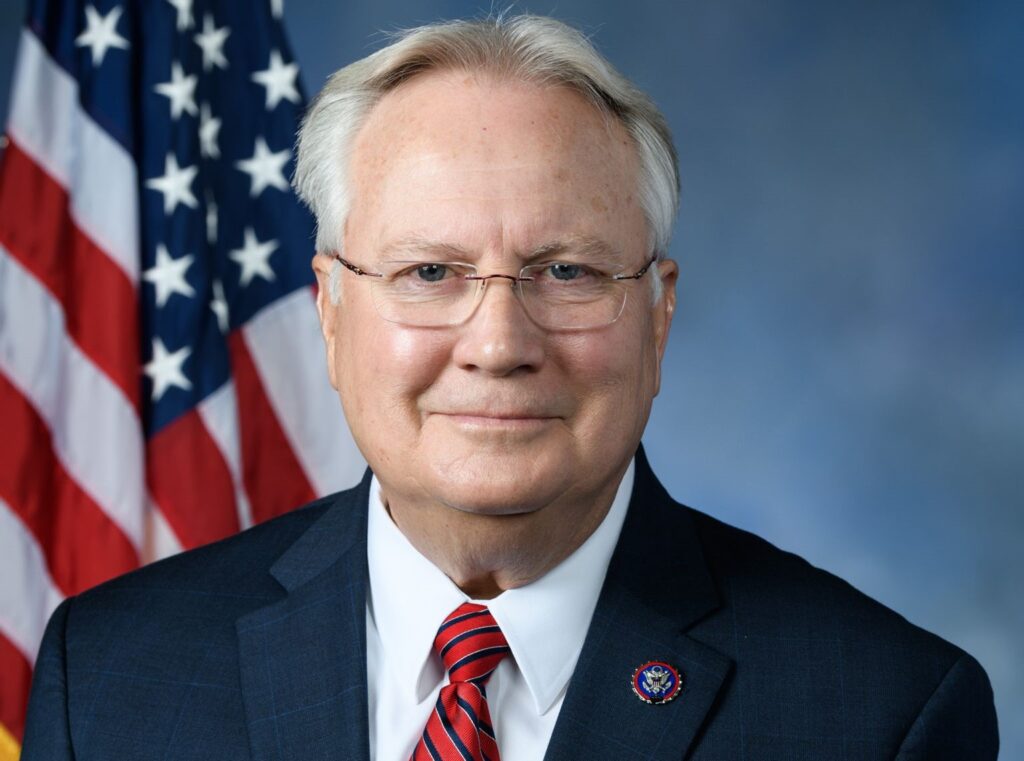
Congressman Jerry Carl has co-sponsored new legislation called the Financial Accountability for Uniquely Compensated Individuals (FAUCI) Act, named after Dr. Anthony Fauci. Texas congressman Lance Gooden introduced the bill. The legislation is the House companion to Senator Roger Marshall’s FAUCI Act. The FAUCI Act specifically includes a “special consultant” appointed under Section 207(f) of the Public Health Service Act, which is Fauci’s employment classification. It would also require public access to a list of confidential financial disclosure filers whose pay is equal to or more than a Member of Congress. This information would include each individual’s name, position, and salary, plus a description of the specific type of information included in the financial disclosure report filed by the individual. Carl expressed his support for the bill, calling for more transparency in the financial documents of government officials. “The American people should have full access to the financial disclosures and investments of government officials who are earning a taxpayer salary. Unfortunately, bureaucrats like Dr. Fauci often hide their financial records from the public and avoid accountability,” Carl stated. “I’m proud to cosponsor legislation to change this broken system and bring increased transparency to the federal government. The FAUCI Act would require public access to financial disclosures of government officials who make as much or more than a Member of Congress, which is an important step to reign in the power of unelected bureaucrats and prevent them from enriching themselves off the taxpayer’s dime,” Carl concluded.
FDA halts use of antibody drugs that don’t work vs. omicron
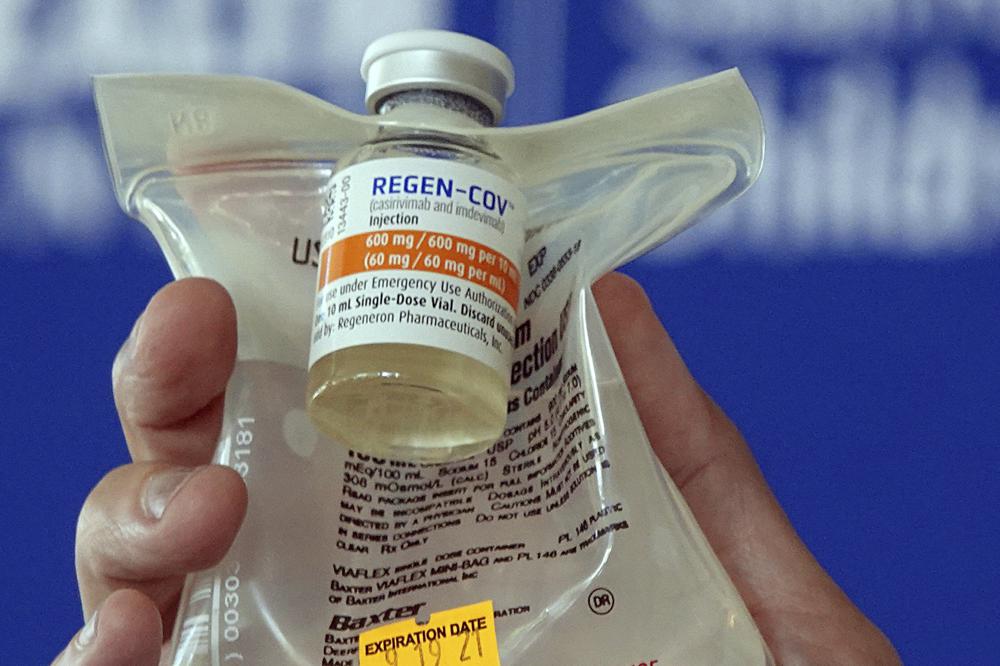
COVID-19 antibody drugs from Regeneron and Eli Lilly should no longer be used because they don’t work against the omicron variant that now accounts for nearly all U.S. infections, U.S. health regulators said Monday. The Food and Drug Administration said it was revoking emergency authorization for both drugs, which were purchased by the federal government and have been administered to millions of Americans with COVID-19. If the drugs prove effective against future variants, the FDA said it could reauthorize their use. The regulatory move was expected because both drugmakers had said the infusion drugs are less able to target omicron due to its mutations. Still, the federal action could trigger pushback from some Republican governors who have continued promoting the drugs against the advice of health experts. Omicron’s resistance to the two leading monoclonal antibody medicines has upended the treatment playbook for COVID-19 in recent weeks. Doctors have alternate therapies to battle early COVID-19 cases, including two new antiviral pills from Pfizer and Merck, but both are in short supply. An antibody-drug from GlaxoSmithKline that remains effective also is in short supply. The drugs are laboratory-made versions of virus-blocking antibodies. They are intended to head off severe disease and death by supplying concentrated doses of one or two antibodies early in an infection. Then-President Donald Trump received Regeneron’s antibody combination after he tested positive for the coronavirus in 2020. The FDA noted in its decision that omicron accounts for more than 99% of U.S. infections, making it “highly unlikely” the antibodies would help people now seeking treatment. The agency said restricting their use would also eliminate unnecessary drug side effects, including allergic reactions. The U.S. government temporarily stopped distributing the two drugs in late December, as omicron was racing across the country to become the dominant variant. But officials resumed distribution after complaints from Republican governors, including Florida’s Ron DeSantis, who claimed that the drugs continued to help some omicron patients. DeSantis has heavily promoted antibody drugs as a signature part of his administration’s COVID-19 response, setting up infusion sites and lauding them at news conferences while opposing vaccine mandates and other public health measures. Texas Gov. Greg Abbott has also launched state-sponsored infusion sites. The drugs are not a substitute for vaccination and are generally reserved for people who are the most vulnerable, including seniors, transplant recipients, and those with conditions like heart disease and diabetes. Since early January, the U.S. government has shipped enough doses of the two antibodies to treat more than 300,000 patients. Both Regeneron and Lilly previously announced they were developing new antibodies that target omicron. The move comes days after regulators broadened the use of remdesivir — the first drug approved for COVID-19 — to treat more patients. On Friday, the FDA expanded the antiviral’s approval to include adults and children with early COVID-19 who face a high risk of ending up in the hospital. Remdesivir previously had been limited to hospitalized patients. An influential panel of federal experts had already recommended using the infused drug to try to head off hospitalization. The same guidelines from the National Institutes of Health panel recommend against the continued use of Lilly and Regeneron’s antibody drugs due to their reduced effectiveness against omicron. Still, many hospitals will face challenges in ramping up remdesivir treatments. The drug requires three consecutive IV infusions over three days when used for nonhospitalized patients. That time-consuming process won’t be an option for many over-capacity hospitals facing staff shortages. The FDA made its decision based on a 560-patient study that showed a nearly 90% reduction in hospitalizations when remdesivir is given within seven days of symptoms. The study predates the omicron variant, but, like other antivirals, remdesivir is expected to maintain its performance against the latest variant. Republished with the permission of the Associated Press.
Alabama high court raises maximum bond for murder defendants
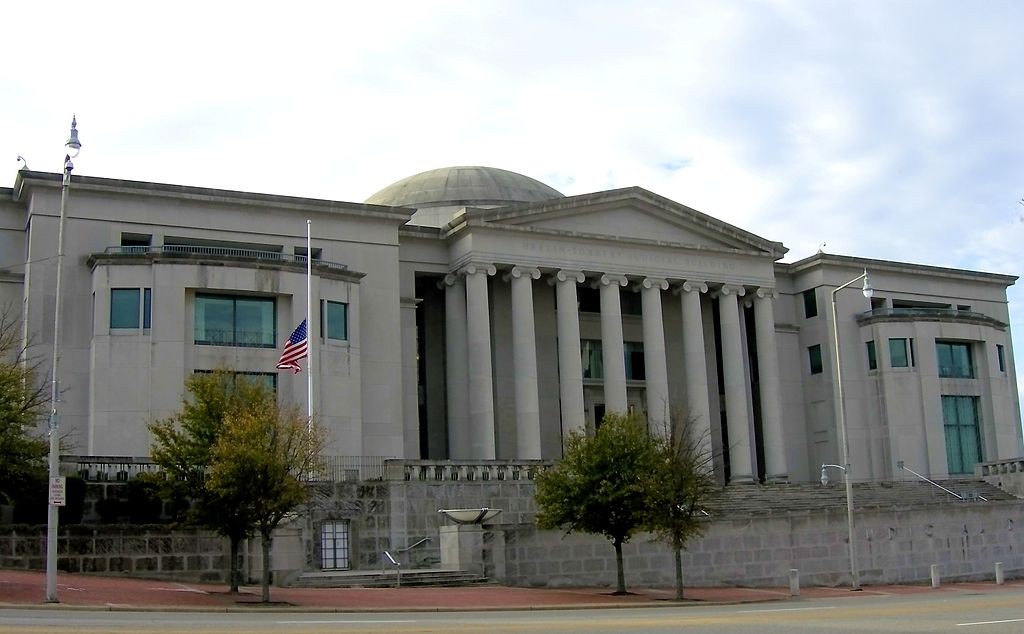
The Alabama Supreme Court has raised the maximum bail amount a judge can set for a state murder charge to $1.5 million. The change to Alabama’s criminal rules was approved by the high court on January 14, news outlets reported. It means murder defendants now face bail that’s ten times higher than the previous limit of $150,000. Alabama prosecutors had pushed for the change, saying the old bail limit was too low to keep some dangerous criminal defendants in jail while awaiting trial. In Mobile County, Dayvon Bray was released from jail on bond last year after being charged with murder, to be arrested again and charged with fatally shooting his girlfriend. Higher bails for those charged with murder could prevent similar cases in the future, said Mobile County Chief Assistant District Attorney Keith Blackwood. “It’s a better opportunity to keep these offenders incarcerated while they await trial rather than have them make a very low bond and be out,” Blackwood told WKRG-TV. “It’ll be really large bonds for people accused of murder, one of the most horrific crimes that we have.” Alabama’s bail schedule is a recommendation for judges, who have some discretion to set higher or lower amounts. But magistrates are bound by the upper limits of the rules, and they’re often the first to set bail for criminal defendants. Montgomery County District Attorney Daryl Bailey said he’d spent seven years advocating a higher bail amount for murder charges. “I’m very satisfied with the change,” Bailey told the Montgomery Advertiser. He added: “I think it’s ridiculous that you can be caught with drugs and get a $1.5 million bail, but if you murder someone, the max is $150,000.” Another measure aimed at keeping more criminal defendants locked away until their cases go to trial will be decided by Alabama voters in November. Voters on the fall ballot are being asked to approve Aniah’s Law, named for Aniah Blanchard, an Auburn teenager who was abducted and killed in 2019. That constitutional amendment, approved by state lawmakers, would give judges more discretion to deny bail to people accused of violent crimes. Republished with the permission of the Associated Press.
Montgomery mayor Steven Reed and state superintendent Eric Mackey positive for COVID-19
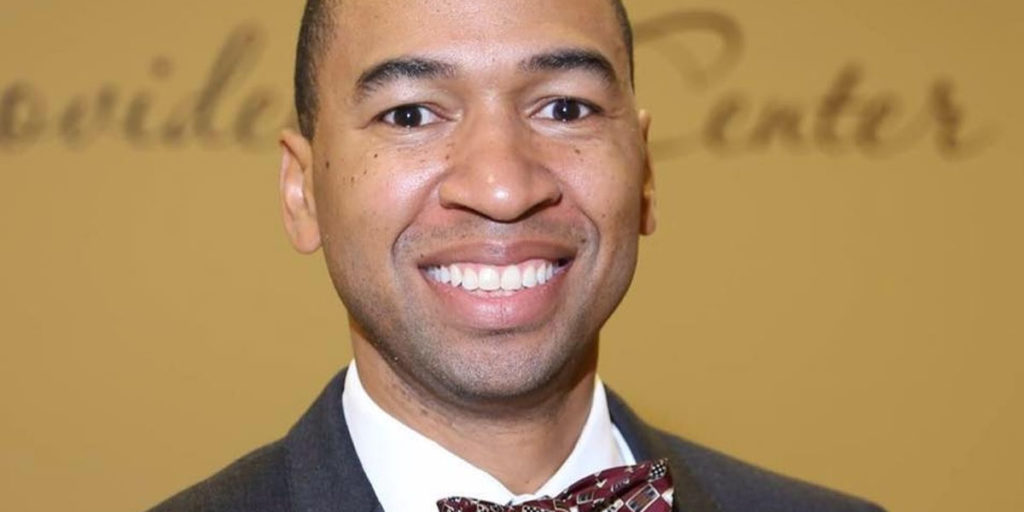
Montgomery Mayor Steven Reed said he is quarantining after testing positive for the coronavirus and developing a mild case of COVID-19. Reed sent a message on social media on Sunday saying he will be fine and encouraging others to get tested, vaccinated, and boosted. He announced the diagnosis a day earlier, saying he tested positive after returning home from a business trip despite being fully vaccinated. “I’ll be in isolation for the next week while staying engaged in city matters,” Reed said. Eric Mackey, Alabama’s state school superintendent, announced on Friday that he had tested positive for COVID-19. Mackey said he was vaccinated and had received a booster shot and was experiencing “cold-like symptoms.” State statistics show more than 2,700 patients are currently hospitalized with COVID-19. That means Alabama is nearing its all-time high for pandemic hospitalizations, 3,084 in January 2021, according to the Alabama Hospital Association. More than 16,800 people have died of COVID-19 in Alabama, giving the state the nation’s fourth-highest death rate, according to researchers at Johns Hopkins University. Republished with the permission of the Associated Press.
