
Gubernatorial candidate Jimmy Blake wants to phase out the income tax
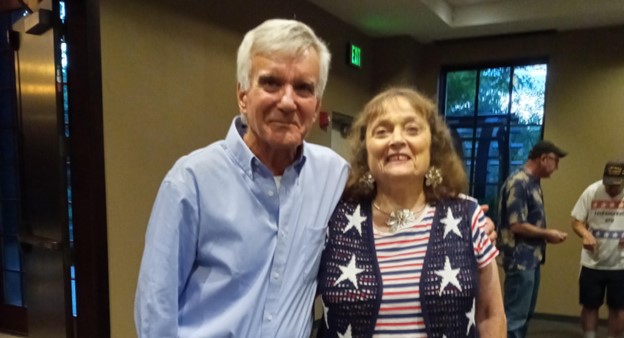
Libertarian Party of Alabama nominee for Governor, Dr. James “Jimmy” Blake, says that the state should be phasing away from the 5 percent state income tax. Blake spoke with Alabama Today about his campaign on Tuesday. “Long term, we need to start phasing out the income tax so that we are competitive with our neighboring states like Florida, Tennessee, Mississippi, and Georgia,” Blake said. The State of Alabama is projected to have a $2.5 billion budget surplus roll into fiscal year 2023 on October 1. Some advocacy groups are calling for the state to abolish its 4% sales tax on groceries. “I think that is fine if you want to do that, but is that money going to actually get to the people, or is it just going to be pocketed by the grocers’ association?” Blake commented. “I am more interested in getting rid of direct taxes like the income tax. I am for stopping taxing food. We should never have started doing that.” The Alabama Department of Commerce recently asked the legislature to renew the state’s economic incentives. Some critics of the paying of incentives for companies to locate or remain in Alabama have denounced economic incentives as corporate welfare. “It is clearly corporate welfare,” Blake said. “We need to compete by having a favorable tax structure and creating the business environment where people want to locate their companies here. That includes having desirable schools.” One issue that has been very discussed in southwest Alabama is a proposal to build a toll bridge over Mobile Bay on I-10. “I don’t really oppose the concept of making people pay to use infrastructure,” Blake said. “My big problem with things like that is that they tend to go to special people. If it were openly bid, I would not be fundamentally opposed to doing that. One issue that I do have is that you just raised gas taxes, and then you turn around and ask people to pay to use infrastructure.” The state legislature passed an $8.262 billion education trust fund (ETF) budget for fiscal year 2023, the largest education budget in state history; however educational performance for the state remains near the bottom of the country in recent test scores. “I think we need to increase school choice in Alabama,” Blake said. “I am in favor of school choice whether that is vouchers or some other form. Charter schools can be a part of that if it is done right. I am for bringing market forces to improve education.” Blake served on the Birmingham City Council from 1993 to 2001. Blake is a medical doctor. He has held leadership positions in both the Alabama Republican and Alabama Libertarian Parties. He is also a U.S. Air Force veteran who flew nuclear weapons-equipped F4 Phantom II fighter bombers during the Cold War while stationed in Great Britain. He has an undergraduate degree from Auburn University and a medical degree from UAB. Blake will participate in a gubernatorial debate in Huntsville on September 25 with Alabama Democratic Party gubernatorial nominee Yolanda Rochelle Flowers. Incumbent Gov. Kay Ivey, the Republican Party nominee, is not expected to participate in debates. To connect with the author of this story, or to comment, email brandonmreporter@gmail.com.
Kay Ivey announces 84 Ecore International jobs in Ozark
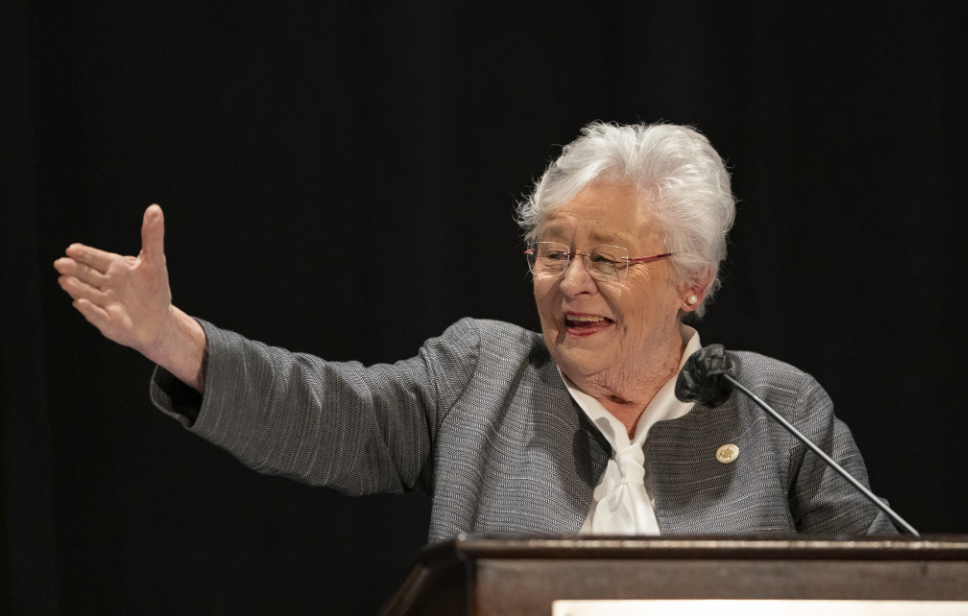
Alabama Governor Kay Ivey announced Tuesday that Lancaster, Pennsylvania-based Ecore is making a $25.5 million investment in rural Dale County. The new state-of-the-art manufacturing facility will employ 84 workers in the city of Ozark with an average pay of $42,500 annually. Ecore specializes in transforming reclaimed materials into high-performance flooring and surface products. The privately held company is the largest converter of reclaimed rubber in North America, and its largest raw material is scrap truck tires. “Ecore International is a great addition for Alabama’s business community, and its decision to locate an advanced manufacturing and recycling facility in Dale County will have a major economic impact on the rural area,” stated Ivey. “This project in Ozark will bring good manufacturing jobs to the citizens there and spark new opportunities throughout the region.” Ecore is purchasing an existing building in Ozark. There the company will equip it to reclaim the rubber from used truck tires. The reclaimed rubber will be used to manufacture flooring and surfacing products. Art Dodge is the CEO of Ecore. Dodge said the company is pleased to be partnering with the city of Ozark, Dale County, and the State of Alabama to establish the world-class manufacturing and recycling facility. “Since its inception, Ecore has transformed over 2 billion pounds of rubber waste into surfaces that make people’s lives better,” Dodge said. “All Ecore manufacturing facilities are certified ‘Zero Waste,’ amplifying the company’s commitment to environmental stewardship. Ecore invests in more than its facilities — we invest in our people and in our communities because we believe that when our people and our communities prosper, we prosper.” Economic developer Dr. Nicole Jones told Alabama Today, “Ecore International has already demonstrated good stewardship. The company is purchasing an existing building to utilize for its Alabama facility, transforming used tire rubber into flooring and surfacing products, and creating jobs within the rural Ozark/Dale County community.” In 2021, the company upcycled over 100 million pounds of truck tires into manufacturing products, taking approximately 1 million truck tires from landfills or illegal dumps. “Ecore is a champion of sustainability, with a primary goal of creating products that improve lives and the environment,” said Alabama Commerce Secretary Greg Canfield. “Its new tire recycling and manufacturing facility in Dale County will help this impressive company extend its mission while also providing good-paying jobs for citizens there.” “Ecore’s manufacturing process produces commercial flooring for a variety of markets, including nursing homes, schools, fitness centers, hotels, and retailers,” Dr. Jones said. “The company ergonomically engineered its flooring products to support joints and impact. Ecore patented its TRU technology, which the company said provides more safety, sound absorption, enhanced force reduction, and energy restitution. We are thrilled about Ecore’s investment in Alabama, and their business model focused on sustainability, safety, and long-term relationships within the communities they have a presence within.” Ozark Mayor Mark Blankenship said that Ecore’s addition to the community will have a positive effect on Ozark and Dale County as a whole. “I want to thank the team at Ecore International for their confidence in Ozark and Dale County. We welcome the expansion of your company from Pennsylvania to Ozark, Alabama,” said Mayor Blankenship. “We look forward to a great partnership with Ecore International.” Dale County Commission Chairman Steve McKinnon said, “I am thrilled that Ecore is a company who will bring in the type of jobs that will attract people to move here and involve themselves in our community and our churches and schools. We want to thank the company for choosing to expand to Dale County and heartily welcome them.” Brenda Tuck is the Rural Development Manager for the Alabama Department of Commerce. Tuck said that Ecore’s recycling facility project in Dale County joins a list of innovative operations being launched in rural Alabama. Since 2020, projects valued at over $3 billion have landed in the state’s rural counties. “Companies from around the world are discovering that Alabama’s rural communities are an ideal location to bring their game-changing innovations to life,” said Tuck. “The simple fact is these areas can offer growing businesses significant advantages that will magnify the impact of their investment and provide a launchpad for growth.” To connect with the author of this story, or to comment, email brandonmreporter@gmail.com.
Robert Aderholt and Richard Shelby applaud grant for Fort Payne Airport
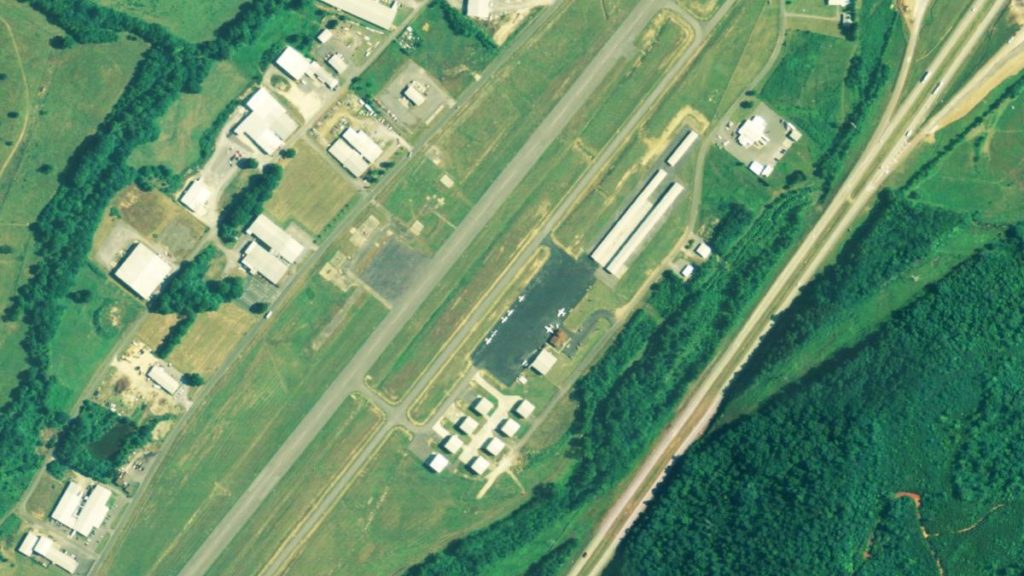
Congressman Robert Aderholt announced a grant from the United States Department of Transportation that will benefit the airport in the city of Fort Payne in DeKalb County. U.S. Senator Richard Shelby said that Fort Payne was one of nine Alabama airports to benefit from the U.S. Department of Transportation grants. “I’m pleased to announce that Fort Payne’s Isbell Field will be receiving $ 829,227.00,” Aderholt said in a press release. “The funds will be used for taxi lane improvements at the airport. As a member of Congress, and specifically a member of the House Appropriations Committee, I strongly believe in these types of investment in our infrastructure. When most Americans think of infrastructure, these types of improvements are what they are thinking about, and these are the types I support.” Shelby announced that the nine local airports in Alabama will receive approximately $17.8 million in Federal Aviation Administration (FAA) grant funding. “Alabama’s local and regional airports play a significant role in our state’s economy, and I am proud that FAA sees the value in supporting them,” Shelby said. “These improvements will go a long way toward increasing travel to and from Alabama and the overall safety of these airports,” said Senator Shelby. “This investment stands to benefit several communities in Alabama, and I look forward to witnessing the growth and success of each of them.” “Improving the infrastructure at our general aviation airports is an important component of economic development,” Aderholt said. “A new manufacturing job, or a new job in the hospitality industry, both might have started with a company first landing at the local airport to visit the area. Congratulations to Fort Payne and the DeKalb County area in receiving this grant.” Economic developer Dr. Nicole Jones told Alabama Today, “Taxiways refer to defined paths for aircraft on an airfield surface designed to link one part of an airfield to another. Taxiways connect airplanes on the runway with aprons, hangars, terminals, and other areas. Generally, they consist of a hard surface made of asphalt or concrete. Investment in infrastructure is a critical component of the economic development process. Airports require continuous maintenance, and the United States Department of Transportation grant will help improve the overall facility.” The 10 FAA grants were awarded to nine local airports in Alabama, amounting to $17,818,450 for the following airport projects: · Mobile International Airport, Mobile, Alabama – $6,762,732 to reconstruct an apron · Tuscaloosa National Airport, Tuscaloosa, Alabama – $4,213,116 to reconstruct an apron · Auburn University Regional Airport, Auburn, Alabama – $2,533,041 to construct, extend and improve a safety area · Prattville Airport-Grouby Field, Prattville, Alabama – $1,425,182 to reconstruct an apron · Mobile International Airport, Mobile, Alabama – $940,000 to improve airport drainage and erosion control · Isbell Field Airport, Fort Payne, Alabama – $829,227 to reconstruct a taxi lane · Birmingham-Shuttlesworth International Airport, Birmingham, Alabama – $456,716 to rehabilitate an apron · Chilton County Airport, Clanton, Alabama – $261,736 to extend a runway · Abbeville Municipal Airport, Abbeville, Alabama – $236,700 to extend a runway · Enterprise Municipal Airport, Enterprise, Alabama – $160,000 to extend a runway Awarded by the U.S. Department of Transportation, the FAA grants are designated for various improvements and advances to local airport infrastructure and administered through the fiscal year 2022 Airport Improvement Program, which was funded in the Consolidated Appropriations Act, 2022. To connect with the author of this story, or to comment, email brandonmreporter@gmail.com.
Kay Ivey: Tourism is a major contributor to Alabama’s economic success
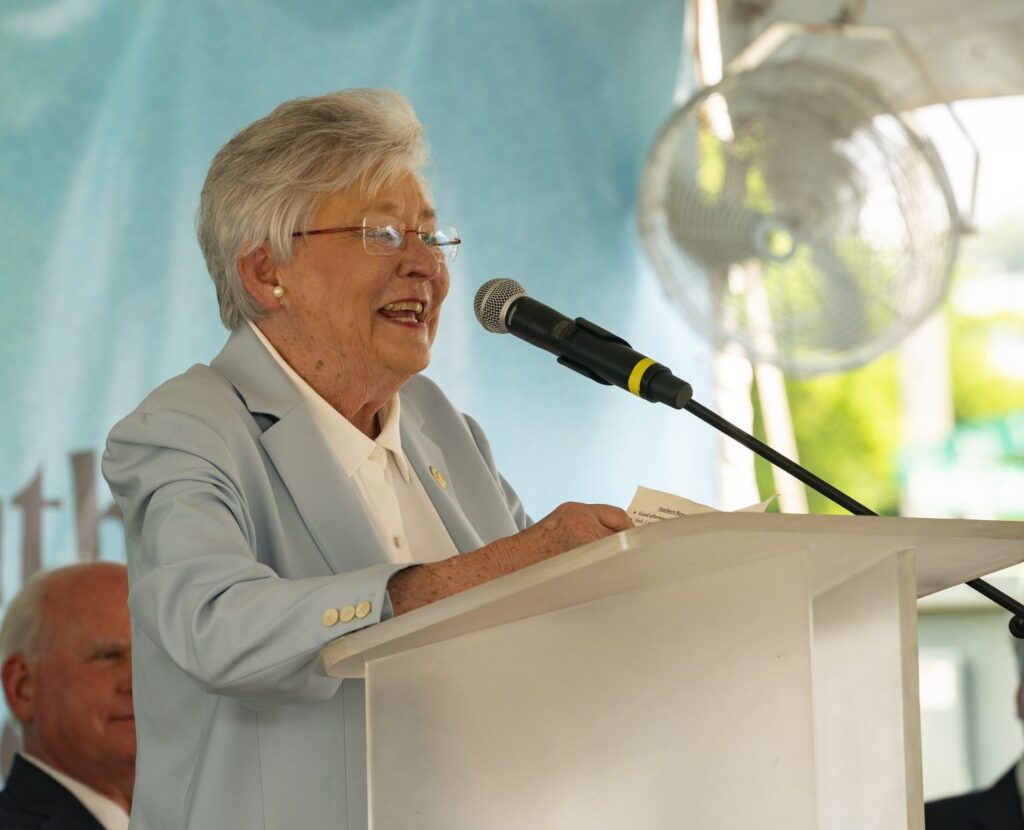
Alabama Governor Kay Ivey spoke Tuesday to members of Alabama’s tourism and hospitality industry at the Alabama Governor’s Conference on Tourism in Auburn. During her speech, Ivey reflected on the remarkable year Alabama’s tourism industry experienced and shared her expectations for even more success in the near future and beyond. “Just a few short months ago in May, Director (Lee) Sentell and I visited Conecuh Sausage,” Ivey said. “Now, while I did purchase some sausage to load up in my cooler, I was really there to announce Alabama’s record-breaking tourism numbers. I talked a bit about the momentum we were – and still are – experiencing as a state, despite the curveballs of the current economic climate and the last couple of years. Our economic development numbers for last year made 2021 the second-best year in our state’s history. Without a doubt, our tourism industry has been and continues to be a major contributor to that fact.” Unlike many states, Alabama was open for business throughout most of the 2021 tourist season. The state also benefitted from COVID-19 restrictions on international travel that led many American tourists to search for domestic travel destinations. “While the national industry lost 42 percent of its revenue, Alabama ranked in the top five states for the least amount of revenue lost,” Ivey continued. “To recap some of those numbers I shared back in May…Our tourists spent a record almost $20 billion dollars. Alabama was the fourth most searched state, according to the U.S. Travel Association. As I said in May: We’re just getting started! Folks, today, while I am among some of the best in the tourism industry, I want to share something I think all of you will be excited about, but you certainly won’t be surprised. Barring any unexpected downturns, Director Sentell informs me that Alabama is on a trajectory to EXCEED expectations. Based on the adjusted numbers, it looks like your industry is going to exceed 24 billion dollars this calendar year. Twenty FOUR!” Ivey said that the tourism industry in the state has grown by $10 billion since she was elevated to Governor in 2017. “I am proud to say that in the past ten years, our industry has more than doubled. We have grown from $11 billion dollars in 2013 to more than $24 billion dollars this year,” Ivey said. “And since I have been governor, I am extremely proud that our tourism industry has grown by $10 billion dollars. These are the kind of results that are taking Alabama flying at full speed ahead. I’ll leave you with this: As we head into the next four years, I assure you that you have a governor who is committed a thousand percent to supporting the tourism industry and to the work that each and every one of you do.” This conference provided tourism professionals a chance to gather and learn about the economic impact of the industry on the Alabama economy, as well as learning new strategies for marketing local Alabama attractions and amenities to visitors. The group also raised money for scholarships through silent auctions and celebrated their achievements. In 2021 the state collected $72,602,073 in revenue for the state general fund (SGF) from the 4% state lodging tax. Travelers spent an estimated $19.6 billion in Alabama in 2021. Alabama attracted 28.2 million visitors that year. The travel and tourism industries produced $1.1 billion in revenue for state and local coffers while providing 227,334 jobs for Alabamians. The beaches of Baldwin County remain the state’s most popular tourist destination. Baldwin County had 8,037,049 visitors in 2021, up from 5,956,566 in 2020. Ivey is seeking a second term as Governor. She faces Libertarian Dr. James “Jimmy” Blake and Democrat Yolanda Rochelle Flowers in the Nov. 8 general election. To connect with the author of this story, or to comment, email brandonmreporter@gmail.com.
Lindy Blanchard supports full Republican ticket in first public statement since May election
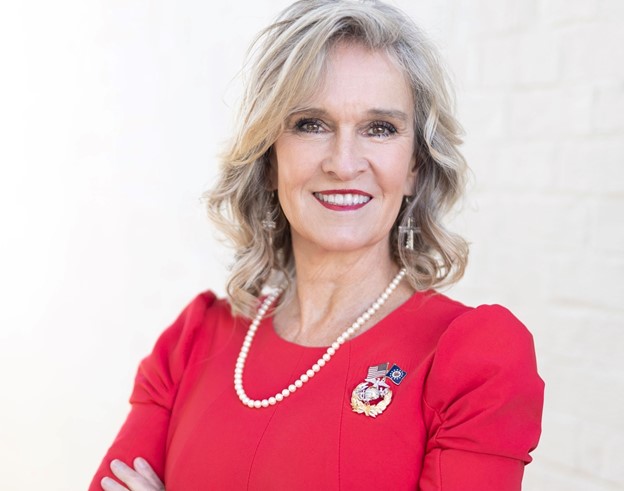
Lindy Blanchard issued a statement today regarding her recent withdrawal from litigation that challenges the integrity of Alabama’s electric voting machines. Blanchard withdrew from the lawsuit she helped file due to “write-in campaigns connected to the lawsuit.” The lawsuit is supported by My Pillow founder and CEO Mike Lindell. Former Gov. Don Siegelman has taken Blanchard’s place in the lawsuit. Blanchard and State Rep. Tommy Hanes originally brought the lawsuit. The candidates had originally sought to bar the use of the vote tabulation machines in the May 24 Republican primary. Blanchard finished second to incumbent Gov. Kay Ivey, but Ivey received 54.8% of the vote in the primary, enough to avoid a Republican primary runoff. In a statement on Facebook, Lindy threw her full support behind the Republican party and explained why she withdrew from the lawsuit. “Keeping our elections secure should be a top priority for every American. After witnessing the voting fiasco in 2020, when elections were inaccurate in many states, I decided to join in a Mike Lindell-sponsored lawsuit against Alabama’s Secretary of State’s Office for using electronic voting machines which were allegedly not secure. I recently made the difficult decision to remove myself from the lawsuit because of the write-in campaigns connected to the lawsuit.” Blanchard expressed the need for election integrity and emphasized the need for all Republicans to vote for Republicans in all elections. “However, the integrity of our nation is at stake. I look forward to working together with positive dialogue and action toward securing our elections. As a Republican candidate who ran for Governor and came in second place, I wholeheartedly support the Republican ticket. I ask all conservatives and Republicans to vote for the Republicans in each race. We must not open the door for any other party that does not support our conservative values,” Blanchard concluded. Recently, the Libertarian Party of Alabama (LPA) successfully turned in a petition with 51,588 signatures in May in order to achieve party status in Alabama and for their candidates to be on the ballot. This is the first time in 20 years that the party is on the general election ballot in Alabama, which gives voters an opportunity to choose candidates outside of the Democratic and Republican parties.
Steve Flowers: Alabama is a big front porch
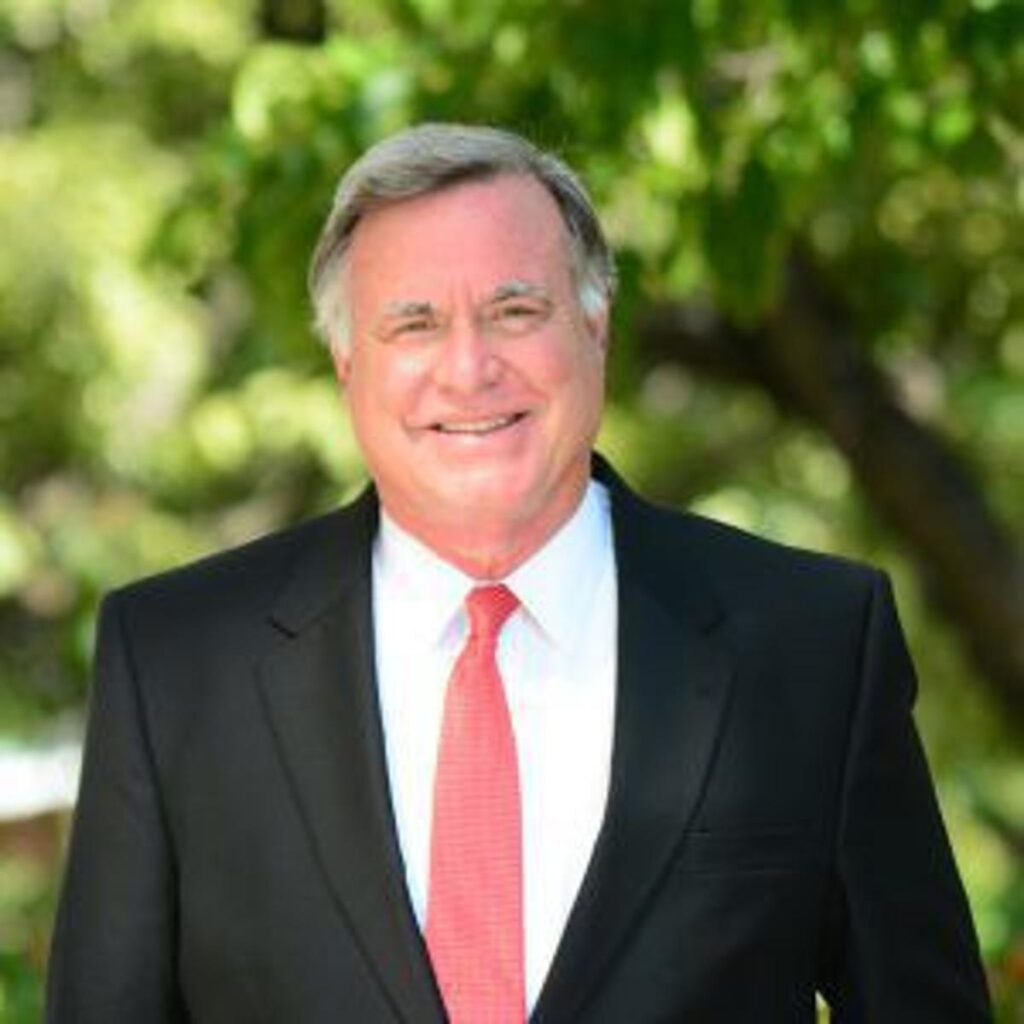
James E. “Big Jim” Folsom was one of our few two-term governors. In the old days, governors could not succeed themselves. Therefore, Big Jim was first governor in 1946-1950. He waited out four years and came back and won a second term in 1954, and stayed through 1958. Big Jim was still a young man when he was first elected in 1948. He and his wife, Jamelle, had their firstborn child, James E. Folsom Jr., in 1949 while Big Jim was governor. Therefore, Jim Folsom, Jr., who some folks refer to as “Little Jim,” was literally born in the governor’s mansion. Big Jim hired a man to be the governor’s mansion butler and overseer of the mansion on Perry Street. The gentleman’s name was Dave Perry. He looked the part. Dave Perry was a tall, handsome, distinguished gentleman with a beautiful baritone voice. Dave Perry practically raised Jim Folsom, Jr. He took him to school every day, taught him to ride a bike, and taught him to swim in the pool Big Jim had built behind the mansion shaped like the State of Alabama. I’ve wondered over the years that the reason Jim Folsom, Jr. has such a rich southern Black Belt drawl is because he grew up listening to Dave Perry, who had that same melodious drawl. Jim Folsom, Jr. went back to Cullman when his daddy left office, but Dave Perry stayed on as the master butler at the governor’s mansion. He stayed through different governors, including all of the Wallace years as governor. Guess what happens? Forty years after Dave Perry became the governor’s mansion butler, Jim Folsom, Jr. became governor. Dave Perry’s boy had come home. It was like old home week. Jim Folsom, Jr. was my favorite governor to serve with during my entire legislative career. He was the only one who was close to my age. We were friends. I was friends with his wife, Marsha Guthrie from Cullman, while at the University of Alabama. She was a student leader. So, Jim and Marsha were truly friends of mine and still are. During legislative sessions and even during the rest of the year, occasionally, Jim would invite his closest legislative friends and political buddies to join him in the “Library,” a backroom in the center part of the mansion. We would talk politics in the same room that his daddy held court in 40 years earlier. Guess who would join us sometimes? Mr. Dave Perry would tell us Big Jim stories we had never heard. Dave passed away a few years ago in his hometown of Montgomery. He was an Alabama legend. The Alabama Front Porch narrative appears to be poised to transcend to a new generation of Alabamians. My lifetime friend, Bill Blount of Montgomery, recently shared this story of what goes around comes around in Alabama. The 1954 Governor’s race was between “Big Jim” Folsom and Baldwin County State Senator Jimmy Faulkner. Senator Faulkner had been the Mayor of Bay Minette and owned several southwest Alabama newspapers. Big Jim beat Faulkner handily to win his second term as governor. The other two contestants in that governor’s race, whose progeny make up our “Big Porch,” were State Senator Bruce Henderson from Wilcox County and State Senator Karl Harrison from Shelby County. At that time, the President of the Alabama Young Democrats was Frank Long, who was openly for Folsom and would later become legal advisor to Folsom and an integral part of his Cabinet. Faulkner made a big deal about Frank Long’s allegiance to Folsom and refused to attend all Democratic events. Fast forward to today. Marshall Long, a Montgomery attorney who serves as an administrative assistant for the state senate now, is Frank Long’s grandson. Marshall is married to Caroline Camp, who happens to be Jimmy Faulkner’s great-granddaughter. Further, Marshall’s brother, Frank Marshall of Birmingham, dates Nickie Reese, who is the great-granddaughter of Bruce Henderson, the aforementioned candidate from Wilcox County. Lastly, the Long brothers grew up with Bill Blount’s sons, Wilson and Jesse Blount. Their great uncle was Karl Harrison from Columbiana in Shelby County, who was also a candidate. Matter of fact, Jess’s middle name is Harrison. Kathryn Tucker Wyndham would enjoy this generational transition. She would simply smile and agree that her adage lives on – Alabama is indeed a Big Front Porch. See you next week. Steve Flowers is Alabama’s leading political columnist. His weekly column appears in over 60 Alabama newspapers. He served 16 years in the state legislature. Steve may be reached at www.steveflowers.us.
Southern Poverty Law Center announces grants to boost voter participation in marginalized communities
The Southern Poverty Law Center (SPLC) has announced funding aimed at boosting voter participation that will focus on marginalized Black and non-white voters, reported AL.com. The $4.6 million in funding from SPLC will go to 39 voter outreach organizations across the Deep South. The Vote Your Voice grants aim to boost voting education and mobilization, especially among communities of color. Alabama received $210,000 total from the latest round of grants. According to the SPLC website, the grants will support voter education, registration, and mobilization, especially among communities of color. The grants add to an earlier investment of more than $11 million in two-year grants awarded last year. Evan Milligan, executive director of Alabama Forward, said that the Montgomery-based non-profit civic engagement group received $90,000 that will go toward hosting the festival. “Alabama Forward is excited to use these ‘Vote Your Voice’ grants to empower communities, especially young Alabamians, to make their voice heard through their vote. We are using popular education tactics to infuse music with releasable and hopeful messages that invited artists and influencers to freshly consider the value of voting this November,” stated Milligan. Additionally, The Ordinary People Society received $90,000, and the Alabama Institute for Social Justice received $30,000. “With the recent wave of unprecedented attacks on civil rights and liberties that disproportionately target communities of color, women, and people with disabilities, it is more important than ever to defend our right to vote and make our voices heard,” stated Lecia Brooks, chief of staff and culture for SPLC. “These grants will empower communities to get out to the polls, exercise their freedom to vote, and stand up for their right to an equal voice in government.” According to AL.com, the money will be applied toward hosting Trap Democracy festivals that will run from 4-9 p.m. for each event. The festivals will take place in the following cities: Friday, September 23, at King’s Canvass in Montgomery Friday, October 7, in Troy Saturday, October 8, in Mobile Friday, October 14, in Huntsville Saturday, October 15 in Talladega Friday, October 21 in Tuscaloosa Saturday, October 22 in Birmingham The location for most of those festivals has not been announced.
Execution of Joe Nathan James Jr. was botched, advocacy group alleges
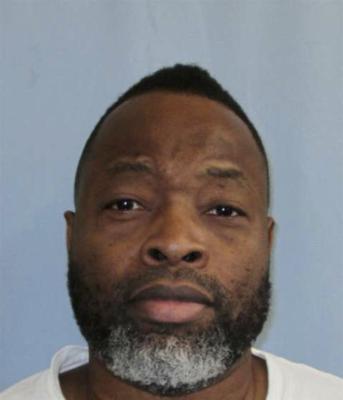
Alabama corrections officials apparently botched an inmate’s execution last month, an anti-death penalty group alleges, citing the length of time that passed before the prisoner received the lethal injection and a private autopsy indicating his arm may have been cut to find a vein. Joe Nathan James Jr. was put to death July 28 at an Alabama prison for the 1994 shooting death of his former girlfriend. The execution was carried out more than three hours after the U.S. Supreme Court denied a request for a stay. “Subjecting a prisoner to three hours of pain and suffering is the definition of cruel and unusual punishment,” Maya Foa, director of Reprieve U.S. Forensic Justice Initiative, a human rights group that opposes the death penalty, said in a statement. “States cannot continue to pretend that the abhorrent practice of lethal injection is in any way humane.” The Alabama Department of Forensic Science declined a request to release the state’s autopsy of James, citing an ongoing review that happens after every execution. Officials have not responded to requests for comment on the private autopsy, which was first reported by The Atlantic. At the time of the execution, Alabama Corrections Commissioner John Hamm told reporters that “nothing out of the ordinary” happened. Hamm said he wasn’t aware of the prisoner fighting or resisting officers. The state later acknowledged that the execution was delayed because of difficulties establishing an intravenous line but did not specify how long it took. Dr. Joel Zivot, a professor of anesthesiology at Emory University and an expert on lethal injection who witnessed the private autopsy, said it looked like there were numerous attempts to connect a line. Zivot said he saw “multiple puncture sites on both arms” and two perpendicular incisions, each about 3 to 4 centimeters (1 to 1.5 inches) in length, in the middle of the arm, which he said indicated that officials had attempted to perform a “cutdown,” a procedure in which the skin is opened to allow a visual search for a vein. He said the cutdown is an old-style medical intervention rarely performed in modern medical settings and that it would be painful without anesthesia. He also said he saw evidence of intramuscular injections not in the vicinity of a vein. The Alabama Department of Corrections prison system issued a written statement in which it noted that “protocol states that if the veins are such that intravenous access cannot be provided, the team will perform a central line procedure,” which involves placing a catheter in a large vein. “Fortunately, this was not necessary, and with adequate time, intravenous access was established,” the statement said. Alabama does not allow witnesses from news outlets to watch the preparations for a lethal injection. They get their first glimpse of the execution chamber when an inmate is already strapped to the gurney with the IV line connected. A reporter for The Associated Press who attended the execution observed that James did not respond when the warden asked if he had final words. His eyes remained closed except for briefly fluttering at one point early in the procedure. Lawyers who spoke with James by telephone said they were disturbed by his reported lack of movements and raised questions about what happened before the lethal injection. Hamm said James was not sedated. “That wasn’t the Joe that I knew. He always had something to say. He always wanted to be in control,” said James Ransom, the attorney who helped James file his appeal with the U.S. Supreme Court. “The fact that he did not give any sort of reaction … and that he didn’t open his eyes tells me something was up,” Ransom said. John Palombi, a federal defender who spoke with James twice on the day of his execution, said James, “was certainly alert” earlier in the day. The Atlantic quoted a friend of James as saying that the inmate had planned to make a final statement. Robert Dunham, executive director of the Death Penalty Information Center, a national nonprofit organization that analyzes issues concerning capital punishment, said the delay between the Supreme Court’s go-ahead and the execution, combined with the autopsy, points to a “botched execution, and it is among the worst botches in the modern history of the U.S. death penalty.” “This execution is Exhibit A as to why execution secrecy laws are intolerable,” Dunham wrote in an email to the A.P. “The public is entitled to know what went on here — and what goes on in all Alabama executions — from the instant the execution team begins the process of physically preparing the prisoner for the lethal injection until the moment the prisoner dies.” Republished with the permission of The Associated Press.
Border chief Raul Ortiz in sworn testimony: Southern border ‘is currently in a crisis’
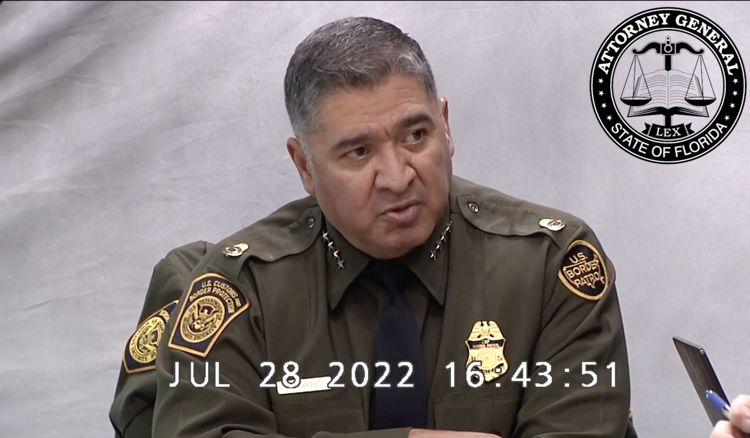
As part of ongoing litigation against the Biden administration, Florida Attorney General Ashley Moody continues to uncover what she calls “damning evidence” about the consequences stemming from Biden administration policies changing federal immigration laws. Moody’s chief deputy on July 28 deposed U.S. Border Patrol Chief Raul Ortiz, who testified under oath that the Biden administration purposely reduced U.S. Immigration and Customs Enforcement’s detention capacity and changed the removal process of people illegally in the U.S. While a complete transcript of Ortiz’s deposition was made public, part of his testimony is transcribed here. When asked, “would you agree that the southern border is currently in crisis,” Ortiz replied, “Yes.” When asked, “Would you agree that an unprecedented number of aliens are entering the United States right now,” he replied, “Yes.” When asked, “Are the individuals that are turning themselves in doing so because they believe they are going to be paroled?” He replied, “I would imagine they think they are going to be released, yes.” “Would you agree the aliens who cite favorable immigration policy as a reason to come to the United States are perceiving what is actually happening in the United States,” he replied, “Yes.” “When President (Joe) Biden was elected, did the number of aliens trying to illegally enter the United States increase or decrease?” He replied, “Increase.” “What is currently going on at the border? Is it making it less safe for Americans and aliens at the border alike?” He waited a while to respond and answered, “Yes.” “From your 31 years of experience, has the Border Patrol in a year ever had the number of encounters it’s going to have in 2022?” He replied, “No.” When asked why it is important to detain and remove individuals who are in-admittable, he replied, “You want to make sure you have consequences.” “And if you don’t have consequences, what is likely going to happen?” he was asked. He replied, “In my experience, we have seen increases [of illegal entry] when there are no consequences.” When asked if “migrant populations believe there aren’t going to be consequences, more of them will come to the border, is that what you are saying?” He replied, “There’s an assumption that if migrant populations are told that there’s a potential that they may be released that yes, you can see increases.” Throughout the questioning, Ortiz moved around a lot in his chair, rubbed his forehead, and appeared to be uncomfortable, according to an edited video recording of his deposition. His attorney objected to every single question he was asked before he ever replied. Of his responses, Moody said, “After the Biden administration denied that they were engaged in catch-and-release and that they were responsible for the historic surge at our southern border, Florida got the Chief of Border Patrol to admit, under oath, the truth. The Biden administration caused the surge, made the border less safe, and is flagrantly violating the very federal laws they swore to uphold. The Biden administration is putting hard-working border patrol agents in impossible and untenable positions – risking their lives and safety, and I want to thank Chief Ortiz for testifying truthfully at his deposition.” The deposition was part of a lawsuit filed by the state of Florida against the Department of Homeland Security and other agencies, claiming they failed to enforce federal law. For example, according to the lawsuit, one law not being enforced is the Immigration and Nationality Act. It requires federal agents to detain inadmissible foreign nationals who’ve entered the U.S. illegally and repatriate them to the country of their citizenship. Instead, those who would normally be deported are being released into the U.S., according to Customs and Border Patrol data. During the last full month of the Trump administration, Border Patrol agents released 17 foreign nationals who’d illegally entered the U.S. into the interior instead of deporting them, pending resolution of their cases. But within six months of Biden taking office, federal agents released more than 60,000 illegal foreign nationals into the U.S. in one month. According to federal documents provided to Florida during the discovery phase of the case, DHS disclosed that there were more than 48,000 foreign nationals illegally in the U.S. who indicated they were traveling to Florida and who failed to check in with ICE. The federal government has no idea where they are “even though most of them are legally inadmissible,” Moody said. The lawsuit points to revised DHS policy that directs federal agents to release family units and/or single adults from certain countries into the interior of the U.S. even though they were likely inadmissible and should have been deported according to federal law. After entering the U.S. illegally, federal agents didn’t fully process them or require them to report within a specific time period to an ICE facility for further processing, according to the lawsuit. Moody’s office filed an amended complaint to its original lawsuit in the U.S. District Court Northern District of Florida Pensacola Division on August 12. The case is scheduled to go to trial in January 2023. Republished with the permission of The Center Square.
Alabamians can apply for a Medical Cannabis business license starting Thursday

On September 1, the Alabama Medical Cannabis Commission will allow interested Alabamians to download the forms to apply to be a licensed medical marijuana grower, transporter, processor, dispensary operator, or vertical integrator. Alabama Today spoke with Antoine Mordican, who hopes to be one of the medical cannabis growers on Monday. “The commission published their fees on their website today,” Mordican said. “The fee ($40,000 to be a grower/cultivator) is about what I expected.” Cultivator licenses are $40,000 a year, integrator $50,000, processor $40,000, secure transporter $30,000, and state testing laboratory $30,000. The fee must be paid annually, and the number of licenses is strictly controlled by the state. A non-refundable application fee of $2,500 must also be paid to the Commission just for applying for a license. Mordican, an engineer, said that his facility would be all indoors and use hydroponics. “We will use LED lighting throughout (to grow the plants), and there will be sensors in every room so that the plants get the water that they need.” “There will be no wastewater,” Mordican continued. “There will be a water recirculation system so that it all gets used by the plants.” Mordican said that he is still in the “raising capital” phase of this venture but explained he has been growing hemp for going on three seasons, so all of his processes for growing cannabis are currently in use by him in the real world. However, the marijuana growing facility would be new and a custom build from the ground up. Mordican said that “building relationships” is preferable to him over simply finding financiers who want to make a fast buck in the medical cannabis industry. Medical marijuana is harvested from the buds, meaning that the rest of the plants become waste products. Mordican said that he hopes to be able to recycle the excess plant material as hempcrete or other industrial applications. “There is no composting,” in Mordican’s system because hydroponics do not require a soil medium, Mordican explained. Mordican’s facility will be in Jefferson County. County Commissions and city governments will have a say on whether or not marijuana cultivation will be allowed in their jurisdictions. Chey Garrigan is the executive director and founder of the Alabama Cannabis Industry Association. “We are working with producers on understanding the licensing process,” Garrigan said. “Potential producers need to understand that there is going to be some upfront costs involved with applying for a license.” The Commission has estimated that it will be late 2023 at the earliest before Alabamians will be able to purchase Alabama-grown medical cannabis, as the licensing process will take 11 months, and then the licensees still have to build their facilities. “The important thing to us is that Alabamians with a legitimate medical need can lawfully get the help that they need,” Garrigan said. The Alabama State Legislature passed medical cannabis legislation in the Spring of 2021 and tasked the Alabama Medical Cannabis Commission with regulating the new industry. According to the commission’s latest timeline, applicants have until October 17 to request application forms. According to recent polling, marijuana has surpassed cigarettes and tobacco use, reaching a new all-time high. 16% of Americans report having used marijuana in the last week versus just 11% for cigarettes. Cigarette usage dropped from 16% last year to 11% in the most recent survey, while marijuana has increased from 12% use to 16% in the same time period. Marijuana, whether used medically or recreationally, remains illegal federally. To connect with the author of this story, or to comment, email brandonmreporter@gmail.com.
Joe Guzzardi: Migrant school enrollment begins; less teacher time for U.S. kids

New York City public schools are bracing for a significant enrollment of non-English speaking migrants. The recently arrived youths were bused to Manhattan from Texas, an ongoing transfer from Red to Blue areas of the country that has led to bombastic protests from New York’s sanctuary city Mayor Eric Adams. The political implications for Adams and Texas Gov. Greg Abbott are yet to be seen. But the consequences for the 80,000 K-12 teachers are immediate and demanding. As Schools Chancellor David Banks said: “There are students coming in every day.” But Banks omitted some key elements of what he called a challenge. The new students have arrived illegally from around the world, about 150 different nations, and will need assistance in every facet of public education. That assistance comes at the expense of New York’s already enrolled student body, as well as its teachers and administrators. No teacher has enough time in his or her day to properly educate existing pupils and simultaneously transition the newcomers into classroom readiness. Department of Social Services Commissioner Gary Jenkins put on a brave but foolhardy front. Jenkins said that his agency is going all out to smooth the way for the migrants, support their needs and quickly enroll them. Easier said than done, of course. The burden won’t directly fall on Jenkins, Banks, or Adams. The already overworked and under-appreciated teachers will be responsible for educating illegal immigrants, some with no formal classroom background. Good luck to the soon-to-be overwhelmed teachers. Mayor Adams, Chancellor Banks, and Commissioner Jenkins are off to a bad start. With schools opening on September 8, the high-ranking trio felt compelled to do something – anything! – to give teachers, school principals, and parents the impression that they have a clue. Adams introduced his short-on-details interagency plan to transition the students before their first day. The children received free-to-them, but taxpayer-funded school supplies and mobile phones. Few kids who live in an understaffed shelter as these do are prepared to begin a new school year in a new country and new environment. The child who is age-appropriate for the fourth grade but has no first, second, or third-grade preparation is unlikely, public education experts concluded, to ever catch up and are at risk of dropping out. President Joe Biden’s open borders agenda has hurt millions of already-struggling, poor Americans. Now, Biden’s brazen, illegal, unconstitutional immigration law-breaking will leave its mark on America’s classrooms. Among the biggest losers in the very long list of immigration policy victims that the Biden administration has willfully created are the students who will now have to compete for their teachers’ attention with non-English speaking migrants. Rita Rodriguez-Engberg, director of the Immigrant Students’ Rights Project at Advocates for Children, admitted that migrants who are learning English and living in shelters “will need targeted support in school, including programming to help them learn English and participate in class.” The city is dramatically short of bilingual English language instructors. Consider that in the 2021-2022 academic year, New York’s K-12 1.1 million student-strong profile showed that 72 percent were economically disadvantaged; 20 percent had disabilities, and 14 percent were English language learners. Into that mix, teachers and education-hungry citizen kids must find a way to accommodate the migrants and create a productive classroom environment – a tough assignment that could spike teachers’ already-high attrition rate. In New York, the two-year teacher attrition rate is 25 percent; 18 percent leave in the first year. The national rate is 10 percent. Because Abbott has bused illegal immigrants to New York, and Adams complained loudly, the fallout between them is headline news. But, remember, Biden has also authorized migrants’ release into the interior’s every corner. Other schools will soon be juggling teacher time and scarce resources between illegal aliens and citizen students. Coming off of two years of COVID-mandated remote learning and then vying for teacher time because of Biden’s reckless immigration agenda, U.S. kids have to apply themselves if they want a sound education that will put them on a path to good jobs. But with Biden, American kids’ educations are a distant second to illegal aliens’ schooling needs. Putting U.S. kids second is consistent with Biden’s now well-established America-last agenda. Joe Guzzardi is a nationally syndicated newspaper columnist who writes about immigration and related social issues. Joe joined Progressives for Immigration Reform in 2018 as an analyst after a ten-year career directing media relations for Californians for Population Stabilization, where he also was a Senior Writing Fellow. A native Californian, Joe now lives in Pennsylvania. Contact him at jguzzardi@pfirdc.org.
Hearing on voting machine lawsuit is today
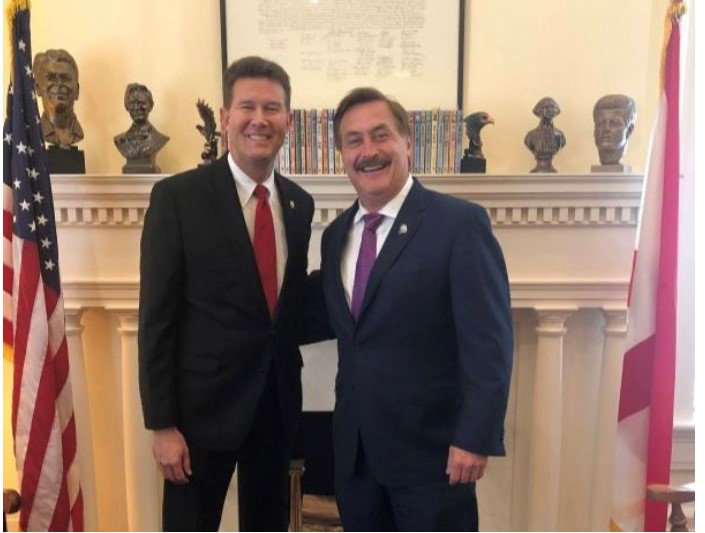
A judge will hear a motion to dismiss a lawsuit challenging the use of vote counting machines today in Montgomery at 9:00 a.m. The lawsuit was originally brought by Republican primary candidate Lindy Blanchard and State Rep. Tommy Hanes. The candidates had originally sought to bar the use of the vote tabulation machines in the May 24 Republican primary. Both Hanes and Blanchard lost in the primary. Hanes, the incumbent, lost to challenger Republican Mike Kirkland 3,707 48.4% to 3,950 51.6%. Kirkland is unopposed in the general election. Blanchard finished second to incumbent Gov. Kay Ivey, but the popular incumbent received 54.8% of the vote in the primary, besting Blanchard and seven other primary opponents combined to avoid a Republican primary runoff. No incumbent governor in Alabama has lost their party primary since George C. Wallace beat incumbent Gov. Albert Brewer in the 1970 Democratic primary. Three incumbents have lost general elections. Failing to block the machine tabulation of both the primary and primary runoff votes, the lawsuit is now just challenging the use and accuracy of the machines in general. Blanchard has left the lawsuit, which is being supported by My Pillow founder and CEO Mike Lindell. Former Gov. Don Siegelman has taken Blanchard’s place in the lawsuit. Siegelman, the last Democratic governor in Alabama history, maintains that he actually won the 2002 general election to then-Congressman Bob Riley. The Republican Party has won the last five gubernatorial elections, and incumbent Gov. Kay Ivey is expected to win re-election on November 8. The Alabama chapter of the ultra-MAGA group Focus On America (FOA) is continuing to support the lawsuit. Supporters and members of the group are being asked to attend Tuesday’s hearing to show support. Signs will not be allowed in the courtroom. Secretary of State John H. Merrill has maintained that the vote counting machines, which do not connect to the internet, are both safe and accurate. Merrill said in a statement after meeting with Lindell, “Every Alabamian should be proud that Alabama was recognized as the gold standard for election administration for the first time in our state’s history by the Concerned Women for American Legislative Action Committee. We will continue to work with those like Mr. Lindell and other concerned citizens to provide complete transparency.” Alabama Attorney General Steve Marshall has filed a motion to dismiss the lawsuit citing a lack of grounds. If the motion to dismiss is denied, the case could move forward to the trial stage in the coming weeks. Merrill maintains that replacing the vote tabulation machines with hand counts by poll workers, like Russia and some countries still use, will slow the vote counting down and add an opportunity for potential fraud as well as mistakes by the human vote counters. To connect with the author of this story, or to comment, email brandonmreporter@gmail.com.
