
“Billboard Chris” brings national conversation on puberty blockers to University of Alabama Birmingham.
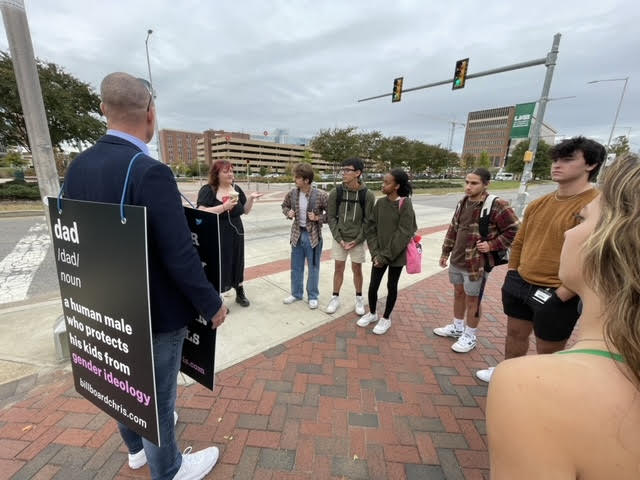
The Vulnerable Child Compassion and Protection Act was signed by Gov. Kay Ivey in April 2022. The law makes it a felony for doctors to prescribe puberty blockers and hormones to children under age 19. Alabama is one of multiple states that have recently pushed or passed laws that protect children and adolescents from the off-label use of prescription drugs that suppress the hormones released during puberty and the drugs that mimic hormones released in the opposite sex during puberty. According to the Kaiser Family Foundation, “Four states (Alabama, Arkansas, Texas, and Arizona) have recently enacted such restrictions (though the AL, AR, and TX laws all have been temporarily blocked by court rulings) and in 2022, 15 states are considering 25 similar pieces of legislation.” “There are very real challenges facing our young people, especially with today’s societal pressures and modern culture,” Ivey said in a statement. “I believe very strongly that if the Good Lord made you a boy, you are a boy, and if he made you a girl, you are a girl.” This is the message that Chris Elston, a Canadian activist known as “Billboard Chris,” brought to Alabama during a recent trip. Elston has traveled across North America wearing signs that spark conversation about the harms of gender ideology and gender transition treatments for children and teens. Elston describes his approach as simple: peacefully and calmly standing where he can be seen and having conversations with passersby. His main message is, “Children cannot consent to puberty blockers.” Elston told Alabama Today, “The puberty blockers being given to children have never had FDA approval for this use, have never had a single clinical study, and, combined with cross-sex hormones, are sterilizing children, about half of whom are on the autism spectrum. Many would just grow up to be gay. All of these children have some comorbidity going on, but the practice today is to simply affirm a child’s self-diagnosis as being gender dysphoric and start them immediately on puberty blockers or cross-sex hormones.” Lupron, the usual puberty blocker, is a cancer drug approved for prostate cancer, endometriosis, and uterine fibroids, and it is the exact same drug used in the past to chemically castrate pedophiles.” This is a point echoed in Alabama’s State House during the passage of the bill, “This is about protecting children because there’s a very high probability that this child will be misdiagnosed and will be entered into an irreversible medical intervention,” said Dr. Patrick Lappert, who spoke during the hearing in February. U.S. District Judge Liles Burke issued a preliminary injunction to stop the state from enforcing the medication ban, which took effect May 8, while a lawsuit goes forward. The ruling was a victory for families and advocacy groups who challenged the first-of-its-kind law as an illegal intrusion into family and medical decisions. Ivey referred to the ruling as a “temporary legal roadblock.” Alabama’s state attorney general indicated he will appeal. Just days after the U.S. Supreme Court ruled that states can prohibit abortion, Alabama seized on the decision to argue that the state should also be able to ban gender-affirming medical treatments for transgender youths. Alabama attorney general’s office argued that gender transition treatments are not “deeply rooted in our history or traditions,” and thus, the state has the authority to ban them. Elston says he hopes they will, “Tens of thousands of children are having their bodies irreversibly harmed. Girls as young as 12 have had their breasts cut off. Boys’ future adult sexual function is being destroyed, and these children will never be able to have families of their own. What child can possibly give informed consent to this?” https://youtu.be/qwdJMQdIc1o
Personnel Update: Helena Duncan named CEO of Business Council of Alabama
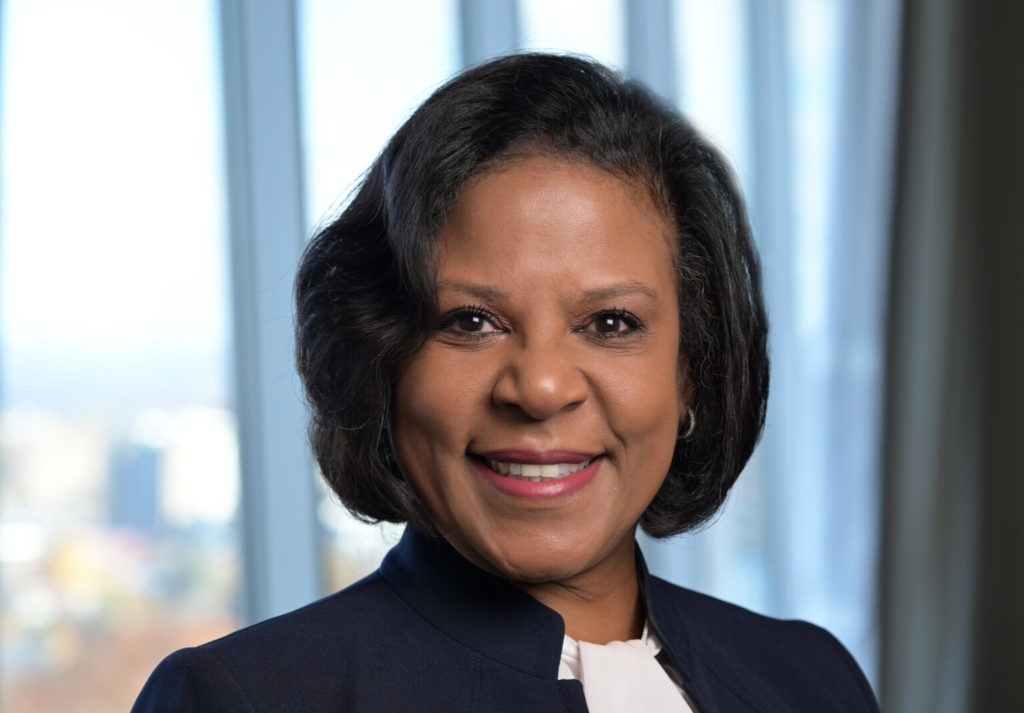
The Business Council of Alabama has named Helena Duncan as its new President and CEO. Duncan has over 30 years of experience in the financial industry and has been at BCA since 2020. Most recently, Duncan worked as Senior Vice President of Operations and Investor Relations. “Helena Duncan has the experience, talent, and perspective to lead the BCA effectively and enhance its role as the voice of Alabama business,” BCA Chairman Mike Kemp said in a news release. “She is an experienced businesswoman who has worked with a broad cross-section of businesses. She speaks the language of business. Her leadership qualities, management experience, and work ethic will be valuable assets to BCA as we chart our course for the future.” Duncan is the first African American president of BCA. Duncan is also a board member of Dixie Electric Cooperative, the YMCA, the Montgomery Committee of 100, the Board of Controls Committee of 100, and Synovus Bank. “I am honored to be chosen and entrusted with the responsibility of leading such a prestigious organization. I look forward to implementing our strategic plan that has been developed over the past year,” said Duncan. “My previous roles at BCA have given me a strong knowledge of the organization and our members. As we begin this new chapter, our priority will be to refine and refocus our efforts on energetic, effective advocacy on behalf of our members in Montgomery and at the federal level.” The position has been vacant since U.S. Sen.-elect Katie Britt stepped down in July 2021 to run for U.S. Senate. Robin Stone has led BCA as Interim Executive Director since then. Kemp praised Stone’s leadership. “Robin has provided efficient, effective leadership during his time at BCA,” stated Kemp. “During his tenure, BCA experienced a strong period of successful operations in all aspects of our organization, and we are grateful for his contributions. We look forward to his continued support.” Helena is married to Clarence Duncan. They have two sons, CJ and Collin.
Two dead in severe weather Tuesday night
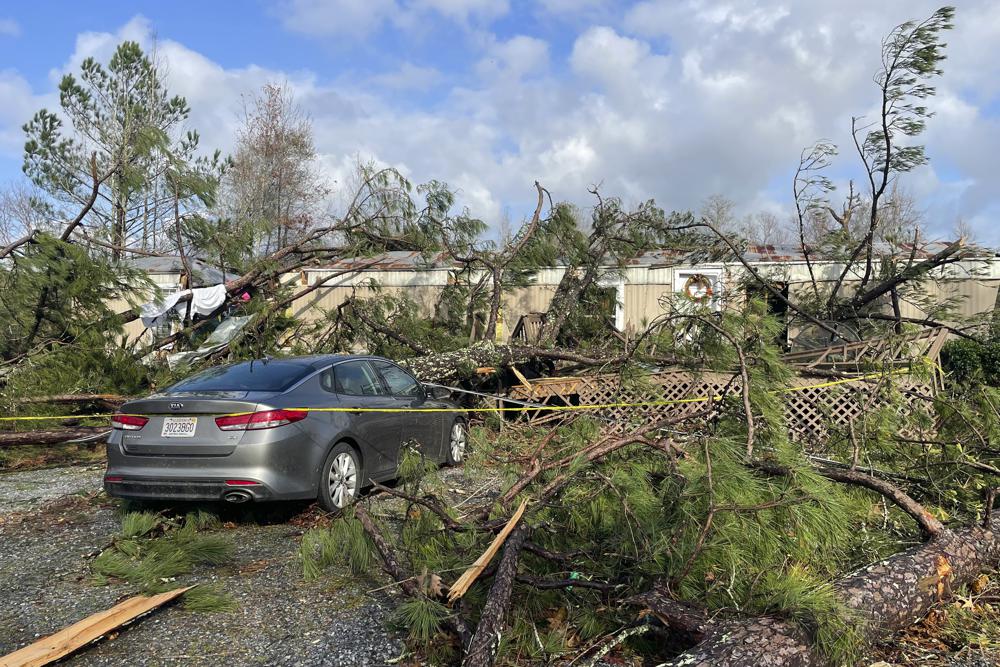
Severe weather swept across the state late Tuesday night thru the early morning hours. Two people have been reported killed in the Flatwoods community in Montgomery County. There is reported damage across parts of the state, particularly in Montgomery, Greene, Elmore, and Hale Counties. A 39-year-old woman and an eight-year-old boy were killed in the Flatwoods Community in Montgomery County when a tree fell on their mobile home. Other people were injured in the home. “It’s absolutely looking like a small community’s been wiped off the map,” said Christina Thornton – the director of the Montgomery County Emergency Management Agency – speaking of Flatwoods. “It’s really devastating to think about when you look across the field, and you know that there were homes there the day before on your way to work. And when you’re leaving work this morning, they’re not going to be there.” The Montgomery County Sheriff’s Department reported that a shelter was being opened at the Union Academy Baptist Church at 4748 Lower Wetumpka Road for the residents who were displaced by the nearby destruction. There are a number of homes destroyed in Montgomery County. The Alabama Law Enforcement Agency wrote on Facebook, “On Wednesday, Nov. 30, severe overnight storms and possible tornados have caused several road closures. The following roads within Montgomery County have been reported to have trees and powerlines down, Lower Wetumpka Road, Coosada Ferry Road, and Williams Drive. The following roads within Elmore County have also been reported to have trees and powerlines down Dark Corners Road, Friendship Road and Rifle Range Road.” Crews are on the scene working on getting all the roads reopened today. The Sagewood Apartments complex in Eutaw in Greene County was destroyed by an apparent tornado leaving dozens of residents homeless this morning. ABC 33/40’s Megan Scarano reported on her Facebook feed, “As the sun rises….This is the reality this morning for some families at Sagewood Apartments in Eutaw. Their home was torn to shreds. You can see straight through bedrooms, hallways, and you can see insulation hanging in the wind. Siding, shingles, and wood is laying all over their backyard. You can hear the fire alarms going off in the background as well. “ Eutaw Police Chief Tommy Johnson told Scarano that “they believe no one is injured.” First responders moved the displaced residents to Carver Middle School during the immediate crisis, but they will need to find new housing in the immediate future. Be aware that there will be power crews and highway crews out on the roads today as they work to reopen roads, remove storm damage, and restore power, so expect delays and please slow down for their safety and your own. Congresswoman Terri Sewell wrote on Facebook, “My heart goes out to everyone impacted by last night’s severe storms, especially the families of those who lost their lives or were injured. My team and I are closely monitoring the damage and stand ready to assist. We will get through this together!” Severe weather can strike at any time of the year in moisture-rich Alabama. More people have died in Alabama from tornados since the 1940s, when accurate records first began being kept, than in any other state. Texas is second. To connect with the author of this story, or to comment, email brandonmreporter@gmail.com.
Digital media didn’t kill Alabama’s big three print newspapers; their woke newsrooms did. Still, I mourn.

Weird confession: I love the feel of a newspaper in my hand. I love the sound and feel of adjusting it as I read from the top of the fold to the bottom. I love seeing how much column space is dedicated to which topics and how the pages have been laid out. What made page 2, and what was buried on page 6? I pay for at least a half dozen newspaper subscriptions to local and national news outlets. I believe in good journalism, and I think that subscriptions are an important way to show that support. I enjoy editorial content by those I rarely agree with when it’s well-reasoned. I appreciate reporters who can tell a story without their personal bias telling me how they feel about the story or, even worse, how I should feel based on their opinions. I check by-lines, seek out stories by personal favorites, and roll my eyes as I skip those who need more than an editor. They need a new career. Why do I tell you this? Because I want you to understand that the news that the three biggest papers in the state, all owned by Alabama Media Group (AMG), would stop publishing print editions was not a welcome one. Not at all unexpected, but not something I’m celebrating. There is a sentimental value for many while picking up the newspaper and reading it over morning coffee. It’s more than words. It’s the experience. The direction of the papers put out by AMG on AL.Com has changed in recent years, and not for the better. It has focused on quantity at the expense of the quality of content. They’ve pushed digital media, but to what end? A look at their social media accounts shows most stories have fewer interactions than I do fingers on a hand. They’re filling space just to fill it. One writer on the sports beat posted four stories about Black Friday sales, writing about the World Cup and then where you can get a price cut on a kitty litter scooper. That same reporter published five pieces within 36 hours on the hiring of a new football coach at Auburn. Alabama Media Group’s failure to connect with readers within the state, however, has nothing to do with the lack of editorial guidance. The biggest complaint has been that they have pushed an elitist narrative of wokeness that has alienated most of their would-be readers in the state. Rather than meet people where they are on issues, the staff of AL.Com seems to think their time is better spent pointing at them and laughing while screaming to out-of-state liberals to look at how backward everyone is. Don’t get me started on J.D. Crowe’s “opinion cartoons.” We get it, J.D. you hate everyone with an “R” beside our names and see each and every one of us as idiots with Klan hats and black hearts full of hate. For the love of all that’s holy, find a new angle. If not for sports, crime, and an occasional home run by John Archibald, I’m not sure they’d be able to keep their lights on without grant funding for their tone-deaf narratives. Archibald’s series on the corruption of the Brookside Police department was among the best stories I’ve ever seen unfold. I checked the news daily for weeks for updates. One could only wonder what our state would be if, rather than hiring a newsroom full of people who wish they were living in New York or California, AL.Com focused on finding and growing the next crop of investigative reporters (and hope that they don’t run away to California like one award-winning writer did). The Birmingham News was started in 1888, the Huntsville Times in 1910, and the Mobile Press Register in 1821. This is our state’s legacy media, and yet they are falling apart at the seams. The revelation that the combined total circulation in these three areas was only expected to be 30,000 by January was shocking. There will always be people who want to hold a newspaper. So what are those like myself, voracious consumers of daily news at all levels, to do? There are, of course, multiple independently run digital sites (including the one you’re reading) in the state, along with some excellent local papers (Hello Scott Buttrum at the Trussville Tribune). How do you know what to trust? In a world that tells you if an outlet isn’t a part of the legacy news, it has to be Fake News or Pay-to-Play? Know that news done correctly, and I speak from experience, is both a labor of love and an industry. While non-profit outlets exist, reporters, executives, editors, and salespeople are not working for free. They may be, as I am, working with hopes of pushing others around them to do better. After this site launched, several other outlets copied content styles from us, from providing round-ups in one place to acknowledging women of power and influence and more. Remember, it is incredibly disingenuous for reporters who work in newsrooms that produce content where the reader objectively can’t tell hard news from editorial to tell readers who they should or should not trust. Look no further than the coverage around the state and nation around bills to protect youth from developmentally inappropriate topics such as gender ideology and sexuality. The media pushed as hard as the advocates themselves to create the false narrative that said the legislation or restrictions were about targeting the LGBTQ community rather than just drawing a line between what should be a parent’s responsibility and that of an educator. “Don’t say gay” is and was always a fake narrative. That didn’t stop AL.Com from publishing these headlines: Gender identity ‘Don’t Say Gay’ law turns Alabama classrooms into verbal landmine for teachers and Alabama’s ‘Don’t Say Gay’ bill: What it would do; read the text. So my advice: read as much as possible from as many sources as possible, and you’ll find what
Auburn officially introduces Hugh Freeze as head coach
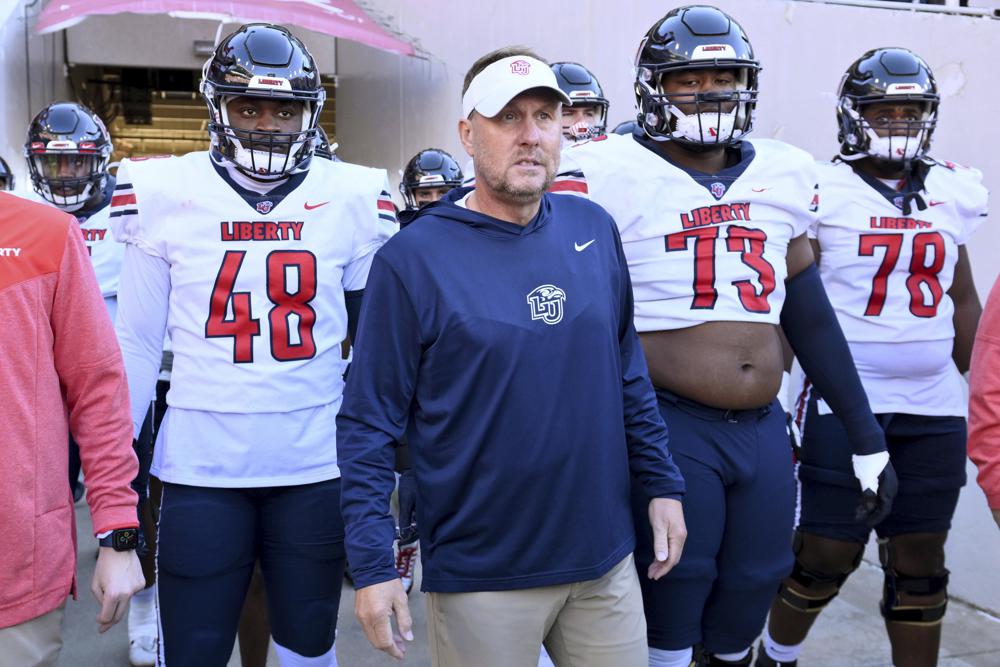
A day after announcing that Auburn University has hired Liberty Coach Hugh Freeze to be the 31st head football coach in the history of the program, the University held a formal press conference in Auburn to officially introduce Coach Freeze to the program’s alumnae and supporters. During the press conference, Freeze announced that he had hired interim Auburn head football Coach Carnell “Cadillac” Williams as associate head coach and that Cadillac would be staying with the program. “To me, it was a direct reflection of Cadillac and his leadership and how he led the staff and those staff,” Freeze said, praising Williams for his performance as interim coach. “I knew I had to have Cadillac on my side to help me drive the culture of Auburn football.” “It has always been my desire to remain at Auburn,” Williams said in a statement. “Last night, I was able to meet with Coach Freeze where shared his core values and vision for the football program and young men he will be coaching. He is a man of faith, and we share many of the same values when it comes to coaching. I am excited about his vision and plan for getting Auburn back to its winning ways, including winning championships!” “Coach Freeze asked me to stay on and join his staff as Associate Head Coach,” Williams said. “I accepted the position and am excited about working with him and learning from him. I ask that the Auburn Family join me in supporting Coach Freeze and getting Auburn football back on the winning track!” Auburn originally offered this job to current Ole Miss head football Coach Lane Kiffin. Kiffin turned the job down, opting to stay at Ole Miss, where he reportedly signed a $9 million extension on Tuesday. Many in the fan base had wanted the University to hire Williams as head coach. When Kiffin did not take the position, it went to Freeze. Reportedly Kiffin and Freeze were the only people considered for the job by new Auburn Athletics Director John Cohen, a former coach and athletics director who previously worked at Mississippi State. The hiring of Freeze has been met with skepticism by many and outright hostility by some. The Alabama Media Group’s Pulitzer Prize-winning columnist John Archibald wrote, “The university, after all, ignored a few things to hire him as football coach today. It overlooked his NCAA issues and the “pattern of personal misconduct” found by his old employer, Ole Miss. It overlooked 12 calls he made to escort services on Ole Miss phones and the claims of three women who say he acted inappropriately as a high school coach. It overlooked the way he reportedly reached out unsolicited to a sexual assault survivor to defend his own bosses at Liberty University.” Joseph Acosta wrote, “They can say that he’s a known winner and that this is a “win at all costs” move, which quite frankly is bullshit. He has a below .500 record in SEC competition at .475, including the wins that were vacated. For comparison, HOUSTON NUTT has a .491 record in SEC competition. Gus Malzahn, who Auburn fired in 2020 and is paying $21.5 million, has won more games in his career than Hugh Freeze.” Hugh Freeze had initial success as head coach at Ole Miss, including one ten-win season, but ultimately most of his wins at the school had to be vacated after the NCAA found that the football program under Freeze had committed a number of recruiting violations. Ole Miss then fired Freeze after the school learned that he had made a dozen phone calls to a Florida escort service on his University paid for phone. Freeze denied a media report that Auburn has required that he turn over control of his social media accounts to the University. Many Auburn fans, particularly on social media boards, have expressed skepticism about Freeze’s integrity. “Integrity is not always getting it right, or none of us would have it,” Freeze said. “It’s really when you don’t get it right what do you do, and you look at the end of the day of the film of your game, the film of your practice, the film of your life, the film of your decisions, and they don’t lie. And you have to own that at the end of the day, and guess what? Sometimes there are consequences when you don’t get it exactly right. We fumbled the ball eight times. You probably are not going to win. There is a consequence to that. You made a really poor decision. There may be a consequence to that, and that is Ok. It’s not great, and there may be consequences. You must accept those consequences, make the necessary changes, and get up the next day and play the next play.” “I see this as one of the top ten football programs in America, and I believe that,” Freeze told reporters. “We need you,” Freeze continued. “We need the fans. We need the Auburn family. We need the staff. We need the players. We need everyone in this building that is involved in our program to buy in to our core values to drive this train to get it where everyone wants to be. It is all of us that must pull together – the Auburn family.” A repentant Freeze asked that the Auburn family just give him a chance. “I don’t know anybody in this room who does not deserve a second chance,” Freeze explained. “I think everybody deserves a second chance, and I think we have fought to earn people’s trust back…Please give me a chance to earn your trust.” Auburn has reportedly hired a public relations firm to handle the blowback from this controversial hiring. To connect with the author of this story, or to comment, email brandonmreporter@gmail.com.
Huntsville mayor Tommy Battle highlights building for the future in annual address
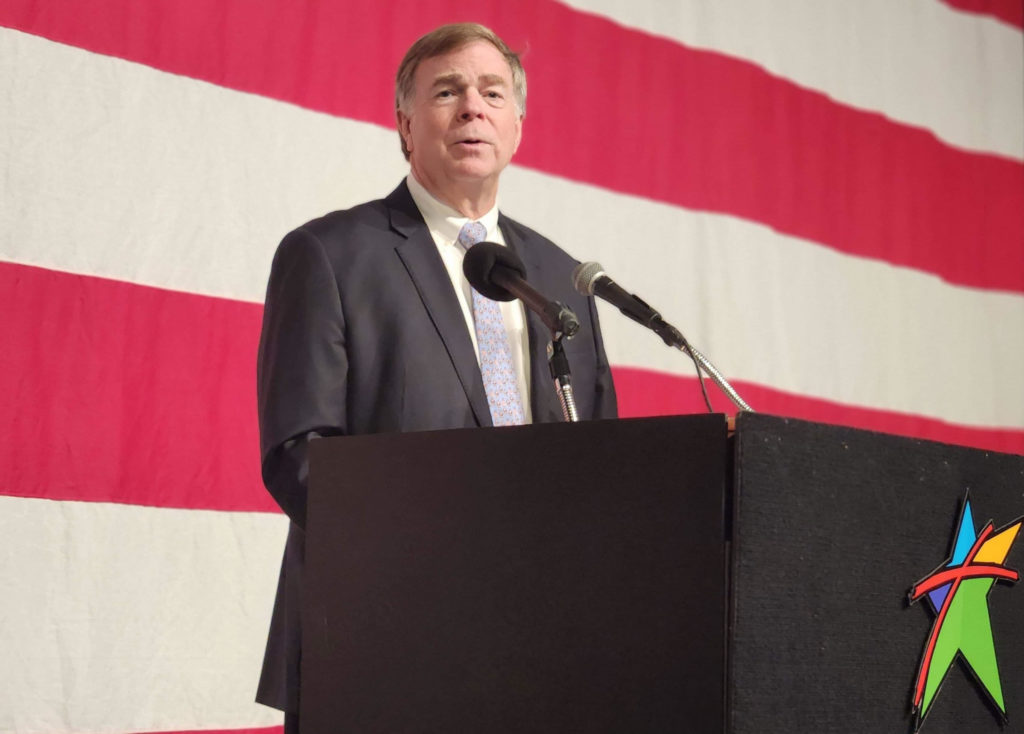
After a year of national accolades and historic growth, Mayor Tommy Battle outlined Huntsville’s forward-looking approach Tuesday during his annual State of the City address at the Von Braun Center. It was Battle’s 14th address since being elected in 2008. The sold-out gathering was hosted by the Huntsville/Madison County Chamber. The theme of Mayor Battle’s address was Quality of Life Infrastructure. He explained that investments in roads, greenways, parks, and other amenities benefit citizens but are also being made with future generations in mind. “They are the ones who will benefit from the investments we make today,” Mayor Battle said. “That’s why everything we plan, develop, and build is done with transparency and prudence. It is done with purpose, a strategy.” Among the many projects to see fruition over the next few years is the second phase of Mayor Battle’s Restore Our Roads initiative. The projects, which will cost an estimated $800 million, will enhance traffic flow around the City and in and out of Redstone Arsenal. “With growth, we may not be able to provide an 18-minute commute for everyone, but we’re working to keep traffic moving, safe, and manageable,” Mayor Battle said. “None of these projects would be possible without careful planning, wise spending and strong relationships with our regional, state, and federal partners.” Mayor Battle also highlighted the 24% growth in employment in the Huntsville metro area over the past 12 years. “Anyone who wants a well-paying job in Huntsville can find one,” he said. “Now that we’re on the map, folks are checking us out. We’re in the enviable position, and we’ve got great stories to tell.” Click here to watch Mayor Battle’s 2022 State of the City address. Click here to access Mayor Battle’s slideshow presentation.
Alabama’s construction industry booming; jobs and training available

Alabama’s construction industry has thousands of job openings, and now free training to operate bulldozers and skid steers is available through the Skills for Success program of the Alabama Community College System (ACCS). A unique feature of Skills for Success training is how quickly it can be completed. Part of the training is offered online, with interactive learning that is self-paced. Upon completing the online portion of the course, students then complete 16 hours of hands-on training with qualified instructors at any of the 24 community and technical colleges around the state. The training is developed by the ACCS Innovation Center in partnership with Alabama businesses and industries. “The number one challenge for most businesses right now is finding and retaining a skilled workforce,” said Chris Stricklin, Chief Technology Officer for Dunn Companies. “Skills for Success training, developed through partnership with industry partners, is the most innovative in the nation. We are working together for a better tomorrow for our individuals, companies, industries, communities, our state, and our nation. Together this will revolutionize our social dialogue and develop career routes with progression pathways.” The Alabama Community College System started the Skills for Success rapid training program earlier this year. Since its launch, more than 1,500 Alabamians have registered for training for in-demand jobs in industries such as construction, food and beverage, and trucking. The training is offered at no cost. “Alabama is facing a critical shortage of skilled workers. By delivering rapid training, Skills for Success quickly provides the trained workforce employers need to fill in-demand jobs,” said Keith Phillips, Vice Chancellor of Workforce and Economic Development for the Alabama Community College System. “Our community colleges have partnered with Alabama’s businesses and industries to develop these courses, so they provide job-specific training that leads to employment right away.” Participants who complete training also earn an ACCS Credential, which signals to businesses that the individual has mastered the skills taught in the program and is immediately ready for employment. The ACCS Credential can also be used as a foundation for additional classes and training at Alabama community colleges. To learn more about Skills for Success and to register for training, visit the ACCS Innovation Center’s website: innovation.accs.edu. Skills for Success is the Alabama Community College System’s rapid workforce training program launched earlier this year. It was developed in partnership with the state’s businesses and industries, so the training is aligned with the skills employers say workers need to fill available jobs. Skills for Success training is offered at no cost to participants. The Innovation Center is a division of the Alabama Community College System that brings together the state’s community colleges, business and industry, and community partners to deliver Skills for Success training. Earlier this month, Governor Kay Ivey announced that Alabama’s preliminary, seasonally adjusted October unemployment rate is 2.7%. That is up slightly from September’s rate of 2.6% but below October 2021’s rate of 3.1%.
Steve Flowers: Alabama’s big 10 mayors are influential
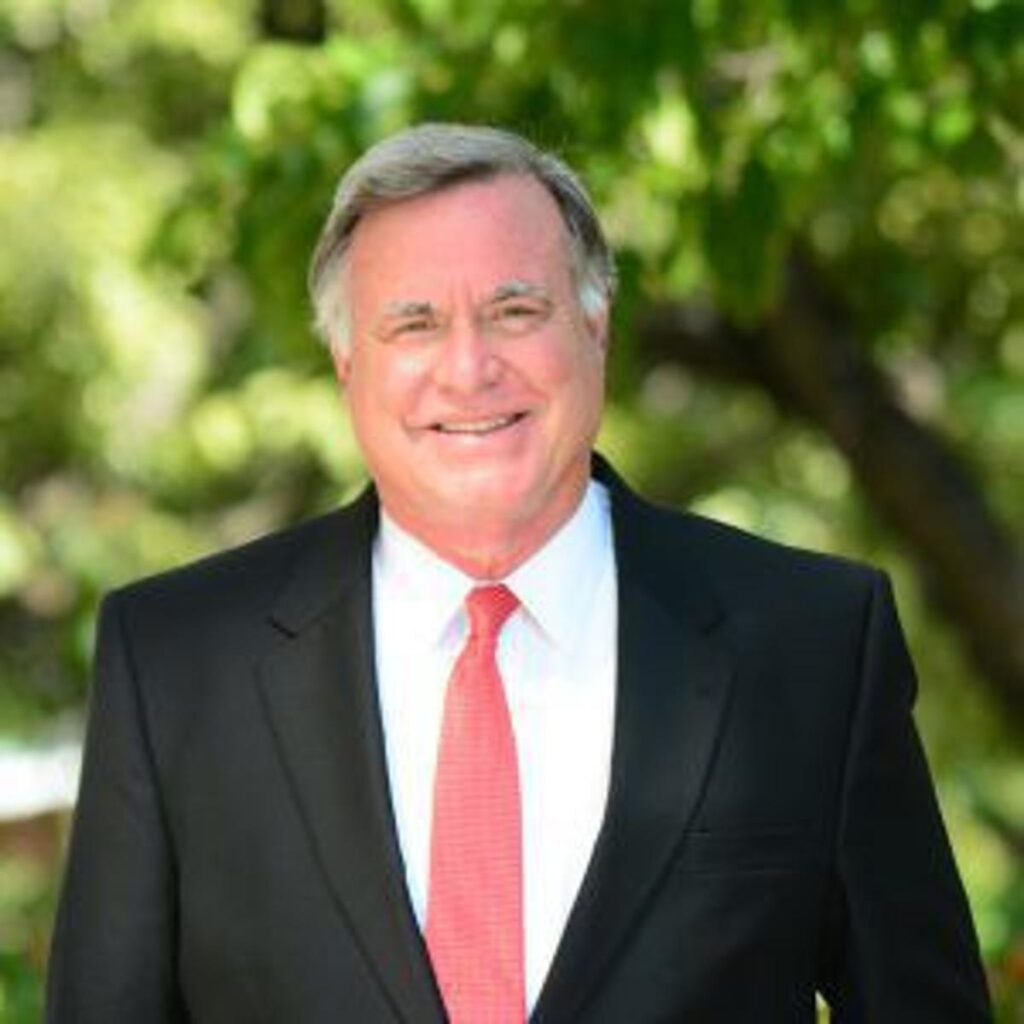
Students of Alabama political history will rightly remember the 2022 midterm election. This election saw the majority of Alabama voters cast their ballots for Katie Britt, who will be the first woman elected to represent Alabama in the U.S. Senate. Governor Kay Ivey easily coasted to victory to gain her second full term in office, continuing her reign as the first Republican woman to serve as Governor. Republicans from the top of the ballot on down cemented their control of the state government by huge margins. On top of all this, I suspect that students of Alabama politics will also note 2022 as the year that a new political force emerged on the scene. For the first time this cycle, the Alabama Big 10 Mayors – as the name suggests, the mayors of the state’s ten biggest cities – flexed their political muscle and put their support behind the Aniah’s Law constitutional amendment, which received a staggering 1,018,004 “yes” votes, more than any other item on the ballot. For those who are not aware of this emerging new group, the mayors of Alabama’s ten biggest cities joined together to use their collective influence to advocate for public policy positions that they believe will make Alabama a safer, more prosperous state. If you happen to live in the metro areas of Birmingham, Huntsville, Madison, Mobile, Montgomery, Auburn, Tuscaloosa, Dothan, Hoover, or Decatur – you live in the orbit of this group’s sphere of influence. While these mayors have been meeting regularly for several years to discuss issues like crime, infrastructure, and economic development, this election cycle marks the first time they have weighed in on electoral politics. Through a focus on local media, these mayors were able to ensure that this popular proposal stayed top-of-mind for Alabama voters. In fact, the late push against the referendum from both the far left and far right of the political spectrum was likely a reaction to the media coverage and public support that these mayors generated. Their advantage is not just in the media. They are a bipartisan group with credibility on both the right and left sides of the aisle. They are popular, and many are serving their third or even fourth terms. They are geographically diverse, with representation from Huntsville to Mobile to the Wiregrass. Finally, they represent a whole lot of Alabamians – approximately 75% percent of the state lives in one of their metro areas. As our state works to attract new residents and grapple with brain drain, policymakers would do well to listen to what these mayors have to say. It is clear that the future of Alabama depends on successful cities that can attract and retain the types of people who work in our booming space, medical research, and advanced manufacturing industries. Ignoring our cities is a recipe for decreasing competitiveness across the state. If you think we are a rural, small-town state, you are mistaken. In case you missed my earlier statement, a clear three-fourths of all Alabamians now live in one of our ten major cities in the state. Most of the real governing in the state is done by mayors. Being mayor of a city is where the rubber meets the road. It is the governmental constant where everyday problems are resolved. The gentlemen who comprise the group of the Big 10 mayors are hardworking, true public servants. They are doing their job day-in-and-day-out without fanfare and without an eye toward moving up statewide or to Washington. They love their cities and are governing them well. Representing the largest cities in Alabama, the Big 10 mayors include Auburn Mayor Ron Anders, Birmingham Mayor Randall Woodfin, Decatur Mayor Tab Bowling, Dothan Mayor Mark Saliba, Hoover Mayor Frank Brocato, Huntsville Mayor Tommy Battle, Madison Mayor Paul Finley, Mobile Mayor Sandy Stimpson, Montgomery Mayor Steven Reed, and Tuscaloosa Mayor Walt Maddox. It is interesting and noteworthy that two of the Big 10 cities are suburban enclaves of two of our large metropolitan areas. Hoover is one of the largest cities in the state and is an outgrowth of Birmingham. If census trends continue the next ten years the same as the last, Hoover may be a larger city than Birmingham. It more than likely will be in 20 years. However, if those same trends stay in place, Huntsville will continue to be Alabama’s largest city. One of the most revealing things to note is that Madison, a suburb of Huntsville, is one of the ten largest cities in Alabama. The Big 10 Mayors should have a big story for a long time to come. See you next week. Steve Flowers is Alabama’s leading political columnist. His weekly column appears in over 60 Alabama newspapers. He served 16 years in the state legislature. Steve may be reached at: www.steveflowers.us.
‘Execution survivor’ Alan Miller reaches settlement with state
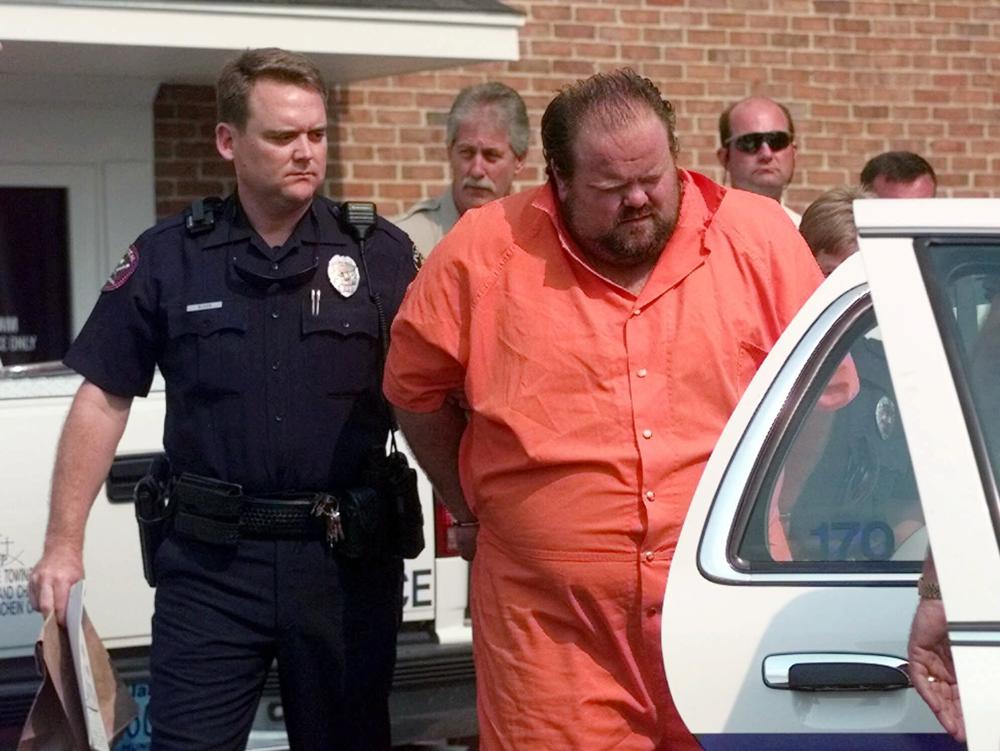
Alabama won’t seek another lethal injection date for an inmate whose September execution had been halted because of problems establishing an intravenous line, according to the terms of a settlement agreement approved on Monday. The state agreed to never use lethal injection again as an execution method to put Alan Eugene Miller to death. Any future effort to execute him will be done by nitrogen hypoxia, an execution method authorized in Alabama but that has never been used to carry out a death sentence in the US. There is currently no protocol in place for using nitrogen hypoxia. On Tuesday, U.S. District Judge R. Austin Huffaker Jr. approved the settlement agreement in a lawsuit brought by Miller seeking to prevent another lethal injection attempt. Miller had argued that the state lost paperwork stating he picked nitrogen hypoxia as his execution method and then subjected him to torture during the failed execution attempt. At the time, Miller’s attorneys called him the “only living execution survivor in the United States.” Miller was scheduled to be executed by lethal injection on September 22, but the state called off the execution after being unable to connect an IV line to the 351-pound inmate. Miller said that when prison staff tried to find a vein, they poked him with needles for over an hour and, at one point, left him hanging vertically as he lay strapped to a gurney. Alabama has acknowledged problems with IV access during at least four executions since 2018. Three of those had to be halted. Earlier this month, the execution of Kenneth Eugene Smith was halted after the execution team tried for an hour to connect an IV line. Last week, attorneys for Smith filed a lawsuit against the prison system, saying that the state violated the U.S. Constitution, various court orders, and its own lethal injection protocol during the botched execution attempt earlier this month. Smith’s attorneys are asking a federal judge to forbid the state from making a second attempt to execute him, saying Smith was already “subjected to ever-escalating levels of pain and torture” on the night of the failed execution. Alabama also called off the 2018 execution of Doyle Lee Hamm for the same reasons. He reached an agreement with the state that prevented further execution attempts, although he remained on death row. He later died of natural causes. Prison officials blamed time constraints, specifically the midnight deadline, for the three halted executions. The state’s July execution of Joe Nathan James was carried out, but only after a three-hour delay caused at least partly by the same problem with accessing an IV line. Last week Alabama Gov. Kay Ivey announced a pause on executions in order to review the procedures. The Republican governor cited concern for victims’ families. Miller was sentenced to death after being convicted of a 1999 workplace rampage in which he killed Terry Jarvis, Lee Holdbrooks, and Scott Yancy. The settlement agreement likely prevents another execution attempt in the near future since Alabama has not announced procedures for using nitrogen hypoxia, and there will be litigation over the humaneness of the method before a state tries to use it. Republished with the permission of The Associated Press.
Terri Sewell mourns the passing of Rep. Donald McEachin
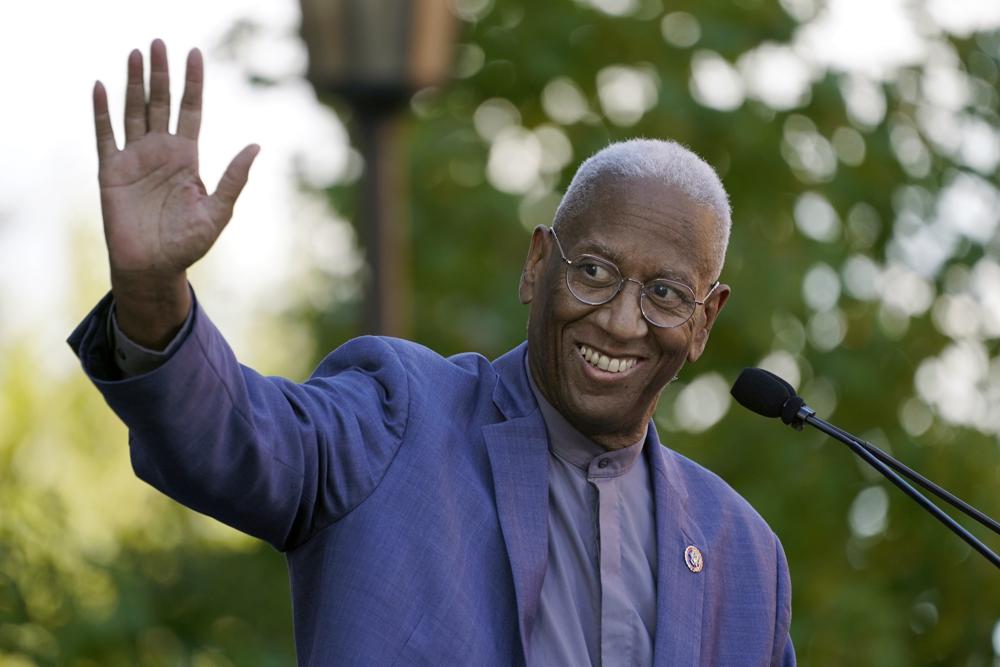
Congresswoman Terri Sewell released a statement regarding the passing of Congressman Donald McEachin. “I am heartbroken by the passing of our friend and colleague, Congressman Donald McEachin. I was honored to serve alongside him in the House and on the Congressional Black Caucus Foundation Board of Directors,” Sewell said in a statement. “Virginia has lost a dedicated public servant and fighter for justice. I am keeping his wife, family, and staff in my prayers.” “Jill and I are saddened by the death of Congressman Don McEachin of Virginia, following a battle with cancer,” said President Joe Biden. “We send our deepest condolences to Don’s wife, Colette, and their three children.” “I got to know Don after he was elected to Congress in 2016,” Biden continued. “I will always be grateful for his friendship and his early and fierce support when I ran for President. Don was a fighter. He fought for justice, for civil rights, and for communities that are often left behind. Thanks to Don’s leadership and tireless advocacy, we passed historic legislation to combat the climate crisis and advance environmental justice.” “The son of a school teacher and an Army veteran, public service was in Don’s DNA,” the President said. “After practicing law, he served honorably in both chambers of Virginia’s General Assembly before winning election to the United States Congress. Through it all, Don always fought for the working people of Virginia. He never quit in his pursuit of justice. May God bless Don McEachin, Colette, and the entire McEachin family.” Rep. McEachin was first elected to represent the 4th Congressional District of Virginia in the United States House of Representatives on November 8, 2016. McEachin served as co-chair of the House Democratic Environmental Message Team, co-chair of the Congressional Black Caucus’ Transportation, Infrastructure, Environment and Energy Policy Council, and vice-chair of the Sustainable Energy and Environment Coalition (SEEC). McEachin co-founded the United for Climate and Environmental Justice Congressional Task Force and led the task force as a co-chair to his death. McEachin was a member of the House Committee on Energy and Commerce (E&C), the House Committee on Natural Resources, and the Select Committee on the Climate Crisis. As a member of E&C, Rep. McEachin sat on the Environment and Climate Change, the Communications and Technology, and the Energy subcommittees. As a member of Natural Resources, Rep. McEachin sat on the Energy and Mineral Resources subcommittee. McEachin served as a legislator in both chambers of Virginia’s General Assembly prior to. He started several law firms in the Richmond area during his legal career. McEachin graduated from American University with a degree in Political Science and from the University of Virginia School of Law, as well as a Master of Divinity from The Samuel DeWitt Proctor School of Theology at Virginia Union University. McEachin was a lifetime member of Kappa Alpha Psi Fraternity, Inc. and the NAACP, as well as the Virginia State Bar and the Virginia Trial Lawyers Association. McEachin is survived by his wife, Colette, and their three adult children. Sewell was recently reelected to a seventh term representing Alabama’s Seventh Congressional District. To connect with the author of this story, or to comment, email brandonmreporter@gmail.com.
Prison captain Deaundra Johnson arrested on ethics charges

An Alabama prison captain and a former officer were arrested Monday on bribery and ethics charges, the state prison system confirmed. The Alabama Department of Corrections said Capt. Deaundra Johnson and Centauria Olds, a former prison lieutenant, were arrested Monday on charges of bribery of a public servant and using their official positions for personal gain. Investigators also executed a search warrant as part of an ongoing investigation, the prison system said in a statement. The prison system did not provide details of the accusations, and court records were not immediately available. Olds was arrested last year on an accusation of accepting money from an inmate in exchange for bringing contraband into the prison, according to court records. The case was sent to a grand jury, but it’s unclear if that led to Monday’s arrest. “The ADOC is committed to enforcing its zero-tolerance policy on contraband, particularly when it comes to policing our own,” Alabama Corrections Commissioner John Hamm said in a statement. The prison system’s law enforcement division led the investigation. An email to an attorney who had represented Olds was not immediately returned. It was not immediately known if Johnson has an attorney to speak on her behalf. Johnson works at the Childersburg Community Work Center. She was placed on mandatory leave pending the outcome of the investigation. Republished with the permission of The Associated Press.
