
Kay Ivey delivers books to Chisholm Elementary school
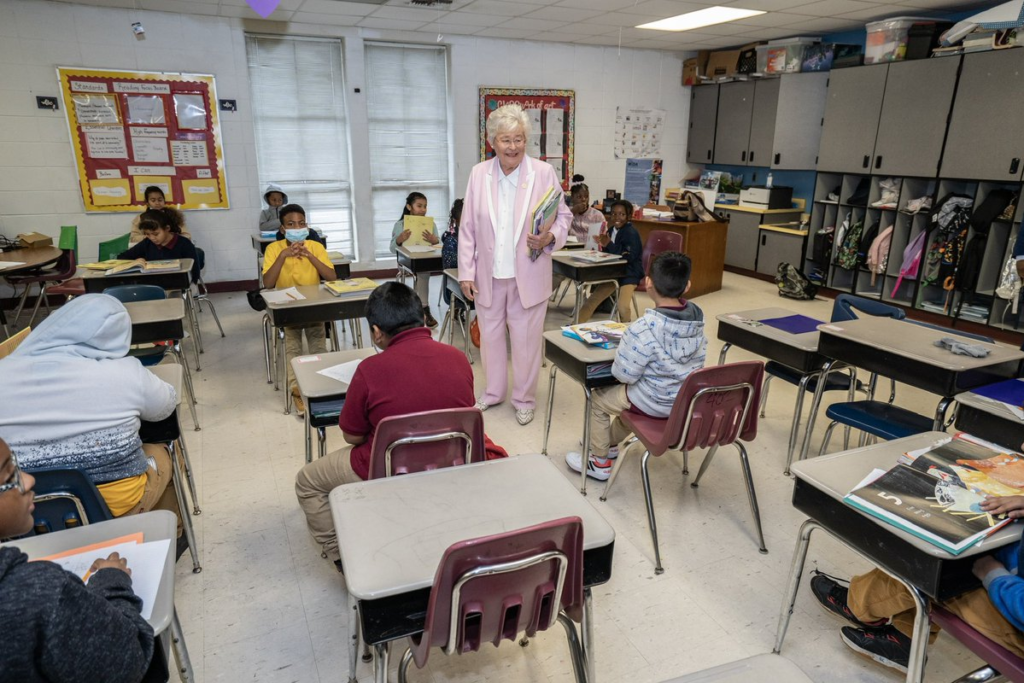
Gov. Kay Ivey on Wednesday visited Chisholm Elementary School, one of Alabama’s “Turnaround Schools,” to visit with some of the students and to deliver books for each third grader to take home. The students were thrilled when Ivey gave each of them a book to take home. As soon as they had a book in their hands, they began flipping through the pages and reading. The governor offered encouraging words to them and urged them to read daily. Ivey suggested that they find books about topics they like. She told the students that she enjoyed mysteries as a child and was an avid reader of the Nancy Drew series. “I was truly encouraged when I met some of the students at Chisholm Elementary today,” Ivey said in a statement. “These children just lit up when they had a book in their hands, and that was exciting to see. I urge all of my fellow Alabamians to encourage our children to read. This is a vital skill to life, and I am committed to seeing all Alabama students achieve success with reading and in school.” During her inaugural address on Monday, Ivey told Alabamians that the education of Alabama’s children is her number one priority and promised that before the end of her term that Alabama would be in the top thirty states in educational rankings. Ivey followed this visit by issuing four new executive orders addressing education. “I am proud to sign these executive orders into effect and believe they will lay an essential foundation for ensuring every Alabama student receives a high-quality education,” said Governor Ivey. “This is the first of many steps I plan to take in this new term to increase Alabama’s national ranking in our student’s reading and math performance. Our children are our future, and by investing in their education, we are investing in a better Alabama.” Ivey is investing heavily in improving early literacy. Every child in the state will receive a book every month from birth thru age five. Ivey has also increased funding for Alabama’s national award-winning four-year-old kindergarten program. On Wednesday, Ivey sent a memo to the Department of Early Childhood Education, telling the agency to prioritize creating new First-Class Pre-K classrooms in counties where more than 20% of the population falls below federal poverty guidelines. The state has postponed full implementation of the Alabama Literacy Act due to the COVID-19 school closures, but at some point, the state will begin requiring third graders who do not read at grade level to repeat third grade. This is intended to put additional pressure on students, teachers, and parents to ensure students can read effectively by the end of the third grade. The Legislature has also passed, and the governor signed, the Numeracy Act to address the horrid performance that Alabama students have had in math scores. To connect with the author of this story, or to comment, email brandonmreporter@gmail.com.
Forever Wild Land Trust Board set to meet in Montgomery February 2
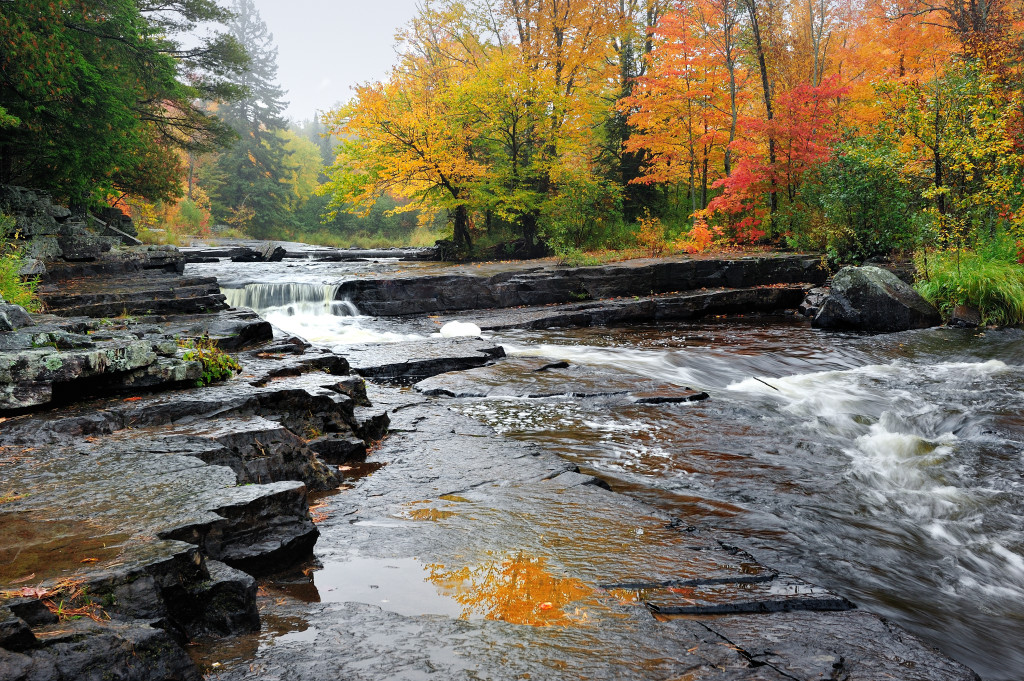
The Board of Trustees of the Alabama Forever Wild Land Trust will hold its first quarterly meeting of 2023 on Thursday, February 2, at the Alabama Activities Center located at 201 Dexter Avenue in Montgomery, Alabama. The meeting will take place at 10 a.m. The Board will hear updates on Forever Wild program activities. The Board will also hear tract assessments about land that the program may purchase in the near future. This meeting is open to the public so that any individual who would like to make comments concerning the program can address the board. The public is invited to attend this meeting and is encouraged to submit nominations of tracts of land for possible Forever Wild program purchases. Written nominations may be submitted by email to Forever.Wild@dcnr.alabama.gov or by letter to the State Lands Division, Room 464, 64 N. Union St., Montgomery, Alabama, 36130. Nominations can also be made online. Since it was established by constitutional amendment in 1992, the Forever Wild Land Trust (FWLT) has purchased or leased more than 284,000 acres of land in Alabama for public use. Of this permanent land, the trust owns 223,466 acres. A long-term recreational lease has secured the balance of the total acreage. Forever Wild’s acquisitions have also created more than 363 miles of recreational trails within 23 new recreation areas and nature preserves, including additions to 9 State Parks and 20 Wildlife Management Areas. The Alabama Department of Conservation and Natural Resources (ADCNR) manages these lands through its various divisions: State Lands, State Parks, and Wildlife and Freshwater Fisheries. The ADCNR is not a General Fund Agency and relies on revenues from license sales (hunting and fishing) and park visitor fees to support its public service operations. Without relying on taxpayer money, these coastal wetlands, forests, wildlife habitats, and other natural areas have been protected so that future generations can enjoy them. State Parks and Wildlife Management Areas have existed in Alabama since the 1940s. However, to provide for greater habitat conservation and public recreational opportunities, the Forever Wild Land Trust Program created state-owned Nature Preserves and Recreation Areas. The Forever Wild Land Trust believes in public hunting access for all Alabamians. But nearly 143,000 acres of leased public hunting land have been removed from the WMA system since 1992, with more lost yearly. The only funding method to replace these large tracts is the FWLT. The Forever Wild Board meets quarterly to maximize public input into the program. Only through active public participation can the best places in Alabama be identified and conserved in order to remain forever wild. ADCNR promotes wise stewardship, management, and enjoyment of Alabama’s natural resources through four divisions: Marine Resources, State Lands, State Parks, and Wildlife and Freshwater Fisheries. To connect with the author of this story, or to comment, email brandonmreporter@gmail.com.
State asks EPA to take over Moody fire

On Wednesday, Governor Kay Ivey issued a limited state of emergency to give local officials in St. Clair County all possible legal authority for use in dealing with the ongoing fire at a Moody landfill that has been burning since November. The Alabama Department of Environmental Management (ADEM) had been tasked with handling the situation, but after the fire has failed to burn itself out, the state will give up operational control to the U.S. Environmental Protection Agency (EPA). ADEM will share details with the EPA on this lawfully permitted landfill that was supposed to have taken just limbs and other yard waste. Whatever was buried there on the site has been burning with an intensity that is little diminished in over eight weeks of burning. “By authorizing the EPA to respond to this fire, we are ensuring it will be addressed in the fastest and safest way possible,” Ivey said in a statement. “It is imperative that this situation be solved and solved right for the sake of the folks in Moody and all people affected by this fire. I am pleased at this next step, and to ensure we are doing everything possible from the state level, I am also issuing a limited state of emergency for St. Clair County to give local officials another layer of support as they deal with this fire.” At ADEM’s request, the EPA will lead the effort to put out the underground fire at the permitted landfill at the intersection of Blackjack Road and Annie Lee Road in Moody in St. Clair County. Residents of the area stretching out to include Trussville and Leeds have complained about the smoke and odors emanating from the inferno. ADEM has been collaborating with the EPA, the St. Clair County Commission, and other local and state authorities about the appropriate course of action to take to extinguish the fire. ADEM had been hoping the fire would burn itself out – that has not happened. The EPA will determine the most appropriate method to extinguish the fire, hire a contractor from its list of qualified vendors to perform the work, and oversee the process. “Neither ADEM nor the county has the experience or expertise to put out a fire of this nature,” ADEM Director Lance LeFleur said. “The EPA utilizes contractors with experience and knowledge to do this type of work. ADEM and state and local officials have concluded the most effective and safe way to extinguish the fire is for the EPA to lead the effort, and we have entered into an arrangement with the EPA to make that happen.” ADEM has no staff or vendors it works with that can handle this type of fire. “We stand ready to assist the EPA in whatever manner we can,” said County Commission President Stan Batemon said. “The most important thing is putting the fire out as fast as possible and bringing relief to residents in communities being affected by the smoke. The county is limited in what it can do. The EPA is clearly in the best position with its know-how and resources to handle the fire. We believe this is a major step forward in identifying the best solution and taking action.” At ADEM’s request, the EPA has performed air testing at and the near the site. ADEM is also doing water testing in nearby streams to determine possible impacts from runoff from the fire site. It is not known at this point how long it will take to put out the fire or who ultimately will be responsible for paying the EPA’s costs. The EPA is expected to seek recovery costs from the private operator of the site. Alabama Today has been on-site on several occasions, and the odor is intense. There is rampant speculation among people in the Moody community that there is something burning inside that man-made hill other than the limbs and vegetative material that the landfill was exclusively permitted for. Some residents have suggested that old tires could be among the materials burning in that extremely hot fire. Firefighters have the fire contained on the site, but no one knows how long the blaze will continue to burn or what could happen if efforts to put out the fire instead open more of the burning material to oxygen. Once the fire is out, ADEM will take appropriate enforcement actions against the operator. There is a potential for penalties for impacts on air quality and open burning violations. The long-term health impacts of breathing in the smoke and fumes for these many weeks are unknown. To connect with the author of this story, or to comment, email brandonmreporter@gmail.com
Kay Ivey meets with legislative budget chairs
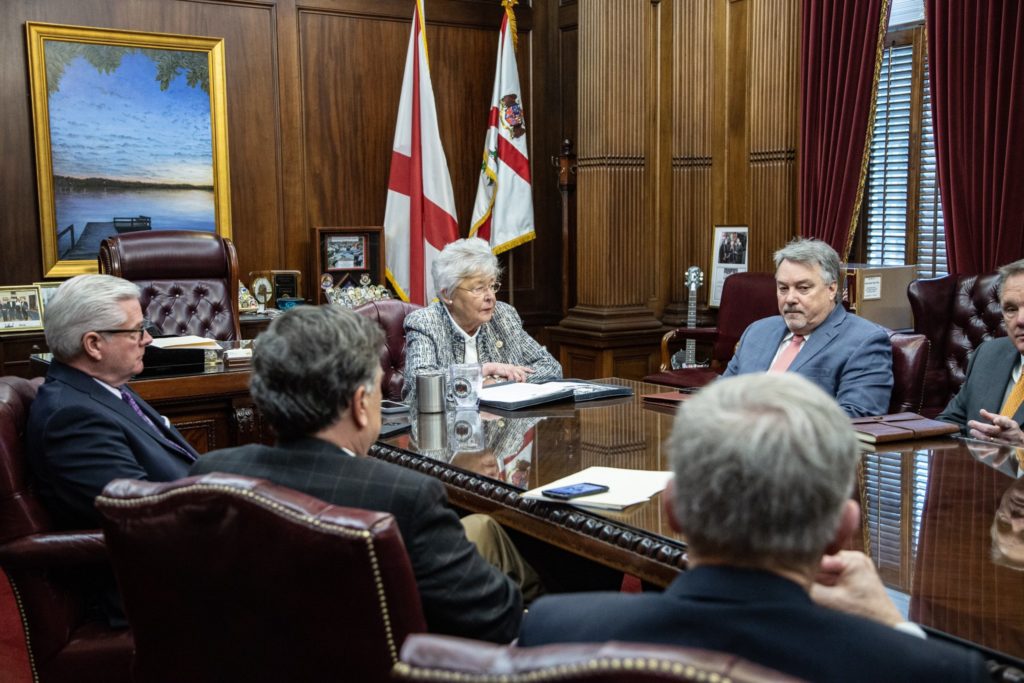
Gov. Kay Ivey met with legislative leaders on Wednesday to discuss the 2024 budgets and potential 2023 supplemental appropriations. “Today, we had our first meeting of the new term with our legislative budget chairs,” said Gov. Ivey. “How we budget will affect Alabamians for decades to come, and this group of leaders is committed to ensuring we will continue taking a fiscally conservative approach to our budgets.” Republicans have commanding control of Alabama state government, so all of the legislative leaders at Wednesday’s meeting were members of the GOP. They include new Speaker of the House Nathaniel Ledbetter, new Chairman of the House Ways and Means General Fund Committee Rex Reynolds, Chairman of the House Ways and Means Education Committee Danny Garrett, Ivey’s Director of Legislative Affairs Drew Harrell, State Finance Director Bill Poole, State Senate Finance and Taxation General Fund Committee Chairman Greg Albritton, State Finance and Taxation Education Committee Chairman Arthur Orr, and Senate Pro Tem. Greg Reed. Legislative Service Agency Fiscal Division Director Kirk Fulford, the Pro Tem.’s chief of staff Derek Trotter, and other staff members were also present. “Yesterday the Leadership of the House and Senate, and the Budget Chairman’s met with Governor Ivey, Director Poole and staff,” Reynolds said on social media. “The Governor engaged the meeting with direct questions related to our economy, our workforce, and the services the state provides to Alabamians.” The big-budget question hanging over the coming legislative session is what to do with the budget surplus. The state had over a billion dollar surplus left over from fiscal year 2022, which ended on September 30 that rolled into fiscal year 2022. Alabama has an arcane budgeting system where education goes into one budget – the education trust fund budget (ETF) for education spending and the state general fund (SGF) for non-education-related expenditures. Last year, the ETF for FY2023 passed by the Legislature was $8.26 billion – $589 million more than FY2022. The SGF for FY2023 passed was $2.74 billion – $53 million more than FY2022. Both are all-time records. The state’s reserve funds are already flush with funds from four straight years of conservative budgeting. With wages rising and the number of workers employed at an all-time high, the state is likely to take in more than the $11 billion the Legislature expected in FY2023 – the current budget year. The Legislature has some hard choices to make when the 2023 regular legislative session begins on March 7. They likely will have significant surplus funds left over for supplemental appropriations in FY2023 – they had over a billion dollars in supplementals in FY2022. Leaders could increase state spending, rebate surplus dollars to the taxpayers in one-time checks, or lower taxes in FY2024. Orr said that the Legislature may rebate up to $500 million back to taxpayers later this year. Another major issue facing the budget committees is what to do with all the American Rescue Plan Act (ARPA) money that the state is getting from the federal government – albeit with many federal strings attached. The second $one billion of that money has to be appropriated. The Governor will formally make her FY2024 budget requests on Tuesday, March 7, when she makes her state of the state address to a joint session of the Alabama Legislature at the historic 1859 Alabama Capitol Building. To connect with the author of this story, or to comment, email brandonmreporter@gmail.com.
Paul DeMarco: Alabama should follow other states around the nation in providing permanent tax relief for its citizens
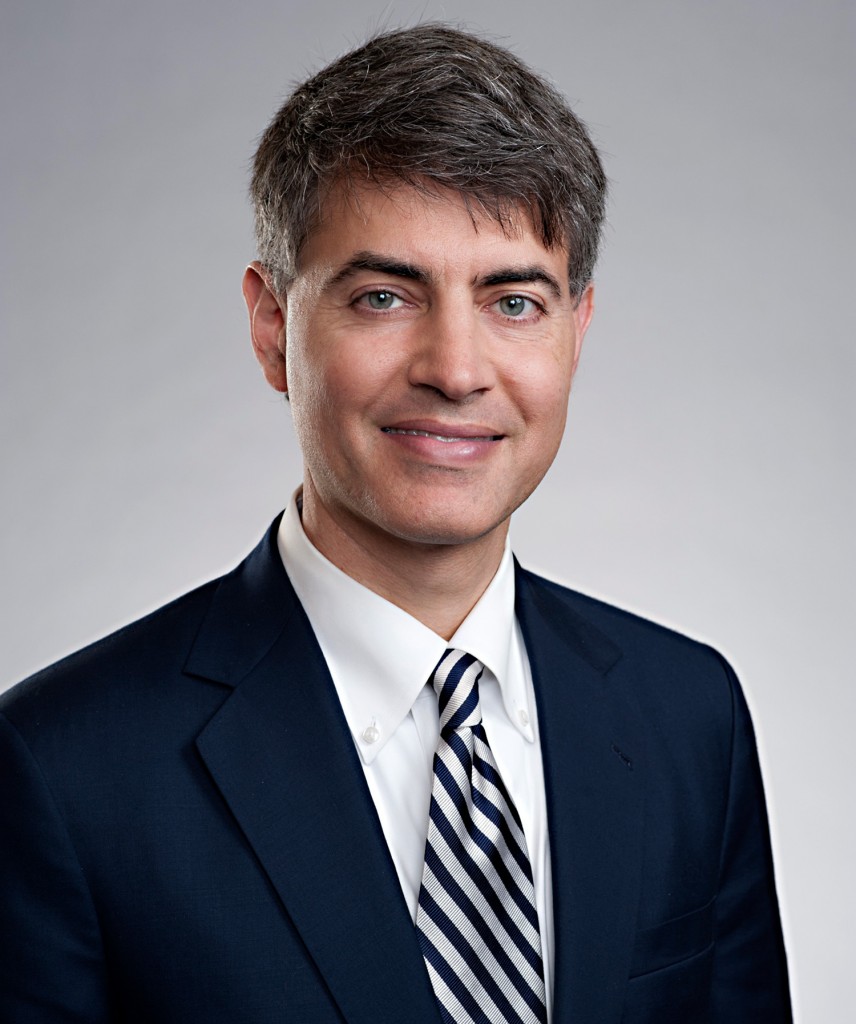
Alabama State Representatives and Senators have a lot on their plate as they prepare for the upcoming session in March. One difference in this session that is unusual for the Alabama Legislature is that there will be sizable surpluses for the two state budgets. The education budget will have a $2 billion-plus addition, and the general fund will have more than $200 million of unexpected surplus monies. Everyone will have their own ideas about where to allocate those dollars once lawmakers begin to debate how to spend them. Alabama can look to other states for guidance. Income state cuts just took effect in nine states. The Arizona income tax was just reduced to a flat 2.5 percent rate. Iowa is also heading towards a flat tax and terminating the tax on retirement accounts. Both Governor Tate Reeves of Mississippi and the newly elected Governor Sarah Huckabee of Arkansas are looking at completely phasing out their state’s income tax. Kansas and Virginia are lowering their taxes on groceries. However, if these states can make permanent tax cuts as opposed to just one-time rebates, so can Alabama. No one should suggest that state leaders implement a permanent tax cut that would cripple government responsibilities. However, a reasonable tax cut that would help Alabama citizens hit hard by inflation would be appropriate. There will be expected pushback from Montgomery insiders, bureaucrats, and the like, against returning any dollars back to taxpayers in the state. Despite the surpluses, there will always be those who want to keep every penny in the state capital to use as they see fit. Some of the same lobbyists who will say the money should be saved for future days when there is not much money to go around will be the same ones with their hands out. Thus, it is hard to take their opposition seriously, but they will have the ears of lawmakers who will be making the decisions. This makes it even more important now for Alabama citizens to remind their elected representatives that they must remember their constituents back home. We will see which direction Alabama legislators go when they debate the allocation of the budget surpluses. Other states around the Nation have figured out how to balance the operations of their governments and return taxpayer’s dollars. Thus, Alabama can do the same. Paul DeMarco is a former member of the Alabama House of Representatives and can be found on Twitter at @Paul_DeMarco.
State: EPA will help extinguish ongoing landfill fire

The U.S. Environmental Protection Agency is stepping in, at the request of Alabama officials, to help extinguish an underground landfill fire that has been burning in the state for nearly two months, Gov. Kay Ivey announced Wednesday. The Alabama Department of Environmental Management said the EPA will lead the effort to put out the fire at the privately operated Environmental Landfill near the Birmingham suburbs of Moody and Trussville. The fire at the landfill, which takes in tree limbs and other vegetative waste, has been burning underground since late November, sending smoke over some neighborhoods in the state’s largest metro area and leaving residents frustrated by the lack of action. “By authorizing the EPA to respond to this fire, we are ensuring it will be addressed in the fastest and safest way possible. It is imperative that this situation be solved and solved right for the sake of the folks in Moody and all people affected by this fire,” Ivey said in a statement issued by her office. The Alabama Department of Environmental Management said the EPA will determine the most appropriate method to extinguish the fire and hire a contractor from its list of qualified vendors to perform the work, “Neither ADEM nor the county has the experience or expertise to put out a fire of this nature,” Alabama Department of Environmental Management Director Lance LeFleur said in a statement. “The EPA utilizes contractors with experience and knowledge to do this type of work. ADEM and state and local officials have concluded the most effective and safe way to extinguish the fire is for the EPA to lead the effort, and we have entered into an arrangement with the EPA to make that happen.” Residents near the fire said they have been frustrated by the inaction. Trussville resident Breanne Cook told WBRC-TV that her family evacuated because of health concerns. “You wake up at 4 a.m. in the middle of the night, and you smell burning rubber,” Cook said told the station. “There was even an (asthma) episode where I had to call the paramedics because of it.” The privately owned landfill is not under state regulation because it does not take in household garbage or hazardous waste. The state environmental agency said the underground fire poses extreme hazards to firefighters and other responders because of the risks of cave-ins and flare-ups. Republished with the permission of The Associated Press.
Alabama extends time for executions, ends automatic review
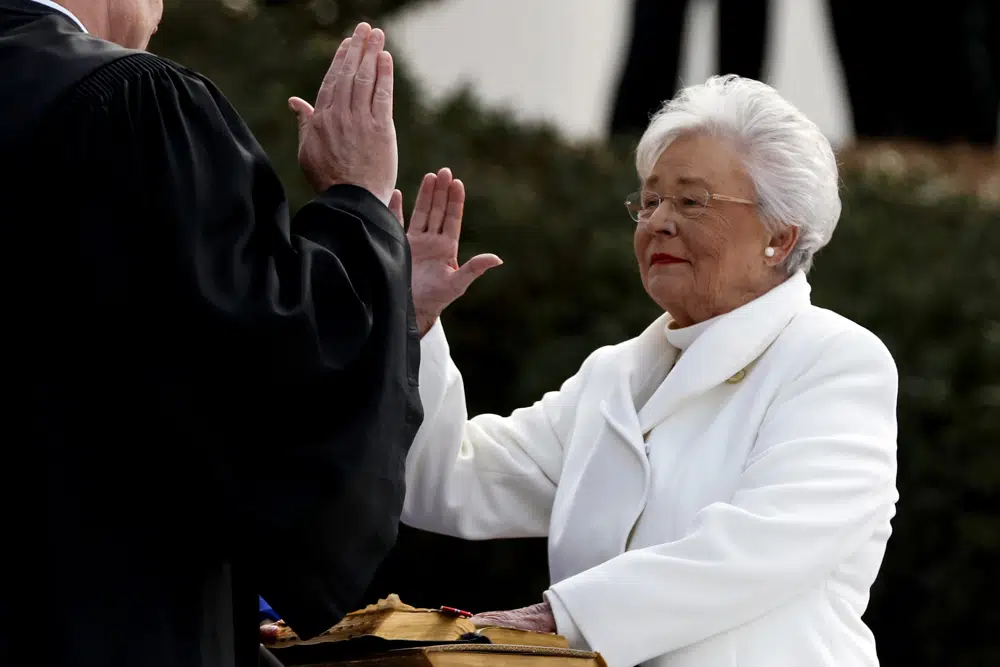
Alabama has changed death penalty procedures to give the prison system more time to carry out executions — a move that comes after a string of troubled lethal injections in the state — and also eliminated an automatic review for trial errors in death penalty cases. Alabama Gov. Kay Ivey’s office called the time window change a “win for justice,” and supporters said the appeal change would ease the burden on the court system. But a noted death penalty lawyer said the changes end a crucial avenue of review and increase the likelihood of “more cruelty and potential torture.” The Alabama Supreme Court announced the changes to appellate procedure last Friday. At Ivey’s request, the court abolished the previous one-day time frame to carry out a death sentence. Instead, the governor will set a window of time for the execution. A divided court in a 6-3 decision also eliminated an automatic “plain error review” where the Alabama Court of Criminal Appeals automatically reviews death penalty cases for a clear error at trial even though the defense lawyer did not object. Justices said judges on the appeals court may undertake the review but are no longer required to do so. “I think the combination of these two rules increases the likelihood that we’re going to see more wrongful convictions, more unjust sentences, and more cruelty and potential torture,” said Bryan Stevenson, founder of the non-profit Equal Justice Initiative. Stevenson said that nearly 40% of the reversals in Alabama death penalty cases have come under the plain error review. He said the rule has been in place since the death penalty was reinstated in Alabama in 1976, and its repeal is “shocking.” Justice Jay Mitchell wrote in a concurring opinion that the change will relieve the court’s burden, so they are no longer required to “scour the record in search of such errors, nor will it be compelled to analyze claims of error.” He said lawyers for death row inmates can present the issues in other appeals. “Plain-error review requires already overloaded appellate courts to spend hundreds, if not thousands, of hours per case scrutinizing trial-court records for possible errors and then explaining why those errors are (or are not) reversible,” Mitchell wrote. However, two justices who are former members of the Court of Criminal Appeals dissented in the decision. Justice Kelli Wise wrote that she could not support a complete repeal despite the time required. “In these cases, the defendants’ very lives are at stake, and I believe that such cases are entitled to heightened review on direct appeal,” Wise wrote. The court also granted Ivey’s request to expand the amount of time that Alabama has to carry out an execution. Ivey asked for the change after announcing a “top-to-bottom” review of execution procedures. The review came after an unprecedented third failed lethal injection in the state following problems with intravenous lines and late-running appeals. Death warrants issued by the Supreme Court had been limited to a single day, resulting in a midnight deadline to get the execution underway. Now, after the court issues a death warrant, the governor will set a time window to carry out the execution. Justices left it up to the governor to decide how long that time window will be. “I view this as a win for justice. As we initially interpret the order, it secures an extended time frame, which was a primary request of the governor’s,” Ivey spokeswoman Gina Maiola said in an email. She said the governor’s staff will review the order with the prison system. Stevenson says while other states give longer than a day, no state allows a governor that kind of power. He said it would allow already problematic executions to go on for longer. The state in November called off the execution of Kenneth Eugene Smith, which was the state’s second such instance of being unable to put an inmate to death in the preceding two months and its third since 2018. The state completed an execution in July, but only after a three-hour delay caused at least partly by the same problem with starting an IV line. Republished with the permission of The Associated Press.
Kay Ivey signs four executive orders to address education crisis
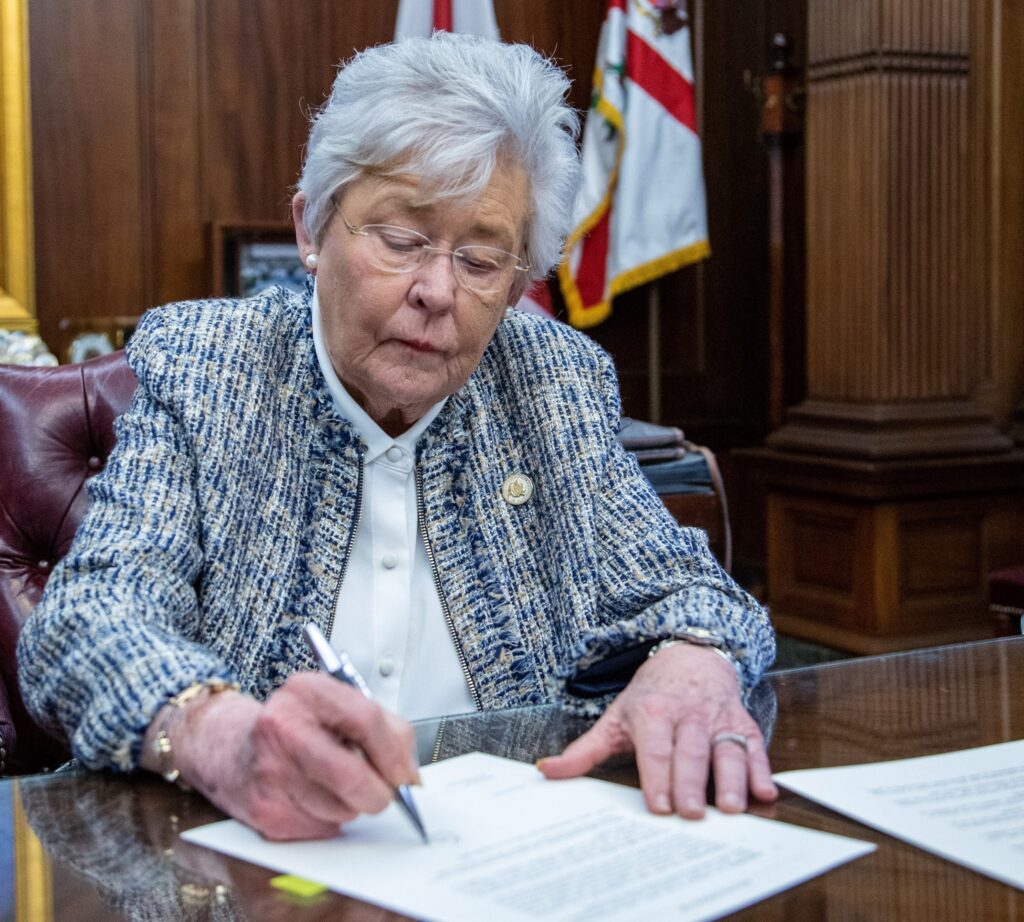
On Wednesday, Governor Kay Ivey released four new executive orders related to public education. The executive orders are intended to achieve Gov. Ivey’s inauguration day vow to get Alabama’s public school performance among the top 30 in the country. “I am proud to sign these executive orders into effect and believe they will lay an essential foundation for ensuring every Alabama student receives a high-quality education,” said Governor Ivey. “This is the first of many steps I plan to take in this new term to increase Alabama’s national ranking in our student’s reading and math performance. Our children are our future, and by investing in their education, we are investing in a better Alabama.” Alabama has poor-performing public schools. Far too many of Alabama’s public school students can’t do grade-level math, and far too many of Alabama’s children don’t read at grade level. The state has shown some recent improvement in state rankings, but this largely had more to do with other states’ performance dropping – due to extended COVID-19 school closures; than it has with more Alabama children mastering their studies. Executive Order 729 is intended to promote early literacy by establishing a statewide network with books from Dolly Parton’s Imagination Library. Ivey has authorized $4.1 million for the roll-out of the program. As promised in her inauguration speech, every Alabama child will begin receiving age-appropriate books by mail each month from birth until the age of five. Parents may opt their child out at any time. Executive Order No. 730 establishes the Governor’s Commission on Teaching and Learning. The commission will examine ways to enhance the quality of elementary and secondary education in Alabama and will produce a report of recommendations by December 1, 2023. The Members of the commission include: · Business Education Alliance President and former State Superintendent of Education Dr. Joe Morton (Chair) · State Superintendent of Education Dr. Eric Mackey · State Sen. Donnie Chesteen (R-Dothan) · Rep. Alan Baker (R-HD66) · Rep. Barbara Drummond (D-Mobile) · Montgomery City Schools Superintendent Dr. Melvin Brown · Holtville High School Principal Kyle Futral · Mountain Brook Schools Superintendent Dr. Dicky Barlow · Booker T. Washington K-8 Teacher Reggie White · Alabama Parent Teacher Association President Donna McCurry · Alabaster City Schools Schoolboard Member Derek Henderson · Retired Mississippi State Superintendent Dr. Carey Wright · Co-founder and CEO of Whiteboard Advisors Ben Wallerstein Executive Order No. 731 directs the State Superintendent of Education to submit a report outlining past progress made to date as well as future action items to expeditiously ensure the implementation of the Literacy Act (2019), the Numeracy Act (2022), the Computer Science for Alabama Act (2019), a civics-test requirement (2017), and a requirement of the State Board of Education that every high school graduate obtain a college and career readiness indicator (2022). The reports are due June 30, 2023. Executive Order No. 732 established a K-12 teacher registered apprenticeship pilot program to increase pathways to the teaching profession. This pilot program will provide an additional pathway—initially, in areas with documented teacher shortages—for qualifying paraprofessionals and teacher’s aides to obtain a Class A or Class B teaching certificate by demonstrating competency in the classroom. The pilot program will be administered by the Alabama Office of Apprenticeship within the Department of Commerce. Gov. Ivey also sent a memo to Secretary of Early Childhood Education Dr. Barbara Cooper that directs the department to prioritize creating new First-Class Pre-K classrooms in counties where more than 20% of the population falls below federal poverty guidelines. Ivey hopes that increased access to Alabama’s nation-leading program will assist the state in reaching its education-based goals. Ivey signed three executive orders on Tuesday intended to improve government transparency and accountability. To connect with the author of this story, or to comment, email brandonmreporter@gmail.com.
