
Alabama Sheriff’s offices to receive grants to make up for lost pistol permit funds
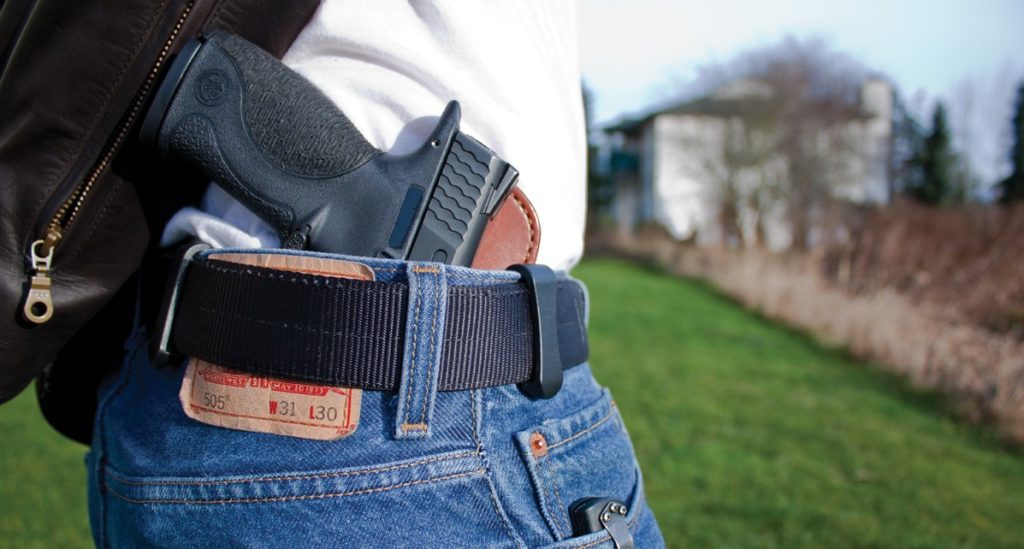
Gov. Kay Ivey on Monday announced the start of the Sheriffs’ grants for all of Alabama’s 67 counties. The sheriff’s departments in each of the state’s 67 counties will be receiving funds quarterly beginning in the first quarter of 2023. The amount of funds each county receives will be based on the money that those departments collected from pistol permit fees in 2022. “A couple of core tenants of the Ivey Administration is that we back the blue in the strongest way possible and that we support upholding our citizens’ Second Amendment rights,” Gov. Ivey said. “As we have amended Alabama law to help our gun owners, we also worked to ensure our sheriffs received their critical funds, and I am proud that these grants will do that,” said Governor Ivey. “The Sheriffs’ Grants will provide them with funding for training, equipment, and other needs not provided by county commissions in their annual appropriations. We are proud to support the vital work our sheriffs’ departments do on a daily basis.” Ivey wrote on Twitter, “I just announced the start of the Sheriffs’ Grants for all 67 counties to ensure they receive these critical funds. Just as we support upholding Alabamians’ Second Amendment rights, we will always back the blue and are proud to do so.” To be eligible for grants under the Local Government Pistol Permit Revenue Loss Fund, Sheriffs need to be able to show a loss of pistol permit funds in 2023 from comparable 2022 figures. This decrease in funding is due to the passage of permitless carry by the legislature last year. All adult Alabamians, who have not lost their gun rights, no longer have to purchase a concealed carry permit (also called a pistol permit) to carry their handguns with them concealed on their person, in a purse or briefcase, or their vehicles. The Alabama Sheriffs Association had repeatedly warned state legislators that if permitless carry passed, it would mean a disastrous loss of revenue for Alabama’s sheriffs. Permitless carry was passed by the legislature and signed into law by Gov. Ivey anyway; however, to address the sheriffs’ stated concerns over lost revenue, legislators created the Government Pistol Permit Revenue Loss Fund as part of the legislation. The Alabama Department of Economic and Community Affairs (ADECA) is making disbursements to the sheriff’s offices based on reports collected by other state agencies. “ADECA intends to carry out our duties in this matter to ensure that Alabama’s sheriffs’ offices are compensated for their losses based on those shortages provided in the data,” said ADECA Director Kenneth Boswell. ADECA administers an array of programs supporting law enforcement and traffic safety, economic development, energy conservation, water resource management, and recreation development. The Local Government Pistol Permit Revenue Loss Fund is funded with an appropriation from the state general fund (SGF). Proponents of permitless carry claim that other states who have passed permitless carry have not experienced large declines in concealed carry permit sales and that over time, more citizens will carry firearms and thus will want the reciprocity benefits that having a permit provides to gun owners. To connect with the author of this story or to comment, email brandonmreporter@gmail.com.
Paul DeMarco: Alabama leaders fail crime victims again with mass early prison release of violent felons
The release of inmates from Alabama prisons caught a lot of people by surprise. The potential early release of over 2 percent of the inmate population of the Alabama Department of Corrections was required by a law passed in 2015 and then amended in 2021 by state lawmakers. The crimes these felons committed range from murder, manslaughter, attempted murder, sodomy, rape, and sex abuse, to theft and drug possession. Their early release, as mandated by Alabama State Representatives and Senators, is bad enough and clearly does not reflect the desires of Alabama voters. Add to that, the failure to notify the victims of these crimes, as required by law, adds insult to injury. State officials knew 16 months ago (when the law passed during the Special Session on prisons) that this day was coming, yet they were unprepared. To his credit, Attorney General Steve Marshall tried to block the release since Corrections officials had not notified victims of the release of these felons. State leaders would be wise to examine how to improve victim notification in Alabama’s criminal justice system – from beginning to end – as well as the services we provide to victims. This should begin when the crime is reported, as the investigation and court case occur, and after sentencing. Time after time, state leaders fail to do what is right for those who have suffered at the hands of criminals. Shame on all of those officials who were complicit in this failure. Alabama citizens need to be on guard for their safety, and voters should voice their safety concerns to their elected representatives. Likewise, we should remember which Alabama leaders prioritize crime victims and public safety in our state. Paul DeMarco is a former member of the Alabama House of Representatives and can be found on Twitter @Paul_DeMarco.
Tommy Tuberville and Lance Gooden introduce the Stop Settlement Slush Funds Act
In advance of the Biden administration’s decision to finalize a rule that would revive the Obama-era policy of directing corporate settlement funds to third-party organizations, U.S. Senator Tommy Tuberville and Congressman Lance Gooden are reintroducing their Stop Settlement Slush Funds Act. The bill would prohibit the Department of Justice (DOJ) from allowing defendants to enter quid-pro-quo agreements that entail donations to third-party groups in exchange for reduced fines and tax deductions. This legislation would ensure that any settlements go only to the actual victims, injured parties in the dispute, or the U.S. Treasury. “The practice of funneling settlement dollars to political activists is an unacceptable abuse of the system,” said Sen. Tuberville in a statement. “If money is owed following a settlement agreement, every cent of that payout should go to those directly impacted by the defendants, or back to the Treasury. Public servants should not be allowed to use their influence to line the pockets of individuals who share the political views of the current administration.” Tuberville wrote on Twitter, “The Biden admin shouldn’t use the justice system to bankroll their partisan agenda. I introduced the Stop Settlement Slush Funds Act to stop DOJ from directing corporate settlement dollars to third-party, left-wing organizations instead of victims or @USTreasury.” Tuberville introduced this legislation in the last Congress. “Directing legal settlements to third-party groups is nothing short of legal extortion to fund the Biden Administration’s partisan agenda,” said Rep. Gooden. “Congress can no longer allow the Executive Branch to circumvent our Constitutional power of the purse to fund their activist pet projects and must pass my legislation to end this corrupt practice.” The Stop Settlement Slush Funds Act is endorsed by the National Taxpayers Union, Americans for Tax Reform, FreedomWorks, and Americans for Prosperity. Grover Norquist is the President of Americans for Tax Reform. “For too long, the Department of Justice has been misallocating settlement funds from civil suits to provide cash injections to political allies,” said Norquist. “This gross politicization of a government agency should be put to a stop immediately. I am proud to support Rep. Gooden’s bill to codify protections against the DOJ or any government official abusing their power to benefit special interest groups.” Adam Brandon, President of FreedomWorks, applauded the legislation. “The Stop Settlement Slush Funds Act would ensure that settlement dollars go to victims’ funds or to the general fund of the Treasury to be appropriated by Congress, which, as Article I of the Constitution requires, holds the power of the purse over funds spent by the federal government,” said Brandon. “It’s critical that Congress reins in the executive branch and assert its Article I powers, the Stop Settlement Slush Funds Act is a crucial part of this effort.” Alex Milliken, Policy and Government Affairs Manager at the National Taxpayers Union, thanked Gooden and Tuberville. “NTU supports the Stop Settlement Slush Funds Act and applauds Congressman Gooden and Senator Tuberville for working together to protect taxpayers,” said Milliken. “The practice of diverting billions of settlement dollars out of the hands of victims and toward third-party groups is a dubious practice. Congress should act quickly to put a stop to this agency behavior and prevent the misuse of resources to promote partisan agendas.” The Stop Settlement Slush Funds Act would prohibit settling parties in a federal dispute from reducing their punishments by making “donations” to outside organizations. This was a common practice under President Barack Obama’s presidency. The Obama Justice Department almost routinely required settling parties to pay a portion of their settlement obligations, under the guise of “donations,” to outside groups of the Department’s choosing. Republicans claimed that most of those groups pushed a partisan agenda. Tuberville and Republicans claim that this practice turned federal settlements into “liberal slush funds.” President Donald Trump halted the practice when he was President. Proponents of this legislation argue that without it, the Biden DOJ is expected to finalize a rule allowing the practice to continue to bolster a progressive policy agenda. Original cosponsors in the U.S. Senate include Senators Thom Tillis (R-North Carolina), Tom Cotton (R-Arkansas), Rick Scott (R-Florida), and Cynthia Lummis (R-Wyoming). Congressman Gary Palmer is an original cosponsor of this legislation in the U.S. House of Representatives. Other Congress members cosponsoring this include Reps. Scott DesJarlais (R-Tennessee), Tom Tiffany (R-Wisconsin), John Moolenaar (R-Michigan), Blaine Luetkemeyer (R-Missouri), Scott Perry (R-Pennsylvania), Darrell Issa (R-California), Randy Weber (R-Texas), Andy Biggs (R-Arizona), Claudia Tenney (R-New York), Jake Ellzey (R-Texas), and Ben Cline (R-Virginia). Tuberville is in his first term in the Senate, having been elected in a landslide in 2020, unseating incumbent Sen. Doug Jones. Tuberville is a native of Arkansas who spent forty years teaching, coaching, and sports broadcasting. He and his wife live in Auburn. To connect with the author of this story or to comment, email brandonmreporter@gmail.com.
U.S. unemployment drops to lowest since 1969
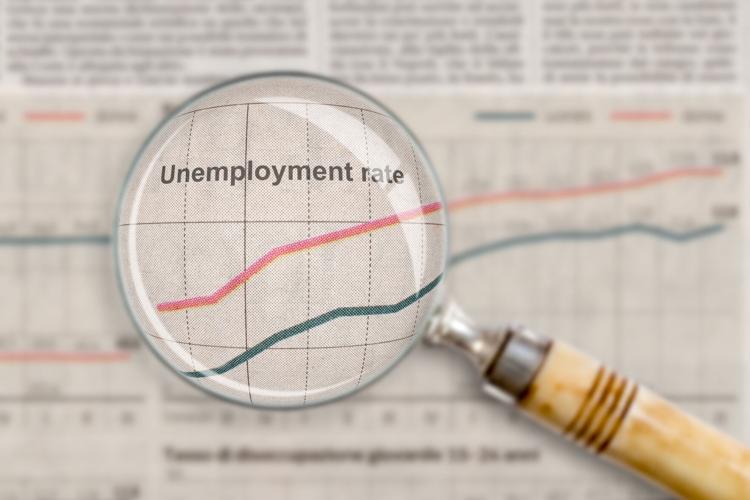
On Friday, the U.S. Department of Labor reported that the U.S. economy added 517,000 jobs in January – far exceeding expectations and indicating that a recession in the near term is increasingly unlikely. The unemployment rate is at its lowest rate since 1969. The report showed that the economy added 401,000 jobs a month in 2022. The U.S. economy added nearly 5 million jobs in 2022 after adding 7 million jobs in 2021. “Today, the Bureau of Labor Statistics reported that the American economy added 517,000 jobs in the month of January, and the unemployment rate ticked down to 3.4 percent, the lowest rate since May of 1969,” said Labor Secretary Marty Walsh. “With 12.1 million jobs added since President Biden took office and a monthly average of 356,000 jobs over the past three months, we began 2023 with more strong, steady job growth that benefits workers and their families.” The news was welcomed by the White House. “Americans have been through a tough few years, but I am optimistic about our country’s economic prospects,” President Joe Biden wrote. “Americans’ resilience has helped us recover from the economic crisis created by the COVID-19 pandemic, families are finally getting more breathing room, and my economic plan is making the United States a powerhouse for innovation and manufacturing once again.” “The economy has created more than 10 million jobs since I took office, and the unemployment rate is near a 50-year low,” Biden continued. “The unemployment rate for Black Americans and Hispanic Americans is near historic lows. The number of Americans filing for bankruptcy is half its pre-pandemic rate. 2021 and 2022 are on track to be the best and second-best years for small business applications on record.” President Biden admitted that despite the progress on jobs, inflation is still too high. “It’s going to take time to get inflation back to normal levels, and we may see setbacks along the way,” Biden said. “The Federal Reserve has a primary responsibility to control inflation, and I have appointed highly qualified people to lead that institution, given the critical importance of its dual mandate of maximum employment and stable prices. But Americans should have confidence that my plan is working.” Alabama’s preliminary, seasonally adjusted December unemployment rate was 2.8 percent. That was down from December 2021’s rate of 3.1%. “As we close out our economic reporting for 2022, I’m pleased to say that Alabama has recovered well from the pandemic and has maintained positive momentum throughout the year,” said Governor Kay Ivey. “We broke records all year long, reminding everyone that Alabama is the best place to live, to work, and open a business. Our wages are up, jobs are plentiful and still growing, and we’re seeing some of our highest employment in major sectors in more than a decade. I couldn’t be more proud of the progress we’ve made.” It will be at least another week for Alabama’s January unemployment to be announced. With record job growth, inflation appearing to be slowing, and economic growth strong in the fourth quarter, there is growing optimism that the economy is not going into recession. To connect with the author of this story or to comment, email brandonmreporter@gmail.com.
Daniel Sutter: Rent control again?
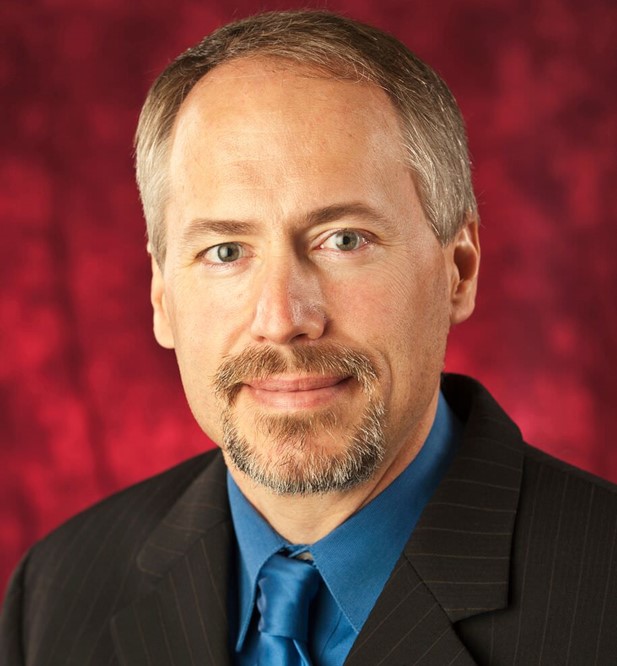
The Biden Administration is exploring imposing rent control nationwide via executive order. This is yet another questionable policy measure by our government. Despite the joke, “if you line up all economists end to end, they still wouldn’t reach a conclusion,” economists largely agree on the effects of rent control, minimum wages, and student debt cancellation. Progressive groups like the National Low Income Housing Coalition have pressed this issue. The White House issued a “Blueprint for a Renter’s Bill of Rights” in January. While cities normally enact rent control, the Administration is contemplating using federally-backed mortgages as a means. The effects of rent control are well understood. Rent control is a price ceiling or legal maximum price. A rent control set below the market or equilibrium price reduces the number of rental units available and creates a shortage, which worsens over time. A newly constructed apartment building will not be torn down if rent control is enacted today, but new construction slows, sometimes dramatically. Building permits for new apartments fell by 80 percent after St. Paul passed rent control in 2021. Developers will only build apartments if they can charge rent covering their costs and providing a return on investment. Most rent control laws have details omitted from textbook treatments. For example, laws typically restrict annual rent increases instead of specifying a maximum for each apartment, and many exempt newly built units. Rent often resets to the market when a tenant moves out, resulting in long-tenured renters getting unbelievable bargains. Rent controls, like other price controls, are subject to evasion because renters shut out of the market will pay more than the allowed rent. A landlord can get around a $700 per month limit by charging for parking, laundry, or even keys. An applicant might offer a bribe to move up a waiting list. Persistent shortages negatively impact tenants. Landlords reduce maintenance, leading to lower quality (e.g., broken elevators). In a normally functioning market, tenants flee poorly maintained buildings; this is impossible with an apartment shortage. Families might have to double up on accommodations or live far from jobs, increasing commuting time and costs. Rent control fails in providing affordable housing for all renters. Economist Thomas Sowell explains the flawed thinking of housing advocates still pushing this deficient policy. People think that arbitrary choices by businesspeople, not the interplay of demand and supply, set prices. “A volitional view of economics enables the intelligentsia … to dramatize economics, explaining high prices by ‘greed’ and low wages by a lack of ‘compassion,’ for example. … By regarding prices as merely arbitrary social constructs, some can imagine that existing prices can be replaced by prices controlled by government, reflecting wise and nobler notions, such as ‘affordable housing’ or ‘reasonable’ healthcare costs.” Many cities turning to rent control today have been restricting housing construction for decades. Zoning, for example, limits the construction of multifamily dwellings. Historical preservation laws prevent replacement of older apartments with new high-rises. Environmental reviews lengthen construction time, increasing developers’ costs. Artificially limiting the housing supply allows rents (and home prices) to exceed construction costs. The reduced supply benefits current property owners. Rent control can moderate these prices but does not address the restrictions on construction. Progressive cities often mandate inclusion of “affordable” units when allowing any construction. If 20 percent of units must be basically given away to low-income renters, construction costs must be covered by the other 80 percent of units, further boosting rents. Proponents of affordable set-asides fear that only luxury apartments will be built, not helping low-income families. Yet building luxury apartments benefit all renters. To see why, suppose that the 1,000 richest renters in a city live in the fanciest complex. After a developer builds an even fancier 1,000-unit complex, these richest renters all relocate. The new complex might be more expensive, but rents at the prior nicest complex will fall. So too, at the prior second nicest place, and so on. Approve enough new units, and all rents eventually fall to reflect building costs. Politicians cannot lower costs but can increase them and limit the supply of housing. Rent control has a zero budgetary cost for the government, and politicians hope voters think their decree makes apartments cheaper. The solution to high rents is letting supply increase to meet demand. Daniel Sutter is the Charles G. Koch Professor of Economics with the Manuel H. Johnson Center for Political Economy at Troy University and host of Econversations on TrojanVision. The opinions expressed in this column are the author’s and do not necessarily reflect the views of Troy University.
Thomas Govan announces candidacy for the Alabama Court of Criminal Appeals
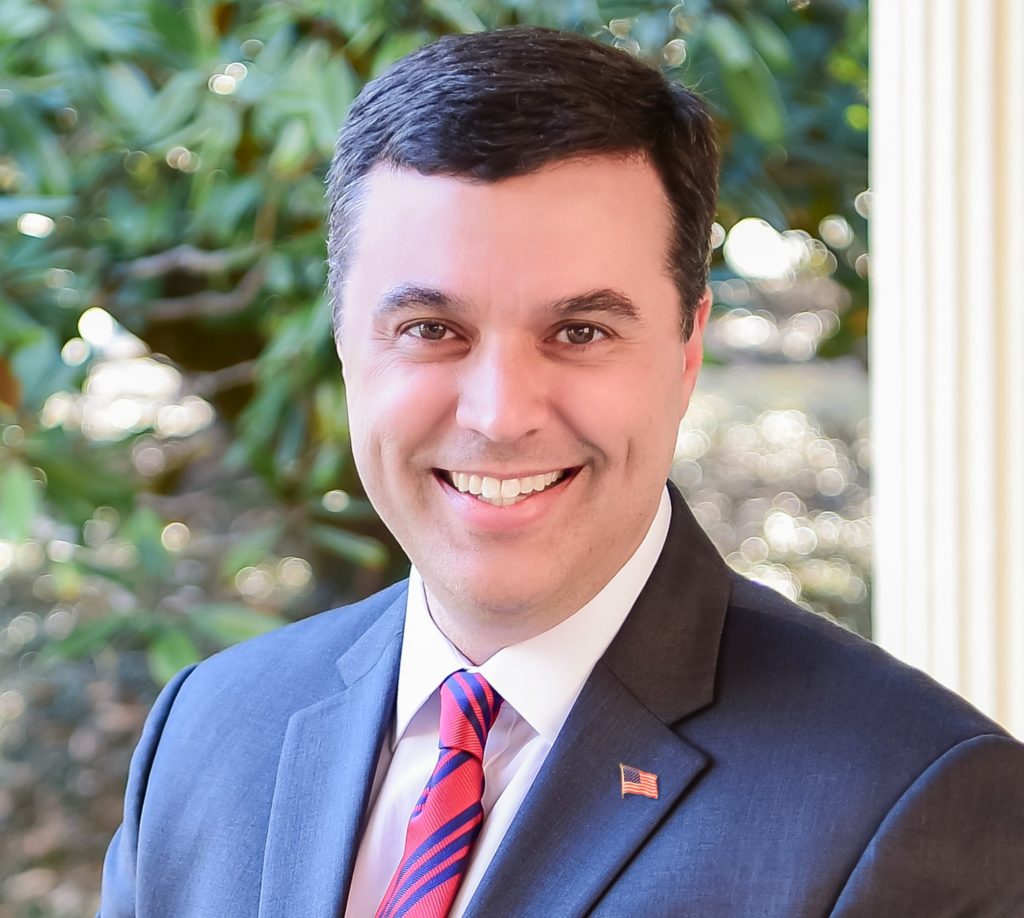
Montgomery attorney, career prosecutor, and Air Force officer Thomas Govan announced today that he will seek the Republican Party nomination for an open seat on the Alabama Court of Criminal Appeals in the March 2024 primary. Govan has spent his entire career in public service as a prosecutor. He currently serves as the Chief of the Criminal Trials Division of the Alabama Attorney General’s Office, where he leads a team of attorneys who prosecute violent offenders and defend crime victims throughout the State of Alabama. Govan also serves our country as a member of the United States Air Force Reserve. “As a lifelong conservative and experienced champion for justice in our great state, my top priority is creating a just and effective court that Alabamians will trust and believe in,” Govan stated. “If given the privilege of serving the great state of Alabama on the Court of Criminal Appeals, I will defend the rule of law, protect our freedoms, and uphold the Constitution.” Govan earned his undergraduate degree from the University of Alabama, where he served as Chairman of the College Republicans, and later earned his law degree from the University of Alabama School of Law. After law school, he embarked on a career dedicated to public service. For over fifteen years, Govan has protected the safety of Alabama families as a prosecutor in both state and federal courts. Govan prosecuted capital murder and death penalty cases on appeal for over a decade, rising to become the Chief of the Capital Litigation Division in the Alabama Attorney General’s Office. As part of this extensive legal work, Govan litigated cases on behalf of the citizens of Alabama both in courts throughout the State of Alabama and in federal courts, including arguing a case before the United States Supreme Court in Washington, D.C., in 2018. He also served as an Assistant United States Attorney in the Middle District of Alabama, where he defended the safety of Alabama families by prosecuting both violent offenders and offenders who committed various types of fraud against the citizens of Alabama in federal court. Govan and his wife, Jessica, are proud parents of four children. Jessica is a teacher and small business owner. They are active members of their church in Montgomery, Alabama, where he serves as an Elder, Sunday school teacher, and member of the choir. Govan is seeking Place 2 on the Court of Criminal Appeals, a seat currently held by Judge Chris McCool, who recently announced his candidacy for the Alabama Supreme Court.
Tommy Tuberville advocates for Alabama’s agricultural priorities
U.S. Senator Tommy Tuberville attended the first hearing on the drafting of the 2023 Farm Bill last week. During the hearing, Senator Tuberville raised issues that he’s heard about from Alabama farmers in his recent meetings and from his staff’s recent farm tour. “Agriculture in my state of Alabama is the number one industry, and we’re proud of it,” Tuberville stated. “The problem we’re having is [what] we had through COVID, we’ve lost a lot of family farms in our state, and I would hope doing this Farm Bill, we’d really keep in mind of what we’re doing and how we’re doing it for all farmers, but especially try to keep as many family farms intact as we can.” Tuberville announced that throughout the Farm Bill review process, he plans to seek input from Alabama’s agriculture industry to ensure the real needs of Alabama farmers are met and that they have a seat at the table for these important discussions. Sen. Tuberville previously outlined his four legislative priorities for the 2023 Farm Bill based on his conversations with those in Alabama’s agriculture industry: ensuring funds for rural development projects reach their destination, expanding access to broadband for rural areas, protecting our farm safety net and crop insurance, and addressing rising input costs which affect our farmers’ bottom lines. “Our cotton producers in Alabama and across the Southeast export most of their cotton overseas in one form or another,” Tuberville asked USDA Undersecretary Alexis Taylor in the hearing. “You know what MAP [USDA’s Market Access Program] is and FMD [USDA’s Foreign Market Development Program]. Do you have any new plans for these two programs?” “I will look forward to working with Congress on any changes that you all might be seeking, but from our perspective they are highly effective programs,” answered Taylor. Tuberville expressed concern about invasive species. In July 2021, the U.S. Department of Agriculture’s Animal and Plant Health Inspection Service (APHIS) confirmed the presence of box tree moth in Niagara County, New York. The moths flew or were blown into the area from Canada, where the Canadian Food Inspection Agency has confirmed its presence in the environment. Box tree moths can significantly damage and potentially kill boxwood (Buxus species) plants if left unchecked. The insect is native to East Asia and has become a serious invasive pest in Europe, where it continues to spread. The caterpillars feed mostly on boxwood, and heavy infestations can defoliate host plants. Once the leaves are gone, larvae consume the bark, leading to girdling and plant death. “I understand that our nurseries face the emerging threat of the box tree moth, a serious pest of boxwoods that has begun to spread into the U.S. from Canada,” Tuberville said. “Boxwoods are the number one evergreen shrub crop grown in the U.S., and very important to our state in Alabama. I’m told the USDA’s Animal and Plant Health Inspection Service began working well with the horticulture industry to combat this pest. Do you have any comments on this?” USDA Undersecretary Jennifer Moffitt answered, “Yes, the Animal and Plant Health Inspection Service (APHIS) has been working with the industry and making sure that we have movement control so that we’re containing the pest where it is currently, and then also working to eradicate it.” Cogongrass is an invasive species from southeast Asia that has very low palatability for both wildlife and domestic animals. It infects 1.5 million acres in Alabama, Mississippi, and Florida and increases the intensity of forest fires. It has recently been found in Arkansas. “Cogongrass is an invasive perennial weed covering over 200,000 acres in Alabama, of which 75% is infested land in our forests,” said Tuberville. “The weed damages crops and reduces forest productivity. What research is APHIS working on to combat this?” “I can talk to APHIS and get some more information, and we can make sure we get back to you,” Moffitt answered. Every five years, Congress passes legislation that sets national agriculture, nutrition, conservation, and forestry policy, commonly referred to as the “Farm Bill.” The Committee formally kicked off its process for the 2023 Farm Bill with field hearings in both Michigan and Arkansas in 2022. Hearings continued in November and December of 2022 and will continue throughout the early parts of 2023. Tuberville represents Alabama in the United States Senate and is a member of the Senate Armed Services, Agriculture, Veterans Affairs, and HELP Committees. To connect with the author of this story or to comment, email brandonmreporter@gmail.com.
Sens. Katie Britt and Tom Cotton move to block allowing illegal immigrant to vote in D.C. elections
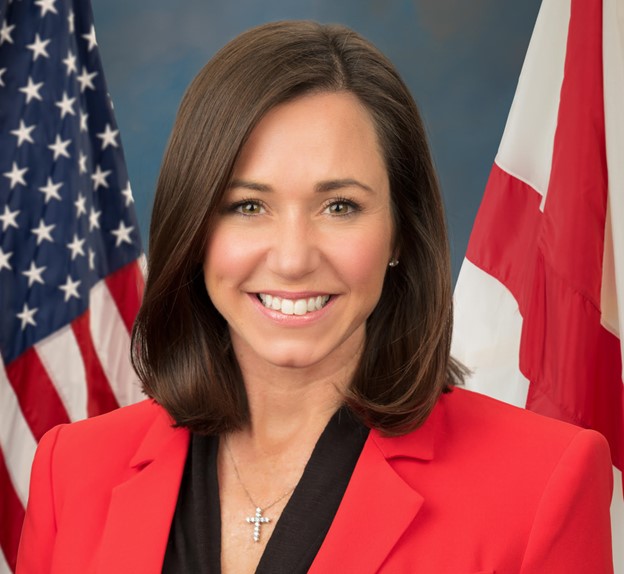
Senator Katie Britt has joined Sen. Tom Cotton and a bicameral group of colleagues in introducing a joint resolution formally disapproving of the District of Columbia City Council passing legislation allowing illegal immigrants and other non-American citizens to vote in D.C. local elections. “Voting in our country is a sacred right that must solely be limited to American citizens. This should be simple commonsense,” said Sen. Britt. “Washington, D.C., and every Democrat-run municipality that wants to allow illegal immigrants to vote in local elections, is diluting the value of American citizenship, effectively disenfranchising hardworking American citizens, insulting those American citizens who came to our country legally and took the time and effort to go through the citizenship process, and undermining faith in our entire electoral system – which is a cornerstone of our nation that we cannot allow to crumble. D.C. would even allow official representatives of foreign adversaries to vote in local elections in our nation’s capital when their stated interests run counter to America’s interests. This is a dangerous, illogical policy that Congress has a duty to block.” “Allowing illegal immigrants and other foreign nationals to vote in our elections, in our capital, is an insult to every American,” said Sen. Cotton. “After years of lamenting so-called ‘foreign interference’ in our elections, every single Democrat ought to join in invalidating this insane policy.” Rep. James Comer introduced the joint resolution in the House, while Cotton is leading the effort in the Senate. The Republican-controlled U.S. House of Representatives is set to vote on the resolution early next week. Since Democrats control the U.S. Senate, it is highly unlikely that this resolution will be brought to the floor of the Senate. The bill must pass both the House and the Senate and then signed into law by the President. The resolution would prevent the D.C. council’s proposed legislation from going into effect. President Joe Biden is unlikely to sign the resolution. The Council argues that noncitizens pay taxes and are thus entitled to representation in D.C. elections. Katie Britt was elected to the Senate in a landslide election last year. Britt is an attorney, the former President and CEO of the Business Council of Alabama (BCA), and the former chief of staff for Sen. Richard Shelby, whose seat Britt now holds. To connect with the author of this story or to comment, email brandonmreporter@gmail.com.
Mike Rogers applauds the shooting down of Chinese balloon
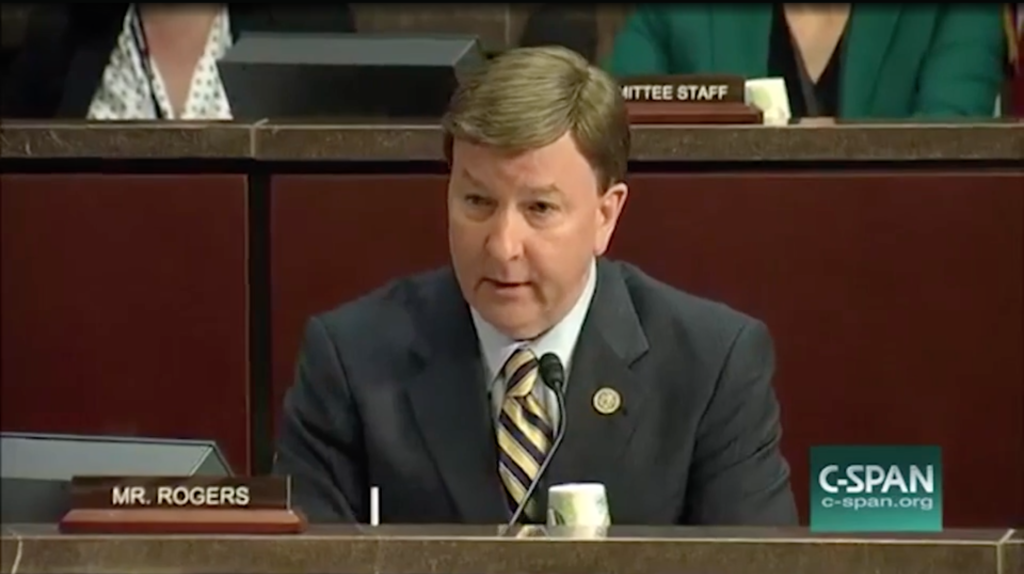
On Saturday, the U.S. Military shot down the Chinese balloon, which many in the government believed to be on an intelligence gathering mission. Congressman Mike Rogers, the Chairman of the powerful House Armed Services Committee, released a statement supportive of the successful mission by the United States military to take down the Chinese balloon. “I applaud our servicemembers for completing a successful mission to neutralize a spy balloon sent by the Chinese Communist Party,” Rogers said. “I remain deeply concerned by the Biden administration’s decision to allow the spy balloon to traverse the United States. The Biden administration reportedly learned of the CCP spy balloon on January 28th – nearly a week before residents in Montana spotted the balloon loitering over their state. It’s clear the Biden administration had hoped to hide this national security failure from Congress and the American people. Now, the White House must provide answers about why they decided to allow a CCP spy balloon to cross the United States and what damage to our national security occurred from this decision. The United States must project strength to deter China – this failure is another example of weakness by the Biden administration.” A U.S. Air Force F-22 shot down the balloon with a single missile on Saturday off of the South Carolina Coast. The Federal Aviation Administration (FAA) had paused flights out of three South Carolina and North Carolina airports to make sure that no civilians were inadvertently put in harm by the mission. The military had considered shooting down the balloon over Montana earlier in the week but elected not to for fear that wreckage could have potentially harmed Americans on the ground. President Joe Biden told reporters, “On Wednesday, when I was briefed on the balloon, I ordered the Pentagon to shoot it down, on Wednesday, as soon as possible. They decided — without doing damage to anyone on — on the ground. They decided that the best time to do that was as it got over water, outside — within our — within the 12-mile limit. They successfully took it down. And I want to compliment our aviators who did it. And we’ll have more to report on this a little later.” U.S. Secretary of State Antony Blinken canceled a scheduled trip to China to protest the intrusion of the balloon over American air space. Blinken’s visit would have been the highest-ranking visit to China by an American official in six years. The Chinese government acknowledged that it was their balloon but claimed it was not an intelligence balloon. They, instead, claim it was a weather balloon that had gone astray and was not on an intelligence-gathering mission. The U.S. Coast Guard is attempting to retrieve as much of the wreckage of the balloon as possible. Of particular interest was a basket of equipment on the underside of the balloon. A second Chinese balloon was confirmed traveling over South America on Friday. Mike Rogers is in his eleventh term representing Alabama’s Third Congressional District. To connect with the author of this story or to comment, email brandonmreporter@gmail.com.
Alabama exports near $23.4 billion in 2022

The Alabama Commerce Department reports that the state’s exports were up in 2022. According to preliminary trade data, Alabama exports approached $23.4 billion in value through November — a figure that already eclipses the annual record of $21.7 billion, set in 2017, showing that Alabama’s economy was back on track after the COVID-19 global pandemic and the forced economic shutdowns. Alabama businesses that export their products to an international customer base have made a strong recovery during 2021, and that growth accelerated in 2022. Trade data indicate that the value of Alabama exports through the first 11 months of 2022 were tracking 23% higher than in the same period in 2021. Alabama-made goods went to 194 countries in 2022. “Alabama is full of next-level innovation taking place in key industries, and we’re ready to bring what’s happening inside our factories and laboratories and within our entrepreneurial ecosystem to the world,” said Alabama Commerce Secretary Greg Canfield. Economic developer Dr. Nicole Jones told Alabama Today, “Alabama has an impressive track record with exports. In 2021, our state exported goods and services at a total of almost $21 billion, which increased 21.8% from 2020. New data from 2022 shows a 23% increase from the same time period in the previous year. Pandemic-related global trade disruptions led to economic uncertainty, but fortunately, demand increased for Alabama-made products.” Christina Stimpson is the director of Commerce’s Office of International Trade. “Alabama’s vibrant export community has overcome significant challenges in the past few years, and it’s positioned for sustained growth because its high-quality products are in demand around the world,” Stimpson said Alabama’s No. 1 export category is transportation equipment. During the first 11 months of 2022, that category reached nearly $10.4 billion, an 8.4% increase from 2021. The category includes motor vehicles and parts, aerospace products and parts, and ships, among other things. $8 billion of that were Alabama-made vehicles. Shipments of aerospace parts rose 31% to $1.6 billion in the first eleven months of 2022. Mercedes-Benz motor vehicles were Alabama’s No. 1 export in 2022. Alabama exported $2.5 billion in chemicals in 2022, an increase of 22%. Exports of minerals and ores were up 194% to $1.9 billion. The exports of primary metals were up 24% to total $1.5 billion. Alabama exported $1.4 billion worth of paper and paper products, an increase of 35%. Jones credited the hard work of the Alabama workforce as well as the sound corporate governance of Alabama companies for the good export news. “Our quality and skilled workforce pushed through,” Jones said. “The strength of Alabama’s companies is a result of dedicated human capital, innovative products and services, and continued communication and positive relationships with nations throughout the world.” “For companies ready to forge ahead on a new path and discover the benefits of exports, the members of Export Alabama are always available as a resource for collaboration and guidance in this process,” Stimpson said. Germany was the No. 1 international destination for Alabama goods in 2022. A spot the country held in 2021. During the first 11 months of 2022, shipments to Germany were valued at nearly $3.9 billion. Alabama’s other leading export destinations during 2022 were Canada, China, Mexico, and South Korea. Commerce’s Office of International Trade and its partners in Export Alabama assist Alabama companies in accessing foreign markets to increase international sales, providing trade education and training opportunities, and organizing international trade missions and shows for Alabama firms to identify opportunities in foreign markets. Export Alabama provides comprehensive international trade services, all on a confidential basis, to help Alabama companies succeed in the global marketplace. Services provided to Alabama companies include advocacy, export education workshops, export finance assistance, identifying foreign distributors and buyers, international market research, and trade missions. Michael Brooks is the associate director of the Alabama International Trade Center at the University of Alabama. “Export Alabama plays a vital role in connecting companies with the experts, tools, and resources they need to access foreign markets and compete globally,” said Brooks. “Alabama’s competitiveness on the international stage is key to accelerating the state economy; companies that export tend to hire more people, pay higher wages, and are more resilient in economic downturns,” he added. Export Alabama launched a new web presence on Monday that features resources, helpful advice, success stories, and contacts to further increase its aid to Alabama companies competing in the global marketplace. To connect with the author of this story or to comment, email brandonmreporter@gmail.com.
