
Oil spill releases over one million gallons into Gulf of Mexico

An oil spill has released over a million gallons of oil into the Gulf of Mexico. The U.S. Coast Guard reports that the leak was first reported to them on Friday. The Coast Guard reports that the leak appears to be near the Main Pass Oil Gathering (MPOG) company’s pipeline system, located around Plaquemines Parish, La., southeast of New Orleans. We do not know when the leak began, but it was initially reported to the National Oceanic and Atmospheric Administration (NOAA) Thursday morning around 9:10 a.m. There is a three- to four-mile-wide slick, but the search for the specific location of the leak is still ongoing. “Remotely operated vehicles, deployed Friday morning, continue to survey the pipeline with no findings of a source area at this time,” the Coast Guard reported Tuesday. This is not the 2010 Deepwater Horizon, but this is one of the biggest oil spills in U.S. waters, with initial assessments estimating that it is at least 1.1 million gallons. The Deepwater Horizon disaster killed 11 oil workers, released millions of gallons of oil into the Gulf, took five months to shut off the flow of oil, and killed up to 105,400 sea birds. It is too early in this process to estimate how this spill will impact marine life, the fishing industry, or the Gulf Coast. Oil drilling in the Gulf region has become increasingly controversial, with environmentalists claiming that the continual threat of ecological catastrophe is far greater than the economic rewards from drilling. Oil workers who make their livelihoods from working on the oil rigs, exploring for new oil, and refining the oil and natural gas and Gulf coast states who depend on the revenue from offshore leasing disagree. In January 2021, President Joe Biden signed an executive order that would freeze all new oil and gas leasing on public lands and waters. After a series of unfavorable court rulings, the administration ended the pause and resumed leasing. The Inflation Reduction Act in 2022 requires the administration to hold a series of lease sales in the Gulf, originally scheduled for September but currently pushed back to December. The administration also auctioned off 1.6 million acres for leasing in March. In August, the state of Louisiana joined Chevron and the American Petroleum Institute in suing the administration for shrinking the acreage being auctioned off. The administration claimed that it did so to protect the endangered Rice’s whale. Last week, a federal court rejected the administration’s arguments. The Coast Guard, MPOG, and the Louisiana Oil Spill Coordinator’s office have formed a Unified Command team to investigate the source of the spill. The pipeline was shut down on Thursday when MPOG realized there was a problem with the 67-mile pipeline. The exact source of the leak remains unknown. Alabama Today is continuing to monitor this situation> To connect with the author of this story or to comment, email brandonmreporter@gmail.com.
Pell City holds annual law enforcement appreciation luncheon

The City of Pell City recently held its annual law enforcement appreciation luncheon sponsored by Metro Bank owner Annette Cox. The annual event was held at the Pell City municipal complex. Cox expressed her pleasure at being able to host this event to honor the members of law enforcement in the community. The annual event honors law enforcement for making Pell City and St. Clair County a great place to live, work, and raise a family. The luncheon featured steak entrees with a wide selection of cakes for desserts. St. Clair County Commission President Stan Bateman (R) said, “This community is so special. Metro Bank and Ms. Annette Cox steps up and does this every year to show all of our appreciation of what you in law enforcement do for our community. If you drive around the county and see all the commercial development that’s going on, if you will look at the sign in front of the project Metro Bank is the one providing the financing for a lot of it. I want to give Metro Bank a round of applause.” Bateman spent his career law in enforcement, having spent decades as a game enforcement officer for the Alabama Department of Conservation and Natural Resources (ADCNR). Bateman said that the biggest change he has seen since his early days in law enforcement is the adoption of technology. “I didn’t have any of the technology and tools that you have today,” Bateman said. “In my day, I just had to recognize people by the back of their heads.” Members of the Pell City Police Department and St. Clair County Sheriff’s Department were on hand to be honored. Several dignitaries were present including Associate Alabama Supreme Court Justice Sarah Stewart. Stewart, who was being escorted that day on a tour of St. Clair Counties by St. Clair County Presiding Judge Phil Seay, expressed her support for the law enforcement community and all that they do for the people of Alabama. Stewart is a candidate for the Republican nomination for Chief Justice of the Alabama Supreme Court. Stewart faces two Republican opponents in the March 5 Republican primary: former State Senator Bryan Taylor and Jerry Michael Blevins. The eventual Republican nominee for Chief Justice will face Democratic nominee Montgomery Circuit Judge Greg Griffin in the November 5 general election. State Sen. Lance Bell (R-Pell City), State Representative Randy Wood (R-Anniston), Rep. Craig Lipscomb (R-Gadsden), Rep. Jim Hill (R-Odenville), Probate Judge Andrew Weathington, Commissioner Ricky Parker, Commissioner Bob Mize, Commissioner Tommy Bowers, Sheriff Billy Murray, Circuit Judge Bill Weathington, St. Clair County School Board President Bill Morris, Revenue Commissioner Ken Crowe, Circuit Clerk Kathryn Burke, St. Clair County Republican Party Chairman Deputy Freddy Turrentine, St. Clair County Young Republican Chairman Logan Glass, and former St. Clair County Republican Party Chairman Joey Stevens. To connect with the author of this story or to comment, email brandonmreporter@gmail.com.
Steve Flowers: 60th Anniversary of President John F. Kennedy’s assassination
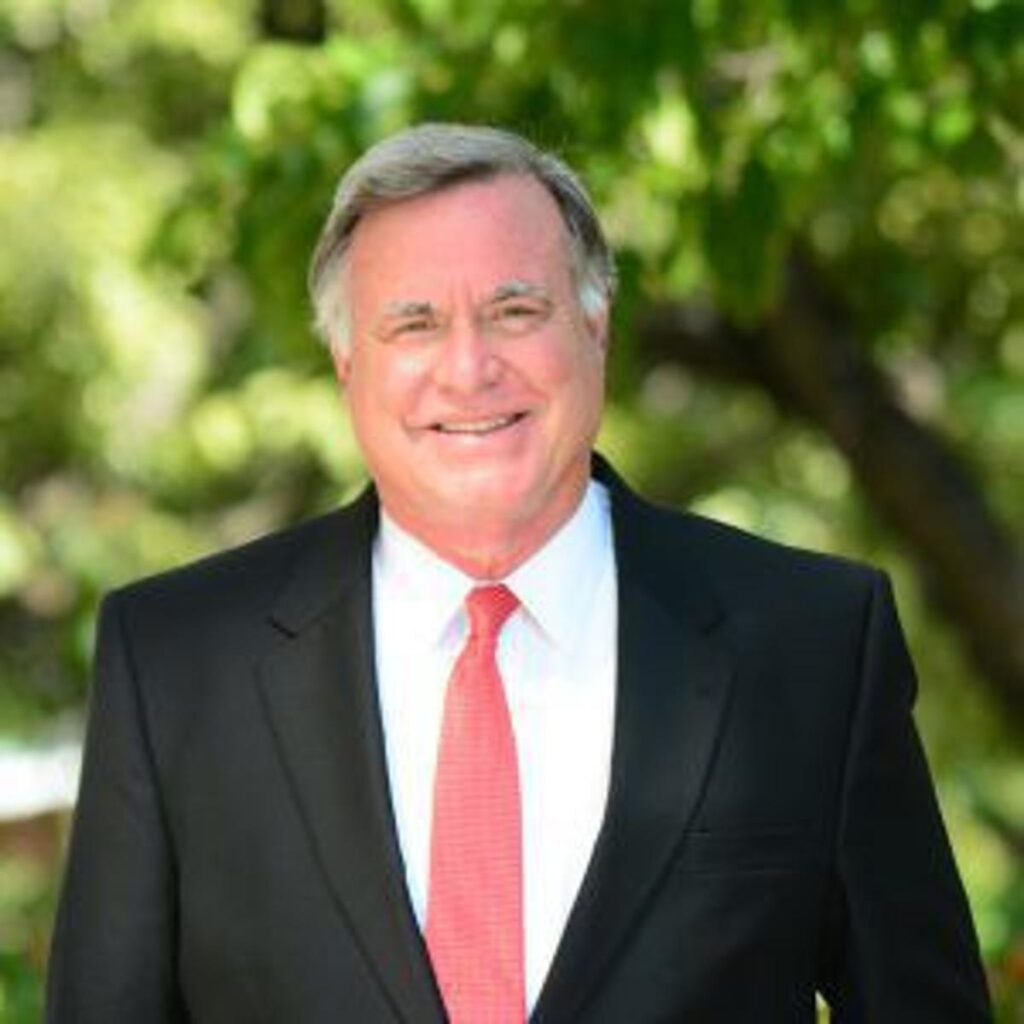
The assassination of John F. Kennedy happened 60 years ago this week. It occurred to me that a good many of you may be too young to remember that horribly sad day of November 22, 1963. Anyone living on that day can tell you exactly where they were when President John F. Kennedy was shot and killed by an assassin in Dallas, Texas. It was a perfect fall day in the Lone Star State. Lyndon Johnson was Vice President, and he and Kennedy disliked each other immensely. The Kennedys had put Johnson on the ticket as Vice President in 1960 to ensure that the Democrats carried Texas in the General Election, not because they liked him. It was totally a political marriage. They not only did not like Johnson, they did not trust him. It was a Friday afternoon. The last high school games of the year were to be played that night. High school football was big in Alabama. By the way, it was also big in Texas, thus the movie “Friday Night Lights.” I was in the seventh grade. It was just after lunch. My homeroom teacher at Troy Junior High School was Mrs. Elaine Dodson. All of a sudden, the music teacher for our schools, Jerry Spann, came into our room and announced that the President had been shot. Everyone was traumatized. The President died about an hour later at a Dallas hospital. The next three days, all of America watched on television the funeral preparations and the Monday funeral. It was an unbelievably sad event. The scene of the riderless white horse brought tears to your eyes. If that did not, the scene where little John John Kennedy, a precious, precocious two-year-old boy, gave a salute to his father was one of the most heart-wrenching, tear-jerking moments I have ever witnessed in my life. It still brings tears to my eyes 60 years later as I write this column. John John grew to be a very handsome young man like his father. He, like his father, died an early untimely death in an airplane crash. Even though he did not have political aspirations, I believe that “John John,” John Kennedy Jr., would have been president. I am not a conspiracy theorist, but allow me to illuminate some facts. Lyndon Johnson was the most ruthless, morally bankrupt, and crudest man to ever sit in the White House. Johnson was the ultimate political animal. He lived by the rule that whatever it took to win and grab control of power is what you did. If you doubt that, read Robert Caro’s books on LBJ, or better yet, ask any historian about his years as U.S. Senate Majority Leader. In recent years, the Secret Service has released files that reveal the following facts. First, Johnson insisted that Kennedy go to Dallas, Texas, and campaign. The Secret Service asked Kennedy not to go because the Civil Rights issue was boiling in Texas. At Johnson’s urging, Kennedy agreed to go. Second, the Secret Service came to Kennedy and said, “Mr. President, if you go, you cannot use the main artery boulevard in your entourage. We cannot protect you.” Kennedy agreed. When Johnson heard of this, he told Kennedy he had to go down that boulevard because, “It is a Texas tradition,” said Johnson. Kennedy agreed at Johnson’s insistence. Finally, the Secret Service, in exasperation, told President Kennedy, “Mr. President, we asked you not to go to Dallas. We also asked you not to go down that boulevard because we cannot protect you from all the high building windows. To a sharpshooter, you will be a sitting duck. If you go to Dallas and go down that thoroughfare, we must insist, you let us put up a protective bubble to protect you.” Kennedy agreed. Johnson heard of the bubble and insisted to President Kennedy that he could not do that because he would appear distant, detached, aloof, and arrogant to Texans. President Kennedy, once again, acquiesced to Johnson’s pleas. The rest is history. The horrific, tragic scenes of Jackie Kennedy’s blood-stained pink dress, a little two-year-old boy’s goodbye salute to his father, and the riderless white horse are indelibly planted in my memory 60 years later. The 1960s was a very tumultuous and memorable time to come of age in America, and November 22, 1963, is etched in a lot of our generation’s minds. See you next week. Steve Flowers is Alabama’s leading political columnist. His weekly column appears in over 60 Alabama newspapers. Steve served 16 years in the state legislature. He can be reached at steveflowers.us.
Jared Norrell: Time for the Federal Drug Administration to protect kids
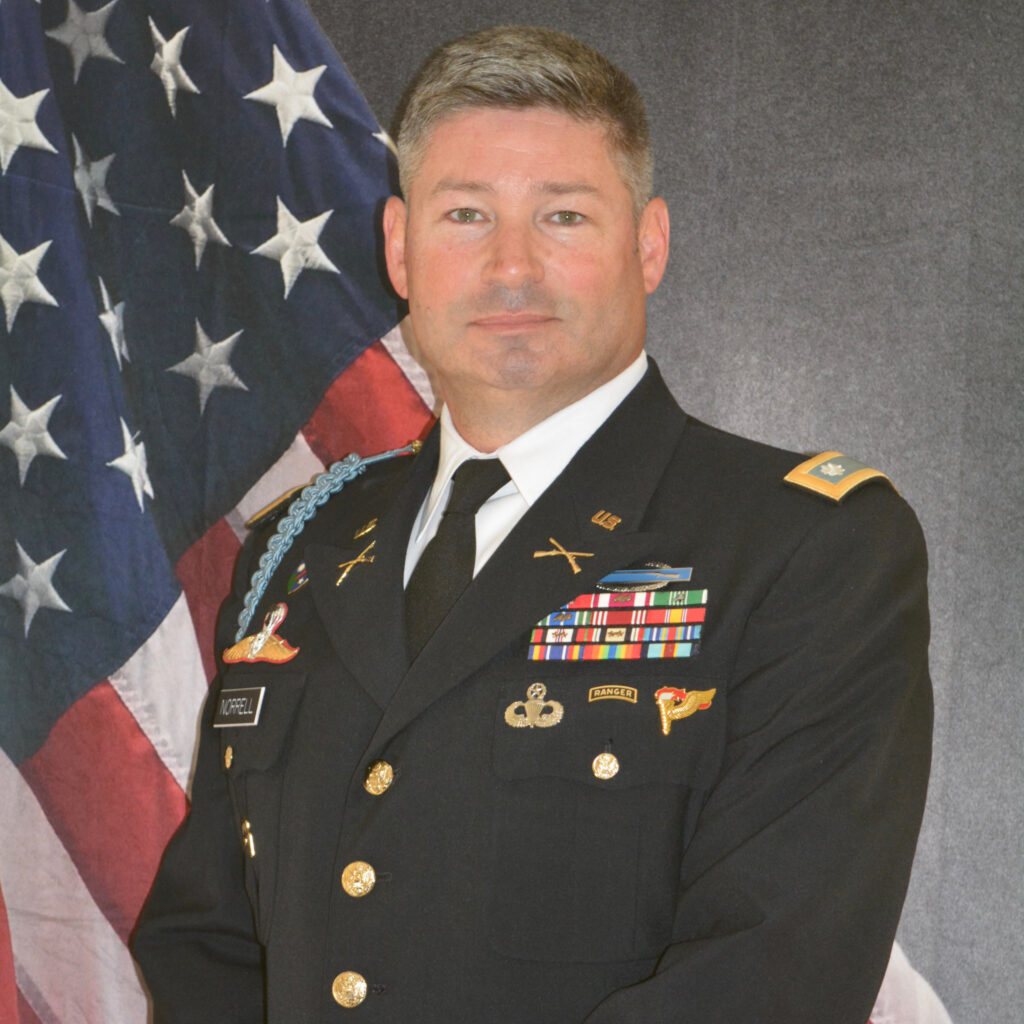
Southern Preparatory Academy, located in Camp Hill, Alabama, is honored to serve as the official military school for Alabama. We are proud of our esteemed history and the unique opportunities we are able to provide young men from 6th – 12th grade to grow and learn under a structure of discipline and self-reliance. At Southern Prep, we are committed to admitting students who would benefit most from the structure of our school – many who have struggled under traditional school systems, navigated disciplinary challenges, or come from lower-income families. Above all, it is our top priority to ensure that our students are set up for success both in and outside of Southern Prep, now and in the future. One of my most urgent concerns today about the welfare of many of our students is related to healthcare and the need for our political leaders to encourage the Federal Drug Administration (FDA) to do more to address the growing vaping epidemic among middle and high school students. I, like most educators, have noticed the growing prevalence of disposable vapes in our schools and the numbers don’t lie. Since 2019, the CDC’s National Youth Tobacco Survey shows that youth usage of disposable vaping products is up to alarming levels. More than 2.5 million kids used e-cigarettes in 2022, including 14.1% of high school students and 3.3% of middle school students. The rise is fueled by disposable vape products that are shamelessly targeting youth. These products come in colorful packages and kid-friendly flavors like pink lemonade, birthday cake, and peanut butter cup that are pushed on social media. Some disposable vapes look like school supplies, making vaping at school even easier and our job harder. These manufacturers are also making their products stronger and cheaper so kids who might not have a lot of spending money can still get hooked. Disposable e-cigarettes sold in the U.S. nearly tripled in nicotine strength, quintupled in e-liquid capacity, and dropped in price by nearly 70% between 2017 and 2022, according to a recent Truth Initiative® study published in Tobacco Control. What is so frustrating is that disposable, flavored vapes are not supposed to be sold in the U.S. In 2020, the FDA began cracking down on vaping by requiring e-cigarette manufacturers to get regulatory approval in order to sell their product. To date, the agency has authorized only 23 specific e-cigarette products, all of which are tobacco-flavored alternatives to cigarettes, targeted at adults. Adults should be free to choose, but illegal products — most notably the disposable and flavored vapes that are most popular among youth and teenagers—should not be marketed to our children. The presence of vapes seems to be becoming normalized for students and their awareness about the harm that these products can cause to the user and those around them remains stubbornly low. But we know the risks. The U.S. Surgeon General has warned that vaping poses significant risks, including damage to the heart, lungs, and parts of the brain that control attention and learning, as well as an increased risk of addiction to other substances. Beyond their physical health, vaping can also negatively impact a student’s academic success. A 2021 study found that students who began to use e-cigarettes missed assignments, skipped classes, and reported lower GPAs than those who didn’t use tobacco products. At Southern Prep, our parents and teachers are doing what we can to help students make healthy choices, but we need help. The FDA must do more to get the illegal vapes targeting kids off the shelves. I hope our politicians will encourage the FDA to do their job. Jared Norrell serves as President of Southern Prep Military Academy.
Rep. Terri Sewell says 8th Circuit Court Voting Rights Act ruling is “deeply disturbing”
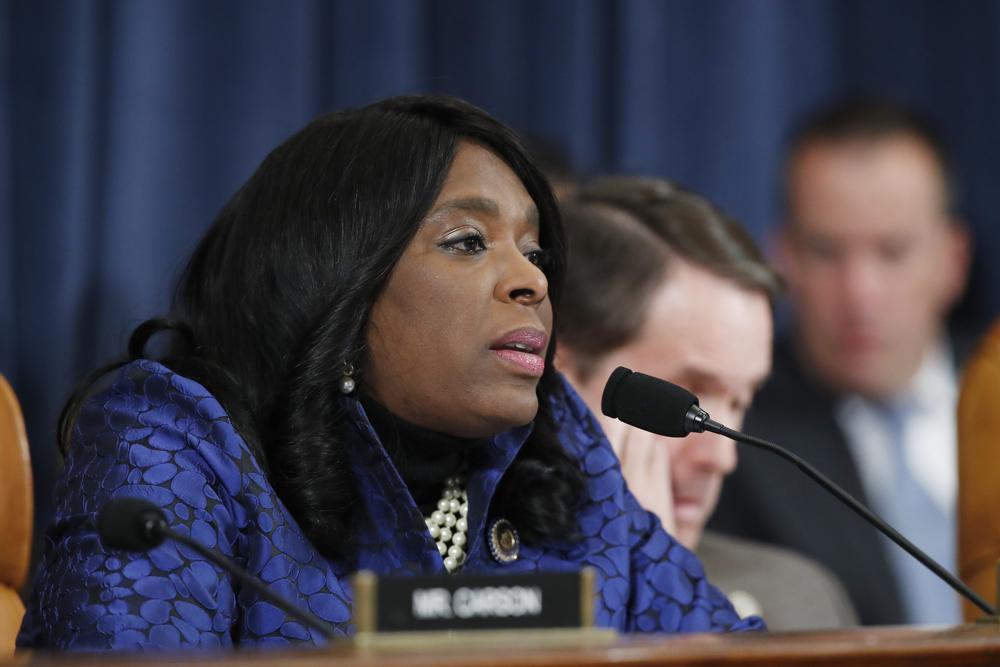
On Monday, Congresswoman Terri Sewell (D-AL07) called Monday’s ruling by the 8th U.S. Circuit Court of Appeals on Section 2 of the Voting Rights Act “deeply disturbing and wrong as a matter of law.” “This ruling by the 8th Circuit Court of Appeals is deeply disturbing and wrong as a matter of law,” Rep. Sewell said. “If allowed to stand, it would be the death knell of the Voting Rights Act, stripping individuals and civil rights groups of their ability to fight back against voter discrimination in court. The Supreme Court must reverse this disastrous ruling without delay. “I’m calling on Congress to immediately pass the John R. Lewis Voting Rights Advancement Act,” said Sewell. We cannot allow extremists to strip away the remaining protections of the VRA.” Critics argue that the John R. Lewis Voting Rights Act tramples on states’ rights and would give the federal government unprecedented control over how states conduct elections. The three-judge panel of the 8th Circuit ruled that the Voting Rights Act of 1965 does not allow private citizens or civil rights groups to sue the government over the Voting Rights Act. The panel for the United States Court of Appeals for the Eighth Circuit ruled Monday that only the U.S. Department of Justice can bring a civil rights complaint under the Voting Rights Act. The Arkansas State Conference of the NAACP and the Arkansas Public Policy Panel filed a lawsuit over House redistricting lines, saying they diluted the black vote. The federal district judge who heard the case, a Donald Trump appointee, dismissed the lawsuit in 2022, ruling that the plaintiffs did not have standing to bring the lawsuit. A lower court said only courts assumed in the past 50 years that private citizens or groups could bring a Voting Rights Act lawsuit. Two of the three judges on the panel agreed with the lower court. Arkansas Attorney General Tim Griffin called the ruling a “victory for our citizens and the rule of law.” “For far too long, courts across the country have allowed political activists to file meritless lawsuits seeking to seize control of how states conduct elections and redistricting,” Griffin said. “This decision confirms that enforcement of the Voting Rights Act should be handled by politically accountable officials and not by outside special interest groups.” In Alabama, private citizens and civil rights groups sued the state, arguing that the 2021 redistricting by the state legislature violated the Voting Rights Act because the Black minority in the state only got to choose one member of the state’s congressional delegation. A federal three-judge panel ruled that they were right and ordered redistricting by a court-appointed special master. Monday’s decision does not apply directly to Alabama because the state is in the 11th Circuit and not the 8th, but this will almost certainly be appealed to the Supreme Court, which likely will decide this issue for the whole country. To connect with the author of this story or to comment, email brandonmreporter@gmail.com.
Case seeking to bar Donald Trump from 2024 ballot appealed to Colorado Supreme Court
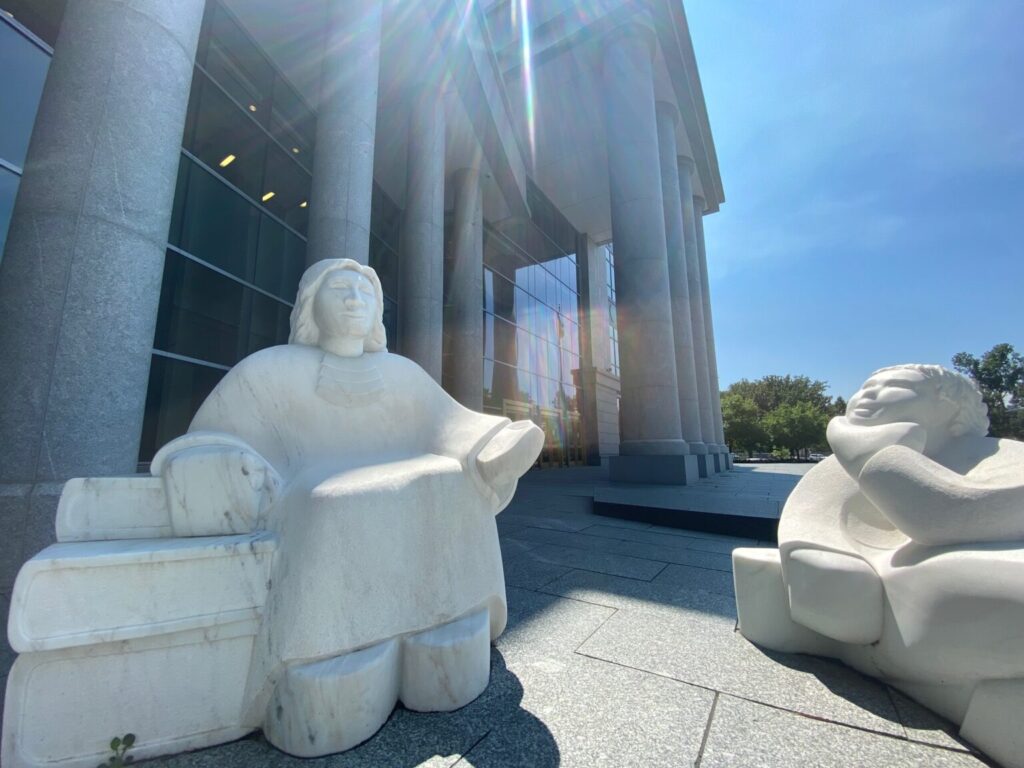
Chase Woodruff, Alabama Reflector November 21, 2023 This story was originally published on Colorado Newsline. The widely anticipated next phase of a challenge to former President Donald Trump’s constitutional eligibility to seek office again began on Monday with separate appeals filed by Trump and the plaintiffs who brought the case to the Colorado Supreme Court. A Denver District Court judge ruled last week that Trump should be placed on Colorado’s March presidential primary ballot, rejecting a lawsuit filed by six Colorado voters who argue that the Republican frontrunner is disqualified from office under a Civil War-era insurrection clause. Although Judge Sarah B. Wallace ruled that Trump “engaged in insurrection” within the meaning of Section 3 of the 14th Amendment — which prohibits anyone who did so after taking an oath to support the Constitution from holding office again — she held that the clause does not apply to the presidency. Wallace’s order instructed Secretary of State Jena Griswold, a Democrat, to place Trump on the ballot when certifying the list of primary candidates on Jan. 5. The ruling drew an appeal first from Trump’s attorneys, who wrote that while they were satisfied with the outcome, Wallace’s opinion also contained “multiple grave jurisdictional and legal errors,” including her finding that Trump “incited an insurrection on Jan. 6, 2021.” “President Trump seeks review to ensure that if this Court takes up this case on appeal, it will consider the full scope of the constitutional, interpretive, and evidentiary issues,” Trump’s attorneys wrote to the Colorado Supreme Court, listing eleven different legal issues they want the state’s highest court to consider. The list of issues revives many of the arguments Trump’s team made during a five-day trial in district court earlier this month, including questioning the definitions of “insurrection” and “engaging” under Section 3, disputing the secretary of state’s authority to disqualify candidates under the clause and attempts to discredit the investigation into the Jan. 6 attack on the Capitol conducted by a select U.S. House of Representatives committee. Plaintiffs in the case, backed by the nonprofit Citizens for Responsibility and Ethics in Washington, filed their own appeal late on Monday, calling the finding that Section 3 does not apply to the presidency “nonsensical.” That theory was first put forward in 2021 by two conservative law professors, Josh Blackman and Seth Tillman, who argue that the section’s reference to “an officer of the United States” does not include the president. Gerard Magliocca, a scholar of 19th-century constitutional law, was called as an expert witness by the plaintiffs during this month’s trial and testified that the position taken by Blackman and Tillman “so far is in the minority” among academics who have studied the question. Echoing Magliocca, the plaintiffs’ appeal cited several pieces of historical evidence showing that Section 3, which was ratified in 1868 and aggressively enforced against ex-Confederates for a period of several years, was understood to apply to the president at the time. “Excluding the President and the Presidency from Section 3 would make no sense,” the plaintiffs wrote. “There would be no reason to prohibit insurrectionists from serving as mere presidential electors, and from holding every other office in the land, while allowing them to hold most the powerful and hence most dangerous office. Nor would there be any reason to allow insurrectionist former Presidents to hold office again, while excluding former low-level state officers.” Attempts to bar Trump from the ballot under the 14th Amendment have been rejected by courts in several other states, including Michigan and Minnesota. But CREW and its supporters have sought to portray Wallace’s ruling in Colorado as a victory as they continue to build their case against Trump’s eligibility across the country. “We always knew this case would end up before the Colorado Supreme Court, and have been preparing for that from the beginning,” Noah Bookbinder, CREW’s president, said in a press release Tuesday. “We are planning to build on the trial judge’s incredibly important ruling that Donald Trump engaged in insurrection, and we are ready to take this case as far as necessary to ensure that Donald Trump is removed from the ballot.” Colorado Newsline is part of States Newsroom, a network of news bureaus supported by grants and a coalition of donors as a 501c(3) public charity. Colorado Newsline maintains editorial independence. Follow Colorado Newsline on Facebook and Twitter. Alabama Reflector is part of States Newsroom, a network of news bureaus supported by grants and a coalition of donors as a 501c(3) public charity. Alabama Reflector maintains editorial independence. Follow Alabama Reflector on Facebook and Twitter.
