
Conservative presidential candidate Evan McMullin fails to make Alabama ballot

Evan McMullin will not be on the ballot in Alabama. POLITICO reports the newly announced conservative independent presidential candidate failed to submit required signatures for a spot on Alabama’s general election ballot The deadline for independent candidate filing, writes Caroline Kelly, was 5 p.m. Thursday, as verified by the Alabama secretary of state’s office. “We haven’t gotten any, none at all,” said Deputy Chief of Staff John Bennett of McMullin signatures. Bennett confirmed the office did receive signatures for Libertarian candidate Gary Johnson, Green Party candidate Jill Stein, and Rocky de la Fuente, running on the Reform Party ticket. Signatures of registered Alabama voters still need verification before the final results are announced, Bennett told POLITICO. Although McMullin will be on both the Colorado and Utah ballots, the former CIA employee failed to make nearly one-third of the 24 states with remaining deadlines. Thursday was also the deadline for Tennessee, which required 250 signatures, but Secretary of State Director of Communications Adam Ghassemi could not confirm to POLITICO that McMullin, who had announced his candidacy last week, had submitted any signatures. Filing deadlines are Friday for Iowa and Louisiana.
Proposal circulating in Montgomery would close state primary elections
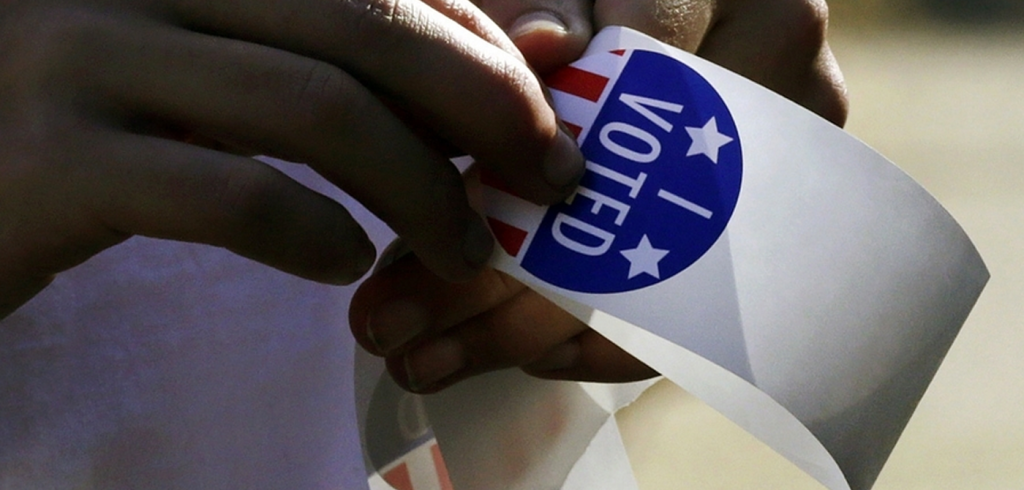
While Alabamians have already voted in the this year’s Presidential Preference Primaries, that hasn’t ended the conversation in 2016 about the state’s elections. A plan circulating in the Legislature would make Alabama one of 31 states who allow only registered Republicans and Democrats to vote in their respective primaries. SB 360 by Sen. Tom Whatley would close Alabama primaries; mandate a voter be registered with their party at least 14 days before voting in a primary; and prevent voters from switching parties in between a primary and primary run-off. Currently Alabama – like Deep South neighbors Tennessee, Georgia, and Mississippi – has open primaries. Some observers have said open primaries leading to voters casting “strategic” ballots, seeking to influence the outcome of a party they do not identify with. Alabama gave 44 of its 55 Democratic delegates to former Secretary of State Hillary Clinton while Vermont Sen. Bernie Sanders received nine during March 1 elections, as part of the newly-established “SEC Primary,” which saw Donald Trump took the lion’s share of Republican delegates, winning 36 out of 50. Texas Sen. Ted Cruz was awarded 13 delegates while Florida Sen. Marco Rubio managed to snag one. Trump and Sanders have both done better in open-primary states than those with traditional closed primaries and caucuses. SB 360 is co-sponsored by Sen. Cam Ward and Sen. Trip Pittman. Anonymous sources told Alabama Today on Thursday there is “much GOP support for this proposed legislation.”
Robert Bentley supportive of lottery plan, with a catch

Gov. Robert Bentley came out in support of a lottery plan that is circulating among Montgomery law makers – but with one condition. Bentley has said he would change his stance on the issue if the revenues flow into the state’s General Revenue fund, as opposed to being earmarked for education purposes only as one going proposal would provide. The governor has by and large been opposed to any expansion of gambling, though that has softened in recent months. If the lottery is “clean” and resultant revenues flow into GR, “I would be willing to talk about it positively, but if it’s not I will have to go the other way,” Bentley said. The stipulation that the money go into the general budged, however, will likely reduce support among many lawmakers and Alabama voters, who see a lottery as worthwhile only if goes directly to the education budget. “If we put this before a vote of the people and it fails, I don’t think it will ever pass again,” said state Rep. Craig Ford, the House’s Democratic caucus leader. “I think it is more palatable to the people of Alabama if it goes to the education trust fund,” Ford said. Asked whether Bentley’s position is designed to ensure a lottery does not pass, Ford said: “It could be.” Bentley would not be able to veto or otherwise scuttle the bill by himself since the measure would be on the ballot during 2016 General Election in November, though he could throw his weight either behind or against the bill on the stump or through an advertisement campaign.
