
Alabama lawmakers to vote on death penalty bill

No capital murder sentencing procedure in the United States has been more criticized than that of Alabama’s. As the only state in the country that permits elected trial judges to override jury verdicts to give criminals the death penalty instead of a life sentence, Alabama’s judicial sentencing procedures are once again the topic of debate. On April 4, when lawmakers from the Alabama House of Representatives return from a two-week spring break, they will debate this controversial 1976 policy that has resulted in judicial overrides 107 times in the past four decades. Last month, the Alabama Senate approved a similar bill doing doing away with judicial override on a 30-1 bipartisan vote. Pike Road- Republican stateSen. Dick Brewbaker, the bill’s sponsor, clarified the bill only affects future cases and not any inmates currently on death row. He says judicial override in death penalty cases is contrary to the tradition of American justice that a jury from the community should determine both the verdict and sentence. In a recent study by the Alabama-based Equal Justice Initiative, one of the groups opposed the state’s death penalty system, found that in nearly all of those cases judges imposed death sentences. The study also revealed twenty-one percent of 199 people currently on the state’s death row were sentenced through such judicial overrides. [Photo Credit: Yolanda Martinez | The Marshall Project]
General Fund budget debate expected in Alabama House Tuesday
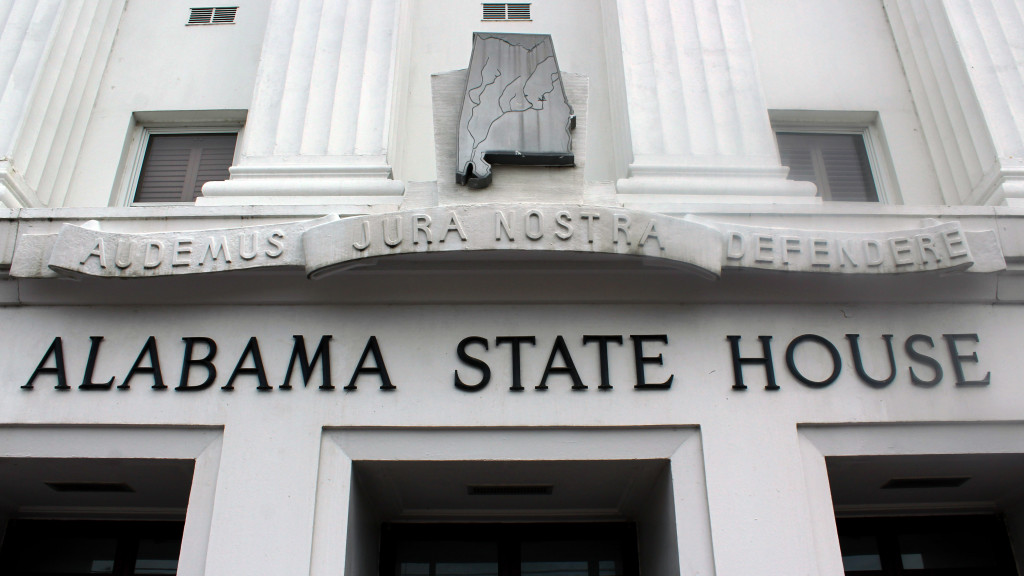
It’s budget week in the Alabama House of Representatives. State lawmakers will begin debate Tuesday afternoon on a trimmed general fund budget in an effort to save the state money in the future. The $1.8 billion budget will fund most state agencies,as it keeps an estimated $97 million – roughly 5 percent of the total budget – in reserve for future needs. The budget does not include $19 million Gov. Robert Bentley proposed as a 4 percent pay raise for state employees.
Alabama House attempting to refine crimes that forfeit voting rights

Months after the presidential election, the debate over which Alabamians have the right to vote continues, as lawmakers in Montgomery are attempting to define what criminal convictions should disqualify a resident from voting. Sponsored by Andalusia-Republican state Rep. Mike Jones, HB 282 passed the Alabama House of Representatives by a unanimous vote on Thursday. Under the Alabama Constitution, a person who commits a felony involving moral turpitude loses his or her right to vote. HB 282, better known as the Moral Turpitude Act, establishes a comprehensive list of 42 felonies that involve moral turpitude, which lawmakers consider worthy of voter disqualification. Below are the 42 felony felonies listed in the bill. Most follow specific stipulations, for details check out the full text of the bill here. Murder Manslaughter Assault Kidnapping in the first degree Kidnapping in the second degree Rape Sodomy Sexual torture Sexual abuse Enticing a child to enter a vehicle for immoral purposes Soliciting a child by computer Human trafficking Terrorism Soliciting or providing support for an act of terrorism Hindering prosecution of terrorism Endangering the water supply Possession, manufacture, transport, or distribution of a destructive device or bacteriological or biological weapon Selling, furnishing, giving away, delivering, or distribution of a destructive device, a bacteriological weapon, or biological weapon to a person who is less than 21 years of age Possession, manufacture, transport, or distribution of a detonator, explosive, poison, or hoax device Possession or distribution of a hoax device represented as a destructive device or weapon Attempt to commit an explosives or destructive device or bacteriological or biological weapons crime Conspiracy to commit an explosives or destructive device or bacteriological or biological weapons crime Hindrance or obstruction during detection, disarming, or destruction of a destructive device or weapon Possession or distribution of a destructive device or weapon intended to cause injury or destruction Treason Dissemination or public display of obscene 6 matter containing visual depiction of persons under 17 years of age involved in obscene acts Possession and possession with intent to disseminate obscene matter containing visual depiction of persons under 17 years of age involved in obscene acts Parents or guardians permitting children to engage in production of obscene matter Production of obscene matter containing visual depiction of persons under 17 years of age involved in obscene acts Distribution, possession with intent to distribute, production of obscene material, or offer or agreement to distribute or produce Trafficking in cannabis, cocaine, or other illegal drugs or trafficking in amphetamine and methamphetamine Bigamy Incest Torture or other willful maltreatment of a child under the age of 18 Aggravated child abuse Prohibited acts in the offer, sale, or purchase of securities Burglary Theft of property Theft of lost property Theft of trademarks or trade secrets as defined Robbery Forgery
Bill to eliminate marriage licenses passes Alabama Senate, moves to House

Marriage licenses may soon be a thing of the past in Alabama. Rather than getting a marriage license signed by a probate judge, Range-Republican state Sen. Greg Albritton has introduced a bill that would require couples to file a form and have a notarized affidavit with the probate judge in order to record their marriages. Senate Bill 20 was approved, 22-6, Tuesday night the Alabama Senate. It’s passage comes as few probate judges across the state continue to refuse to issue marriage licenses to same-sex couples. “This bill would specify that the judge of probate would have no authority to reject any recording of a marriage, so long as the affidavits, forms, and data are provided,” Albritton’s bill reads. “This bill would provide that a religious, civil, or independent ceremony of marriage, or other officiation, or administration of marital vows may be conducted or engaged in by the parties. Instead of issuing marriage licenses, probate judges would be required to collect the following minimum information: (1) The full legal names of both of the parties. (2) A notarized affidavit from each party declaring all of the following: a. The affiant is not currently married. b. The affiant is at least 18 years of age; or 21 2. The affiant is at least 16 and under 18 years of 22 age and has the consent of a parent or guardian. c. The affiant is legally competent to enter into a marriage. d. The parties are not related by blood or adoption such that the marriage would violate Section 13A-13-3, Code of 27 Alabama 1975. e. The affiant is entering into the marriage voluntarily and of his or her own free will and not under duress or undue influence SB20 now moves to the Alabama House of Representatives for consideration. Similar legislation failed to win final approval in the past two legislative sessions.
Ala. House passes bill allowing warrantless arrests at schools
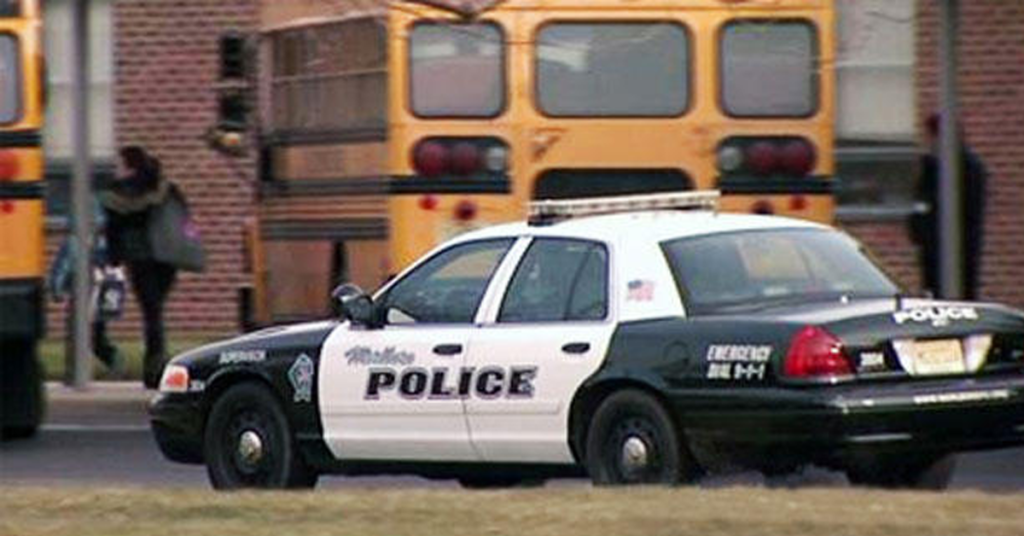
Tuscaloosa-Republican state Rep. Bill Poole is hoping to make Alabama schools safer for teachers and students. In order to help achieve that goal, Poole introduced HB71 for the third year in a row, which would allow law enforcement officers to make warrantless arrests of individuals trespassing on school property. On Thursday, the Alabama House of Representatives showed their support of Poole’s bill by passing it 92-0, with 11 members absent. “This bill gives law enforcement officers another common sense and valuable tool they can use to secure school property and ensure the lives of students and teachers are protected,” Poole said when he first introduced the bill. Under current law, police officers may arrest individuals without a warrant under certain, specific conditions such as when a felony or public offense is being committed. HB71 adds when the officer has reasonable cause to believe that a person has committed a trespass on premises “of an educational institution” to the list of acceptable and allowable reasons for a warrantless arrest. The bill further defines an “educational institution” to include public or private four-year colleges and universities, graduate schools, professional schools, junior colleges, trade schools, elementary schools, and high school schools. Institutions that teach the blind, deaf and developmentally disabled are included as well. Poole’s legislation is now awaiting action in the state Senate committee.
Bill giving police access to cellphone location data passes Alabama House

The Alabama House of Representatives on Thursday passed a bill requiring wireless companies in the state to hand over location data to law enforcement agencies upon request, in an emergency situation involving a risk of death or serious bodily harm. Scottsboro-Republican state Rep. Tommy Hanes introduced HB5: the Kelsey Smith Act, which passed 95-0. The legislation is named after Smith, a Kansas teen who was abducted in broad daylight in the parking lot of a Target store and ultimately raped and murdered in June 2007. It was four days between the time she disappeared to the time her cell phone location information was released, and her body was found by the police. The states that have the system in place already have reported several “saves,” where people that have been saved from the use of the law. The Kelsey Smith Act is currently law in 22 other states across the country. Kansas: April 17, 2009 New Jersey: January 29, 2010 Nebraska: March 17, 2010 Minnesota: May 13, 2010 New Hampshire: July 13, 2010 North Dakota: April 8, 2011 Tennessee: April 26, 2012 Hawaii: April 30, 2012 Missouri: July 6, 2012 Pennsylvania: October 22, 2014 Utah: March 27, 2013 West Virginia: April 12, 2013 Colorado: May 13, 2013 Nevada: May 23, 2013 Rhode Island: July 15, 2013 Oregon: March 6, 2014 Arkansas: March 13, 2015 Iowa: May 1, 2015 Washington: May 7, 2015 Louisiana: June 23, 2015 Delaware: August 7, 2015 Indiana: March 21, 2016 The bill next goes to the Alabama Senate for debate.
A house divided: Alabama House GOP caucus split over leadership, direction
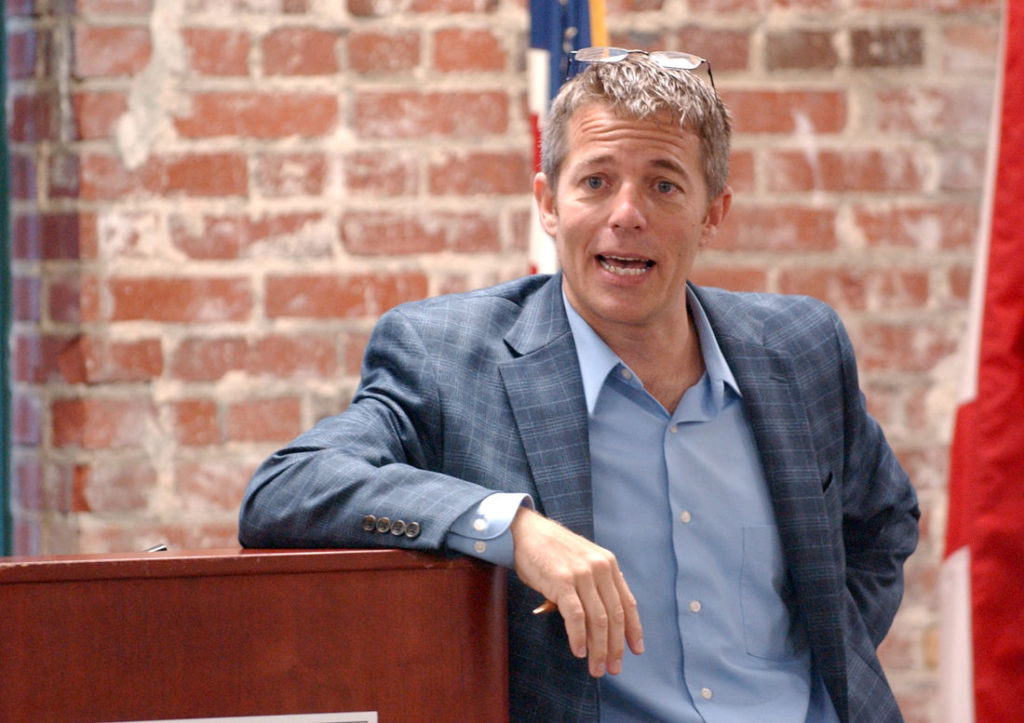
The 72 Republicans that hold a super-majority in the 105-member Alabama state House of Representatives have become “deeply divided” as they question their party’s leadership and direction as a caucus, says one state lawmaker. Decatur-Republican, state Representative Ed Henry says House GOP members nearly voted their majority leader, Representative Mickey Hammon, out of his position this week during a caucus meeting. Hammon narrowly escaped being ousted, by a singular absentee vote, during a secret-ballot confidence vote on Wednesday. Following the vote, Henry announced he was among those who cast a vote against the majority leader, claiming the party has a watered down plan for 2017 and that it needs to get back to a true conservative agenda. “Going forward, there is a desire from within from the members to form a true conservative caucus. The next several days are going to determine if there is a true fracture inside the Republican caucus,” Henry told the Associated Press. While Hammon has declined public comment on Wednesday’s vote, he did release a statement. “I will say that even after Rep. Henry raised his concerns with the Caucus, I remain Majority Leader with the support of my Republican colleagues,” said Hammon. “Though it is often difficult to lead 72 Republican House members with varying personalities and opinions, I look forward to continuing as Majority Leader as we work to reform government, recruit jobs, and improve education while using conservative beliefs and values as our guide.”
Tuesday marks deadline to run for Birmingham area State House Seat
Last month, after 18 years of service, Alabama state Rep. Oliver Robinson retired to allow his daughter Amanda to accept a job with Governor Robert Bentley‘s office, leaving a vacancy in the State House. Tuesday marks the deadline for candidates of both major parties to apply to run in House District 58. According to the special election timeline finalized by Gov. Robert Bentley earlier this month, if a primary election is needed, party members will cast their votes Tuesday, Feb. 28, 2017 and the General Election will follow on Tuesday, May 16, 2017.
Four qualify to run for Darrio Melton’s vacated District 67 House seat
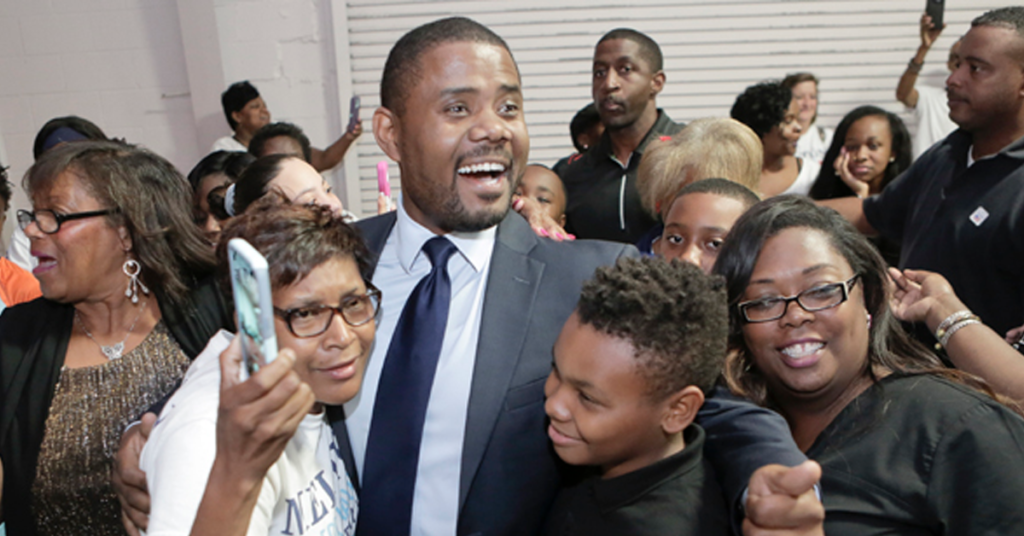
Following the vacancy left by six-year Alabama State Rep. Darrio Melton when he was elected mayor of Selma, four Democratic candidates have qualified to run for his open seat. Orrville’s Raymond J. Butler and Valenci’a Quest, along with Prince Chestnut and Latrell “Champ” Richardson of Selma all made the Tuesday deadline to run to represent State House of Representatives District 67, which covers Dallas and Perry counties. No Republican candidates attempted to qualify. Melton was in his second term in the state House when he was elected mayor in October, after defeating former Mayor James Perkins in a runoff. Melton’s successor will fill the remainder of the term, which ends in November 2018. A special primary election is set for Jan. 31, 2017. The general election will be held on April 18.
Oliver Robinson retiring from Ala. House of Representatives, effective immediately
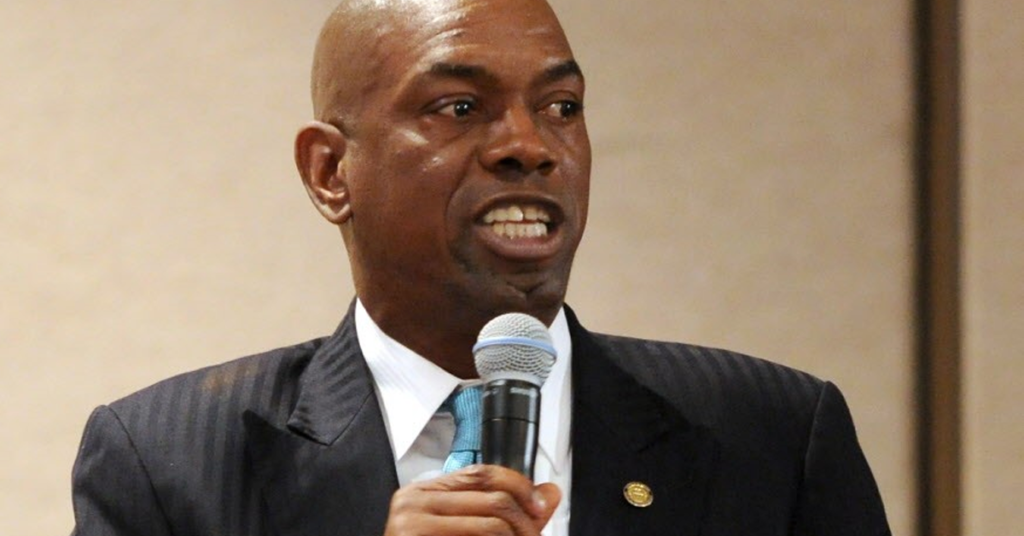
After 18 years of service, Alabama state Rep. Oliver Robinson is saying farewell to the Alabama House of Representatives to allow his daughter Amanda to accept a job with Governor Robert Bentley‘s office, effective immediately. The Birmingham Democrat said his daughter will serve as Bentley’s liaison to the Alabama House and he wants to avoid any conflict of interest or ethical conflicts. “My reason for retiring is simply because of a wonderful opportunity provided to my daughter to become the Governor’s Liaison to the House of Representatives,” Robinson said in a statement. “She is the first female as well as the first African-American female to hold this position in Alabama’s history.” “With the responsibilities to ascertain all votes on the House floor, we can easily see in this highly-ethical and conflict-of-interest environment where I could cause her problems in her job. This is why I am retiring now to give my child every opportunity to succeed,” he continued. Robinson has represented House District 58 since 1998 and said his retirement from politics is permanent. He will now shift his focus on the children in the areas where he once lived, Gate City and Harris Homes.
Mac McCutcheon: My vision for the Alabama House
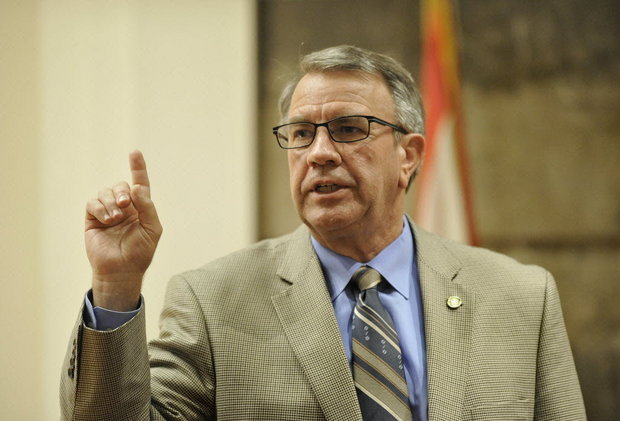
As the newly-elected Speaker of the Alabama House of Representatives, I thought it important to take a moment and let readers here know something about my background, my philosophy, and my vision for how the legislative chamber should operate during the upcoming regular session and thereafter. Though unorthodox, I will begin by letting you know the things I am not. I am not a career politician. After 25 years in law enforcement, I was elected to the House in 2006 during my first run for office, and I serve solely to give back to the state, community, and neighbors that have been so good to me. My only priority is the office I currently hold I am not guided by a desire for riches, power or the other temptations that elected office sometimes offers. As a retired police officer living on a monthly pension, my future resources are already determined, and my wife and I are quite thankful for all that life has already provided us. I am not beholden to any special interests groups. As a lawmaker and public servant, I am beholden to the 45,000 citizens in House District 25, to the people of Alabama, to my family, and to my Lord and Savior. Now let me tell you the things that I am. I am a man who is humbled by the confidence and trust that my colleagues have offered by electing me as Speaker of the House, especially following such difficult and often controversial times in our government. I am determined to utilize the talents, ideas, and input of every member of the House whether man or woman, Republican or Democrat, conservative, moderate, or liberal. A legislator’s worth as a member should not be solely determined by whether a D or an R follows their name on the roster, but rather by their work ethic, their commitment to understanding important issues, and the soundness of the ideas and initiatives they have to offer. Moving Alabama forward is going to require us to adjust the way the House has operated over the past several decades. I plan to create a system that opens and embraces the legislative process and allows bills to sink or swim based upon their own merits and the sponsors’ ability to convince their colleagues to offer support. Taking a turn from the politics of the past will not be simple or easy because old habits die hard, but we must begin the effort anyway. The motto of the Alabama House is “Vox Populi” which means “Voice of the People.” This statement serves as my driving force and rulebook for how the body will operate moving forward. We consist of 105 members, with 105 districts, and 105 different constituencies. It is important to me that our Representatives have every opportunity to be the voice of their district, and this will be the defining feature of our House. I have discussed the ideas outlined above with members of House and Senate leadership, the lieutenant governor, and Gov. Robert Bentley, and all have indicated some level of support for them. As a result, I am confident that if we work together, lawmakers can improve Alabama’s future by helping to create jobs for the jobless, offering hope to the hopeless, and providing a quality education to the children who are our future and will one day take our places in this Alabama State House. Evidence of this fact was on display during the September special session when House members of both parties joined together in passing landmark legislation that pays down a significant portion of our state’s debt, provides needed funding for road and bridge projects related to economic development on the Gulf Coast, and shores up funding needs in the Medicaid agency’s budget. And, best of all, we were able to do all of this with no new taxes. On the day my colleagues elected me Speaker, I stood in the well of the House and asked God’s blessings on every action, every decision, and every vote that takes place in the chamber so that we may fulfill the calling in Peter 4:10, which reads, “Each of you should use whatever gift you have received to serve others, as faithful stewards of God’s grace in its various forms.” I believe that if we simply follow that biblical admonition, House members will succeed in doing our jobs well. ••• Mac McCutcheon serves as Alabama’s Speaker of the House and represents District 25 which encompasses the communities of Madison City, Huntsville, Capshaw, Monrovia and East Limestone. Follow Speaker McCutcheon on Twitter via @MacDistrict25 and Facebook at facebook.com/speakermccutcheon.
What will the Alabama Legislature tackle in the final three days of special session?
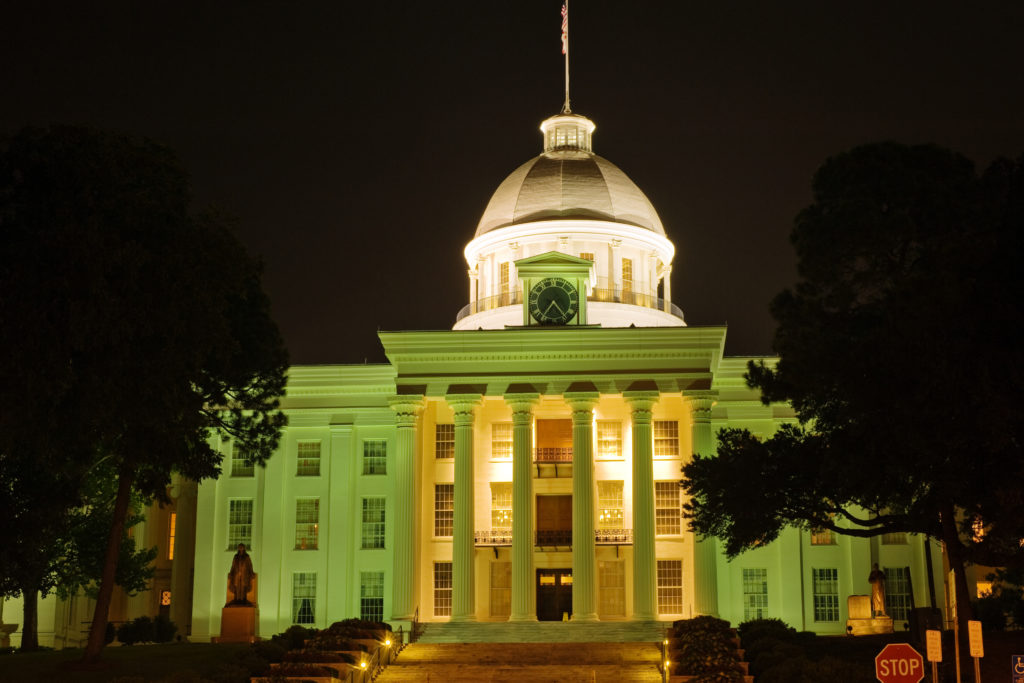
After an 11th-hour Hail Mary attempt to save it, Gov. Robert Bentley‘s proposed state lottery failed in the Alabama Senate Friday night. Bentley called the special session in July and tasked lawmakers solely with considering a state lottery. After a week of back-and-forth on various bills, Senators voted 23-7 to reject changes the Alabama House of Representatives made to the bill. The bill’s sponsor, Sen. Jim McClendon, on Friday proclaimed the legislation is “dead” for the special session. “It’s over,” he said. In the wake of the lottery bill’s failure, both chambers adjourned until Sept. 6. Meanwhile, Alabama Medicaid continues to face an $85 million shortfall in funding — an issue expected to be fixed with the BP settlement bill. In the first week of special session, the House of Representatives cleared a major hurdle in approving a bill to use the state’s settlement funds from the 2010 Deepwater Horizon BP oil spill in the Gulf of Mexico to pay debts and build roads in south Alabama. Lawmakers approved the bill 88-10. Whether or not that bill will clear the Senate remains to be seen. When the special session resumes after Labor Day, lawmakers will only have three days to land on a solution to a lottery and the issue of what to do with BP settlement funds. Bentley has not ruled out the possibility of another special session to bring the lottery back up as a permanent fix.
