
Alabama House approves large Medicaid cut

The Alabama House of Representatives on Wednesday narrowly approved a deep cut to the state’s Medicaid program as lawmakers continue to deadlock on a solution to the budget shortfall. The controversial budget cut came out of frustration over the stalemate and is largely seen as a way to build pressure on lawmakers to find some sort of compromise. House Ways And Means General Fund Committee Chairman Steve Clouse said it will put the focus of the budget debate on Medicaid, which consumes more than one-third of the general fund and is the largest funding challenge for lawmakers. Clouse said the health care program for the poor and disabled is also the “foundation for our health care system in the state of Alabama” – but he said many voters don’t understand the importance of funding it the way they do schools, roads or even prisons. “I think people need to realize the importance of Medicaid to our communities, to hospitals, to nursing homes, rural health clinics, doctors and nurses,” Clouse said. House members voted 46-44 for the budget amendment that would give Medicaid a $156 million reduction. The budget now goes to the Alabama Senate, where lawmakers have been even less supportive of tax increases. The proposed cut drew harsh criticism, and no praise, during three hours of debate on the House floor. “The services we are going to eliminate in this process are going to be life-threatening to many people,” said Rep. Pebblin Warren, D-Tuskegee. Black lawmakers lashed out at the plan, saying it would hurt the 1 million people – most of them children or elderly and disabled adults – who depend on Medicaid. They criticized Republicans’ opposition to expanding Medicaid under the federal Affordable Care Act. “I would like to see us have more discussion about expanding Medicaid instead of trying to totally disband Medicaid,” said Rep. Napoleon Bracy, D-Mobile. State Health Officer Don Williamson said he was uncertain the program could function under such cuts. Clouse proposed the funding cut Tuesday after the House budget committee rejected a 25-cent-per-pack cigarette tax increase that House leaders hoped would be a key plank of a spending plan. House members on Wednesday at first voted down the budget cut by a one-vote margin. Lawmakers came back and narrowly approved it. Gov. Robert Bentley called lawmakers into special session to address a projected shortfall in the state’s general fund. Lawmakers have so far rejected Bentley’s call for $302 million in new taxes but have yet to get a solution of their own through either chamber. “It’s chaos. The tension here is so thick, and there are so many factions,” said Rep. Patricia Todd, D-Birmingham. Clouse said his preference is to have a second special session just on Medicaid funding. Regardless, he thought a second special session would be required as lawmakers continue to deadlock. Senate Finance and Taxation General Fund Chairman Arthur Orr said he thought the chance of getting an answer in a single special session was, “less than 50 percent.” “And declining,” Orr said. Republished with permission of The Associated Press.
Alabama House committee votes down cigarette tax
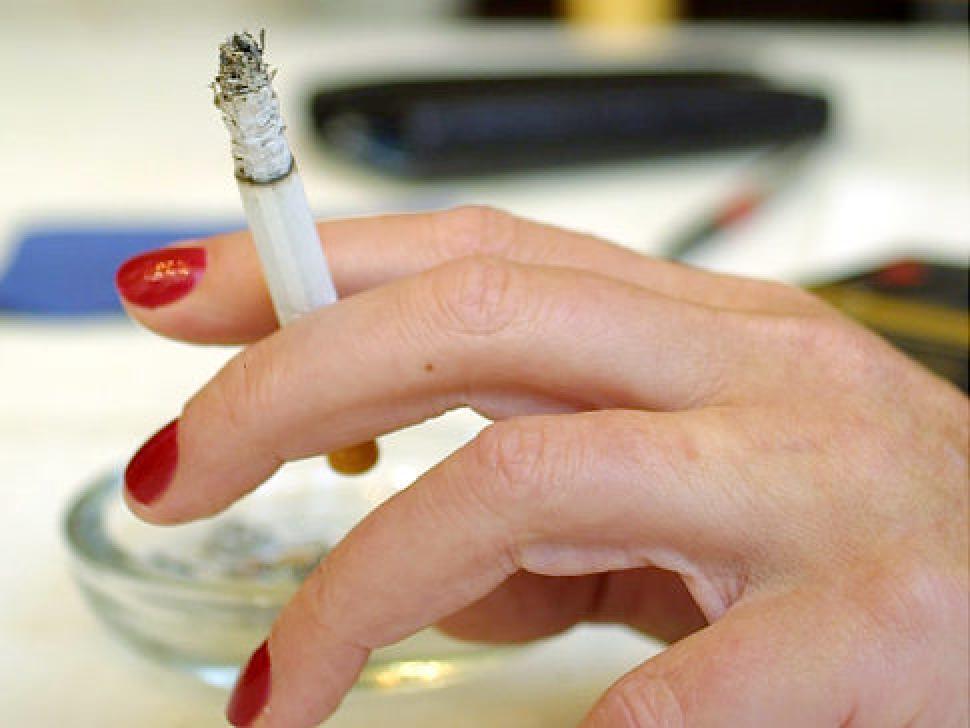
A legislative committee on Tuesday voted down a proposed hike in Alabama’s cigarette tax, killing one of Gov. Robert Bentley‘s major proposals for filling a hole in the state’s general fund budget. Tempers and frustrations flared on the third day of Special Session as lawmakers grappled with a $200 million shortfall. Bentley said he was disappointed because lawmakers have had months to address the budget crisis. “The Legislature has failed to do that. They failed in the regular session and thus far they’ve failed in the special session,” Bentley said Tuesday evening. The House Ways and Means General Fund Committee voted down a 25-cent-per pack cigarette tax by an 8-7 vote. Committee Chairman Steve Clouse was visibly frustrated after the vote. He said the tax, which would have raised $66 million, would have helped level fund prisons, Medicaid and other crucial state functions. “I thought it was a good budget but evidently that all fell apart,” Clouse, R-Ozark, said. Clouse said he was frustrated that three of the seven ‘no’ votes were from Democrats even though their caucus endorsed the idea in past sessions. House Democrats have said they will not support tax increases as Republicans oppose Medicaid expansion and a vote on a lottery. In some political hardball, Clouse responded with a new budget that would cut the state’s Medicaid program by $156 million. State Health Officer Don Williamson said he was uncertain if the state could maintain a Medicaid program at that level. Clouse said Medicaid is the biggest problem facing the General Fund. The proposed budget will be up for debate Wednesday in the House of Representatives. Rep. Darrio Melton, D-Selma, called the move appalling. “To take and use Medicaid as a pawn is totally unfair,” Rep. John Knight, D-Montgomery, said. Testiness also was on display in the Alabama Senate as a committee narrowly approved a rival, but equally contentious, proposal to shore up the general fund by taking $225 million in use tax revenue from the state’s separate education budget. Sen. Trip Pittman, chairman of the Senate education budget committee, said taking the money increases the chances of future budget cuts and squelches chances for a teacher pay raise in coming years. Pittman said he could not support the shift without something to help backfill the budget. Senate President Pro Tem Del Marsh, the bill’s sponsor, said it was a way to help the anemic general fund. “Instead of backfill, we should be talking backbone,” Marsh said. Marsh is sponsoring a separate lottery and casino bill that he said could provide the money to the education budget if lawmakers and voters approve. Bentley has asked lawmakers to approve $302 million in taxes after failing to convince them to approve $541 million earlier this year. Lawmakers have rejected many of Bentley’s other ideas, but the cigarette tax until Tuesday appeared to have some traction in the House of Representatives. The governor on Tuesday partly blamed the gambling push for changing the landscape of the special session. “They really do not want a solution because they want to solve this with gambling,” he said. Republished with permission of The Associated Press.
As special session resumes, still no agreement on budget
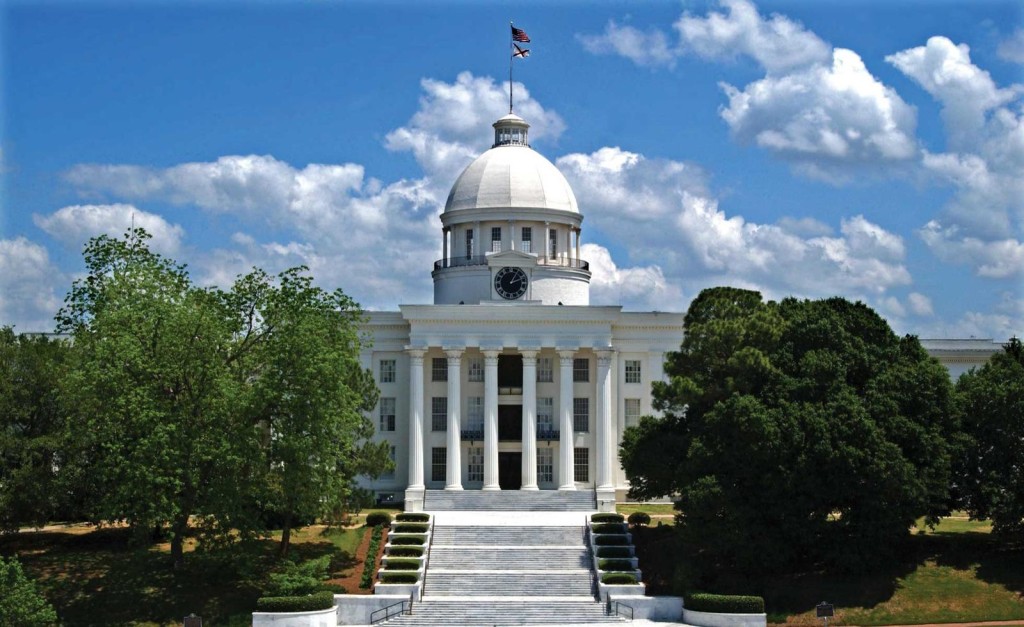
The Alabama Legislature on Monday resumed a special session on a budget shortfall the same way it began three weeks ago: with absolutely no consensus on what to do. Legislators convened after taking a three-week hiatus that failed to erase the divisions among Republicans who control the governor’s office and both chambers of the Alabama Legislature. The state is two months from the start of the new fiscal year and lawmakers have yet to pass a general budget or agree on a way to fill a projected $200 million shortfall. “We’re like kudzu. All over the place and not worth a darn,” said Sen. Dick Brewbaker, R-Pike Road. Lawmakers weighed politically unsavory choices of tax increases, yanking money out of the education budget, or doing nothing and cutting state services. Gov. Robert Bentley said the only responsible solution to the state’s budget woes is to raise $300 million in new revenue. Senate President Pro Tem Del Marsh said senators remained largely opposed to tax increases. Somewhere between the two is the House of Representatives, which is headed to a vote this week on a modest cigarette tax increase. House Ways and Means General Fund Committee Chairman Steve Clouse, R-Ozark, said he has introduced a $173 million revenue plan that banks on a 25-cent per pack tax increase on cigarettes, an adjustment to the business privilege tax – so larger businesses pay more and smaller ones pay less – and a net shift of $50 million from the separate state education budget to the cash-strapped general fund. “We’ve been at this now for about the six months with the regular session, and (the Senate) can’t make a decision. We’ve got to make a decision based on what we feel that our constituents we represent in the House want us to do, and that’s to come forward with a plan,” Clouse said. Clouse said that will keep funding at the same level for prisons, Medicaid and other crucial services but other agencies would get a 5.5 percent cut. Clouse said “time will tell” if they have the votes. Marsh in a news conference suggested a scenario that largely depended on shifting up to $225 million from the education budget and deciding later how to replace the school dollars to get to a “comfort level.” “Is the comfort level raising taxes? Is the comfort level obligating some BP (oil spill settlement) money? Is some comfort level passing the gaming package?” he said. Marsh has proposed letting voters decide whether to establish casinos and a state lottery. However, other lawmakers said there would be strident opposition to taking education dollars without an agreement on how to replace them. “It’s the ultimate big can kick,” said Sen. Finance and Taxation Education Committee Chairman Trip Pittman, R-Montrose. The governor had proposed backfilling the education budget with either a new soft drink tax or ending a state income tax deduction for Social Security taxes paid, but those ideas seem to be falling flat with lawmakers. Despite the divisions, Bentley said he remained cautiously optimistic and praised the leadership in the House for being willing to look at new revenue. “That is the only solution. There is no other solution,” he said. Republished with permission of the Associated Press.
Vapers planning to “Storm the State House” Tuesday in opposition to tax increase
One of the proposals being kicked around during this weeks special session on the budget is a tax on e-cigarettes/vaping. Supporters of vaping have noted that the proposal is shortsighted and based on a misinformation campaign. There are at least three Facebook event pages for the rally in one organizer says: ATTENTION: WE ARE ASKING ALL VAPE STORE OWNERS AND ALL VAPE/E-CIGARETTE USERS WHO ARE OPPOSED TO THIS TAX TO COME TO THE ALABAMA STATEHOUSE ON TUESDAY, AUGUST 4 AT 9:00AM Details: This will be a coordinated visit to oppose the e-cog/vape tax. We need as many people as possible to be at the Alabama State House at 11 South Union Street in Montgomery on Tuesday at 9:00am. We will meet in the front on the building at 8:50am and then disperse to attend committee meetings and meet individually with legislators. Breath Easier Alliance of Alabama has an event page which says: BEAA is an organization of Alabama vape vendors and users lobbying for reasonable legislation to protect our adult decisions to use vape & e-cig products. BEAA will be rallying in front of the Alabama State House to oppose the e-cig/vape tax. Details: This will be a coordinated visit to oppose this tax. We need as many people as possible to be at the Alabama State House at. We will meet in the front on the building at 8:50am and then disperse to attend committee meetings and meet individually with legislators. Please dress business casual (No shorts, no tshirts) and we will have lapel stickers for everyone to wear. Prepare to be there at least until 1:00pm. Please let us know if you intend on coming and how many people you will be bringing with you so that we can have a head count. *NOTE* Breathe Easier Alliance of Alabama is non-partisan as will be the rally. https://breatheeasyalabama.org/ https://www.facebook.com/BreatheEasyAL Out of state activist and those not able to make it to Montgomery are planning at twitter event. Per the blog The Daily Advocate by Momma Vape: Our Vaping Brothers & Sisters in Alabama are facing a potential nasty tax on their e-cig products during this week’s special session. Let’s give them a hand and tweet a special message to their Representatives, Senators, and Governor. Please keep it civil, factual, & professional! Also, please include #alleg in your tweets. It’ll be interesting to see how lawmakers respond and how many vapers turn out tomorrow.
Special Session resumes with talk of second special session
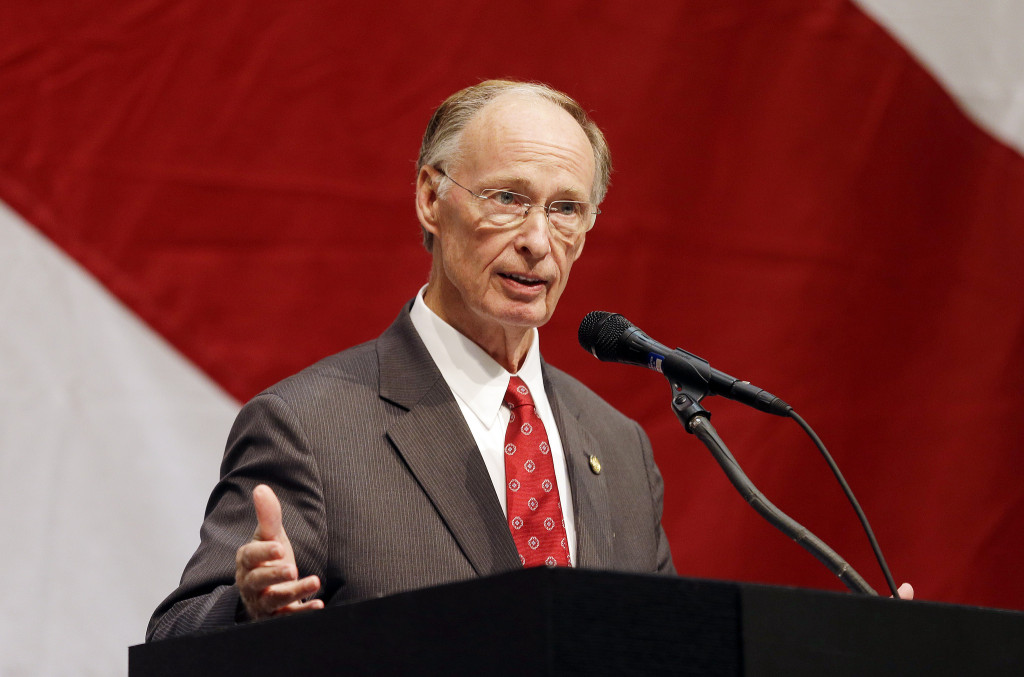
Alabama Today is hearing members were told to pack for 9 days for the special session and to be ready to get comfortable once they get there because they will be working straight through the remaining days. While Governor Bentley may be optimistic about the upcoming special session, those we’ve talked to believe that the chambers are still pretty far apart from a compromise that would balance cuts with the proposals of tax increases. It sounds increasingly like a second special session will be needed to continue working through the differences. Then though there’s the very real possibility that there really aren’t enough legislators to pass the major tax increases Governor Robert Bentley has demanded. Senate President Pro Tem Del Marsh seems very hesitant to even take up most of the proposed increases while Speaker Mike Hubbard learned during the regular session that he has his own band of members, a group of outspoken freshman, who are also opposed to breaking their promise to voters by passing tax increases. House and Senate leadership made themselves clear prior to the Governor calling the session for this early date that they weren’t ready. We will see if the Governor’s surprise and risky move, of forcing their hand calling the special session so early, pays off for him or shows the continued disconnect in long term solutions for the state.
Lawmakers strive for agreement on budget shortfall
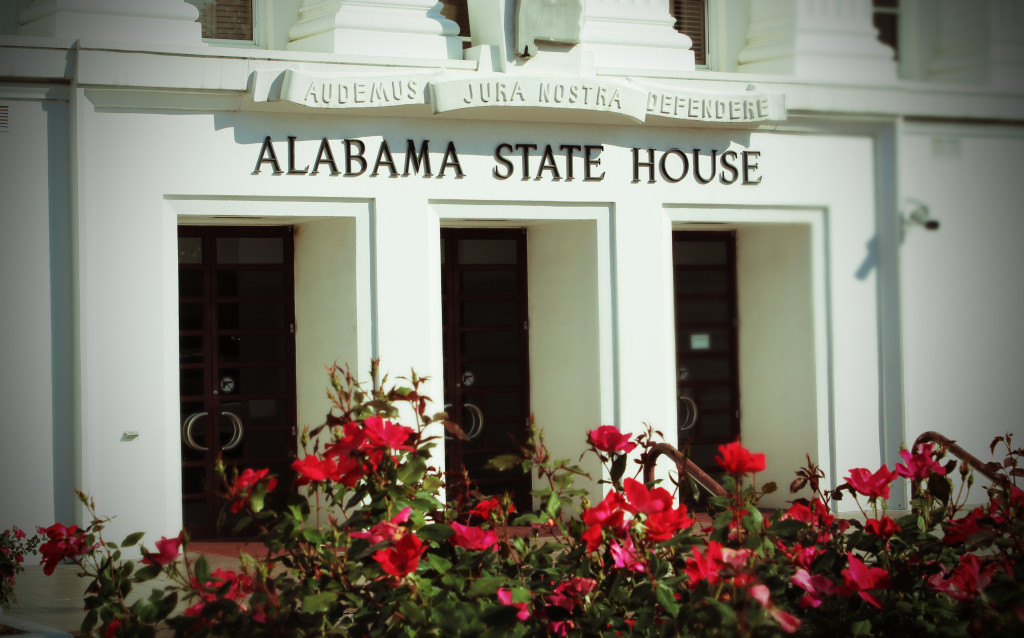
Alabama legislators return to Montgomery on Monday looking for something that eluded them for the last several months: Agreement. The new fiscal year is less than two months away and legislators have yet to settle on a way to handle a projected $200 million shortfall in the general fund budget. Lawmakers on Monday will resume a special session after taking a three-week break to try to hammer out a consensus. Gov Robert Bentley is asking lawmakers to approve $302 million in taxes to avoid deep cuts to state services. Senate President Pro Tem Del Marsh said senators were not “warm” to the idea of large tax increases. Republican senators, he said, are proposing their own plan that includes $275 million in revenue. “The bottom line is we have a plan that will work,” Marsh, R-Anniston, said. The proposals include an adjustment to the business privilege tax, a shift of use in tax money from the state’s separate education budget, agreed upon Medicaid tax on pharmacies and other healthcare providers to help fund the state’s Medicaid program. Marsh would not disclose all of the proposals until they were reviewed by House members. “We’re just to the point that we have to get a budget done that we believe is workable,” House Speaker Mike Hubbard, R-Auburn, said. Hubbard said House Republicans this week looked at a menu of options to get more money to the general fund. Bentley has proposed a pared-down tax package after failing to persuade lawmakers to approve more than $500 million in taxes in the regular session. However, some of the governor’s ideas appear to again be getting the cold shoulder from lawmakers. The largest money maker of the governor’s proposals is to end the ability of taxpayers to claim a state income tax deduction for federal Social Security taxes paid. The change would raise $182 million. Alabama is only one of four states that allow the deduction and it would only affect people who itemize their tax deductions. The governor has also suggested a possible soft drink tax if lawmakers do not want to change the deduction. Legislative leaders said they saw little support for either of those. “It clearly doesn’t have the votes in the Senate so I think that one was taken off. The soft drink tax is off the table,” Hubbard said Bentley has said he will call lawmakers back into a second special session if lawmakers fail to find an acceptable solution. Marsh has introduced gambling legislation to create multiple casinos and a state lottery. The Senate leader said he would like to see that debated this session if there is time after the budget votes. Funding cuts, or even level funding, could jeopardize the state’s ongoing efforts at Medicaid and prison reform. State Health Officer Don Williamson said the state’s Medicaid program needs an increase to continue the work of shifting Medicaid to a managed care system, something Medicaid officials hope will save money in the long run. “Basically level funding ends the three years of work of transformation,” Williamson said. Corrections Commissioner Jeff Dunn said level funding would delay building improvements designed to boost prison safety and a 5 percent funding cut would raise crowding to well over twice prison capacity. “The department would be forced to close prisons and move those displaced inmates into already significantly overcrowded facilities,” Dunn said. Republished with permission of the Associated Press.
John Rice: State government is acting more like Washington, D.C., every day

State government is acting more like Washington, D.C., every day. The state General Fund is spending close to $1 million more a day than the state General Fund can support. This means that for every five dollars state government is spending close to one of those dollars is being spent without continuous revenue behind it. How is this possible? This is possible because of using one-time money, and the Legislature swiping money from the Alabama Trust Fund. State General Fund agencies have not seen a balanced budget without these type of budget shenanigans in a decade. Alabama state government does not have a revenue problem. Alabama state government has a spending problem. Gov. Robert Bentley spent millions on campaign ads promising, “More Jobs. Less Government. No New Taxes.” Just nine months after he was running for office, the governor has broken his two biggest promises. He has proposed now two tax increase packages, and he is pushing for bigger government/more spending. Governor Bentley originally proposed spending more than $500 million more out of the pockets of state taxpayers in attempt to increase everyone’s taxes. The governor actually proposed new taxes that would have the typical family paying more than $1,800 a year for state services (excluding roads and schools). That is way too much for Alabamians to pay for prisons, Medicaid, and a smattering of other things. The governor needs to scale back his wish list and give us a balanced budget like he promised without increasng taxes or come up with non-tax increase solutions if he wants to spend more money. Has something changed since nine months ago, when Governor Bentley and every lawmaker was elected by riding on a no new taxes/less government band wagon? No, nothing has changed. They all knew they had taken money out of the Alabama Trust Fund to spend on everyday expenses for state government and they knew they were going to have to scale back this year. Promising No New Taxes and Less Government knowing full well the hole would be there from not having the Alabama Trust Fund money means either they were promising to scale back government after the election, or they flat knew that they were purposely deceiving the voters of Alabama in a calculated strategy of lying about their true intent to raises taxes after Election Day. Any lawmaker not falling in the categories of intent to shrink spending, or intent to lying to voters about breaking their no new tax campaign promise, must just be an imbecile. Just a decade ago, Alabama families were paying less than $1,000 a year for state services and now the governor wants to push that amount to $1,800? What has changed? What are Alabamians getting now that they did not get 10 years ago? Show us the money. State General Fund spending for Medicaid has tripled since 2004. And this is when emergency room treatment of Medicaid patients is on the rise and where only 20 percent of Medicaid emergency room visits are for emergency treatment, according to the Partnership for Medicaid. Instead of ballooning Medicaid spending, the governor and bureaucrats need to get emergency room spending in check and put some meaningful restrictions on the overuse of health care. And prisons? Ten years ago state dollars going to prisons was right at $300 million. Now? The governor has requested almost $520 million for Corrections, or 70 percent more. This is when the cost for the no-bid crony prison medical contract has tripled in 12 years to a huge $80 million a year. Inflation accounted for 22 percent increases in spending over the past ten years. What accounts for the other 50 percent to over 100 percent increase in numerous agencies? Thank goodness the Legislature had the sense to kill Governor Bentley’s half-billion dollar tax package, but Governor Bentley, just did not get the hint. Even though the governor failed to get legislators to vote for his tax package, now he is coming with another tax increase plan. The governor now wants to take more income tax from working Alabamians, and he has even proposed a soft drink tax if the income tax hike does not pan out. He wants to increase the tax on cigarettes and businesses for the privilege of operating in Alabama. Here is a prediction: many lawmakers who vote to abolish the FICA income tax deduction, vote to tax soft drinks, or vote to increase the tax on cigarettes or businesses is not coming back to Montgomery in three years because promises are promises. If politicians break a simple promise like not raising taxes, then what words can we believe coming from the mouth of that politician? None. People are tired of state government throwing money down a rat hole. People are tired of paying more for less. People have to pay more as it is while they are making less take home pay. Raising taxes is not an option. Here is an idea. Balance the budget with what you have, Governor Bentley and lawmakers. Come with solutions that do not call for raising one penny on the taxpayers if you just must spend more. We all pay enough as it is, and we elected all of you because you promised not to raise taxes, and not to increase an already bloated state government. The state legislature goes back to Montgomery on Aug. 3 to consider Governor Bentley’s tax increases. All Alabama taxpayers should tell their legislators to keep their promise to not raise taxes. John Rice is the president of Alabama Foundation for Limited Government.
Katherine Robertson: Legislature can still finish strong
The Alabama Legislature caught its share of grief after adjourning the Regular Session without passing a budget. The alleged infighting between the House and Senate and the bickering over how to solve the shortfall dominated the headlines in early June as the session wrapped up. Yet nearly eight weeks later, it’s easier to examine the full body of work and praise a great deal of what has been accomplished. Heading into next week’s Special Session, Republicans should focus on preserving their record over the past five years and on finishing strong. A brief reminder of how this Session began: the governor sent over a budget that relied almost entirely on tax increases to close the General Fund shortfall. Rather than being able to make a few tweaks here and there, legislators opposed to tax increases were forced back to the drawing board with far fewer resources, particularly staff, to aid in their research and decisionmaking. It was hardly surprising that they chose to close the gap with cuts, as the base of the Republican super majority rightfully refused tax increases that would, by and large, ask the people to hand over more of their hard-earned money to fund Medicaid and prisons. While the budget quandary remains unsolved, the Legislature tackled several complex policy matters that will have a positive long-term impact on the General Fund. For instance, managed care reforms to Medicaid that passed in 2013 were duplicated for long-term care services in hope of slowing perpetual increases in Medicaid spending. The Senate also declared its opposition to Medicaid expansion, recognizing that the state’s required obligations through expansion would ultimately add a 10 percent increase to state money spent on Medicaid (not including unknown administrative costs). In another act of legislating for the long-term, the comprehensive prison reform bill was signed into law. Corrections spending accounts for 4.3 percent of all state spending and a whopping 21.4 percent of General Fund expenditures. Along with Medicaid, this spending has increased by 25 percent over the last 20 years with no signs of slowing. Aspects of the prison reform law do require additional front-end funds; but, over time, this investment should help to level out corrections spending as the strains of overcrowding are eased. On the last day of the session, a bill was passed to reform judicial public pensions. Public pensions are an oft-overlooked aspect of state spending, but this year alone, the state put almost $1 billion — nearly five times the amount of the shortfall — into the pension system. The estimates for 2016 are no better. The Judicial Retirement Fund has the worst funding percentage of the state’s three pension systems, and the reform passed this session addresses the state’s liability in this regard. It will result in immediate cost-savings with an even greater savings impact expected over time. Despite some flirting with the governor’s proposed tax increases, most were dead on arrival, as was gambling. Instead, new legislative study committees were established on issues such as tax reform, structural pension reform, and proposed privatization of the state’s ABC Board. This indicates an ongoing willingness to deal with fundamental problems in Alabama’s state government, rather than abdicating this duty and opting for budget gimmicks and quick fixes. Republicans should take pride in these accomplishments and refuse to agree to proposals that would taint their record. There is no denying the pressures that they face from various positions of leadership, powerful special interests, and bleak budget spreadsheets. Still, legislators are sent to Montgomery to make tough calls. This group campaigned on a commitment to govern with the best interests of the people in mind — not to make their decisions on weekly polls or chances at personal gain. U.S. Sen. Jeff Sessions made headlines in Alabama this week with remarks he hoped would embolden Republicans. He said, “We don’t need to be timid. We need to do the right thing. We need to do the bold thing. The government can’t do everything for us. Our values are good values … and we need to define those values. We believe in limited government and lower taxes.” When legislators return on Aug. 3, they will be given another opportunity to take the senator’s advice and finish strong. Based on the grit of those legislators we work with behind the scenes, I, for one, still have faith that they will. Katherine Robertson is vice president for the Alabama Policy Institute (API), a nonprofit research and education organization dedicated to the preservation of free markets, limited government and strong families.
Alabama Jobs Foundation: “Let the people vote” on gaming bill

As reported Wednesday morning, the Alabama Jobs Foundation released the results of a poll it commissioned that showed strong support (69 percent) for a gaming bill a la Sen. Del Marsh‘s proposal circulating in the Legislature, and overwhelming support (89 percent) for the right to have the debate publicly by way of a referendum on the measure. Early Wednesday afternoon, AJF officials commented about the numbers and what they mean for Alabama’s economic and political future. “These results simply confirm what I hear from Alabamians across the state,” said Pat Dye, former head football coach at Auburn University. “They are ready to vote on this issue once and for all. The voters are clear about what they support: an education lottery and gaming that brings jobs, revenue and economic development to our state.” “Alabamans get it. They see Alabama dollars flowing into other states and they want those dollars stopped and working right here in Alabama for our workers and families. It’s just good old-fashioned common sense,” Dye said. Marsh — whose gaming proposal is competing for oxygen with the Poarch Creek Indian Tribe’s plan in the public sphere and the Legislature — agreed wholeheartedly. “The voters of Alabama are speaking as loud and clear as they can on this issue,” said Marsh, a Republican and Senate president pro tempore. “They demand the right to vote on this issue. They support my lottery and gaming constitutional amendment by large numbers.” “And just as important, they oppose raising taxes, too,” Marsh said as a dig at Gov. Robert Bentley and fellow senators who have proposed balancing the books by increasing tax receipts. Marsh cited the AJF poll in a news release, which showed 66 percent of voters polled oppose Bentley’s plan to increase taxes and that 63 percent of voters indicated they were inclined to vote against sitting legislators who voting in favor of such a plan . “I think those are the kind of poll numbers that should get the attention of every legislator in Montgomery,” Marsh said.
Alabama judiciary panel chairman has no plans to quit after arrest
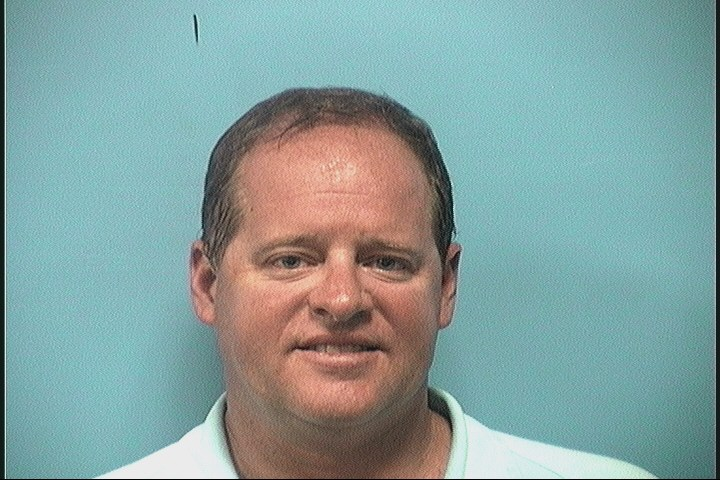
The chairman of the Alabama Senate’s Judiciary Committee said drinking and driving was a “huge mistake” but he doesn’t think he should resign after his arrest on a drunken-driving charge. Republican state Sen. Cam Ward of Alabaster told WIAT-TV in an interview aired late Monday that he was using alcohol as a crutch to deal with stress, and driving while doing so was a “whopper” of a mistake. But Ward said he doesn’t believe he should quit either his Senate seat or his industrial development job with the city of Alabaster. “I think I have a lot to contribute in the Senate,” said Ward, 44. Ward said he wasn’t working at the time he was stopped. Senate President Pro Tem Del Marsh previously said he had no plans to remove Ward as chairman of the Judiciary Committee, which handles bills related to legal issues, including prison reform legislation approved in the last session. Ward was stopped by Alabaster police about midday July 1. The arrest occurred about two hours after Ward posted a photo of himself on social media visiting a Bibb County vocational school, and Ward said in the interview he was driving home from Bibb County when he was stopped. Ward, who is awaiting an Aug. 12 court date, did not say in the interview whether he would plead guilty to the charge, which is a misdemeanor. But he acknowledged drinking alcohol and driving. “Obviously, I made a huge mistake. I drank alcohol while driving an automobile,” Ward said. He said his action that day “wasn’t a repeated problem.” Ward said he supports the enforcement of strong DUI laws for himself or anyone else. He said he has sought and received help since his arrest but didn’t specify what type. Republished with permission of The Associated Press.
3 years after expanding film credits, state’s counting stars
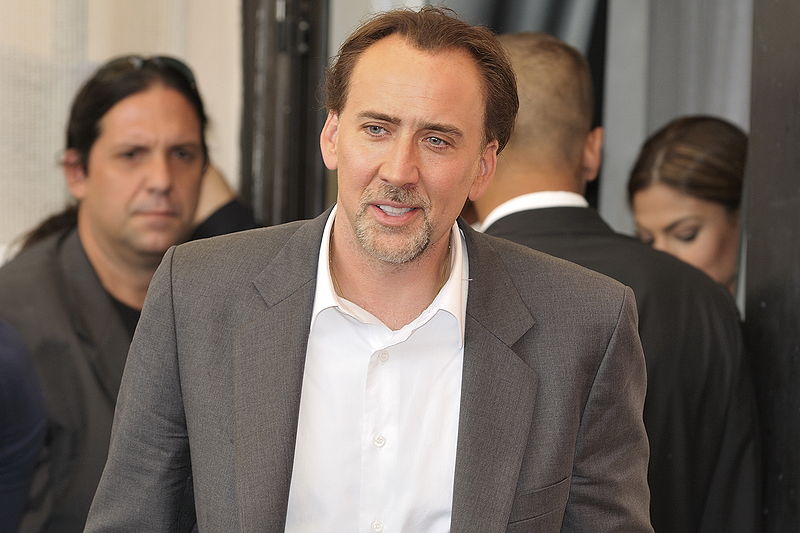
Richard Rionda Del Castro, the producer of USS Indianapolis — an upcoming movie starring Nicolas Cage about the sinking of the ship that transported the nuclear bomb to end World War II — is filming on and off Alabama’s coast this month. “What is exciting about this film is really making this story,” he said. “It’s a film that should have been made long ago, and I don’t understand why no producer has made this film before.” But it’s not just Orange Beach’s white sand, downtown Mobile’s historic architecture and a mansion outside of town that make Alabama an attractive setting for such a major motion picture. There’s something else pretty about this picturesque port town: tax credits. In 2012, the Alabama Legislature unanimously passed a bill expanding how much money companies that produce movies, television shows and commercials can recoup on expenses and payroll by filming in the state. Before then, state’s film incentive program, which began in 2009, was capped at $10 million. After that, it rose to $15 million in 2013, to $20 million in 2014 and to $25 million in 2015. According to the Alabama Film Office, the state since 2009 has hosted 55 projects: feature films, television shows and commercials. However, knowing the direct economic benefit — or loss — is nearly impossible to tell. Film office manager Kathy Falk said the program is bringing more films, more jobs and more revenue to cities where scenes are set. She said the state has nearly reached its incentives cap in the years since expanding. “We feel like we are getting back from it what we’re giving out,” Faulk said. “So we feel like our program is working the way it was intended and the way it should.” Films shot in Alabama are also seen as a boon for tourism. Lee Sentell, director of the state’s tourism department, said more tourists and school groups have traveled to Selma since the historical drama was released last year. “The gold standard was the film Selma,” Sentell said. “Not only was the story based in Alabama, but the most significant scenes were filmed where they actually happened, so that is a huge win for the production side but also for the tourism side. It was essentially a two-hour commercial for Alabama.” Marco Cordova, a film tax credit placement expert for Los Angeles-based Entertainment Partners, said incentives play a vital role in any location decision. Cordova said it’s often one of the very first things production companies consider. “I think that in general, incentives are helpings states attract business and create infrastructure that they wouldn’t have otherwise,” he said. Not everyone is giving film credits a four-star rating. Joseph Henchman, vice president of legal and state projects at the Tax Foundation, a right-leaning tax think tank that has studied film incentives, said states’ collective spending has plateaued at $1.5 billion. The number of states with programs has also fallen from its peak of 41 to under 30. “What we are seeing is it used to be every state had a small program, and now a couple of states have very large programs and the other states have very small programs,” he said. Henchman said some states have commissioned studies to examine the effectiveness of their programs and have found unfavorable results. He said production companies have been less than loyal when the money dries up. “As soon as you end your program or make it less generous or some other state makes theirs more generous, the industry’s out of there,” he said. A number of other states are capping, cutting or closing programs that for years have doled out millions of dollars. Lawmakers in Michigan, a state that began offering incentives decades ago, voted last month to end its program after this year. However, Del Castro said incentives are critical. “If you start changing the tax credits and making them less attractive, then we won’t come here,” he said. “And that will mean that all the progress that has been made by these men and women who work in this industry will be wasted.” Republished with permission of The Associated Press.
Del Marsh is right to file gambling bill

Bravo, Del! Bravo. Filing a gambling bill this Special Session is the right thing to do. No matter what position conservatives take on gambling it’s hard to argue that the issue shouldn’t be put before the voters of the state. The Auburn study on the proposal the Senate was looking at during session was so promising that it’s worth discussing. As we previously have written, a look at the numbers in the AUM reports: A staggering 13,000 plus jobs will be created; $331,667,963 is the expected annual revenue from a state-run lottery system, and; Depending on the tax rate, the estimated revenue from expanded casinos will be with a rate of 13 percent, $63,015,148, or up to $73,863,632 with a 15 percent tax rate. That adds up to nearly $400 million in tax revenue to be collected for the general fund with the expansion of both. The gambling bill has the support of Birmingham Mayor William Bell, many in the business community as represented by a coalition headed by Charles McCrary and Pat Dye, and of enough people that it’s worth discussing. Here’s to hoping Gov. Robert Bentley reconsiders his steadfast opposition to allowing the bill to come up in the Special Session or that the legislators are able to reach the majority needed to bring it up themselves. The people deserve the opportunity to vote.
