
Kay Ivey signs bill enacting pay raises for teachers and state employees

Kay Ivey on Tuesday signed two important pieces of legislation: Senate Bill 188 and House Bill 320. These two bills raise teacher and state employee pay. Governor Ivey proposed a two percent pay increase for the state’s K-12 and higher education officials, as well as state employees during her state of the state address this year. Ivey stated, “If this pandemic has taught us anything, it reinforced what we already knew – teachers are vital to our student’s learning, and our state employees keep government services operational for the people of Alabama. I am proud to sign this well-deserved pay increase to our educators and state workers. I commend Education Trust Fund chairmen Sen. Arthur Orr and Rep. Bill Poole, General Fund chairmen Sen. Greg Albritton and Rep. Steve Clouse, along with the entire Alabama Legislature for their hard work and for approving this raise. It is both fiscally wise and simply the right thing to do after a hard year. “As we head into the summer months, and the pandemic continues to ease, we need to do everything we can to support our teachers and educational support staff to ensure that we can fully return to classrooms in the fall. Alabama schools have shown the rest of the nation that it is possible to be safely back in the classroom, while carrying on the important work of providing Alabama’s children a chance for a promising future. I look forward to continually offering my support to ensure that Alabama students remain on track and moving ahead.” She posted on Twitter, “I just signed Senate Bill 188 & House Bill 320 into law, making teacher & state employee 2% pay raises official!” I just signed Senate Bill 188 & House Bill 320 into law, making teacher & state employee 2% pay raises official! Read my full statement here: https://t.co/g8cpiR5zzA #alpolitics #TeacherAppreciationDay #PublicServiceRecognitionWeek — Governor Kay Ivey (@GovernorKayIvey) May 4, 2021
Senate approves casino and lottery legislation

The Alabama Senate on Tuesday night approved sweeping lottery and casino legislation as lawmakers struck a compromise after years of stalemates on the issue of gambling. Senators voted 23-9 for the proposed constitutional amendment that would establish a state lottery as well as allow nine casino sites in the state. The bill now moves to the Alabama House of Representatives. If approved by lawmakers in both chambers, the proposal would then go before voters. “We have done a monumental job in overcoming something that has been haunting this body for as long as I’ve been here,” Republican Sen. Jim McClendon, the sponsor of the bill, said after the vote. McClendon emphasized Alabama voters will have the final say on the matter. “What we are really okaying is the right for our constituents to come to the voting booth and decide if they like this or not,” McClendon said. If approved he said people “don’t have to drive to Georgia to buy a dadgum lottery ticket.” The bill is similar to a proposal that failed by two votes earlier this session but includes new provisions such as putting the casino licenses up for bid. Casino and sports betting sites would be located in Jefferson County, Mobile County, Macon County, Greene County, Houston County, and either Jackson or DeKalb counties as well at the three sites owned by the Poarch Band of Creek Indians. The casino licenses would be put out for bid, but the existing dog tracks and electronic bingo operations, such as Greenetrack and VictoryLand dog tracks, would be given an advantage in trying to win the bid. The existing operators will be given the opportunity to come in and make a final bid to exceed the highest bidder to win the license in their respective county. The Poarch Creeks will have the right for the final bid for the north Alabama site in either Jackson or DeKalb counties. McClendon said the state would get the benefit of a “high bid” but the existing sites “get a chance to stay in the game… and keep the job for their employees and keep their operations going.” Lawmakers also approved several pieces of enabling legislation. Senate President Pro Tem Greg Reed said having those details locked down helped pick up the additional votes. Lottery proceeds would be used for education purposes, including a college scholarship program. The state would place a 20% tax on net casino and sports betting revenue. The first $750 million of gaming revenue would be put toward broadband infrastructure in the state. Alabama is one of five states without a state lottery. Alabama voters in 1999 rejected then-Gov. Don Siegelman’s proposed state lottery, but lawmakers in both parties say they believe voters are now more welcoming to the idea. The approval came after two other gambling bills stalled this session in the Senate and years of debate over the issue. Sen. Greg Albritton said lawmakers have tried to reach a compromise on the legislation. “The road and the path that we’ve had to get to this point of having this bill before us has been a difficult and tortuous one,” Albritton, R-Atmore said. Republished with the permission of the Associated Press.
Medicaid expansion incentives under review

Alabama Republicans for years have opposed expanding Medicaid eligibility. Now, they may be cracking the door. Alabama Gov. Kay Ivey and legislative leaders said they are reviewing details of the nearly $2 trillion coronavirus relief package that includes new financial incentives for the states that have opted against expanding Medicaid to provide health coverage for more low-income Americans. A spokeswoman for Ivey said the governor is “open to the discussion” on expansion but that state leaders need additional information about the long-term cost projections. “Ensuring every Alabamian has access to quality health care is important to the governor and always has been a priority of hers. However, as she has made clear, the problem has always been how to pay for it. She is open to the discussion, but right now, we simply do not have all the facts,” spokeswoman Gina Maiola said. Alabama is one of 12 states that have taken no action toward expanding Medicaid eligibility under the Affordable Care Act. Previous studies have estimated that expansion would add around 300,000 people to state Medicaid rolls. Republican leaders have in the past expressed opposition to expanding Medicaid, at times citing both political opposition to the Affordable Care Act passed under former President Barack Obama and concerns about cost. Medicaid expansion under the Affordable Care Act allows people with family incomes less than 138% of the federal poverty limit— or around $17,000 for an individual and $29,000 for a family of three to qualify for Medicaid. Currently, Alabama’s Medicaid program covers very few able-bodied adults. “The bulk of the people who will gain coverage are people who are working,” said Jim Carnes, a policy analyst with Alabama Arise, an advocacy group for low-income Alabamians. Already, the federal government would pick up 90% of the cost of the expansion. A 2019 study by a University of Alabama at Birmingham projected the state’s cost would be about $250 million per year, but that the state would see a resulting boost in economic activity. The federal relief bill offers a new incentive by giving states a 5% boost to the federal match over the next two years for the people they currently cover. Democrats in the Alabama Senate have estimated that would generate an additional $900 million for the state. “I just want to say to Governor Ivey, if not now, when?” Senate Minority Leader Bobby Singleton said in the press conference. “I don’t care if we call it ObamaCare. We could call it Kay-Care. It could be Alabama Health Care. We need to expand Medicaid and the time to do it is right now,” Singleton said. Dr. Don Williamson, president of the Alabama Hospital Association, said the calculations are complex because of the intricacies of how Alabama funds Medicaid. The cost will also depend on how many people are added to the rolls. “To me, the most important thing that Medicaid expansion does is it absolutely improves health outcomes. You get earlier cancer diagnosis. You get lower infant mortality rates. You get earlier diagnosis if diabetes,” Williamson said. State Rep. Steve Clouse, the chairman of the Alabama House of Representatives general fund budget committee, said state officials are trying to gather information about the incentives and what would be the state’s share of costs in the long run. Sen. Greg Albritton, the chairman of the Senate budget committee, expressed some skepticism about the incentives. He said the incentives sound enticing but said the state has “got to have the answers” before making a commitment. “I’m not surprised this would be the same old song, the same old dance. … Buying a new car now. Nothing down, but the payment is due in two years,” Albritton said. Senate President Pro Tem Greg Reed said the analysis will continue over the coming weeks. The 12 states that have held out against the Medicaid expansion are: Alabama, Florida, Georgia, Kansas, Mississippi, North Carolina, South Carolina, South Dakota, Tennessee, Texas, Wisconsin and Wyoming. Republished with the permission of the Associated Press.
Thousands flocking to virus vaccination sites across Alabama
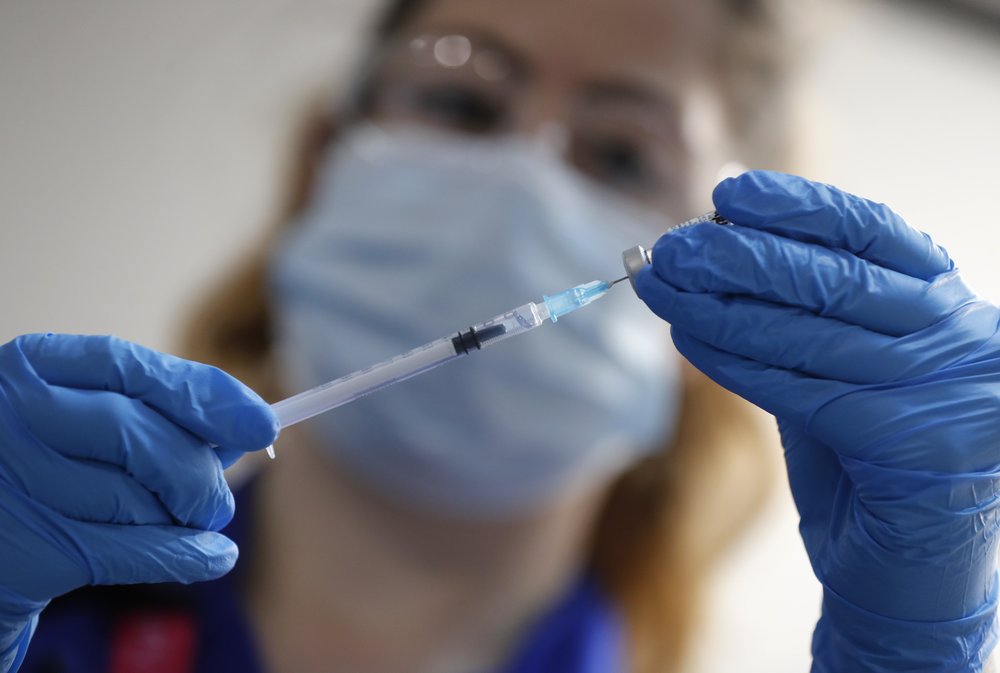
Thousands of people showed up at sites from the coast to the Tennessee Valley as Alabama began vaccinating senior citizens for the coronavirus that causes COVID-19. People spent the night in cars waiting for shots in Baldwin County, where health workers began immunizing people early Tuesday. County health workers in Huntsville vaccinated 500 people on Monday although only 300 people had appointments. Other sites opened in cities ranging in size from Birmingham to Rainsville. The state is offering vaccines to people 75 and older after limiting the initial doses to health workers. Alabama is among the Southern states trailing the nation in the rate of vaccinations. In Limestone County, Pat White showed up to get her first of two doses of the Moderna vaccine Monday. She said she misses going to church and has done little other than buy groceries to protect against catching the virus. “We’ve lost many friends to COVID, and we’re older, so that made me think it was probably the right thing to do,” White told WAAY-TV. Alabama Department of Public Health statistics show about 150,000 have received shots statewide, but the number does not include those who were immunized most recently. More than 600,000 people are currently eligible for vaccinations in Alabama, including 325,000 health care workers and 350,000 people who are 75 or older. The state has so far received 446,000 doses, according to state numbers. The University of Alabama at Birmingham Hospital has been notifying patients, who are 75 and older, to have them come to get vaccinated. “At the vaccine site, it’s not uncommon for people just to break down in tears when they receive their vaccine. People are just so tremendously relieved to finally have received the vaccine and have some hope,” Dr. Sarah Nafziger, vice president of Clinical Support Services at UAB Medicine, said. More than 6,100 people have died of COVID-19 in Alabama, and more than 424,000 people have tested positive for the new coronavirus. Over the past two weeks, the rolling average number of daily new cases has decreased by 881, a decline of almost 24%, according to researchers at Johns Hopkins University. The virus causes only mild or moderate symptoms in most people, but it is particularly dangerous for the elderly and people with other, serious health problems. Nafziger said the delivery of the vaccinations is also providing a boost to health care workers who spent much of 2020 battling the pandemic. “We’ve been in a really rough place, especially in health care. For the last year, it’s been a tremendous burden. We’re exhausted. But just finally having hope has been a tremendous boost for all of us and I hope it is for the community as well,” Nafziger said. The Alabama Department of Public Health last week disputed rankings that put Alabama last in vaccination delivery and said that was because some entities had not reported given vaccinations. Four state senators wrote a letter Tuesday raising concern about the process and asking for updated numbers on vaccinations given. They expressed concern that incomplete reporting could threaten the flow of vaccine to the state if federal officials see the state has unused vaccine on the shelf. “While the supply pipeline is definitely an issue, our pipeline in Alabama has a kink,” Sens. Jim McClendon, Greg Albritton, Tom Whatley, and Randy Price wrote. The Alabama Department of Public Health responded in a statement disputing the assertion. The department said that the number of COVID-19 vaccine doses allocated to Alabama is based on our population, and “is not determined by how much vaccine is on hand in the state.” “The biggest obstacle to vaccination in Alabama is the limited supply of vaccine. Alabama currently has approximately 676,000 people in Alabama who qualify to receive a COVID-19 vaccine, but since our state is allocated only around 50,000 – 60,000 primary doses each week, the supply is not available to reach these numbers at this time,” the department said. Republished with the permission of the Associated Press.
Inside the Statehouse: Alabama’s budget year begins this week. COVID-19 has played havoc.
Steve Flowers outlines Alabama’s budgetary situation as the new fiscal year gets started.
Legislature approves Kay Ivey plan for $1.8 billion COVID relief cash
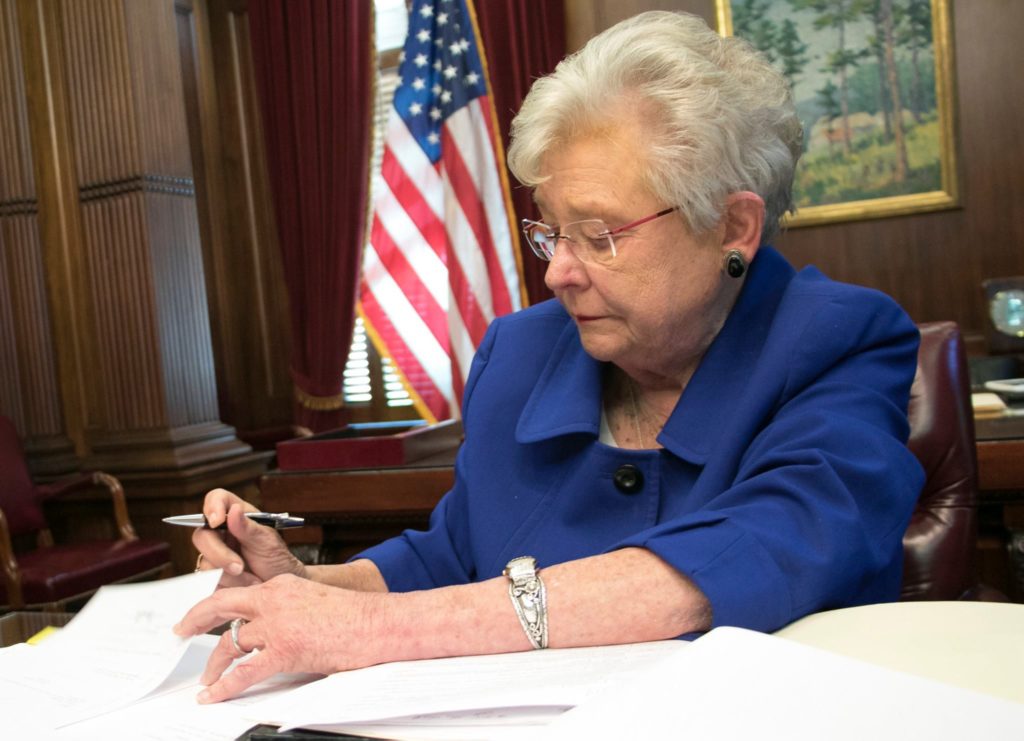
Legislative leaders will get advance notice of large expenditures but have no power to stop it.
Del Marsh: New statehouse with COVID cash should be discussed
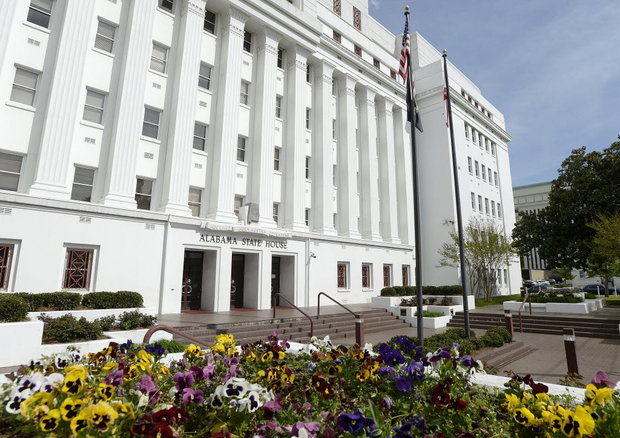
Marsh said the Statehouse construction idea isn’t a priority but could be discussed if funds are left over.
Inside the Statehouse: Budget is priority number one for legislative session
Steve Flowers discusses the unique ongoing legislative session and lists a who’s who in our budgetary process.
Lottery, casino bills filed in Alabama but outlook unclear
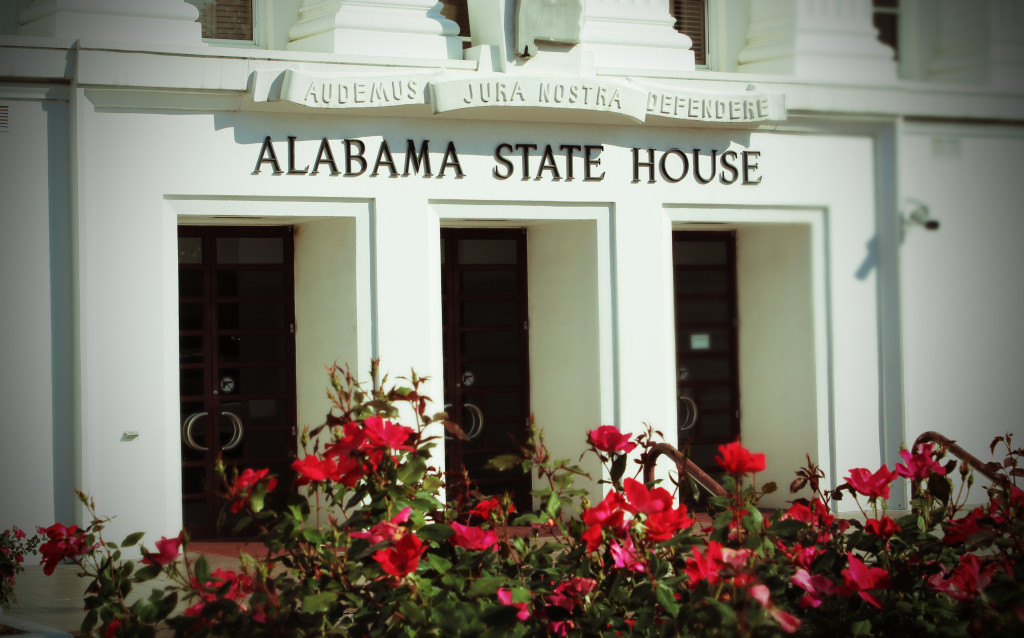
The bill is expected to get heavy pushback from lawmakers whose districts include dog tracks.
Proposed lottery bill would fund pre-K, college scholarships
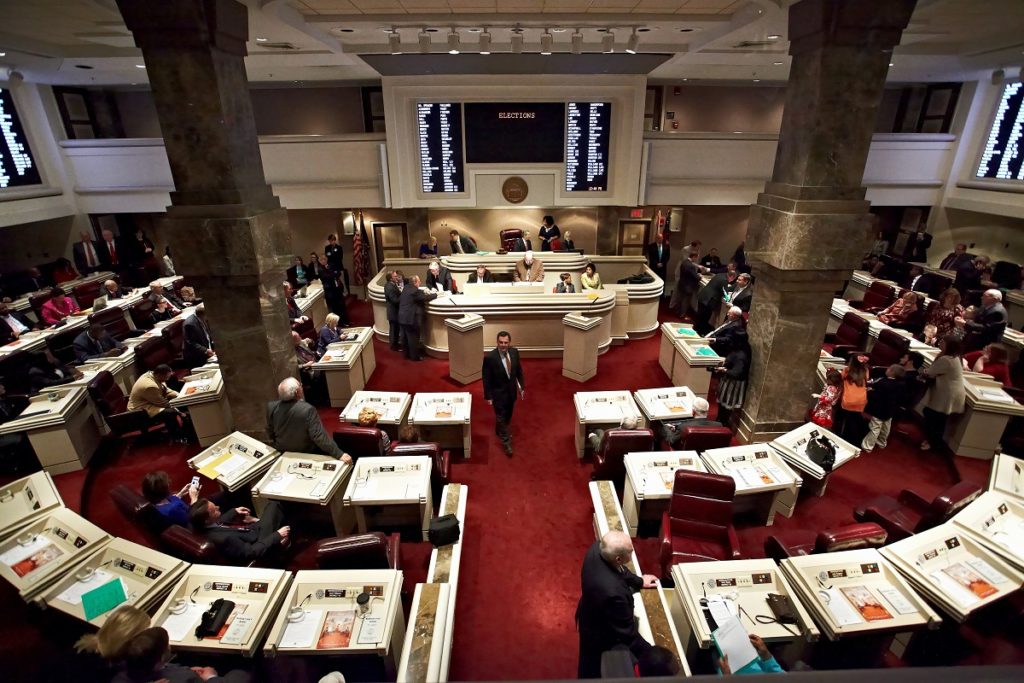
Last year the Legislative Service Agency estimated a paper lottery would produce $166.7 million annually.
New marriage forms and process starts week
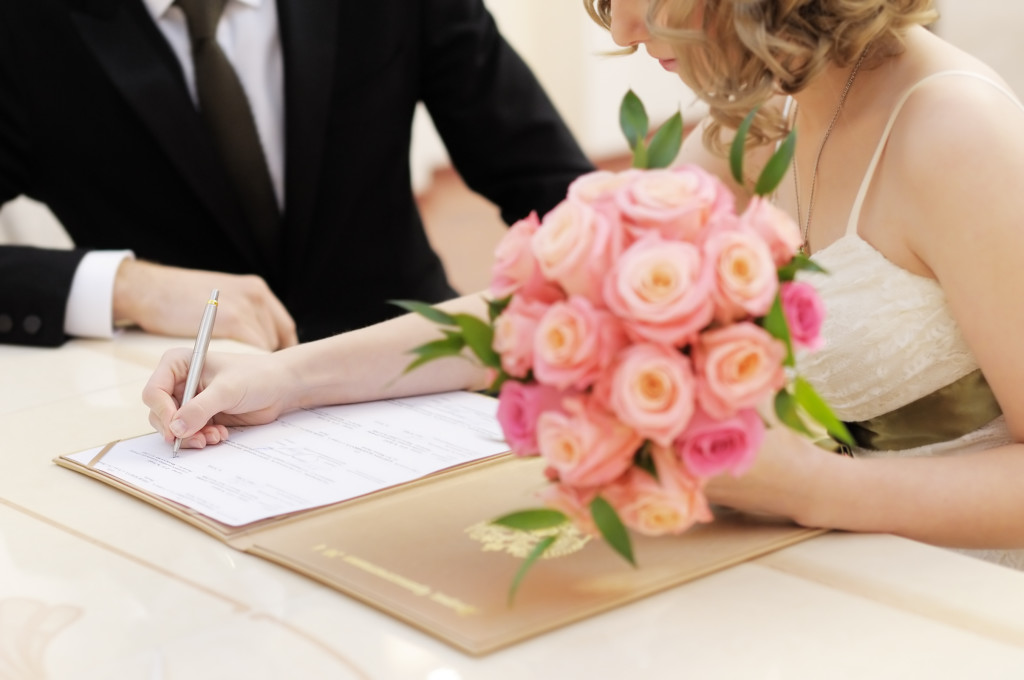
Alabama will require new forms— and a new process — for getting married beginning next week. The Alabama Department of Public Health issued guidance Tuesday about the new form and procedure. The Alabama Legislature this year voted to do away with marriage licenses to accommodate conservative probate judges who objected to same-sex marriage. Instead of a marriage license, couples will fill out a new form , have it notarized and then take it to the probate judge within 30 days. A wedding ceremony is no longer required, but a couple can still have one if they choose. The couple’s marriage date is the date that the affidavit on the Alabama Marriage Certificate form is signed by the two spouses, provided the notarized form is returned to the probate office within the required time frame. The change begins Friday, August, 29th. Ever since same-sex marriage became legal in Alabama, a few of the state’s 68 probate judges had refused to issue marriage licenses to anyone so they didn’t have to give them to gay couples. Alabama law says probate judges “may” issue marriage, but doesn’t force them to do so. Republican Sen. Greg Albritton proposed the change in state law. He said he believes it should accommodate probate judges’ concerns and allow people to get marriage documents everywhere. “There are many areas that are not conducting any marriages at all in the state. That puts a burden on those residents to travel somewhere else,” Albritton said. “I think it is going to allow all of Alabama to engage in matrimony. I think that is a very good thing,” Albritton said. Albritton pushed the change for several years before it was approved this legislative session. When the Alabama House of Representatives approved the change in May, Rep. Neil Rafferty, the only openly gay member of the House, said the change was “born out of prejudice.” “It accommodates a handful of judges that couldn’t get their personal feelings, couldn’t check those at the door and couldn’t do their jobs,” Rafferty, Democrat-Birmingham, told reporters in May. Republished with the permission of the Associated Press.
Contract related to execution won’t be released
The Alabama attorney general’s office says it will not release to the news media a copy of a contract related to death penalty litigation. The attorney general’s office on Tuesday cited security reasons for refusing a records request from The Associated Press for a copy of a $25,000 contract with a Tennessee firm specializing in occupational safety. The state office declined to answer questions about the contract. State Sen. Greg Albritton said the attorney general’s office indicated the contract was related to litigation over nitrogen gas as an execution method. The state has authorized nitrogen hypoxia as an execution method but has not used it. A federal judge last year ruled Alabama must release its lethal injection protocol but can keRepublished with the permission of the Associated Press.ep some information secret, such as employee names. Republished with the permission of the Associated Press.
