
Here are the candidates from the 6 statewide races headed to runoff elections

Alabama voters cast their ballots on June 5 in a handful of statewide races. Of those contest, only six were forced to move to the upcoming July 17 primary runoff elections. Meaning, voters will need to head back to the polls and cast their ballots yet again ahead of the Nov. 6 general elections to help final their party’s nominee. That said, the cross-over voter ban is officially in effect. Meaning, whatever party a voter choose to vote with in the primary, they cannot change it in the runoff elections. So if you voted with the Democratic party on June 5, you’re unable to vote in any of the statewide runoff races (though there are several down-ballot run-off races, so don’t count your vote completely out). With just 33 days to go until the runoff, here’s an overview at how the candidates fared in the primary elections, as well as handy links to their websites and social media pages: Lieutenant Governor Twinkle Cavanaugh: 43.3% of the vote in the June 5 primary Party: Republican Website Facebook Twitter Will Ainsworth: 37.1% of the vote in the June 5 primary Party: Republican Website Facebook Twitter The winner of this race will go on to face Democrat Will Boyd in the general election. Attorney General Steve Marshall: 28.4% of the vote in the June 5 primary Party: Republican Website Facebook Twitter Troy King: 27.8% of the vote in the June 5 primary Party: Republican Website Facebook Twitter: N/A The winner of this race will go on to face Democrat Joseph Siegelman in the general election. Alabama Supreme Court: Associate Justice, Place 1 Brad Mendheim: 43.4% of the vote in the June 5 primary Party: Republican Website Facebook Twitter Sarah Stewart: 29.31% of the vote in the June 5 primary Party: Republican Website Facebook Twitter: N/A The winner will ultimately take office as there is Democratic challenger in the general election. Commissioner of Agriculture and Industries Rick Pate: 40.37% of the vote in the June 5 primary Party: Republican Website Facebook Twitter: N/A Gerald Dial: 29.98% of the vote in the June 5 primary Party: Republican Website Facebook Twitter The winner will ultimately take office as there is Democratic challenger in the general election. Court of Civil Appeals, Place 1 Christy Edwards: 40.75% of the vote in the June 5 primary Party: Republican Website Facebook Twitter: N/A Michelle Thomason: 31.99% of the vote in the June 5 primary Party: Republican Website Facebook Twitter The winner will ultimately take office as there is Democratic challenger in the general election. Court of Criminal Appeals, Place 2 Rich Anderson: 34.76% of the vote in the June 5 primary Party: Republican Website Twitter: N/A Chris McCool: 42.56% of the vote in the June 5 primary Party: Republican Website Facebook Twitter: N/A The winner will ultimately take office as there is Democratic challenger in the general election.
Martha Roby: House takes step to cut wasteful spending

It’s no secret that the national debt continues to become an ever-increasing problem in this country. The number has now cleared $20 trillion, and with every dollar added, it becomes ever more critical that we find ways to cut spending and balance the budget. That’s why I’m proud that the Trump Administration recently submitted to Congress the largest rescission package in our nation’s history in an effort to cut nearly $15 billion of old government funding that is unnecessary, expired, unused, or cannot be used for its original purpose. I support the use of the commonsense rescission tool to identify and weed out at least a portion of government waste. Title X of the 1974 Congressional Budget Impoundment Control Act gives the President authority to use this tool. The President has the ability to propose the rescinding, or cutting, of specific funds previously approved by Congress. Over the years, this smart measure has been used by presidents on both sides of the aisle, and I am glad that the Trump Administration is now utilizing this tool, too. I am proud to report that the House recently took action on the Administration’s rescission request by passing H.R. 3, the Spending Cuts to Expired and Unnecessary Programs Act. Before this important piece of legislation was drafted, the Office of Management and Budget (OMB) worked to find wasteful, unnecessary spending that should be returned to the Treasury. Many of the funds OMB identified have been sitting around gathering dust in stagnant programs – and they aren’t just pennies and loose change. For example, the type of funds cut by H.R. 3 include $4.3 billion from the Advanced Technology Vehicles Manufacturing Loan Program, which hasn’t made a loan since 2011, $523 million from the Title 17 Innovative Technology Loan Guarantee Program, which has not had the authority to make new loans since 2011, and $133 million from the Railroad Unemployment Insurance Extended Benefits Program, which completely expired in 2012. Needless to say, these are all examples of unused government funding, and I am pleased the House has acted to cut them from the budget. However, there has been some misinformation spread about what the Administration’s rescission package actually does, so I’d like to set the record straight. Some have claimed that the rescission request cuts active, current funding from important programs, such as the Children’s Health Insurance Program (CHIP) on which many families depend. This is false. Congress recently reauthorized CHIP funding for a total of ten years, and this measure does nothing to change current funding levels. There are many federal programs that are left with significant amounts of leftover funding that should absolutely be returned to the Treasury. For the sake of our national debt, we cannot allow programs and organizations to hoard leftover, excess funding that allows them to overspend their budgets in the future. Congress has a financial responsibility to the hardworking taxpayers, and I believe cutting unused, expired funding is a commonsense step toward getting our fiscal house in order. Every day I hear from constituents who are concerned about our mounting debt and frustrated by Washington’s unwillingness to address it. Finding financial stability will be a challenging task, but I believe the Administration’s rescission plan is a positive step in the right direction. I’m proud to have voted in favor of the measure, and I hope the Senate acts quickly. ••• Martha Roby represents Alabama’s Second Congressional District. She lives in Montgomery, Alabama, with her husband Riley and their two children.
Five things you need to know about Bobby Bright
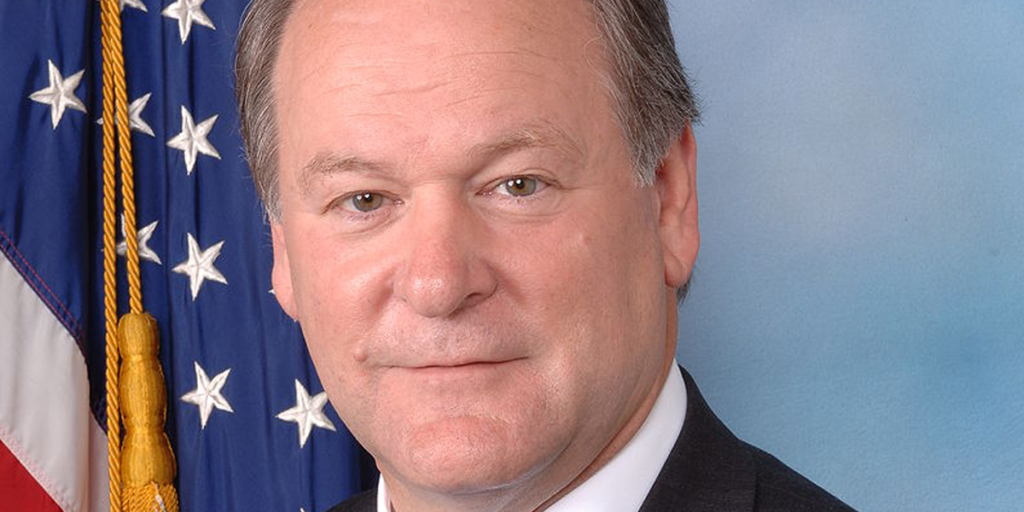
The primary elections are over, but some highly sought after spots still remain open due to the primary races resulting in runoffs. One of those races is for the Alabama 2nd Congressional District seat. Bobby Bright faced-off against Incumbent Martha Roby and three other opponents in the June 5 primary election, Roby and Bright both pulled enough voter support to tip their race into a runoff set for July 17. Here’s five things you need to know about Bobby Bright before the July runoff: 5. He’s served in this office before, but as a Democrat. Prior to 2008 Bobby Bright had never claimed affiliation with any party. But that year, he decided to seek election for Alabama’s 2nd District seat in the U.S. House of Representatives. When he approached the Republican party about joining the ticket, they told him they intended to support another candidate. So Bright joined the Democratic ticket, and won in 2008, but ultimately the decision to run as a Democrat came back to bite him. In Congress, Bright was a member of the Blue Dog Coalition, and voted with Democratic leadership only 71.7% of the time which made him the second most conservative member of the House Democratic Caucus. Bright was also named the most conservative Democrat during the first session of the 111th United States Congress by the National Journal. In 2010, Martha Roby entered the scene and challenged Bright as the Republican nominee. She won. Flash-forward eight years later, and Bright is back to reclaim his former seat in the House. This time as a Republican. He announced his candidacy in February under the Republican ticket, saying he would be more effective in Washington as a Republican. Later that month, the Alabama Republican Party okayed his decision and let him remain on the ballot. 4. He was mayor of Montgomery for a decade. Before Bright became the U.S. Rep for Alabama’s 2nd Congressional District, he served as the mayor of Montgomery for a an entire decade. He was also the first mayor of Montgomery ever to be elected to Congress. Some of Bright’s most notable achievements during this time include the creation of almost 20,000 jobs, including the jobs added by the arrival of the Hyundai plant in Montgomery during his time in office. He also revitalized the city’s declining downtown area, and had implemented a rainy day fund of $30 million before he left for Congress. 3. He used to be a lawyer and is married to a former judge. Bright earned his M.S. in criminal justice from Troy State University in 1977. He went on to own his law practice in Montgomery, where he practiced for fifteen years before entering into politics. He was also chief counsel to the Alabama Department of Corrections (side note, talking about coming full circle: he actually began his career as a corrections officer). He is also married to former District Judge Lynn Bright. 2. Bright was one of 14 children, and grew up on a cotton farm Bright was the son of a sharecropper, and missed a week of school every year to bring in the cotton harvest. This firsthand knowledge made him a valuable asset on the Agricultural Committee in Congress. Of all 14 children in his family, Bright was the only one to graduate from college. He attended Auburn University and earned his bachelors degree in 1975. He then proceeded to Troy University, receiving a master’s degree in 1977 and a J.D. from Faulkner University in 1982. 1. He dug his own postholes for his campaign signs. Bright posted a photo of himself digging postholes for his own 4×8 campaign signs on Facebook, asking supporters to call or message his campaign if they had a suitable place for a sign that large. Looks like Bright’s years spent on the family’s cotton farm paid off in more ways than one.
Five things you need to know about Martha Roby
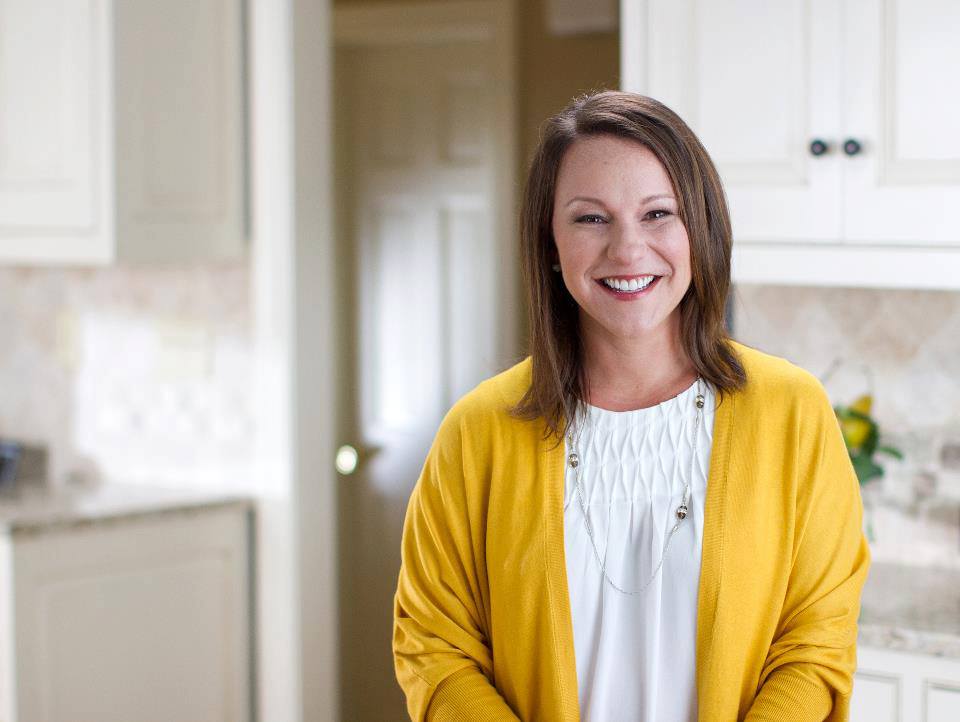
The primary elections are over, but some highly sought spots still remain open due to the primary races resulting in runoffs. One of those races is for the Alabama 2nd Congressional District seat. Incumbent Martha Roby faced off against four opponents in the primary election, one of them, Bobby Bright, won enough votes to pull Roby into a runoff set for July 17. Here’s five things you need to know about Martha Roby before the runoff: 1. She’s one of the most vocal pro-life members in the House. Roby was one of the first to speak out on the House floor to raise awareness of Planned Parenthood’s role in the harvest and sale of aborted babies’ body parts for profit. She has fought to redirect taxpayer funding from Planned Parenthood, the nation’s largest abortion business, to comprehensive health care alternatives. She is also a co-sponsor of the Protecting Life and Integrity in Research Act of 2017, which would ban federal funding for research using fetal tissue from abortion victims. Recently, she spoke in support of the Pain-Capable Unborn Child Protection Act. She also co-sponsored the Born-Alive Abortion Survivors Protection Act and managed floor debate on the bill. 2. She endorsed, then un-endorsed now-President Donald Trump. In 2016, Roby had endorsed then-candidate Donald Trump for President. When the infamous “Access Hollywood” tape was published, in which Trump is heard saying demeaning things about women, Roby, now famously, retracted her endorsement. She said then that Trump’s behavior “makes him unacceptable as a candidate for president” and suggested he step aside to let another Republican lead the presidential ticket. 3. She’s a big proponent of veterans, and Veteran’s Affairs in particular. When Alabama Today asked Roby what her favorite area of service was, she replied: “Both my biggest responsibility and greatest joy in Congress is being in a position to fight for proper treatment for our nation’s veterans. We owe the men and women who have put their lives on the line in service to this great country the absolute best care available, but far too often we fall short. I remain committed to advocating for commonsense solutions to make the Department of Veterans Affairs work for veterans.” Roby has been instrumental in bringing military jobs to her district, including fighting to keep eight C-130 aircrafts at Montgomery’s Maxwell Air Force Base, and working in Congress to help the Army Aviation Center of Excellence at Fort Rucker avoid crippling budget cuts that would have decimated training capabilities. She has also been an advocate for Veterans Affairs and has worked tirelessly to address some of the misconduct at the Central Alabama Veterans Health Care System (CAVHCS). 2. She decided to run for office after hearing a graduation speech. Roby was in her third year at law school, almost ready to embark on her dream career in the music industry when she and her (now) husband Riley attended Roby’s younger brother’s high school graduation ceremony. “The commencement speaker talked about the ‘brain drain,’” Roby said. “He mentioned how important it is to go out into the world and do all the things you dream of doing, but then to return home to serve your community in whatever way you feel called. The challenge had a profound effect on both of us. Shortly thereafter I kicked off my first campaign in my hometown for the Montgomery City Council. 1. She got a puppy this year And she’s adorable. Also her name is Ruth Roby, how cute it that? Beyond being an adorable companion, research has also shown that owning a pet can reduce stress, lower blood pressure, and increase social interaction and physical activity, which sounds like the perfect fit for an on-the-go Congresswoman. Meet Ruth Roby!!! Happy New Year! #puppy A post shared by Martha Roby (@martharoby) on Jan 2, 2018 at 8:45pm PST Ruth had a fun day at #DoggyDayCare #TiredPuppy #RobyOut A post shared by Martha Roby (@martharoby) on Feb 9, 2018 at 1:52pm PST
2018: Year of the Woman in Alabama politics, primary update

If there ever was a “Year of the Woman” in Alabama, it’s 2018. Following the national trend, more Alabama women are stepping up to run for political office as a major party candidate than ever before, according to the Center for American Women and Politics at Rutgers University. But how did the female candidates fare in the June 5 primaries? Below is a list of women who prevailed in their races. Statewide Executive Office Currently only two women serve in statewide elected executive positions — Gov. Kay Ivey and Alabama Public Service Commission President Twinkle Andress Cavanaugh. But after last night’s election results, those numbers could change in November. Governor Gov. Kay Ivey (Republican candidate) triumphed over her three male opponents, and will face Walt Maddox in November’s general election. Lt. Governor Twinkle Andress Cavanaugh (Republican candidate) will face Will Ainsworth in a runoff election, July 17. Secretary of State Heather Milam (Democratic candidate) won her primary election, and will face John Merrill in the November general election. Alabama Court of Civil Appeals Christy Olinger Edwards (Place 1, Republican candidate) won her spot over Michelle Manley Thomason, another female republican candidate. U.S. Congress Currently only two women represent the Yellowhammer State in the United States Congress — 2nd District U.S. Rep. Martha Roby and 7th District U.S. Rep. Terri Sewell. Five other women ran for office in U.S. house races. Alabama 2nd District in the U.S. House of Representatives Rep. Martha Roby (incumbent, Republican candidate) was forced into a runoff set for July 17 with former Rep. Bobby Bright. Tabitha Isner (Democratic candidate) won the democratic primary for the 2nd district and will face either Roby or Bright in November. Alabama 3rd District in the U.S. House of Representatives Mallory Hagan (Democratic candidate) won the democratic primary for the 3rd district and will face incumbent Mike Rogers in the November general election. Alabama 7th District in the U.S. House of Representatives Rep. Terri Sewell (incumbent, Democratic candidate) was the only candidate in her race. State Legislature Amy Wasyluka (Democratic candidate) won the State Senate District 2 race Deidra Willis (Democratic candidate) won the State Senate, District 7 race Vivian Davis Figures (Democratic candidate) won the State Senate, District 33 race Laura Hall (Democratic candidate) won the State House District 19 race Barbara Bigsby Boyd (Democratic candididate) won the State House District 32 race Debbie Hamby Wood (Republican candidate) won the State House District 38 race April Weaver (Republican candidate) won the State House District 49 race Louise “Lulu” Alexander (Democratic candidate) won the State House District 56 race Rolanda Hollis (Democratic candidate) won the State House District 58 race Mary Moore (Democratic cadet) won the State House District 59 race Juandalynn Givan (Democratic candidate) won the State House District 60 race Elaine Beech (Democratic candidate) won the State House District 65 race Pebblin Walker Warren (Democratic candidate) won the State House District 82 race Pat “Patsy” Jones (Democratic candidate) won the State House District 83 race Adline C. Clarke (Democratic candidate) won the State House District 97 race
SBA List declares victory as pro-life women advance in Alabama primaries

The national pro-life group Susan B. Anthony List (SBA List) celebrated as its endorsed candidates in Alabama — Gov. Kay Ivey, Twinkle Cavanaugh, and 2nd District U.S. Rep. Martha Roby —advanced in their respective primaries. Ivey outright won the Republican party’s nomination and moves to the general election on Nov. 6. Meanwhile Cavanaugh, in the race for Lieutenant Governor, and Roby in the race to continue representing the 2nd District in the.S. House of Representatives, will both move to runoff election scheduled to take place on July 17. “We congratulate Governor Kay Ivey on her primary win. We also congratulate Twinkle Cavanaugh and Congresswoman Martha Roby on advancing in their races,” said former Congresswoman Marilyn Musgrave, SBA List’s Vice President of Government Affairs. “These three outstanding candidates form a pro-life ‘dream team’ for Alabama, one of the most solidly pro-life states in the nation. They will stand up to the extreme abortion lobby, fight to protect unborn children and their mothers, and keep Alabama taxpayers out of the abortion business. As an organization with a special calling to promote strong pro-life, pro-woman leaders, we are proud to see them advance and encourage Alabama voters to support them.” Ivey is a founding member of SBA List’s Pro-Life Women’s Caucus who was first endorsed by SBA List Candidate Fund in 2010. Cavanaugh is president of Alabama’s Public Service Commission, an important role ensuring taxpayers’ confidence in local government. Previously, she was the first woman to serve as chair of the Alabama Republican Party. Roby was one of the first to speak out on the House floor to raise awareness of Planned Parenthood’s role in the harvest and sale of aborted babies’ body parts for profit. She has fought to redirect taxpayer funding from Planned Parenthood, the nation’s largest abortion business, to comprehensive health care alternatives. She is also a co-sponsor of the Protecting Life and Integrity in Research Act of 2017, which would ban federal funding for research using fetal tissue from abortion victims. Recently, she spoke in support of the Pain-Capable Unborn Child Protection Act. She also co-sponsored the Born-Alive Abortion Survivors Protection Act and managed floor debate on the bill. Susan B. Anthony List and its partner super PAC, Women Speak Out spent more than $18 million in the 2016 election cycle, visiting more than 1.1 million homes in battleground states to defeat Hillary Clinton and maintain a pro-life Senate. SBA List is dedicated to pursuing policies and electing candidates who will reduce and ultimately end abortion. To that end, SBA List emphasizes the education, promotion, mobilization, and election of pro-life women. SBA List is a network of more than 630,000 pro-life Americans nationwide.
Martha Roby forced into runoff by primary challenger, former Rep. Bobby Bright
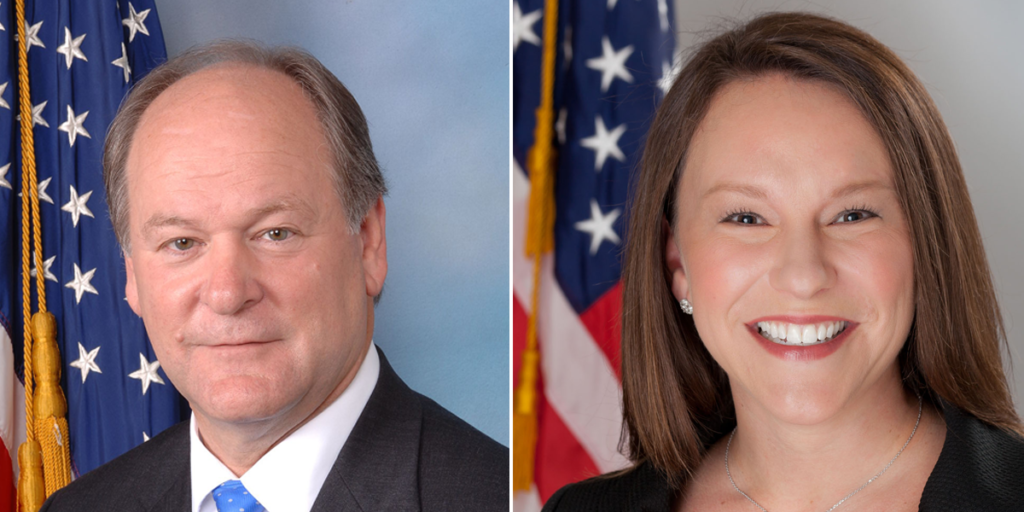
Tuesday night must’ve felt like waking up from a bad dream for Alabama 2nd District U.S. Rep. Martha Roby as she found herself forced into a run-off against former U.S. Rep. Bobby Bright… the man whom she defeated to go to Congress for the first time… back in 2010. With 59 percent of the precincts reporting, the Associated Press declared Roby in a runoff with Bright, with her 39 percent to his 29 percent. The two will now go head-to-head once again in the July 17 runoff election having edged out State Rep. Barry Moore Tommy Amason, and Rich Hobson in Tuesday’s Republican primary. A political price Roby found herself lambasted by the crowded field of challengers due her 2016 criticism of President Donald Trump after recordings of him making lewd comments were released during his campaign for president. Roby said then that Trump’s behavior “makes him unacceptable as a candidate for president” and suggested he step aside to let another Republican lead the presidential ticket. The runoff is the political price Roby has to pay for being one of the few Republicans in the Deep South state to speak out against the president. Roby’s optimistic Despite being forced into a runoff, Roby remains optimistic. “I am grateful for the strong support my campaign has received, and I look forward to continuing to discuss my proven record as a conservative Republican for the next six weeks. We have run this race before,” said Roby. “The people who live and work in Alabama’s Second District rejected the big government, liberal policies that came as a result of the Barack Obama and Nancy Pelosi era when they voted to replace Democrat Bobby Bright with a Republican. I am confident they will do so again.” Roby continued, “Our unified Republican government has accomplished a lot over the last year and a half, and I believe I am best positioned to deliver meaningful results for our military, veterans, farmers, and hardworking Alabamians. I’m eager to continue my work on behalf of the people I represent, and I humbly ask for their continued support on July 17.” History of AL-02 Alabama’s 2nd Congressional District includes just over half of the state capital, Montgomery, as well as most of the Wiregrass Region in the southeastern part of the state. In 2008, eight-time winner Republican Rep. Terry Everett announced his retirement, creating a vacancy for the seat. Bright ran for the seat as a Democrat and defeated Republican-candidate for State Rep. Jay Love. Bright, the former mayor of Montgomery, Ala., served only one term in the U.S. House of Representatives, from 2009-2011, before Roby ran on the Republican ticket and unseated him in the 2010 midterm elections.
More Democrats on Alabama ballot for Tuesday elections than in previous years

Alabama’s primary ballot features multiple offices and something voters in the Republican-controlled state haven’t seen in years: Democratic races for statewide and congressional positions. Alabama Democrats have 27 total candidates running for state positions or Congress this year, more than double the 13 from 2014. That means there are several Democratic primary races, compared to just one for a statewide office four years ago. Many of the eventual Republican nominees will still run unopposed in the General Election because no Democrats qualified. But with Democratic opposition to President Donald Trump running high and after Democrat Doug Jones’ victory in Alabama’s U.S. Senate in December, the once-powerful party is trying to show signs of life. Aside from the governor’s campaign, in which five Republicans and six Democrats are vying for their party’s nominations, here are some other races to watch: ___ Attorney General Republican appointee Steve Marshall is facing voters for the first time in a statewide race as he seeks election to the office of attorney general, and it might not be easy. Marshall, a former Marshall County district attorney, has served in the job since February 2017, when then-Gov. Robert Bentley tapped him after naming Luther Strange to the U.S. Senate. Marshall is being opposed in the GOP primary by Alice Martin, a former federal prosecutor who was the state’s chief deputy attorney general; Troy King, a former state attorney general and Birmingham lawyer Chess Bedsole. Birmingham attorneys Joseph Siegelman and Chris Christie are vying for the Democratic nomination. Siegelman is the son of former Gov. Don Siegelman. The attorney general is responsible for representing the state in criminal and civil matters, and the office often is a stepping-stone to other positions. Just ask U.S. Attorney General Jeff Sessions, a former Alabama attorney general. ___ Congress Rep. Martha Roby’s bid to hold on to her District 2 seat from the Wiregrass region of southeastern Alabama for a fifth term highlights the state’s congressional primaries. The House Appropriations Committee member is being opposed by candidates including Bobby Bright, who Roby defeated to claim the seat in 2010. Other opponents include Rich Hobson of Enterprise, who managed Roy Moore’s unsuccessful Senate campaign last year. Roby gained Republican critics after distancing herself from Donald Trump’s vulgar comments about women during his presidential campaign in 2016. The eventual GOP nominee will face either education researcher Tabitha Isner of Montgomery or activist and military veteran Audri Scott Williams of Cottonwood. They’re competing for the Democratic nomination in the Republican-dominated district. Reps. Mo Brooks of Huntsville and Robert Aderholt of Haleyville also have challengers in the GOP primary, and Democrats have primaries in four districts in all. There was just one Democratic congressional primary in 2014. ___ Lieutenant Governor Alabama has been without a lieutenant governor for more than a year, and the primary is a first step toward filling the office. Alabama Public Service Commission president Twinkle Andress Cavanaugh is running in the Republican primary against two state legislators: Rep. Will Ainsworth of Guntersville and Sen. Rusty Glover of Mobile. Cavanaugh has outpaced other candidates in fundraising with nearly $1.1 million in total contributions through April. The eventual Republican nominee will face Democratic minister Will Boyd, who lost the U.S. Senate primary against Doug Jones in the special election last year. The office of lieutenant governor, who is president in the state Senate, has been vacant since April 2017, when Kay Ivey succeeded Robert Bentley as governor following his resignation and guilty plea amid a sex-tinged scandal. Ethics is a top issue in the race as the Legislature looks to review Alabama’s ethics law next year and lawmakers currently face corruption charges. ___ Supreme Court The Alabama Supreme Court isn’t in the news as often as it used to be without Roy Moore as chief justice, but the primary ballot includes three contested races on the nine-member, all-Republican panel. Current court members Lyn Stuart and Tom Parker are vying for the Republican nomination for chief justice. Stuart has been serving in the position since Moore’s suspension for violating judicial ethics and later resignation to run for the Senate. Either Stuart or Parker will face Bob Vance Jr., a Jefferson County circuit judge who is unopposed for the Democratic nomination. Court appointee Brad Mendheim is opposed by circuit judges Debra Jones of Anniston and Sarah Hicks Stewart of Mobile for the GOP nomination for Place 1 on the nine-member court. And attorneys John Bahakel and Jay Mitchell of Birmingham are both seeking the Republican nomination for the Place 4 seat. The winner will face Democrat Donna Wesson Smalley in November. ___ State School Board Republicans are fighting over two seats on the Alabama State Board of Education, and the winners of both races will have Democratic opponents in the fall. Four Republicans are running for the District 2 seat held by Betty Peters, who isn’t seeking re-election. They include former Dothan school board member Melanie Hill; Coffee County resident Sybil Little; John Taylor of Dothan; and Auburn City School Board President Tracie West. The winner will face Democrat Adam Jortner in November. Business executive and former Madison school board Rich McAdams and Wayne Reynolds, a retired educator and registered nurse from Athens, are seeking the Republican nomination in District 8. The seat is now held by Mary Scott Hunter, who is running for the Alabama Senate. Jessica Fortune Barker is on the ballot as a Democrat in the General Election. Republished with the permission of the Associated Press.
Who’s who in statewide and congressional races on the primary ballot
Alabama’s primary ballot features multiple offices and something voters in the Republican-controlled state haven’t seen in years: Democratic races for statewide and congressional positions. Alabama Democrats have 27 total candidates running for state positions or Congress this year, more than double the 13 from 2014. That means there are several Democratic primary races, compared to just one for a statewide office four years ago. Many of the eventual Republican nominees will still run unopposed in the General Election because no Democrats qualified. But with Democratic opposition to President Donald Trump running high and after Democrat Doug Jones’ victory in Alabama’s U.S. Senate in December, the once-powerful party is trying to show signs of life. Aside from the governor’s campaign, in which five Republicans and six Democrats are vying for their party’s nominations, here are some other races to watch: ___ Attorney General Republican appointee Steve Marshall is facing voters for the first time in a statewide race as he seeks election to the office of attorney general, and it might not be easy. Marshall, a former Marshall County district attorney, has served in the job since February 2017, when then-Gov. Robert Bentley tapped him after naming Luther Strange to the U.S. Senate. Marshall is being opposed in the GOP primary by Alice Martin, a former federal prosecutor who was the state’s chief deputy attorney general; Troy King, a former state attorney general and Birmingham lawyer Chess Bedsole. Birmingham attorneys Joseph Siegelman and Chris Christie are vying for the Democratic nomination. Siegelman is the son of former Gov. Don Siegelman. The attorney general is responsible for representing the state in criminal and civil matters, and the office often is a stepping-stone to other positions. Just ask U.S. Attorney General Jeff Sessions, a former Alabama attorney general. ___ Congress Rep. Martha Roby’s bid to hold on to her District 2 seat from the Wiregrass region of southeastern Alabama for a fifth term highlights the state’s congressional primaries. The House Appropriations Committee member is being opposed by candidates including Bobby Bright, who Roby defeated to claim the seat in 2010. Other opponents include Rich Hobson of Enterprise, who managed Roy Moore’s unsuccessful Senate campaign last year. Roby gained Republican critics after distancing herself from Presidential Donald Trump’s vulgar comments about women in 2016. The eventual GOP nominee will face either education researcher Tabitha Isner of Montgomery or activist and military veteran Audri Scott Williams of Cottonwood. They’re competing for the Democratic nomination in the Republican-dominated district. Reps. Mo Brooks of Huntsville and Robert Aderholt of Haleyville also have challengers in the GOP primary, and Democrats have primaries in four districts in all. There was just one Democratic congressional primary in 2014. ___ Lieutenant Governor Alabama has been without a lieutenant governor for more than a year, and the primary is a first step toward filling the office. Alabama Public Service Commission president Twinkle Andress Cavanaugh is running in the Republican primary against two state legislators: Rep. Will Ainsworth of Guntersville and Sen. Rusty Glover of Mobile. Cavanaugh has outpaced other candidates in fundraising with nearly $1.1 million in total contributions through April. The eventual Republican nominee will face Democratic minister Will Boyd, who lost the U.S. Senate primary against Doug Jones in the special election last year. The office of lieutenant governor, who is president in the state Senate, has been vacant since April 2017, when Kay Ivey succeeded Robert Bentley as governor following his resignation and guilty plea amid a sex-tinged scandal. Ethics is a top issue in the race as the Legislature looks to review Alabama’s ethics law next year and lawmakers currently face corruption charges. ___ Supreme Court The Alabama Supreme Court isn’t in the news as often as it used to be without Roy Moore as chief justice, but the primary ballot includes three contested races on the nine-member, all-Republican panel. Current court members Lyn Stuart and Tom Parker are vying for the Republican nomination for chief justice. Stuart has been serving in the position since Moore’s suspension for violating judicial ethics and later resignation to run for the Senate. Either Stuart or Parker will face Bob Vance Jr., a Jefferson County circuit judge who is unopposed for the Democratic nomination. Court appointee Brad Mendheim is opposed by circuit judges Debra Jones of Anniston and Sarah Hicks Stewart of Mobile for the GOP nomination for Place 1 on the nine-member court. And attorneys John Bahakel and Jay Mitchell of Birmingham are both seeking the Republican nomination for the Place 4 seat. The winner will face Democrat Donna Wesson Smalley in November. ___ State School Board Republicans are fighting over two seats on the Alabama State Board of Education, and the winners of both races will have Democratic opponents in the fall. Four Republicans are running for the District 2 seat held by Betty Peters, who isn’t seeking re-election. They include former Dothan school board member Melanie Hill; Coffee County resident Sybil Little; John Taylor of Dothan; and Auburn City School Board President Tracie West. The winner will face Democrat Adam Jortner in November. Business executive and former Madison school board Rich McAdams and Wayne Reynolds, a retired educator and registered nurse from Athens, are seeking the Republican nomination in District 8. The seat is now held by Mary Scott Hunter, who is running for the Alabama Senate. Jessica Fortune Barker is on the ballot as a Democrat in the General Election. Republished with the permission of the Associated Press.
Martha Roby: Touting Covington County’s career tech opportunities

Congress was recently out of session for a district work period, and I used this valuable time to travel throughout Alabama’s Second District to visit with my constituents, outstanding local leaders, businesses, and more. During the week of district work, I made stops in Troy, Daleville, Dothan, Opp, Montgomery, and Prattville. I greatly appreciated everyone who hosted me and took the time to speak with me. Hearing directly from the people I represent enables me to be a better advocate for our district’s priorities in Washington, so I’d like to share with you more details about one of my visits in particular. I had the privilege of visiting Opp in Covington County one morning, and while I was in town, I stopped by the Lurleen B. Wallace Community College (LBWCC) MacArthur Campus for a tour and an update from leadership, faculty, and staff. I was thoroughly impressed by what I learned and saw. I was particularly glad to hear that LBWCC has experienced recent growth and that the school is greatly benefitting from some key partnerships it has with private sector businesses. While on campus, I received a tour of the impressive industrial electronics program. This program received a federal grant that has enabled it to purchase updated equipment and hire a new instructor. The industrial electronics program at LBWCC partners with some outstanding businesses in our district, including Wayne Farms, Kimber Gun Manufacturing, and Shaw Industries. These valuable public-private partnerships empower LBWCC to offer students hands-on, real world workforce experience right here in our backyard. Next, I toured the welding program that has also recently been enhanced and improved. Not too long ago, LBWCC obtained a mobile welding lab that they can relocate from campus to campus as needed. Right now, the welding lab is parked at LBWCC in Luverne, because that campus does not currently have a facility for their welding program. I then toured the campus’ diesel and heavy equipment program, which has recently received a grant from the National Science Foundation (NSF) that enabled the program to expand and offer complete degrees. Prior to this development, the program could only offer certificates, so this is certainly exciting progress. This NSF grant assistance also allowed LBWCC to purchase supplies for their natural gas engines that are very important to the diesel and heavy equipment program. This program at LBWCC partners with several successful private sector businesses, including Mobile Forest Products, FourStar Freightliner, Wiley Sanders Trucklines, Thompson Caterpillar, Thompson Tractor, and Parker Diesel. In addition, I was given very informative tours of the automechanics, surgical technology, cosmetology programs, and others. I was truly impressed by the many programs offered at LBWCC-MacArthur, and I am thrilled that the school and campus continue to grow and develop in so many areas. When I visited LBWCC in Opp, it just so happened to be the first day of summer classes. It was exciting to see all the students in class ready to take on whatever this semester has in store for them. My time on campus further underscored the critical importance of career tech programs and opportunities like the ones I’ve highlighted here. The visit also once again demonstrated how invaluable public-private partnerships like the ones at LBWCC are to workforce development in our district. Throughout my time in Congress, I have proudly supported efforts to strengthen and improve career tech education throughout our country and state. I am eager to continue working alongside my colleagues in Congress and the Trump Administration to support these hugely significant programs. Our state’s workforce depends on it. ••• Martha Roby represents Alabama’s Second Congressional District. She lives in Montgomery, Alabama, with her husband Riley and their two children.
Martha Roby: House takes step to “provide for the common defense”

Each year in Congress, I have the honor of nominating distinguished young men and women in Alabama’s Second District for appointment to our nation’s service academies. And each year, I am blown away by these impressive students who are eager to serve our country. I was proud to recently announce my 2018 appointments to the United States service academies – the U.S. Air Force, Naval, Military, and Merchant Marine Academies – and I am looking forward to seeing all the great things these outstanding young men and women accomplish for our country and for their communities. I was truly pleased to nominate the following students who then received official appointments to one or more of the academies: Kaitlin Ann Carpenter, a graduate of Holtville High School, is the daughter of Homer and Kristen Carpenter and Catherine Carpenter. She received an offer of appointment to the United States Naval Academy. Laurence McGrane Dowd, a graduate of Northview High School in Dothan, is the son of John and Donna Dowd. He received an offer of appointment to the United States Military Academy at West Point. Jared Dixon Dykman, a graduate of Enterprise High School, is the son of Dixon Dykman. He received offers of appointment to the United States Military Academy at West Point, the United States Air Force Academy, and the United States Naval Academy. Stephen Carlos Guerrero, a graduate of Prattville High School, is the son of JC and Suzanne Guerrero. He received an offer of appointment to the United States Air Force Academy. Jailyn Mykayl Holt, a graduate of Loveless Academic Magnet Program (LAMP) in Montgomery, is the daughter of Edward and Jurilyn Holt. She received an offer of appointment to the United States Air Force Academy. Chandler Cross Jones, a graduate of Andalusia High School and Marion Military Institute, is the son of Troy Jones. Chandler received an offer of appointment to the United States Military Academy at West Point. Connor Michael Rainey, a graduate of Prattville High School and Marion Military Institute, is the son of George and Janet Rainey. He received offers of appointment to the United States Air Force Academy, the United States Military Academy at West Point, and the United States Merchant Marine Academy. It goes without saying that we have some incredibly bright, talented students in the Second District. These men and women are to be commended for their willingness to serve, their academic excellence, and their unique leadership abilities. I am thrilled to join their families, friends, teachers, and communities in celebrating their outstanding accomplishments. As these students prepare to enter into military service in a few years, it is critical that we properly fund our military to ensure that they have all the tools they need to do their jobs. The world is a dangerous place, and we face very real threats from around the globe. I am confident that these young men and women from our district will do all they can to ensure our military remains the tip of the spear, but this must also come with the commitment from Congress that we will make sure our troops are properly supported, especially when we send them into harm’s way. I’m proud to report that the House recently passed H.R. 5515, the National Defense Authorization Act (NDAA) of 2019, the annual bill that authorizes funding for military programs throughout the Department of Defense. I was proud to support the NDAA, and I look forward to seeing President Trump sign this legislation into law. Congress has a constitutional duty to “provide for the common defense” by equipping our Armed Forces with everything they need to fight the enemy, deter threats, and ultimately keep us safe. I am proud that the House followed through on this critically important responsibility for the sake of the entire military and the young men and women from Alabama’s Second District who will soon serve our country after pursuing their educations from our prestigious military academies. In Congress, I consider it one of my greatest responsibilities to support our men and women in uniform, and I will never stop working to ensure our Armed Forces receive proper funding. ••• Martha Roby represents Alabama’s Second Congressional District. She lives in Montgomery, Alabama, with her husband Riley and their two children.
Alabama delegation votes to pass major VA overhaul; Trump expected to sign into law

With the support of the entire Alabama delegation, S. 2372: the VA MISSION Act of 2018 has passed both chambers and is now heading to President Donald Trump’s desk for his signature. The legislation – which puts the needs of veterans first by giving them the option of seeking care when and where it makes the most sense for their needs – combines provisions from fifteen different Senate-introduced bills, building upon the success of the Veterans Choice Act. The bill combines the VA’s multiple community care programs into one streamlined program, improves incentives to recruit, hire, and retain qualified medical professionals, and expands the VA’s Post-9/11 Caregiver Program to all eras. Dozens of veterans and military service organizations across the country endorsed the bill. Here’s what the Alabama delegation had to say about their votes and the legislation: Sen. Richard Shelby I am honored to support this milestone legislation that prioritizes brave veterans in Alabama and across the nation. This bicameral, bipartisan bill provides veterans with necessary access to efficient, timely, and quality health care services. As Members of Congress, it is our job to ensure the proper care of those who have risked their lives to protect our freedoms. 1st District U.S. Rep. Bradley Byrne: Another major piece of legislation is headed to President Trump’s desk for his signature. The VA MISSION Act consolidates the VA’s Community Care Program, opens the VA Caregivers Program to serve all veterans, and provides $5.2 billion to fund the VA Choice Program. Simply put, this bill increases access to care at the VA, including walk-in clinics that may be more convenient and immediate in addressing the needs of our veterans. 2nd District U.S. Rep. Martha Roby: By passing the VA MISSION Act, the House has taken another important step toward improving access to care for our nation’s veterans. This legislation addresses a number of important pieces of the large VA puzzle, including extending funding for the Choice Program that countless veterans depend on to receive care. I believe this bill will reduce the bureaucracy associated with veterans seeking private sector health care and improve the lives of those who have served our great country. I’ve heard from countless veterans in Alabama’s Second District about the continued need for VA changes to ensure they get the best care available. I hope we will soon see this legislation signed into law.
