
What they’re saying: Delegation responds to debt ceiling vote
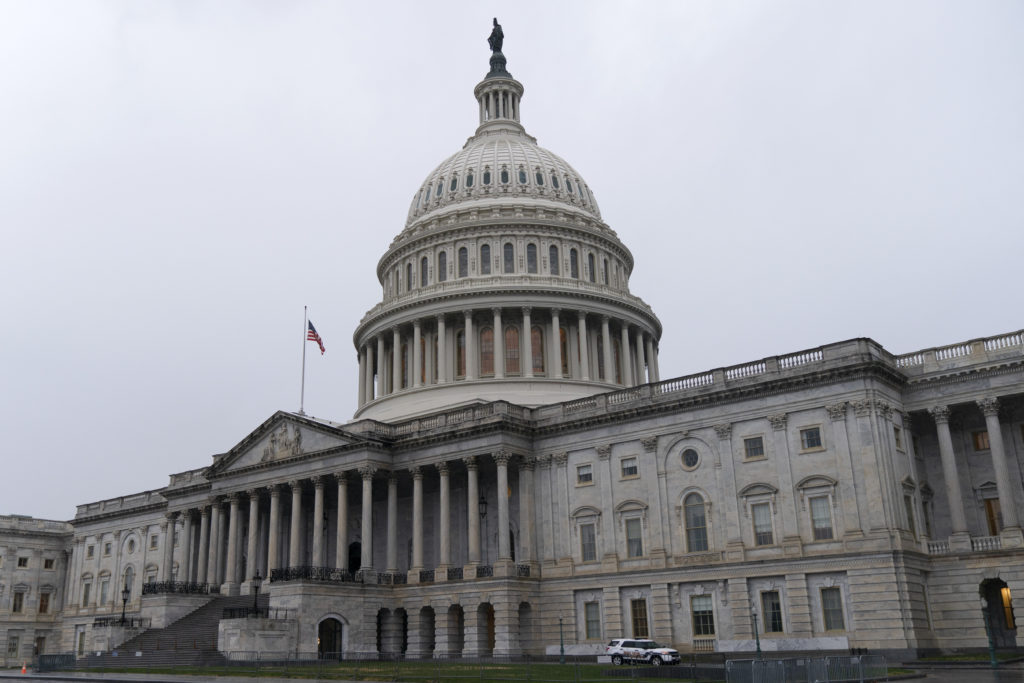
Yesterday, the U.S. House of Representatives approved a short-term increase to the nation’s debt limit. This $480 billion increase ensures the federal government will continue to pay its bills into December. Without this approval, the government would have defaulted on the debt, a move that could decimate the economy. The measure passed by a party-line vote of 219-206. The U.S. has never defaulted on its obligations to pay its debt. Nearly $8 trillion in debt accrued under Donald Trump. In a press release, Mo Brooks argued against raising the debt limit, saying it is excessive. Brooks stated, “Washington Debt Junkies can’t kick the habit. They continue to push financial insanity to new heights by adding $480 billion to America’s debt limit. America’s debt will soon blow through the $30 trillion mark. That is roughly $90,000 in debt for every man, woman, and child in America. America’s deficit exceeded $3 trillion in FY 2020 and is projected by the Congressional Budget Office to again break the $3 trillion mark in FY 2021.” “Debt Junkie spending is excessive. It is dangerous. Yet, Debt Junkies refuse to acknowledge the error of their ways and do what is necessary to avoid a debilitating national insolvency and bankruptcy. Without corrective measures, that’s where America is headed. Debt junkies must face reality, or America’s greatness will be relegated to a shadow of its former self,” Brooks concluded. Rep. Terri Sewell posted on Twitter that she supports raising the debt limit. Sewell commented, “Defaulting on our credit would cause an unprecedented economic collapse, hurting every American and every Alabamian. Addressing the debt ceiling is the responsible thing to do, & I was proud to join my Democratic colleagues to protect families from catastrophe and pay our bills.” Rep. Gary Palmer issued a press release arguing that Democrats are “oblivious” to the national debt crisis. Palmer stated, “Democrats just raised the debt limit while also trying to pass the most expensive piece of legislation in the history of the United States. We are already at a point where U.S. debt is at 125 percent of our GDP (Gross Domestic Product). This means that our debt is now 25 percent larger than the entire U.S. economy. The debate over raising the debt limit should have been a pause point to allow Democrats and Republicans to work together to deal with our unsustainable debt. “The reckless disregard for our debt crisis has become a national security threat, and it is undermining the security and well-being of the current and future generations. Instead of increasing the debt limit while trying to spend over $5 trillion more, Congress should be working to craft legislation focused on growing our economy, ensuring our energy security, creating jobs, and finding every reasonable way to reduce our debt, which has become a major threat to the future of all Americans.” On Twitter, Palmer commented, “Instead of increasing the debt limit while trying to spend over $5 trillion more, Congress should be working to craft legislation focused on growing our economy and finding ways to reduce debt.” White House Council of Economic Advisors stated in a blog, “A default would fundamentally hinder the Federal government from serving the American people. Payments from the Federal government that families rely on to make ends meet would be endangered. The basic functions of the Federal government—including maintaining national defense, national parks, and countless others—would be at risk. The public health system, which has enabled this country to react to a global pandemic, would be unable to adequately function.”
Terri Sewell secures $1.1 million grant for University of Alabama Birmingham

Rep. Terri Sewell announced that a $1,100,000 TRIO Grant has been awarded for the University of Alabama at Birmingham from the United States Department of Education. This funding is a part of the TRIO Educational Opportunity Center (EOC) program, designed to provide students from disadvantaged backgrounds with opportunities for academic development as they seek higher education. The goal of the EOC program is to increase the number of adult participants who enroll in postsecondary educational institutions. The Educational Opportunity Centers program provides counseling and information on college admissions to qualified adults who want to enter or continue a program of postsecondary education. It also provides services to improve the financial and economic literacy of participants. An important objective of the program is to counsel participants on financial aid options, including basic financial planning skills, and to assist in the application process. Sewell stated, “I am thrilled to announce this round of TRIO Grant funding for the University of Alabama at Birmingham! This funding is instrumental in our continued efforts to expand access to higher education to our most underserved communities by providing the resources necessary for them to achieve their academic goals. I know firsthand the transformative power of a good education and remain committed to supporting these types of programs to ensure that the residents of my district have the tools they need to thrive.” According to Sewell’s press release, the program will work with community partners to serve 850 first-generation students, limited-income adults, as well as veterans in Jefferson County. The services provided are free and aim to help adult learners when re-entering college. Services offered include GED counseling, guiding eligible individuals through the college enrollment process including admissions, financial aid applications, preparing for placement exams, and registering for courses. “As the Principal Investigator for this grant, I’m so excited that UAB gets to be a community partner to assist our adult learners,” said Dr. Tracy Lyons, Executive Director of Undergraduate Student Success and Retention at UAB. “This program is ideal for individuals who may have dropped out of school or those seeking new and different skills that come with a college certificate or degree.”
Alabama lawmakers OK plan to build prisons with virus cash

Amid a national debate over the use of pandemic relief funds, Alabama lawmakers swiftly approved a plan Friday to tap $400 million from the American Rescue Plan to help build two super-size prisons, brushing off criticism from congressional Democrats that the money was not intended for such projects. The Alabama Legislature gave final approval to the $1.3 billion prison construction plan, and to a separate bill to steer $400 million of the state’s $2.1 billion from the rescue funds to pay for it. With legislative leaders standing behind her, Alabama Gov. Kay Ivey signed the bills into law soon afterward. The Republican called the construction plan “a major step forward” for the prison system, which faces various federal court orders and a lawsuit from the U.S. Department of Justice. “This is a pivotal moment for the trajectory of our state’s criminal justice system,” Ivey said. President Joe Biden’s sweeping $1.9 trillion COVID-19 rescue package was signed in March, providing a stream of funds to states and cities to recover from the coronavirus pandemic. Alabama’s plan to use almost 20% of its American Rescue funds for prison construction drew criticism from some congressional Democrats, including U.S. Rep. Terri Sewell of Alabama, who argued that was not the intent of the relief program. But state Republicans argued that the expenditure addresses a public safety need and is allowed under a provision to replace lost revenue and shore up state services. Republican Sen. Greg Albritton said the funds will “go a long way” to addressing the state’s longstanding problems in prisons. “This was the right thing for Alabama to do. We’ve got crumbling infrastructure. We’ve got people housed in places that are filthy. We’ve got individuals working in conditions that are unsafe,” Albritton said. The plan drew opposition from many Democrats in the House of Representatives but had minimal dissenting votes in the state Senate, where senators approved the use of the pandemic money in a 30-1 vote and the overall construction plan in a 29-2 vote. Democratic Rep. Juandalynn Givan of Birmingham, who voted against the bills in the House, said she hopes the federal government steps in and tells the state the expenditure is not allowed. “There are many needs here in the state of Alabama and there are many people who need these funds,” she said. “But they (Republicans) saw an opportunity to take the Biden money, that $400 million, because it was just like liquid water flowing through their hands and say, ‘OK, let’s jump on it,’” Givan said. U.S. House Judiciary Committee Chairman Jerrold Nadler of New York this week sent a letter to Treasury Department Secretary Janet Yellen asking her to “prevent the misuse of ARP funding by any state, including Alabama” to build prisons. Asked Wednesday about Alabama’s plan, White House press secretary Jen Psaki said, “I would be surprised if that was the intention of the funding.” Republican legislative leaders said they are comfortable they can legally use the funds because the American Rescue Plan, in addition to authorizing the dollars for economic and health care programs, says states can use the money to replace revenue lost during the pandemic to strengthen support for vital public services and help retain jobs. The U.S. Department of Justice has sued Alabama over a prison system “riddled with prisoner-on-prisoner and guard-on-prisoner violence.” The Justice Department noted in an earlier report that dilapidated facilities were a contributing factor to the unconstitutional conditions but wrote “new facilities alone will not resolve” the matter because of problems in culture, management deficiencies, corruption, violence, and other problems. The Alabama prison construction proposal calls for three new prisons — a prison in Elmore County with at least 4,000 beds and enhanced space for medical and mental health care needs; another prison with at least 4,000 beds in Escambia County and a women’s prison — as well as renovations to existing facilities. Six current facilities would close. The package of approved bills includes modest reform measures: The state will purchase a vacant private prison and use it to house parole violators — instead of sending them back to prison — and provide rehabilitation programs there to try to combat recidivism. Corrections Commissioner Jeff Dunn said the construction plan was both the “right thing to do” and would help the state “with respect to DOJ, with the other litigation.” Advocacy groups argued the state needed to take on broader reforms. “The Alabama Legislature has proved its determination to spend $400 million of American Rescue Plan funds to build two mega-prisons when we have one of the highest COVID death rates in the world,” said Katie Glenn, policy associate at the SPLC Action Fund, an arm of the Southern Poverty Law Center. “It won’t solve the problems plaguing the prison system, only decarceration can do that.” Republished with the permission of the Associated Press.
Lawsuit: Alabama congressional map ‘racially gerrymandered’

A lawsuit filed Tuesday as lawmakers get set to draw Alabama’s new congressional map is challenging the state’s current congressional districts, saying they are “racially gerrymandered” and limit Black voters’ influence in all but one congressional district. Alabama currently has one majority-minority district represented by U.S. Rep. Terri Sewell, the lone Democrat and only Black member of Alabama’s congressional district. The lawsuit argues Alabama should have a congressional map that would “afford African Americans an opportunity to elect candidates of their choice in at least two districts.” The lawsuit by two state senators and four voters was filed ahead of an expected special session on redistricting in which lawmakers will draw new congressional districts based on the latest U.S. Census numbers. No date has been set so far for such a session. “Alabama’s current Congressional redistricting plan, enacted in 2011 is malapportioned and racially gerrymandered, packing black voters in a single majority-black Congressional district,” the lawsuit states. The lawsuit argues that legislators packed as “many minorities as possible” into the congressional district that stretches from Birmingham through west Alabama and into Montgomery — “thereby weakening minorities’ voting influence throughout the state.” The suit seeks to avoid splitting counties and return to the “redistricting principle of drawing its Congressional districts with whole counties.” “By returning to Alabama’s traditional redistricting principle of aggregating whole counties, Alabama can remedy the existing racial gerrymander, restore a measure of rationality and fairness to Alabama’s Congressional redistricting process, and afford African Americans an opportunity to elect candidates of their choice in at least two districts,” the lawsuit states. State Sen. Rodger Smitherman, Sen. Bobby Singleton, and four voters filed the lawsuit. Secretary of State John Merrill is the defendant in the lawsuit because of his position. “We just want to make sure there is fair representation, equal representation,” Singleton said in a telephone interview. While the population of Alabama is 25% Black— and elected bodies such as the Legislature mirror that representation— the congressional delegation is 14% Black. Merrill said Tuesday that he had not been served with the lawsuit and could not comment on pending litigation. Alabama showed an increase in racial and ethnic diversity in the new Census numbers. The percentage of people who identify as white dropped while the state saw an increase in the Hispanic population and a doubling of the percentage of people who identify as multiracial. Whites continue to be the largest racial group in Alabama, but the percentage of people in Alabama who identify as white shrunk from 68.5% in 2010 to 64.1% in 2020. There was the slightest decrease in percentage of people who identify as Black falling from 26% to 25.6. Alabama officials earlier this year were relieved to learn that the state would maintain the seven congressional districts, instead of dropping to six. Republished with the permission of the Associated Press.
Alabama House approves prison plan using virus funds
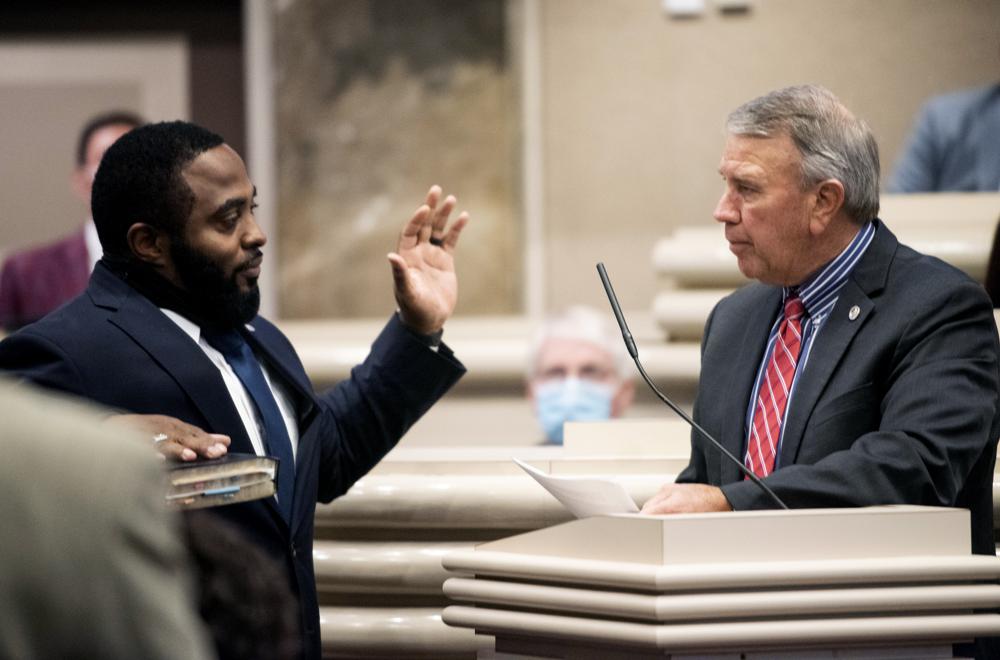
Alabama lawmakers on Wednesday headed toward swift approval of a prison construction package that would tap $400 million of the state’s pandemic relief funds to help pay for building three new lockups. The House of Representatives voted 74-26 for the $1.3 billion construction plan and 75-25 to use $400 million from the state’s share of American Rescue Plan dollars to help pay for the construction. The votes came after Republicans, who hold a lopsided majority in the Alabama Legislature, voted to cut off debate. The bills now move to the Alabama Senate. Republican Gov. Kay Ivey and GOP legislative leaders touted the construction plan as a partial solution to the state’s longstanding problems in corrections that led the U.S. Department of Justice to sue the state last year. The proposal brought sharp criticism from state Democrats, who argued it will not remedy the prison problems and said the state has needs in health care and education that could be helped by the $400 million. “I’m thinking about families, and how this money was supposed to be an additional injection of resources into the community. All of these folks that have been hurting, and we’re using this $400 million to build prisons,” said Democratic Rep. Merika Coleman of Pleasant Grove. Ivey and Republican legislative leaders have argued that the plan is appropriate because the American Rescue Plan says states can use some of the funds to replace revenue lost during the coronavirus pandemic to maintain services. “We are talking about human beings and their lives,” said House Speaker Mac McCutcheon, apparently referencing the people who live and work in dilapidated and dangerous state prisons. “This money is well-spent. It is something that needs to be fixed.” The lone Democrat in Alabama’s congressional delegation, U.S. Rep. Terri Sewell, wrote on Twitter that she is disturbed her state is using the pandemic money for prisons, “especially as the virus rages in our state.” “To be clear, the current state of the Alabama prison system is abhorrent, but the use of COVID-19 relief funds to pay for decades of neglect is simply unacceptable,” she said. The Department of Justice last year sued Alabama, saying male inmates in the state live in prisons “riddled with prisoner-on-prisoner and guard-on-prisoner violence.” In a 2019 report that preceded the lawsuit, the DOJ made it clear that new prisons alone will not solve the problems. Federal officials wrote that dilapidated conditions were a contributing factor to what it called unconstitutional conditions but emphasized that, “new facilities alone will not resolve the contributing factors to the overall unconstitutional condition of … prisons, such as understaffing, culture, management deficiencies, corruption, policies, training, non-existent investigations, violence, illicit drugs, and sexual abuse.” Alabama Democratic Party chair and state Rep. Chris England said the prison plan being proposed would not translate into a better system. “We will still be overcrowded. We will still be understaffed. We will still be under-resourced. And if our current commissioner is somehow still working, we will still be mismanaged,” England said. Republican Rep. Steve Clouse of Ozark said new modern prisons — in which prisoners would be housed in cell blocks instead of large dormitories with rows of bunks — would be a “foundation” for improving the system. “It’s a piece of the puzzle. It’s a big piece,” Clouse said. The Alabama prison construction proposal calls for at least three new prisons: one with at least 4,000 beds in Elmore County with enhanced space for medical and mental health care needs; a second of the same size in Escambia County; and a women’s prison — as well as renovations to existing facilities. Six prisons would close. The package of bills also includes a retroactive sentencing change that could allow up to 700 nonviolent inmates to seek shorter sentences, and a proposal to buy an empty private prison and use it for rehabilitation programs. Outside the Alabama Statehouse, about 40 people, including some parents of inmates, protested the plan and the use of pandemic funds. Carrying a banner that read, “Stop the Spending Spree,” the group said Alabama had other needs in medical care and education. “All they want is to build these prisons. They don’t care about reform,” said Sandy Ray, whose son died in a state prison in 2019 following a confrontation with officers. Republished with the permission of the Associated Press.
FarmPAC announces 2022 political endorsements

FarmPAC, the political arm of the Alabama Farmers Federation’s (ALFA), has announced its endorsements for the upcoming primary elections for 2022. ALFA president and CEO Jimmy Parnell explained that the endorsements came after months of study and consideration of all candidates who went before the federation. Parnell stated, “These candidates have invested time in getting to know our county leaders. They’ve spent time on our farms and attended meetings where they heard about the issues and concerns important to Federation members. At the same time, our county leaders have studied the candidates and decided these individuals have the knowledge, experience, and determination to help lead our state and nation in the right direction.” The following candidates have earned the official endorsement of FarmPAC: • Katie Britt — U.S. Senate• Jerry Carl — U.S. House of Representatives, District 1• Barry Moore — U.S. House of Representatives, District 2• Mike Rogers — U.S. House of Representatives, District 3• Robert Aderholt — U.S. House of Representatives, District 4• Dale Strong — U.S. House of Representatives, District 5• Gary Palmer — U.S. House of Representatives, District 6• Terri Sewell — U.S. House of Representatives, District 7• Kay Ivey — Governor• Will Ainsworth — Lieutenant Governor• Steve Marshall — Attorney General• Wes Allen — Secretary of State• Young Boozer — Treasurer• Rusty Glover — Auditor• Rick Pate — Commissioner of Agriculture and Industries• Greg Cook — Alabama Supreme Court, Place 5• Kelli Wise — Alabama Supreme Court, Place 6• Jeremy Oden — Public Service Commission, Place 1• Chip Beeker — Public Service Commission, Place 2• Tracie West — Alabama State Board of Education, District 2• Yvette Richardson — Alabama State Board of Education, District 4• Cynthia McCarty — Alabama State Board of Education, District 6• Wayne Reynolds — Alabama State Board of Education, District 8 Endorsements approved at Tuesday’s meeting will carry through to the general election. Additionally, the federation stated they would announce their endorsements for state legislature at a later date. FarmPAC Chairman Steve Dunn of Conecuh County said the Federation encourages voters to study the issues and candidates prior to the election. Dunn stated, “It’s important for Alabama voters to be engaged in the electoral process,” said Dunn. “We encourage members to exercise their right to vote, regardless of their political preference, and to consider these FarmPAC endorsements when they go to the polls.”
Terri Sewell opposes Kay Ivey’s prison plan to use American Rescue Plan funds
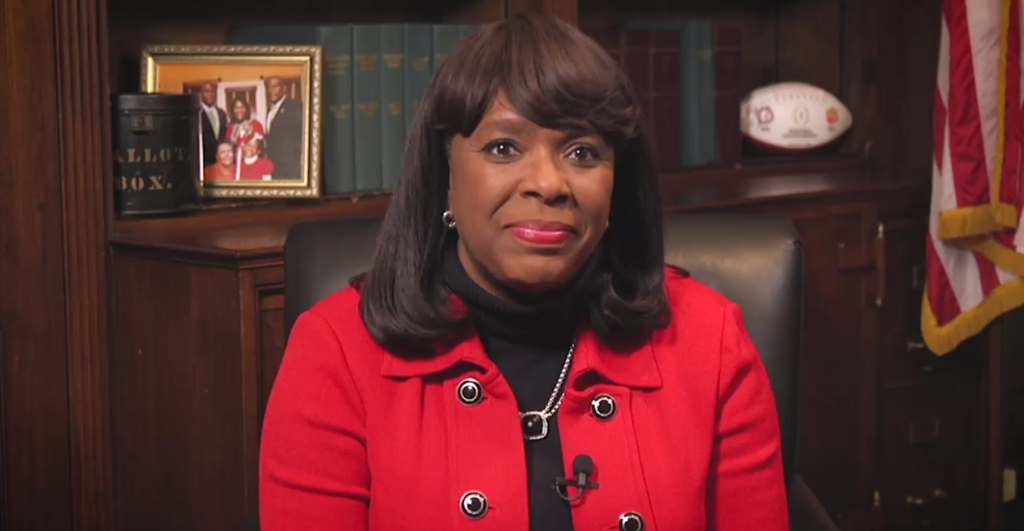
U.S. Rep. Terri Sewell released a statement regarding the plan by Alabama officials to build new prisons using $400 million of federal COVID-19 relief funds from the American Rescue Plan. Gov. Kay Ivey called lawmakers back to Montgomery on Monday to vote on a $1.3 billion prison construction plan that will use $400 million from the state’s virus relief funds to build three new prisons and renovate others. The bill also calls for two policy changes pertaining to sentencing standards and mandatory supervision of inmates. Sewell stated, “In March, I proudly joined my Democratic colleagues in voting to pass the American Rescue Plan, transformational legislation designed to protect our people and rescue our economy from the COVID-19 pandemic. The package included critically important relief for Alabama workers, families and businesses, and over $2 billion for the State of Alabama to aid in its COVID-19 response.” “I am deeply disturbed to learn that the State of Alabama is considering a plan to use $400 million of COVID-19 aid from the American Rescue Plan to build prisons, especially as COVID-19 rages on in our state! Alabama currently has the highest COVID-19 death rate in the country. To be clear, the current state of the Alabama prison system is abhorrent, but the use of COVID-19 relief funds to pay for decades of our state’s neglect is simply unacceptable,” she continued. “COVID-19 relief money should be used for COVID-19 relief. Period.” The Alabama Legislature met on Monday during a special session to consider the plan. Committee meetings began this morning.
Congressional delegates at odds over abortion legislation
Reps. Terri Sewell and Mo Brooks are once again on opposite sides of the aisle when it comes to voting on congressional legislation. Rep. Sewell voted to pass H.R. 3755, the Women’s Health Protection Act (WHPA), legislation that aims to ensure equal access to reproductive services for women across the country. Mo Brooks voted against the legislation, arguing that the “pro-abortion position has shifted from ‘safe, legal, and rare’ to, in some places, pro-infanticide.” Sewell was among the bill’s 176 co-sponsors in the House of Representatives. The bill passed the House by a vote of 218-211. “The protections secured in Roe v. Wade are on the line,” said Rep. Sewell. “I believe that a woman’s reproductive choices should be between her and her doctor, not between her, her doctor, and her elected officials. Women everywhere must have access to a full range of reproductive health care services, which is why I’m proud to support the Women’s Health Protection Act.” Sewell posted on Twitter, “Today I voted YES on the Women’s Health Protection Act! Passing #WHPA brings us closer to creating a nation where every person, regardless of who they are or where they live, is free to make the best health care decisions for themselves & their families.” Brooks stated in a press release, “America is one of only seven countries worldwide that allows abortions after 20 weeks. That puts America in the same category as notorious human rights abusers China and North Korea. That is not a record Socialist Democrats should be proud of.” Brooks posted on Twitter, “I voted “No” on H.R. 3755, a radical bill that usurps states’ rights and legalizes killings of viable unborn American babies up to and including when a mother is in labor. Socialist Dems’ radical, pro-abortion position has shifted from “safe, legal, and rare” to, in some places, pro-infanticide. Their extreme position is repulsive & science denial of the first order because science confirms that life begins at conception.” Originally tweeted by Mo Brooks (@RepMoBrooks) on September 24, 2021. For decades, the Supreme Court has repeatedly recognized abortion as a constitutional right. In recent years, state lawmakers have pushed through nearly 500 restrictive laws that make abortion difficult and, sometimes, impossible to access. Just this year, four states have passed bans on abortion at six weeks of pregnancy. The legislation aims to ensure that these types of restrictions are stopped.
Terri Sewell to host telephone town hall discussion
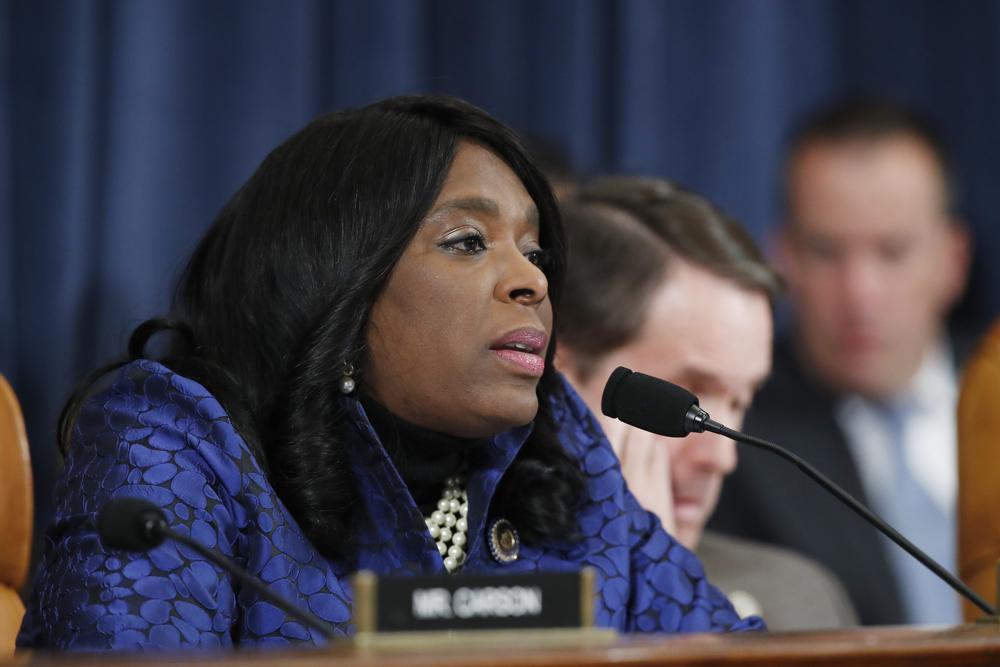
Congresswoman Terri Sewell will host a live telephone town hall today at 6:30 PM. The hour-long event includes time for Sewell to take questions directly from constituents. Special guests include Dr. David Hicks, Jefferson County Deputy Health Officer, Dr. Stephanie McClure, Assistant Professor at Auburn University, William Barnes, President of Birmingham Urban League, and David Young, Multifamily Housing Administrator for Alabama Housing and Finance Authority. Topics to be discussed will include President Joe Biden’s Build Back Better agenda, Covid-19, vaccinations, rental assistance, and the John R. Lewis Voting Rights Advancement Act. Constituents are encouraged to register in advance to receive a call. Constituents can also join by calling (877) 353-4701 at the time of the event.
Steve Flower: Census results are revealing
Well, folks, the final census figures are in from last year’s 2020 nose count. The census is taken every 10 years to determine the lines and boundaries of congressional and legislative districts. However, the census reveals a lot more information about us as a state and nation than just how many of us there are. It paints a picture of who we are as people and what we look like. The most recent census unveils an America much different than those of us who were born in the 1950s and are referred to as the “Baby Boomer” generation. We are one diverse country. Indeed, we are a true melting pot. The United States is now less than 60% white/Caucasian – 57% to be exact. The black/African American population has basically remained the same at about 12% of the population. The most remarkable figure is that 20% of our population identifies as Hispanic. The Asian population has doubled over the 10 years from 3% to 6% percent. It is a new America. What do these numbers portend, and what is the story for Alabama? First of all, we did an amazing job on our count. The Census Bureau has remarked that Alabama was one of the five best states in America when it came to counting our people. We actually came up with 103,000 more people than what was projected. Gov. Kay Ivey’s efforts deserve some credit for this success. The most significant fact in our successful count is that we saved a congressional seat. It had been projected for the last five years that we were going to lose a congressional seat from seven to six in Congress. We will, fortunately, keep seven. This will make the legislature’s job much, much easier when they meet in about a month to draw the lines. After the reapportionment session, we will still probably have six Republican congressmen and one Democratic member of Congress. In fact, when the members of the legislature begin drawing the lines, they will begin with that lone Democratic seat of Congresswoman Terri Sewell. She and that district will come first when dividing up people for two reasons. One is that Alabama is still under the eye of the Justice Department by virtue of the 1965 Voting Rights Act, whereby we must have at least one majority-minority district. Because the Black Belt region of the state has lost significant population, she will have to take in a larger area. She will probably go all the way from Birmingham to Mobile. She will pick up a large chunk of Tuscaloosa and almost all of Montgomery, as well as at least three to five more sparsely populated Black Belt counties on the way between Birmingham and Mobile. As projected, the Black Belt counties lost population, and the growth in the state was in fast-growing Republican-leaning counties such as Baldwin, Shelby, Jefferson, Lee, and especially in the Huntsville / Madison / Limestone area. The second reason that Congresswoman Sewell will get deference is that she is our only Democratic congressperson. With the U.S. House of Representatives being majority Democratic, as well as the White House, Congresswoman Sewell is our only conduit to the majority party. In addition, she is on a fast leadership track in Congress and sits on the all-important House Ways and Means Committee. Huntsville’s amazing growth is the remarkable story of the census in Alabama. Huntsville is now Alabama’s largest city. It far surpasses Birmingham. In fact, Birmingham lost 5% of its population. There is essentially a tie between Montgomery and Birmingham as to who is second. Montgomery held its own. Huntsville city grew by 20%. The metro area by over 40%. The Birmingham/Hoover metro area is still by far the largest metropolitan area. The suburban cities of Hoover, Vestavia Hills, and Trussville grew substantially. Hoover itself grew by 13%. After the Madison (Huntsville) / Limestone area, the fastest growing county in the state is Baldwin County. While Daphne had significant growth, the darling in the group is Fairhope, which grew by 47%. Lee County and Auburn grew by whopping numbers. What does this mean politically? These growth counties of Baldwin, Madison, and Lee will see increased Republican representation in the legislature, and the Jefferson/Shelby suburbs will hold their own. It will be hard to not increase the supermajority Republican control of the Alabama Senate and House of Representatives. See you next week. Steve Flowers is Alabama’s leading political columnist. His weekly column appears in over 60 Alabama newspapers. He served 16 years in the legislature. Steve may be reached at www.steveflowers.us.
John Merrill: Voting Rights Advancement Act is an unjustifiable power grab
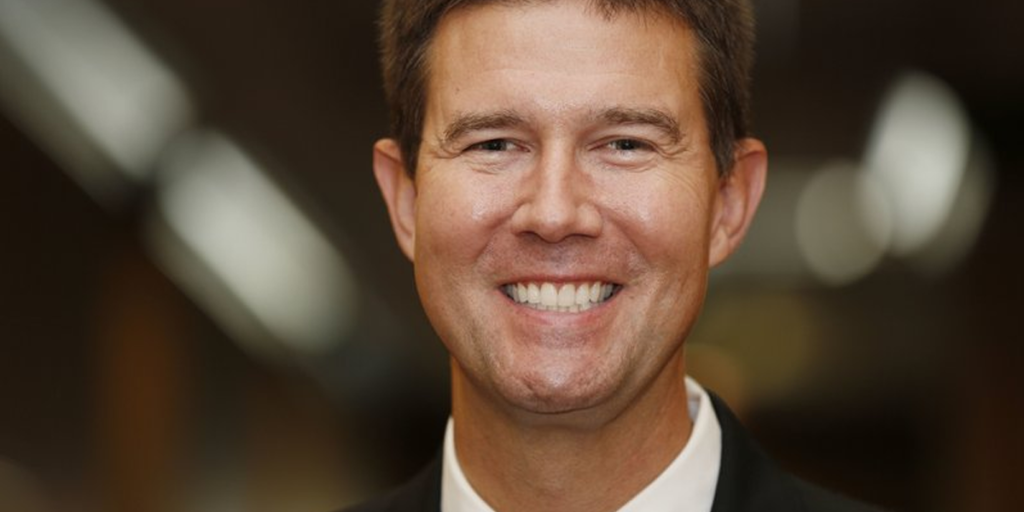
Earlier this month, H.R.4 was introduced by Representative Terri Sewell, who represents Alabama’s 7th Congressional District. H.R.4 is the latest attempt by Washington Democrats to nationalize our federal electoral system. In reality, H.R.4 is a solution in search of a problem. H.R.4’s advocates refuse to acknowledge the substantial progress our nation has made since the enactment of the Voting Rights Act of 1965. The legislation extends the practice of preclearance, the federal approval of any state’s election administration changes, to every state in the union and threatens to overturn many popular election integrity laws, such as Voter ID laws. What justifies this federal takeover of elections? The answer is nothing. It has never been easier to vote in America than it is today. Washington Democrats are attempting to manufacture a crisis in order to justify their unconstitutional power grab. At the Constitutional Convention, the framers were careful to ensure that each state retained its right to administer its own elections. However, today’s congressional Democrats assert that the Elections Clause of the U.S. Constitution grants them the authority to enact H.R.4, but many disagree with that assertion. The Elections Clause is a constitutional fail-safe, which is only applicable if a state is unwilling or unable to conduct their own federal elections. Many Federalists, like Alexander Hamilton, worried that the federal government could not survive if a portion of the states either refused to hold elections or were unable to hold elections due to war. In Arizona v Inter-Tribal Council of Arizona Inc., the Supreme Court confirmed that the Elections Clause was “the Framer’s insurance against the possibility that a state would refuse to provide for the election of representatives to the Federal Congress.” It is important to note that the Voting Rights Act has historically been justified by the 14th and 15th Amendments, but after a string of unfavorable court decisions, congressional Democrats have resorted to this approach. H.R.4 not only lacks proper legal standing, but current conditions do not justify the extraordinary measures that H.R.4 would implement nationwide. When examining the VRA’s coverage formula in their landmark decision, Shelby County, Alabama v. Holder, the Supreme Court stated, “The question is whether the Act’s extraordinary measures…continue to satisfy constitutional requirements. As we put it a short time ago, ‘the Act imposes current burdens and must be justified by current needs.” In Shelby, SCOTUS ruled that Section 4 of the VRA was unconstitutional because its “extraordinary” measures were no longer justified by current needs, and similarly, the burdensome measures proposed by H.R.4 are not justified by the conditions of 2021. It has never been easier to vote than it is today in Alabama and the rest of the nation. Since the beginning of my term as Secretary of State in 2015, we have registered 1,902,057 new voters, and we have a total of 3,602,266 registered voters. Since 2016, we have set records for voter participation in every primary and general election. In Alabama, 96% of African-Americans, 91% of White-Americans, and 94% of all eligible residents are registered to vote. Our office works hard each and every day to ensure that every Alabamian is able to register to vote and has access to some form of government-issued photo ID. It is beyond foolish to pretend as if we still live in the Alabama of 1965. I completely agree with Chief Justice John Robert’s observation that “no one can fairly say (the record] shows anything approaching the ‘pervasive,’ ‘flagrant,’ ‘widespread,’ and ‘rampant discrimination that clearly distinguished the covered jurisdictions from the rest of the nation in 1965.” If H.R.4 is enacted, then every state in the Union will be treated as if they were the “covered jurisdictions” of 1965 and placed under the authority of unelected federal bureaucrats. In fact, H.R.4 goes beyond the requirements of the original preclearance regime by requiring that all states seek approval from the Justice Department for certain voting practices regardless of whether they are discriminatory or if the state has met any other criteria for preclearance coverage. The goal of “practice-based preclearance” is obvious. Congressional Democrats want to cater to their far-left base by overturning current state election laws and stop any state from enacting future election integrity legislation in the future. H.R.4 is an attempt to outlaw Voter ID laws and other similar election security measures. Despite the fact that ID laws maintain widespread public support, the Democrats continue to claim that ID laws are discriminatory against minorities. However, the public disagrees. According to Rasmussen, 69% of African Americans support voter ID laws, and the Atlanta Journal Constitution also found that two-thirds of Georgia voters support voter ID laws. As John Adams famously said, “Facts are stubborn things,” but it does not appear that any amount of factual evidence will stop the congressional Democrats’ attempt to manufacture a crisis for their partisan agenda. Democrats continued to push this narrative despite the fact that Alabama increased participation in every primary and general election since 2016. The disparities of 1965 are not the realities of 2021, and congressional Democrats should stop refusing to acknowledge that fact. I encourage every concerned Alabamian to reach out to Senator Richard Shelby and Senator Tommy Tuberville and ask them to stop this unconstitutional federal takeover of our electoral system by congressional Democrats. If you would like to make your voice heard, please call Senator Shelby’s Office at (202) 224-5744 or Senator Tuberville’s Office at (202) 224.4124. John Merrill is currently serving as Alabama’s 53rd secretary of state.
Terri Sewell supports bill to honor Rosa Parks with a new federal holiday
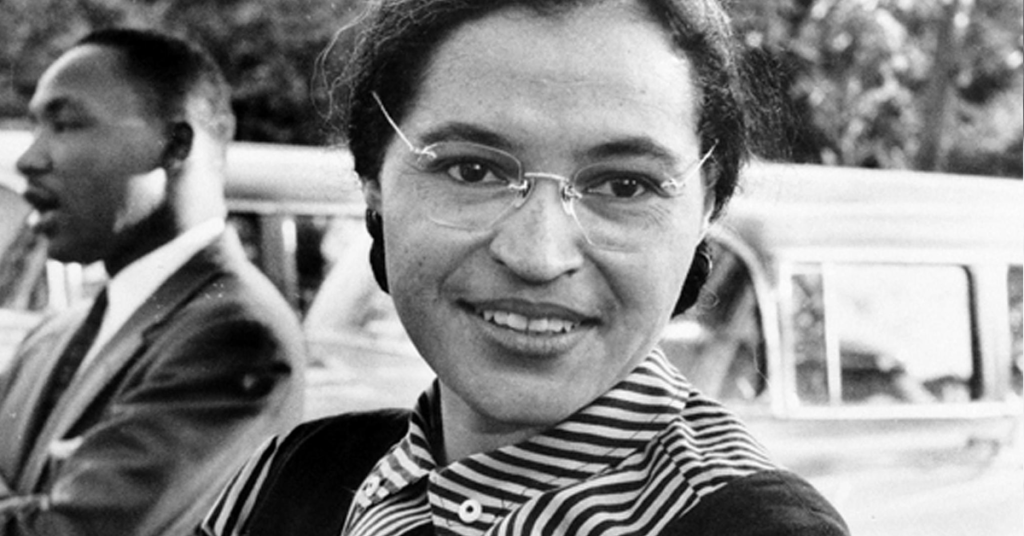
Tennessee Rep. Jim Cooper along with Reps. Terri Sewell and Joyce Beatty introduced the Rosa Parks Day Act, a bill to honor civil rights leader Rosa Parks by designating a new federal holiday. California and Missouri recognize Rosa Parks Day on her birthday, February 4. Ohio and Oregon celebrate on the day she was arrested, December 1. This act wants to make the holiday recognized in all states. Rosa Parks was arrested in Montgomery, Alabama when she refused to give up her seat on a city bus to a white man and was charged with violating Montgomery’s segregation law. Her arrest inspired the Montgomery Bus boycott – a major turning point in the civil rights movement. She was awarded the Congressional Gold Medal, and Congress recognized Rosa Parks as the “first lady of civil rights.” Cooper stated, “Nashville led the nonviolent Civil Rights Movement, but there may not have even been a movement were it not for the bravery of a young woman from Alabama named Rosa Parks. There is no more fitting or deserving person in American history to award the honor of a new national holiday than Rosa Parks.” “On December 1, 1955, in Montgomery, Alabama, Rosa Parks sat so that this nation could stand up for the values that our democracy holds so dear,” said Rep. Sewell. “Her quiet, dignified courage helped inspire a civil rights movement that changed this country for the better. As the U.S. Representative for Montgomery, I’m so proud to introduce the Rosa Parks Day Act to make December 1st a national holiday in her honor. Such a day will ensure the memory of her brave sacrifice lives on in America’s story for generations to come.” Beatty commented, “Through her willingness to sit, Rosa Parks stood up for what she believed in. As a state legislator, I was proud to lead the push to make the Buckeye State the first state to officially recognize Rosa Parks Day. It’s now time for us to come together as a nation to honor this American hero through a new national holiday.”
