
$215M U.S. Steel project provides spark for Alabama steel industry
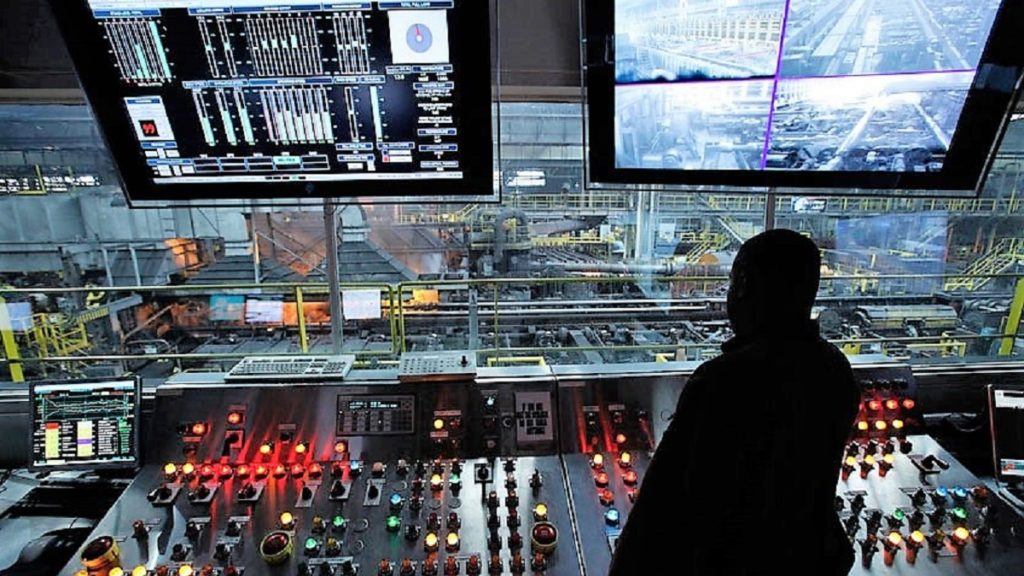
United States Steel Corp.’s plans to invest $215 million to install a technologically advanced electric arc furnace at Fairfield Works is expected to provide a boost to Alabama’s steelmaking industry in its historic home. U.S. Steel had initiated construction of the EAF at its Tubular Operations in Fairfield in March 2015 but suspended construction in December 2015 because of unfavorable market conditions. The project’s revival means the addition of 150 jobs at the Jefferson County facility. The company said the EAF will have an annual capacity of 1.6 million tons. “This puts Birmingham back on the map in the steel industry, which is a backbone of our region,” said Mark Brown, vice president of Business Retention and Expansion at the Birmingham Business Alliance. “The sustainable technology that will be used in the EAF will solidify Birmingham’s future in the industry for years to come. “U.S. Steel’s investment will have a monumental impact and will drive future growth for our region,” he added. U.S. Steel CEO David Burritt cited improved market conditions, President Donald Trump’s strong trade actions, support from the United Steelworkers and incentives from the State of Alabama and the Jefferson County Commission as reasons for the project’s revival. “This investment is an important step to improve our cost structure and positions our tubular business to win over the long term,” Burritt said. “We are committed to investing in the sustainable steel technology required to be a value-added tubular solutions provider for our customers.” AIDT support AIDT, the state’s primary workforce development agency, agreed to provide recruitment, pre-employment training and certain post-employment training support for the expected 150 new employees at U.S. Steel’s Fairfield Works. The AIDT commitment is estimated at nearly $1.4 million, according to data from the Alabama Department of Commerce. The BBA said U.S. Steel employs 750 in Fairfield and expects to add the 150 new jobs by 2020, bringing the total employee count to 900. The project will provide a lift to employment in Alabama’s steelmaking industry. Primary metals manufacturing jobs in Alabama stood at around 23,000 in October 1997. Today, the figure is just over 17,000, after adding 3,000 jobs since mid-2009. In Birmingham, primary manufacturing employment is around 5,500, up slightly since late 2016 but down over the long term, according to data from the St. Louis Federal Reserve. U.S. Steel has been making steel in Birmingham for more than 100 years. Construction on the EAF is expected to begin immediately, the company said, and the furnace is expected to produce steel rounds by late 2020, according to the BBA. This story originally appeared on the Alabama Department of Commerce’s Made in Alabama website. Republished with permission from the Alabama NewsCenter.
AIDT to assist Airbus in hiring 600 new workers for Alabama growth
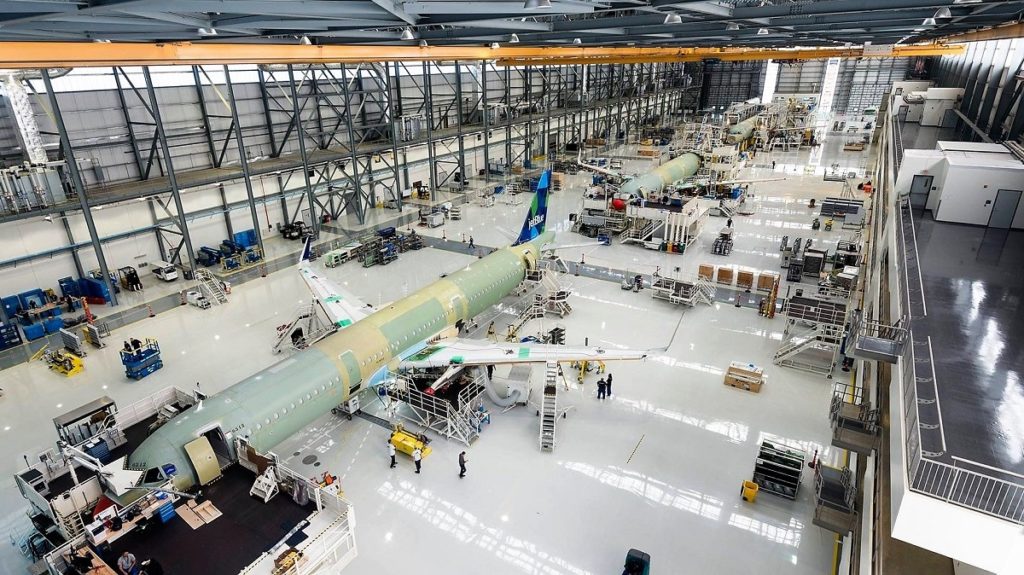
Airbus said it is working with AIDT to seek candidates to fill the first manufacturing positions at a new assembly line for A220 aircraft at the company’s production facility in Mobile. In addition, Airbus said it is hiring for production positions at its existing A320 Family aircraft manufacturing line on its Alabama campus. Altogether, Airbus plans to add 600 new employees in Mobile over the next 18 months. Open positions on both lines include aircraft structure/installation mechanics, aircraft cabin furnishings installers and aircraft electricians. Successful candidates for all positions will participate in several weeks of preparation at AIDT, the state’s primary workforce development agency, in a combination of classroom instruction and on-the-job training. “Airbus’ growth plans in Alabama underscore the strengths of the talented workforce that has already assembled more than 100 A320 family aircraft at the Mobile manufacturing facility,” said Greg Canfield, secretary of the Alabama Department of Commerce. “Alabamians take pride in their work, and building A220 aircraft in Mobile will be another major accomplishment for the state’s workforce.” For a full job description of all the positions and to apply, go to https://airbususmanufacturing.applicantpro.com/jobs/. AIDT’s contribution AIDT has already played a major role in helping Airbus assemble and train a workforce at the company’s only U.S. manufacturing facility. In 2014, AIDT, part of the Alabama Department of Commerce, opened a $7 million training facilit ynear the Airbus campus in Mobile. “The addition of the new Airbus A220 family of aircraft in Mobile is proof that Alabama is well positioned with its workforce training to meet the needs of manufacturers all over the world,” said Ed Castile, director of AIDT and deputy secretary of the Alabama Department of Commerce. “AIDT has worked with Airbus since the beginning, and we’re honored to continue our support,” he said. “Congratulations to Airbus and Bombardier. We’re proud that they chose to build this next-generation aircraft here.” Airbus and Canada’s Bombardier finalized plans last year to form a joint venture to produce Bombardier’s C Series passenger jet, now called the Airbus A220. The new A220 production facility will be at the Mobile Aeroplex at Brookley industrial complex, adjacent to Airbus’ A320 Family production line. It will build aircraft for U.S.-based customers. The assembly line, which will create more jobs and further strengthen the aerospace industry, is part of Airbus’ strategy to enhance its global competitiveness by meeting the growing needs of its customers in the United States and elsewhere. A220 aircraft assembly is planned to start in 2019, using a combination of the existing and expanded Airbus facilities at Brookley to enable the first A220 delivery from Mobile to take place in 2020. A groundbreaking ceremony for the new facility is planned for next week. A permanent production process will be established upon completion of an A220 final assembly line building in 2020. Birmingham’s HPM was selected as program manager for the construction project, according to a November announcement. HPM served as program manager for Airbus’ $600 million project to build its first U.S. manufacturing facility in Mobile, with work beginning in 2013. Airbus delivered its first Alabama-made A321 aircraft in 2016. Airbus said some candidates for the new Alabama jobs will have the opportunity for on-the-job training with the company’s manufacturing team in Mirabel, Canada, before returning to Mobile. Production on the first A220 aircraft begins in the third quarter. This story originally appeared on the Alabama Department of Commerce’s Made in Alabama website. Republished with permission from the Alabama NewsCenter.
Kay Ivey to Alabama economic developers: “Momentum is on our side.”
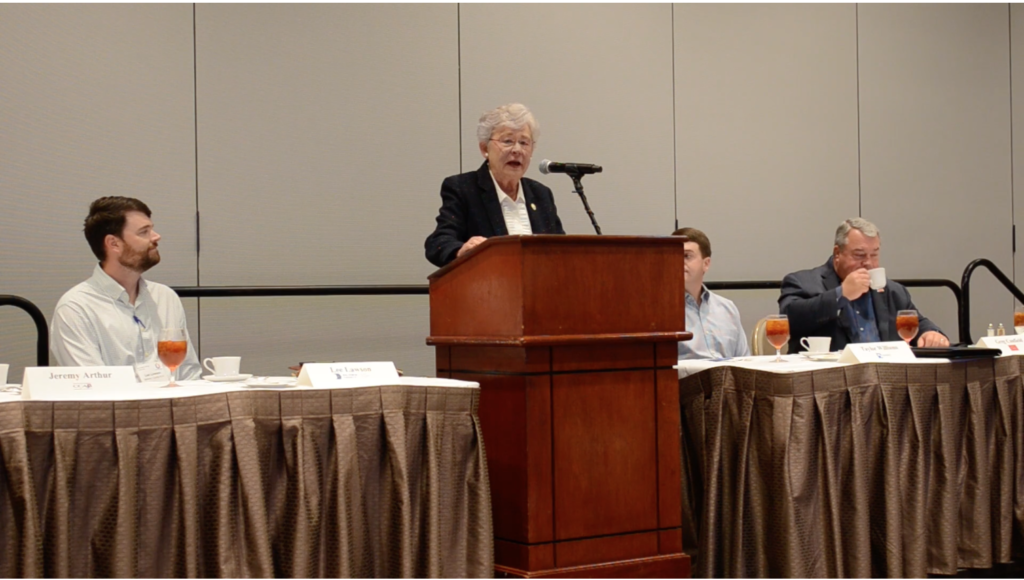
Alabama’s two main economic development leaders urged state economic developers to continue to evolve and advance to help keep the momentum Alabama has enjoyed in landing and expanding industry. Alabama Gov. Kay Ivey and Alabama Commerce Secretary Greg Canfield addressed the 2018 Summer Conference of the Economic Development Association of Alabama Monday. Both had much to brag about. Alabama’s economy has roared back since the Great Recession a few years ago to post the lowest unemployment in state history and some of the biggest names in business now — or soon will — have significant operations in the state. Gov. Kay Ivey addresses the 2018 EDAA Summer Conference from Alabama NewsCenter on Vimeo. Consider: Alabama unemployment in October 2009 was 11.8 percent. In May 2018, it was 3.9 percent. Alabama’s gross domestic product (a measure of total economic output) was 2.5 percent in 2009. In 2017, it was 3.3 percent. In 2017, the state announced economic development projects with $4.4 billion in capital investment that will create an estimated 15,456 jobs. Monday, AIDT, the state’s lead workforce training department, announced it is working a record number 135 projects with 30,000 jobs. Alabama Commerce Secretary Greg Canfield shared his cautious optimism with leaders at the Economic Development Association of Alabama summer conference. (Mike Tomberlin/Alabama Newscenter) “Times have gotten better. The strategy is paying off,” Canfield said. “But we’re not yet where we want to be.” Ivey credited economic developers at the local level across the state with helping achieve the success. “These jobs are in large cities like Mobile and Birmingham, but they’re also in smaller towns like Brewton and Bridgeport,” she said. “We’ve celebrated announcements and groundbreakings with companies like Google and Facebook and Boeing and with some growing companies, too, like Kimber Firearms and AutoCar. Y’all, momentum is on our side and I want Alabama to be every company’s first choice for their location.” Ivey said corporate CEOs from around the world tell her they are successful in Alabama because of the quality and productivity of their employees in the state. Part of keeping the momentum the governor talked about is gearing economic development toward the jobs and businesses of the future. “We’re really focused a lot on technology and innovation, the growth of entrepreneurship,” he said. “It’s really about growing the knowledge economy in Alabama that will support the industry that’s here.” Canfield said the state is about to get a major tool to work with in that regard. Alabama EPSCoR, which represents research universities and private institutions like Southern Research and HudsonAlpha, is close to unveiling a gamechanger. “EPSCoR is putting together and about to launch a digital database that’s searchable so that economic developers and site consultants and companies who want to be able to find out where they can link their product development and their own internal research with that of public universities or private research institutions, they will actually be able to go into this database and if they want to find something like who is doing research right now on composite materials, who is doing research on nickel alloys in the aerospace sector, who is doing additive manufacturing and powder alloy research in technology development? They can actually go in and be linked to the specific researchers doing that work, not just at the university level, but at the researcher level,” Canfield said. “So at the state level, we will be able to provide that connectivity. This will really help us advance economic development to the next level.” Canfield’s optimism is due, in part, to education at all levels of the state (K-12, community colleges and universities,) along with worker training initiatives working closely to complement each other’s efforts. “I think the state has never been better aligned in terms of workforce preparedness,” he said. “That terminology really includes everything from education – the academic side of education but also skills development and certifications – anything that’s industry-specific, industry-recognized and equips Alabamians with the right tools necessary to be able to do the right jobs.” With that alignment, Ivey wants to ensure education and worker training are looking ahead to what’s needed. “We’ve got a great workforce, but we have got to keep the pipeline full with folks trained with higher skills to meet the jobs that we know are coming, and some of them are already here,” Ivey said. Many of those next-generation jobs will be in aerospace. Ivey said the state delegation’s recent efforts at the Farnborough International Air Show are paying off. “Even more good news may be on the horizon for Alabama,” she said. “I’m proud of what Airbus and Bombardier are doing to finalize their plans to create a second assembly line in Mobile for the A220 series. And, also, Leonardo is still in the running to be awarded the contract from the United States Air Force to build the T-100 trainers. Y’all, if Leonardo is successful and gets that contract, there are going to be 750 new jobs in Macon County. That is huge.” Canfield, too, is hopeful for the state’s chances on the T-100 trainer. “I am so eager to hear positive news for Tuskegee and Macon County,” he said. Ivey said watching Alabamians get good-paying jobs is the true goal of economic development. “All of this good news gives me great hope about our fine state,” she said. “We all want Alabamians to be able to achieve their dreams, live in a safe environment, have a quality of life and create a reputation for the state of Alabama that is envied worldwide.” Greg Canfield at the 2018 EDAA Summer Conference from Alabama NewsCenter on Vimeo. Republished with the permission of the Alabama Newscenter.
New investment fuels aerospace job growth across Alabama
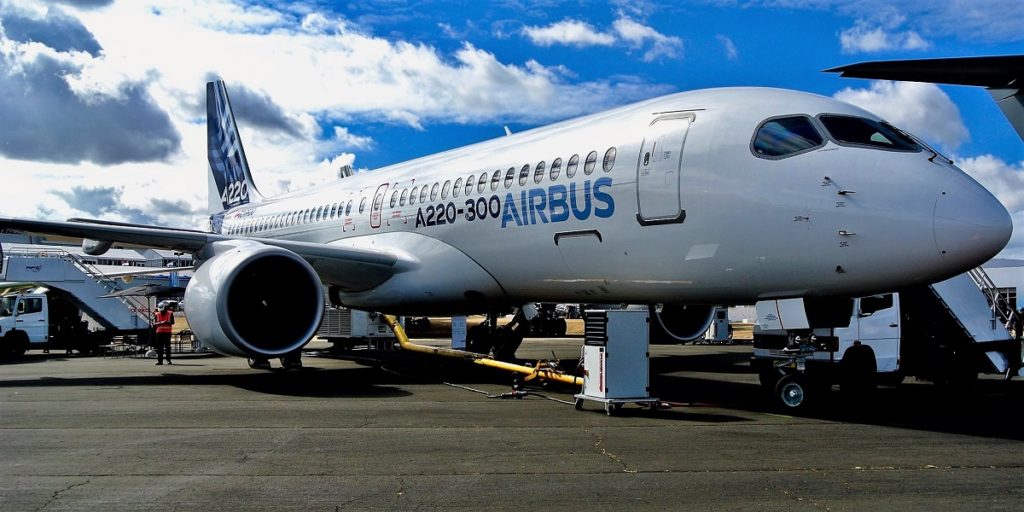
Momentum continues to build in Alabama’s aerospace industry, which is adding new investments and hundreds of jobs to produce innovative, in-demand products in communities across the state. In 2017 alone, there were announcements totaling nearly $690 million and 1,750 jobs. Those numbers increased the sector’s cumulative investment over the past seven years to almost $2.4 billion, along with 8,348 aerospace and defense jobs during the same time period. This year, there’s a hiring surge, as the plans become reality. And more jobs are on the way. At last week’s Farnborough International Airshow, defense contractor BAE Systems and Carpenter Technology Corp., a maker of premium metals and alloys used in the aerospace industry, announced expansions of their Alabama operations. Together, these projects will create more than 250 jobs in north Alabama. Meanwhile, growth plans are already in place for aerospace companies operating across the state. Airbus’ Alabama factory, for instance, is in linefor 600 new jobs, thanks to a planned second assembly line for the Bombardier C Series jetliner (renamed the A220), as well as a potential increase in the production of A320 Family aircraft. GE Aviation plans to double its 90-member Huntsville workforce in the coming year and increase to 300 when the new factory complex for silicon carbide materials reaches full production. The company is also adding workers at its Auburn facility, which mass produces a jet engine fuel nozzle using additive manufacturing, or 3-D printing technologies. Targeting growth Aerospace companies from around the world are seeing that Alabama offers plenty of advantages to help them expand their business, said Greg Canfield, secretary of the Alabama Department of Commerce. “From complex military weapons systems to innovative passenger aircraft, and many of the break-through technologies that power them all, Alabama is home to an impressive array of the industry’s leading products,” Canfield said. “How do we do it? In Alabama, we take partnerships very seriously. A company’s strategic vision and expertise, coupled with the skill and dedication of our highly trained workforce, is always a winning combination.” Canfield joined Gov. Kay Ivey and an Alabama team at Farnborough for appointments with executives of 16 aerospace companies, including Airbus, Boeing, Leonardo and GE Aviation. The talks were aimed at bringing home new investment and jobs in the aerospace sector. Aerojet Rocketdyne One of last year’s key announcements was Aerojet Rocketdyne’s $46.5 million, 800-job expansion project in Huntsville. The company is consolidating its Defense division headquarters and Rocket Shop advanced programs to the Rocket City, where it has had a presence for more than 50 years. It has also moved into a new office space at Cummings Research Park and is building a new Advanced Manufacturing Facility that will produce subassemblies and components for the AR1 rocket engine, composite cases for rocket motors, 3-D printed rocket engine components and other parts. James Ramseier, site leader for operations at the Huntsville Advanced Manufacturing Facility, said construction is about 60 percent complete and right on schedule. “We plan on opening that facility in December of 2018, and initially in 2019, we are going to go through product verification. In 2020, we will ramp up to full production,” he said. Ramseier said everyone in Huntsville, from major business groups to individual building inspectors, has been supportive and welcoming. “The culture here is, ‘Let’s all work together to help make you successful,’” he said. “It’s a pleasure working in an environment where people want you to succeed. “You don’t feel like a stranger. As soon as you move here, you’re part of the family.” Aerojet Rocketdyne’s hiring plans are moving forward as well, with support from Alabama’s top worker training agency. “AIDT is fantastic. We’re working with them every week on developing our training plans and material, and they have been outstanding to work with,” Ramseier said. Forging partnerships The company is also impressed with the ties between business and education in the community, said Bill Bigelow, chief of defense communications. “The partnerships here are very attractive to us,” he said. “We’re growing the future workforce, as we grow our presence here in Huntsville, partnering with Alabama A&M University, the University of Alabama in Huntsville and other area educational institutions, as well as the chamber of commerce and the mayor’s office.” Bigelow said the Tennessee Valley is clearly committed to bringing in the types of jobs and training programs that will grow a generational workforce. “The knowledge and the history in all things aerospace, missile-defense and industrial base operations is here, and Aerojet Rocketdyne wants to leverage that community expertise both now and well into the future,” he said. Republished with the permission of the Alabama Newscenter.
Alabama team returns home after productive talks in Japan

Gov. Kay Ivey said meetings with high-level executives from Mazda, Toyota and Honda in Japan helped to fortify the state’s relationships with the global automakers and will facilitate their growth plans in Alabama. Ivey, Commerce Secretary Greg Canfield and a team of Alabama economic development specialists returned home Thursday after talks with the automakers and an appointment with Bill Hagerty, the U.S. Ambassador to Japan. The group traveled to Tokyo on Tuesday. “Creating jobs is a team effort built upon solid relationships with business and industry leaders. When Mazda Toyota Manufacturing announced they were coming to Alabama, they chose to make this announcement in Montgomery, a sign of their support for the current direction of our state and a clear indication of the quality of our relationship,” Ivey said. “By visiting with Mazda, Toyota and Honda in their home country, we have continued to kindle our relationship with these fine companies and have returned the respect they showed by meeting with me at the state Capitol in recent months.” Mazda-Toyota appointment The Japan mission took place amid preparations by Mazda and Toyota to construct a $1.6 billion assembly plant in Huntsville that will have 4,000 workers and produce 300,000 vehicles per year. When production launches in 2021, Mazda Toyota Manufacturing USA, as the alliance is known, will become the first new assembly facility to open in Alabama since Hyundai opened a plant in Montgomery in 2005. “A goal of the mission was to reiterate our support for the development and implementation of the Mazda-Toyota joint venture’s supply chain strategy for the new assembly plant,” Canfield said. “The supplier network will be substantial, and we’d like to see it anchored in Alabama.” Mazda and Toyota executives told the Alabama team the project remains on target, with construction work at the Limestone County site scheduled to begin by Oct. 1. The Alabama officials assured the automakers that the site will be graded and prepared for construction on that timeline. Ivey told the automakers that AIDT, the state’s primary workforce development agency, is ready to engage with them on developing a workforce program and suggested a near-term meeting to launch the process. AIDT has been involved in preparing Alabama’s auto industry workforce for a quarter century. “Alabama has a wealth of resources that can help these great automakers build their business in the state, ranging from first-class contractors that can assist with construction to research universities eager to collaborate with them to discover technical advances and new processes,” Ivey said. “With this mission, we strengthened our critically important partnerships with these automakers and continued to make clear our commitment to helping them create jobs and grow over the long term, not just in their current locations, but throughout Alabama.” Honda appointment During a visit to Honda, the Alabama team spoke with Yohshi Yamane, a senior managing director, and received an update on an expansion at the automaker’s Talladega County plant that was announced in 2017. The $85 million project is designed to improve manufacturing flexibility at the Alabama factory. The group also got a briefing on possible new advanced technologies that could be introduced at the plant. Ivey and Canfield met Tsutomu “Mori” Morimoto, who became president of Honda Manufacturing of Alabama on April 1. He was previously president of Honda’s Canada operation. Honda’s $2.6 billion Alabama facility has more than 4,500 employees and produces around 340,000 vehicles and V-6 engines each year. During the appointment with Ambassador Hagerty, the discussion focused on the strength of the U.S. auto industry, particularly in the Southeast, where the sector continues to expand. Employment in the state’s auto industry employment today tops 40,000, a figure that has increased 150 percent since 2000, according to data from the Alabama Department of Commerce. Republished with the permission of the Alabama Newscenter.
GE Aviation managers in growing Alabama plant share training duties
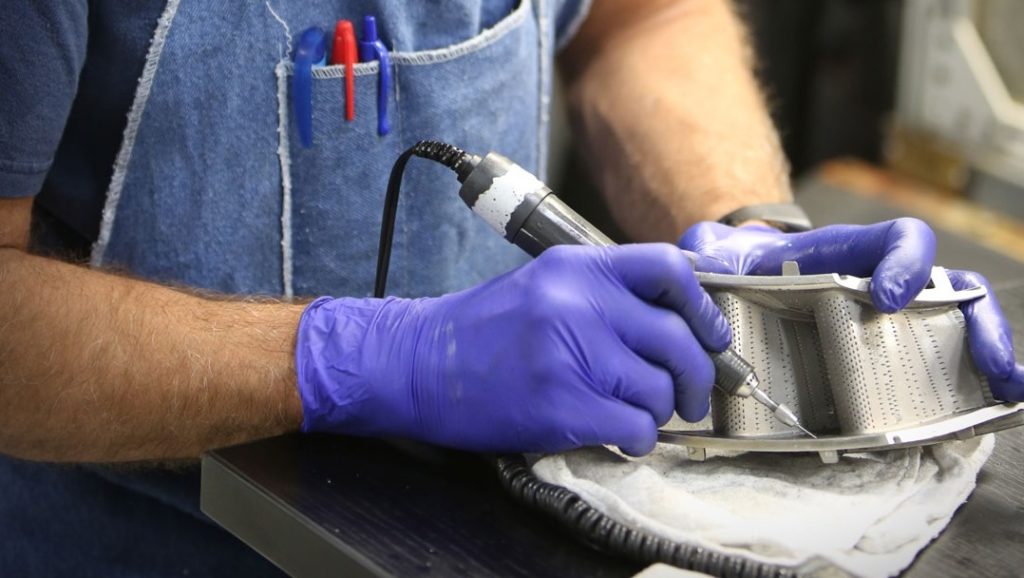
Joseph Moore works days on the shop floor at GE Aviation’s fast-growing jet engine factory in Auburn – then teaches his experiences at night in the classroom. He’s one of several operations managers at GE’s Auburn site with a teaching role during the month-long vocational training sessions at Southern Union State Community College near Auburn to prepare GE’s growing roster of hourly workers About four sessions are held annually to handle the demand for more trained workers in the GE Auburn factory. In addition to the Southern Union instructors, the program includes Moore and his GE colleagues each leading a three-hour evening of instruction each week. “I really enjoy the interaction,” said Moore, who teaches lean manufacturing, Six Sigma quality practices and compliance. “Being part of the training also allows us to get a good look at the people we are evaluating for positions at the plant.” The close cooperation between GE Aviation, Southern Union and the Alabama Department of Commerce is another example of GE Aviation preparing workers for the skill sets required in its new modern factories across the U.S. “Alabama has long been a leader in workforce development, and it’s critical that we partner with industry leaders like GE Aviation to develop cutting-edge training programs like this one,” said Ed Castile, director of AIDT and deputy secretary of the Alabama Department of Commerce. “With new technologies rapidly changing how factories and other workplaces operate, our workers must be equipped with the in-demand skills to succeed in the future.” GE’s Auburn facility uses sophisticated equipment to machine advanced turbine airfoils and structural components for jet engines. Machine operators vying for positions are first trained at Southern Union with a curriculum developed by the Commerce Department’s AIDT division and by local GE plant leaders. GE Auburn produces components for the fastest-selling jet engine in commercial aviation history, the “LEAP” engine for CFM International, the 50/50 joint company of GE and Safran Aircraft Engines of France.GE is actively involved in the training process because GE Auburn is ramping up fast. Employment reached 200 people in March and is expected to grow to 280 by year’s end, according to plant manager Ricardo Acevedo. More than 14,000 LEAP engines are on back order to power three airplanes: the Airbus A320neo (soon to be made in Alabama), Boeing737 MAX and China’s COMAC C919. The Airbus and Boeing airplanes are now in airline service. The GE and Safran factories delivered 459 LEAP engines in 2017. The LEAP delivery goal is up to 1,200 engines for 2018 and in the 1,800-engine range in 2019. In addition to machining parts, the Auburn site this year will produce more than 34,000 fuel nozzle injectors for the LEAP engine using additive manufacturing machines. Auburn’s 37 additive machines is expected to grow to 45 by midyear to handle the needed higher volume. These employees require six weeks of in-house training. GE is looking at ways to engage the local community colleges in offering additive manufacturing as part of their curriculum. GE Aviation is also engaging with engineering students at Auburn University in additive manufacturing projects as part of a groundbreaking partnership. ‘Great careers’ Training for GE’s Auburn employees is not limited to community college classes. The plant also offers training in non-destructive testing in which employees become certified to evaluate jet engine components scanned in advanced X-ray machines. “There’s a skills shortage in this field,” said Tory Landry, the plant’s human relations leader. “It’s hard to find the people. We offer in-house training to candidates who can then experience a significant pay increase.” Among the factors Acevedo attributes to high retention at the plant is the GE investment in training. “There are great careers in advanced manufacturing,” he said. Over the past decade, GE Aviation has opened eight new facilities in the United States, including the new factory in Auburn and a $200 million advanced materials production center in Huntsville. Republished with the permission of Alabama Newscenter.
Alabama business leaders announce AlabamaWorks, new unified workforce system
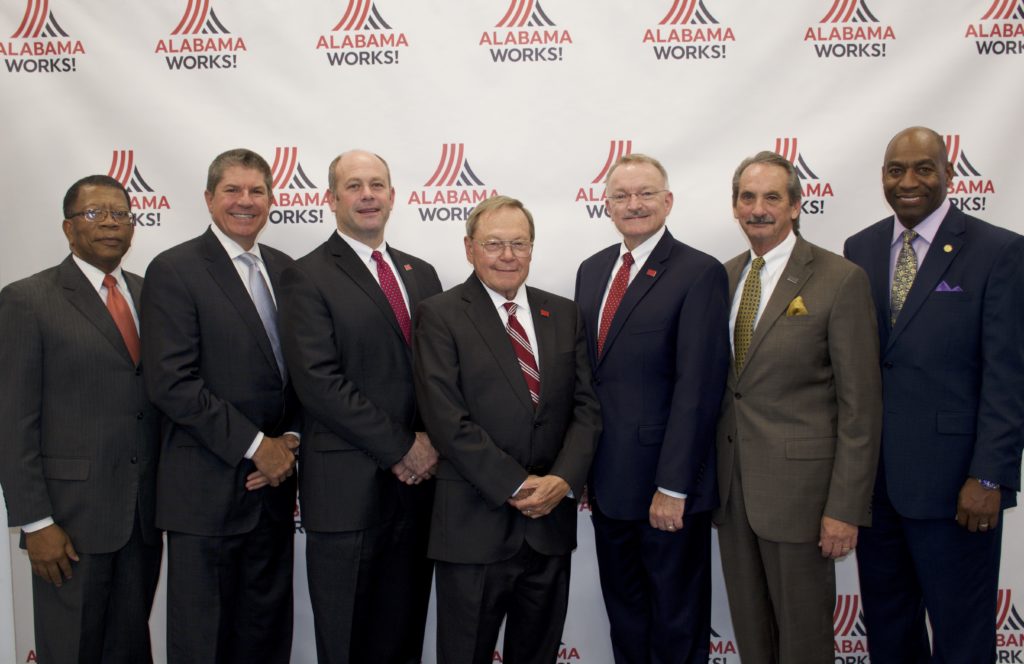
Alabama business, education and workforce training leaders made a major announcement Tuesday at the RSA Center for Commerce in Montgomery about the state’s workforce development system. Together they will transform the state’s workforce development efforts into one unified system, AlabamaWorks, that will seamlessly link employers looking for skilled workers with Alabamians seeking jobs or job training. “The Alabama Workforce Council and our partners are focused on helping transform the state’s workforce system to dramatically improve the livelihoods for millions of Alabama families for years to come,” said Zeke Smith, executive vice president at Alabama Power Co. and chairman of the Alabama Workforce Council (AWC). “We are doing that today by providing a tool to match the needs of employers with job seekers across our state to grow our economy and raise the standard of living for Alabamians.” Tuesday’s announcement marked a major milestone in the unification of Alabama’s workforce system, bringing together key components of the K-12 and two-year college systems, state workforce training and placement services, and industry. “We didn’t want to settle for a mere touch-up. We called for a new identity, a new brand – recognizable, descriptive and effective,” George Clark, president of Manufacture Alabama and vice chairman of the AWC remarked. “And we needed everyone involved in workforce development – state agencies, education and the business sector – all pulling together in the same direction.” AlabamaWorks will more easily connect businesses with job seekers and help prepare workers by linking them to career and job training opportunities. Over the course of the next year, each of the state’s seven newly restructured Regional Workforce Councils will integrate its services into the new AlabamaWorks brand. Ed Castile, deputy secretary of the Department of Commerce and executive director of Alabama Industrial Development and Training (AIDT), said the backbone of AlabamaWorks will be the seven local Regional Workforce Councils, local Alabama Career Centers and the new AlabamaWorks website. “Our system is driven by local businesses and will therefore be responsive to the current and future needs of businesses in Alabama,” Castile explained. “Each Regional Workforce Council will be able to focus on the business sectors within its geographical area.” AlabamaWorks is the result of an ambitious, business-driven initiative and partnership between leaders in the private and public sectors. “Today is about a lot more than a new brand and new logo,” added Greg Canfield, secretary of the Alabama Department of Commerce. “It’s about taking Alabama to the national forefront of workforce development so that every person in Alabama who wants to find a job can, and so that every employer that comes to Alabama will be able to hire the skilled workers it needs. We truly believe that we are building a system that will soon become a national model.”
Polaris Industries holds grand opening, Robert Bentley speaks at ceremony
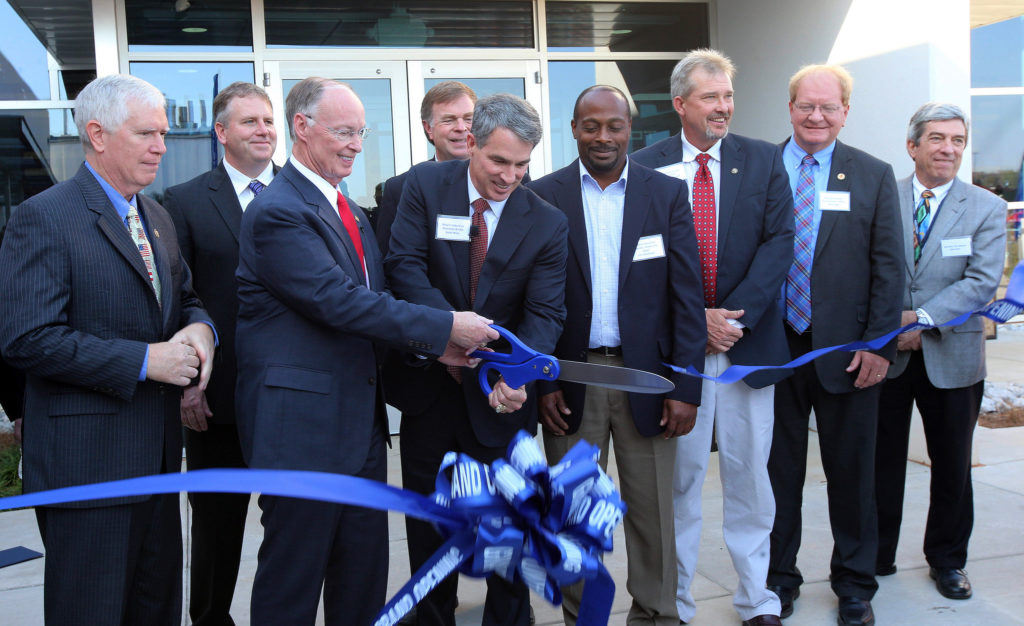
Gov. Robert Bentley joined executives from Polaris Industries as well as state and local officials for the new Polaris Huntsville Center of Manufacturing Excellence grand opening ceremony and ribbon cutting in Madison, Alabama Tuesday morning. The powersports leader announced it began making Polaris RANGER vehicles and Slingshots earlier this summer at the state-of-the-art manufacturing 910,000-square-foot facility, which handles assembly, chassis and body painting, welding, fabrication and injection molding. In addition to the manufacturing hub, the 505-acre campus also has a research and development (R&D) center as well as a distribution warehouse. “Polaris is the perfect addition to Alabama’s manufacturing sector,” Bentley said. “We are proud of the strides we are making in advanced manufacturing. Our focus is to provide companies with a strong workforce through Alabama Industrial Development Training. AIDT works hard every day to provide the necessary training to prepare employees for these skilled jobs. The Alabama team will continue to work with Polaris and other companies to ensure their success in our state.” Alabama Industrial Development Training (AIDT) has worked with Polaris since August 2015 conducting interviews and pre-employment training to ready the facility. To date over 15,000 people have applied for jobs, with AIDT reviewing over 7,100 applications. Of those applicants, 676 people successfully completed pre-employment training and were presented to Polaris as potential candidates for employment. Polaris currently employs 400 hourly team members and 90 salaried team members with plans to employ 1,700 team members. Polaris will eventually employ up to 2K Alabamians producing these vehicles. North AL is truly committed to helping our people get good jobs pic.twitter.com/Qto9jX9Qtw — Gov. Robert Bentley (@GovernorBentley) November 1, 2016
