
Kay Ivey mandates no more food funds in sheriff’s pockets
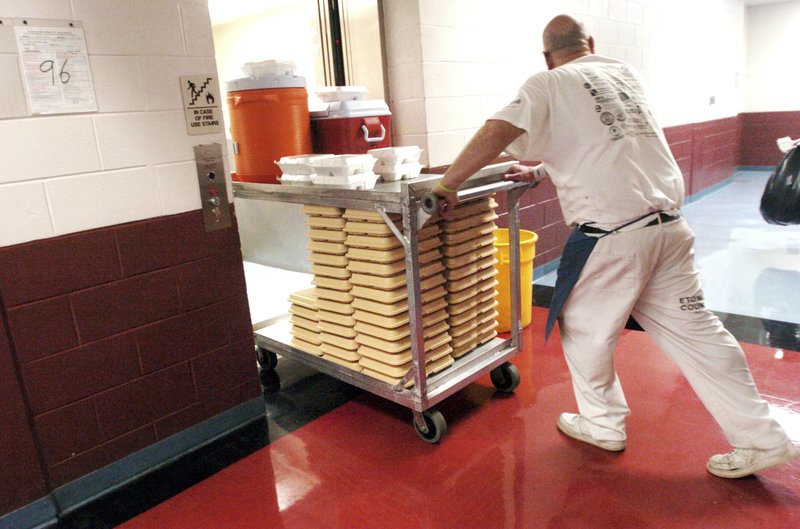
After several reports this year of Alabama sheriff’s stealing and pocketing hundreds of thousands of dollars meant for inmates food rations, Governor Kay Ivey has said, “no more.” On Tuesday, Ivey issued a memo to the state comptroller rescinding the Yellowhammer State’s policy of “paying prisoner food service allowances directly to sheriffs in their personal capacities.” Funds must now instead go straight to government accounts. “For decades, sheriffs have made extra money – sometimes hundreds of thousands of dollars – under a Depression-era system by feeding prisoners for only pennies per meal,” the Associated Press reported. The previous guidelines allowed sheriffs to use $1.75 a day to feed each prisoner, then pocket anything that was left over. This practice led to Monroe County Sheriff Tom Tate to pocket $110,458 over the course of three years; and Etowah County Sheriff Todd Entrekin to collect $672,392 in 2015 and 2016. Ivey’s legal team used 2011 ruling made by former Attorney General Luther Strange to back-up the new mandate. “Based on the facts presented, neither the sheriff nor the county may use the surplus for any purpose other than future expenses in feeding prisoners,” Strange had said. The problematic precedent was previously set in 2008 when then-Attorney General Troy King ruled “the sheriff may retain any surplus from the food service allowance as personal income,” in a letter to Etowah County Commission Attorney James Turnbach. Alabama has one of the highest incarceration rates in the world with 946 people imprisoned per 100,000 people in the state in prison or jail. The state’s prison system has also faced some legal trouble. In 2014, the Southern Poverty Law Center (SPLC) and the Alabama Disabilities Advocacy Program filed a lawsuit against the Alabama Department of Corrections (ADOC) to end the poor conditions in the state prison system, including the understaffing of both correctional and mental health workers.
New study reveals Alabama has 5th highest incarceration rate in the world
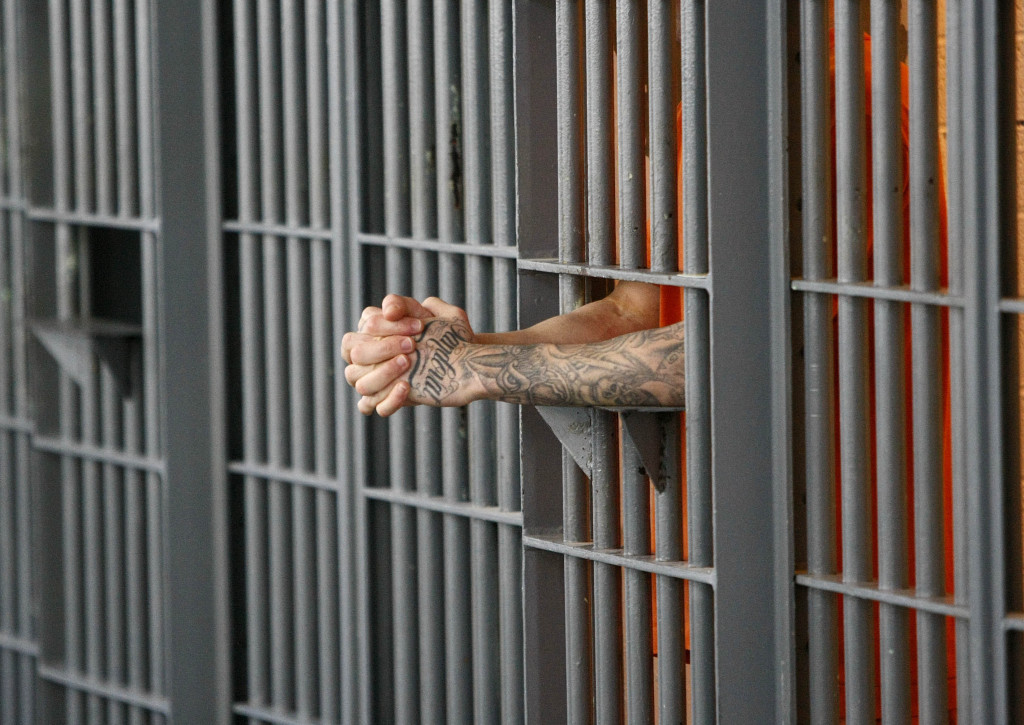
The Prison Policy Initiative released a new report in May comparing the incarceration rate of each American state to countries around the world, and the Yellowhammer state came in fifth place overall. Fifth place, compared to the entire world; yikes Alabama. Oklahoma topped the list with 1,079 inmates per 100,000 of populous in their state but Alabama was not far behind, reporting 946 people imprisoned per 100,000 people in the state; the U.S. national average is 698 per 100,000. But the Yellowhammer state was not the only one with higher ratings, a total 23 states in the nation were reported to have rates over the national average, giving them the highest incarceration rates in the world. The report then compared these numbers to other nations around the world, where even places like Slovakia, Argentina, Australia and the Ukraine had less than 200 people per 100,000 incarcerated. “If we imagine every state as an independent nation…every state appears extreme,” said the report. “Massachusetts, the state with the lowest incarceration rate in the nation, would rank 9th in the world, just below Brazil and followed closely by countries like Belarus, Turkey, Iran, and South Africa.” “States like Alabama, with incarceration rates even higher than the U.S. average, compare even worse. Next to other stable democracies, Alabama is off the charts,” the Prison Policy Initiative explained. The prison system in Alabama is long overdue for an overhaul, the state prison system houses nearly twice the inmates it was designed for. Prison officers and inmates have been killed and injured in a series of violent crimes behind bars, and with several reports this year of Sheriff’s stealing and pocketing hundreds of thousands of dollars meant for inmates food rations, it’s a wonder we’re not talking about this issue. In 2014, the Southern Poverty Law Center (SPLC) and the Alabama Disabilities Advocacy Program filed a lawsuit against the Alabama Department of Corrections (ADOC) to end the poor conditions in the state prison system, including the understaffing of both correctional and mental health workers. According to the SPLC, as of January 2018, the state still hadn’t come up with an acceptable remedy to address the “horrendously inadequate” and unconstitutional mental health care and staffing needs of the ADOC. “As Gov. Kay Ivey and ADOC Commissioner Jeff Dunn have both recognized, the constitutional violations of how the state treats prisoners developed over a generation. It will be difficult, and likely costly, to fix them. But ADOC has to fix them,” said Maria Morris, senior supervising attorney for the SPLC, and lead litigator in the case. Ivey responded by adding an additional $51 million to the ADOC budget earlier in 2018.
Alabama’s prison system back on trial this week
Alabama’s prison system is back on trial this week. The trial marks the latest stage in a lawsuit the Southern Poverty Law Center (SPLC) and the Alabama Disabilities Advocacy Program filed in 2014 against the Alabama Department of Corrections (ADOC) to end the poor conditions in the state prison system, including the understaffing of both correctional and mental health workers. According to the SPLC, the state has yet to come up with an acceptable remedy to address the “horrendously inadequate” and unconstitutional mental health care and staffing needs of the ADOC. The SPLC will argue just that in its closing arguments scheduled for Wednesday, Jan. 24 at 3 p.m. They follow weeks of testimony outlining ADOC’s plans to increase mental health and correctional officer staffing, raise personnel pay, and enhance outreach to potential new hires. Alabama legislators have requested $80 million over the next year and a half to address the issues plaguing the ADOC. But according to the SPLC, that amount does not address the current shortfalls, nor does it take into consideration decades of inadequate funding. “As Gov. Kay Ivey and ADOC Commissioner Jeff Dunn have both recognized, the constitutional violations of how the state treats prisoners developed over a generation. It will be difficult, and likely costly, to fix them. But ADOC has to fix them,” said Maria Morris, senior supervising attorney for the SPLC, and lead litigator in the case. “ADOC needs to be fast, creative and aggressive in figuring out how to come into compliance with the Constitution,” Morris added. “The recent budget request for ADOC covers little more than the expected increase in the system’s health care costs, and does nothing to address correctional staff shortages or the unconstitutional level of care.” Responding to the federal lawsuit in June 2017, the U.S. District Court issued a 302-page ruling declaring that Alabama’s prison system has failed to provide mental health care to the state’s prison population and is in violation of the Eighth Amendment’s prohibition on cruel and unusual punishment. “Given the severity and urgency of the need for mental-health care explained in this opinion, the proposed relief must be both immediate and long term,”U.S. District Judge Myron Thompson wrote in his decision. State officials denied providing inadequate mental health treatment, but the judge cited evidence to the contrary from inmates and prison officials. One inmate killed himself days after testifying, prompting the state to agree to new suicide prevention methods while the trial continued. The judge acknowledged that the department blames lack of funding, but said money alone couldn’t make up for such poor treatment, and sweeping change is required. Alabama’s state prison system houses nearly twice the inmates it was designed for. Prison officers and inmates have been killed and injured in a series of violent crimes behind bars.
