
Alabama House votes 67-31 to end special elections
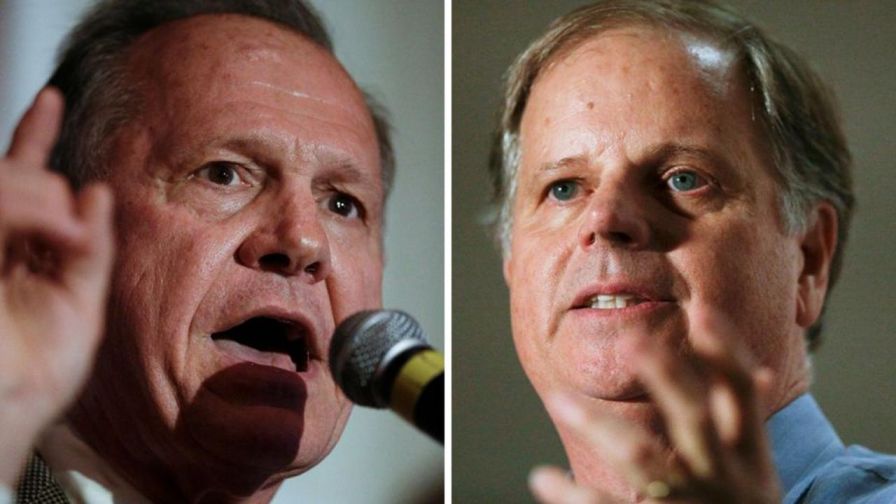
Alabama is poised to an to end special elections when vacancies occur in the state’s two U.S. Senate seats, should a bill that has now cleared the state House garner enough votes in the state Senate. HB17, which was approved by voice vote in the House Constitution, Campaigns and Elections Committee the first week of session, found itself on the House floor Tuesday. There, it passed 67-31, along party lines. Sponsored Ozark-Republican State Rep. Steve Clouse, the bill is intended to save taxpayers the cost of another special election should a vacancy occur in the U.S. Senate. If passed by the Legislature, the bill would allow the governor to appoint an temporary replacement to a vacant Senate seat, followed by an election that would coincide with the next general election occurring more than one year after the vacancy occurs. The state holds general elections every two years. While many speculate HB17 was introduced simply because a Democrat, U.S. Sen. Doug Jones bested Republican candidate Roy Moore in December’s special election. Clouse says otherwise. He introduced the bill in the wake of 2017’s controversial scheduling of a special election after former Sen. Jeff Sessions vacated the seat to become U.S. attorney general. According to Clouse, the special election cost the state $11 million. While it’s a certainly a deviation from Alabama’s current procedures, the method isn’t all that uncommon. According to the National Conference of State Legislatures, 36 other states use gubernatorial appointments should a vacancy occur. They say the Yellowhammer State is one of only 14 states to rely on a special election to fill a vacancy. HB17 now moves to the state Senate for further consideration.
Bill giving police access to cellphone location data passes Alabama House

The Alabama House of Representatives on Thursday passed a bill requiring wireless companies in the state to hand over location data to law enforcement agencies upon request, in an emergency situation involving a risk of death or serious bodily harm. Scottsboro-Republican state Rep. Tommy Hanes introduced HB5: the Kelsey Smith Act, which passed 95-0. The legislation is named after Smith, a Kansas teen who was abducted in broad daylight in the parking lot of a Target store and ultimately raped and murdered in June 2007. It was four days between the time she disappeared to the time her cell phone location information was released, and her body was found by the police. The states that have the system in place already have reported several “saves,” where people that have been saved from the use of the law. The Kelsey Smith Act is currently law in 22 other states across the country. Kansas: April 17, 2009 New Jersey: January 29, 2010 Nebraska: March 17, 2010 Minnesota: May 13, 2010 New Hampshire: July 13, 2010 North Dakota: April 8, 2011 Tennessee: April 26, 2012 Hawaii: April 30, 2012 Missouri: July 6, 2012 Pennsylvania: October 22, 2014 Utah: March 27, 2013 West Virginia: April 12, 2013 Colorado: May 13, 2013 Nevada: May 23, 2013 Rhode Island: July 15, 2013 Oregon: March 6, 2014 Arkansas: March 13, 2015 Iowa: May 1, 2015 Washington: May 7, 2015 Louisiana: June 23, 2015 Delaware: August 7, 2015 Indiana: March 21, 2016 The bill next goes to the Alabama Senate for debate.
Mac McCutcheon: My vision for the Alabama House
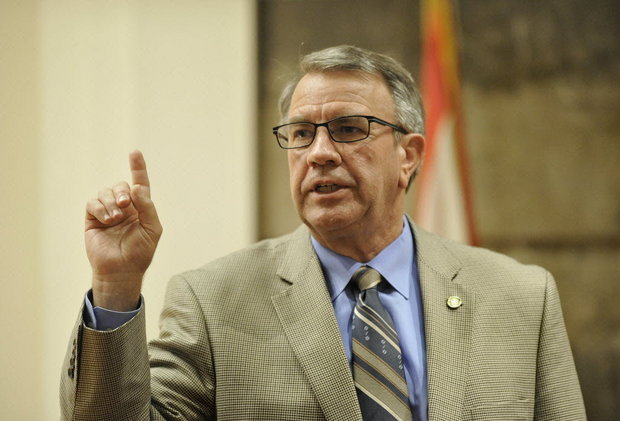
As the newly-elected Speaker of the Alabama House of Representatives, I thought it important to take a moment and let readers here know something about my background, my philosophy, and my vision for how the legislative chamber should operate during the upcoming regular session and thereafter. Though unorthodox, I will begin by letting you know the things I am not. I am not a career politician. After 25 years in law enforcement, I was elected to the House in 2006 during my first run for office, and I serve solely to give back to the state, community, and neighbors that have been so good to me. My only priority is the office I currently hold I am not guided by a desire for riches, power or the other temptations that elected office sometimes offers. As a retired police officer living on a monthly pension, my future resources are already determined, and my wife and I are quite thankful for all that life has already provided us. I am not beholden to any special interests groups. As a lawmaker and public servant, I am beholden to the 45,000 citizens in House District 25, to the people of Alabama, to my family, and to my Lord and Savior. Now let me tell you the things that I am. I am a man who is humbled by the confidence and trust that my colleagues have offered by electing me as Speaker of the House, especially following such difficult and often controversial times in our government. I am determined to utilize the talents, ideas, and input of every member of the House whether man or woman, Republican or Democrat, conservative, moderate, or liberal. A legislator’s worth as a member should not be solely determined by whether a D or an R follows their name on the roster, but rather by their work ethic, their commitment to understanding important issues, and the soundness of the ideas and initiatives they have to offer. Moving Alabama forward is going to require us to adjust the way the House has operated over the past several decades. I plan to create a system that opens and embraces the legislative process and allows bills to sink or swim based upon their own merits and the sponsors’ ability to convince their colleagues to offer support. Taking a turn from the politics of the past will not be simple or easy because old habits die hard, but we must begin the effort anyway. The motto of the Alabama House is “Vox Populi” which means “Voice of the People.” This statement serves as my driving force and rulebook for how the body will operate moving forward. We consist of 105 members, with 105 districts, and 105 different constituencies. It is important to me that our Representatives have every opportunity to be the voice of their district, and this will be the defining feature of our House. I have discussed the ideas outlined above with members of House and Senate leadership, the lieutenant governor, and Gov. Robert Bentley, and all have indicated some level of support for them. As a result, I am confident that if we work together, lawmakers can improve Alabama’s future by helping to create jobs for the jobless, offering hope to the hopeless, and providing a quality education to the children who are our future and will one day take our places in this Alabama State House. Evidence of this fact was on display during the September special session when House members of both parties joined together in passing landmark legislation that pays down a significant portion of our state’s debt, provides needed funding for road and bridge projects related to economic development on the Gulf Coast, and shores up funding needs in the Medicaid agency’s budget. And, best of all, we were able to do all of this with no new taxes. On the day my colleagues elected me Speaker, I stood in the well of the House and asked God’s blessings on every action, every decision, and every vote that takes place in the chamber so that we may fulfill the calling in Peter 4:10, which reads, “Each of you should use whatever gift you have received to serve others, as faithful stewards of God’s grace in its various forms.” I believe that if we simply follow that biblical admonition, House members will succeed in doing our jobs well. ••• Mac McCutcheon serves as Alabama’s Speaker of the House and represents District 25 which encompasses the communities of Madison City, Huntsville, Capshaw, Monrovia and East Limestone. Follow Speaker McCutcheon on Twitter via @MacDistrict25 and Facebook at facebook.com/speakermccutcheon.
Alabama House to debate how to spend BP oil spill settlement

The Alabama House Ways and Means Committee approved a plan on Tuesday for spending Alabama’s settlement money from the 2010 Deepwater Horizon “BP” oil spill in the Gulf of Mexico. The plan, devised primarily by Ozark-Republican and Committee Chairman Steve Clouse, calls for the state to create a $639 million bond issue and apply the BP payments to pay off the bonds. Under the plan, $450 million of the settlement would be used for debt repayment and nearly $200 million toward road projects in coastal counties. Clouse, said paying debt early would free up state funds and provide nearly all of additional $85 million in funding requested by Alabama Medicaid, by creating a surplus of $70 million in this year’s budget and next year’s budget. The House approved a similar plan in April, but the spending proposals fell apart over a disagreement between northern and southern Alabama lawmakers over how much money should be spent on state debt versus road projects in south Alabama. House and Senate Republicans plan to meet Wednesday to discuss a workable agreement. A vote on the bill could come as early as Wednesday.
Alabama House passes 11th-hour Medicaid funding patch in BP settlement compromise
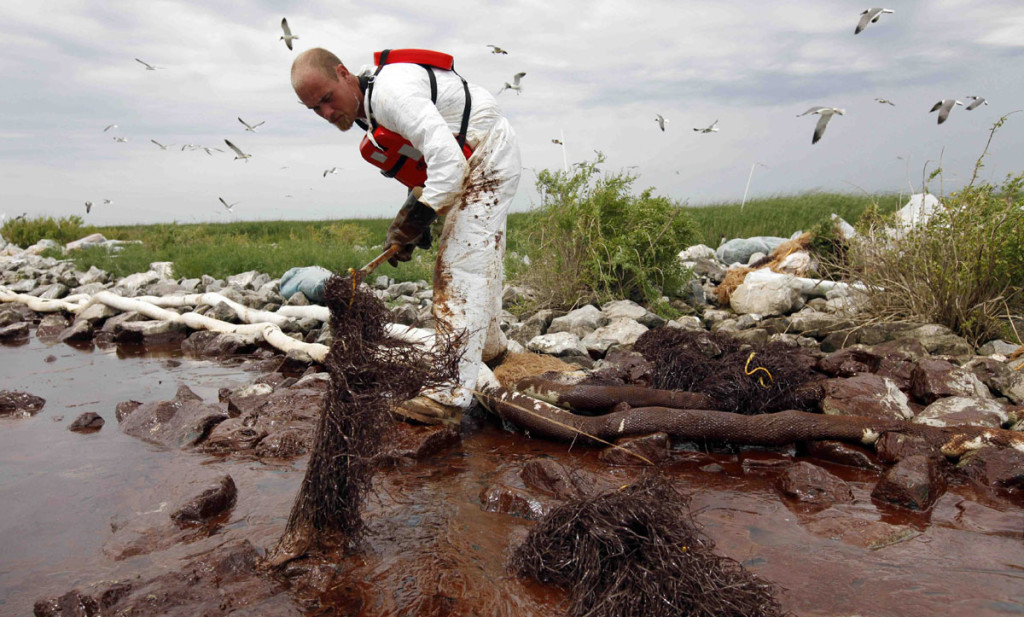
A deal providing $70 million in additional funding from the BP settlement to Medicaid was struck Thursday night in the Alabama House, providing a one-time patch to the ailing health care program on the last possible day to come to a compromise during the 2016 Regular Session. Passing the House 82-12, the band-aid measure will come from the more than $1 billion in settlement funds from the 2010 Deepwater Horizon BP oil spill. The settlement isn’t paid in a lump sum, but is spread out over the next 17 years. But the Medicaid patch is not the only part of the grand compromise. Under the agreement, a $600 million bond would be taken out against the promise of the settlement, and used to pay back $448 million in debt obligations and $191 million in infrastructure funding to Mobile and Baldwin Counties, in addition to the funds going to Medicaid. The $70 million Medicaid money is still $15 short of what the agency requested, and has detractors on both sides of the issue. Ed Henry, Republican of Hartselle and other legislators and interested parties are concerned this amounts to kicking the can down the road once again. “What I do hate is the idea of spending one-time money on Medicaid,” said Henry. The Senate left their record open to receive messages from the House, ensuring the compromise can be taken up by the upper body in the last two days of the Regular Session. Both the House and Senate are adjourned until Tuesday. They are expected to reconvene Tuesday, and conclude the year’s session Wednesday.
23 Alabama legislators sign Robert Bentley articles of impeachment
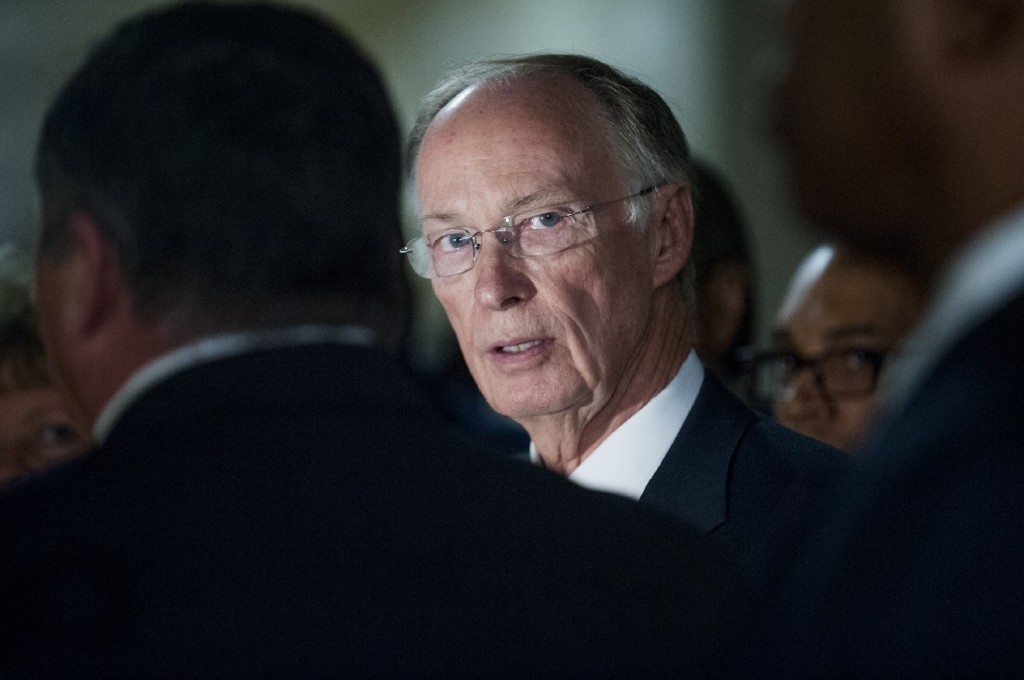
Twenty-three members of the Alabama House of Representatives have signed a resolution authored by Republican from Hartselle Ed Henry calling for the impeachment of Governor Robert Bentley in light of an alleged affair and the possibility of improper use of taxpayer funds. The resolution’s signatures slightly exceeded the 21 needed to file the resolution, according to a separate resolution sponsored and passed by Rep. Matt Fridy, Republican of Montevallo Tuesday which established the procedures for impeachment. An impeachment clause exists in the Alabama Constitution, but has never been used on a constitutional officer. Under the procedure resolution, 63 members of the 105-member house will have to vote to begin the Senate-led trial. The Resolution has been referred to the House Judiciary Committee for further action. While the majority of the impeachment resolution’s signees are Republicans who have previously called for the Governor’s resignation, it took a few Democrats signing on to meet the new procedure’s requirements. The following representatives signed the resolution calling for the governor’s impeachment. Ed Henry (Sponsor) Will Ainsworth (Republican of Guntersville) Mike Ball (Republican of Madison) Mack Butler (Republican of Gadsden) Danny Crawford (Republican of Athens) Allen Farley (Republican of Pleasant Grove) Craig Ford (Democrat of Gadsden) Tommy Hanes (Republican of Bryant) Mike Holmes (Republican of Wetumpka) Reed Ingram (Republican of Montgomery) Arnold Mooney (Republican of Birmingham) Barry Moore (Republican of Elba) Johnny Mack Morrow (Democrat of Red Bay) Becky Nordgren (Republican of Gadsden) Jim Patterson (Republican of Meridianville) David Sessions (Republican of Grand Bay) David Standridge (Republican of Oneonta) Patricia Todd (Democrat of Birmingham) Isaac Whorton (Republican of Valley) Ritchie Whorton (Republican of Owens Cross Roads) Margie Wilcox (Republican of Mobile) Jack W. Williams (Republican of Georgetown) Phil Williams (Republican of Harvest) Below is the entire text of the articles of impeachment. ARTICLES OF IMPEACHMENT AGAINST GOVERNOR BENTLEY. WHEREAS, in 2010, Governor Bentley was elected the 53rd Governor of the State of Alabama and was reelected to a second term in 2014; and WHEREAS, Section 173 of the Constitution of Alabama of 1901 provides that the Governor and other constitutional officers of this state may be impeached upon the adoption of articles of impeachment by this body and upon trial by the Senate, acting as a court of impeachment; and WHEREAS, two formal complaints have been filed with the Alabama Ethics Commission to determine whether Governor Bentley violated state ethics laws by misusing state property; and WHEREAS, in recognition of the gravity of the adoption of these articles of impeachment and upon findings that Governor Bentley has violated the public trust, this body concludes Governor Bentley should be impeached for cause; now therefore, BE IT RESOLVED BY THE HOUSE OF REPRESENTATIVES OF THE LEGISLATURE OF ALABAMA, That Governor Bentley is impeached for cause and that the following articles of impeachment, based upon the findings in this resolution, be transmitted to the Senate for trial as provided in Section 173 of the Constitution of Alabama of 1901: ARTICLE I. Willful Neglect of Duty. Credible evidence exists to create probable cause to believe that, in his conduct while Governor of the State of Alabama, he willfully neglected his duty as Governor by failing to faithfully execute the laws of this state and by refusing to perform his constitutional and statutory duties. ARTICLE II. Corruption in Office. Credible evidence exists to create probable cause to believe that, in his conduct while Governor of the State of Alabama, he unlawfully misused state property, misappropriated state resources, and consistently acted in violation of law to promote his own personal agenda.
Alabama House committee passes weakened payday lending reform

The House Financial Services Committee voted Wednesday to approve a version of the payday lending reform bill already passed by the Alabama Senate, but neither side of the debate is particularly happy with the outcome. Weaker than the original legislation, the substitute bill offered during the committee meeting Wednesday restricts payday lenders to making loans at 15 percent for minimum terms of 28 days, which cuts the APR of such loans significantly, but not as much as reformers had hoped. The move is seen as a compromise, and the original bill’s sponsor Danny Garrett, a Republican of Trussville, said it means “[w]e’re moving to the point where we’ll have reform this year.” Besides the increase in the amount of interest allowed, one of the biggest issues reformers have with the new bill is the maintenance of the inability to pay off the loans in installments, one of the features they say keep low-income borrowers trapped in a cycle of debt. In a public hearing on the previous Wednesday, a member of the payday lending industry said the original bill would be an “extinction event” for the entire sector. Blake calls payday loan bill a “global extinction event” for payday lenders. #alpolitics — Tim Lockette (@TLockette_Star) April 20, 2016 A database created by the Alabama Department of Banking found Alabamians took out 462,209 loans over a 10-week period. A total of $146 million was borrowed, or an average of about $14 million each week. A coalition of activists from across the state have fought for years to bring reform to the table. The Alliance for Responsible Lending in Alabama (ARLA) has members from the Arise Citizens’ Policy Project, Alabama Appleseed, the Alabama State Conference of the NAACP, the Alabama Citizens’ Action Program, the Southern Poverty Law Center, and the Federation of Republican Women. While opponents of reform say such loans are sometimes necessary to help low-income families through tough times, ARLA policy analyst Stephen Stetson wrote in an op-ed last month that what can appear to be a helping hand for those in need can be an “anchor” holding them in a cycle of poverty. “We all want a world where people can get the kinds of credit they need. But that requires putting some brakes on a system that all too often acts as an engine for poverty, handing out extremely high-cost loans to desperate folks who may treat them as a lifeline. Too often, those ‘lifelines’ instead end up as anchors, dragging people into financial quicksand.” But regardless of the compromise, the changes made to the bill may mean reform is dead in the water this year, as it will have to be re-passed by the Senate, and this time under the body’s unanimous consent rules, with just a few days left in the Regular Session.
Alabama legislative preview: April 19 – April 22, 2016
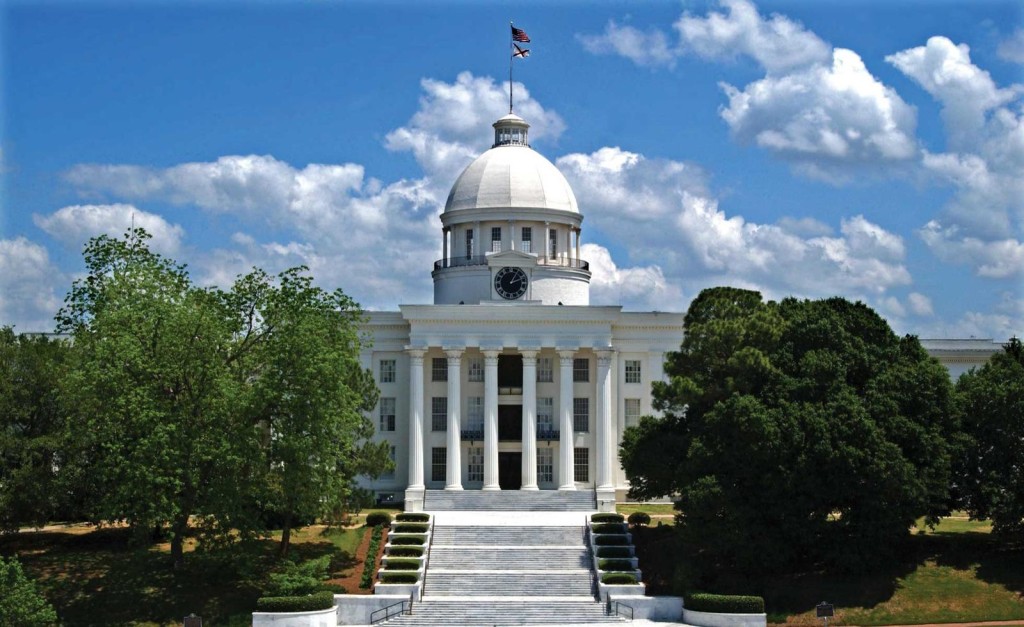
As the clock begins to wind down on the Alabama Legislature’s 2016 Regular Session, the heat will begin to build under legislators and special interests looking to pass their legislative priorities in the remaining eight working days available to lawmakers. Here’s your weekly sneak peek at some of the most important legislation that will be considered in the Alabama House and Senate. House — Convenes Tuesday at 1:30PM Education Trust Fund: Both houses of the Alabama Legislature have passed their own versions of the year’s education budget, but the differences send the legislation to a conference committee before final passage can be decided. Among the most controversial sections of the Senate-passed bill is the inclusion of an amendment that would only allow teachers who obtain higher degrees to earn raises if their advanced degree is in an “area of need.” The Senate bill also includes the first pay raise for teachers since 2008. On Wednesday the House Ways and Means Committee will consider SB287 authorizing the Alabama Corrections Institution Finance Authority to issue up to $800 million in bonds to construct and renovated the state’s overcrowded prisons. Senate — Convenes Tuesday at 2:00PM SB186 “The Voting Rights Restoration Act” would amend the process under which convicted felons can have their ability to vote restored, expediting the process, as well as requiring state and county prisons, jails, and correctional facilities to post information about how felons can apply. Sponsored by Sen. Linda Coleman-Madison (D-Birmingham) SB78 Increases the number of years qualifying rural physicians can receive a $5,000 income tax credit from 5 to 10 years, and adds dentists practicing in rural areas to those eligible for it. Sen. Gerald Dial (R-Lineville) SB304 Would allow Alabama Sheriffs to issue and renew the concealed weapons permits of any eligible Alabamian, regardless of county. Currently Sheriffs may only issue permits to those who reside in their county. Sponsored by Sen. Jabo Wagonner (R-Vestavia Hills) SB360 Would close Alabama’s primaries, requiring people to register with their party of choice at least 14 days before the primary vote is held. Such a measure has been particularly popular in a year where first-time and crossover voters have arguably decided primary elections in several states. Sponsored by Sen. Tom Whatley (R-Opelika) SB372 Creates a new provision in Alabama’s controversial “chemical endangerment of a child” law, allowing the consumption of controlled substances under the “good faith” supervision of a physician. The chemical endangerment law came under fire last fall after a searing investigation by AL.com and ProPublica. Sponsored by Sen. Clyde Chambliss (R-Montgomery) The House and Senate general fund budget committees have scheduled a joint meeting Wednesday to discuss the Medicaid shortfall.
Alabama Senate passes education budget, teacher pay raise

The Alabama Senate passed Wednesday evening the Education Trust Fund budget, funding education in the state, as well as the first pay raise for teachers in several years. In the largest education budget from the state since 2008’s financial crash which sent the state’s budgets careening, the $6.3 billion expenditure funds everything from K-12 public classrooms to the implementation of new educational technology. Senate President Pro Tem Del Marsh commended Sen. Arthur Orr (R-Decatur), the bill’s sponsor in the Senate, for his work in shepherding the legislation through the upper house, but said the state still has a long way to go in improving education. “Alabama is still 46th and 50th in reading and math, respectively, and only 16% of our high school graduates are college ready according to American College Testing (ACT),” Marsh said in a press release. “Education affects every part of this state and I cannot look of these numbers and accept the status quo. I am still committed to reforming our education system until there is noticeable improvement and all children are able to receive a high quality education. I look forward to working with those in the education community who share my concerns on new and innovative reforms for next year,” said Marsh. A separate bill will give 4 percent pay increases to teachers, educational staff, and administrators making less than $75,000 annually, as well as a 4 percent raise to all principals and assistant principals, and a 2 percent raise to other teachers and staff making above that amount. “They have not received a true pay raise since 2008,” said Orr. “Here we are looking at the 2017 budget. In education and most businesses, you have to attract good people, and the way to attract good people is how you compensate them. We need to compensate people in education accordingly to get the best that we can.” Though the original bill has already passed the House, it will likely be sent to a conference committee to reconcile small changes made during passage in the Senate.
Here’s what would happen should Robert Bentley be impeached
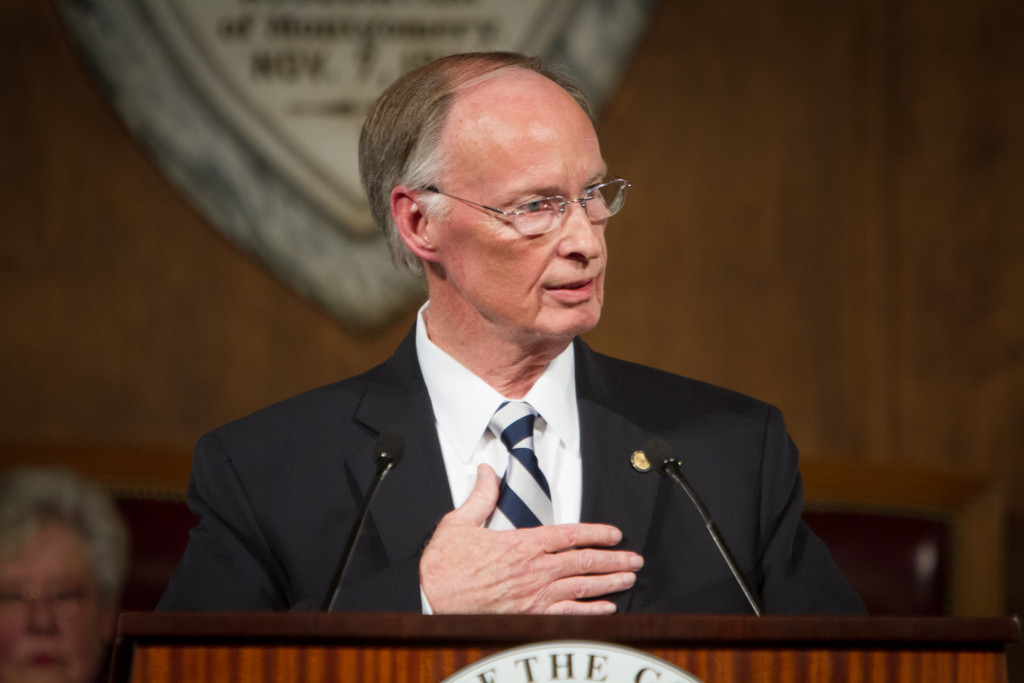
The impeachment process is seldom used in Alabama politics. Reserving its use for only the most egregious of moral or legal transgressions, the power of impeachment is protected from being diluted to a political tool. But with Alabama Gov. Robert Bentley‘s recent admission of impropriety and insistence he will not step down, lawmakers may soon consider using their constitutional tool of impeachment to oust the second-term Republican. How would it go down? The Alabama Constitution lays out the reasons justifying an officer of the state’s impeachment in Section 173: The governor … may be removed from office for willful neglect of duty, corruption in office, incompetency, or intemperance in the use of intoxicating liquors or narcotics to such an extent, in view of the dignity of the office and importance of its duties, as unfits the officer for the discharge of such duties, or for any offense involving moral turpitude while in office, or committed under color thereof, or connected therewith, by the senate sitting as a court of impeachment, under oath or affirmation, on articles or charges preferred by the house of representatives. Most of those calling for the governor’s resignation or impeachment are doing so on the grounds of the section’s “moral turpitude” clause. Although moral turpitude has no distinct legal definition in Alabama, it is generally defined as “conduct that is considered contrary to community standards of justice, honesty or good morals.” Should legislative leadership decide to proceed with the process, a majority of the members of the Alabama House of Representatives would have to approve articles of impeachment. They would be delivered to the lieutenant governor in the Alabama Senate. The impeachment proceedings would take place in the Alabama Senate, to be presided over by the Chief Justice of the Alabama Supreme Court: in this case, Roy Moore. Legislative leadership, however, has yet to comment on whether or not it will consider such action. Who would be governor? Section 127 of the Alabama Constitution clearly lays out a line of succession should the governor be removed from office: Lieutenant Governor Kay Ivey Senate President Pro Tem Del Marsh Speaker of the House Mike Hubbard Attorney General Luther Strange State Auditor Jim Zeigler Secretary of State John Merrill State Treasurer Young Boozer Has it ever happened before? In Alabama’s nearly 200-year history, a governor has never been impeached. Gov. Guy Hunt, the first Republican governor in Alabama since Reconstruction, resigned his office upon being convicted of felonious ethics law violations in 1996, but was not impeached. Where does the legislature go from here? The Alabama Legislature left early for spring break Wednesday, and will resume the second half of the regular session April 5. During the intervening week and a half legislative leadership will likely consider whether or not to pull the trigger on such an unprecedented action. During an already tumultuous legislative session, with Speaker Hubbard facing charges of ethics violations himself, it remains to be seen what long-term consequences of the governor’s actions will be.
