
Alabama lawmakers hold special session on budget
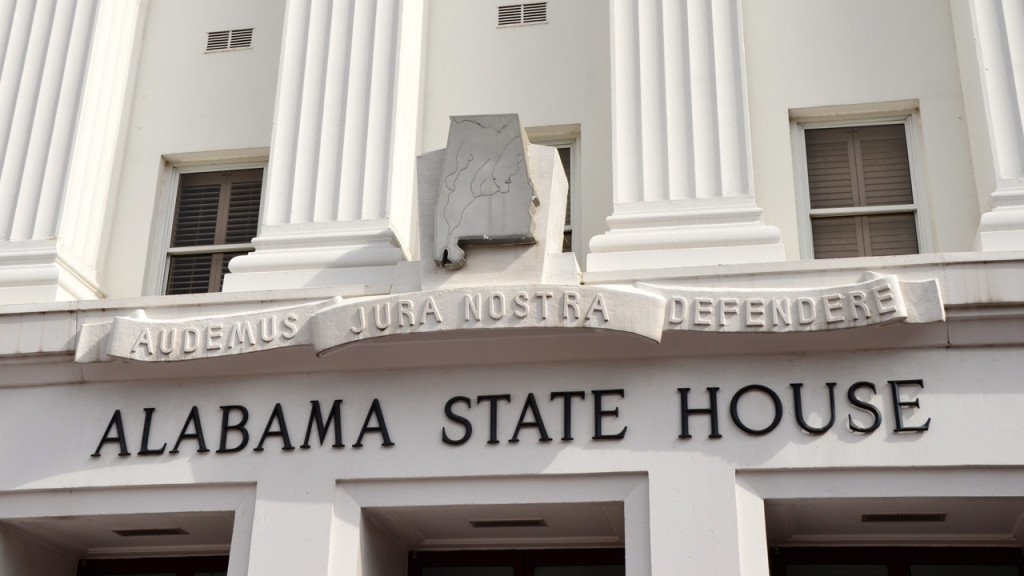
Alabama legislators on Monday began a special session on a looming budget shortfall during which Gov. Robert Bentley will again try to persuade Republican legislators to support tax increases over deep cuts to government services. Bentley is asking lawmakers to approve $302 million in revenue. Alabamians would rather have “minimal” tax increases, Bentley argued, over slashing state services in the fiscal year that begins Oct. 1. “They want to take care of mental health. They want their hospitals to stay open. The people of Alabama, I don’t care how conservative they are, they want those services, and we have to fund them,” the governor said. Bentley said legislators need to “step up” and show leadership. Legislators met for about 15 minutes and then adjourned until Aug. 3, saying committees needed time to work on budget ideas. The opening day of the special session also came with a renewed push for gambling legislation which, like Bentley’s tax bills, faces uncertain odds. The regular session ended last month in a political stalemate and without a budget. Bentley was unable to persuade lawmakers to approve tax increases and vetoed a spending plan that would have slashed $200 million from state agencies. He faces an uncertain outlook in Round 2 with legislators. House Speaker Mike Hubbard, R-Auburn, said the House will consider the governor’s proposals, but that the House and Senate need to take responsibility moving forward. “I believe that we will be working with the Senate in coming up with what we believe is a consensus and that we can get passed,” Hubbard said. “And it’s not to say that we’re not going to keep the governor informed, but that’s the way the separation of powers work. He is going to make some recommendations to us, but that’s all they are, recommendations.” Hubbard said he has not seen the specifics of Bentley’s proposals. “I don’t believe my members are inclined to vote for a bunch of new taxes,” Senate President Del Marsh, R-Anniston, said before lawmakers convened. The governor’s proposals include a cigarette tax and an adjustment to the business privilege tax. He also wants lawmakers either to approve a soda tax or do away with the FICA tax deduction from state income taxes. The opening day of the special session also highlighted ongoing differences between Bentley and Marsh. Bentley is trying to head off discussions of gambling legislation, excluding it from his special session call. Marsh on Monday introduced legislation to legalize a lottery and casinos. “I think if you check the temperature of the public, they are ready to vote on the issue one way or the other,” Marsh said. Marsh said he is not looking at the bill as a solution to next year’s shortfall, but said the state needs to have the conversation about gambling. Marsh introduced similar legislation in the regular session. He never sought a Senate floor vote, however, since it was clear he did not have the 21 votes needed to pass a constitutional amendment. The governor said he is not opposed to people voting on gambling at some point, but he said the state needs to look at budgetary changes first. The special session can last for up to 30 calendar days. The governor said he is prepared for a Round 3, saying he will call lawmakers back for another special session if needed. “We’ll see what they do over the next 30 days. If it doesn’t get solved, we’ll come back in August,” Bentley said. Upon the House and Senate adjournment, acting finance director Bill Newton addressed a joint meeting of the bodies’ budget committees. Afterward, Senate budget chair Arthur Orr, R-Decatur, didn’t have high hopes. “I think there are a lot of different forces at work in this special session. Any budget that properly funds state government will be difficult to fund properly,” Orr said. Republished with permission of The Associated Press.
Del Marsh to introduce gambling bill this Session
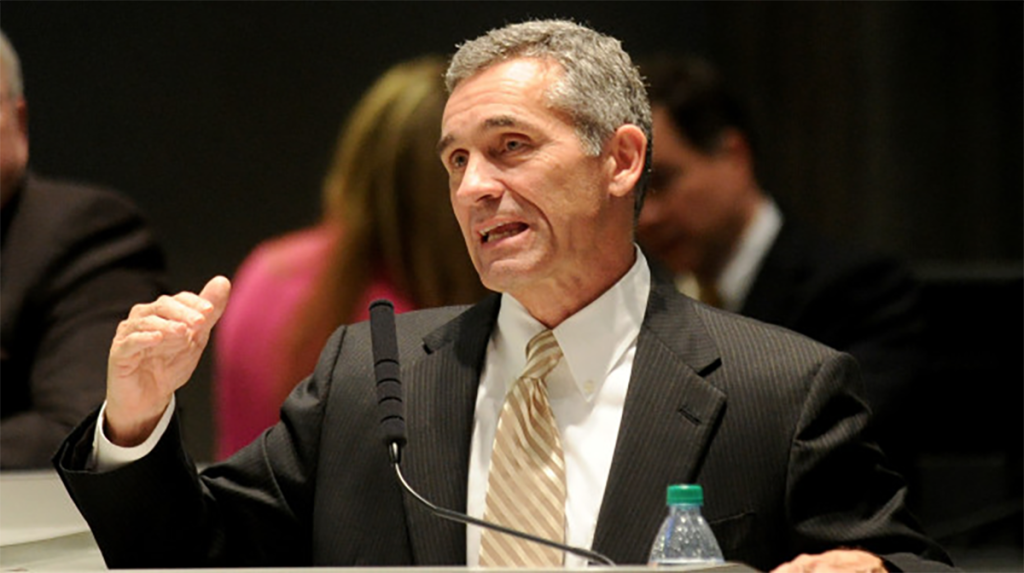
Senate President Pro Tem Del Marsh says he will introduce lottery and casino legislation this Special Session, saying he thinks the public is ready to vote on gambling. The Senate Republican leader planned to file the bill Monday, and will seek a floor vote if he thinks the votes are there. Lawmakers on Monday began a Special Session to resolve a projected fiscal year 2016 budget shortfall. Marsh said he is not looking at the lottery bill as a solution to next year’s shortfall. However, he said the state needs to have the conversation about gambling. Gov. Robert Bentley is trying to limit gambling discussions in the Special Session. Bentley is seeking $310 million in new revenue. The Special Session can last for up to 30 calendar days. Republished with permission of The Associated Press.
Angi Stalnaker: Why e-cigarette tax proposal is shortsighted

The upcoming Special Session is likely to have its share of political drama and made for TV nightly news antics but in the end, it is incumbent that we all remember that every law that is passed and every law that fails in this, and every other legislative session has a very real world impact on the very real citizens of Alabama. Laws can help the people of this state and laws can hurt the people of this state. It all depends on the choices that the 140 elected men and women of the Alabama House and Senate make. In his call, Gov. Robert Bentley is asking those very men and women to pass a tax on e-cigarettes, vapors and related products. (The specifics of that legislation will not be known until the bill is actually filed.) He is asking them to lump these products in with a tax on tobacco and to treat them as similar products. That makes about as much sense as passing a bill to tax fast food and adding apples and bananas to the mix. Tax fast cars and add a Model T to the list. E-cigs and vapor products have nothing in common with cigarettes and to treat them as similar products in order to raise revenue is not only misguided, it stands to hurt thousands of Alabamians. Vapors and e-cigarettes are not tobacco products. They produce no smoke. There is no flame involved. No lighters, no igniter, no flame is to be found anywhere with these items. They don’t produce smoke. They emit water vapor. That’s right: water vapor. There is a lot of misinformation about these products and lawmakers should make every effort to educate themselves on the facts before passing such a misguided law: Myth: Vapors and e-cigarettes are just another form of smoking Fact: Numerous medical studies show that vapors and e-cigarettes are not smoking. In fact, just the opposite is true. Studies show that vapors and e-cigarettes are among the most effective smoking cessation (quitting smoking) products available. Even the American Heart Association’s Circulation Journal published a 2014 study that determined that the smoking cessation success rate for former smokers who use vapor nicotine products was substantially higher than other nicotine replacements therapies including nicotine gun, patches and lozenges. Myth: The vapors from these products cause harm to those around users much like second-hand smoke Fact: The output is simply water vapor and is completely harmless. Myth: Vapors and e-cigarettes encourage non-smokers to smoke. Fact: Longitudinal studies show that less than 3 percent of people who have never smoked cigarettes will try an e-cigarette or vapor product. Myth: Driving these companies out of business won’t hurt the economy. Fact: More than 2,000 Alabamians are employed as a result of the e-cigarette and vapor business. That is more people than will be employed by Remington and almost four times as many people as will be employed by Google’s Alabama location. These are real Alabamians that are at risk of losing their jobs if this tax passes. Myth: Taxing vapors and e-cigarettes will generate revenue for the state of Alabama Fact: Overwhelming evidence shows that imposing a tax on e-cigarettes and vapor products will make them too expensive and will force many who have stopped smoking in favor of vapor and/or e-cigarettes to return to smoking cigarettes due to the cost. This will have a net negative effect on the Medicaid budget for the state which will shoulder a portion of the cost of the health issues of those who returned to smoking cigarettes. Tens of thousands of Alabamians who have tried everything to quit smoking and who have repeatedly failed have found success with the assistance of vaping. They have, once and for all, put down their deadly and costly cigarette habit in favor of a much healthier alternative. They are now far less likely to develop lung cancer and other diseases than they were when they were tobacco users. They develop fewer lung infections and can breathe easier. Their children are no longer impacted by the harmful effects of second-hand smoke. They are healthier and Alabama is healthier because they have given up cigarettes. Now, we want to tax them? Why? In his press conference, Bentley stated that he was including e-cigs in his smoking tax legislation because “they contain nicotine.” That is true. Many smoking cessation products contain nicotine so why aren’t products like Nicorette gum and other nicotine replacement therapies included in this schizophrenic proposal? Nicorette is far less effective at ending a smoking addiction than e-cigarettes are so it would actually do less harm to Alabamians to tax that product instead. It would still be ridiculous, but less so that a vaping tax. You can just add that to the list of things that don’t make sense about this bill. If the legislature, in all its wisdom, chooses to pass a tax on e-cigs and vaping products, they will be making horrible public policy. They will be telling people like Stephanie, a cancer survivor and single mother from Birmingham, that they don’t care that she won’t be available to afford the e-juice that keeps her from smoking cigarettes and that, in fact, keeps her alive. They will send a signal to everyone who has quit and everyone who will quit using vapor products that taxing the products is more important than their very lives. They are telling 2,000 employees and more than 100 retail store owners that they don’t matter. The saddest part is that, in the end, the vaping tax will actually cost Alabama’s general fund much more money that it will ever raise. As people fall back into smoking cigarettes, they will be more likely to develop expensive and lethal diseases that will kill them. The treatments are expensive and Medicaid, which is funded by the already overburdened General Fund, will shoulder most of the cost. A lot of things about government don’t make sense but this absolutely takes the cake. Quitting smoking is
Statewide grassroots leaders ask Governor to call education special session

Grassroots activists aren’t ready to give in on their attempt to repeal Common Core and change the states education system. Today they sent the following letter asking Gov. Robert Bentley to call an education special session to take up the bill that failed during regular session. Governor Robert Bentley, We the parents and concerned citizens of Alabama respectfully demand that you, the Governor of Alabama, call a Special Session of the Legislature, and request that SB101 and HB242 be revisited. You have repeatedly expressed to grassroots leaders and concerned parents working to repeal the Common Core Standards, that you were also opposed to them. Support of Common Core will be a dark mark on your legacy, and will also severely damage anyone with future political aspirations. You are calling for tax increases to balance the general budget, but you refuse to address the fact that Common Core will bankrupt the State of Alabama. No amount of federal dollars will stay this process. The “Repeal Common Core Battle Cry” will not stop. It is rampant throughout our country. The children of Alabama will not be easily surrendered to the untested mandates of the politick. We are giving you an opportunity to stand with us, the parents of Alabama, and prove you are still a man of your word. We await your answer. Make no mistake, we are not going away. Signed, Ann Eubank Co-Chair Rainy Day Patriots Zan Green Founder Rainy Day Patriots Dawn Ray, Shelby County Republican Women Bash Agricola, Montgomery Tea Party Dee Shirley, Shelby County Republican Women Dexter Bland, Calhoun County Rainy Day Patriots Steven D. Guede, Calhoun County Rainy Day Patriots Steve Henry, Oxford, AL Lou Campomenosi, Common Sense Campaign Kelly Berry, The Madison Institute Don and Kay Day, Mobile, AL Dee L. Voelkel Lee James, Sr. George Barry, Madison, AL Richard Schultz John Mahan Lei Peavy, Huntsville, AL Mike Parsons, Huntsville, AL Dr. Miles F. Jones, Fairhope, AL Mary Lynn and Charles P. Bailey, Gurley, AL Cathy Odom Steve and Irene Stone Janet Oglesby Priscilla J. Owens Roberta Burckardt Beverly Burks Kimberly Knight Alex Balkum James Giddens, Opelika, AL George B. Williams, Athens, AL Walter F. Gray, Daphne, AL Linda King Butch Daniel, Enterprise, AL Dianna Crews, Stand in the Gap Ron Hei Steve Johnson, Rainy Day Patriots
10 lines from Gov. Robert Bentley’s special session press conference to make you say “what?”
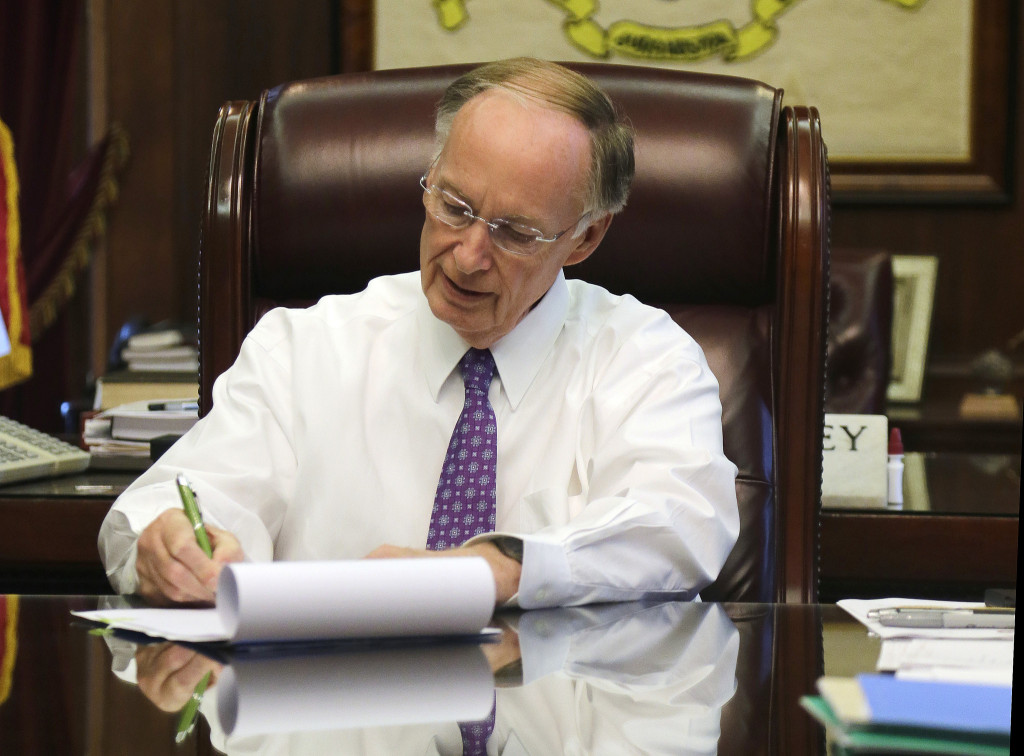
Friday morning the Governor held a press conference to talk about his call for a special session. Here are some key take aways. From the “makes you think” file courtesy of Gov. Robert Bentley: “I truly believe they [legislators] are ready to solve the problems with this state” (This is in spite of both the Speaker and the President Pro Tem releasing statements saying they aren’t) “I just listened and nodded my head.” (On leadership “across the street” calling for an Aug. special session.) “Even though the people of the state are not in favor of many taxes and increase in taxes they are more unfavorable of cuts.” “Called for two reasons: I believe the legislature is ready… to take the pressure off the membership of the legislature related to the gambling issue.” “If they fail in this session we’ll come back into another one.” “We actually have not finalized the bill yet.” “I wanted to basically surprise. This in an element of surprise,” “They’ll have to override my veto” (In response to the question “What if they send a budget back like the last one?”) “Let me say, that it’s a little hard to explain because most people do not even understand what FICA is. They do not even realize that it comes out of their checks each month.” (Did he just say people don’t know they’re paying social security taxes or don’t read their pay stubs?) “You know the Senate has not been quite as ready as the House.” (In response to Sen. Del Marsh saying he will adjourn when called in on Monday.) Bonus technical stuff worth noting: “Expressly exclude gaming in this call.” “BP money will be used to pay off debts.” Says his idea is not to include taxes to water and juice as we have previously reported. Ideas you may hear including combining budgets and unearmarking. Watch the whole video on WSFA. The text of the call can be found here.
Email Insight: Special election for District 5 set
Governor Robert Bentley has called set the dates for the special election to for house District 5 to replace Representative Dan Williams. According to WHNT Rep. Williams announced in February that he had leukemia and had recently been under the care of hospice. Our thoughts and prayers are with his family and loved ones at this time. See below for his statement and the details. Governor Robert Bentley on Thursday announced the timeline for a special election to fill the vacant District 5 seat in the Alabama House of Representatives. The District 5 seat was previously held by Representative Dan Williams who died on July 1. “Rep. Dan Williams worked hard for the people in the 5th district and the city of Athens,” Governor Robert Bentley said. “My prayers are with Dan’s family during this difficult time. I know Dan will be truly missed, but his legacy will forever live on.” District 5 covers Limestone County. According to the election timeline released Thursday: A Special Primary Election will be held on Tuesday, September 29, 2015. If necessary because of one candidate not receiving a majority of the votes in the Special Primary Election, a Special Primary Runoff Election will be held on Tuesday, December 8, 2015. If a Special Primary Runoff Election is not necessary because one candidate receives a majority of the votes in the Special Primary Election, the Special General Election will be held on Tuesday, December 8, 2015. If a Special Primary Runoff Election is required, the Special General Election will be held on Tuesday, February 16, 2016. “This election timeline is designed to have a representative in place for the citizens of District 5 as soon as possible,” Governor Bentley said. “The timeline gives candidates time to qualify, it allows voters time to learn about candidates, and it allows time for those who are unable to vote in-person to arrange to vote by absentee ballot.” Candidates qualifying with major political parties must do so by Monday, July 27, 2015, at 5:00 p.m. The two major political parties are to certify their qualified candidates to the Secretary of State as soon as possible after the qualification deadline but by no later than 5:00 p.m. on Wednesday, July 29, 2015. All third-party candidates, independent candidates, and/or minor party candidates seeking ballot access are advised that their deadline for filing the appropriate notification, petitions, or supporting paperwork with the Secretary of State is Tuesday, September 29, 2015, at 5:00 p.m. The formal election proclamation can be viewed here.
Broken promises not ideal way to start special session
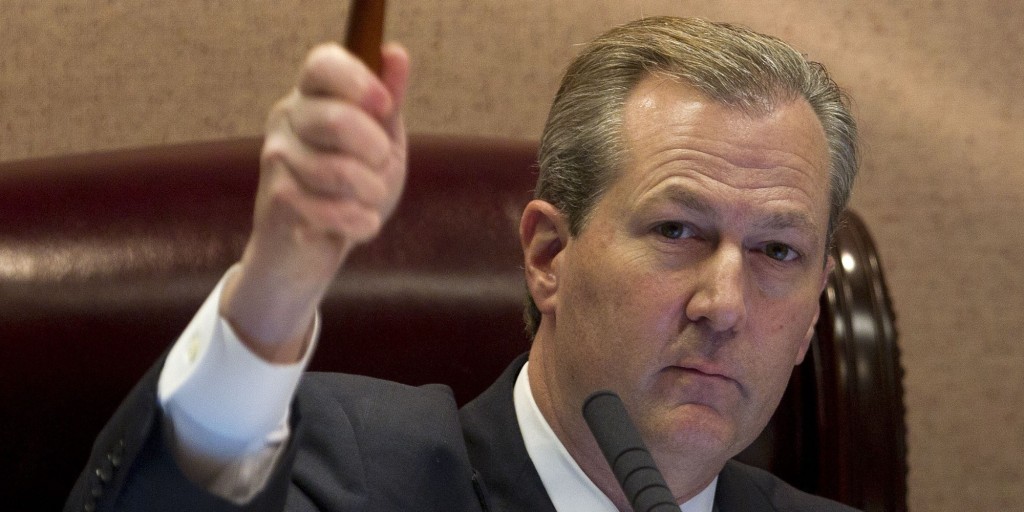
Thursday, Governor Bentley surprised many calling a special session for July 13th. Shortly thereafter House Speaker Mike Hubbard and Senate President Pro Tem Del Marsh issued the following statements: Speaker Hubbard: “Since the 2015 Regular Session adjourned, Members of the House and Senate have been working cooperatively to find a solution to our General Fund issues and the various task forces we appointed have been meeting as well. In order for those groups to have time to devise a solution that everyone can support, Governor Bentley gave us his word that no special session would be called until sometime around mid-August. Given the fact that our committees are still working diligently using the timeline that the governor originally provided us, we will have to take all of those factors into consideration as the Legislature convenes in this unexpected session on Monday. I am confident that the House and Senate will continue to work in a collaborative manner and will successfully develop a solution.” President Pro Tem Marsh: “When the 2015 Regular Session ended Governor Bentley, Speaker Hubbard and I committed to working together and waiting until a consensus was reached on how to best solve the issues facing the General Fund,” Marsh said “Though we have been working through the summer and I am confident we are close to a resolution, a consensus has not been reached in the Legislature. The Governor has decided to jump the gun, I will have no choice but to immediately call for a recess in the Senate until an agreement on the budgets can be reached.” I’m not an expert on these things but if the governor and both the speaker and senate pro tem aren’t on the same page going into a session that’s just days away I’m worried we’re going to end up with more of the same experienced in general session. Which is to say gridlock and more gridlock. There’s a lot of odds and ends being kicked around. Tax increases that will certainly affect every Alabama family. I’m guessing from the perspective of House leadership that the pushback they got to bring taxes on the floor during general session is still fresh. It’s doubtful many of those same freshmen who stood up before who are prepared to back track on their word and raise taxes now. We will follow this story in the coming hours and days.
Gov. Robert Bentley to call lawmakers into special session next week
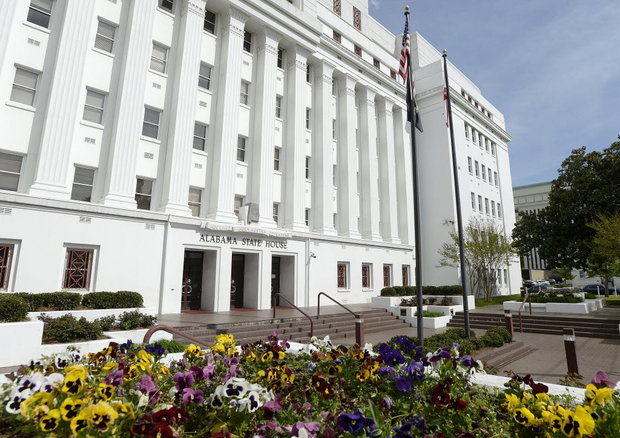
Gov. Robert Bentley is calling a special session next week on the general fund budget. The governor said Thursday that he will call lawmakers back to Montgomery on July 13. The 2015 regular session ended in a stalemate after lawmakers could not agree on tax increases. Bentley vetoed a spending plan that would have cut $200 million from state agencies. State agencies are currently operating without a budget for the fiscal year that begins Oct. 1. The governor on Friday will release his call for the session, which lists the issues he expects lawmakers to address. Republished with permission of The Associated Press.
Gov. Robert Bentley says BP settlement won’t fix state budget
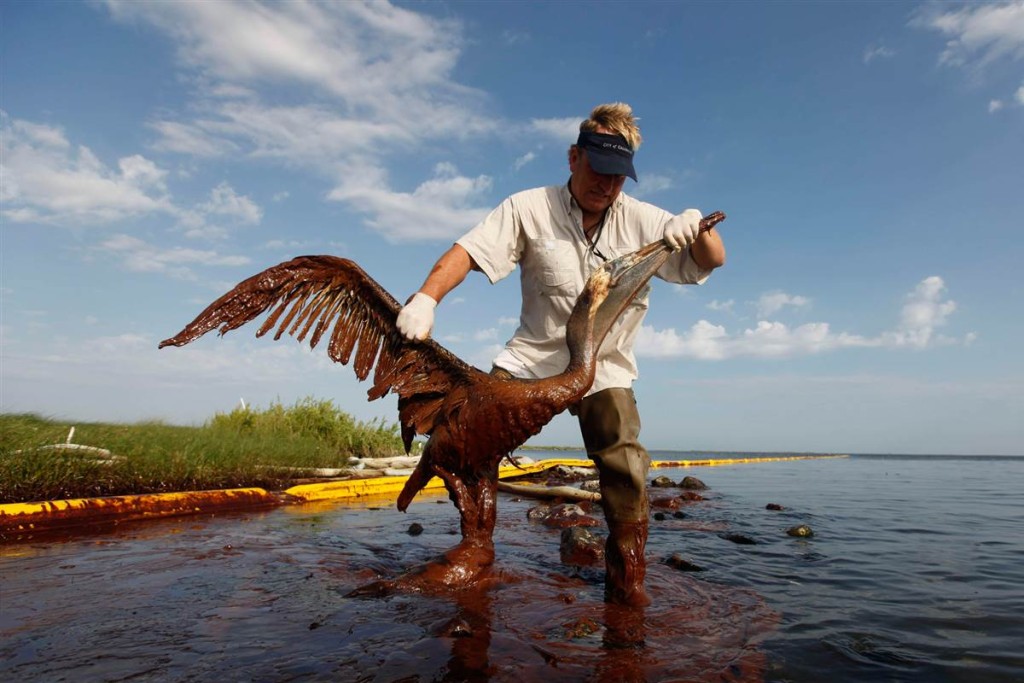
Alabama will receive about $2.3 billion in a settlement with BP over the 2010 Gulf of Mexico oil spill, Gov. Robert Bentley said Thursday. About $1 billion of that is for economic damages and will go to the state’s General Fund in payments during an 18-year period. Information about whether the money will come in equal annual amounts was not available Thursday, and it’s not known yet when the first payment will arrive. At a press conference Thursday, Bentley talked about the environmental and economic effects of the spill and said both were significant hardships for the state. Bentley said the announcement, shared Thursday by other coastal states, does not resolve the looming shortfall in the state’s 2016 General Fund budget. He said a Special Session to address the $200 million hole in the budget is still needed. “It will not factor into the special session,” Bentley said. Divided by 18 years, the $1 billion settlement equals about $55 million a year. Jere Beasley, head of the Beasley Allen Law Firm in Montgomery that assisted the state in the litigation and calculated damages, said the settlement amount was fair. “In fact, based on everything we had, information from all department heads, all the projections and actual losses that we could prove, it’s a very good settlement,” said Beasley, a former Alabama lieutenant governor. “In fact, it was more, quite honestly, than I thought they’d pay.” Republican Rep. Ed Henry of Hartselle said Thursday that he would like to see the money put aside in a separate trust. “Historically, the Legislature and the governor have taken these one-time moneys and used them to shore up state government,” Henry said. “If we are going to be fiscally responsible, we should take this settlement money, put it into a trust, and only use that interest to fund government.” Henry was supportive earlier this year of legislation that would put all state settlement money into a trust. Most of the interest generated would flow toward the General Fund. That bill didn’t get much traction, but Henry said it will be brought back next year. In total, the principal settlement among BP and other states after the 2010 oil spill is $18.7 billion. The agreements were signed Wednesday and still need court approval. Beasley said that should happen very soon. About $1.3 billion will go toward coastal restoration in Mobile and Baldwin counties. Alabama Attorney General Luther Strange said this case may be the largest economic damages case ever handled by the attorney general’s office. Asked how much money will go toward attorney fees, Bentley said that will be up to the court but won’t come from the settlement. Beasley said that his firm has put in more than 22,000 man hours and fronted about $1.5 million in costs for the state. Thursday’s settlement announcement comes as a federal judge was preparing to rule on how much BP owed in federal Clean Water Act penalties after well over 125 million gallons of oil spewed into the Gulf. BP PLC Chairman Carl-Henric Svanberg said the settlement reflected the company’s commitment to restoring the Gulf of Mexico economically and environmentally, and provided the company with closure going forward. “It resolves the company’s largest remaining legal exposures, provides clarity on costs and creates certainty of payment for all parties involved,” Svanberg said. The company had been facing an additional about $13.7 billion in possible Clean Water Act penalties alone, with possibly billions more resulting from other legal cases. BP has said its spill-related costs already exceed $42 billion, even without the Clean Water Act fine. It’s also unclear how much BP will end up paying under a 2012 settlement with individuals and businesses claiming spill-related losses. The spill resulted from the April 20, 2010, explosion of the Deepwater Horizon rig, which killed 11 workers. Republished with permission of The Associated Press.
Daniel Sutter: Taxing visitors is still costly
Lodging taxes in Pike County will rise by 4 percent, thanks to a bill passed by the Alabama Legislature in 2015. The measure will provide money to repair and maintain our county roads. Proponents claimed during the deliberations that visitors to our community would pay the tax. Politicians sometimes say the darndest things about taxes, so is there any validity to the claim that others will really be paying to repair Pike County roads? The answer is yes, but it highlights a challenge posed by taxes within our federal system of government. Economists study the effects of taxes by comparing, as best we can, before-and-after snapshots of the economy. We do so by using models such as supply-and-demand and statistical analysis. Suppose that the Alabama Legislature in its upcoming Special Session imposed a $0.50/pack tax on cigarettes. If that raised the price by $0.40 per pack, economists would say that smokers (consumers) paid $0.40 (80 percent) and sellers paid $0.10 (20 percent) of the tax. That analysis is called tax incidence, a staple of public finance economics. Tax incidence can be challenging, because taxes can have effects in distant markets. But economists agree that consumers, many from outside the local community, pay a large share of hotel taxes. Of course, a lodging tax is not paid exclusively by outsiders. The Johnson Center hosted two conferences this past year bringing students and faculty to Troy. We will pay more for lodging for future conferences. And visiting family or friends who stay at local hotels will also pay the tax. The ability of communities to impose taxes paid in part by nonresidents is called tax exporting. Exporting occurs because economic markets and political jurisdictions do not coincide. Tax burdens can be exported across nations as well: Taxes that the U.S. imposes on imported goods, called tariffs, can be paid in part by foreign companies. Unfortunately, the political process tends to view exported taxes as free money. Consequently “visitor taxes” have been rising rapidly. States and cities impose hotel taxes, often at rates in excess of regular sales taxes. Four states have sales and lodging tax rates of 10 percent or more, and cities impose additional taxes. Hotel taxes in the 150 largest U.S. cities average more than 13 percent. St. Louis had the highest total hotel tax rate at 17.7 percent; Birmingham and Mobile check in at 17 percent each. Cities also heavily tax rental cars. Some cities charge taxes of up to 25 percent on rental cars. Americans have paid more than $7.5 billion in car rental taxes since 1990. Most out-of-town visitors, who rent cars arrive at airports, also pay hefty airport concession fees. These taxes definitely do not constitute “free money” for our economy. Taxes paid for business travel will drive up prices of goods for consumers. Visitor taxes have become the politically favored way to fund dubious projects such as sports stadiums. A 2006 study found that rental car taxes were funding at least 35 stadiums nationwide. Tax exporting also raises ethical issues. Travelers cannot vote on the taxes they must pay and essentially face taxation without representation, which the founders of our nation labeled tyranny. And pervasive visitor taxes fuel a turnabout-is-fair-play dynamic: Because we pay them when traveling, we impose them on others when it is our turn. Our federal system of government normally contributes to sound political and economic decisions. Cities and states provide a laboratory to test new policies, allow people to move to communities with parks and schools to their liking, and offer helpful yardstick comparisons to reveal which governments are wasting our tax dollars. Yet federalism leads to excessive taxes when states or cities can impose easily exported taxes. Politics too readily views exported taxes as free money, despite their very real costs to the economy. Sound economic decisions require ensuring that the benefits of our actions exceed the costs. The principle applies to the public sector as well, but ignoring the taxes passed on to visitors can lead to wasteful public spending. Daniel Sutter is the Charles G. Koch Professor of Economics with the Manuel H. Johnson Center for Political Economy at Troy University and host of Econversations on TrojanVision. Respond to him at dsutter@troy.edu and like the Johnson Center on Facebook.
Here’s a quick look at proposals as governor says, “I have taxes to raise”
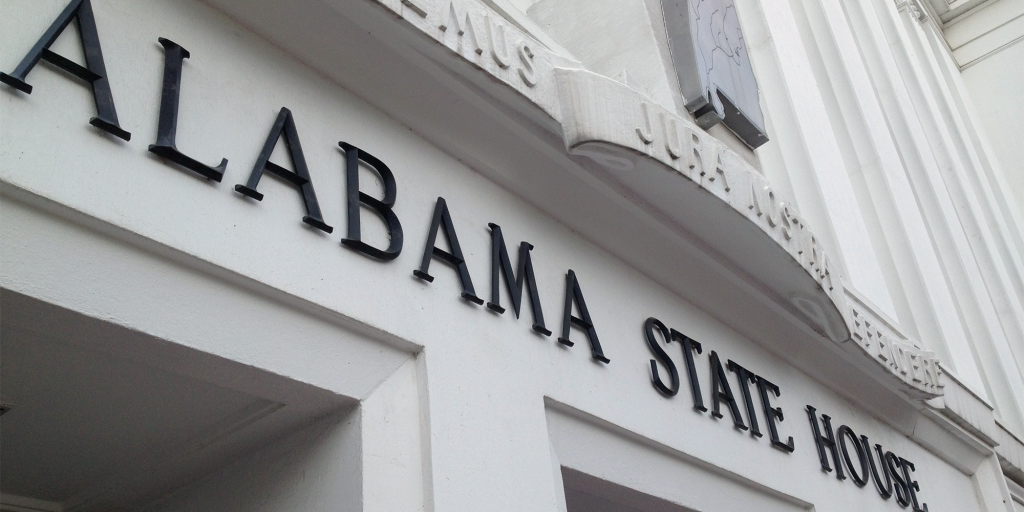
Alabama Today is hearing the Special Session could be called for the week of Aug. 17. The goal is to pass the general revenue portion of the state operating budget. Gov. Robert Bentley doubled down on his goal for the Session on Wednesday when talking about the reasons he took down the Confederate flag saying, “I have taxes to raise; we have work to do.” Among the tax increases Alabama Today is hearing batted around for the upcoming Special Session are: Taxing streaming videos; Taxing beverages (not just sodas but juices, teas and anything that’s not milk or alcohol): There’s a strong coalition of consumers and businesses opposed to that. You can check out their website here; Eliminating the state’s deduction for federal taxes: A proposal Bentley discussed before. Speaker Hubbard is on record opposing it, saying, “I am opposed to removing the federal income tax deduction because it would basically require individuals to pay state taxes on their federal taxes which is money they never even received,” Hubbard said in an email to AL.Com; Taxing pornography through a change in statute specific to adult purchases and content; and Combined reporting for businesses is back on the table. We will follow these proposals and continue to report on additional proposals as they come in.
Scott Beason: Squeaky wheels
The regular session of the Alabama Legislature is over and some folks in our state are looking at the lack of a General Fund budget as a failure of the legislative branch of government. Keep in mind that the Legislature, in passing a General Fund budget, fulfilled its constitutional responsibility, but the passed budget was vetoed by the governor. The Legislative Session should be seen as a victory for responsible budgeting, fiscal responsibility, and economic viability for Alabama. Conservative members of the Legislature held the line on tax increases and should be commended for doing so. (There was the hiccup of allowing hundreds of state fees to be raised considerably by bureaucrats, but that is a discussion for another day.) While groups such as the Alabama Free Market Alliance worked to inform the residents of the state about what was happening in Montgomery, the real reason behind the Legislature not passing taxes increases was that the people let their voices be heard. The old adage that the squeaky wheel gets the grease is very true in politics. An elected official who only hears from one side of the debate begins to believe that the other side must not care very much, and it gets easier to vote the way of the squeaky wheel. Entities that live off government, including the beneficiaries of corporate welfare, squeak loudly. Many times taxpayers focus on their lives and just hope for the best. This spring taxpayers spoke up some and good legislators held the line. Taxpayers have more work to do. A Special Session will likely take place this summer. The proper philosophy of budgeting is to prioritize spending according to money the state has. Unfortunately, the bigger-government crowd has a philosophy of budgeting that decides what they want to do and then set out to forcibly extract enough money from the people to pay for their wish list. Which philosophy does your legislator believe in? Let’s enjoy a brief victory, and let our conservative legislators know how much we appreciate them holding the line on taxes. Let’s hope other legislators will join the conservatives and do the budget reforms that Alabama needs: abandon earmarks, unify the budgets, and prioritize spending. A little more squeezing might actually foster a big win later this summer. Scott Beason is senior policy adviser at the Alabama Free Market Alliance.
