
835 Alabamians killed by fentanyl in 2022
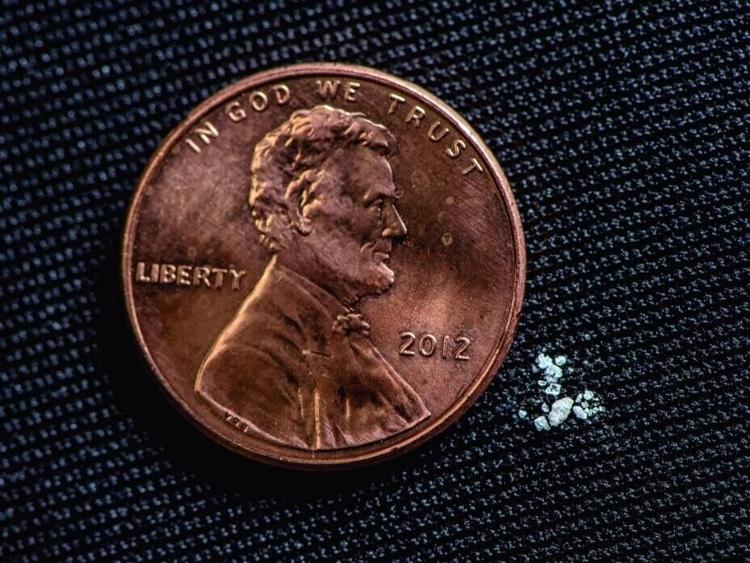
The surge of fentanyl in the state has resulted in increased deaths from the deadly drug. Alabama State Public Health Officer Scott Harris reports that fentanyl deaths have gone from 121 in 2018 to 835 in 2022. “Fentanyl abuse is a crisis nationwide, and the state of Alabama is no exception,” Harris reported in his recent column. “Alabama has experienced an alarming increase in the number of fentanyl-related overdose deaths in recent years—from 121 in 2018 to 193 in 2019, and to 428 in 2020. Preliminary numbers show 830 Alabama resident deaths in 2021 and 835 deaths in 2022 related to this powerful drug.” Fentanyl deaths were up in 2022 even though paramedics, police departments, schools, churches, and even parents are increasingly prepared to respond to overdose emergencies with products such as Narcan. ADPH is part of a statewide education campaign to inform the public about the dangers of the drug. “Our department is committed to fighting this growing epidemic and has joined a group of statewide organizations that have launched the “Odds Are Alabama” campaign to prevent fentanyl-related overdose deaths and poisonings,” Dr. Harris continued. “Other campaign sponsors include the following concerned organizations and agencies: Alabama Chapter of the Academy of Pediatrics, Alabama Chapter of the American College of Emergency Physicians, Alabama Department of Mental Health, Alabama Hospital Association, Blue Cross and Blue Shield of Alabama, Medical Association of the State of Alabama, Scout Branding Company, and VitAL Alabama.” “About two-thirds of all overdoses nationwide are attributed to synthetic drugs like fentanyl,” Dr. Harris explained. “While the synthetic opioid fentanyl was originally developed for pain management in cancer patients, illegal drug manufacturers have abused it by adding fentanyl to other drugs to increase their potency. Criminal drug networks are mass-producing counterfeit pills to deceive the public.” On Thursday, Governor Kay Ivey signed legislation that set mandatory minimum sentences for persons convicted of trafficking in fentanyl. “The entire nation should take note of what we accomplished today in Alabama with the passage of House Bill 1, the bill to help combat the fentanyl crisis,” Ivey said. “Every member of the Legislature – Republican and Democrat – came together to pass this critical piece of legislation.” Under this legislation, a person found with just six grams of fentanyl could spend the rest of their life as a guest of the Alabama Department of Corrections if convicted. “Combatting this deadly drug will continue to be a top priority for our Alabama Law Enforcement Agency, and I will do everything in my power to stop this drug from being a killer in Alabama,” Ivey said. “I commend Rep. Matt Simpson for his leadership on this issue, as well as all members of the Alabama Legislature for sending this bill to my desk.” Dr. Harris points out that drug dealers are selling fake prescription drugs that are, in reality, highly addictive fentanyl. “Many fake pills are made to look like prescription drugs such as oxycodone (Oxycontin®, Percocet®), hydrocodone (Vicodin®), and alprazolam (Xanax®); or stimulants like amphetamines (Adderall®),” Harris said. “Six of 10 counterfeit prescription pills analyzed by the DEA Laboratory in 2022 contained a potentially deadly dose of fentanyl. A lethal dose of fentanyl is only about 2 milligrams, equivalent to just a few grains of salt. Fentanyl is inexpensive to manufacture, and in 2021 the DEA seized enough fentanyl to kill every American. In addition to pills, fentanyl is found in capsule form and can be disguised as gummies or candies to attract children.” Narcan, administered as a nasal spray, is now available over the counter. In addition to Narcan, naloxone is available in an injectable form and in other doses. The other formulations and dosages of naloxone will remain available by prescription only. Dr. Harris has a standing order in place that allows pharmacists to dispense naloxone formulations and dosages that are prescription only. Medicaid patients can access naloxone through prescription. “The Alabama Pharmacy Association applauds the FDA’s decision to make this life-saving drug available without a prescription to anyone who needs it,” said Louise Jones, APA chief executive officer. “Only the Narcan 4 mg nasal spray version has been approved for over-the-counter (OTC) use. The Alabama current statewide standing order issued by the state health officer will remain in place as the injectable version will still require a prescription. It should be noted that Alabama Medicaid recipients have coverage for the nasal spray, but Medicaid requires a prescription for OTC products. APA, in collaboration with the Alabama Department of Public Health and Alabama Medicaid, has worked to maintain access for our state’s most vulnerable population.” Given the growing propensity of drug dealers to spike their products with fentanyl, do not buy anything from street dealers or shadowy pharmacy sales sites. To connect with the author of this story or to comment, email brandonmreporter@gmail.com.
Alabama Medicaid to pursue RCO alternatives

Alabama is walking back its decision to shift its Medicaid program to managed care after nearly four years of development and millions in cost. The state will now begin to pursue an alternative to the Regional Care Organization (RCO) initiative. The Alabama Medicaid Agency announced its decision to abort the project Thursday due to the anticipated changes the Trump administration and Congress intend to make to Medicaid, along with the program’s high start-up costs. “It is highly likely that federal health care changes are on the horizon,” said Alabama Medicaid Commissioner Stephanie Azar in a statement. “While the financial implications could be challenging for our state, the new flexibilities and waiver options that the Trump administration is willing to consider gives our state Medicaid program new options to accomplish similar goals without incurring the same level of increased up-front costs associated with the RCO program.” RCO plan was created by the state Legislature in 2013 and 2014 following the passage of Obamacare. It would have moved the state’s current fee-for-service model to a regionally focused managed care system. According to the Medicaid website RCOs, “calls for the state to be divided into regions and for community and provider-led, regional organizations to coordinate the health care of Medicaid patients in each region, with networks ultimately bearing the risks of contracting with the state of Alabama to provide that care.” “When RCO’s were first proposed after the Affordable Care Act under the Obama Administration, the plan was appropriate; However, in today’s climate it is no longer the best use of taxpayer resources,” Azar added. Governor Kay Ivey supports Medicaid’s decision to move away from RCOs. “I support Medicaid’s shift in reform strategy, which has been fully shared with legislative leadership and other key stakeholders,” said Ivey. “I spoke with Health and Human Services Secretary Tom Price, and he has assured me of the Trump administration’s desire to work with the states to allow more flexibility in Medicaid services moving forward.” Ivey says the state was at a crossroads and decided to pursue less risky options. Ivey continued, “This flexibility brought us to a crossroads where we reconsidered the risks and rewards of RCOs, and decided instead to pursue new reform options which bring less risks and similar outcomes. The RCO model didn’t fail; instead the alternative is a recognition that the circumstances surrounding Medicaid have changed, thus our approach must change. Our end goal is clear – to increase the quality of services provided and protect the investment of Alabama taxpayers.”
Alabama House to debate how to spend BP oil spill settlement

The Alabama House Ways and Means Committee approved a plan on Tuesday for spending Alabama’s settlement money from the 2010 Deepwater Horizon “BP” oil spill in the Gulf of Mexico. The plan, devised primarily by Ozark-Republican and Committee Chairman Steve Clouse, calls for the state to create a $639 million bond issue and apply the BP payments to pay off the bonds. Under the plan, $450 million of the settlement would be used for debt repayment and nearly $200 million toward road projects in coastal counties. Clouse, said paying debt early would free up state funds and provide nearly all of additional $85 million in funding requested by Alabama Medicaid, by creating a surplus of $70 million in this year’s budget and next year’s budget. The House approved a similar plan in April, but the spending proposals fell apart over a disagreement between northern and southern Alabama lawmakers over how much money should be spent on state debt versus road projects in south Alabama. House and Senate Republicans plan to meet Wednesday to discuss a workable agreement. A vote on the bill could come as early as Wednesday.
Alabama one of 5 states chosen for “No Wrong Door” grant

It is about to be easier for Alabamians of all ages, disabilities and income levels to learn about, and access, the long-term services and supports they need. The federal Administration for Community Living (ACL) announced this month Alabama Medicaid would receive a “No Wrong Door” grant. The grant – $2.36 million over three years – will allow the state to streamline access to long-term services through Central Alabama Recipient Eligibility System (CARES), the state’s joint eligibility system for public services and supports. Alabama joins Colorado, the District of Columbia, Hawaii and Virginia as one of the five recipients of the award that will build upon the lessons learned from the original eight grant recipients awarded in 2012. In the “No Wrong Door” system multiple Alabama state and community agencies will coordinate to ensure that regardless of which agency people go for help, they can access information and one-on-one counseling about the options available across all the agencies and in their communities. “This award is significant in that over the next three years the five grantee states will set the standard for streamlining public program access for the rest of the country,” said Ginger Wettingfeld, Gateway to Community Living project director. She also noted that the grant will complement the technical development work of CARES which is now underway. “While CARES handles financial eligibility, this grant will allow us to train and educate the individuals who help someone walk through all the public programs available to them with the overall goal of having the same experience regardless of which agency you start at — the Alabama Department of Senior Services, the Alabama Department of Public Health, Medicaid or the Alabama Department of Human Resources,” Wettingfeld said. The grants are part of an ongoing partnership with the Centers for Medicare & Medicaid Services (CMS) and the Veterans Health Administration (VHA) to support state efforts to advance system-wide changes that make it easier for people to remain living in their own homes and communities.
Daniel Sutter: The cost of spend but don’t tax politics

The state legislature’s second special session to decide between spending cuts or tax increases to balance the General Fund budget reflects what I think is a widespread problem today. Too many state politicians across the nation subscribe to what I think can best be described as a “Spend But Don’t Tax” philosophy, which works to our nation’s detriment. I will first elaborate on the “Spend But Don’t Tax” depiction and then discuss the harm. Alabama’s General Fund and Education Fund budgets each spent over $14 billion last year, even though the state only collected about $9 billion in taxes. Charges to users of services, like entrance fees at state parks and tuition at state universities, and Federal grants, like for Alabama Medicaid, fund the remaining spending. The state government directs $20 billion more in spending than it collects in taxes, allowing politicians to claim credit for this spending. We might dismiss politicians’ attempts to take undeserved credit as predictable and harmless. If state politicians tried to take credit for the Sun rise each morning, we could just get a good laugh. But the attempt to claim credit for an extra $20 billion in spending entails significant costs. Spending in excess of taxes collected implicitly offers something for nothing. Whenever we face hard choices in politics, the lure of an easy option will attract considerable attention. Our political dialogue occurs through sound bites, tweets, short news stories, and carefully crafted speeches because the public’s attention span is limited. Consequently political discussions often proceed at a snail’s pace. So even when the something for nothing option eventually gets exposed, costly delay results. The desire to take credit for spending can also prevent sensible downsizing of government. Any government service funded primarily through user fees, like Alabama’s state parks, could potentially be privatized. Yet privatized parks would deny state officials credit for providing outdoor recreation. Attempting to deliver benefits without paying the freight can result in harmful funding cuts on less visible margins. Consider Alabama Medicaid. Politicians can take credit with providing the over 800,000 enrollees with health insurance. But the level of reimbursement for covered services is set so low that many doctors will not take on new Medicaid patients. Enrollees have coverage but can’t schedule doctor appointments, and politicians can take credit because the connection is indirect. Finally, “Spend But Don’t Tax” undermines the proper functioning of federalism. We can assign different functions to levels of our federal government based on the geographic reach of the relevant policy. Defense and foreign policy affect us all and are therefore tasks for our national government. State and local governments handle matters like parks and schools better. Americans differ in our attitudes toward government, as the Red versus Blue state divide illustrates. States can tailor service levels based on residents’ attitudes. This reduces political conflict. Blue states can establish expensive schools or expansive Medicaid programs without taking on Red state conservatives. People can also decide where to live based in part on city or state government services. Successful federalism requires that state and local officials make spending and tax choices reflecting citizen preferences. “Spend But Don’t Tax” politicians will too readily turn to grants, as the adoption of the Common Core education standards illustrates. The Obama Administration made Race to the Top initiative dollars available to states which adopted the Core. More than forty states, including Alabama, did so. Yet some states started backpedaling so quickly that their legislators must not have even bothered to learn exactly what they were promising for the money. “Spend But Don’t Tax” politicians ultimately seek office on the same platform as Tax and Spenders, namely government provision of numerous services. Fortunately “Spend But Don’t Tax” thinking does not always prevail, as Alabama and other states rejected Medicaid expansion under the Affordable Care Act despite full Federal funding for three years. Leaders who truly embrace small government will not want claim to have delivered all of the services of big government while passing the cost off to others. Daniel Sutter is the Charles G. Koch Professor of Economics with the Manuel H. Johnson Center for Political Economy at Troy University and host of Econversations on TrojanVision.
Anne-Marie Kaulfers: Fund Alabama Medicaid so children, adults have access to life-saving services
I see numerous children with diabetes and endocrine diseases who are on Alabama Medicaid. In fact, I’m one of the few pediatric endocrinologists in the state that does. As a specialist in Mobile, I also take care of patients covered by Mississippi Medicaid and Florida Medicaid. There’s a vast difference between the three programs in the reimbursement to doctors and covered services, both for children and adults. This disparity is a direct result of funding provided by each state’s legislature. Alabama Medicaid is one of the hardest to qualify for in the country. They are also one of the most efficient – if not the leanest – run operations. Yes, the state’s $600+ million share matched by nearly $6 billion in federal dollars, provider taxes, and intergovernmental transfers sounds like a lot of money. But let me give you an example of how well Alabama Medicaid manages your tax dollars. An insurance policy on the healthcare exchange would cost $2,292 for the annual premium and $4,000 out-of-pocket for an 8-year-old boy for a total of $6,292. Alabama Medicaid spends on average $4,474 per covered individual. That means the cheapest private insurance plan available for a child is still 40 percent more expensive than Alabama Medicaid. This year, Gov. Robert Bentley requested a 20 percent increase over the previous year’s Medicaid funding. The budget passed by the legislature and vetoed by the governor had a 5 percent cut to Medicaid as part of an effort to address a $200 million revenue gap – plus hundreds of millions in other obligations the state owes. The governor has called the Legislature back for a late-summer Special Session to address the General Fund budget, of which Medicaid consumes more than 37 percent — and growing. Some are saying to cut Medicaid because it’s “just an entitlement program.” That it is not. Medicaid is the backbone of the healthcare system in Alabama. It pays for more than half of all baby deliveries, and most of the 1-million-plus participants are children. On top of that, every dollar the state invests in the Medicaid program returns nearly three dollars from the federal government. How would you like that guaranteed rate of return from your bank? During the past few years in an effort to trim costs, Alabama Medicaid has been forced to cut too many essential services that are covered by nearly every other state Medicaid program and by private health plans. This growing disparity in access to care for Medicaid recipients is penny wise and pound foolish. It is accelerating the cost curve rather than slowing it down. Every day, I see costly and debilitating complications suffered by children, and hear about it constantly from doctors who treat adults. This is usually caused by a lack of adequate access to effective therapies to help control their diabetes. As a result, treatment for kidney disease, loss of vision, emergency room visits for hypoglycemia, and other diseases are driving healthcare spending upward. With properly funded Medicaid services, we could slow the rate of growth in overall system costs. So as the debate begins about what agencies or programs to cut or what revenues to increase, keep in mind that Alabama Medicaid can’t be an effective steward of your money without the tools to properly manage and contain the cost of chronic diseases like diabetes. Strategically spending dollars now can save many more down the road. Let’s also not forget that Medicaid is the critical foundation for most hospitals around the state, including my hospital, Children’s Specialty Clinic in Mobile, and the world-renowned Children’s Hospital in Birmingham. Join me in asking the state Legislature to fully fund Medicaid and continue to implement smart healthcare management that will provide real economic and clinical value to the taxpayers and patients in Alabama for many years to come. All of our citizens deserve it. Anne-Marie Kaulfers M.D. is a Pediatric Endocrinologist at Children’s Specialty Clinic, part of the University of South Alabama Health System in Mobile, Ala.
