
U.S. children hospitalized with COVID in record numbers
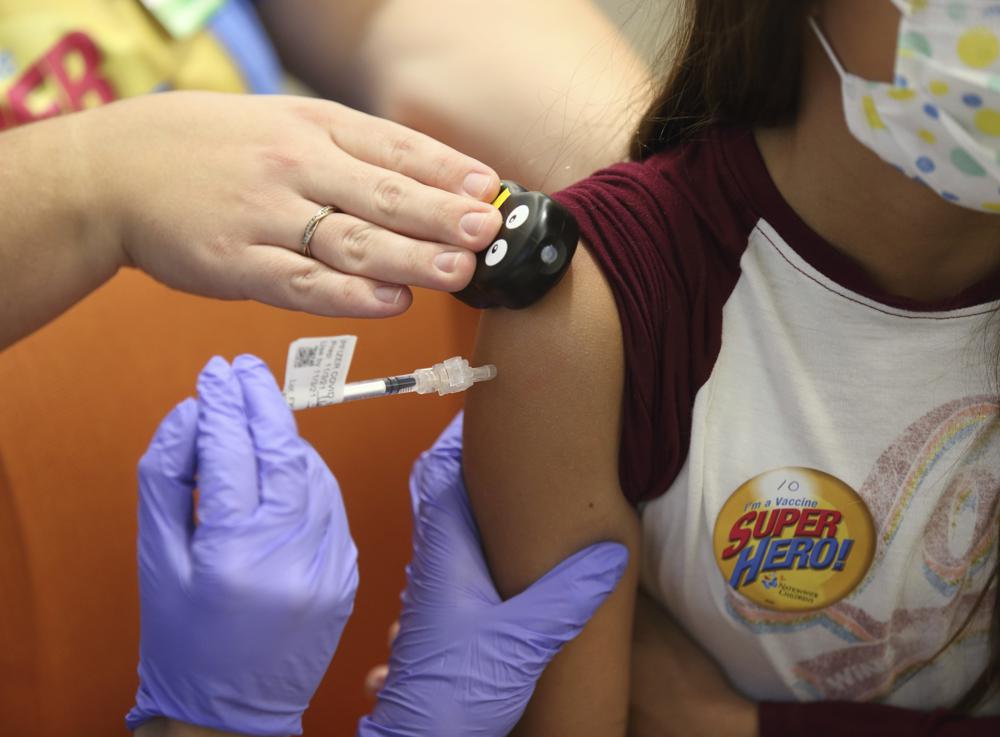
The omicron-fueled surge that is sending COVID-19 cases rocketing in the U.S. is putting children in the hospital in record numbers, and experts lament that most of the youngsters are not vaccinated. “It’s just so heartbreaking,” said Dr. Paul Offit, an infectious-disease expert at Children’s Hospital of Philadelphia. “It was hard enough last year, but now you know that you have a way to prevent all this.” During the week of December 22-28, an average of 378 children 17 and under were admitted per day to hospitals with the coronavirus, a 66% increase from the week before, the Centers for Disease Control and Prevention reported Thursday. The previous high over the course of the pandemic was in early September when child hospitalizations averaged 342 per day, the CDC said. On a more hopeful note, children continue to represent a small percentage of those being hospitalized with COVID-19: An average of nearly 10,200 people of all ages were admitted per day during the same week in December. And many doctors say the youngsters seem less sick than those who came in during the delta surge over the summer. Two months after vaccinations were approved for 5- to 11-year-olds, about 14% are fully protected, CDC data shows. The rate is higher for 12- to 17-year-olds, at about 53%. A study released Thursday by the CDC confirmed that serious side effects from the Pfizer vaccine in children ages 5 to 11 are rare. The findings were based on approximately 8 million doses dispensed to youngsters in that age group. Dr. Albert Ko, professor of epidemiology and infectious diseases at the Yale School of Public Health, noted that the low vaccination rate is, in part, a matter of timing: Younger children were not approved for the vaccine until November, and many are only now coming up on their second dose. Offit said none of the vaccine-eligible children receiving care at his hospital about a week ago had been vaccinated, even though two-thirds had underlying conditions that put them at risk — either chronic lung disease or, more commonly, obesity. Only one was under the vaccination age of 5. The scenes are heart-rending. “They’re struggling to breathe, coughing, coughing, coughing,” Offit said. “A handful were sent to the ICU to be sedated. We put the attachment down their throat that’s attached to a ventilator, and the parents are crying.” None of the parents or siblings was vaccinated either, he said. The next four to six weeks are going to be rough, he said: “This is a virus that thrives in the winter.” Aria Shapiro, 6, spent her 12th day Thursday at Phoenix Children’s Hospital. She tested positive for COVID-19 after getting her first dose of the vaccine on December 17. Aria, who is considered “medically fragile” because she has epilepsy, suffered prolonged seizures in the hospital, and a breathing tube had to be put down her throat at one point, though she has since improved. “We lived our life in for two years to prevent her from getting COVID, finally went for the vax, and the one thing that we didn’t want to happen happened,” said her mother, Sarah Shapiro. “It wasn’t enough time for her body to build antibodies. She did end up getting COVID.” Overall, new COVID-19 cases in Americans of all ages have skyrocketed to the highest levels on record: an average of 300,000 per day, or 2 1/2 times the figure just two weeks ago. The highly contagious omicron accounted for 59% of new cases last week, according to the CDC. Still, there are early indications that the variant causes milder illness than previous versions, and that the combination of the vaccine and the booster seems to protect people from its worst effects. In California, 80 COVID-19-infected children were admitted to the hospital during the week of December 20-26, compared with 50 in the last week of November, health officials said. Seattle Children’s also reported a bump in the number of children admitted over the past week. And while they are less seriously ill than those hospitalized over the summer, Dr. John McGuire cautioned that it is early in the omicron wave, and the full effects will become apparent over the next several weeks. New York health authorities have also sounded the alarm. The number of children admitted to the hospital per week in New York City with COVID-19 went from 22 to 109 between December 5 and December 24. Across all of New York state, it went from 70 to 184. Overall, almost 5,000 people in New York were in the hospital with COVID-19. “A fourfold increase makes everybody jump with concern, but it’s a small percentage,” Ko said of the New York City figures. “Children have a low risk of being hospitalized, but those who do are unvaccinated.” Dr. Al Sacchetti, chief of emergency services at Our Lady of Lourdes Medical Center in Camden, New Jersey, likewise said vaccinated children are handling the omicron outbreak extremely well. “It makes a big difference in how these kids tolerate the disease, particularly if the child’s got some medical issues,” he said. COVID-19 deaths have proved rare among children over the course of the pandemic. As of last week, 721 in the U.S. had died of the disease, according to data reported to the American Academy of Pediatrics. The overall U.S. death toll is more than 800,000. Almost 199,000 child COVID-19 cases were reported during the week of Dec. 16-23, the pediatrics group said. That was about 20% of the more than 950,000 total cases recorded that week. While many of these children will recover at home, they may have contact with others who are at much greater risk, said Dr. Jason Terk, a pediatrician in North Texas. He cared for a 10-year-old boy with COVID-19 who managed the disease well, but his father got sick and died, he said. “The death of a parent is devastating, but the toxic stress for a young person in this situation is difficult to
Donald Trump claims he’s free of virus, ready for campaign trail
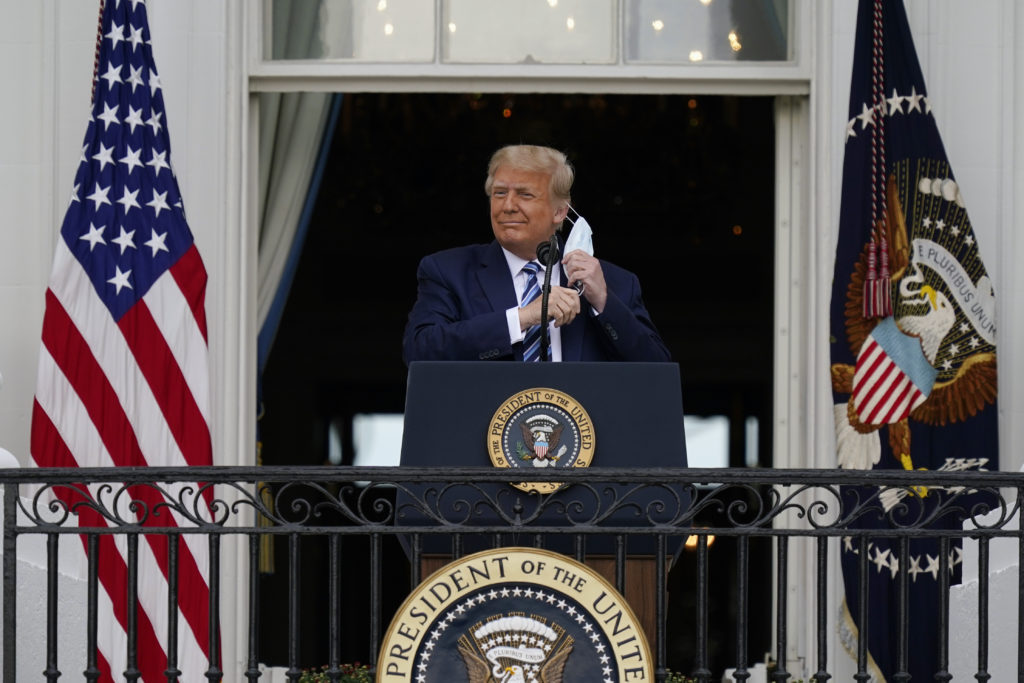
President Donald Trump on Sunday declared he was ready to return to the campaign trail despite unanswered questions about his health on the eve of a Florida rally meant to kick off the stretch run before Election Day. His impending return comes after the White House doctor said he was no longer at risk of transmitting the coronavirus but did not say explicitly whether Trump had tested negative for it. The president insisted he was now “immune” from the virus, a claim that was impossible to prove and added to the unknowns about the president’s health. “I’m immune,” Trump said in an interview on Fox News Channel’s “Sunday Morning Futures.” “The president is in very good shape to fight the battles.” In a memo released Saturday night by the White House, Navy Cmdr. Dr. Sean Conley said Trump met the Centers for Disease Control and Prevention criteria for safely discontinuing isolation and that by “currently recognized standards” he was no longer considered a transmission risk. The memo did not declare Trump had tested negative for the virus. But sensitive lab tests — like the PCR test cited in the doctor’s statements — detect virus in swab samples taken from the nose and throat. Some medical experts had been skeptical that Trump could be declared free of the risk of transmitting the virus so early in the course of his illness. Just 10 days since an initial diagnosis of infection, there was no way to know for certain that someone was no longer contagious, they said. His return to full-fledged rallies will be in Florida on Monday, a comeback that comes with the president facing stubborn deficits in the polls. The Trump campaign and White House has not indicated that any additional safety measures will be taken to prevent the transmission of the virus among those traveling on Air Force One, at the event site, or at rallies scheduled for Pennsylvania and Iowa later in the week. Campaign officials have signaled that Trump will be traveling nearly every day the rest of the campaign, and sometimes making more than one stop, an aggressive schedule for a 74-year-old who was hospitalized just days ago. And with the virus again dominating the national discourse, the Trump campaign has released an ad featuring Dr. Anthony Fauci praising the president’s leadership — but the nation’s leading infectious disease expert on Sunday objected to being included. “The comments attributed to me without my permission in the GOP campaign ad were taken out of context,” Fauci said in a statement, adding that he was talking broadly about public health officials’ response to the pandemic. “In my five decades of public service, I have never publicly endorsed political candidates.” Tim Murtaugh, Trump campaign communications director, responded by saying that “these are Dr. Fauci’s own words” and said they were praising the administration’s response. On Sunday, Trump asserted in a tweet that he had “total and complete sign off from White House Doctors” to fully return to the campaign trail, insisting he can no longer spread the disease to others and was impervious to getting sick again. That’s far from certain, and Twitter later flagged his tweet with a fact-check warning. While there’s evidence that reinfection is unlikely for at least three months even for those with a mild case of COVID-19, very few diseases leave people completely immune for life. Antibodies are only one piece of the body’s defenses, and they naturally wane over time. “Certainly it’s presumptuous to say it’s a lifetime,” said Dr. Albert Ko, an infectious disease specialist and department chairman at the Yale School of Public Health. As to whether Trump could still be contagious, Ko said the White House appeared to be following CDC guidelines for when it is appropriate to end isolation after mild to moderate cases of COVID-19. But Ko cautioned that those who have had severe cases of the diseases should isolate for 20 days. He noted that Trump was treated with the steroid dexamethasone, which is normally reserved for patients with severe COVID. Dr. Marc Lipsitch, an infectious disease expert at the Harvard School of Public Health, said the doctor’s letter does not provide enough information to be assured that Trump is no longer infectious to others. He noted that Trump’s use of steroids could prolong viral shedding so the CDC’s 10-day standard may or may not apply. “It is a judgment call,” he said. The White House memo followed Trump’s first public appearance since returning to the White House after being treated for the coronavirus at a military hospital. Hundreds of people gathered Saturday afternoon on the South Lawn for a Trump address on his support for law enforcement from a White House balcony. Trump took off a mask moments after he emerged on the balcony to address the crowd on the lawn below, his first step back onto the public stage with just more than three weeks to go until Election Day. He flouted, once more, the safety recommendations of his own government days after acknowledging that he was on the brink of “bad things” from the virus and claiming that his bout with the illness brought him a better understanding of it. His return was a brief one. With bandages visible on his hands, likely from an intravenous injection, Trump spoke for 18 minutes, far less than his normal hour-plus rallies. He appeared healthy, if perhaps a little hoarse, as he delivered what was, for all intents and purposes, a short version of his campaign speech despite the executive mansion setting. “I’m feeling great,” Trump told the crowd, before declaring that the pandemic, which has killed more than 210,000 Americans, was “disappearing” despite signs of surging cases in several states. In either an act of defiance or simply tempting fate, officials organized the event just steps from the Rose Garden, where exactly two weeks ago the president held another large gathering to formally announce his nomination of Judge Amy Coney Barrett to the Supreme Court. That gathering is now being eyed
