
Steve Flowers: Some legislative leaders retire and pass away
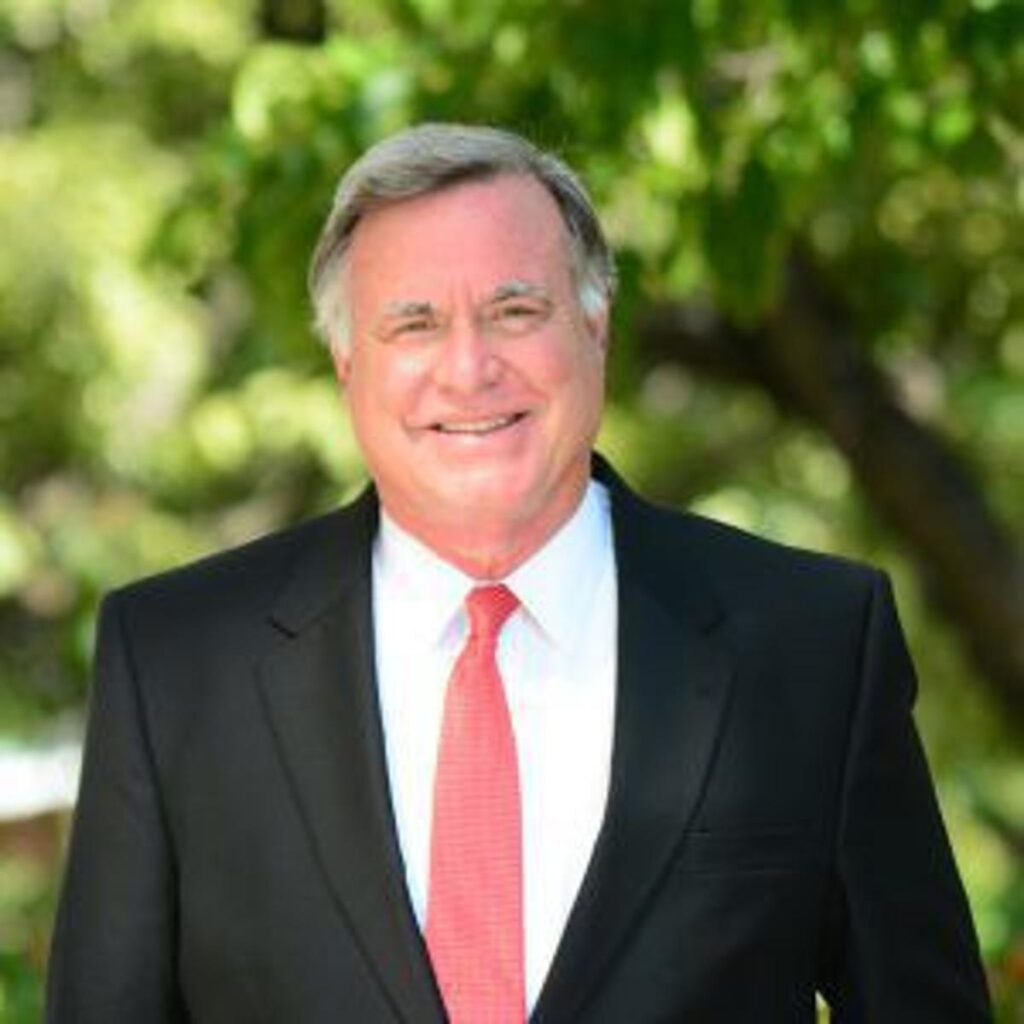
Allow me to share the stories of three of my favorite legislative colleagues. Two of these gentlemen are retiring from the Alabama House of Representatives this year, and one passed away in April. Representative Victor Gaston of Mobile and Representative Howard Sanderford of Huntsville are going home. A third legend and true gentleman, Steve McMillan of Baldwin County, passed away during the last session in April. Representative Victor Gaston is Speaker Pro Tem of the House. Victor is retiring after 40 years in the legislature. He decided that at age 79 and having spent half his entire life in the legislature, that the timing was right to end his career and not run for reelection. Gaston, who was an educator by profession and also has family timber interests, lost the love of his life, Jean, only two years ago. They were married for 46 years and were very close. You can tell he misses her immensely. His two sons, Hank and George, have been helpful to him. Victor was first elected to the House in 1982. That year, he was only one of eight Republicans in the 105-member House. His district is an affluent silk-stocking area of Mobile and one of the few areas that voted Republican in local races in that era. He serves as a deacon of the Springhill Baptist Church. Additionally, he is active in Mobile with the Penelope House, Home of Grace for Women, and the Mobile Mental Health Center. Besides serving as Pro Tem in the legislature, he has been active with the American Legislative Exchange Council and is on the State Building Commission. Victor and I came to the House as freshmen together in 1982 and became and remain good friends. I like to give my friends nicknames; I dubbed him, “To the Victor goes the spoils.” He is a formal person and seemed to enjoy the frivolity of the term. Also in our class were Spencer Bachus, Beth Marietta Lyons, and Mo Brooks, to name a few. My friend Howard Sanderford came to the Alabama House of Representatives in January 1989. We became fast friends. He succeeded my friend, Steve Hettinger, who became mayor of Huntsville. Howard has represented the 20th District which is comprised of southeast Huntsville. He was elected to this very Republican district seven times and has served a total of 33 years. He was a true blue business Republican who was perfect for that district. He represented his people well with class and distinction. Howard was an accountant by profession and had a successful career with IBM, retired early, and was able to serve in the legislature with ample time and without the need for remuneration. He is a devoted family man. Howard and his wife, Dot, are very close. She accompanied him to Montgomery most of the time during his 33 years in the legislature. They are active members of the First Baptist Church of Huntsville. At 87, Howard felt like it was time to retire from his second career. Our friend, Representative Steve McMillan of Baldwin County, passed away at 80 in April after a tough bout with cancer. Steve was a great man and a great legislator. He was a quiet yet very friendly gentleman. Steve served with distinction for 43 years in the House of Representatives. He was a very diligent and well-prepared legislator. He was extremely conservative in a dignified way. He was not flamboyant and would seldom go to the well and speak. Yet, when he did, people listened. He was well-respected and knew what he was talking about. He exuded class and epitomized the term gentleman. Steve is survived by his wife, Gayle, two sons, and six grandchildren. The House is losing a lot of experience and leadership with the loss of Steve McMillan, Victor Gaston, and Howard Sanderford. Coupled with the decision by Speaker of the House, Mac McCutcheon, to not seek reelection, this will leave a void in the Speaker and Pro Tem posts in the House. In addition, the House is losing veterans Mike Ball (R-Huntsville), Allen Farley (R-Jefferson), L.L. Brown (R-Jacksonville), and Harry Shiver (R-Baldwin). The state and many of us will miss these folks. See you next week. Steve Flowers is Alabama’s leading political columnist. His weekly column appears in over 60 Alabama newspapers. He served 16 years in the state legislature. Steve may be reached at www.steveflowers.us.
House votes to allow concealed handguns without permit

The Alabama House of Representatives on Tuesday approved legislation ending the requirement for a person to get a permit in order to carry a concealed handgun in public. Lawmakers voted 65-37 for the bill after Republicans in the chamber limited debate to two hours. The bill now moves to the Alabama Senate. Gun rights advocates have championed the proposal they call “constitutional carry,” arguing that people should not have to get a permit, which requires a background check and paying a fee, to carry a handgun they legally own. Many state sheriffs and other law enforcement officials have opposed the legislation, arguing the permits provide a crucial tool to combat crime and enhance public safety. “This bill does not change who can and cannot carry a gun. The people that are prohibited now will still be prohibited,” Republican Rep. Shane Stringer of Citronelle said of his bill. Stringer, a former law enforcement officer, disputed arguments that the permits enhance public safety. “The fact of the matter is, criminals don’t obey laws. This $20 piece of plastic, a permit, is not going to stop an evil person from committing a crime or doing wrong and it will not protect our law enforcement from getting hurt or killed.” Alabama currently requires people to get a concealed carry permit, which requires a background check, to carry a handgun under their clothes or in a purse or bag when they go in public. The bill would do away with the requirement, but people could still choose to get a permit if they wanted. It would also do away with the current requirement for people without concealed carry permits to keep handguns unloaded and secured when driving. Rep. Pebblin Warren, a Democrat who represents Tuskegee, said the change will encourage young people to “just go wild in the street with guns.” “We’re opening the door to really encourage violence,” Warren said. Warren, the wife of a former state sheriff, read a letter from Montgomery County Sheriff Derrick Cunningham, who now heads the Alabama Sheriffs Association, opposing passage of the bill. Republican Rep. Allen Farley, a retired assistant sheriff and the only Republican to vote against the bill in committee, said the permits are a tool “for us to catch those people who should not have a firearm.” Farley said the permit fees help fund small sheriffs’ offices and that the arrests for permit violations have led to seizures of drugs and the solving of crimes. “Why are we making the thin blue line in Alabama thinner?” Farley said. There are 21 states that allow concealed weapons in public without a permit, according to Stateline, an initiative of the Pew Charitable Trusts. Proponents of the bill said the Alabama Law Enforcement Agency is developing a database, authorized by a state law creating a lifetime concealed carry permit option, that officers will be able to use to flag people not legally entitled to carry a handgun. Stringer maintained that will be a better tool for law enforcement officers to remove guns from people who can not legally possess them. Lee County Sheriff Jay Jones last week said the intent of the database is good but said he did not think it could take the place of permits because there will be inevitable gaps in collecting data. Republished with the permission of the Associated Press.
Bill advances to allow concealed handguns without permit
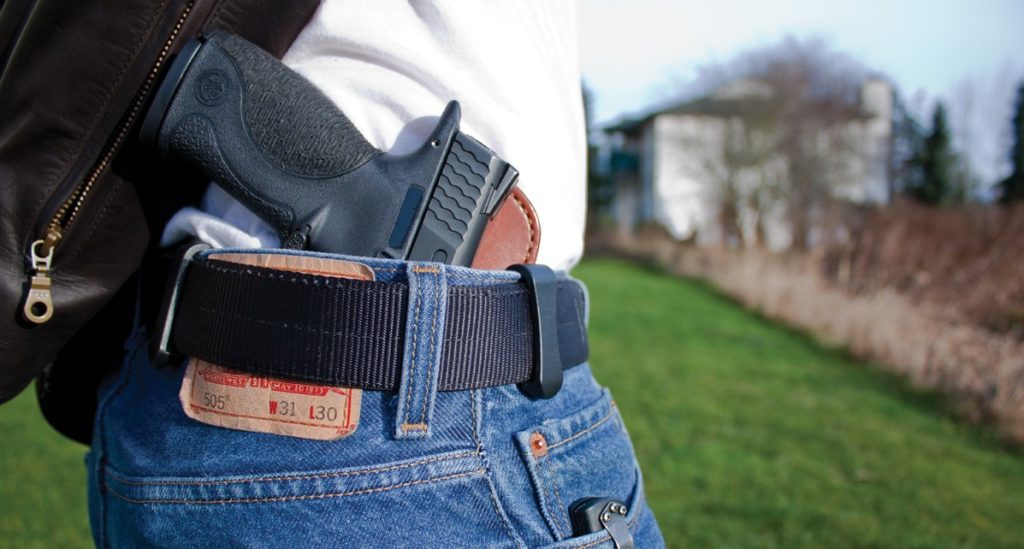
Alabama lawmakers on Wednesday advanced legislation that would do away with the requirement for a person to get a permit to carry a concealed handgun in public. A divided House Public Safety Committee on Wednesday approved a bill that would do away with the current permit requirement for a person who carries a handgun under their clothes or in a purse or bag when they go in public. It would also do away with the current requirement for people without concealed carry permits to keep handguns unloaded and secured when driving. The proposal now moves to the full Alabama House. Similar legislation is pending in the Senate. State sheriffs and other law enforcement officials have opposed the legislation, arguing that the permits provide a crucial tool to combat crime and enhance public safety. The bill has been championed by gun-rights groups who argue that people shouldn’t have to get a permit, which requires paying a fee, to carry a handgun they legally own. “This bill gives law-abiding citizens, that are able to own a firearm, the ability to carry that firearm concealed, or in their car, for their protection. It’s not very complicated. It doesn’t change who can or cannot carry, and it does not change where you can or cannot carry. It only addresses the permit itself,” Republican Rep. Shane Stringer of Citronelle said of his legislation. There are 21 states that allow concealed weapons in public without a permit, according to Stateline, an initiative of the Pew Charitable Trusts. Several sheriffs and other law enforcement officials attended the committee meeting at the Alabama Statehouse to oppose the bill. “We are opposed to the bill because we know how unsafe it makes the community,” Jefferson County Sheriff Mark Pettway told reporters after the vote. “It’s going to allow more guns to be on the street. We do not need more guns on the street,” Pettway said. Lee County Sheriff Jay Jones, the incoming president of the Alabama Sheriffs Association, said the permits are a tool that officers use daily to remove “weapons from the hands of individuals who should not have them in the first place.” “We’re able in using the permit requirement — using that as a tool — to remove that weapon from that individual’s hands and take that individual into custody. And a lot of times that we’ll uncover evidence of other crimes as well, burglaries, thefts, and even homicides and assaults,” Jones said. Republican Rep. Allen Farley, a retired assistant sheriff from McCalla, said the fees from the permits help sheriffs buy bulletproof vests, put resource officers in schools and carry out other law enforcement functions. “Let’s be serious. What we are doing here is defunding the police,” Farley said. Similar bills have been introduced unsuccessfully in Montgomery for at least the last five years. However, the House Republican Caucus this year has backed the legislation as an agenda item. Proponents said the Alabama Law Enforcement Agency is developing a database, authorized by a state law creating a lifetime concealed carry permit option, that officers can use to flag people not legally entitled to carry a handgun. Jones said the intent is good but said he didn’t think that would be effective because of the inherent gaps in collecting data. Stringer, a former captain with the Mobile County sheriff’s office, has disputed the value of the permits in stopping crime. “A $20 piece of plastic is not going to stop an evil-hearted person,” Stringer said. Jones said after the meeting that he agrees that criminals won’t obey the law but said the current permit requirement “helps us” bring those criminals to justice. Republished with the permission of the Associated Press.
Steve Flowers: Incumbency prevails in 2022 State House races
Folks, believe it or not, we are closing in on six months before next year’s election year. The primary election is set for May 24, 2022. In Alabama, all our major constitutional officers are on the ballot next year. The governor’s office is the premier race in the state, and that coveted and powerful post is set for its four-year quadrennial run. Therefore, this big political year is referred to as the gubernatorial year. Those of us who follow Alabama politics have been salivating with anticipation for a cavalcade of great races. However, the power of incumbency has devasted the big year into a yawn. All the major state offices are held by popular incumbents, who are either running unopposed or have minimal opposition. The consolation prize was that there would be the legislative races. After all, this is where the real power in the state rests. You can simply look at where the special interest and PAC money is spent to verify that fact. However, the omnipotent power of incumbency has also encroached on those races. The Alabama House of Representatives has 105 members. There are 77 Republicans and 28 Democrats. The large majority of incumbents are running for reelection – both Republicans and Democrats. The overwhelming majority of these incumbents will have no opposition. However, in the House, there will be some major changes in leadership because of retirement or moving on to new posts. Speaker of the House Mac McCutcheon is not running for reelection. This has created an interesting and spirited race within the Republican Caucus ranks for Speaker. In addition, Victor Gaston of Mobile, who is Speaker Pro Tem, is also retiring. Bill Poole of Tuscaloosa, who chaired the powerful House Ways and Means Education Budget Committee, has left the House to be the State Finance Director. House Rules Committee Chairman Mike Jones of Andalusia is running for the open Senate seat of retiring Senator Jimmy Holley. Two of the freshman House members are running for statewide office. Wes Allen of Troy is running for Secretary of State, and Andrew Sorrell of Tuscumbia is running for State Auditor. In addition, Connie Rowe of Jasper is leaving the House to become an administrative assistant to Lt. Gov. Will Ainsworth. Some of the veteran House members who are choosing to hang up their legislative cleats include Howard Sanderford of Huntsville, Mike Ball of Huntsville, K.L. Brown of Jacksonville, Kerry Rich of Marshall, Allen Farley of Jefferson, Harry Shiver of Baldwin, Mike Holmes of Elmore, and Becky Nordgren of Etowah. The most noteworthy retiree may be Representative Steve McMillan of Baldwin County, who is retiring after serving close to 43 years in the House. Steve has been a quiet yet very effective voice for the people of Baldwin County. They all will be missed. Some of the high profile and powerful members of the House, who will return for another four years with no or token opposition, are Steve Clouse of Ozark, Nathaniel Ledbetter of Dekalb County, and Danny Garrett, Jim Carns, David Wheeler, and David Faulkner of Jefferson. Danny Garrett has ascended to Chairman of the House Ways and Means Education. Other leaders returning are Chris Pringle, Reed Ingram, Randall Shedd, Tracy Estes, Chris Sells, David Standridge, Ginny Shaver, Jim Hill, Alan Baker, Joe Lovvorn, Chris Blackshear, Kyle South, Paul Lee, Jeff Sorrells, Rhett Marques, Steve Hurst, Joe Faust, and Margie Wilcox. The Democratic leadership will remain intact. There is an illustrious array of House Democratic leaders, including Anthony Daniels, Chris England, Laura Hall, Peb Warren, Barbara Boyd, A.J. McCampbell, Berry Forte, Dexter Grimsley, Thomas Jackson, Kevin Lawrence, Mary Moore, Juandalynn Givan, and veteran John Rogers. Two of the Democratic House veterans from Jefferson County, Louise Alexander and Merika Coleman, are both running for an open Jefferson County Senate Seat, leaving both their House seats up for grabs. There may be an increase in the number of females in the House of Representatives. It has already begun with the election of Cynthia Almond of Tuscaloosa, who was elected without opposition to replace Bill Poole. In addition, Patrice Penni McClammy won the Montgomery District 76 seat of her late father, Thad McClammy. She won with no opposition. See you next week. Steve Flowers is Alabama’s leading political columnist. His weekly column appears in over 60 Alabama papers. He served 16 years in the state legislature. Steve may be reached at www.steveflowers.us.
Two new candidates seeking to replace Allen Farley in House District 15
Two new candidates are vying for the position of House of Representatives District 15, Yellowhammer News reported. Brad Tompkins and Leigh Hulsey have announced their candidacy to replace state Rep. Allen Farley, who is not seeking reelection. House District 15 includes portions of Shelby and Jefferson Counties. Leigh Hulsey is on the Helena City Council and owns CrossFit Alabaster. She is the president of the Alabaster Business Alliance and the vice president of campaigns for the Republican Women of North Shelby County. Hulsey stated, “I love giving back and serving my community, and I would be honored to serve in the Alabama House. We need an outsider who is ready to go to Montgomery and work hard for the people of Alabama.” Tompkins, who lives in Bessemer, is the owner of the engineering company Automated Solutions, Inc. As a business owner, Tompkins believes his experience as a business owner will help him. “I’ve never run for office before. This is not something I’ve been planning to do. But when I was approached and asked if I would consider serving in public service, I immediately knew that the time was right for me and my family to give back to our community,” Tompkins commented. “As a business owner and a member of the Bessemer Industrial Development Board, I’ve seen firsthand how the government can help or hinder economic growth. I want to put my experience in the private sector to work for the people of Jefferson and Shelby counties, specifically in the areas of workforce development and recruiting new jobs to our area,” he continued. The Republican primary election is scheduled for May 24, 2022.
House drops resistance, OKs medical marijuana bill
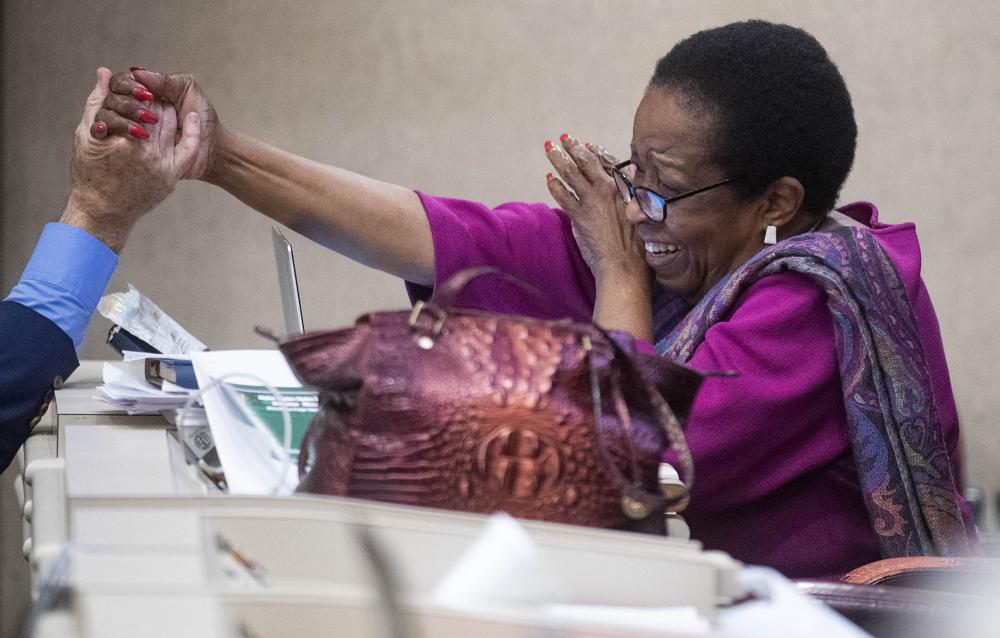
The Alabama House of Representatives overcame years of resistance in approving medical marijuana legislation on Thursday, voting after two days of long and emotional debate in which key Republican lawmakers described switching sides in favor of the proposal. Representatives voted 68-34 to pass the bill, which would allow people with a qualifying medical condition to purchase medical marijuana with the recommendation of a doctor. The bill now returns to the Alabama Senate to settle differences or be sent to a conference committee. The state Senate had already approved the bill last February by a 21-8 vote after just 15 minutes of debate. But the House of Representatives had traditionally been more skeptical of medical marijuana proposals and sent the bill through two committees before it reached the House floor. Alabama Gov. Kay Ivey’s office did not immediately respond to a request for comment on the bill. The House approval came eight years after a medical marijuana bill in 2013 won that year’s so-called “Shroud Award” for the “deadest” bill of the year in the House of Representatives. But Republican Rep. Mike Ball, who handled the bill in the House, said “hearts and minds” have slowly been changed on the issue. Ball, a former state trooper and state investigator, said he also changed his stance on medical marijuana, becoming emotional at times as he discussed the bill’s House passage. “Every year that we delay getting help to people who need it, there are more people and more people who are suffering because of it. We’ve still got another year or so before this gets set up and cranked up, but at least we have hope now,” Ball said. More than a dozen conditions, including cancer, a terminal illness, depression, epilepsy, panic disorder, and chronic pain would allow a person to qualify. The bill would allow marijuana in forms such as pills, skin patches, and creams but not in smoking or vaping products. Representatives voted to name the bill after the son of Democratic Rep. Laura Hall. She first introduced a medical marijuana bill over a decade ago after her son Wesley ‘Ato’ Hall died of AIDS. Representatives debated the bill for nearly 10 hours Tuesday until lawmakers adjourned shortly before midnight without a vote. Lawmakers did not meet Wednesday and representatives approved the bill Thursday after two hours of debate. The lengthy debate brought impassioned discussion that included lawmakers expressing fervent opposition. Others spoke, however, of changing their minds on the issue after witnessing the illnesses of family members. “This can change the quality of life for the people that we love,” said Republican Rep. Allen Farley, a former police officer. The bill had faced an earlier filibuster from opposed Republicans, who worried that it could be a gateway to recreational use or that medical marijuana could end up in the hands of teens. “What makes us think we know more than the FDA. My other thought is what if we’re wrong. What if we approve and pass this bill and it is a gateway like it has been for Colorado,” Republican Rep. Rich Wingo of Tuscaloosa said Tuesday. A medical marijuana bill in 2013 won the Shroud Award for the “deadest bill” in the House. “They laughed at me,” former Democratic state Rep. Patricia Todd, the sponsor of the 2013 bill said Thursday of the reaction she got from some Republicans at the time. “I’m glad to see it passed. It’s long overdue,” Todd said. Republished with the permission of the Associated Press.
House delays vote on medical marijuana bill
Legislation to authorize medical marijuana in Alabama stalled Tuesday in the state House of Representatives after Republican opponents used a filibuster to at least temporarily delay a vote. Representatives adjourned shortly before midnight without a vote after nearly 10 hours of debate on the Senate-passed bill. The bill is expected to return to the House floor on Thursday. The lengthy debate brought impassioned discussion that included lawmakers expressing fervent opposition or how they changed their minds on the issue after the illnesses of family members. The bill would allow people with a qualifying medical condition to purchase marijuana after getting a recommendation from a doctor. More than a dozen conditions, including cancer, a terminal illness, depression, epilepsy, panic disorder, and chronic pain would allow a person to qualify. The bill would allow marijuana in forms such as pills, skin patches, and creams but not in smoking or vaping products. The bill was sponsored by Republican Sen. Tim Melson, an anesthesiologist, and handled in the House by Republican Rep. Mike Ball, a former state trooper and state investigator. “This can change the quality of life for the people that we love,” said Republican Rep. Allen Farley, a former police officer, describing how his 94-year-old mother at the end of her life entered a facility that treats people with dementia. Republican Rep. Brett Easterbrook of Fruitdale said he is “as conservative as they get” but saw the positive impact medical marijuana had on his son. “I watched it … There is not one of you sitting in those chairs, if your child has a brain injury or cancer and this will help, you won’t give a damn what the Legislature says,” Easterbrook said. The bill faced a filibuster from opposed Republicans who worried that it could be a gateway to recreational use or that medical marijuana could end up in the hands of teens. “Don’t ever doubt it, if the state of Alabama gets into the marijuana business, the cannabis business, it will change the very fabric of who we are as a state,” said Republican Rep. Jim Carnes of Vestavia Hills. Other lawmakers expressed concern that marijuana has not gone through the Food and Drug Administration approval process for drugs or that it could lead to traffic accidents. “What makes us think we know more than the FDA. My other thought is what if we’re wrong. What if we approve and pass this bill and it is a gateway like it has been for Colorado,” said Republican Rep. Rich Wingo of Tuscaloosa. The Alabama Senate approved the bill by a 21-8 vote in February after 15 minutes of debate. However, the House of Representatives has traditionally been more skeptical of medical marijuana proposals and required the bill to go through two committees before coming to the floor. A medical marijuana bill in 2013 won the “Shroud Award” for the “deadest” bill that year in the House of Representatives. Representatives on Tuesday voted 69-31 to bring the bill up for a debate, an indicator that the bill could have enough support for final passage if it reaches a vote. “I have no doubt it is going to pass if it is given a vote,” Melson said. Melson, an anesthesiologist who now works in medical research, said he believes medical marijuana can provide relief to patients where other drugs have failed. “It’s the last choice to be used by a doctor so if there is an illness where everything else has failed, why not let them try it,” Melson said. Democratic Rep. Ralph Howard of Greensboro criticized the Republican filibuster against the bill. He described how his father struggled with the pain of cancer that had spread to his brain. “Who am I to tell you how to treat a sick relative. A drug is a drug,” Howard said. Republished with the permission of the Associated Press.
House nears vote on medical marijuana bill

The Alabama House of Representatives headed to a vote on a medical marijuana bill late Tuesday evening after impassioned debate that included lawmakers expressing fervent opposition or how they changed their minds on the issue after the illnesses of family members. The bill would allow people with a qualifying medical condition to purchase marijuana after getting a recommendation from a doctor. More than a dozen conditions, including cancer, a terminal illness, and chronic pain would allow a person to qualify. The bill would allow marijuana in forms such as pills, skin patches, and creams but not in smoking or vaping products. The bill was sponsored by Republican Sen. Tim Melson, a doctor, and Republican Rep. Mike Ball, a former state trooper and state investigator. “This can change the quality of life for the people that we love,” said Republican Rep. Allen Farley, a former police officer, describing how his 94-year-old mother at the end of her life entered a facility that treats people with dementia. Republican Rep. Brett Easterbrook of Fruitdale said he is “as conservative as they get” but saw the positive impact medical marijuana had on his son. “I watched it … There is not one of you sitting in those chairs, if your child has a brain injury or cancer and this will help, you won’t give a damn what the Legislature says,” Easterbrook said. The bill faced a filibuster from opposed Republicans who worried that it could be a gateway to recreational use or that medical marijuana could end up in the hands of teens. “Don’t ever doubt it, if the state of Alabama gets into the marijuana business, the cannabis business, it will change the very fabric of who we are as a state,” said Republican Rep. Jim Carnes of Vestavia Hills. The bill was added to the day’s debate agenda at the last minute. Republican Rep. Rich Wingo of Tuscaloosa said lawmakers deserve more time to look at the bill. The Alabama Senate approved the bill by a 21-8 vote in February after 15 minutes of debate. However, the House of Representatives has traditionally been more skeptical of medical marijuana proposals and required the bill to go through two committees before coming to the floor. A medical marijuana bill in 2013 won the “Shroud Award” for the “deadest” bill that year in the House of Representatives. Melson has expressed optimism that the bill would win approval. Representatives on Tuesday voted 69-31 to bring the bill up for a debate, an indicator that the bill could have enough support for final passage if it reaches a vote. Democratic Rep. Ralph Howard of Greensboro criticized the Republican filibuster against the bill. He described how his father struggled with the pain of cancer that had spread to his brain. “Who am I to tell you how to treat a sick relative. A drug is a drug,” Howard said.
Alabama lawmakers hope to make state hands-free for drivers
Alabama could become the 17th state to ban holding cell phones while driving. A bill that would ban holding a phone while driving has been pre-filed ahead of the 2019 session in the State House, and a similar bill will soon be filed in the State Senate. McCalla-Republican, State Rep. Allen Farley filed a bill last week. Springville-Republican, State Sen. Jim McClendon says he will sponsor a simliar bill in the Senate. Under existing law, a person is prohibited texting while driving, but they are allowed to hold a phone. Farley’s bill, HB6, put an end to that. Specifically, it would “prohibit a person from holding or otherwise using his or her body to support a wireless communication device or standalone electronic device while operating a motor vehicle.” It would also prohibit drivers from watching, recording, or capturing photographs or videos while operating a vehicle. “It’s not called a no texting law, or a no emailing law, it’s called a distracted driving law,” Farley told WHNT-19. The first violation will carry a $50 fine; $100 for the second; and $150 for third and subsequent offenses. Violations with convictions will also result in points on people’s license.
Conservative legislators ask colleagues to “Stop the Gas Tax”

https://www.youtube.com/watch?v=llTMdXbnZ-s&feature=youtu.be In a video published on Rep. Will Ainsworth‘s YouTube account, several conservative Republican state legislators proclaim their opposition to a proposed fuel tax increase currently making its way through the state legislature. The bill, sponsored by Rep. Mac McCutcheon, would raise the gasoline tax by 6 cents per gallon initially, but could be reassessed every four years to be adjusted to equal the average of Alabama’s neighboring states. In the video, published Thursday, Reps. Ainsworth, Mike Holmes, Phil Williams, Arnold Mooney, Ed Henry, Allen Farley, and Mack Butler join with Sens. Bill Holtzclaw, Paul Bussman, Paul Sanford, and Phil Williams to express their disapproval for the legislation. Ainsworth was the only member of the House Transportation, Utilities and Infrastructure Committee to vocally dissent to the bill in committee when it was overwhelmingly passed with a voice vote. Proponents of the bill, including Jeremy L. Arthur, the president and CEO of the Chamber of Commerce Association of Alabama, and William J. Canary, president and CEO of the Business Council of Alabama, say the increased tax is a much-needed investment in the state’s infrastructure and ability to recruit jobs and businesses. Ainsworth maintains that he isn’t arguing the importance of infrastructure spending, but believes Alabama should get its fiscal house in order first. “No one argues the importance of infrastructure spending in Alabama,” he said in the video. “However, before we look at that we need to cut waste, reduce the size of government, and look at best practices in other states.” Other opponents of the legislation made a similar argument, citing the state’s unusual budgeting process, as well as the high number of government employees. “Why should we raise the Alabama gas tax when we already transfer $63.5 million away from the Department of Transportation to support other government services?” Sanford said. “I don’t see how we can talk about raising fuel tax at the gas pumps when for a number of years, there have been several of us at the State House have tried to get a conversation going about looking at our 91-94 percent earmarked budgets,” Farley said. “Alabama is seventh in the nation in full-time employment, both state and local, that is not education. We need to deal with the size of government, and cut it.” The legislature will likely take up the bill when it returns from spring break on Tuesday.
Allen Farley: Why judges shouldn’t disregard ignition interlock requirement for DUIs
Memorial Day weekend is one of the deadliest because of alcohol-related accidents, behind only the Fourth of July. Alabama has the opportunity to decrease repeat DUIs, but many in the judiciary are not adhering to the state law designed to make our roads safer. Prior to being elected to the Alabama Legislature in 2010, I was a law enforcement officer for 36 years. During those years I saw a glaring hole in how we deal with DUI offenders. The other side of the problem – family-destroying addiction – also became evident as my wife and I volunteered at the Salvation Army Drug and Alcohol Rehabilitation Center. That is why I agreed to be the House sponsor of the Ignition Interlock Bill, which passed overwhelmingly in 2014 and became law in July 2014. For those readers not familiar with ignition interlock, it’s a breathalyzer-controlled lock installed on the vehicle of a convicted DUI offender. If the user blows above a 0.02 percent BAC (blood alcohol content), the car won’t start. The new law we passed was a change to existing law, allowing offenders of different degrees to have an ignition interlock device instead of losing their license. The National Highway Traffic Safety Administration endorses that approach because license suspensions do not change behavior or protect against future drunk driving. This sounds like common sense, right? But there is a big problem with ignition interlock right now: Judges and courts in Alabama are refusing to implement the law, which is their duty. I do not know nor will I speculate why they are doing this, but the simple fact remains that they are. As a result, our roads are more dangerous and DUI recidivism rates continue to rise. You might ask why a former law enforcement officer would be in favor of the policy. The answer is simple. Taking a license away from an offender does not keep them from driving in general, and it certainly does not stop them from driving while drunk. Installing a device that won’t let them start their car, on the other hand, does both, according to study after study. Not only that, it allows the offender to be a contributing member of society because they still can drive to work, church, and the grocery store. Further, when judges properly implement the law, it will make our roads safer, and the numbers bear this out. Since mandating ignition interlock devices in New Mexico in 2005, the state’s drunk driving related fatalities are down 30 percent. Since Arizona’s interlock law went into effect in 2007, drunken driving deaths have dropped by a massive 46 percent. In the event you think not enough time has passed since the law was enacted, Mississippi’s ignition interlock legislation became law in October 2014. Since that time, about 1,200 ignition interlocks have been implemented. By contrast, Alabama’s new law went into effect four months earlier than Mississippi’s, yet roughly half the number of devices are being used. That’s even more shocking when you consider a form of ignition interlock was originally passed in Alabama in 2012, but loopholes were discovered making it necessary to pass a new law. In other words, Alabama actually had a three-year head start on our neighbor to the west. Will you join me in asking our judges to require ignition interlock devices for convicted drunken drivers, as required by law? It is not a sufficient excuse that offenders who broke our laws and endangered lives will have to drive a few miles to get an ignition interlock. It is not an acceptable excuse that the devices will cost lawbreakers a few dollars a day. There really is no excuse to not use ignition interlocks so we can save hundreds of lives each year. A law was passed that will make our roads safer and at the same time help reduce the rate of repeat offenses. Now let’s enforce it and see the positive benefits for the people of Alabama. State Rep. Allen Farley is in his second term in the Alabama House of Representatives where he represents Jefferson and Shelby Counties.
