
Steve Flowers: We lost some good ones this year

As is my annual ritual, my yearend column pays tribute to Alabama political legends who have passed away during the year. Sonny Cauthen passed away in Montgomery at age 70. He was the ultimate inside man in Alabama politics. Sonny was a lobbyist before lobbying was a business. He kept his cards close to his vest, and you never knew what he was doing. Sonny was the ultimate optimist who knew what needed to be achieved and found like-minded allies with whom to work. When he had something to get done, he bulldozed ahead and achieved his mission. Sonny was a yellow dog Democrat who believed in equal treatment and rewarding hard work. He was an avid outdoorsman and hunter and mentored a good many young men in Montgomery. Another Montgomerian who will never be forgotten was Representative Alvin Holmes, who passed away at 81. Like Sonny, Alvin was born and raised and lived his entire life in his hometown of Montgomery. He, too, was a real Democrat and an icon in Alabama politics. Alvin represented the people of Montgomery for 44-years in the Alabama House of Representatives. He was one of the most dynamic and outspoken legislators in Alabama history, as well as one of the longest-serving members. I had the opportunity to serve with Alvin for close to two decades in the legislature. We shared a common interest in Alabama political history. In fact, Alvin taught history at Alabama State University for a long time. He was always mindful of the needs of his district, as well as black citizens throughout the state. Alvin was one of the first Civil Rights leaders in Montgomery and Alabama. He helped organize the Alabama Democratic Conference and was Joe Reed’s chief lieutenant for years. Ironically, we lost another Civil Rights icon this year. John Lewis was born in rural Pike County in the community of Banks. After graduating from college, John joined the Dr. Martin Luther King as a soldier in the army for Civil Rights. John was beaten by Alabama State Troopers near the Edmund Pettus Bridge on the infamous Bloody Sunday Selma to Montgomery march. He became a Civil Rights legend in America. He was one of Dr. King’s closest allies. John became almost as renowned worldwide as a Civil Rights leader as Dr. King. John moved to Atlanta with Dr. King and was elected to the U.S. Congress from Atlanta and served 33 years with distinction. Even though John was a national celebrity, he would take time out of his busy schedule to drive from Atlanta to rural Pike County to go to church with his mother at her beloved Antioch Baptist Church. John died of pancreatic cancer in July at age 80. Another Alabama political legend, John Dorrill, passed away in January at age 90. Ironically, John Dorrill and John Lewis were both born and raised in rural Pike County near Troy. John Dorrill went to work for the powerful Alabama Farmers Federation shortly after graduating from Auburn. He worked for the Federation for 43 years. For the last 20 years of his career, he oversaw and was the mastermind of their political plans and operations as Executive Director of the Federation. He retired and lived out his final years on his ancestral home place in Pike County. John Dorrill was one of my political mentors and friends. Another Montgomery political icon, former Republican State Senator Larry Dixon, passed away only a few weeks ago from COVID-19 complications at age 78. He served over 20 years in the state legislature. Larry epitomized the conservative Republican, and his voting record was right in line with his Montgomery constituency. He was known as “Montgomery’s State Senator,” but his ultimate legacy may be as a great family man. Larry was a devoted husband to his wife, Gaynell, and father to his two daughters. Larry was a good man. Former Alabama Supreme Court Judge Hugh Maddox recently passed away at age 90. Judge Maddox served 31 years on the Alabama Supreme Court before his retirement in 2001. One of my favorite fellow legislators and friends, Representative Richard Laird of Roanoke, passed away last week from COVID-19. He was 81 and served 36 years in the Alabama House of Representatives. Richard was a great man and very conservative legislator. In addition to Richard Laird, Alvin Holmes, and Larry Dixon, several other veteran Alabama legislators passed away this year, including Ron Johnson, Jack Page, and James Thomas. We lost some good ones this year, who will definitely be missed as we head into 2021. Happy New Year. Steve Flowers is Alabama’s leading political columnist. His weekly column appears in over 60 Alabama newspapers. He served 16 years in the state legislature. Steve may be reached at www.steveflowers.us.
Alvin Holmes dies at 81; had served decades in Alabama House
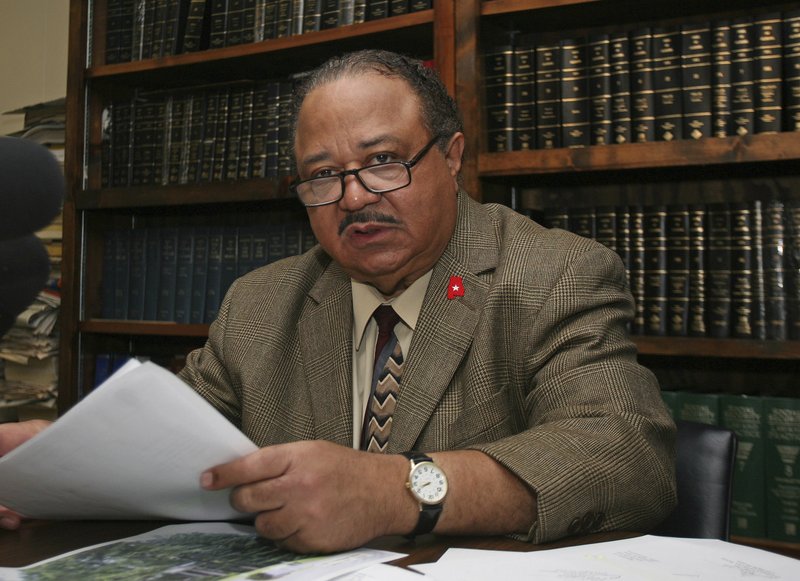
Former state Rep. Alvin Holmes, who had been the longest-serving member of the Alabama House of Representatives before his 2018 defeat, has died. He was 81. Alabama House of Representatives spokesman Clay Redden confirmed Holmes’ death Saturday. Holmes, one of the first African Americans elected to the Alabama Legislature after the civil rights era, was for decades a fixture at the Statehouse. His political career included battles over issues ranging from removing Jim Crow language from the state Constitution to taking the Confederate flag off of the Alabama Capitol. With his trademark outspokenness, he had panache for humorous, and sometimes controversial, moments. Holmes was first elected to the House of Representatives in 1974, just four years after African Americans — who hadn’t served since Reconstruction — returned to the Legislature. “I came to the Statehouse out of the civil rights movement. I said I wanted to go up there and make a change,” Holmes said after his defeat in 2018. Holmes had said the accomplishments he was most proud of included establishing Martin Luther King Day as a state holiday and pushing for the hiring of African Americans for professional positions at the Alabama Legislature. He was among lawmakers who fought to take the Confederate battle flag off the Alabama Capitol’s dome where it had formerly flown as a symbol of Southern defiance to integration. He sponsored a constitutional amendment to remove an interracial marriage ban from the Alabama Constitution and unsuccessfully fought for years to get sexual orientation included in the state hate crime statute. House Speaker Mac McCutcheon said Holmes was a champion for civil rights and for all taxpayers. “He took stands to ensure African Americans were treated fairly and that tax dollars were spent wisely. Representatives Holmes could be forceful at times and give no ground on issues he was passionate about, but no one ever questioned his sincerity. I was proud to call him a friend,” McCutcheon said. The short, mustached Holmes had a flair for humor and bluntness at the House microphone, a skill he said he knowingly deployed at times to draw attention to issues. Once, during a floor debate, Holmes pulled out a wad of cash and said he would give $700 to anyone who showed him Bible verses specifying that marriage is between only a man and a woman. The challenge prompted a flood of calls into the statehouse switchboard. “What’s wrong with the beer we got? I mean the beer we got drinks pretty good don’t it.” he also once asked during a debate on a bill, promoted by beer enthusiasts, to allow the sale of higher alcohol content brews. Rep. Christopher England, who also serves as chairman of the Alabama Democratic Party, said Holmes was a great Democrat and a fighter. “He stood on the frontlines of the fight for civil rights and was willing to sacrifice everything in his fight for justice for all. …. Alabama has lost a giant, whose wit, intelligence, fearlessness, selfless determination, and leadership will be sorely missed.” Republished with the permission of the Associated Press.
Looking back: Controversial comments the norm for Rep. Alvin Holmes during 44 yrs. in legislature
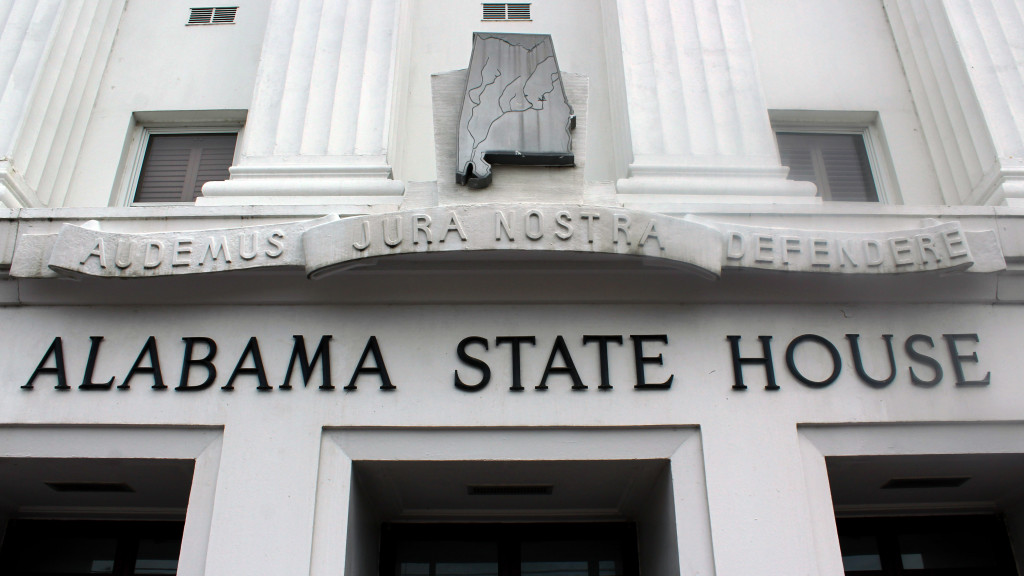
The article below is republished with the permission of the Associated Press. It first ran March 16, 2014. We are republishing today in light of Alvin Holmes being defeated in his primary runoff Tue. July 17, 2018. Alabama Rep. Alvin Holmes approached the House floor microphones during a contentious debate on an abortion bill and landed in the national spotlight by saying 99 percent of white lawmakers would want their daughters to have an abortion if pregnant by a black man. “You ain’t gonna have no little black baby — if you got two other white children, and then she’s gonna have a little black baby running around there in the living room or in the den with the rest of them,” said the Montgomery Democrat on March 4. Holmes, who was one of the first blacks elected to Alabama’s Legislature, has become known for statements — sometimes outlandish, sometimes brutally direct and sometimes funny — during a political career that has spanned 40 years in a conservative Southern state with a long history of civil rights struggles. Holmes earlier this session called Supreme Court Justice Clarence Thomas one of history’s biggest “Uncle Toms.” He said there are some legislators, in his opinion, who are “first cousins to the KKK.” And his comments on the legislative floor have garnered thousands of hits on social media. “He likes sensationalism and that is usually what he shoots for. It’s not the first time he has done it and it won’t be the last. But it sure gets him the attention,” Rep. Patricia Todd, D-Birmingham, said. Holmes, 72, came under fire from people who said he had gone too far. “Representative Holmes continues to spout racist and derogatory language on the floor of the Alabama House of Representatives. Voters in his district should be embarrassed by him and should expect more from their representative,” Alabama Republican Party Chairman Bill Armistead said. Holmes on Wednesday said he stands by his words. He clarified that that his point was that older Alabamians, in his opinion, still oppose interracial marriage and don’t want mixed race grandchildren. “The younger whites, most of them don’t care,” he in an interview. Holmes was elected to the House of Representatives in 1974 just four years after African Americans, who hadn’t served since Reconstruction, returned to the Legislature. He filed the 1992 lawsuit that took the Confederate battle flag off the Alabama Capitol’s dome where it had flown as symbol of southern defiance. Holmes has openly criticized governors, both Democrat and Republican. He sponsored a constitutional amendment to remove an interracial marriage ban from the Alabama Constitution and unsuccessfully fought for years to get sexual orientation included in the state hate crime statute. Holmes said one of the things that he is most proud of is convincing the house clerk to begin hiring African Americans into professional positions. “When I was first at the Capitol, the only blacks were janitors and maids,” Holmes said. The short, mustached Holmes, with his distinctively loud, impassioned, southern drawl with high-pitched punches, is now the longest-serving House member after being re-elected year after year. Rep. John Rogers, who would probably come a close second with Holmes in an outspokenness race, said Holmes is well-liked and well-known. “Alvin is well known all over the state and the nation, really. In Montgomery, he’s like an icon,” Rogers, D-Birmingham, said. Rogers said Holmes’ abortion comments were wrong, but other times he said Holmes, “says the things that other folks want to say, but are scared to say.” “Alvin is like the agitator in the washing machine,” Rogers said. While his comments on abortion garnered national attention, they made barely a ripple that night on the House floor. Speaker of the House Mike Hubbard said Holmes is “very smart and knows exactly what he is doing.” “Rep. Holmes has a very keen sense of what to say and do that will shock people and therefore generate media coverage and publicity. In the House, we’re kind of used to it and most members don’t take him seriously, but it does create media stories. I believe he thrives on that,” Hubbard said. His legislative floor comments, once confined to the state of Alabama, are now quickly shared in the age of Twitter and YouTube. “What’s wrong with the beer we got? I mean the beer we got drinks pretty good don’t it. I ain’t ever heard nobody complain about the beer we have,” Holmes said during debate in 2008 on a bill to prohibit the sale of beers with high alcohol content. He once pulled out a wad of cash and said he would give $700 to anyone who shows him Bible verses specifying that marriage is between only a man and a woman. The challenge prompted hundreds of calls to the Alabama Statehouse. Early in this four-year term, attempting to block a vote on a piece of legislation, Holmes contended it couldn’t legally come up for consideration. He listed by number, the state rule he said prohibited it. House business came to a halt as Hubbard, the newly elected speaker, consulted with staff and searched for the citation Holmes gave. There was no such rule. Holmes was making it up. “He didn’t know that I didn’t know,” Holmes said with a laugh. Holmes said the state has changed “tremendously” since he was first elected in 1974. However, he points to election results and the hate mail he receives as proof that it hasn’t completely changed. A letter he received after the abortion debate was filled with racial slurs, he said. Alabamians in 2000 voted to remove the ban on interracial marriage from the state constitution, but 40 percent of voters thought the ban should remain. Through his career, Holmes said he just tries to call it like he sees it. He said he was surprised by the recent national attention. “I had no idea they’d go all over the world like they did. I’ve made comments on the floor that
Kirk Hatcher says opponent Alvin Holmes ‘no longer able to fight the good fight’
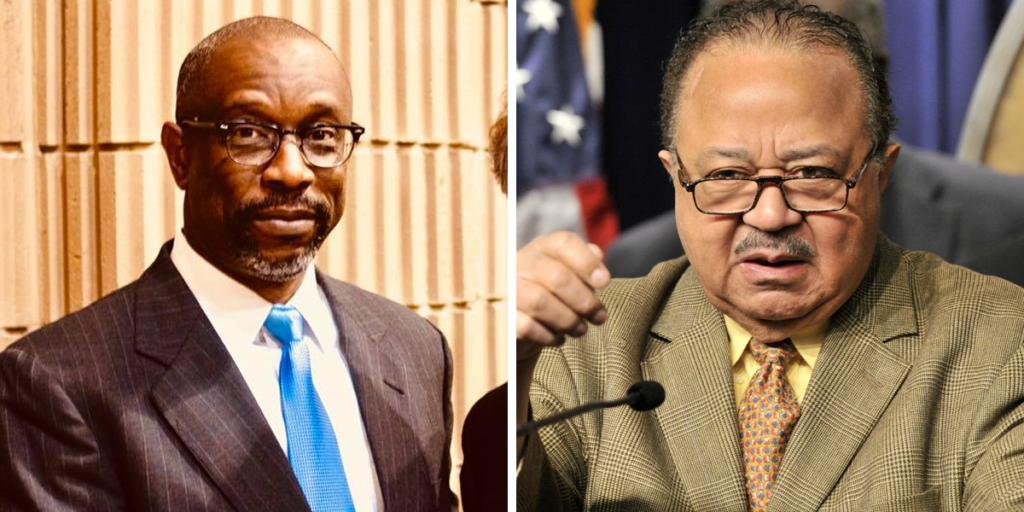
Democrat Kirk Hatcher is hoping to do something that’s not be done in 44 years: unseat House District 78 incumbent Alvin Holmes. Hatcher has pulled Holmes into a runoff, as Holmes failed to take home at least 50 percent during the June 5 Democratic primary. Holmes had 45.8 percent, while Hatcher got 37 percent. A third opponent, Terance Dawson got 16 percent. Holmes who has held the seat since 1974 has become an institution in the State Legislature — a powerful voice advocating on behalf of African Americans. But Hatcher says those days are gone. In an interview with AL.com, Hatcher says Holmes is not around to fight the way he used to. “I’ve known of him for many, many, many years,” Hatcher said. “But I also know that he’s no longer able to fight the good fight, so to speak. And his absence has been notable.” Hatcher is referring to the fact Holmes missed of the 2018 legislative session. AL.com also noted, “Holmes also failed to report his campaign finance activity before the primary. On Tuesday, he filed late reports with the Alabama Secretary of State’s office on campaign contributions and expenditures from May.” Hatcher and Holmes face-off in the runoff election on July 17.
Heated discussion and racial accusations fly over bill to change Taxpayer Advocate position
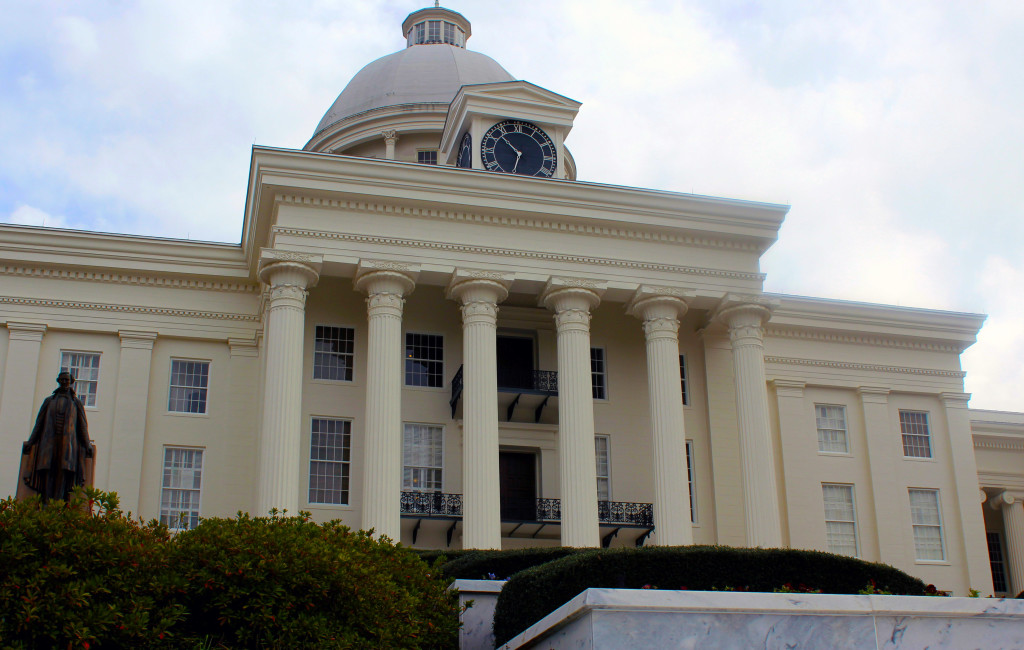
The first item up for discussion in the Alabama House of Representatives today was HB38, a bill from Rep. Mark Tuggle (R-Alexander City). The bill gives the power of selecting a Taxpayer Advocate to the governor, the candidates of which will be vetted by a newly created Selection Committee, removing said powers from the Revenue Commissioner. Immediately, the House Black Caucus began voicing concerns over the bill concerning the added cost, as well as the possibility for corruption, in that those involved could seek favors for friend looking for ways around paying taxes. Rumors had abounded that the caucus was filibustering motion on the bill due to a racial issue, specifically the fact that the current Taxpayer Advocate, Brenda Russ, is black, but that sentiment wasn’t clarified until Rep. Alvin Holmes (D-Montgomery) approached the microphone. Holmes began his statements by asking if Tuggle knew the race of the current advocate, to which Tuggle replied he did not. “Man, you know she’s black,” Holmes said. “That’s why you brought forth this bill, so you could get rid of her. You introduced it to get rid of the black lady.” “This bill is not about her,” Tuggle said. “It’s about race,” Holmes responded. Holmes went on to allege that the new system would allow the committee to select “five white names” to bring before the governor for selection. Rep. Juandalynn Givan (D.Birmingham) and Rep. John Knight (D-Montgomery) also brought forth concerns regarding the bill, Givan again reinforcing the perceived racial undertones to the proposed legislation, as well as the lack of need for a change in the Revenue Department. Knight petitioned Tuggle to delay a vote on the bill in order to craft a more agreeable piece of legislation, noting that there was limited time to look over the bill, but Tuggle declined. “It’s a bad bill,” Knight added. “It’s just as political as anything I’ve ever seen. I don’t see how a political appointee, that serves at the pleasure of the governor, can give any solace to taxpayers.” A vote for final passage on the bill was called for and the legislation passed, 70 to 33.
15,000 signatures and counting for petition to Gov. Bentley to restore flag
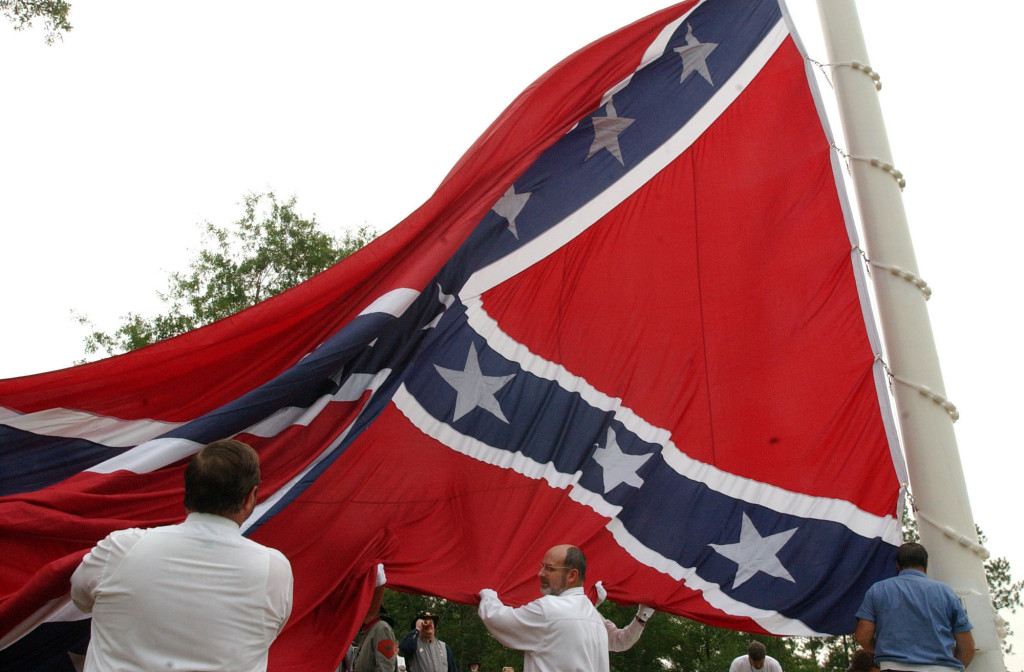
Thursday Alabama Today reported about the momentum of a petition calling for Gov. Robert Bentley to restore the Confederate flag. Less than 24 hours ago the post had 8,393 signatures. As of noon Friday the petition had almost 16,500 signatures. The governor has received mixed reactions, including praise from State Rep. Alvin Holmes who previously has sued the state to have the state remove the flag, and disappointment from voters and the state auditor. The Montgomery Advertiser reported Holmes called the flag “part of the ugly history of America.” According to the article he went on to say, “It represented slavery (and) it represented a defunct sovereign, a nation that had attempted to overthrow the United States government.” State Auditor Jim Zeigler in a strongly worded release called the Bentley’s action a “deceptive political move.” In an email to Alabama Today, petition creator Phillip Giddens wrote, “We our now over 15.000 signatures and will not stop till our heritage is safe and left alone.” A spokesman for Bentley’s office said they had no comment on the petition. Some of the comments directed to the Governor of those signing the petition include:
Alabama takes down Confederate flags on Gov. Robert Bentley’s order
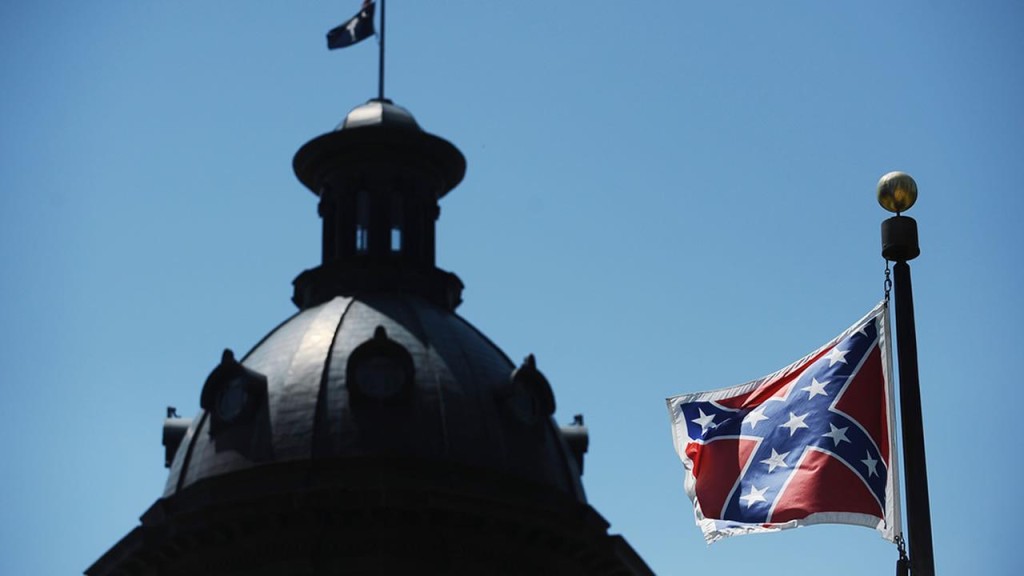
Wednesday, the state of Alabama at the request of the governor removed the Confederate battle flags from Capitol grounds. The move comes as backlash over the flag’s symbolism of continues after the horrific shootings in South Carolina and photos emerging of the shooter holding a Confederate flag. When asked whether there was a formal or written request to remove the flags, a spokesman for the governors office told Alabama Today, “The governor gave a verbal directive to remove the flags.” When asked by a reporter whether their removal was in response to the Charleston shootings, AL.Com reports Gov. Robert Bentley said, “Yes, partially this is about that. This is the right thing to do. We are facing some major issues in this state regarding the budget and other matters that we need to deal with. This had the potential to become a major distraction as we go forward. I have taxes to raise, we have work to do. And it was my decision that the flag needed to come down.” Tuesday, State Rep. Alvin Holmes called for the flag to be removed. Holmes told The Associated Press, “I think most people realize it’s divisive. It has no place on a public building.” In a prepared statement issued after the removal, Speaker Mike Hubbard said, “Earlier today I asked the Clerk of the House to remove the Confederate battle flag from the Old House Chamber in the Capitol Building. Given the current environment, it became obvious that the presence of the flag in that historic chamber would become a distraction during the upcoming Special Session, possibly lead to protracted debate, and avert our attention from the Special Session’s main goal. By taking the proactive action of removing the flag, the Legislature can move forward in several different ways.” Alabama U.S. Rep. Terri Sewell said she agreed with the governor’s decision: “The Confederate flag is a part of the South’s past, and that is where it should remain. I applaud Governor Bentley for removing the Confederate flag from the grounds of the state Capitol. His actions demonstrate the need for us to close that chapter of our history.” Sewell continued, “The Confederate flag represents the fight for slavery and is a symbol of hate, not heritage. Our state government should not sanction bigotry but promote unity and respect for the rights of all Alabamians. It is time to leave behind racist vestiges of our past.” South Carolina Gov. Nikki Haley has called for the flags to be removed in that state. However, the removal of the flag requires a two-thirds supermajority vote in both legislative chambers.
Alvin Holmes wants Confederate flag removed from Capitol grounds

A Montgomery lawmaker on Tuesday said Alabama should remove Confederate flags that fly outside the Alabama Capitol next to a towering monument to Confederate soldiers. Rep. Alvin Holmes, D-Montgomery, said he will file a legislative resolution in the next legislative session to remove Confederate flags from the Capitol grounds. “I think most people realize it’s divisive,” Holmes said. “It has no place on a public building.” A spokeswoman for Gov. Robert Bentley said the governor did not have a comment at this time on whether the Confederate flags should remain on the Capitol grounds. Nor did he say whether he thought the state should stop issuing a vanity license plate for the Sons of Confederate Veterans that includes the battle flag. The Alabama Legislature is expected to meet later this summer for a special session on the budget. Four Confederate flags – the first three official flags of the Confederacy and the square-shaped Confederate battle flag – fly at each corner of an 88-foot-tall Alabama Confederate Monument beside the Alabama Capitol. Calls to remove Confederate symbols that dot the Old South reignited after the massacre of nine people at a black church in South Carolina last week. The white suspect, Dylann Storm Roof, posed in photos displaying Confederate flags and burning or desecrating U.S. flags. South Carolina Gov. Nikki Haley said Monday that the flag should be removed from the Statehouse grounds. South Carolina, like Alabama, once flew the Confederate flag atop its Capitol but moved it to a nearby Confederate monument in 2000 during a compromise with black lawmakers. Virginia Gov. Terry McAuliffe said he wanted the state to stop issuing the Confederate vanity license plates. In Alabama, former Gov. George C. Wallace ordered the Confederate flag hoisted over the Capitol dome in 1963 during a fight with the federal government over ending school segregation. Holmes led a fight in the 1990s to remove the rebel banner from the dome. A judge ruled against the state, which appealed. Then-Gov. Jim Folsom in 1993 made a decision that the Confederate flag, which was taken down in 1992 during dome renovations, would not be put back atop the Capitol when those renovations were complete. “It was really a simple decision. We are no longer part of the Confederate government. I made the decision to remove it and get it behind us,” Folsom said. Folsom said the decision was made to put the flags beside the Confederate monument to display them in “proper historical context.” Gary Carlyle, commander of the Alabama chapter of the Sons of Confederate Veterans, said the flags represent Southern history. “Our prayers and concerns are about nine great citizens who got killed in South Carolina by an evil person.” The Confederate Monument, which was erected in 1898, includes quotes paying tributes to Confederate soldiers including a poem excerpt calling them, “the knightliest of the knightly race.” Holmes said the monument is not as offensive as the flags, which he said have become a symbol of racism and hate. Republished with permission of The Associated Press.
